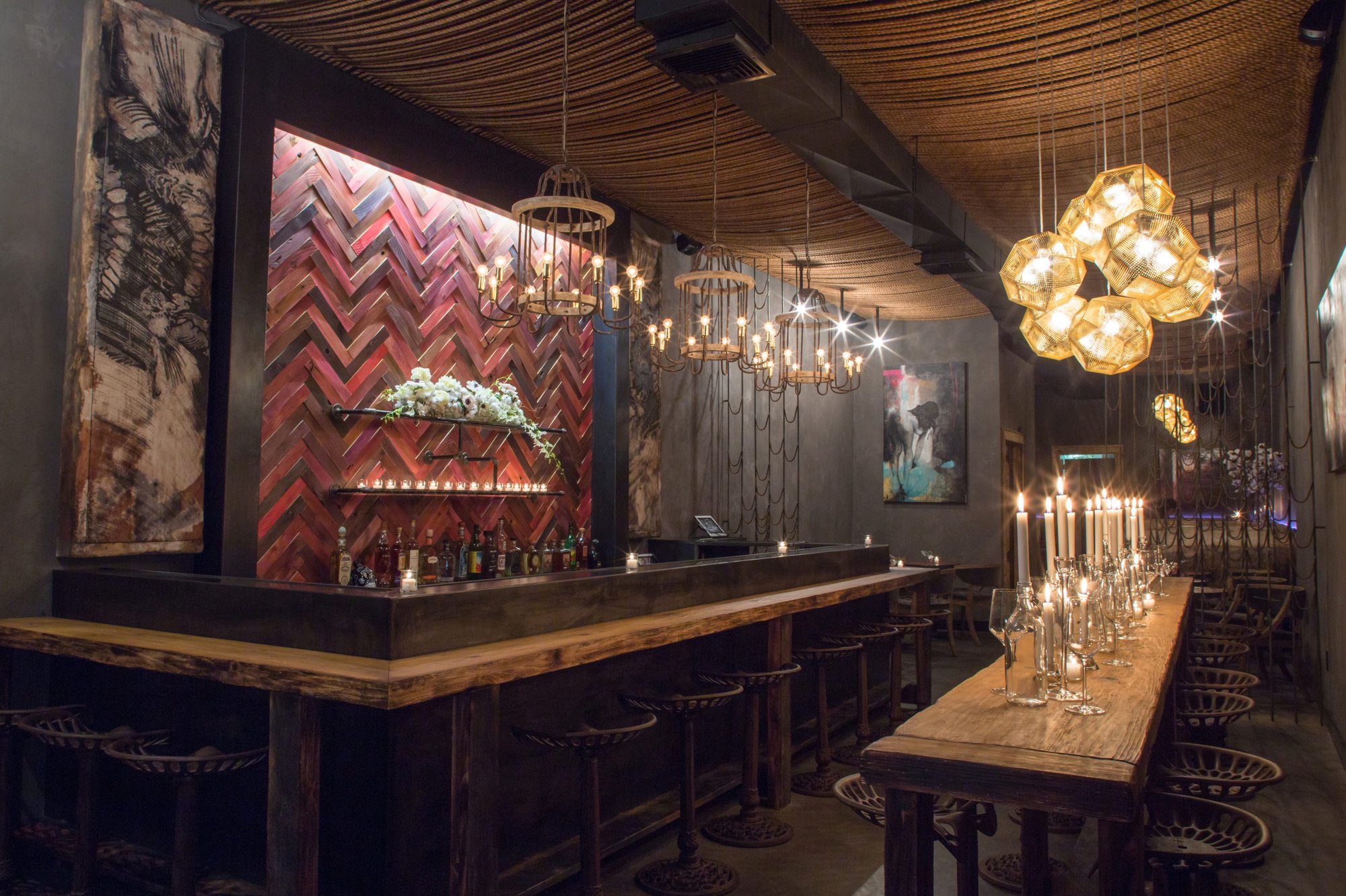
Reading the Menu as Architecture
The clearest way to understand a restaurant's actual ambitions is to look at how its menu is structured, not just what individual dishes appear on it. At Xixa, the construction is deliberate: the menu moves through formats rather than strict courses, offering a progression from lighter, acidic preparations through richer, more complex plates. This is a structure that owes something to the tasting-menu model without committing to its formality or price point.
Mexican cuisine's canon provides an unusually deep toolkit for this kind of architectural thinking. The tradition encompasses fermented preparations, smoke, chillies across a wide Scoville range, seafood, braised proteins, and masa in multiple forms. A kitchen that knows how to sequence those elements can build a meal with genuine tension and release, where the acidity of one dish resets the palate for the intensity of the next. That rhythm, when it works, is what separates a considered menu from a list of individually good dishes.
The drinks program at Xixa is structured to work alongside the food rather than around it. Mezcal and tequila form the spine of the spirits list, which is the correct call for a kitchen working in this register. Both spirits carry enough botanical complexity to pair with chilli heat, citrus, and smoke in ways that, say, a vodka-led cocktail list cannot. For diners uncertain where to start, the logical entry point is a mezcal-based cocktail with citrus balance, which tracks with what the early food courses are likely to be doing. As the meal progresses toward richer plates, a neat pour of a high-quality mezcal or a brief, spirit-forward cocktail becomes the more interesting companion.
For a deeper look at New York's agave-forward drinking scene, Superbueno in Nolita runs one of the city's most focused mezcal and tequila programs. Elsewhere in the premium cocktail tier, Amor y Amargo and Attaboy NYC operate in different stylistic registers but share Xixa's commitment to a drinks program with genuine depth. Angel's Share remains a reference point for Japanese-influenced precision cocktails. Beyond New York, similar seriousness in drinks programming shows up at Kumiko in Chicago, Jewel of the South in New Orleans, Julep in Houston, ABV in San Francisco, Allegory in Washington, D.C., Bar Leather Apron in Honolulu, and The Parlour in Frankfurt on the Main.
Where Xixa Sits in Williamsburg's Dining Tier
Williamsburg's restaurant market has bifurcated. The Bedford Avenue strip and its immediate surroundings now carry mid-to-high price points and a strong reservation culture, while blocks further from the L train still operate at neighbourhood-restaurant informality. South 4th Street sits closer to the latter in feel, even as the actual cooking at places like Xixa competes with Manhattan price points and ambition.
That tension, a serious kitchen in a context that doesn't over-announce itself, is increasingly where the more interesting Brooklyn dining happens. The comparison set for Xixa is less the Mexican restaurants of the East Village and more the creative, mid-format restaurants that have made Williamsburg a credible dining destination in its own right rather than merely a cheaper alternative to crossing the bridge. For a broader map of where Xixa fits within the city's restaurant scene, the full New York City restaurants guide provides useful positioning across neighbourhoods and cuisine types.
Timing and Approach
Williamsburg dining skews toward later evening, and Xixa fits that rhythm. A weeknight reservation gives a more settled experience than weekend service, when the neighbourhood's bar circuit intersects with the restaurant crowd and the room operates at higher intensity. For a meal organised around the full arc of the menu, arriving early enough to work through the drink list alongside the food is the more rewarding approach than treating the cocktails as a waiting game while the kitchen catches up.
The restaurant is a short walk from the Bedford Avenue L train stop, which is the practical transit option from Manhattan. The Marcy Avenue J/M/Z stop covers the eastern approach from downtown Brooklyn.
 Discover on Pearl