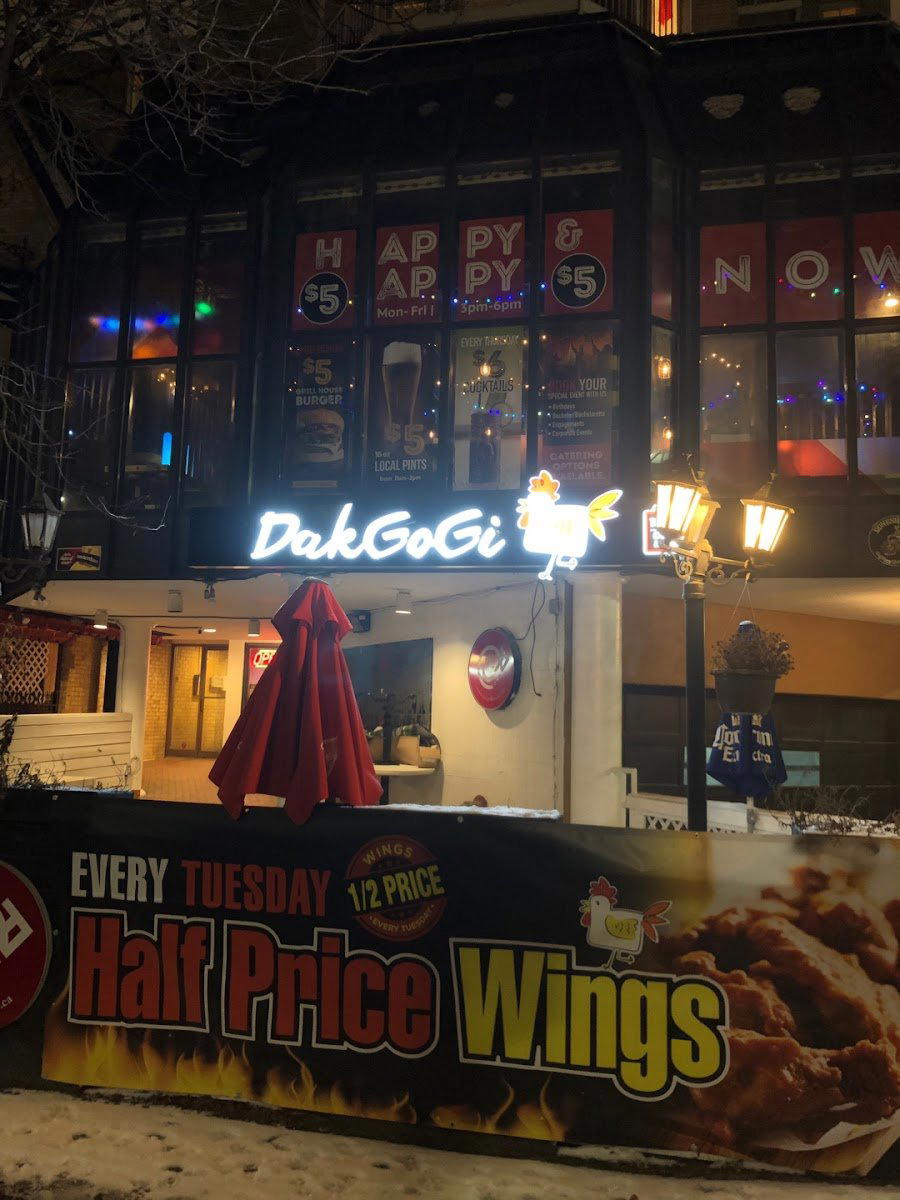
Woosuk Pocha occupies a Wellesley Street address that places it squarely inside Toronto's Koreatown-adjacent dining corridor, where the pocha format — Korea's street-stall drinking culture translated into a sit-down setting — has found a receptive audience among the city's late-night crowd. The bar food and drinks programme work in the close relationship that defines the genre at its most considered.

Pearl is the En Primeur Club membership app — saves, bookings, and concierge access live there. Same editors, same standards.
- Address
- 25 Wellesley St E, Toronto, ON M4Y 2S9, Canada
- Phone
- (647) 350-1999
- Hours
- Daily 5 PM–2 AM
- Website
- dakgogi.co
- Directions
- Get directions
The Pocha Format in a Canadian Context
Walk east along Wellesley Street on a weekend evening and the shift in register is immediate. The neighbourhood carries the density of a city that has been layering food cultures for decades: Korean, South Asian, and older European communities occupying the same few blocks, each leaving a different trace on the restaurant stock. At 25 Wellesley St E, Woosuk Pocha occupies a position that makes particular sense in this context. The pocha — short for pojangmacha, the tarpaulin-covered street stalls that anchor Korean late-night drinking culture — has migrated into sit-down formats across Seoul, Los Angeles, and increasingly Toronto, carrying with it a set of assumptions about how food and alcohol should relate to each other that is quite distinct from the Western bar food tradition.
In the pocha model, drinking and eating are not sequential activities. Food is not a preliminary or an afterthought; it arrives continuously alongside drinks, with each dish calibrated to extend rather than interrupt the session. The logic is closer to Spanish bar culture than to a North American pub kitchen, though the flavour vocabulary is entirely different: fermented heat, sesame depth, the particular savoury weight of dishes built around soy and doenjang. Toronto's Korean restaurant scene has grown considerably over the past decade, and the pocha format represents a more casual, drinks-centred branch of that growth, distinct from the formal barbecue houses and the chef-driven Korean-Canadian hybrids that have drawn wider critical attention.
Food and Drink as a Single Programme
The editorial angle that matters at a pocha is not the kitchen in isolation but the relationship between what you drink and what you eat, and whether the two programmes are designed in conversation with each other or simply coexist. Korean drinking culture has its own internal logic on this point. Soju, the clear distilled spirit that dominates Korean alcohol consumption, is relatively low in alcohol by spirits standards (typically 16 to 25 percent ABV depending on the product), which means it is designed to be consumed over a long sitting alongside food rather than in short sharp measures. Makgeolli, the milky fermented rice wine, carries a gentle effervescence and a slight sweetness that cuts through fried and spiced dishes in a way that beer approximates but rarely matches with the same precision.
A well-run pocha programme understands that the drinking format shapes the food requirement. Dishes need to sustain through multiple rounds without overwhelming the palate: hence the structural importance of banchan-style small plates, the presence of stews designed to be eaten slowly, and fried items that provide textural contrast without demanding full attention. When the food and drink sides of the programme are aligned, a pocha sitting operates at a different rhythm from either a cocktail bar with snacks or a restaurant with a wine list, it becomes its own format with its own internal clock.
Toronto's bar scene has moved in recent years toward more considered food programmes across a range of formats. Bar Raval runs a Spanish-inflected approach where pintxos and jamón work as direct counterparts to the vermut and sherry list. Bar Pompette anchors its French wine focus with a kitchen output that treats the food as a genuine component of the wine experience rather than an ancillary revenue stream. Bar Mordecai operates in a cocktail-led register where the snack menu is tight and purposeful. Civil Liberties maintains a similar discipline in its spirits programme. Woosuk Pocha occupies a different genre from all of these, but the underlying design question is the same: does the food make the drinks better, and vice versa.
Where Wellesley Fits in the City's Bar Geography
Toronto's late-night drinking geography has shifted considerably as the downtown core has densified. The Church-Wellesley corridor, which runs almost directly past the Woosuk Pocha address, draws a consistent evening crowd that skews toward longer, more social sittings rather than quick drink stops. This suits the pocha format well. Venues built around a quick turnover model and a short menu struggle to support the kind of slow, food-punctuated evening that pocha culture assumes. The neighbourhood's walkability and its position between the Yonge Street spine and the Bloor Street dining strip means that Woosuk Pocha sits within a broader evening circuit rather than as a standalone destination requiring special effort to reach.
For visitors building a Toronto evening around the city's bar and restaurant stock, the area around Wellesley and Church gives access to a range of formats within a short walking distance. Those approaching from the west along Bloor will pass through the core of the Korean commercial strip before turning south; those coming from the subway will find the College or Wellesley stations on the Yonge line both viable entry points. No reservation information is publicly available for Woosuk Pocha at this time, so arriving early in the evening on weekends is the lower-risk approach.
The Pocha in Canadian Cities: A Wider Pattern
The pocha format is not unique to Toronto. Vancouver's Korean restaurant stock has expanded to include similar late-night formats, as has Calgary's. Across Canada's bar scene more broadly, there is a pattern of culturally specific drinking formats finding ground in cities with sufficient diaspora populations and an evening-out culture willing to engage with unfamiliar structures. Atwater Cocktail Club in Montreal represents one end of the spectrum, a fully codified cocktail programme with precise food pairings, while venues like Botanist Bar in Vancouver and Humboldt Bar in Victoria work in different registers entirely. Further afield, Missy's in Calgary, Bearfoot Bistro in Whistler, Grecos in Kingston, and Bar Leather Apron in Honolulu each demonstrate how a bar's identity is shaped as much by its food programme logic as by its drinks list. The pocha sits within this broader movement toward formats where the kitchen is genuinely integrated into the drinking experience rather than operating as a separate department. For the full picture of Toronto's bar and restaurant range, see our full Toronto restaurants guide.
Planning Your Visit
Woosuk Pocha is at 25 Wellesley St E, Toronto. The venue sits in a part of the city that rewards walking: the Church-Wellesley strip has a high density of evening options if the wait is long, and the Wellesley subway station on Line 1 is the most direct transit approach. Given the format's design around longer, food-punctuated sittings, evening visits rather than early-week lunchtime approaches will give the fullest sense of what the pocha format delivers.
Nearby-ish Comparables
A quick peer list to put this venue’s basics in context.
| Venue | Price | Awards |
|---|---|---|
| Woosuk PochaThis venue — the venue you are viewing | $20–30 | Not listed |
| Civil Works | $20–30 | World's 50 Best #29 · Canada's 100 Best Bars #16 |
| Bar Mordecai | $30–50 | World's 50 Best #94 · Top 500 Bars Best Bars #438 |
| Bar Pompette | $20–30 | World's 50 Best #8 · Canada's 100 Best Bars #2 |
| Cry Baby Gallery | $20–30 | World's 50 Best #69 · Top 500 Bars Best Bars #310 |
Continue exploring
More in Toronto
Bars in Toronto
Browse all →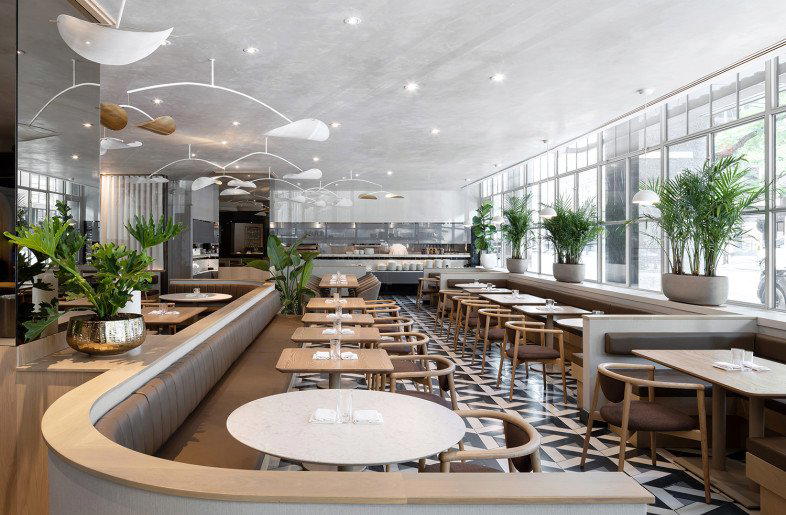
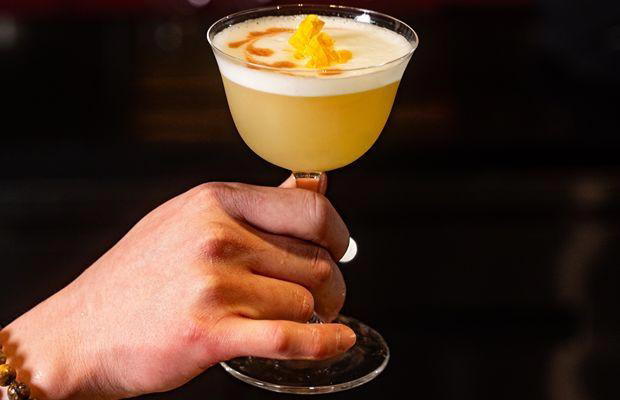
Restaurants in Toronto
Browse all →
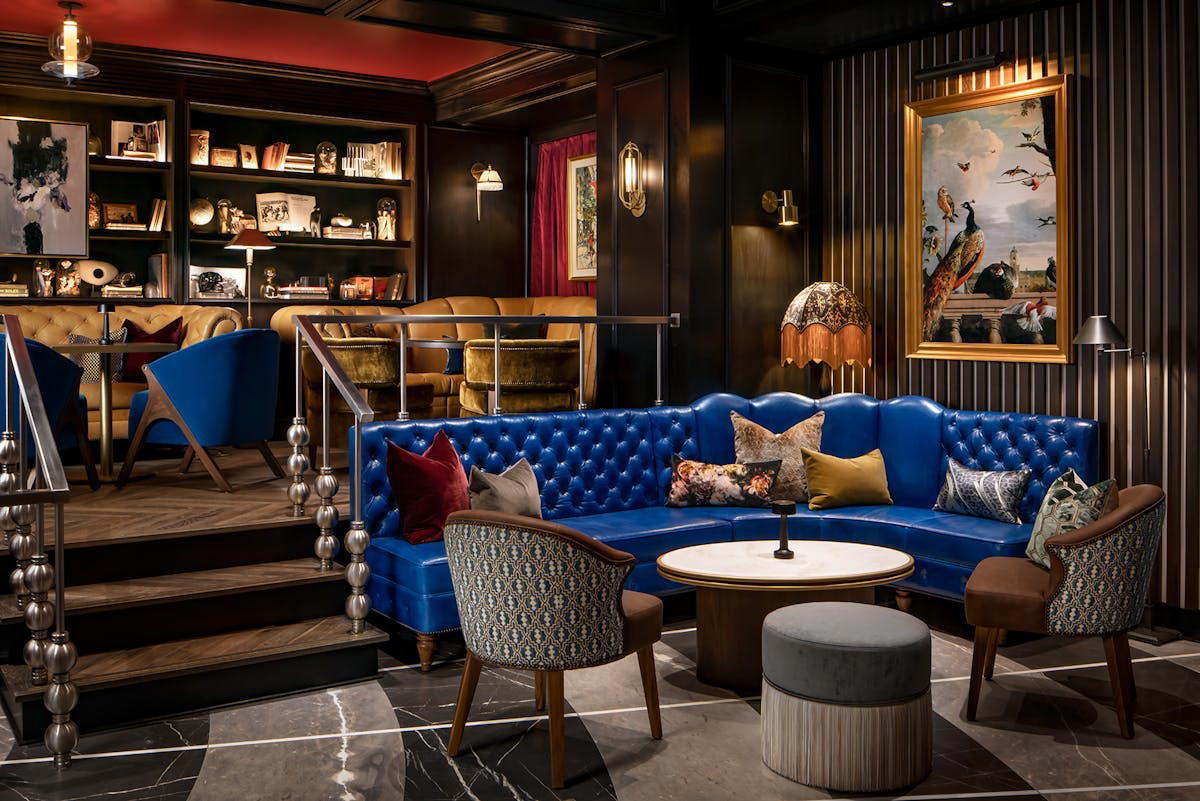
Hotels in Toronto
Browse all →


Details
- Lively
- Trendy
- Casual Hangout
- Group Outing
- After Work
- Standalone
- Seated Bar
- Lounge Seating
Current opening hours
- Monday
- 5 PM–2 AM
- Tuesday
- 5 PM–2 AM
- Wednesday
- 5 PM–2 AM
- Thursday
- 5 PM–2 AM
- Friday
- 5 PM–2 AM
- Saturday
- 5 PM–2 AM
- Sunday
- 5 PM–2 AM
Hours can change for holidays and private events. Last verified .
Lovely ambiance with a low-profile address aesthetic, casual and welcoming atmosphere focused on food and drink enjoyment.