Vesuvio Cafe

Eater Cocktail Bar Guide
Vesuvio Cafe on Columbus Avenue is one of North Beach's most storied bars, operating since 1948 and inseparable from the Beat Generation writers and poets who made it their living room. The bar sits directly opposite City Lights Bookstore, and the two have functioned as a cultural axis for San Francisco's literary counterculture ever since. It remains an open, unpretentious room where the history is in the walls, not the branding.

Pearl is the En Primeur Club membership app — saves, bookings, and concierge access live there. Same editors, same standards.
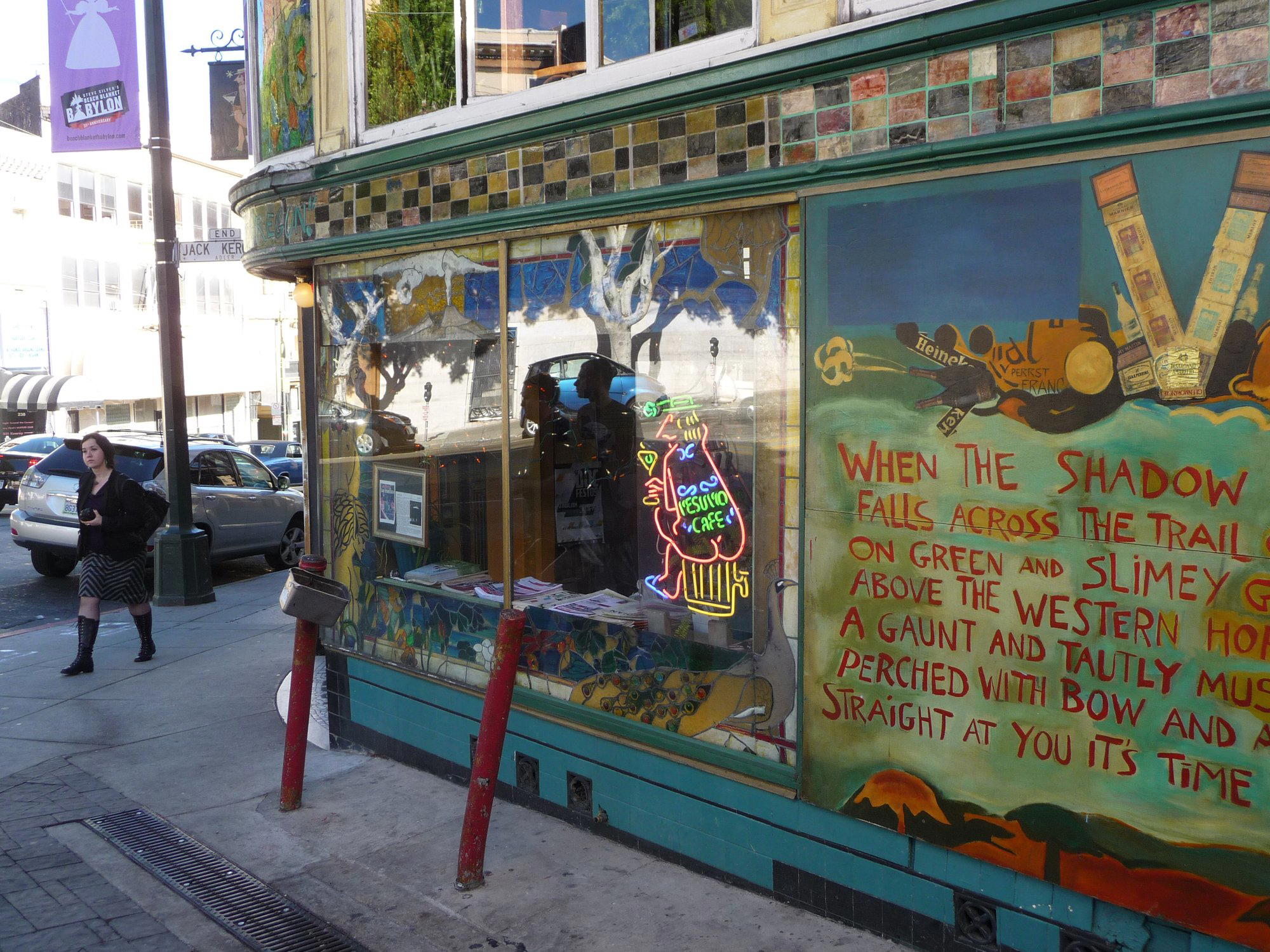
North Beach and the Bar That Refused to Move On
Columbus Avenue in North Beach does not pretend to be anything other than what it is: a street where the twentieth century left its fingerprints and nobody has been particularly motivated to wipe them away. Vesuvio Cafe, at number 255, sits at the corner of Jack Kerouac Alley across from City Lights Bookstore, and the geography matters. These two addresses have operated as a kind of self-sustaining cultural circuit since the 1950s, one selling the books and the other selling the drinks that made talking about those books feel urgent and necessary. San Francisco has produced more polished drinking rooms since then, including technically ambitious programs at Pacific Cocktail Haven and ABV, but Vesuvio belongs to a different category entirely: the bar as historical document.
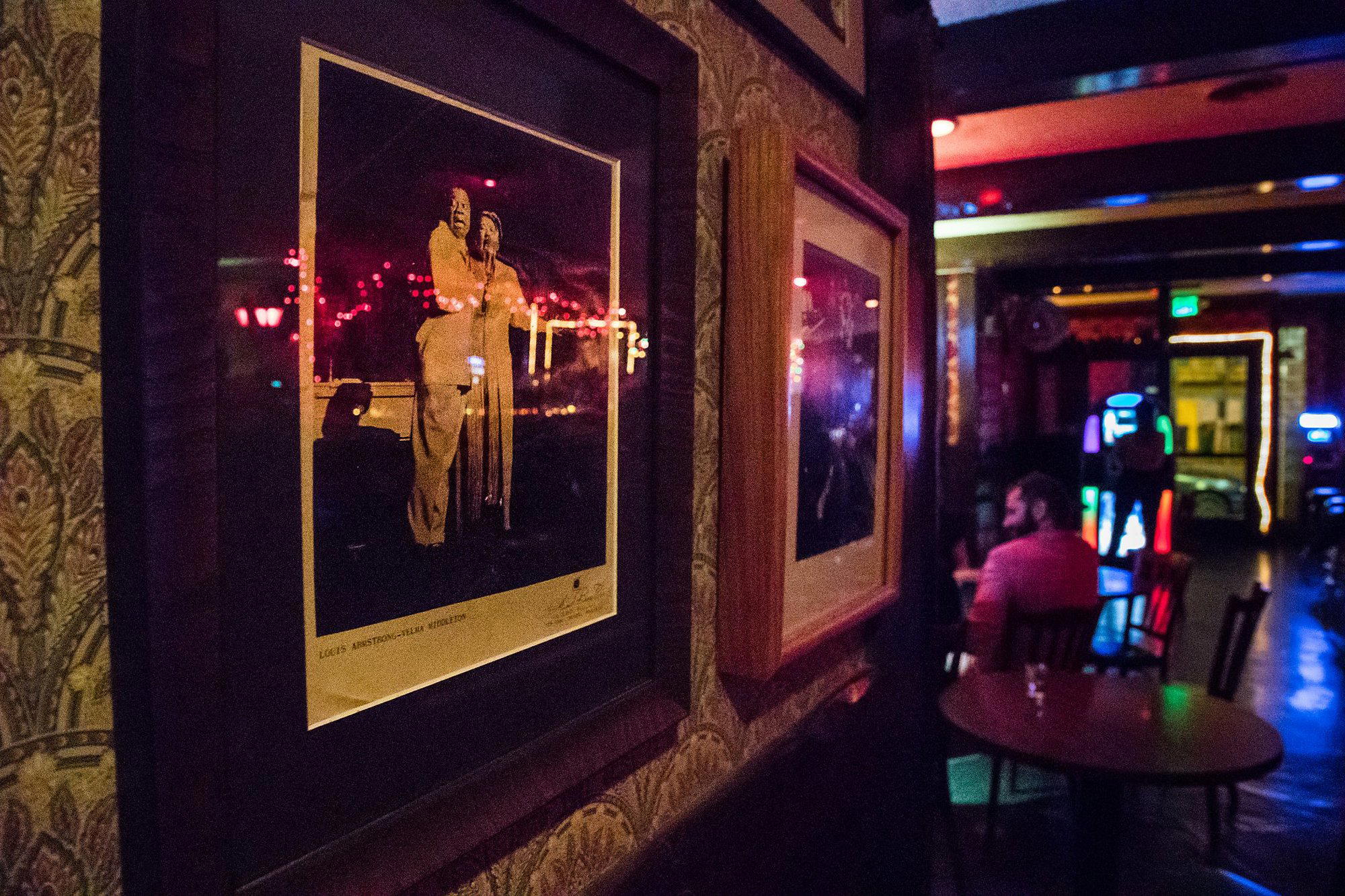
The building itself announces its era without apology. The facade carries hand-lettered signage and stained-glass panels that have survived decades of the neighborhood's fluctuating fortunes. Inside, the walls function as an archive: photographs, clippings, and ephemera connected to the Beat writers who turned this room into an extension of their working lives. Allen Ginsberg, Jack Kerouac, and Lawrence Ferlinghetti were regulars in the 1950s. That is not a marketing claim retrofitted to a bar that wanted a story; it is the actual origin of the bar's reputation. The room earned its associations before anyone thought to commodify them.
The Source Material Behind the Drinks
The editorial angle here is not novelty of technique. San Francisco's cocktail scene has moved decisively toward ingredient-driven programs, with bars across the city sourcing from local farms, California producers, and Pacific Rim suppliers. Places like Friends and Family and Smuggler's Cove operate with explicit sourcing philosophies built around provenance. Vesuvio does not compete in that space. What it offers instead is something harder to manufacture: a drink menu rooted in the vernacular of the mid-century American bar, served in an environment that provides genuine context for why those drinks existed in the first place.
Bohemian daiquiri, a house variation that has been associated with the bar for decades, is the drink most closely tied to Vesuvio's identity. It is not a technically complex production, and that is precisely the point. The bar's approach to its drinks reflects the same democratic, anti-pretension ethos that defined the literary culture it hosted. You are not paying for technique theater here. You are paying for a drink in a room where the concept of the American literary bar was, in some meaningful sense, worked out in practice.
This matters when considering how the bar fits into San Francisco's broader drinking culture. The city has developed a sophisticated cocktail scene that rewards the kind of deep-dive sourcing and preparation you find at contemporary programs. Visitors who want that experience have good options: Pacific Cocktail Haven runs a tightly focused modern program, and ABV brings serious technical attention to its menu. But there is also a case for the bar that does not need to justify itself through sourcing provenance or preparation complexity, because its sourcing is historical and its provenance is the neighborhood itself.
Where Vesuvio Sits in the City's Bar Spectrum
San Francisco's bar scene in 2024 spans from rum-specialist deep dives at Smuggler's Cove, with its extensive aged spirits library, to ingredient-forward contemporary programs at Friends and Family. Nationally, the direction of ambitious bar programming runs toward the kind of focused, philosophically coherent menus you find at Kumiko in Chicago, Jewel of the South in New Orleans, or Allegory in Washington, D.C. These bars have built identities around craft coherence, seasonal sourcing, and technical discipline.
Vesuvio does not belong to that cohort, and that is not a criticism. The comparison extends internationally to places like The Parlour in Frankfurt on the Main or Bar Leather Apron in Honolulu, where the identity of the room carries its own kind of authority. What Vesuvio holds is a specific cultural record that no amount of farm-to-glass sourcing can replicate or replace.
The bar opened in 1948 under Henri Lenoir, who positioned it explicitly as a bohemian alternative to the conventional neighborhood saloon. That positioning attracted the writers and artists who gave the bar its associations. By the time the Beat Generation's public profile peaked in the late 1950s, Vesuvio was already established as the physical space where that movement had its social life. The bar has operated continuously since, which puts it in a small group of American bars with both genuine historical record and ongoing operation.
Arriving at 255 Columbus
The corner of Columbus and Jack Kerouac Alley functions as a kind of literary pilgrimage intersection. City Lights, the bookshop and publisher founded by Lawrence Ferlinghetti in 1953, operates directly opposite. The two establishments share a narrow alley named for Kerouac, and together they form the most concentrated single block of Beat Generation history in the United States. North Beach as a neighborhood has softened considerably from its mid-century bohemian character, but this corner retains enough physical integrity that the historical associations still read as plausible rather than nostalgic theater.
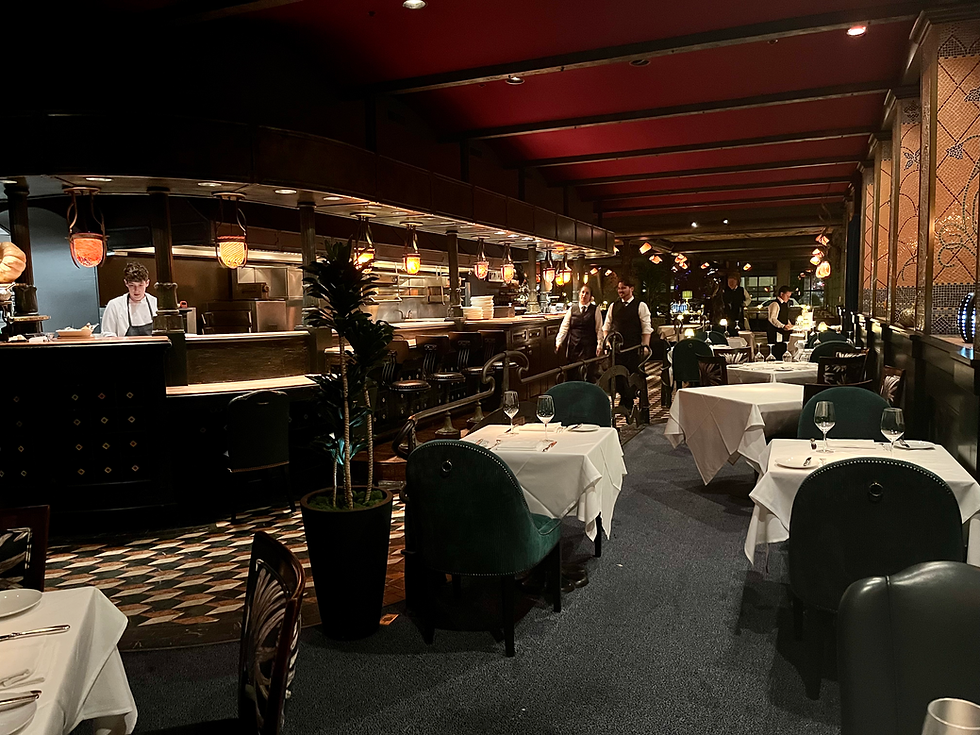
Bar runs across two floors. The ground level carries the main bar and the visual density of the memorabilia. The upper level offers a quieter vantage point over Columbus Avenue and the surrounding neighborhood. Both levels maintain the same atmosphere: low light, old wood, and the accumulated visual weight of seven decades of operation. It is a room that asks you to slow down, which is either its primary virtue or a mild inconvenience depending on what you came for.
For the full context of San Francisco's drinking and dining culture, including neighborhoods beyond North Beach, see our full San Francisco restaurants guide.
Know Before You Go
- Address: 255 Columbus Ave, San Francisco, CA 94133
- Neighbourhood: North Beach, adjacent to Jack Kerouac Alley and City Lights Bookstore
- Opened: 1948
- Format: Two-floor walk-in bar; no reservations required
- Ideal time to visit: Weekday afternoons tend to be quieter; weekend evenings draw larger tourist crowds
- Getting there: Accessible via BART to Montgomery Street then northward on foot, or via Muni along Columbus Ave
- Nearby context: City Lights Bookstore directly opposite; North Beach's other bars and restaurants within a short walk
Cuisine-First Comparison
| Venue | Cuisine | Price | Awards |
|---|---|---|---|
| Vesuvio CafeThis venue — the venue you are viewing | This venue | $10–20 | Eater Cocktail Bar Guide |
| ABV | Cocktail Bar | $20–30 | World's 50 Best #39 · Eater Cocktail Bar Guide |
| Smuggler's Cove | World's 50 Best | $20–30 | World's 50 Best #29 · James Beard Award Semi Finalist |
| Trick Dog | Hot Dogs | $30–50 | World's 50 Best #100 · Eater Cocktail Bar Guide |
| Bar at Hotel Kabuki | Not listed | $30–50 | Not listed |
| Evil Eye | Not listed | $30–50 | Not listed |
Recognition history
Dated appearances from independent guides and award organizations, with the underlying list record or original source where available.
Eater Cocktail Bar Guide
Eater
Continue exploring
More in San Francisco
Bars in San Francisco
All bars in San Francisco →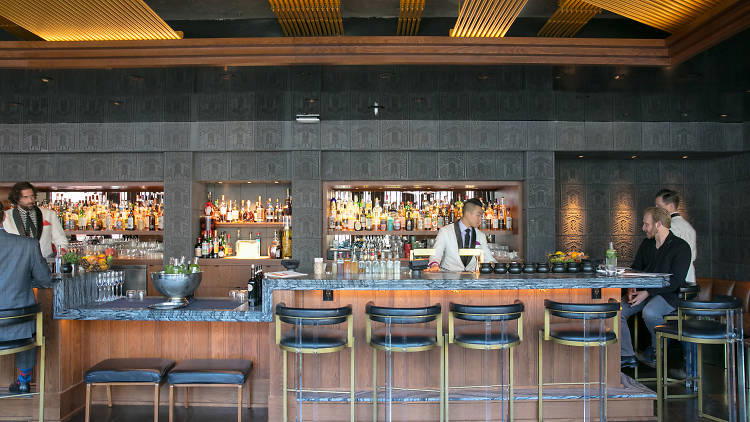
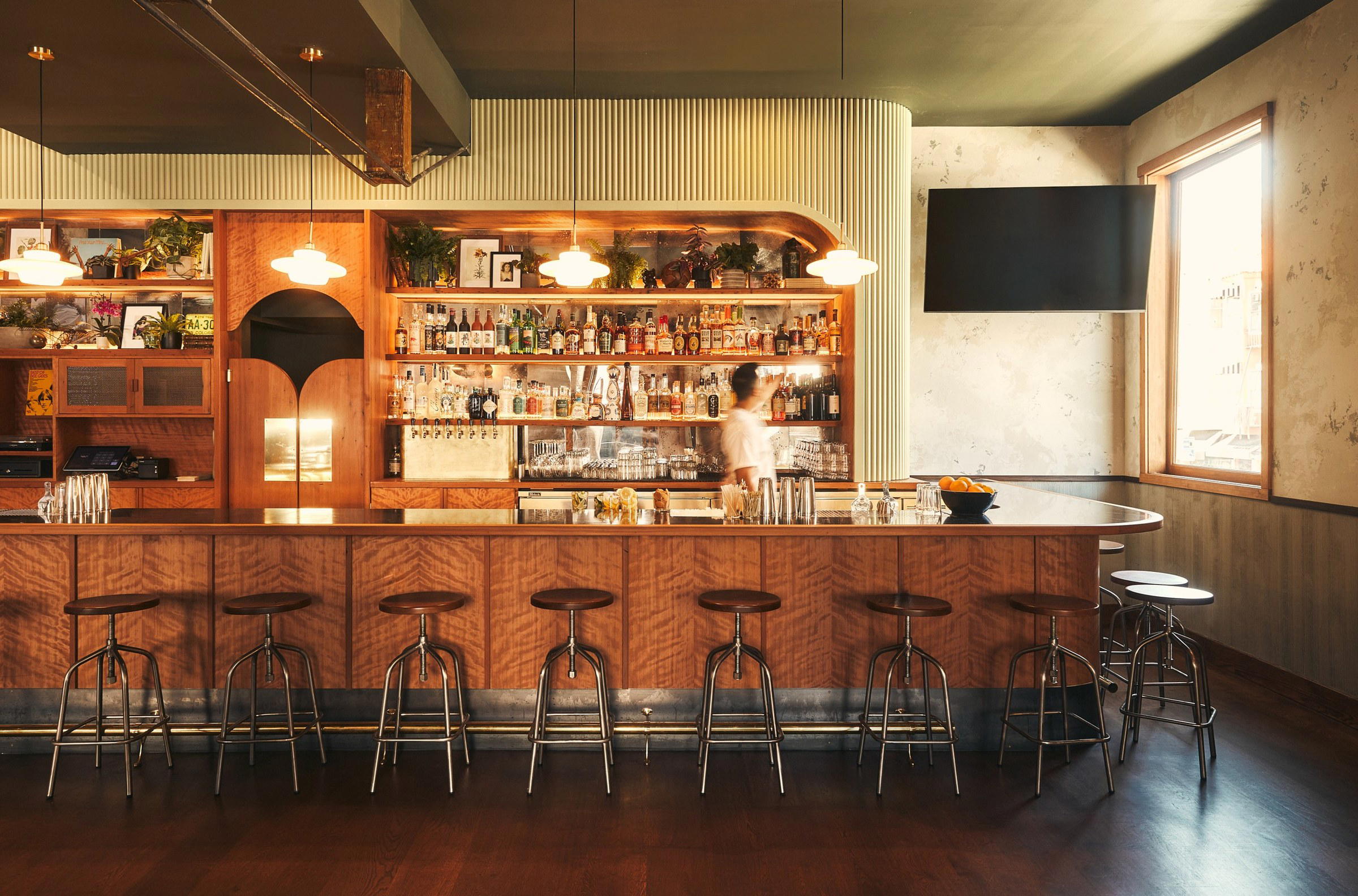
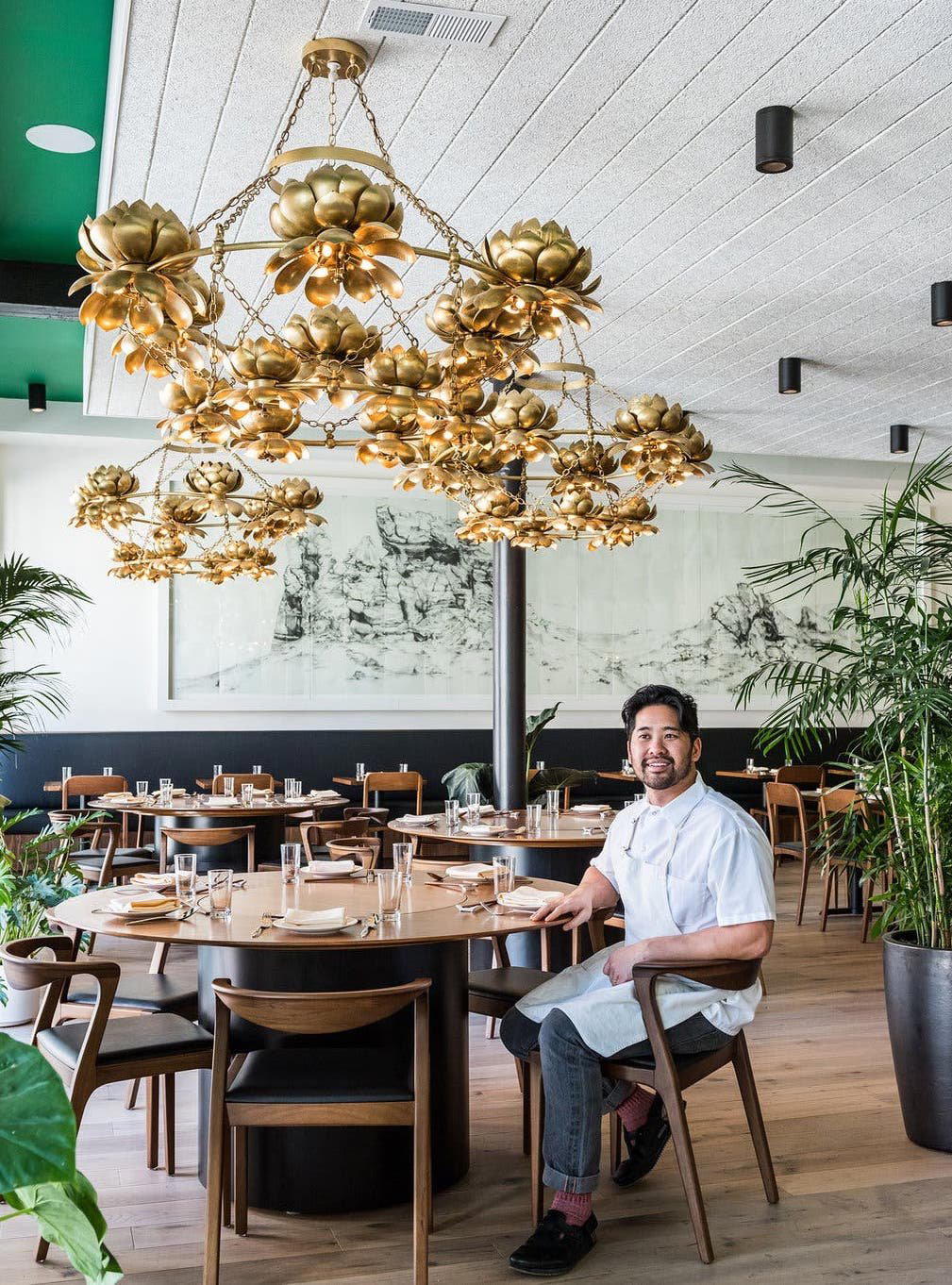
Restaurants in San Francisco
All restaurants in San Francisco →



Vesuvio Cafe
The wine
- Wine program
- Curated wine list
- Classic cocktails
Signature drinks: Negroni, Aperol Spritz.
Details
- Classic
- Cozy
- Bohemian
- Well Known
- Casual Hangout
- After Work
- Historic Building
- Booth Seating
- Lounge Seating
- Classic Cocktails
- Street Scene
Current opening hours
- Monday
- 11 AM–1 AM
- Tuesday
- 11 AM–1 AM
- Wednesday
- 11 AM–1 AM
- Thursday
- 11 AM–1 AM
- Friday
- 11 AM–2 AM
- Saturday
- 11 AM–2 AM
- Sunday
- 11 AM–1 AM
Hours can change for holidays and private events. Last verified .
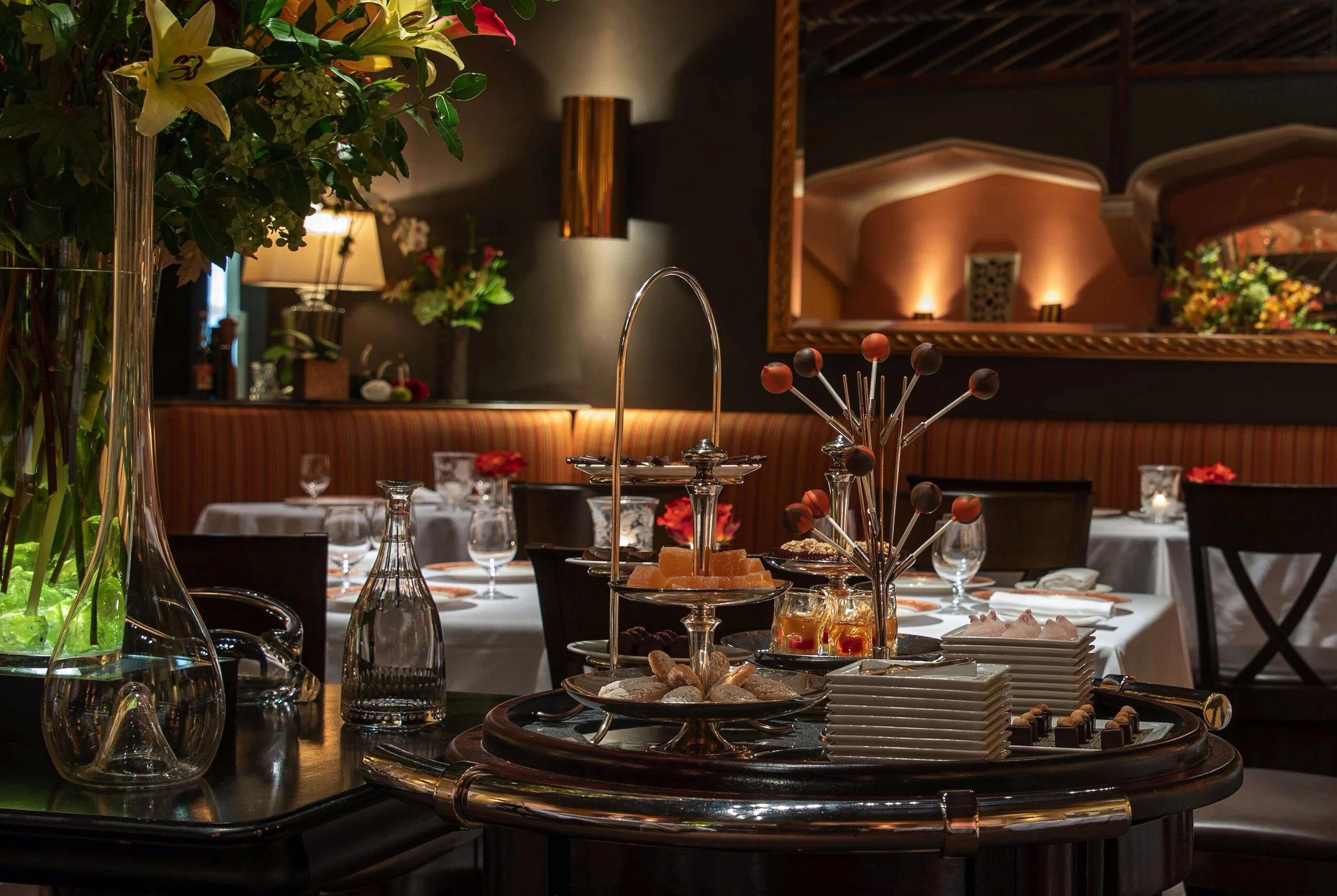
Cozy with colorful walls, quirky artwork, vintage photos, dark wood paneling, stained-glass windows, and eclectic decor evoking old-school Beat-era charm.