Underground Arts
Underground Arts occupies a converted church on Callowhill Street, positioning itself as one of Philadelphia's more serious live music and events venues in a neighborhood that has quietly accumulated cultural weight over the past decade. The space runs a full bar program alongside its concert calendar, drawing a crowd that treats the music and the drinks as equally worth showing up for.

Pearl is the En Primeur Club membership app — saves, bookings, and concierge access live there. Same editors, same standards.
- Address
- 1200 Callowhill St, Philadelphia, PA 19107
- Phone
- (267) 606-6215
- Website
- undergroundarts.org
- Directions
- Get directions
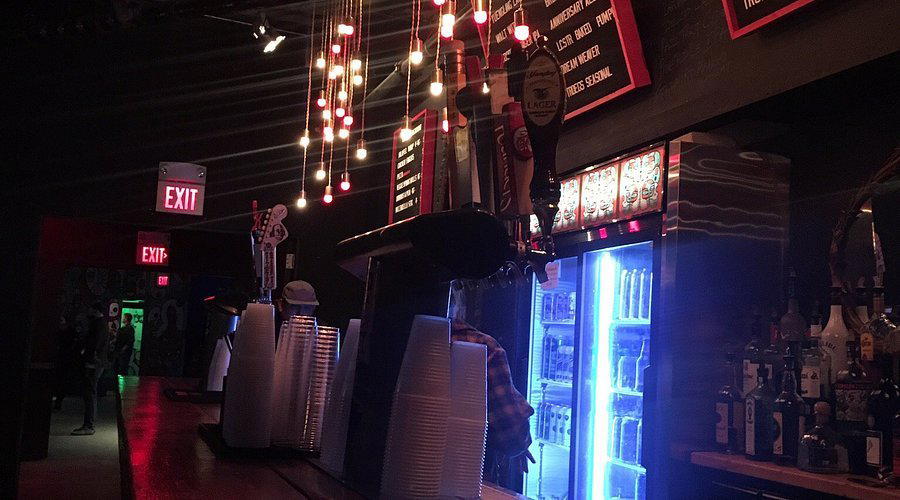
Callowhill's Cultural Anchor
Philadelphia's mid-size venue circuit has always operated in the shadow of its larger arenas and its smaller dive bars, leaving a particular gap in the middle: spaces that can hold a meaningful crowd without sacrificing the intimacy that makes a live performance feel like an event rather than a transaction. Callowhill Street, long underestimated relative to Fishtown or Northern Liberties, has quietly built a case for itself as the city's most interesting corridor for this format. Underground Arts, occupying a converted church at 1200 Callowhill St, sits at the center of that argument.
The building itself does a significant portion of the editorial work. Converted ecclesiastical spaces carry a particular acoustic logic — high ceilings, hard stone, an inherent drama in the proportions — and venues that occupy them either lean into that atmosphere or spend considerable effort fighting it. Underground Arts leans in. The result is a room that registers differently depending on what's programmed into it: the same physical space that absorbs a dense electronic set can turn contemplative for a stripped-back folk act. That range is the point. Philadelphia's mid-tier venue scene has historically struggled with rooms that suit one genre and awkwardly accommodate everything else. This address doesn't have that problem.
What the Program Reveals About the Room
The editorial angle most relevant to Underground Arts is the relationship between the programming calendar and the physical space, which is to say, what the venue chooses to put in the room tells you more about its identity than any single event on the bill. Venues of this size and format in American cities tend to default toward one of two modes: the reliable indie-rock workhorse (safe bookings, predictable crowds) or the adventurous multi-genre room that accepts more risk in exchange for a broader cultural footprint. Underground Arts has historically operated closer to the second model, with a calendar that moves between genres without apparent anxiety about genre loyalty from its audience.
This matters for the bar program, too. In a single-genre venue, the drinks menu tends to reflect the crowd's expectations narrowly: craft beer for the indie crowd, spirits-heavy for the electronic crowd, wine for the listening-room set. A multi-genre room requires a bar that can speak to different audiences on different nights, which is a harder problem to solve than it sounds. Philadelphia's more thoughtful bar operators, venues like 12 Steps Down and 1501 Passyunk Ave, have built reputations on exactly this kind of range. The bar at Underground Arts operates in a similar spirit: it functions as a genuine part of the experience rather than a logistical afterthought for people waiting for the next set.
The Bar in Context
Philadelphia's cocktail culture has matured considerably over the past decade, with venues like 48 Record Bar demonstrating that music-led spaces and serious drink programs aren't mutually exclusive. The national conversation around this format, bars that treat the music and the glass with equal seriousness, has produced some of the more interesting venues in American cities. Kumiko in Chicago built an entire identity around the pairing of cocktail craft and curated sound. Jewel of the South in New Orleans approaches its drinks with the same care it applies to its room's atmosphere. Bar Leather Apron in Honolulu and Julep in Houston represent the same instinct on opposite coasts: that the drink in your hand shapes how you experience everything around you.
Underground Arts fits this broader pattern without trying to compete directly with dedicated cocktail bars. The distinction matters. Venues that overreach on their bar program in a live music context often end up with a drinks menu that looks good on paper but creates friction on a busy show night, complicated preparations and high-attention service don't survive contact with a 400-person crowd moving between the floor and the bar at pace. The better approach, which Underground Arts reflects, is a program calibrated to the room: drinks that are well-made and interesting without requiring the kind of attention that pulls focus from the act on stage.
For comparison across formats and cities, Superbueno in New York City, ABV in San Francisco, and The Parlour in Frankfurt each illustrate how bar-forward spaces in different markets have handled the tension between program ambition and operational reality. The lesson across all of them: the leading venue bars know what they are and don't pretend to be something else. Underground Arts operates by the same principle.
Philadelphia's Mid-Venue Moment
Callowhill has benefited from the same dynamics reshaping Philadelphia's broader cultural geography. As rents in Fishtown and Northern Liberties have pushed creative operators toward adjacent neighborhoods, Callowhill has absorbed a wave of venues, studios, and cultural spaces that previously had no obvious home. 637 Philly Sushi Club represents one node in this emerging network; Underground Arts represents another, larger one. The neighborhood's industrial building stock, churches, warehouses, former commercial spaces, provides the kind of raw square footage that smaller rowhouse neighborhoods simply can't accommodate.
This matters for how Underground Arts functions within the city's event ecosystem. Mid-size venues in this capacity range serve a specific structural role: they're large enough to host touring acts that have outgrown small clubs but small enough that the room feels genuinely full rather than half-empty. Philadelphia's position as a touring stop between New York and Washington makes it a frequent first or last date on regional runs, and venues like Underground Arts absorb that traffic in a way that benefits both the touring act and the local audience. The show that sells 350 tickets in Philadelphia might sell 900 in New York; the room that makes 350 feel like a crowd is doing something right.
Planning a Visit
Underground Arts is located at 1200 Callowhill St, Philadelphia, PA 19107, on the western edge of Callowhill, walkable from Center City and a short distance from the Spring Garden Street corridor. Show schedules vary by week, and the booking calendar is the primary driver of when to visit; checking event listings before planning a trip is the practical starting point. Ticket availability depends heavily on the specific act, with higher-profile bookings selling through quickly and smaller shows remaining accessible closer to the date. The bar operates during events rather than as a standalone venue, so arrival is calibrated to the show time rather than independent hours. For a broader map of what Philadelphia's bar and dining scene looks like around this neighborhood and beyond, the EP Club Philadelphia guide provides the fuller picture.
A Lean Comparison
| Venue | Cuisine | Price | Awards | Notes |
|---|---|---|---|---|
| Underground ArtsThis venue — the venue you are viewing | Not listed | $20–30 | Not listed | Not listed |
| Next of Kin | Cocktails, bar snacks | $20–30 | Not listed | Not listed |
| Sacred Vice Brewing – Berks (taproom) | Not listed | $20–30 | Not listed | Brewery taproom; beer-focused, vinyl music selection |
| Tria | Not listed | $30–50 | Star Wine List | Not listed |
| Irwin's | Not listed | $50–100 | Esquire Best New Restaurants #11 | Not listed |
Continue exploring
More in Philadelphia
Bars in Philadelphia
Browse all →
Restaurants in Philadelphia
Browse all →
Details
- Lively
- Energetic
- Industrial
- Trendy
- Late Night
- Group Outing
- Casual Hangout
- Live Music
- Historic Building
- Standing Room
- Craft Cocktails
- Craft Beer
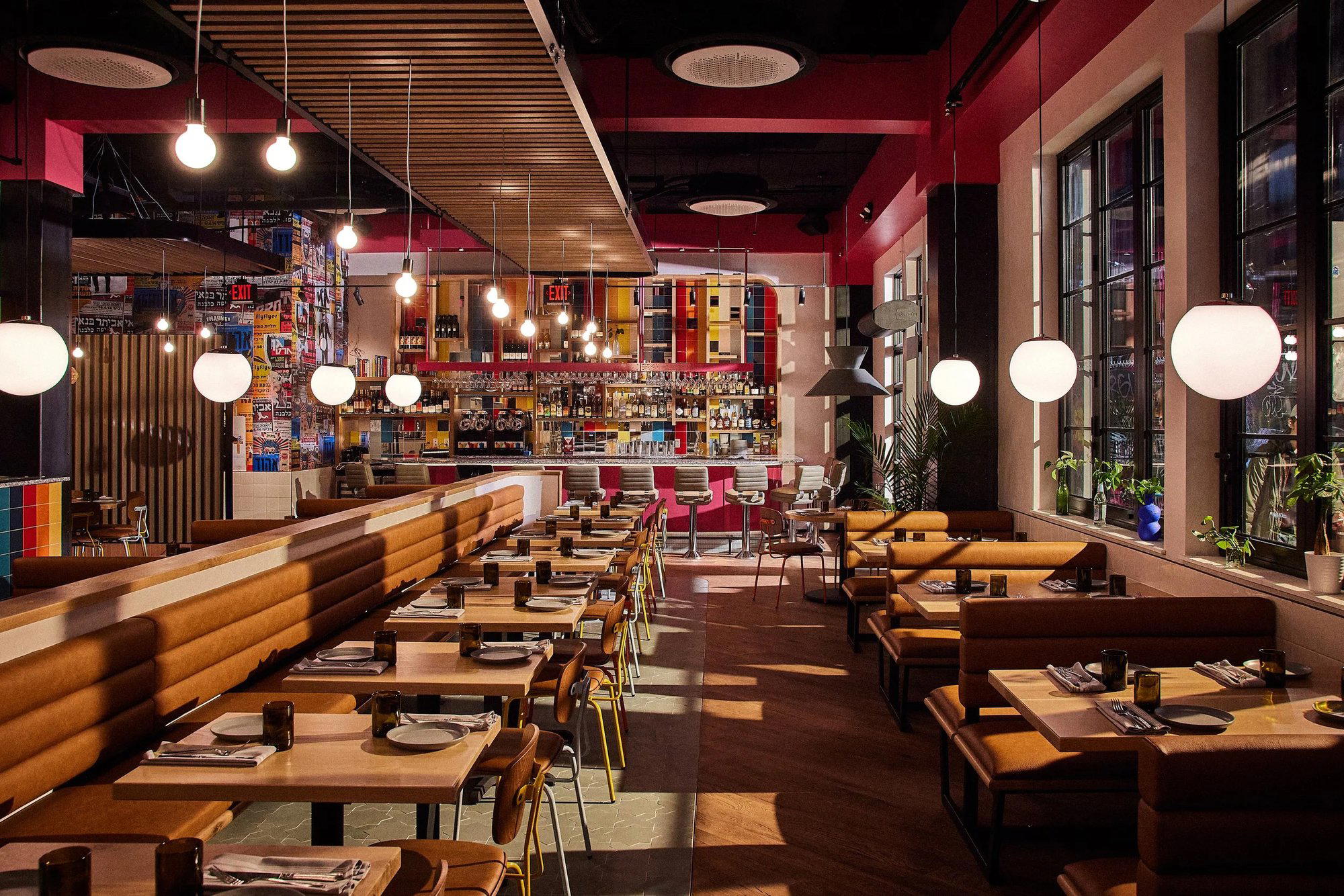
Dim, moody industrial basement with funky decor, distinctive acoustics, and energetic atmosphere during live events.