Tulip Pasta & Wine Bar
A pasta and wine bar on East Norris Street in Philadelphia's Fishtown neighborhood, Tulip Pasta & Wine Bar brings a focused, approachable format to a corridor that has grown into one of the city's most active dining strips. The menu architecture centers on handmade pasta alongside a curated wine selection, positioning it within a broader city trend toward ingredient-driven Italian-adjacent rooms.

Pearl is the En Primeur Club membership app — saves, bookings, and concierge access live there. Same editors, same standards.
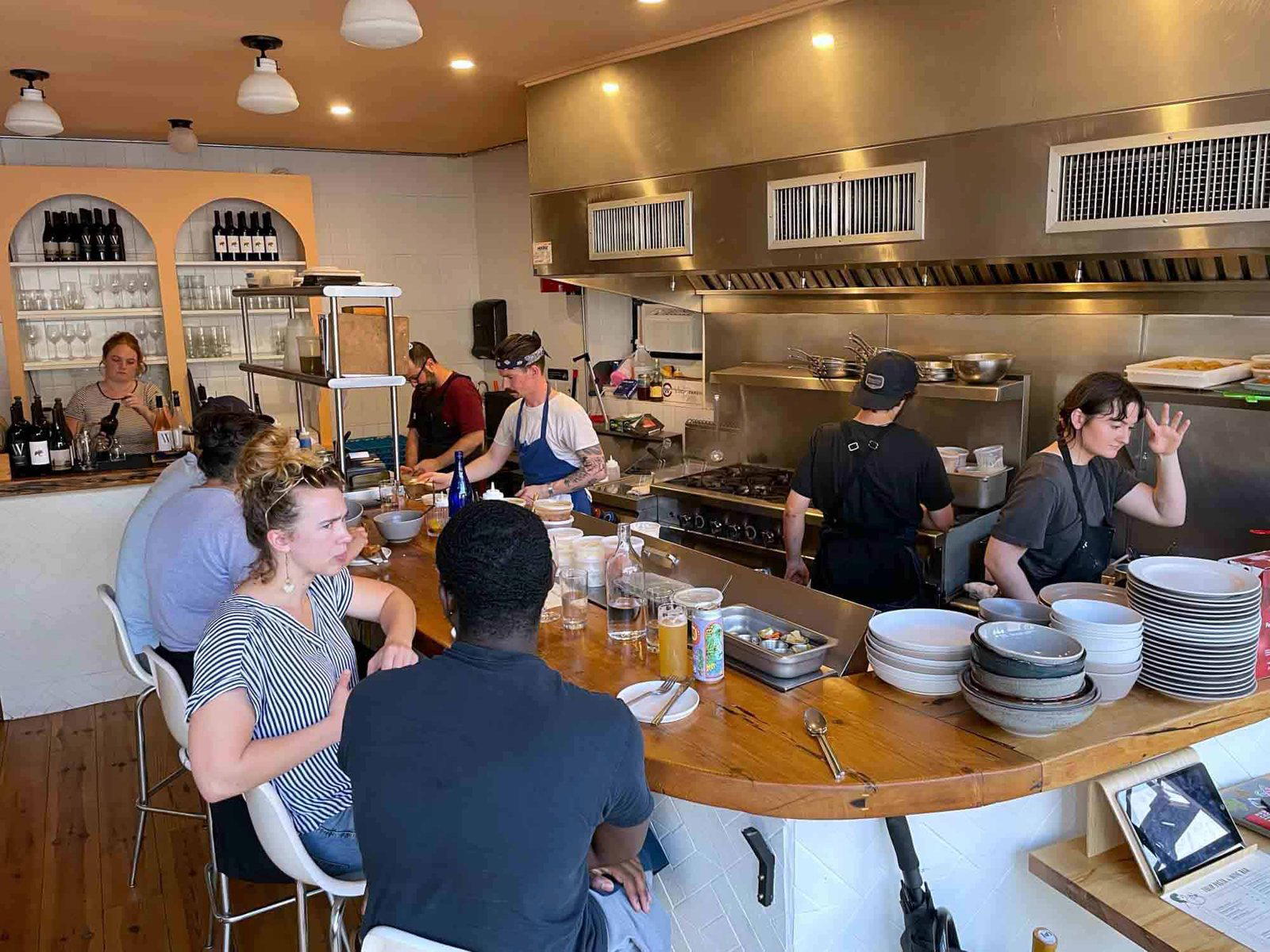
East Norris Street and the Grammar of the Neighborhood Wine Bar
Fishtown's dining corridor along East Norris Street has, over the past decade, accumulated the kind of density that changes how a neighborhood eats. What began as scattered bottle shops and beer bars has layered in wine-forward rooms and pasta-focused kitchens, the kind of format that tends to arrive after a neighborhood crosses a certain threshold of residential investment and culinary appetite. Tulip Pasta & Wine Bar at 2302 E Norris St sits squarely inside that pattern: a compact, ingredient-attentive room where the menu structure itself signals the kitchen's priorities.
The pasta-and-wine-bar format has a specific logic to it. It is not a full Italian trattoria, and it is not a generic small-plates room. The architecture of the menu — handmade pasta as the organizing principle, wine as the lens through which you encounter the food — implies a kitchen that is making something from raw ingredients on a daily basis, and a floor team that thinks about pairing as an editorial act rather than an upsell. That combination tends to produce a particular kind of evening: unhurried, repeat-visit friendly, and skewed toward guests who arrive with some intention about what they want to drink.
What the Menu Format Reveals
When a restaurant organizes itself around pasta and wine rather than a broader protein-led menu, the structural choice carries information. Pasta is labor-intensive in a way that signals kitchen commitment: you cannot fake fresh dough under time pressure without the result showing. A menu built around it implies daily production, a small but skilled kitchen team, and a willingness to constrain the offering in favor of depth over breadth. This is the opposite of the expansive, hedge-everything menu that characterizes safer neighborhood openings.
The wine bar component of the format adds a second editorial layer. Pasta-and-wine rooms in American cities have increasingly aligned with natural and low-intervention producers, a trend visible across Philadelphia's wine bar cohort as much as in comparable rooms in New York, Chicago, or San Francisco. It is expected to have a point of view.
East Norris Street's wine and spirits culture runs deeper than Tulip alone. 12 Steps Down represents an older, diver-bar-adjacent Philadelphia drinking tradition, while 1501 Passyunk Ave has built a reputation in the city's cocktail tier. The record-bar format at 48 Record Bar and the membership-inflected approach at 637 Philly Sushi Club reflect how varied Philadelphia's bar and small-venue scene has become in a short window. Tulip's pasta-and-wine format fits into the more food-forward corner of that picture.
Fishtown's Position in the Broader Philadelphia Dining Argument
Philadelphia has spent the better part of fifteen years arguing about which neighborhood defines its dining moment. Center City held the institutional weight. South Philly, particularly the Passyunk corridor, claimed the independent restaurant credibility. Fishtown, initially associated with craft beer and late-night noise, has graduated into something more considered. The East Norris Street strip in particular has attracted the kind of operator who is choosing the neighborhood rather than defaulting to it, which tends to produce a higher average level of intentionality in what gets opened.
That intentionality shows up in format specificity. Rooms that commit to a narrow menu grammar, pasta, wine, not much else, are making a bet on repeat guests and word-of-mouth rather than first-visit curiosity. The trade-off is real: you will lose the tourist sweep and the birthday-group table that wants a little of everything. What you gain is a guest who returns four times a year and brings different people each time. That model, common to wine bar formats across American cities, is well-suited to a neighborhood that has a stable and growing residential base.
For a sense of how the pasta-and-wine-bar format plays out at different scales and in different cities, the comparison set is useful context. Kumiko in Chicago and ABV in San Francisco both demonstrate how a focused, beverage-led program anchors a room without requiring a full kitchen operation. Jewel of the South in New Orleans and Julep in Houston represent the Southern end of craft-beverage seriousness, while Bar Leather Apron in Honolulu, Superbueno in New York City, and The Parlour in Frankfurt on the Main each show how genre-specific programming builds loyal audiences in competitive markets. The pattern across all of them: format discipline tends to outperform format ambiguity over time.
When to Go and What to Anticipate
Pasta-and-wine rooms tend to peak in the shoulder seasons, when the produce driving pasta fillings and accompaniments is at its most interesting and when guests are inclined toward an unhurried evening indoors. Late autumn through early spring is typically when this format earns its keep in northeastern American cities; the warmth of a small room, the weight of fresh pasta, and a glass from a carefully chosen producer add up to something that light-summer-dining formats do not replicate. If Tulip follows the seasonal logic that most kitchens in this category observe, the menu in October through February will likely reflect the kitchen's fullest commitment.
Fishtown's dining strip is walkable from the Market-Frankford Line, and parking along East Norris Street, while not generous, reflects the neighborhood's general orientation toward foot traffic and local regulars rather than destination driving. For broader context on Philadelphia's dining geography, see our full Philadelphia restaurants guide.
Know Before You Go
- Address: 2302 E Norris St, Philadelphia, PA 19125
- Neighborhood: Fishtown, Philadelphia
- Format: Pasta and wine bar; expect a focused, compact menu rather than a broad Italian kitchen
- Getting There: Accessible via the Market-Frankford Line; street parking available but limited
- Leading Season: Autumn through early spring, when seasonal produce aligns most closely with the pasta-forward format
Comparable Options
A short peer table to compare basics side-by-side.
| Venue | Cuisine | Price | Awards |
|---|---|---|---|
| Tulip Pasta & Wine BarThis venue (the venue you are viewing) | Not listed | $50–100 | Not listed |
| Next of Kin | Cocktails, bar snacks | $20–30 | Not listed |
| Sacred Vice Brewing – Berks (taproom) | Brewery taproom; beer-focused, vinyl music selection | $20–30 | Not listed |
| Tria | Not listed | $30–50 | Star Wine List |
| Irwin's | Not listed | $50–100 | Esquire Best New Restaurants #11 |

Continue exploring
More in Philadelphia
Bars in Philadelphia
All bars in Philadelphia →
Restaurants in Philadelphia
All restaurants in Philadelphia →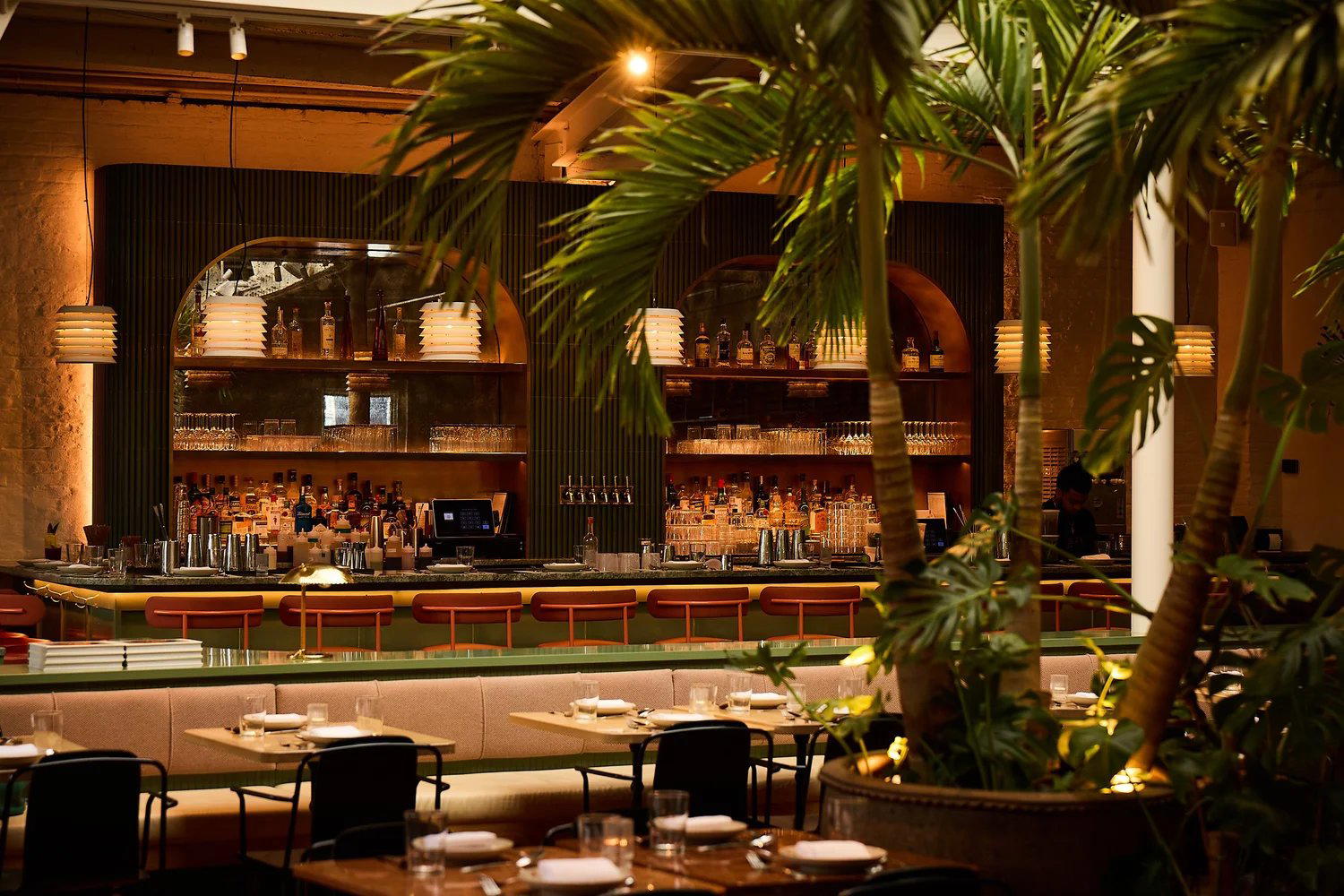
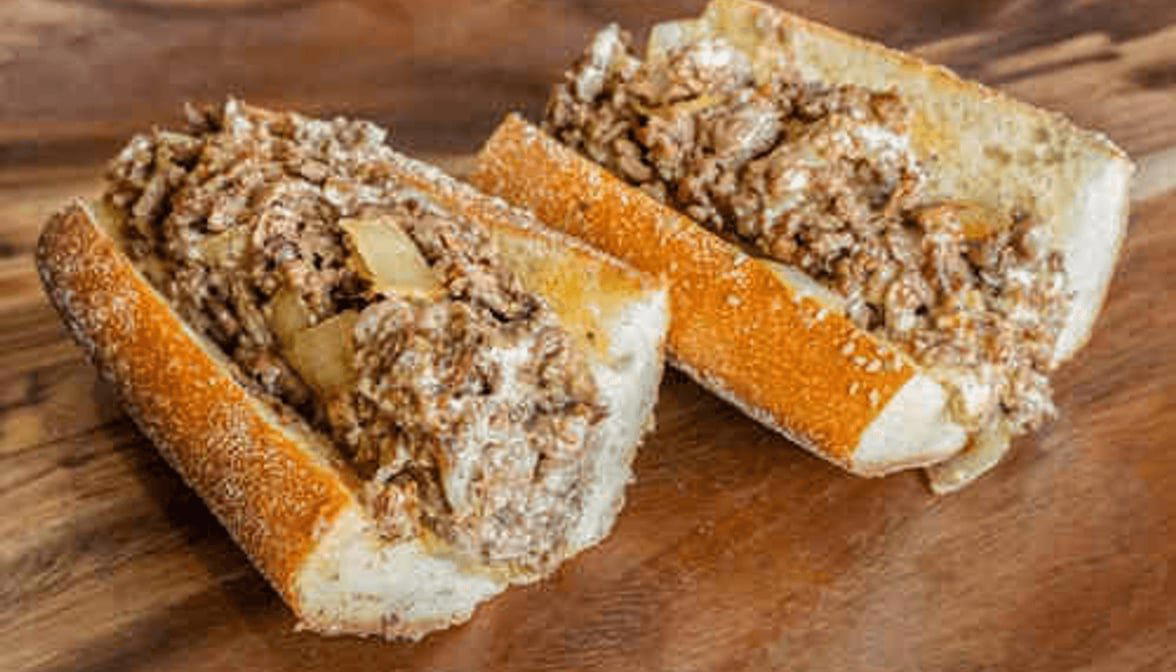
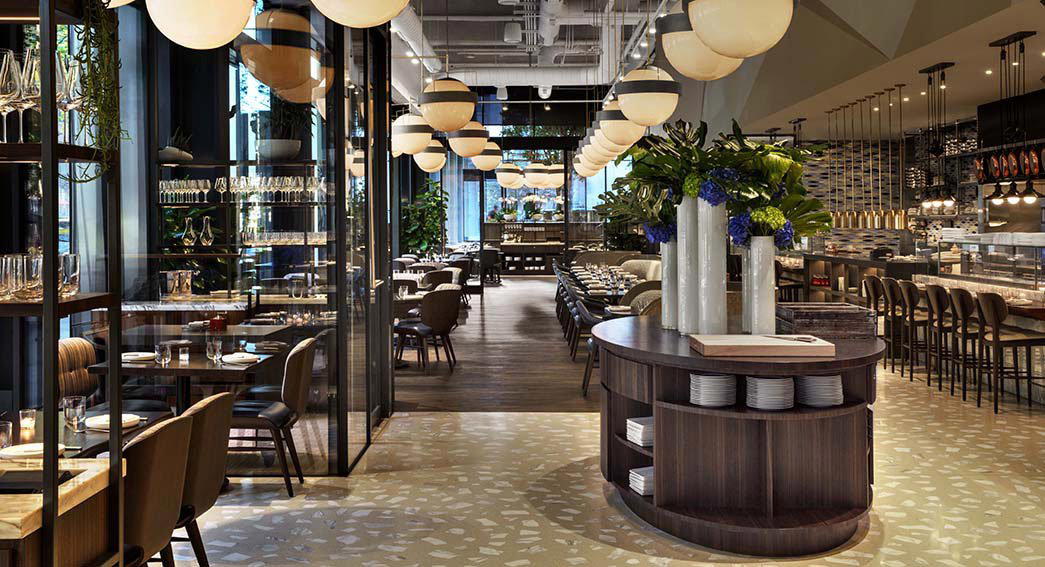
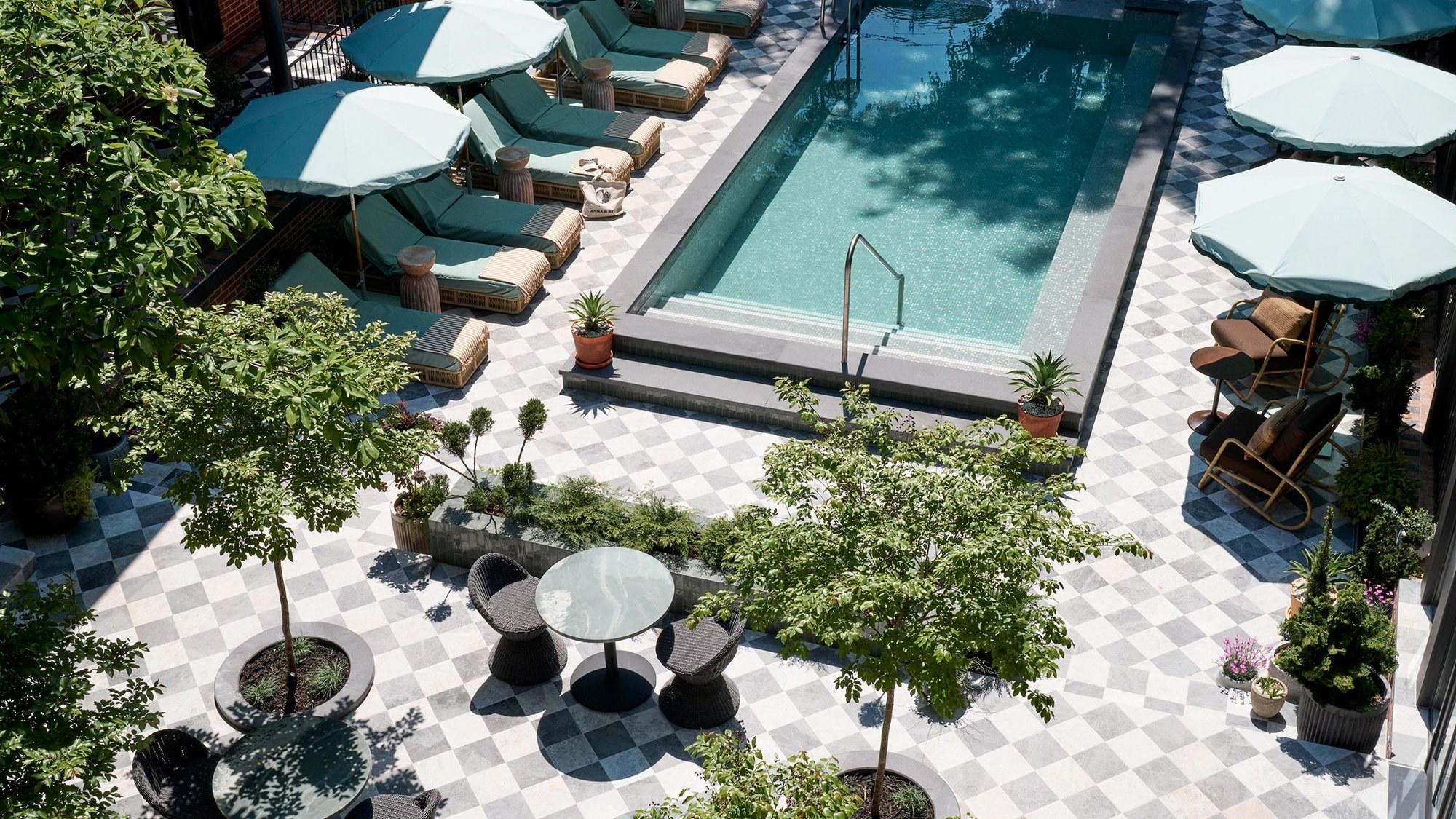
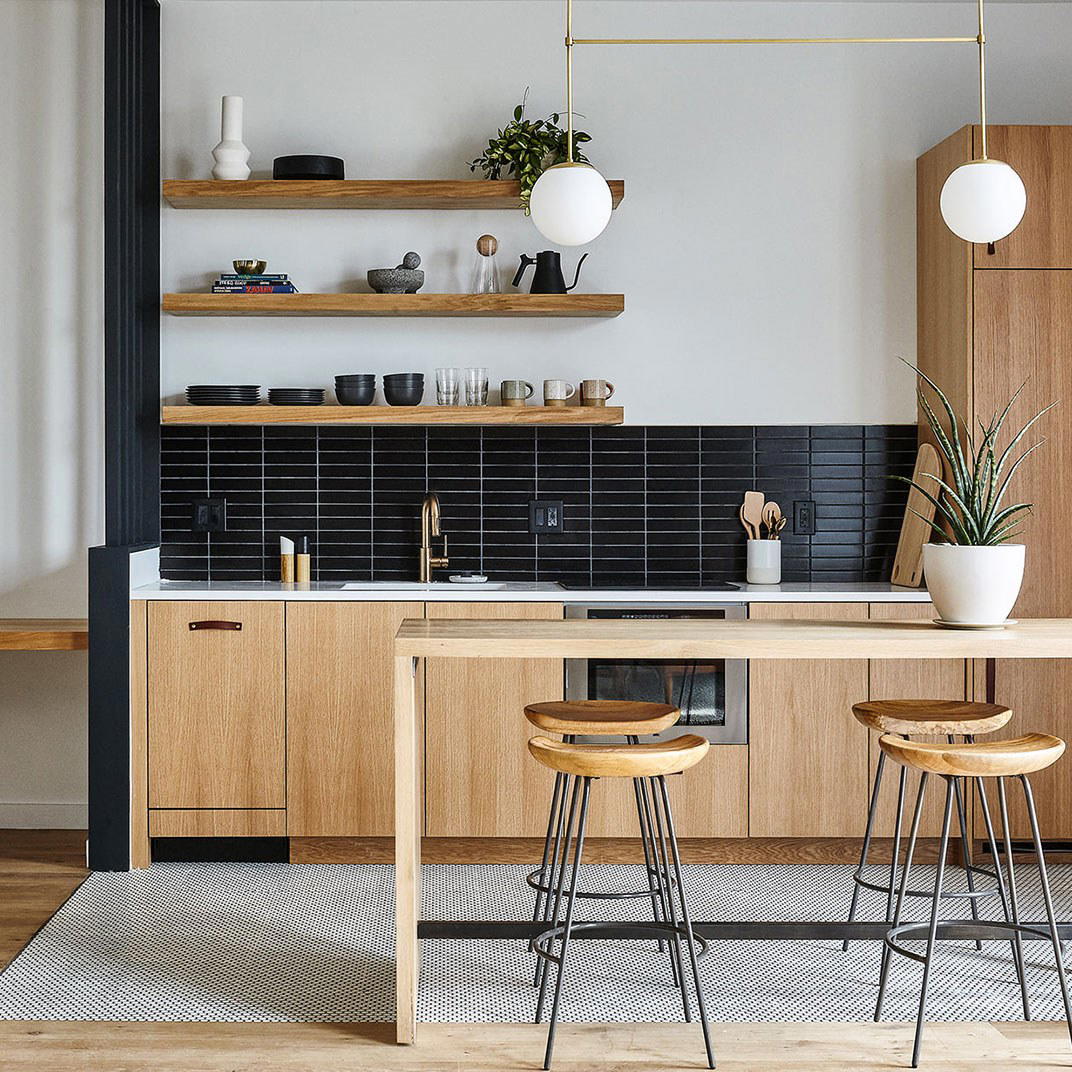
Tulip Pasta & Wine Bar
The wine
- Wine program
- Curated wine list
- Natural wine
- Craft cocktails
Signature drinks: Secondary Gimlet.
Details
- Cozy
- Intimate
- Trendy
- Date Night
- Casual Hangout
- Standalone
- Seated Bar
- Outdoor Terrace
- Natural Wine
- Craft Cocktails
Current opening hours
- Monday
- Closed
- Tuesday
- 5–9 PM
- Wednesday
- 5–9 PM
- Thursday
- 5–9 PM
- Friday
- 5–10 PM
- Saturday
- 5–10 PM
- Sunday
- Closed
Hours can change for holidays and private events. Last verified .
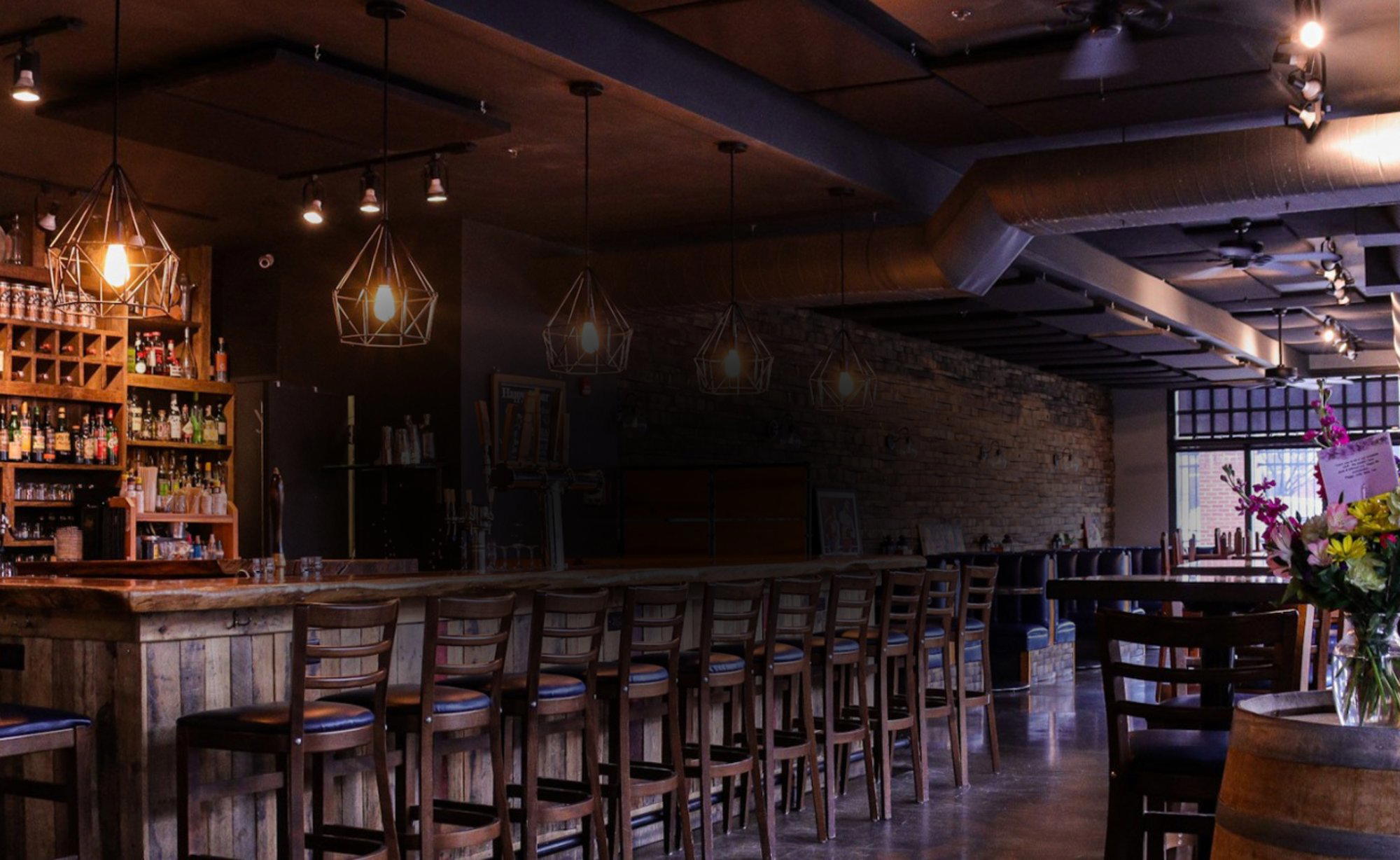
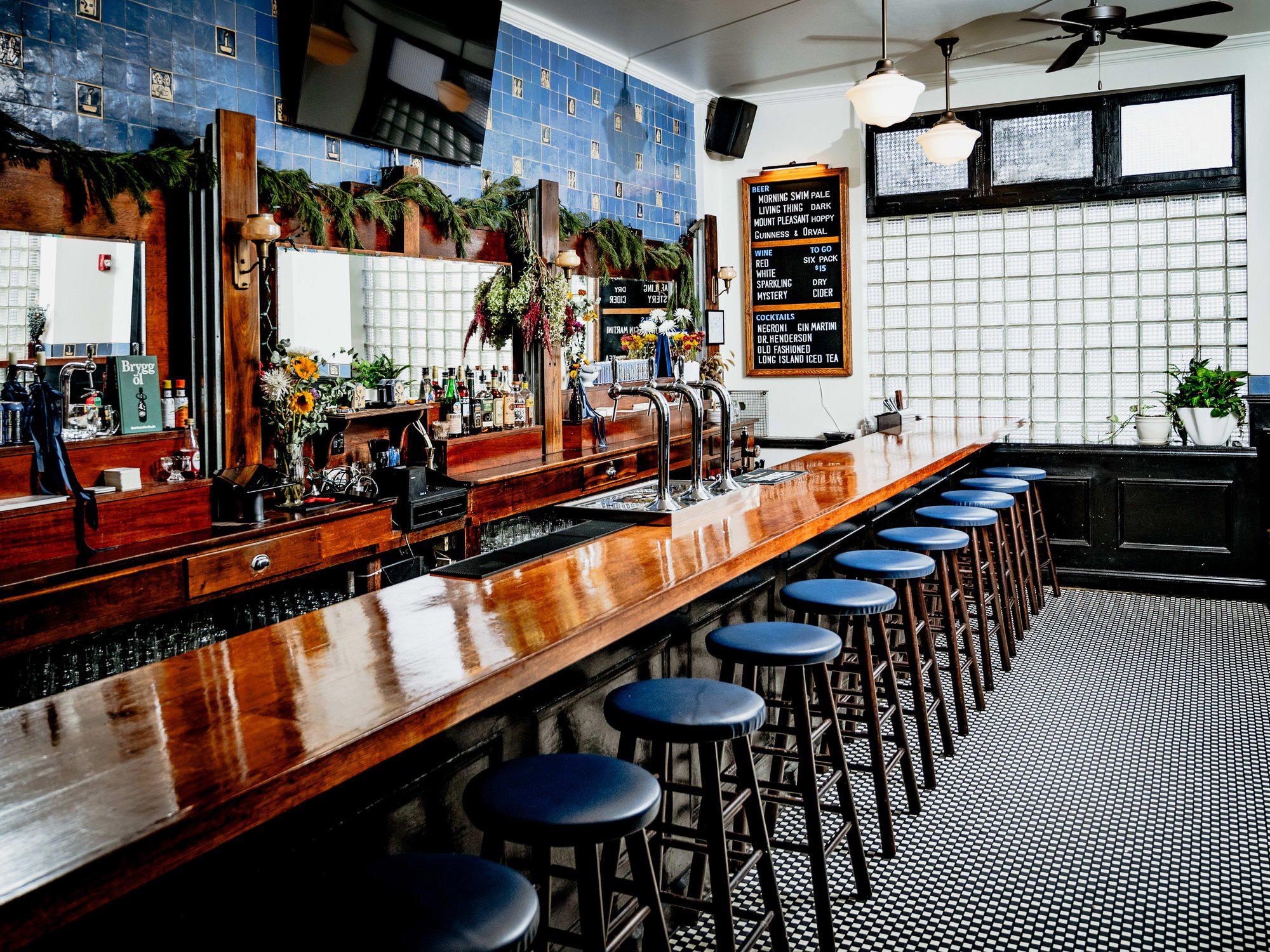
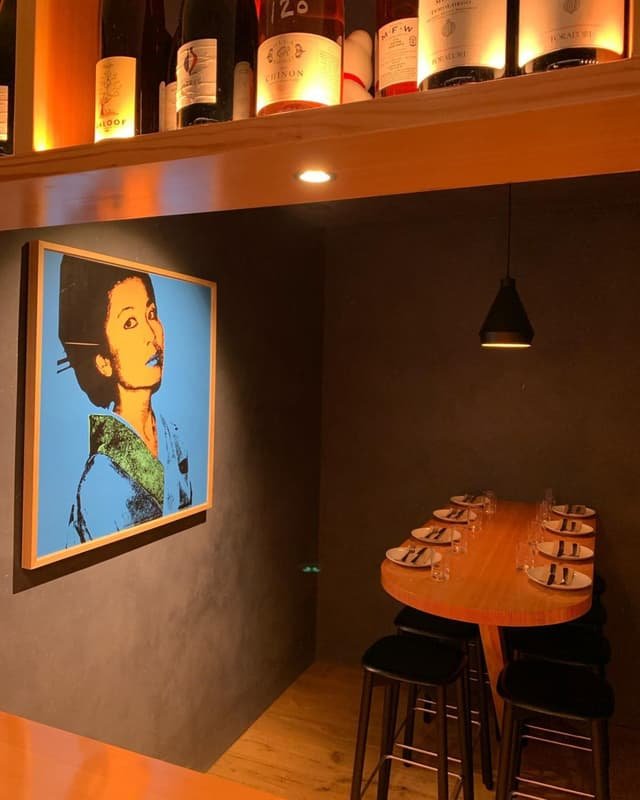
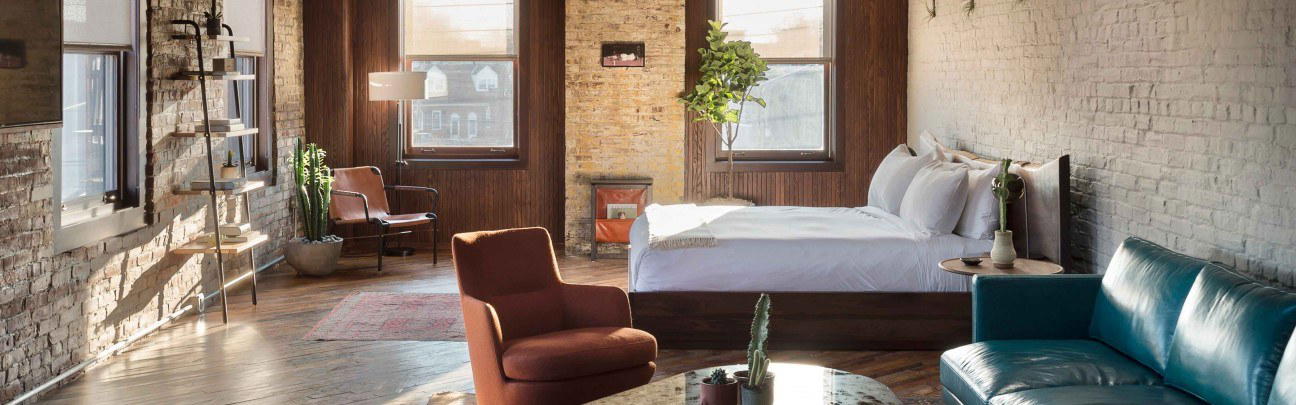
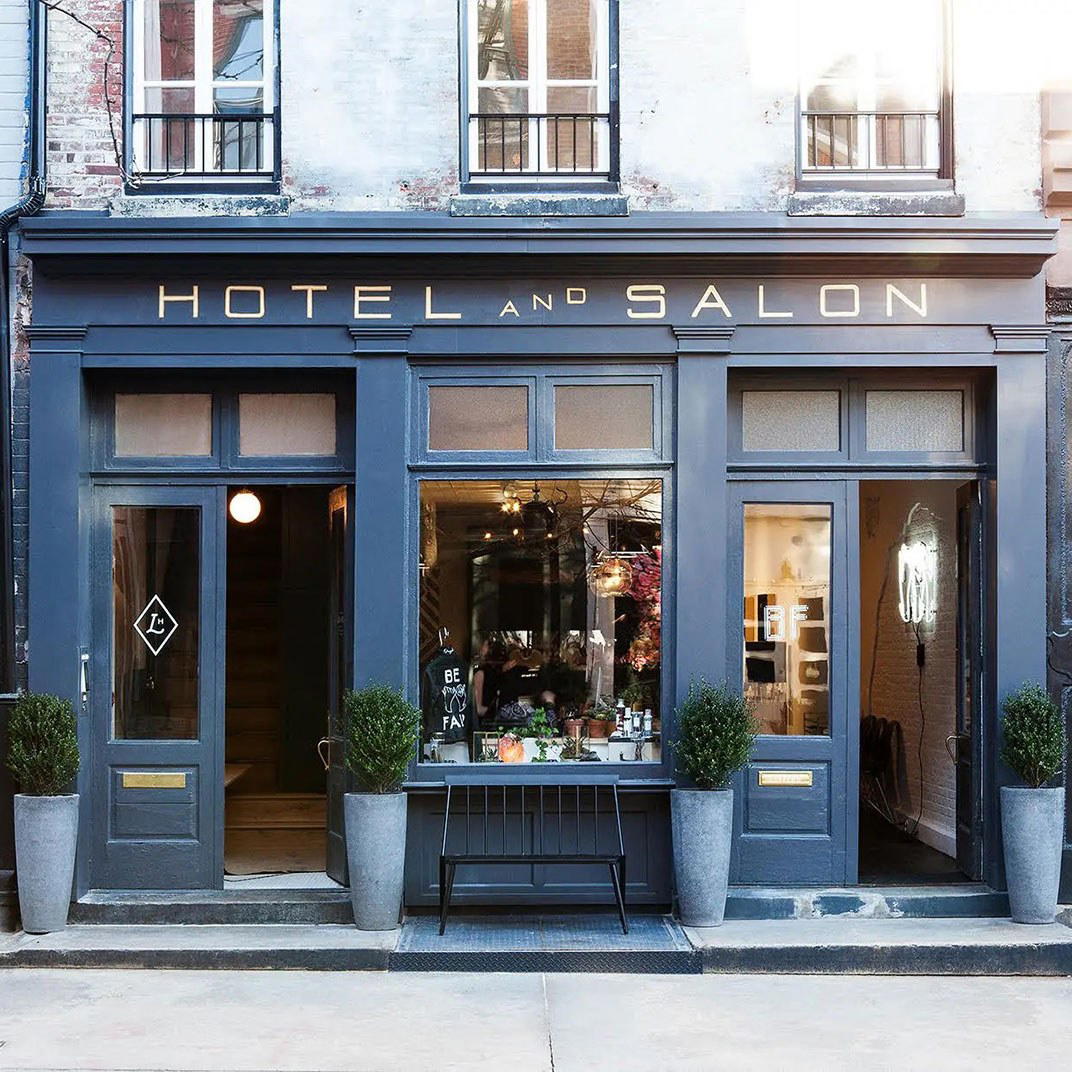
Cozy and intimate with large windows, lively green signage, and a welcoming aroma of Italian dishes.