On a quiet stretch of Via Senese in the Oltrarno, Trattoria Da Ruggero holds a particular place in Florence's dining memory: a neighbourhood trattoria that has resisted the drift toward tourist-facing menus without becoming self-consciously precious about it. The cooking stays rooted in Florentine tradition, and the wine list reflects the same instinct, Tuscan producers chosen with care rather than for label recognition.
 Discover on Pearl
Pearl is the En Primeur Club membership app — saves, bookings, and concierge access live there. Same editors, same standards.
- Address
- Via Senese, 89 Rosso, 50124 Firenze FI, Italy
- Phone
- +39 055 220542
- Website
- trattoriaruggero.it
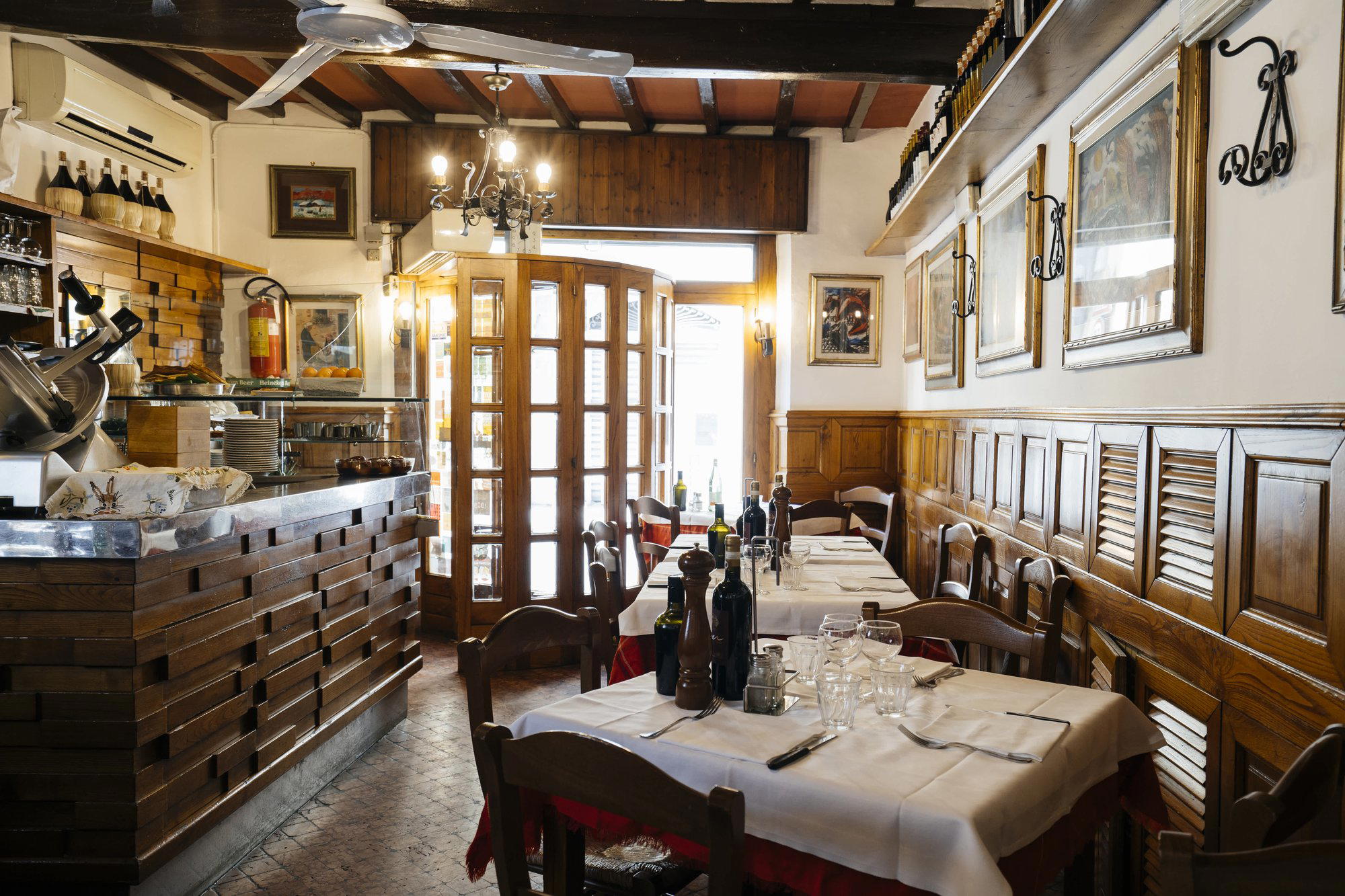
South of the Arno, Where Florence Still Eats Like Florence
Cross the Ponte Vecchio and walk south past the Pitti Palace, and the city changes register. The Oltrarno has always sat at a remove from the heavily trafficked centro, and Via Senese, the old road that once led to Siena, carries that character deep into the neighbourhood. Trattoria Da Ruggero occupies a position on this street that feels, physically and culturally, like the kind of address Florentines have been walking to for decades. The facade is undemonstrative. The dining room, from the outside, signals nothing about ambition. That restraint is the first piece of useful information.
Florence has two parallel dining economies. One runs on footfall from the Uffizi and the Duomo, serving simplified ribollita and industrially sourced bistecca to visitors who will never return. The other runs on repetition, on the same families at the same tables across years, on a kitchen that has no incentive to adjust because the people who matter already know what they want. Da Ruggero operates inside the second economy, and that distinction shapes everything from the pacing of service to what ends up on the plate.
The Tuscan Table as a Structural Argument
Florentine cooking does not ask for interpretation. It asks for execution, and the gap between a well-made ribollita and a poor one is not subtle. The bread-thickened vegetable soup, like so many cucina povera standards, exposes technique precisely because it has nowhere to hide. The same is true of the city's other foundational dishes: pappardelle with wild boar ragu, where the pasta texture matters as much as the sauce; trippa alla fiorentina, which separates the trattorie that source and cook offal properly from those that merely list it; and the broader grammar of antipasti that runs through crostini, chicken liver pate, and cured meats without fanfare.
What keeps a trattoria credible across generations is not novelty but coherence, the sense that each dish belongs to the same culinary argument. Restaurants that serve traditional Florentine food alongside pan-Asian additions or deconstructed desserts are making a different kind of argument, usually to a different audience. Da Ruggero's positioning along Via Senese, away from the tourist corridors, makes the case that the menu does not need to negotiate with passing trade.
Reading the Wine List as a Document
In a city this close to Chianti Classico, the Vernaccia di San Gimignano vineyards, and the emerging zones of the Maremma coast, a trattoria wine list is not merely a support document for the food. It is a statement of allegiance. The question is always whether the list has been assembled from a position of knowledge or from a position of convenience, whether the bottles reflect a conversation with producers or a relationship with a distributor's catalogue.
The tradition of Tuscan wine service in a neighbourhood trattoria carries its own logic. Carafes of house wine remain a legitimate choice in this setting, and their quality tells you as much about a kitchen's relationship with producers as any bottle on the list. Sangiovese-based wines, whether Chianti Classico, Morellino di Scansano, or the less-classified expressions from smaller estates, are the natural frame for the food. A list that includes growers working outside the large commercial negociant system, or that finds space for Vermentino from the Maremma alongside the more expected Vernaccia, signals a cellar with opinions rather than one built from default choices.
For context on how Florentine wine bars are approaching the same question from a different angle, BABAE and Gucci Giardino both sit closer to the cocktail and aperitivo end of the spectrum, while Locale Firenze and the Atrium Bar occupy a more hotel-adjacent tier. The comparison is useful precisely because Da Ruggero operates in none of those registers, the wine here is expected to accompany a meal, not anchor a social occasion.
For those mapping how Italian wine-bar culture handles this question in other cities, Al Covino in Venice and Enoteca Historical Faccioli in Bologna both offer reference points for how a narrow, well-considered list can anchor a small-format eating and drinking space. Further afield, 1930 in Milan and Drink Kong in Rome show how the northern and southern ends of the peninsula are approaching drinks programming with a different set of priorities entirely.
The Oltrarno as a Dining Address
The neighbourhood context matters for practical planning. The Oltrarno fills with visitors during peak months, April through October, but the density is lower than on the north side of the Arno, and the rhythm is different. Lunch service at a trattoria on Via Senese will feel distinct from the same meal taken near the Mercato Centrale, where the dining room turnover pressure is higher and the clientele more transient. The southern route from the Pitti Palace along Via Romana toward Via Senese passes through a stretch of the city where the artisan workshops, wine bars, and family-run trattorie still function in something closer to their original social role.
Booking ahead is advisable for dinner, particularly on Thursday through Saturday evenings and during the shoulder seasons when visitor numbers remain high but the local population has returned from August holidays. Lunch on a weekday, especially in the quieter winter months from November to February, tends to be more accessible for those without a reservation. The walk from the Ponte Vecchio to Via Senese 89 Rosso takes around fifteen minutes at a comfortable pace.
For those building a wider Florence itinerary, our full Florence restaurants guide maps the city's dining scene across neighbourhoods and price tiers. Readers crossing into other countries may find useful comparison in how drinking culture develops its own specialist formats: L'Antiquario in Naples, Lost & Found in Nicosia, and Bar Leather Apron in Honolulu each demonstrate how a curated, small-format drinks program builds authority in a specific market.
Planning Your Visit
Da Ruggero sits at Via Senese, 89 Rosso, in the Oltrarno quarter, reachable on foot from the historic centre in roughly fifteen minutes. Dinner reservations are recommended, particularly from spring through autumn. Phone and online booking details are not confirmed in our current data, so arriving in person or checking current contact information directly is the safest approach for first-time visitors.
Peers You’d Cross-Shop
Comparable venues nearby, for context on price, style, and recognition.
| Venue | Cuisine | Price | Notes |
|---|---|---|---|
| Trattoria Da RuggeroThis venue — the venue you are viewing | Bar | $$ | |
| Vineria Sonora | wine_bar | $$ | San Niccolo |
| Volume | lounge | $$ | Santo Spirito |
| Mysterium Cocktail Bar Firenze | cocktail_bar | $$$ | San Frediano |
| Enoteca Spontanea | wine_bar | $$ | Santo Spirito |
| Rasputin | speakeasy | $$$ | Santo Spirito |
Continue exploring
More in Florence
Bars in Florence
Browse all →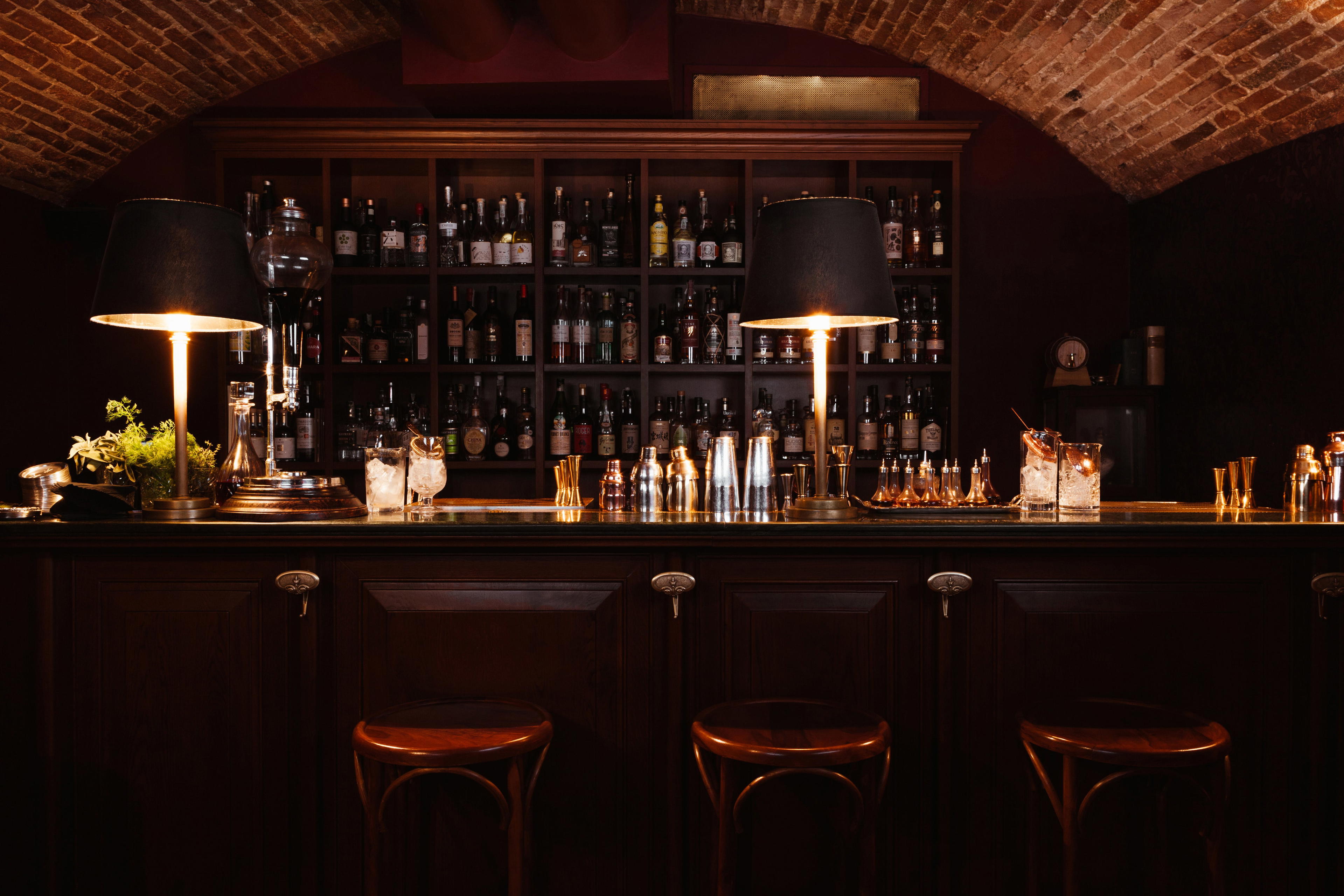
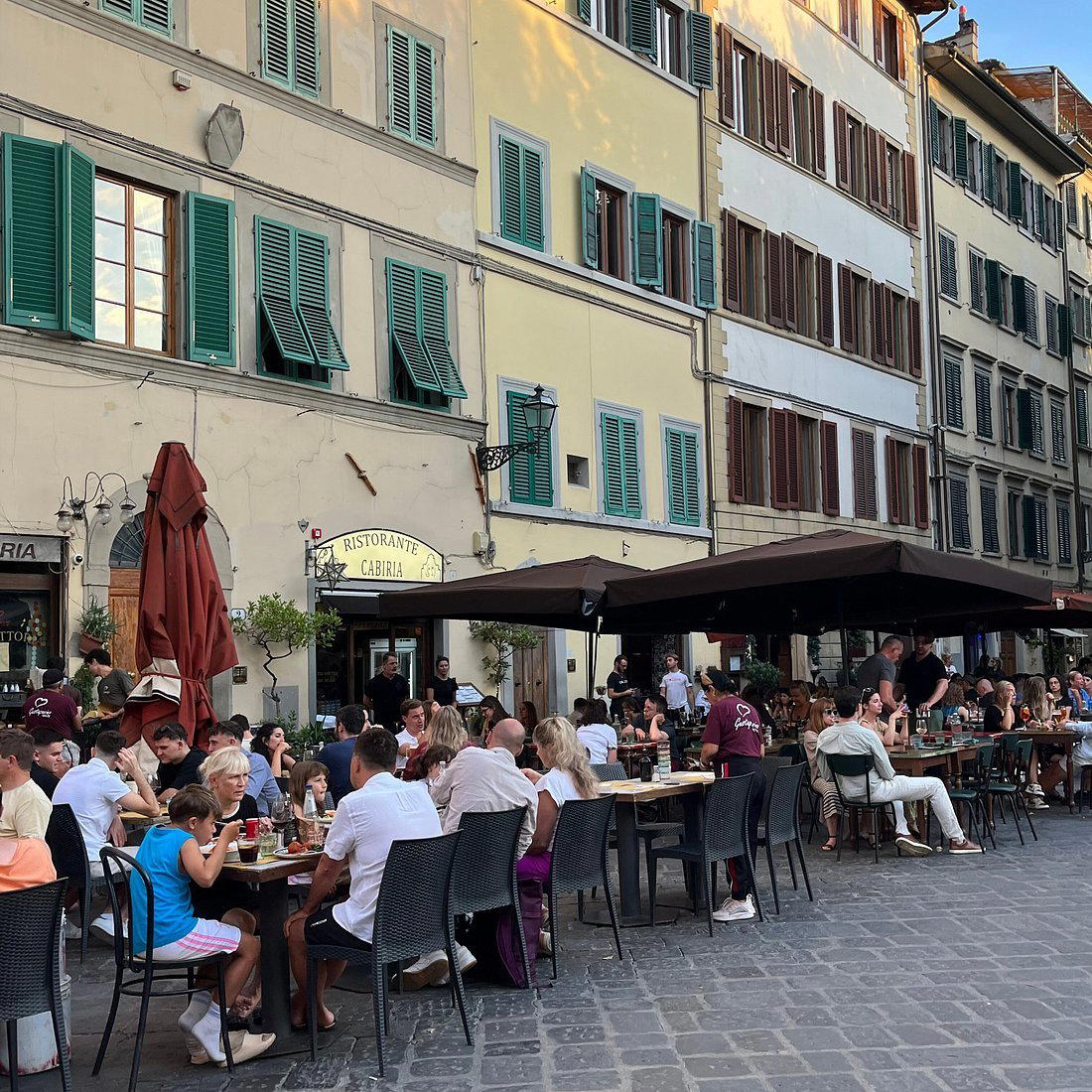
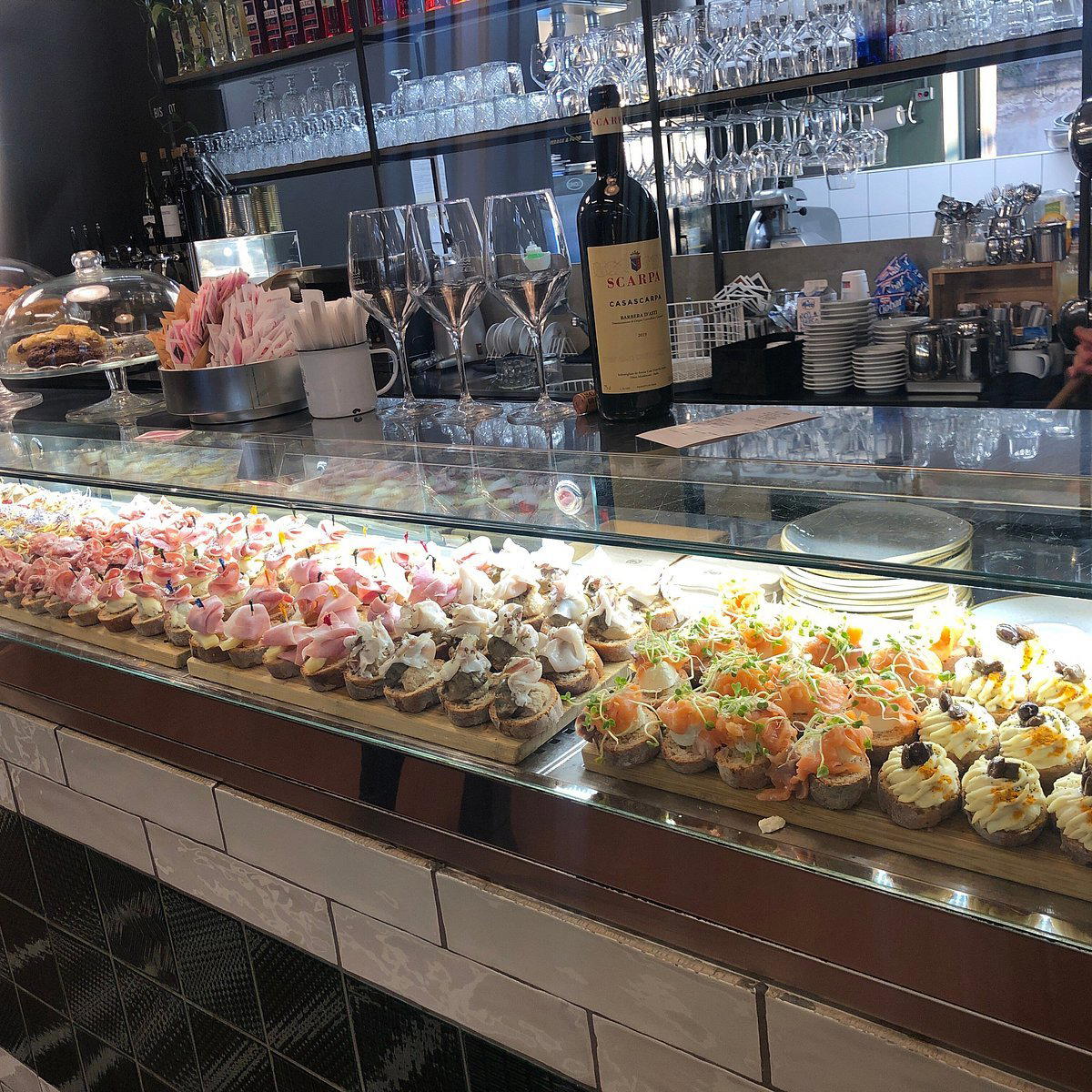
Restaurants in Florence
Browse all →
Hotels in Florence
Browse all →
At a Glance
- Cozy
- Rustic
- Classic
- Casual Hangout
- Historic Building
- Communal Tables
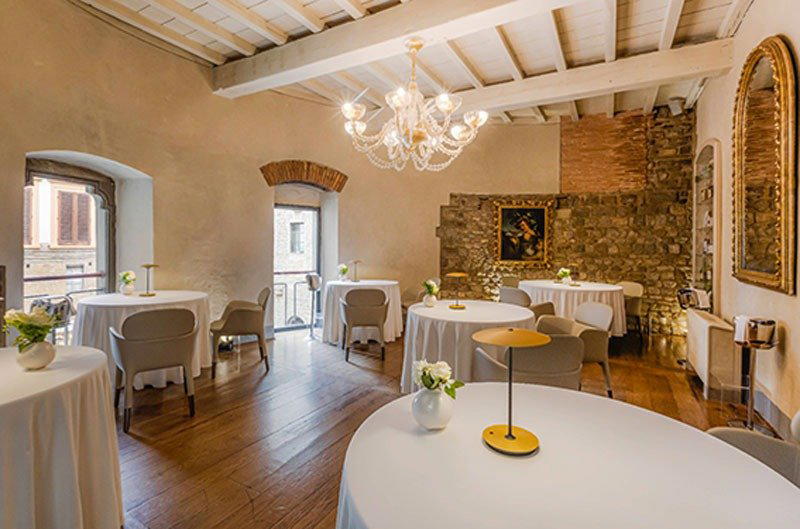
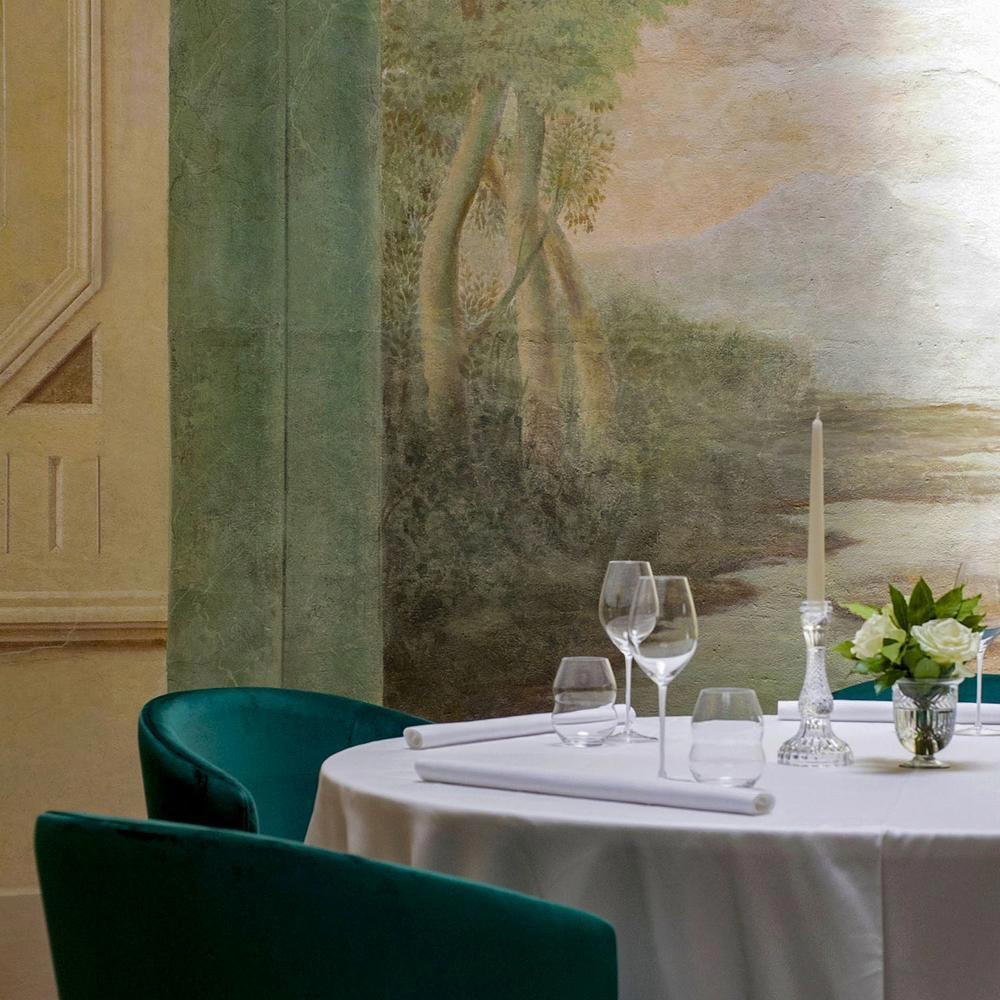
Small, cozy rooms with kitschy paintings, wooden tables with white tablecloths, and a welcoming family atmosphere.