Topa Topa Brewing Company
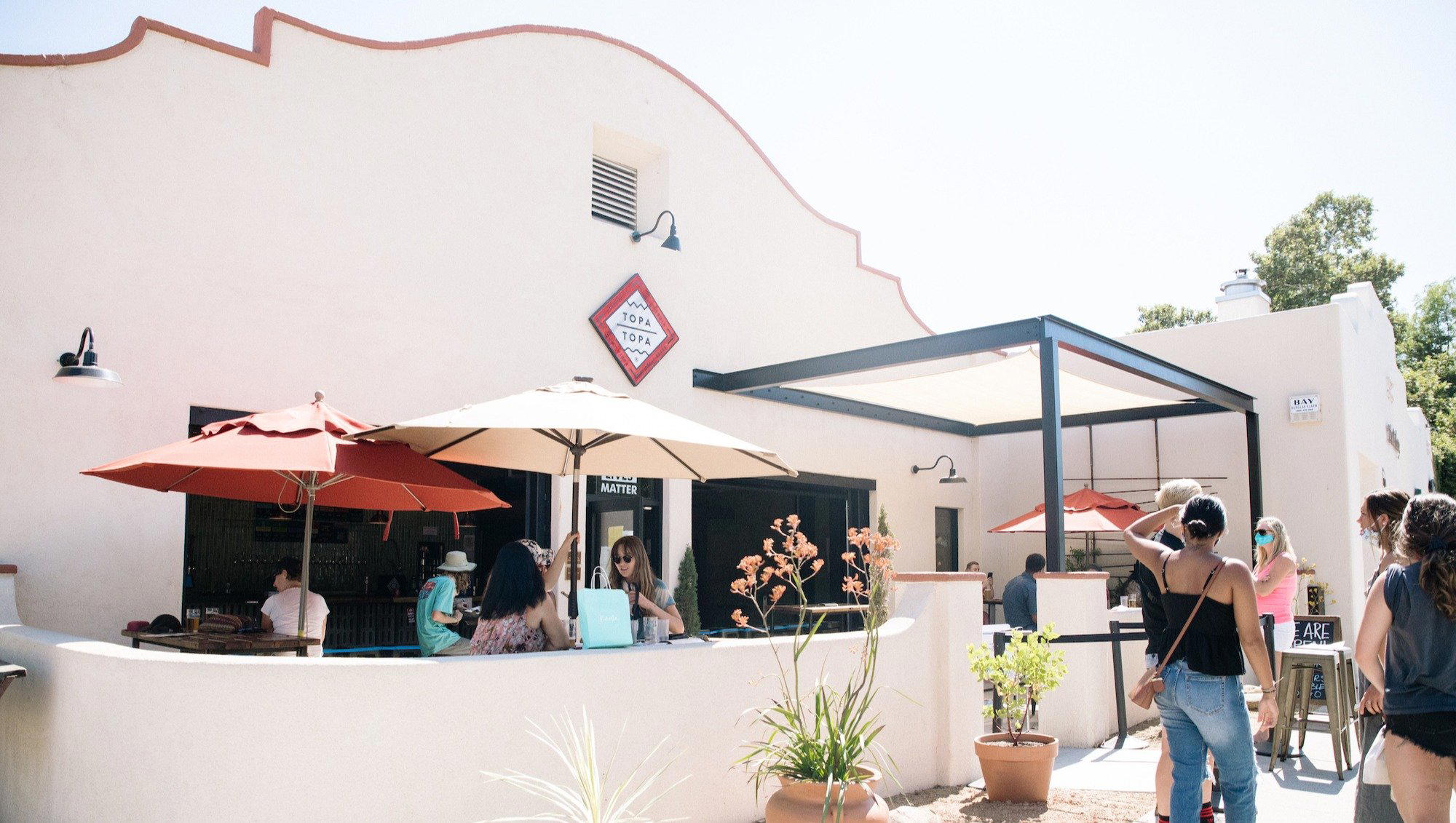
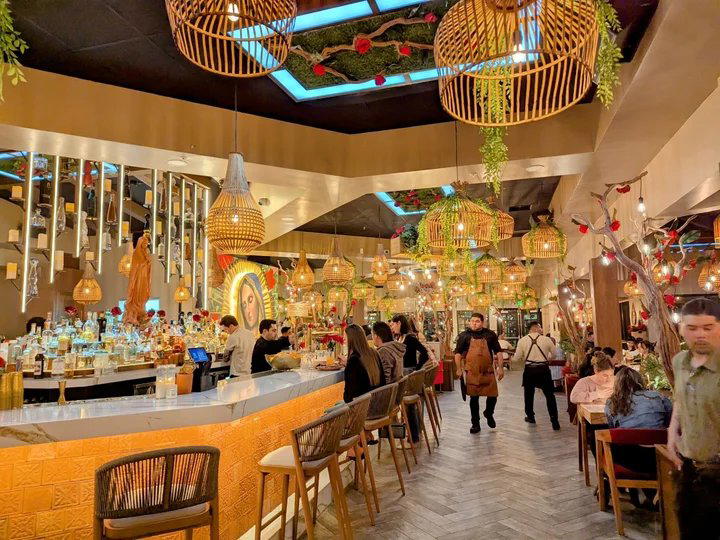
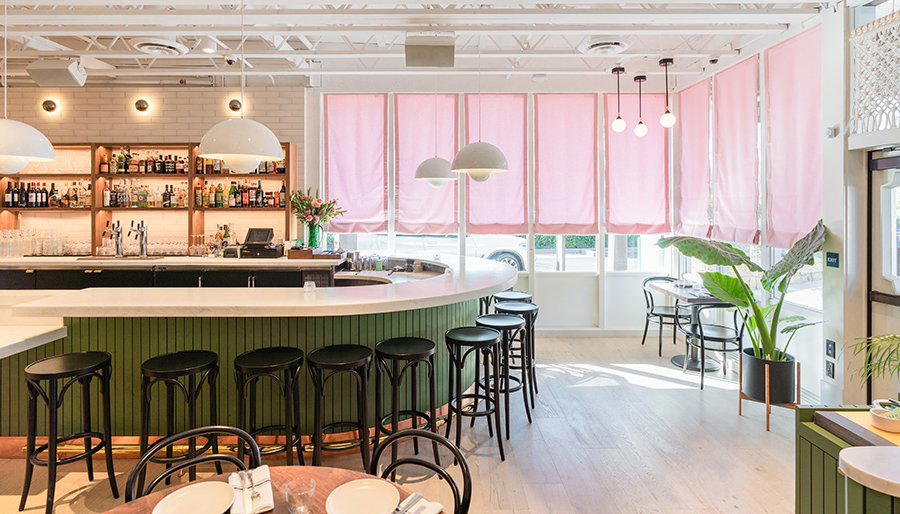
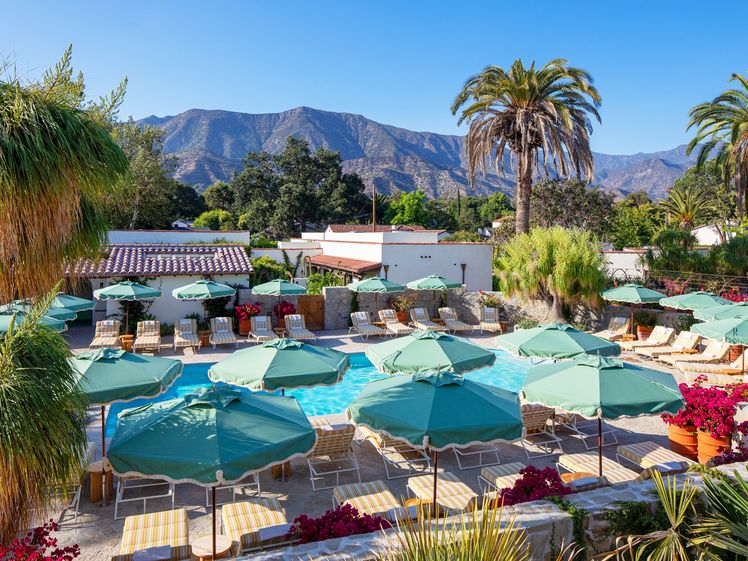
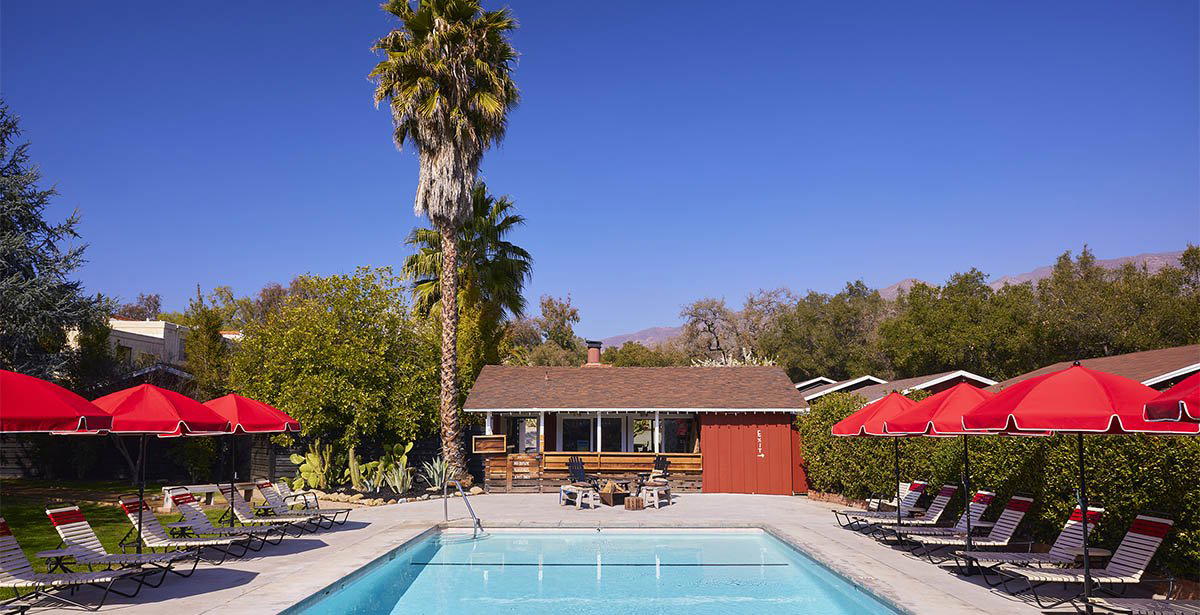
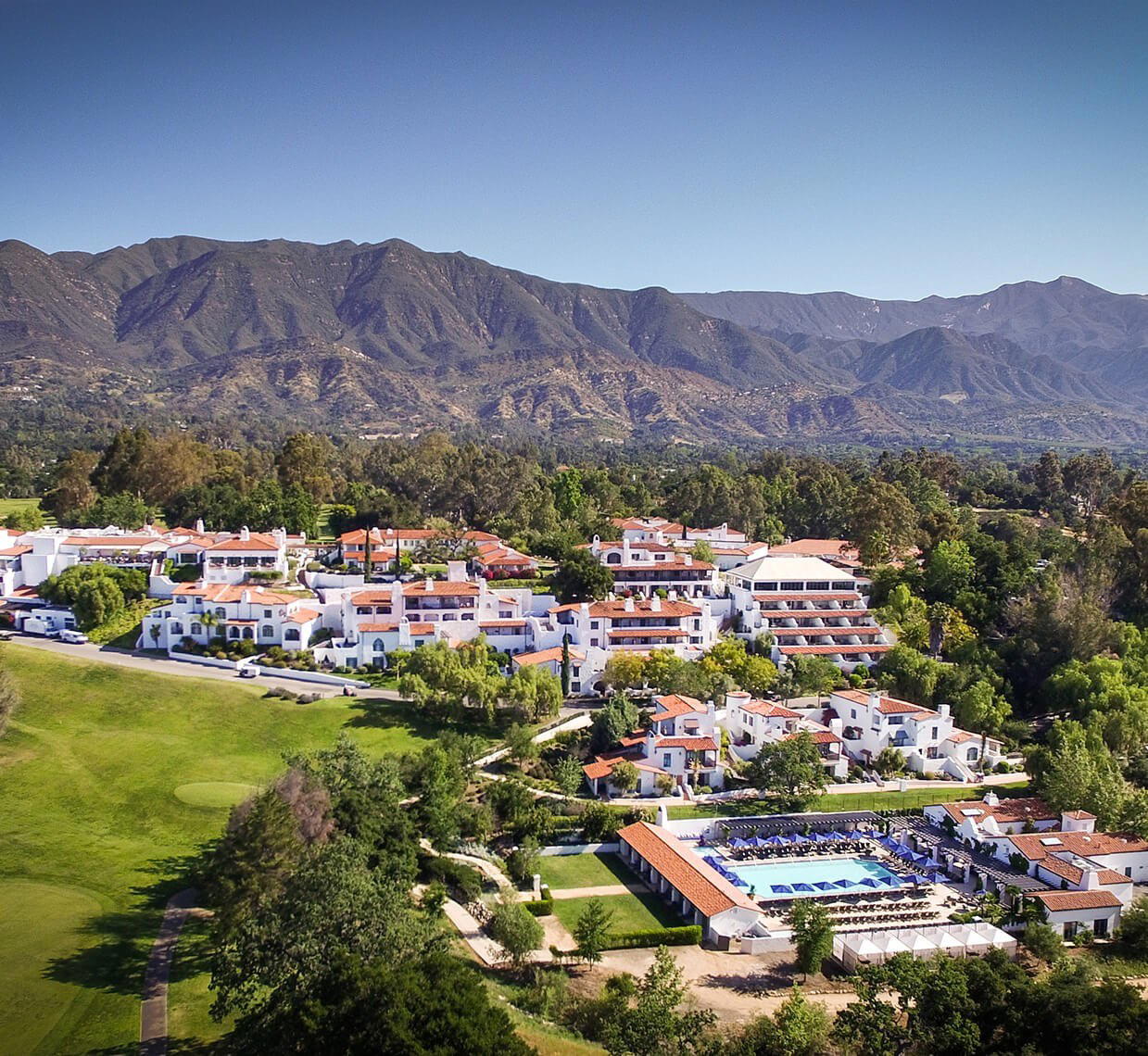
Topa Topa Brewing Company serves craft beer from an outdoor terrace and seated bar with mountain views, in a casual, lively setting with live music.

Pearl is the En Primeur Club membership app, where members save venues, book tables and use the concierge.
Where Ojai's Indoor-Outdoor Brewery Culture Finds Its Footing
East Ojai Avenue runs through a town that takes its own pace seriously, and Topa Topa Brewing Company at 345 E Ojai Ave sits squarely in that rhythm. The taproom format that defines Topa Topa is common across Southern California's craft brewing corridor, but Ojai imposes its own conditions on the genre: smaller crowds, a clientele that tilts toward weekend visitors from Los Angeles alongside a loyal local base, and an ambient expectation that a place should feel like it belongs here rather than anywhere. The physical environment at a well-run taproom in this kind of town works harder than it might in a dense urban market, because there is less noise to compete with and more scrutiny of whether the atmosphere earns its setting.
Ojai's craft drinking scene is less stratified than what you'd find in Santa Barbara to the west or the Silver Lake corridor two hours south. There is no clear hierarchy of cocktail bars pressuring breweries upward in ambition. That absence of competitive pressure can produce complacency, but it can also produce a room that knows exactly what it wants to be. For context on what well-considered atmosphere looks like at the bar program end of the spectrum, venues like ABV in San Francisco or Kumiko in Chicago demonstrate how physical space and program intent can reinforce each other in a way that the brewery taproom format sometimes skips. In Ojai, the stakes are lower and the tone is correspondingly less architectural, but the expectation of comfort and a certain informality of welcome is, if anything, higher.
The Taproom as Social Format in a Small California Town
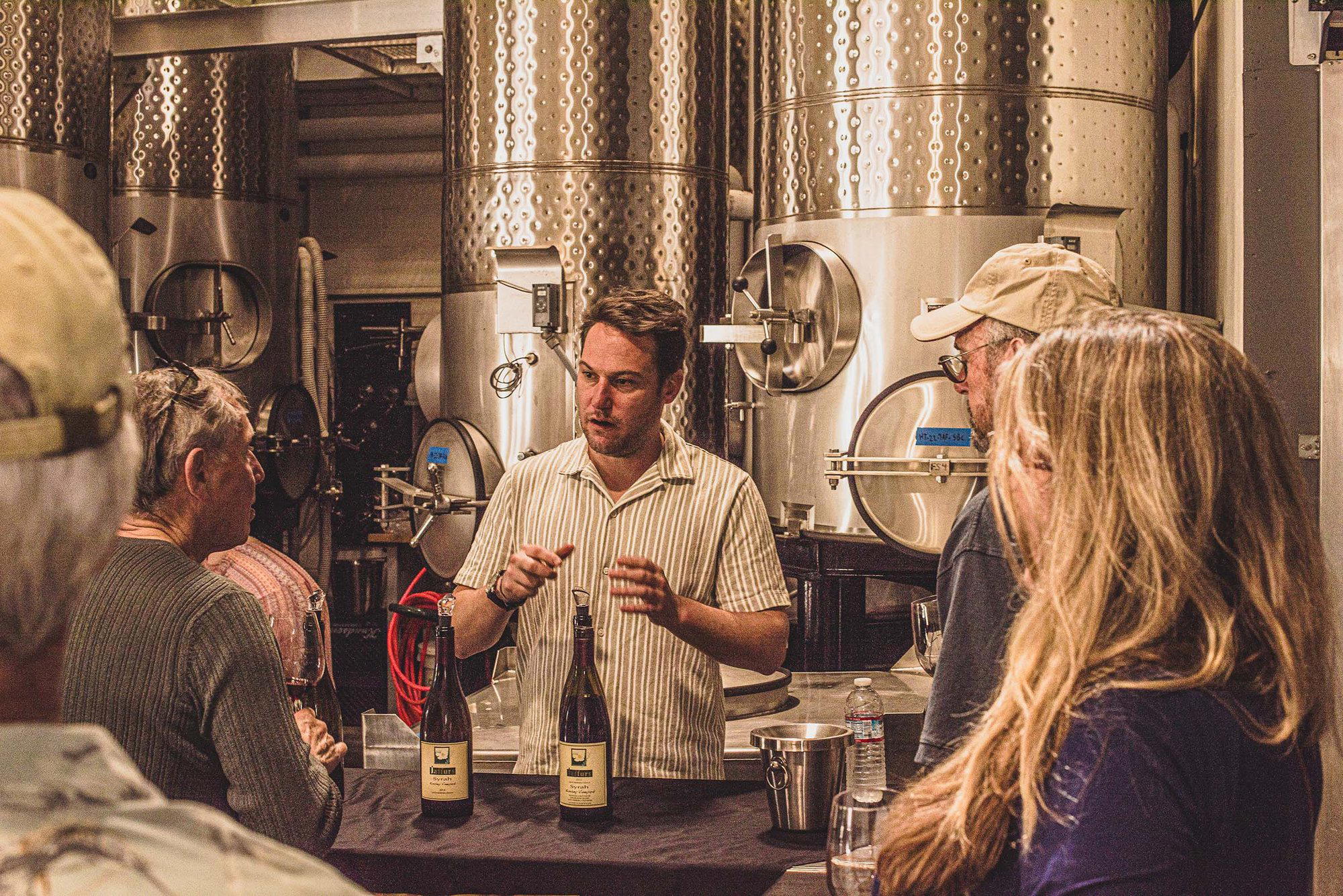
The craft brewery taproom arrived in smaller California towns as a solution to a specific problem: how do you create a gathering place that works for visitors without alienating locals who are tired of venues catering only to the weekend influx. The format's physical logic, long communal tables, visible fermentation equipment, a bar that doubles as a conversation piece, provides enough visual interest for newcomers while remaining unpretentious enough for regulars who know the staff by name. Topa Topa sits in that register.
Ojai draws a consistent stream of visitors from Los Angeles, a drive that typically runs under two hours depending on traffic through Ventura. That visitor profile, day-trippers and weekend-stay guests who have already spent time at the Ojai Valley Inn or in the boutique rental circuit, generates an afternoon and early-evening rush that shapes the social texture of any taproom here. The crowd tends to be spent-a-little, seen-a-little: people who have hiked the Shelf Road trail or browsed the galleries along Ojai Avenue and are ready to sit down without committing to a full dinner. A brewery format accommodates exactly that behavioral pattern.
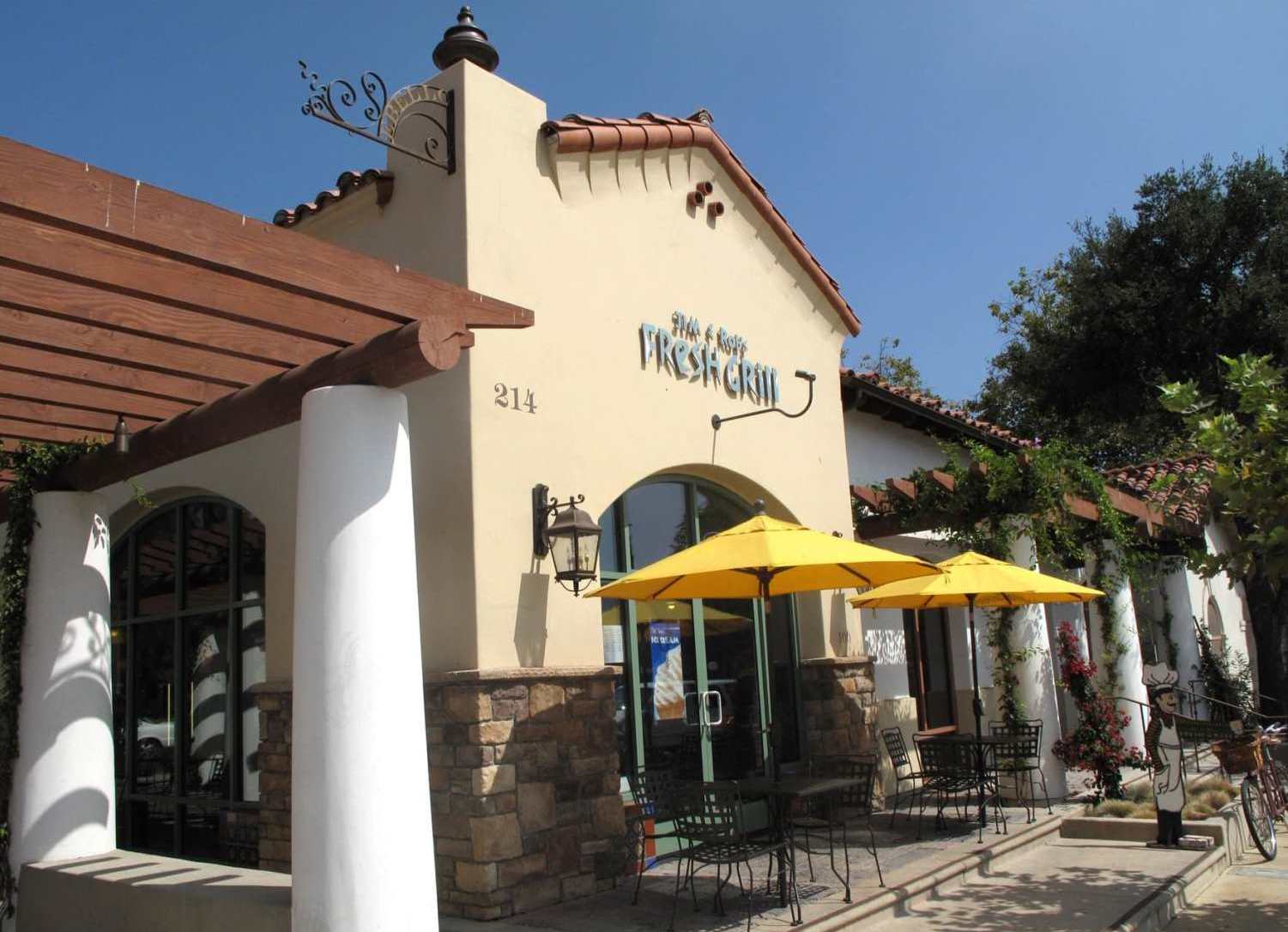
For those building a broader Ojai drinking itinerary, Tipple and Ramble and Jim and Rob's Fresh Grill and Lisa's Cantina offer different registers of the town's bar culture. A brewery taproom fills a space between them that neither occupies: lower formality than a cocktail-forward program, more beverage depth than a bar that treats drinking as secondary to food. See our full Ojai restaurants guide for a fuller picture of how these places map against each other.
What the Space Does for the Experience
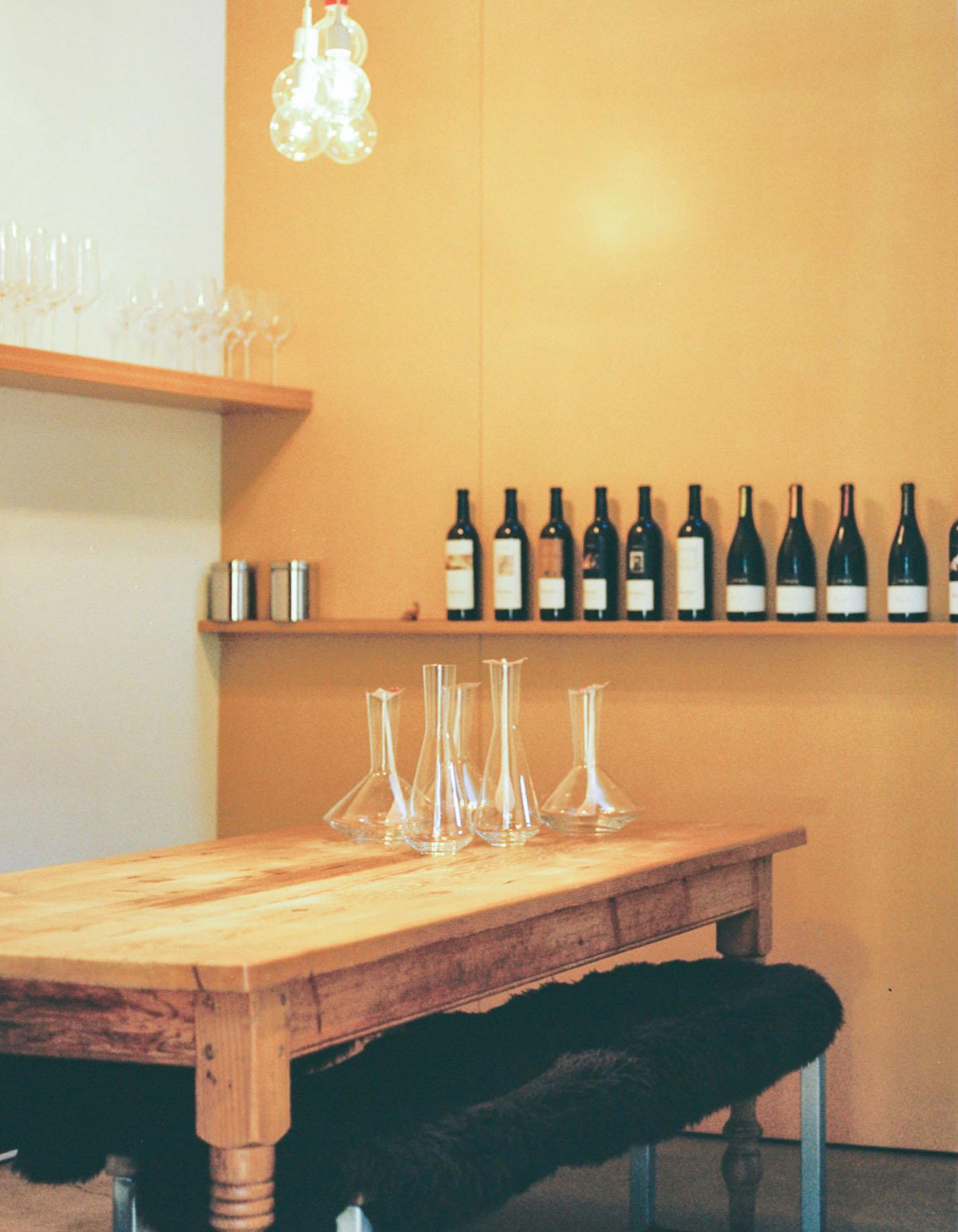
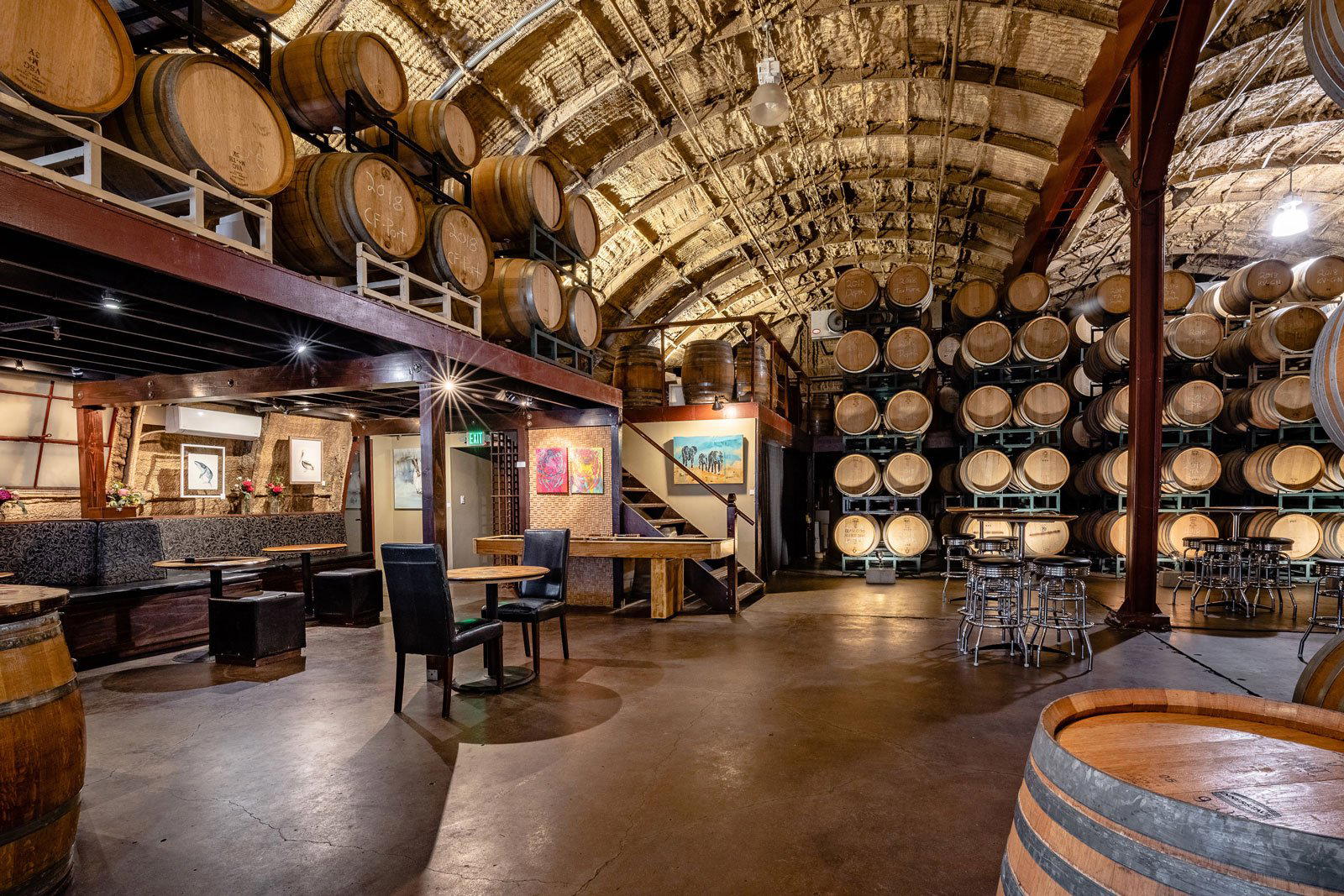
Taproom design in this tier of California craft brewing has moved away from the raw-industrial aesthetic that dominated the mid-2010s. The corrugated metal and exposed-beam approach that once signaled authenticity now reads as a set piece, and the better taprooms have softened toward warmer materials and more considered seating arrangements. The shift matters because it affects how long people stay and how comfortable the longer visit feels, which in turn drives the per-visit spend and, more importantly, whether the experience generates the word-of-mouth that keeps a taproom solvent in a town that sees strong seasonal variation.
In that framing, lighting temperature, the ratio of communal to semi-private seating, and the acoustic environment matter as much as what is on tap. A room that is too loud for conversation loses the social function that differentiates a taproom from simply buying beer to take home. These are the operational details that the format has had to solve over time, and the better-run rooms in smaller California markets have generally solved them by erring toward warmth and acoustic comfort over volume and visual spectacle.
For readers whose frame of reference for well-designed drinking spaces extends beyond California, the contrast is instructive. The program discipline at Bar Leather Apron in Honolulu, the layered atmosphere at Jewel of the South in New Orleans, or the intentional mise-en-scene at Allegory in Washington, D.C. represent a different tier of atmospheric investment. A brewery taproom in Ojai is not competing in that tier, nor should it be. The comparison is useful only to calibrate expectations: what Topa Topa offers is a relaxed, California-casual atmosphere built for extended stays and low-stakes afternoons rather than destination drinking experiences.
Planning the Visit
Ojai runs on a seasonal clock that concentrates visitors in spring, during the bloom season and associated festivals, and again in fall, when the light and temperature become the town's most-advertised assets. Weekend afternoons in those windows will see the taproom at higher capacity, and the social texture shifts accordingly: louder, more transient, less suited to the slow-pint afternoon that the format does leading on quieter days. Midweek visits or early weekend mornings, if hours permit, tend to offer a version of the place that is closer to its natural register. Topa Topa is located on East Ojai Avenue, which is walkable from the town center and accessible by car with parking available in the corridor. Visitors staying in central Ojai can reach it without driving. For those arriving from Los Angeles, the route through Ventura and then north on Highway 33 is the standard approach, with the drive from central Los Angeles running roughly 90 minutes under normal conditions.
For further reference on how craft drinking programs handle atmosphere and design across different American cities, Julep in Houston, Superbueno in New York City, Bar Kaiju in Miami, and The Parlour in Frankfurt on the Main each show how a defined spatial identity can anchor a bar program's reputation in ways that spill over into how the beverages themselves are perceived.
Style and Standing
| Venue | Cuisine | Price | Awards |
|---|---|---|---|
| Topa Topa Brewing CompanyThis venue (the venue you are viewing) | Not listed | $20–30 | Not listed |
| Julep | Not listed | Not listed | World's 50 Best |
| Kumiko | Not listed | Not listed | World's 50 Best |
| ABV | Cocktail Bar | $20–30 | World's 50 Best #39 · Eater Cocktail Bar Guide |
| Bisous | Not listed | $20–30 | World's 50 Best #30 · James Beard Award Semi Finalist |
| Canon | Not listed | Not listed | World's 50 Best |
Continue exploring
More in Ojai
Bars in Ojai
All bars in Ojai →
Restaurants in Ojai
All restaurants in Ojai →
Topa Topa Brewing Company
The drinks
- Craft beer
Signature drinks: Tux Nitro Milk Stout, Run Hills IPA.
Details
- Rustic
- Lively
- Cozy
- Casual Hangout
- Group Outing
- Beer Garden
- Live Music
- Outdoor Terrace
- Seated Bar
- Craft Beer
- Mountain
Current opening hours
- Monday
- 12–9 PM
- Tuesday
- 12–9 PM
- Wednesday
- 12–9 PM
- Thursday
- 12–9 PM
- Friday
- 12–10 PM
- Saturday
- 11 AM–10 PM
- Sunday
- 11 AM–9 PM
Hours can change for holidays and private events. Hours as of .
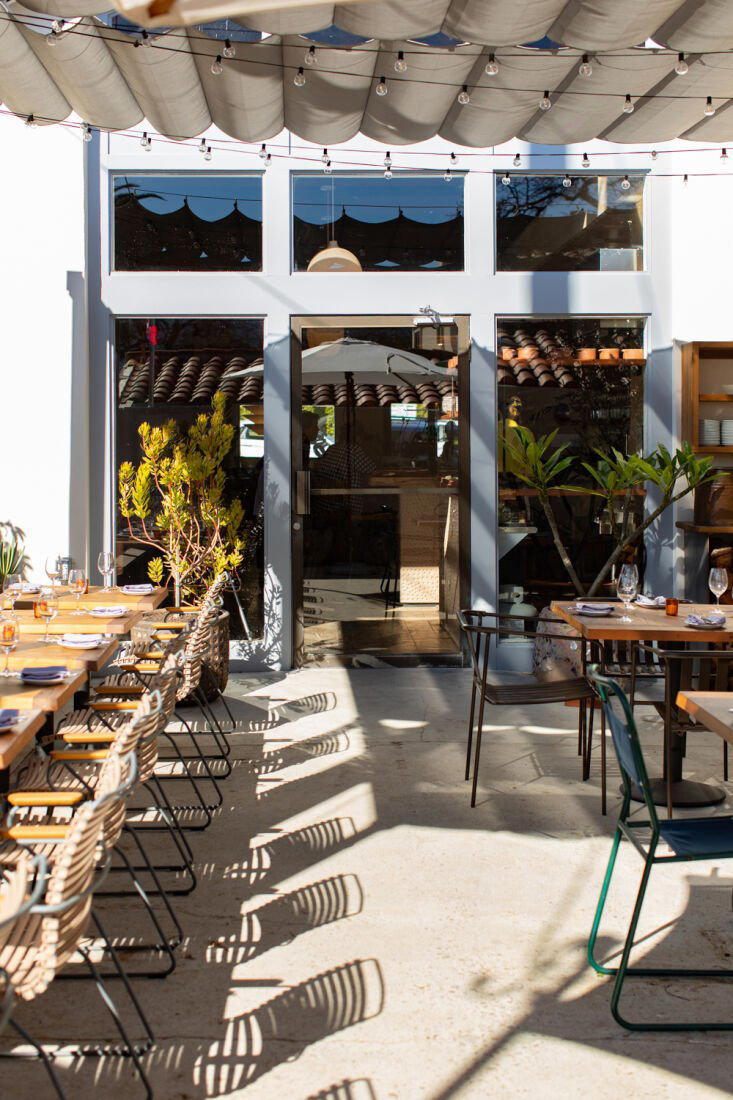
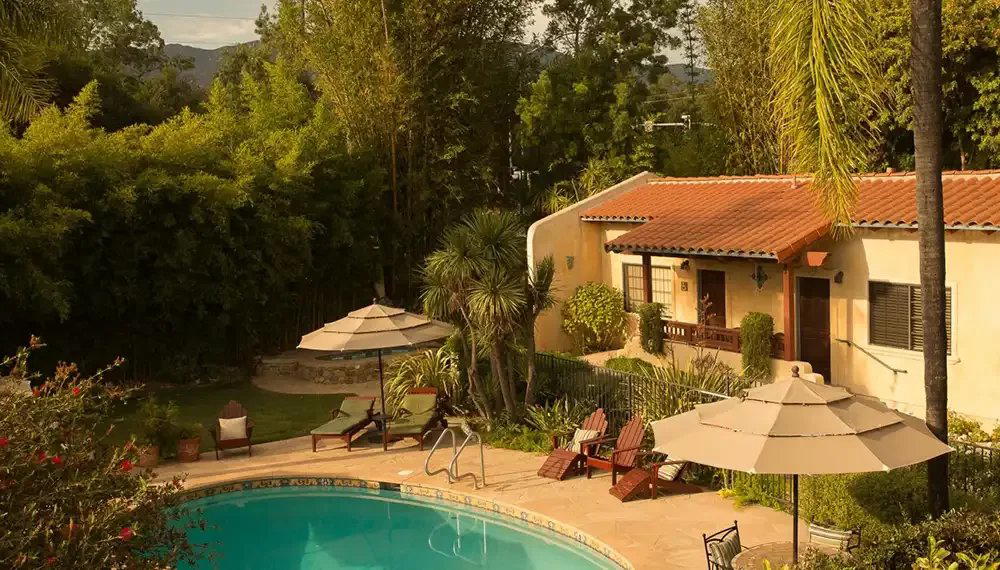
Relaxed brewery atmosphere with garage-style doors opening to an outdoor patio, enhanced by live music on select nights and scenic mountain views.