Tin Roof
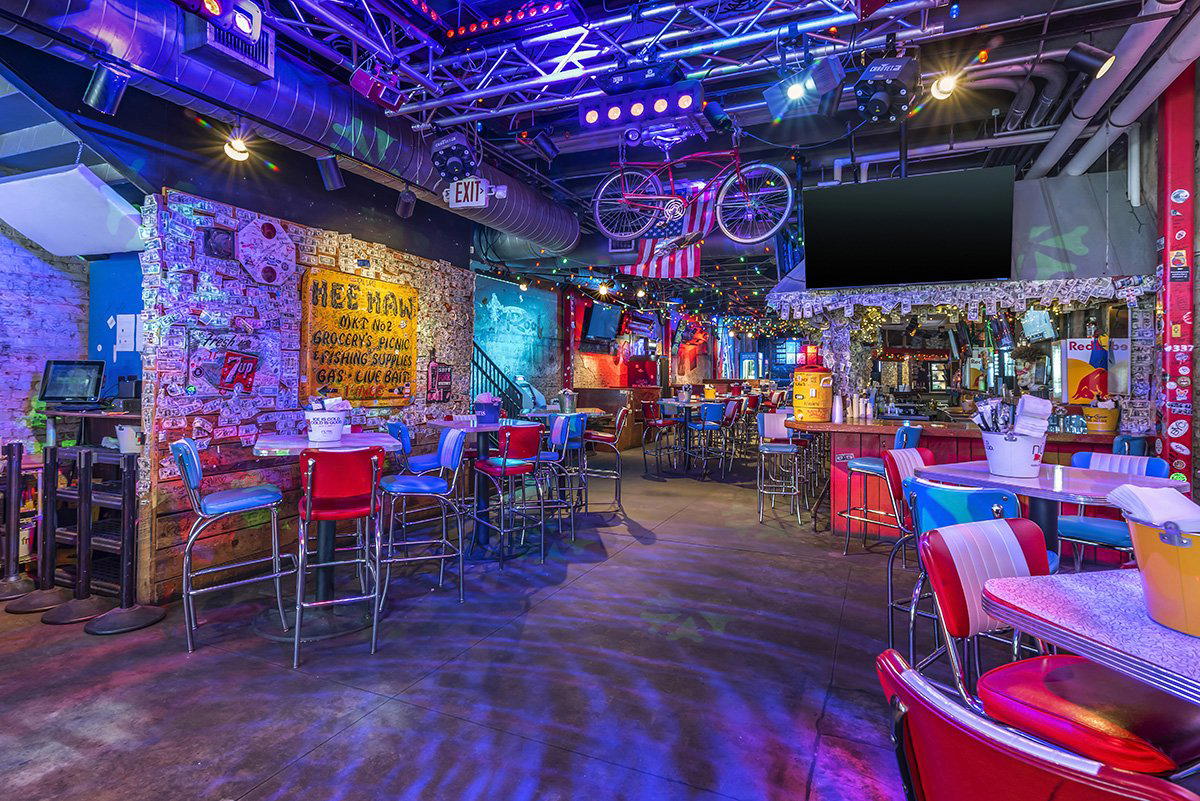
Tin Roof on Demonbreun Street sits at the intersection of Nashville's live music tradition and its casual bar culture, drawing locals and visitors alike to one of Music Row's most recognizable addresses. The format leans into the city's honky-tonk lineage without the Broadway tourist density, placing it in a distinct tier among Nashville's mid-row venues. Expect live music, a straightforward drinks program, and the kind of crowd that treats Tuesday like Friday.

Pearl is the En Primeur Club membership app — saves, bookings, and concierge access live there. Same editors, same standards.
Where Music Row Meets the Bar Floor
Demonbreun Street has long occupied an ambiguous position in Nashville's entertainment geography: close enough to Broadway to catch overflow crowds, far enough to retain a sense of local identity. The strip's bars and venues draw from a different well than the neon-lit honky-tonks a few blocks south, where the tourist economy dominates the room. Tin Roof, at 1516 Demonbreun, sits within that in-between zone, and what defines it is less any single programmatic choice than its alignment with a Nashville archetype: the live-music bar that functions as a gathering point for both working musicians and the people who follow them.
That archetype has deep roots in the city. Nashville's bar culture was never just about drinking; it was about proximity to the performance, the rehearsal, the deal made over a beer after a show. Venues along and around Music Row developed as informal extensions of the recording industry that built the neighborhood, places where the boundary between audience and performer was deliberately thin. That tradition shapes how spaces like Tin Roof operate, where live music is not a scheduled amenity but a structural feature of the evening.
The Demonbreun Tier: What Sets This Block Apart
Nashville's bar scene has fragmented sharply over the past decade. Broadway commands the highest volume and the most visible tourist traffic. The Gulch, immediately west, has trended toward higher-concept cocktail programming and dining-adjacent bar formats. East Nashville operates on an entirely different frequency, with a craft-focused, neighbourhood-first identity. Demonbreun occupies its own tier: accessible, music-forward, and pitched at a crowd that wants live performance without navigating the Broadway scrum.
Compared to the more technically oriented programs at venues like 417 Union or the food-forward model at 5th & Taylor, Tin Roof's positioning is deliberately unpretentious. It doesn't compete in the craft-cocktail tier that has produced recognition for bars like Bar Leather Apron in Honolulu, Kumiko in Chicago, or Jewel of the South in New Orleans. The format is closer to what Nashville historically did before the cocktail revival arrived: beer, a working bar, and a stage.
That is not a criticism. Different cities produce different dominant bar formats, and Nashville's contribution to American bar culture runs through the honky-tonk and the live-music room, not the speakeasy or the spirit-forward cocktail lounge. Tin Roof reads as an honest expression of that tradition rather than a departure from it.
Live Music as Cultural Infrastructure
To understand what Tin Roof offers, it helps to understand what live music means structurally in Nashville. In cities like New York or Chicago, live music in a bar context is often programmed as a draw, a reason to visit on a particular night. In Nashville, it functions more like infrastructure, an expectation baked into how evenings are organized across a wide range of venues and price points. Bars that don't offer it are the exception that requires explanation.
This creates a distinctive listening environment. Nashville bar audiences are, on average, more musically literate than their counterparts in cities where live music is occasional rather than endemic. The performers, too, often carry serious credentials: Nashville's musician pool is unusually deep, and the bar circuit serves as both proving ground and ongoing employment for working players. What might appear casual is frequently not.
For visitors accustomed to more controlled listening environments, the format can take adjustment. The bar functions simultaneously as a social space and a performance venue, and the balance between the two shifts depending on the night. This is consistent with how comparable Music Row–adjacent venues have always operated, and it reflects a cultural logic that prioritizes access and informality over the curated silence of a formal music room. For context on how other cities handle that balance, the programs at Julep in Houston or ABV in San Francisco represent very different answers to the same question of what a bar is for.
Placing Tin Roof in the Nashville Drinking Map
Nashville's bar options now span a wider range than at any previous point in the city's history. The craft coffee and beer crossover is well-represented on the east side, with venues like 8th & Roast anchoring a more daytime-oriented crowd. The south side has developed its own neighborhood gravity around spots like 12 South Taproom and Grill. For visitors working through the city's range, these different nodes each reflect distinct local subcultures.
Tin Roof belongs to the Music Row node, which rewards visitors who are specifically interested in Nashville's music industry geography. The address on Demonbreun places it within walking distance of the Country Music Hall of Fame and a short drive from the RCA Studio B site, two landmarks that make the neighborhood legible as a place where the business of American popular music was conducted for decades. Drinking on this block carries a different kind of context than drinking on Broadway or in the Gulch.
For further context on the wider Nashville scene, the EP Club Nashville guide maps the full spread of the city's bar, restaurant, and hotel options across neighborhoods. Internationally, the bar conversation extends to venues like Superbueno in New York City and The Parlour in Frankfurt, which represent the more cocktail-forward end of what a bar can be.
Know Before You Go
- Address: 1516 Demonbreun St, Nashville, TN 37203
- Neighbourhood: Music Row / Demonbreun corridor
- Format: Live-music bar; expect active room noise and concurrent social use of the space
- Leading for: Visitors wanting live music outside the Broadway tourist corridor
- Hours: Not confirmed; check current listings before visiting
- Booking: Walk-in format; no reservation data available
- Getting there: Accessible from downtown Nashville; limited street parking on Demonbreun; rideshare recommended on busy weekends
A quick snapshot of similar venues for side-by-side context.
| Venue | Price |
|---|---|
| Tin RoofThis venue — the venue you are viewing | $20–30 |
| Green Hour Cocktail & Absinthe Lounge | $20–30 |
| Attaboy Nashville | $30–50 |
| Robert's Western World | $10–20 |
| The Fox Bar & Cocktail Club | $30–50 |
Continue exploring
More in Nashville
Bars in Nashville
All bars in Nashville →
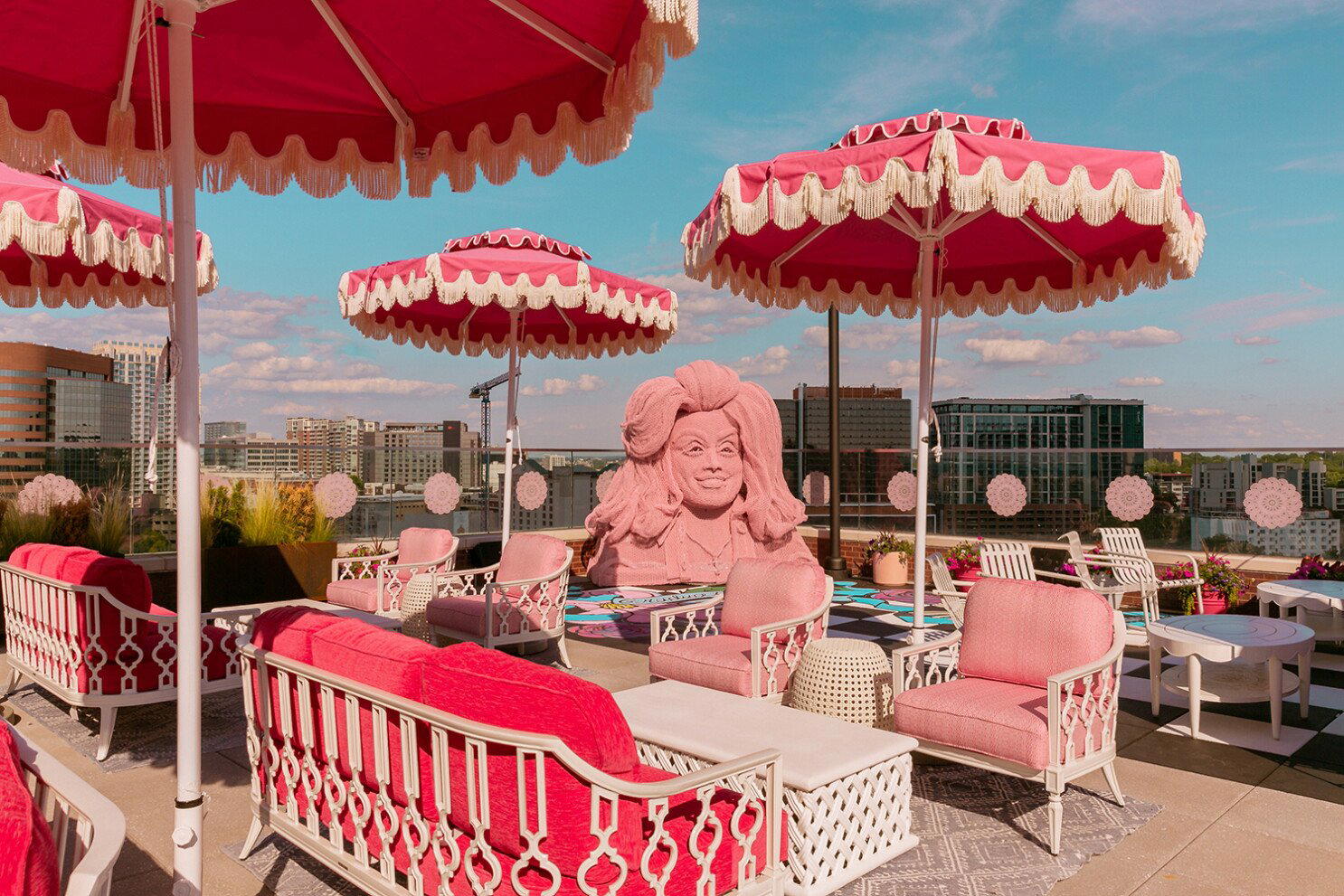
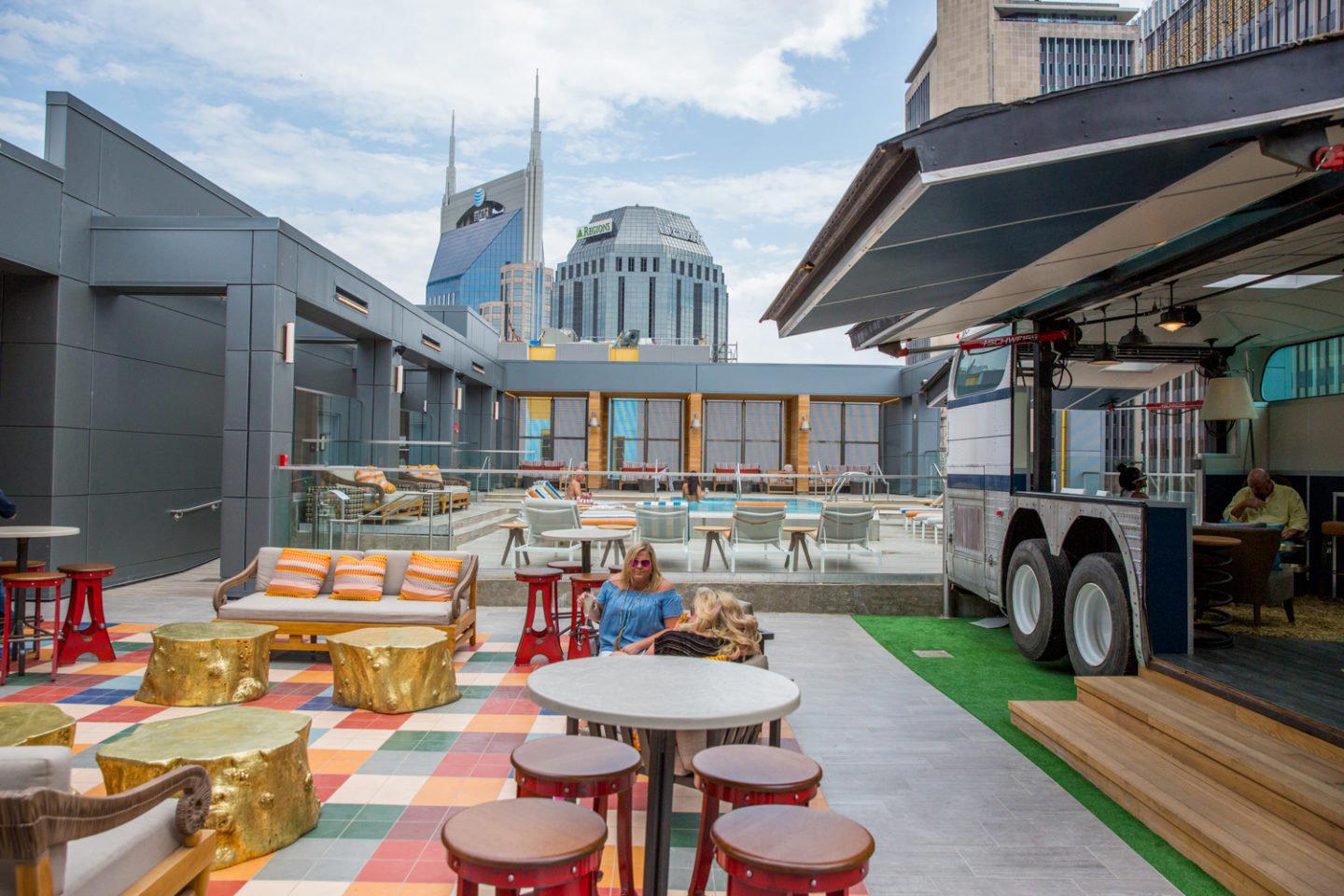
Restaurants in Nashville
All restaurants in Nashville →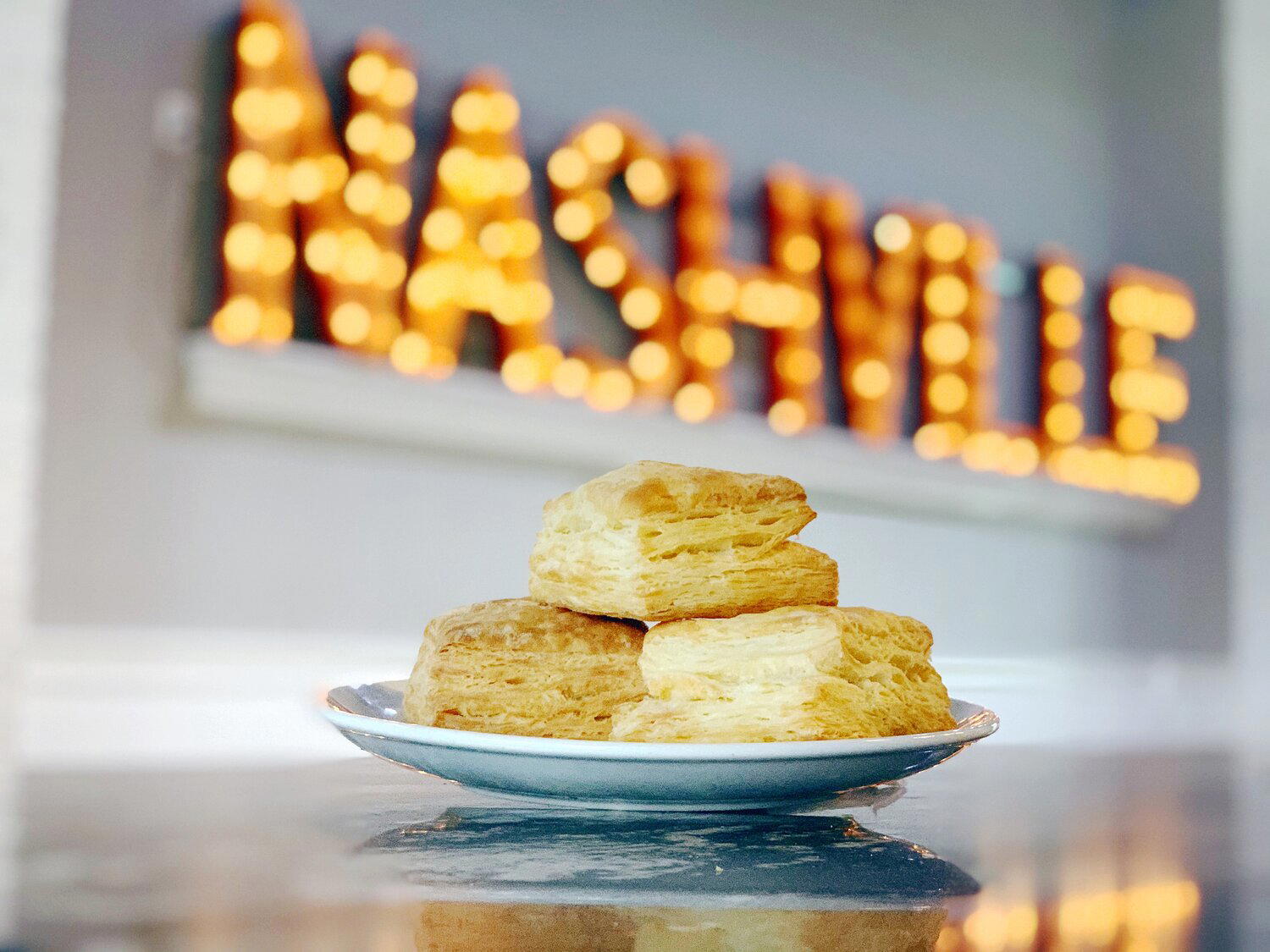
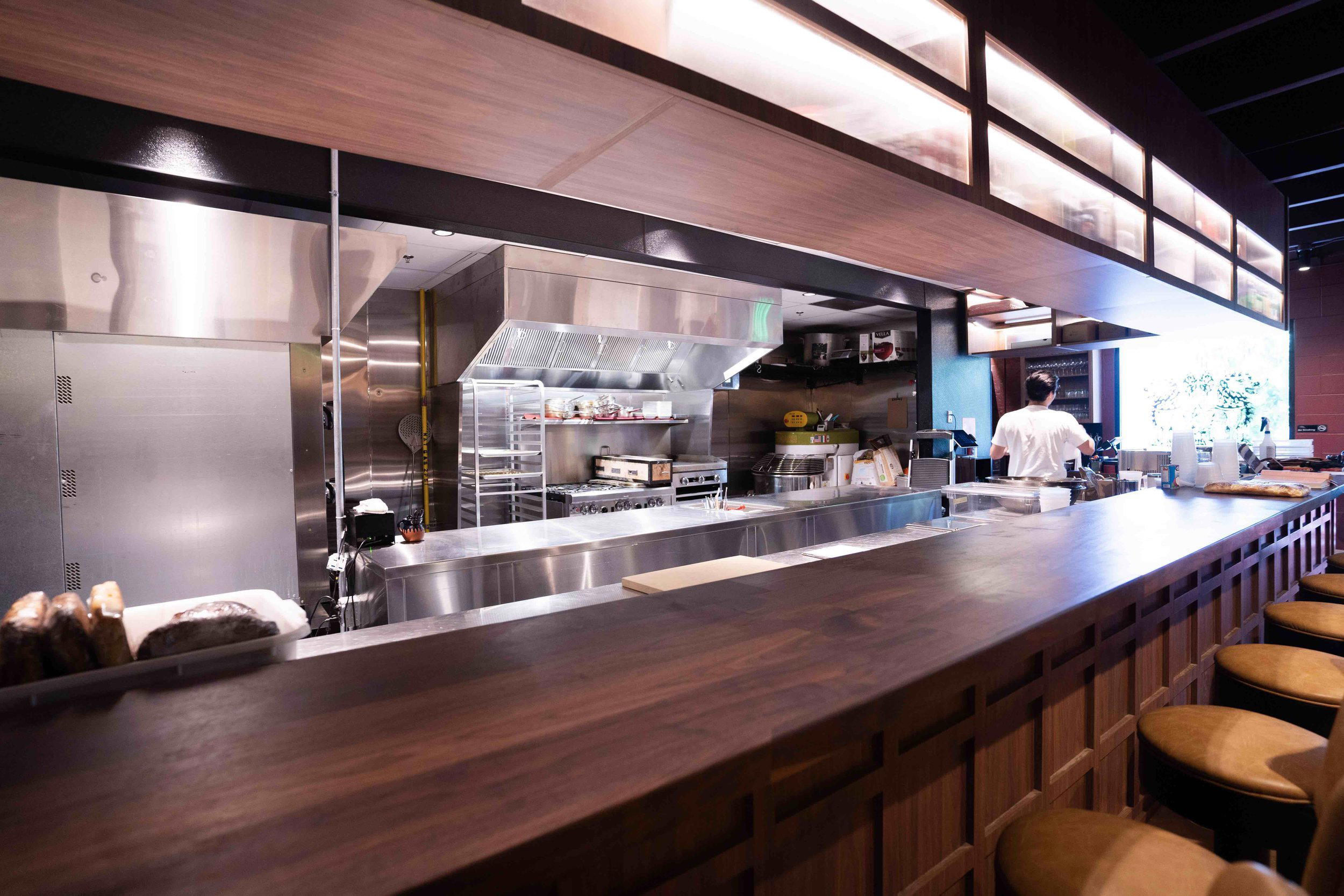
Hotels in Nashville
All hotels in Nashville →
Wineries in Nashville
All wineries in Nashville →
Tin Roof
The drinks
- Classic cocktails
- Craft beer
Signature drinks: Local Mules.
Details
- Lively
- Well Known
- Energetic
- After Work
- Late Night
- Group Outing
- Casual Hangout
- Celebration
- Live Music
- Rooftop
- Standalone
- Standing Room
- Seated Bar
- Lounge Seating
- Outdoor Terrace
- Booth Seating
- Classic Cocktails
- Craft Beer
- Whiskey
- Draft Cocktails
- Street Scene
Current opening hours
- Monday
- 11 AM–12 AM
- Tuesday
- 11 AM–12 AM
- Wednesday
- 11 AM–2 AM
- Thursday
- 11 AM–3 AM
- Friday
- 11 AM–3 AM
- Saturday
- 11 AM–3 AM
- Sunday
- 11 AM–12 AM
Hours can change for holidays and private events. Last verified .
Eclectic and fun with an energetic atmosphere centered around live music; features distinctive decor including an Iron Throne replica and photo booth.