The Wine Feed
Positioned closer to the specialist retail-and-glass model than to a conventional bar, it draws a crowd that comes as much to learn as to drink, making it a reference point for ethically sourced and small-producer wine in the Triangle.

Pearl is the En Primeur Club membership app — saves, bookings, and concierge access live there. Same editors, same standards.
- Address
- 307 S Roxboro St, Durham, NC 27701
- Phone
- (919) 748-4115
- Hours
- Mon ClosedTue 11 AM–7 PMWed–Sat 11 AM–9 PMSun 11:30 AM–6 PM
- Website
- thewinefeed.com
- Directions
- Get directions
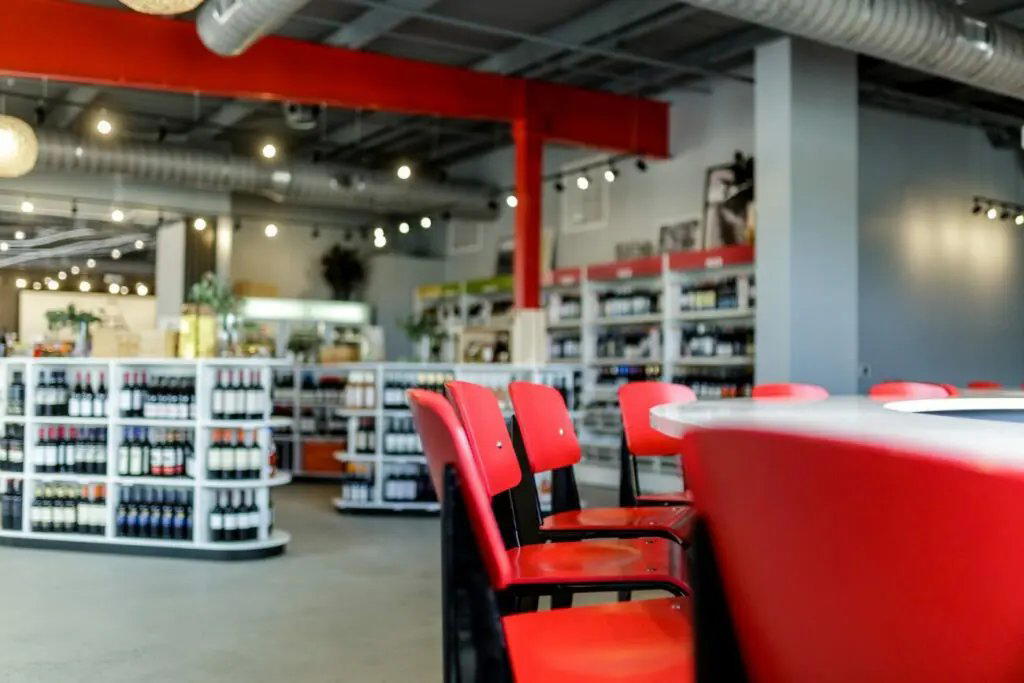
That hybrid format has become a more common model in mid-sized American cities over the last several years, as operators recognize that the margin economics of pure retail are difficult and the lease costs of full-service bars are prohibitive. Shops like ABV in San Francisco and Kumiko in Chicago have demonstrated that a program built around serious product curation and staff knowledge can anchor a neighborhood identity.
The Sourcing Argument
The clearest editorial angle at The Wine Feed is not the room or the format but the selection philosophy. Independent wine retail in 2024 has split into two broad camps: shops that carry crowd-pleasing commercial labels at accessible prices, and shops that function as advocacy platforms for smaller, lower-intervention producers, often sourced from importers who work directly with growers. The Wine Feed belongs to the second camp. The practical consequence for a buyer is that the labels on the shelf are less likely to be familiar from a supermarket aisle and more likely to represent a grower working with estate fruit, reduced sulfur additions, or farming practices that sit somewhere on the spectrum between sustainable certification and certified organic or biodynamic.
This is not a marginal position in American wine retail anymore. Consumer interest in how wine is farmed and made has grown steadily since the early 2010s, driven partly by the natural wine movement and partly by a broader cultural turn toward supply chain transparency. What distinguishes operators who take this seriously from those who simply use the vocabulary is the depth of the buying relationships and the consistency of the curation. A shop can claim to stock natural wine while filling half its shelves with commercial production. A shop that has genuinely committed to the sourcing argument tends to show it in the range: more growers you have not heard of, fewer household names, a higher proportion of regions outside Napa and Bordeaux.
For the Triangle's drinking culture, that kind of curation matters because it fills a gap.enprimeurclub.enprimeurclub. A specialist retailer can go deeper into a single category than any restaurant list reasonably could.
Ethical Sourcing as Editorial Position
The sustainability story in wine retail is frequently reduced to certification labels: organic, biodynamic, Demeter. Those certifications matter, but the more substantive version of ethical sourcing in this context is about importer relationships and traceability. When a shop works with importers who have visited the farms, who can speak to labor practices, water use, and farming inputs, the curation carries a different weight than a shelf stocked from a distributor catalog based on price point and score.
This is where independent shops like The Wine Feed have a structural advantage over chain retail. The buying decisions at a small independent are concentrated, often in one or two people who have developed specific importer relationships over years. That concentration of expertise is visible in the range. It is also why the staff conversation matters as much as the bottle itself. Across the American craft beverage scene, from Bar Leather Apron in Honolulu to Jewel of the South in New Orleans, the operations that hold lasting reputations are the ones where the people pouring or recommending can explain the provenance of what is in the glass. The product knowledge is inseparable from the product itself. The Research Triangle's educated, internationally mobile population creates an audience that asks questions about sourcing and wants answers that go beyond marketing language. Julep in Houston to Superbueno in New York City and The Parlour in Frankfurt on the Main, suggest that the independent specialist model performs leading when the curation is tight and the staff depth is high.
A Minimal comparable set
Comparable venues nearby, for context on price, style, and recognition.
| Venue | Price | Notes |
|---|---|---|
| The Wine FeedThis venue — the venue you are viewing | $20–30 | Not listed |
| Bull City Solera and Taproom | Not listed | University Drive, beer_bar |
| Namu Korean Eats, Beer Hall & Coffee Bar | $10–20 | Southwest Durham, beer_bar |
| Gocciolina | $30–50 | Guess Road, cocktail_bar |
| Perkins Orchard | $10–20 | South Durham, beer_bar |
| Criterion | Not listed | Downtown Durham, beer_bar |
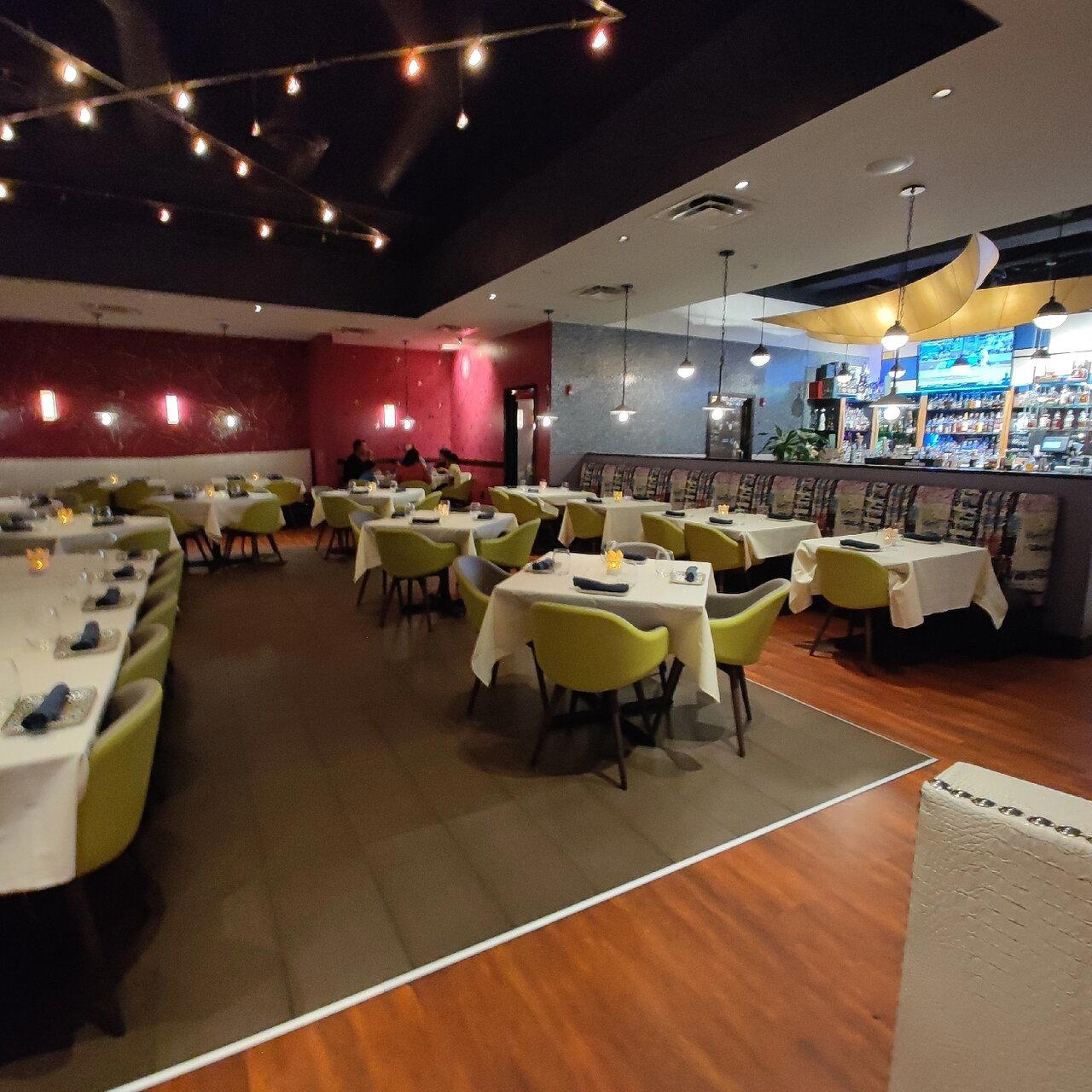
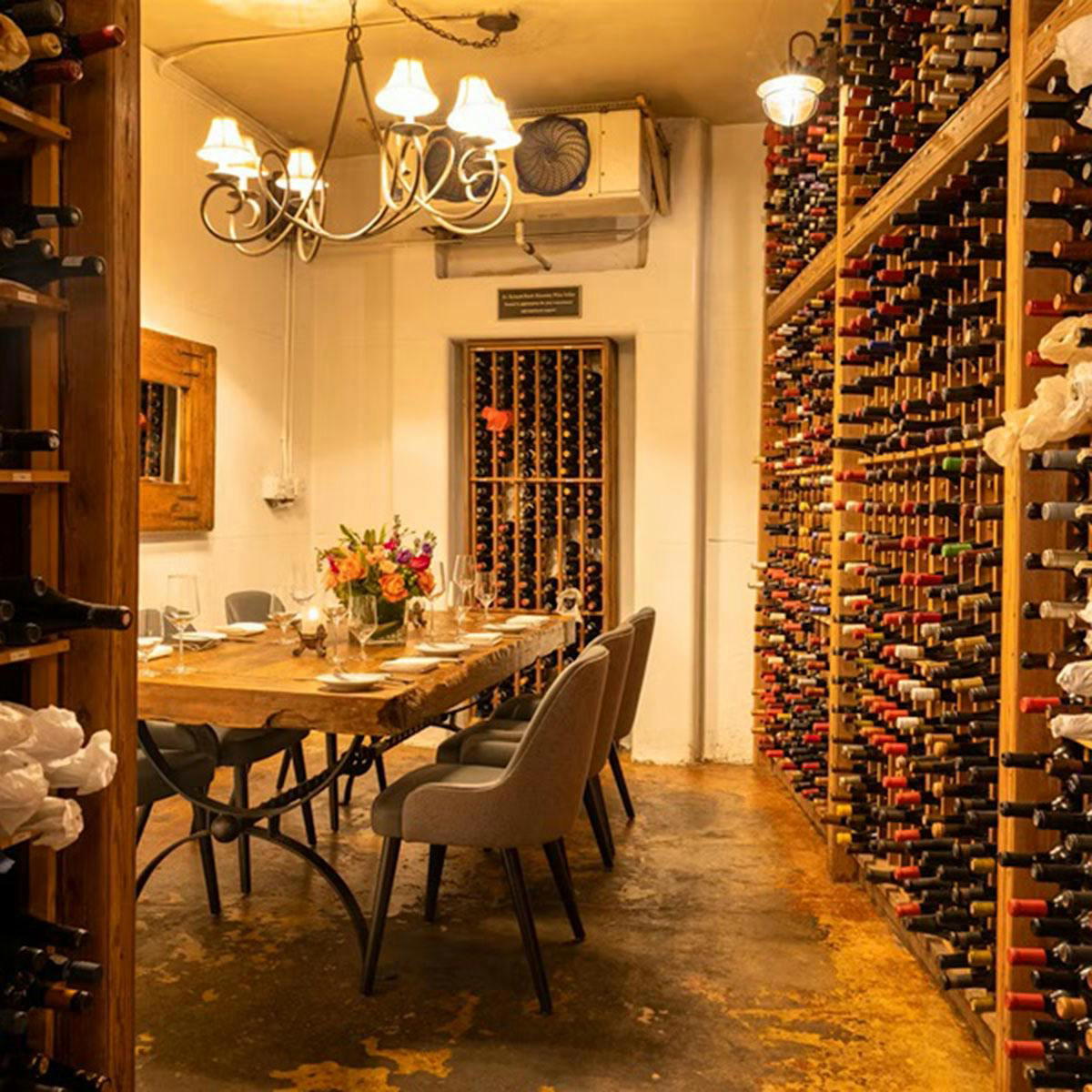
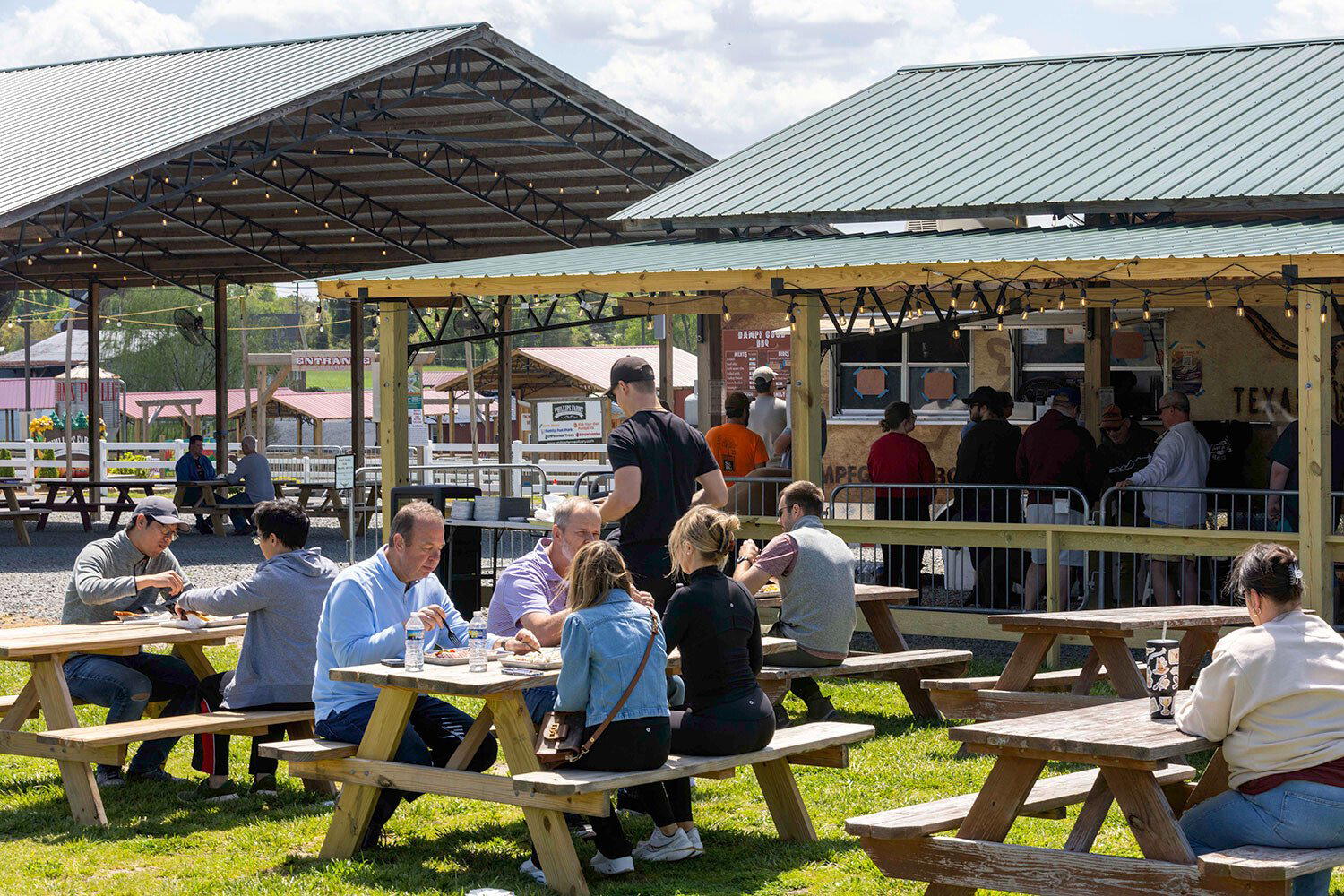
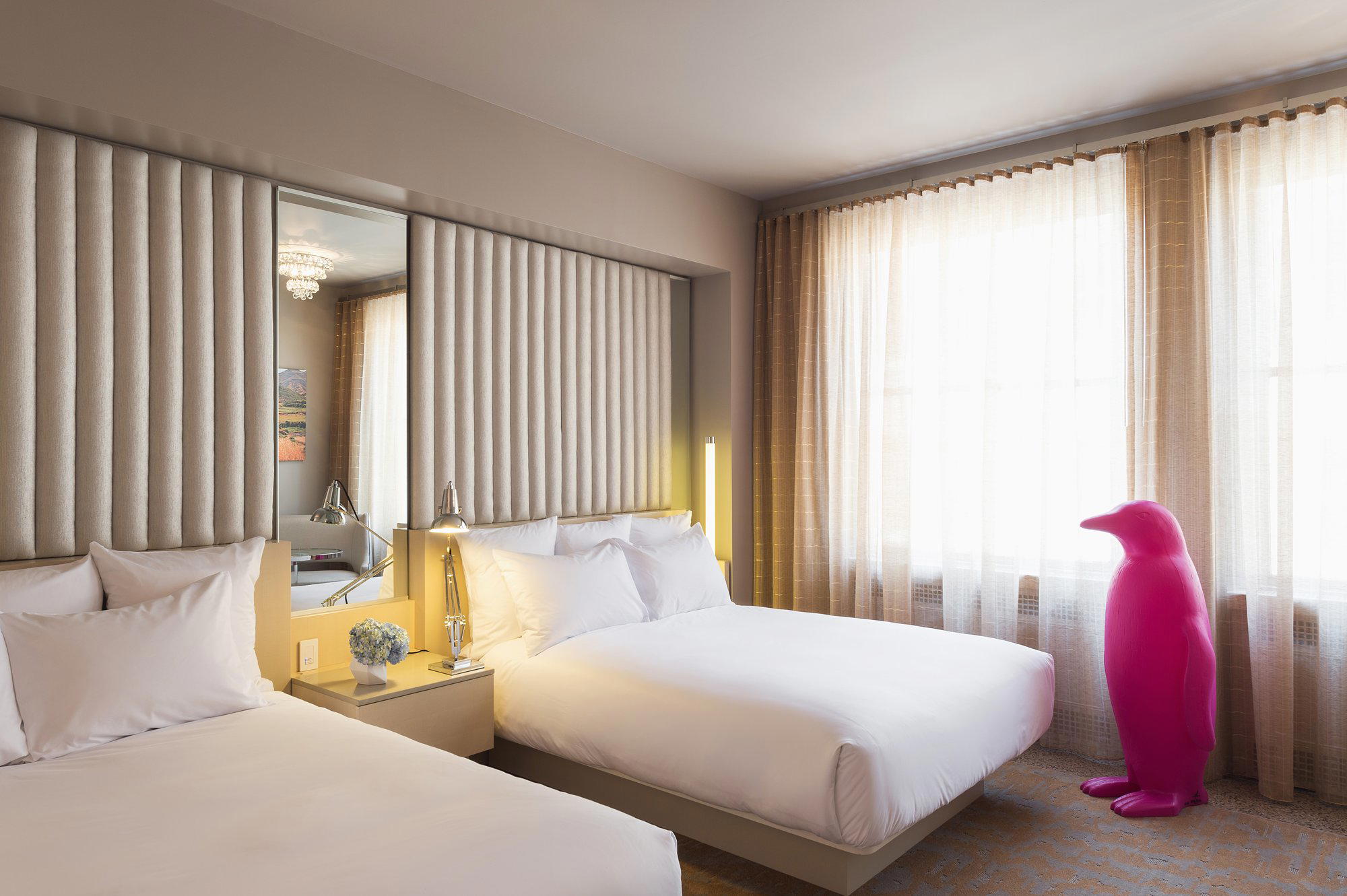
Details
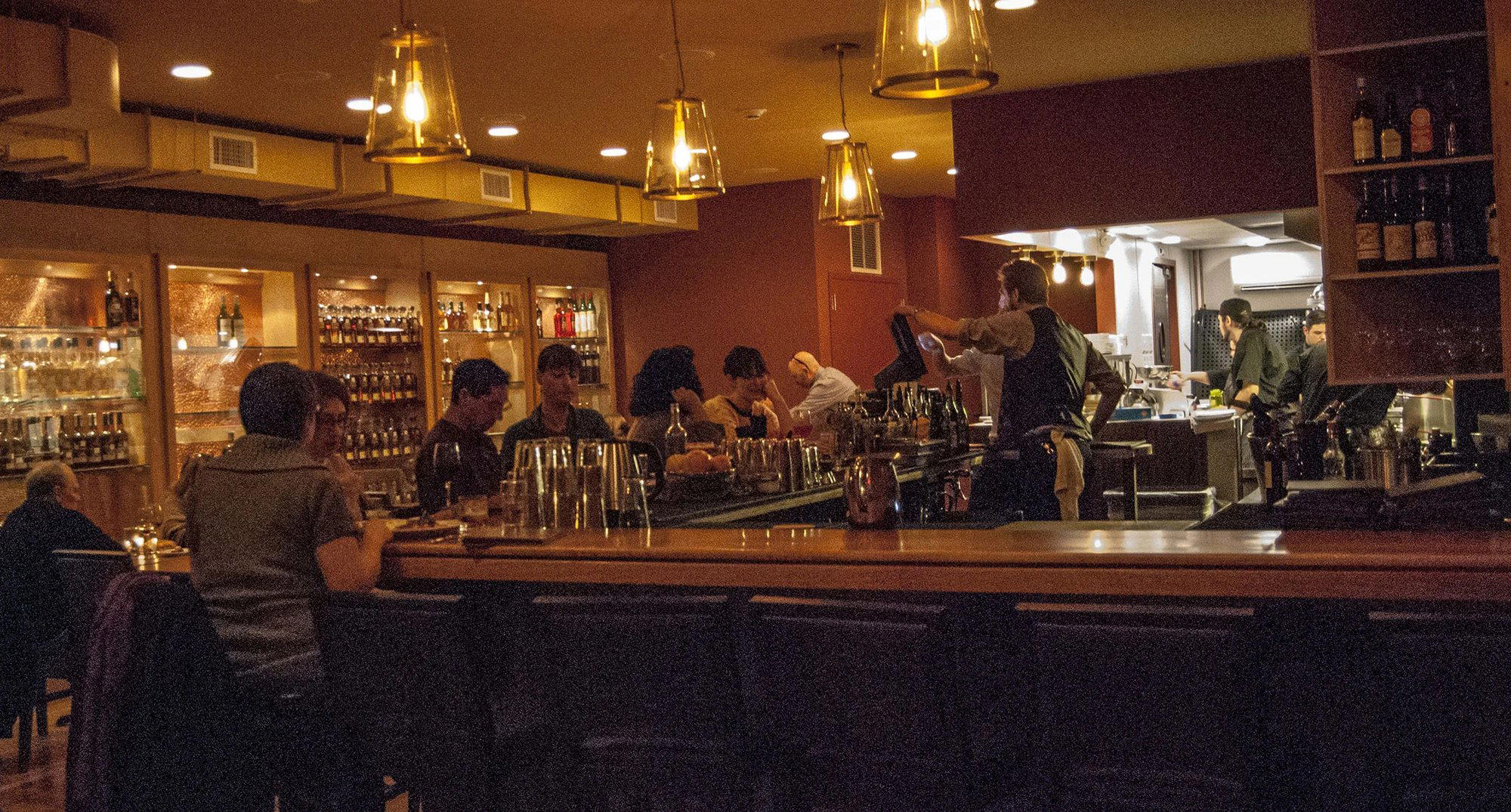
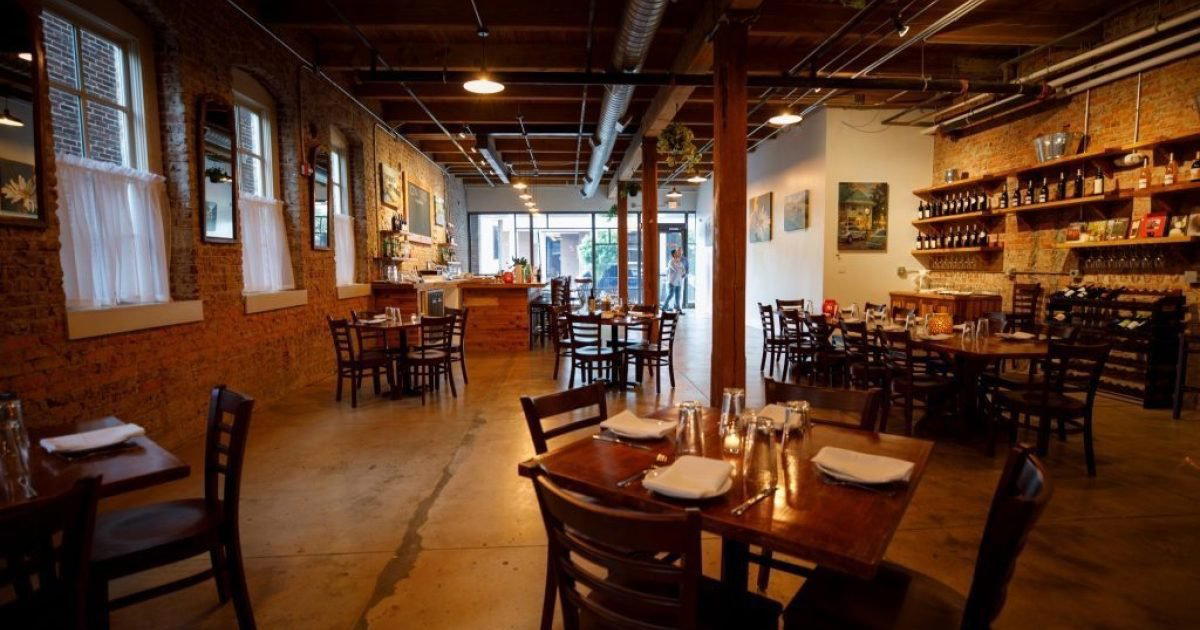
- Cozy
- Modern
- Intimate
- Date Night
- Casual Hangout
- Group Outing
- Standalone
- Seated Bar
- Lounge Seating
- Outdoor Terrace
- Natural Wine
Current opening hours
- Monday
- Closed
- Tuesday
- 11 AM–7 PM
- Wednesday
- 11 AM–9 PM
- Thursday
- 11 AM–9 PM
- Friday
- 11 AM–9 PM
- Saturday
- 11 AM–9 PM
- Sunday
- 11:30 AM–6 PM
Hours can change for holidays and private events. Last verified .
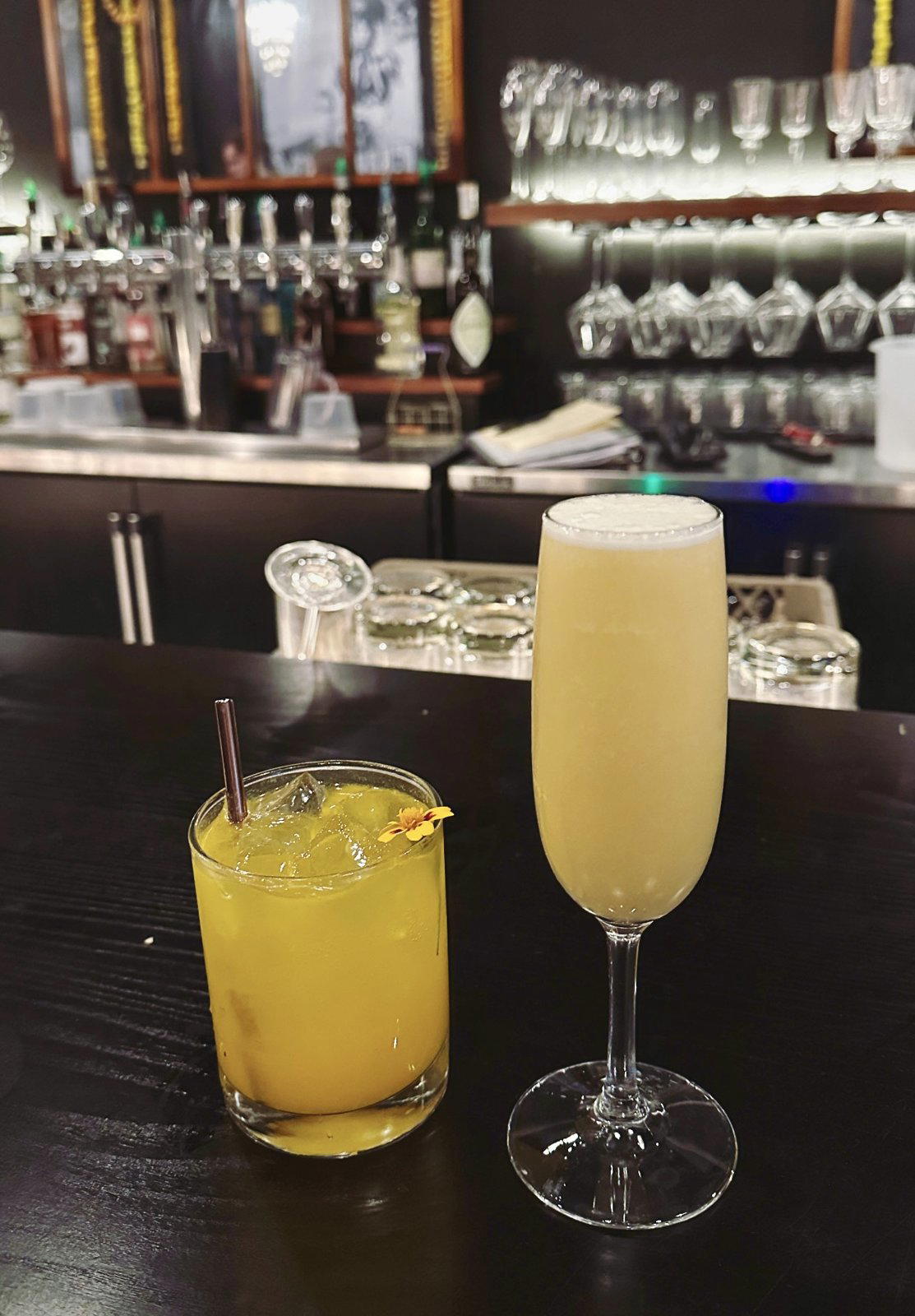
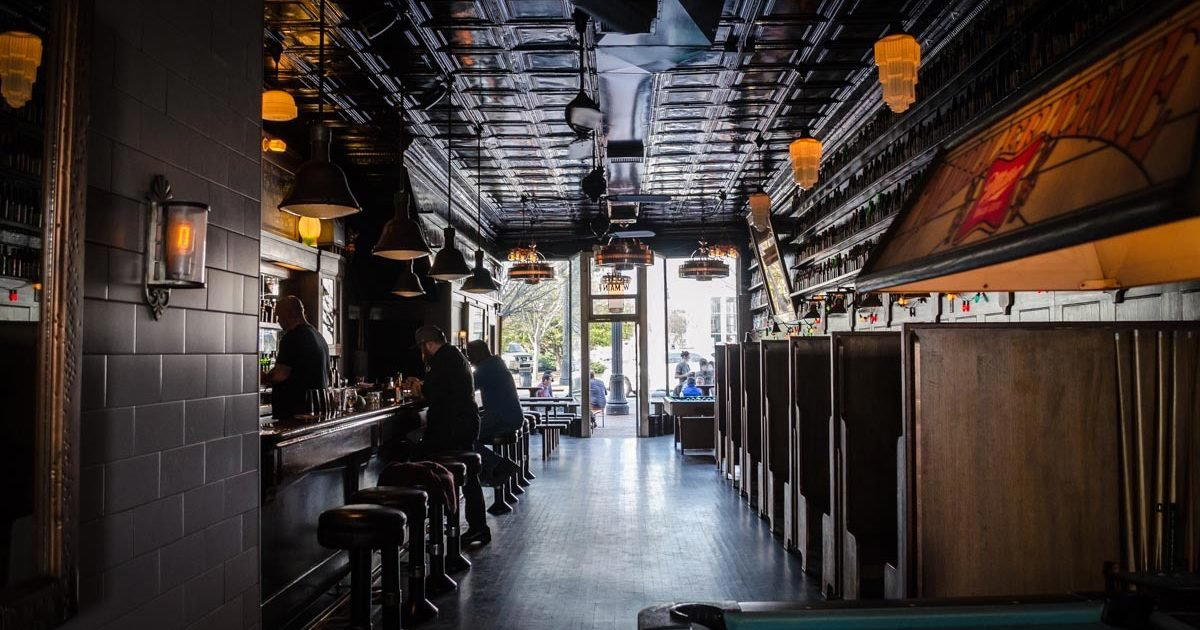
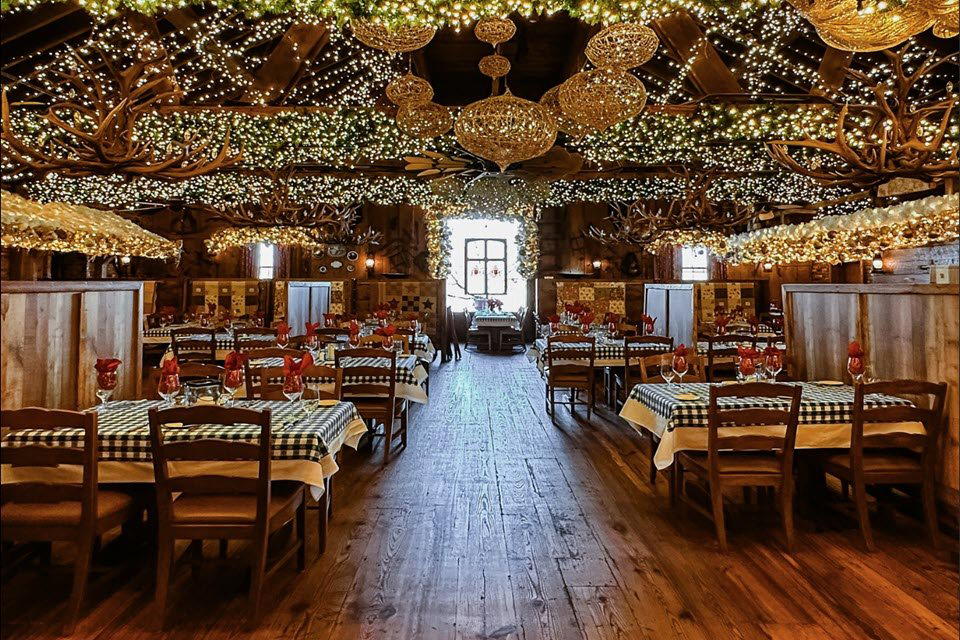
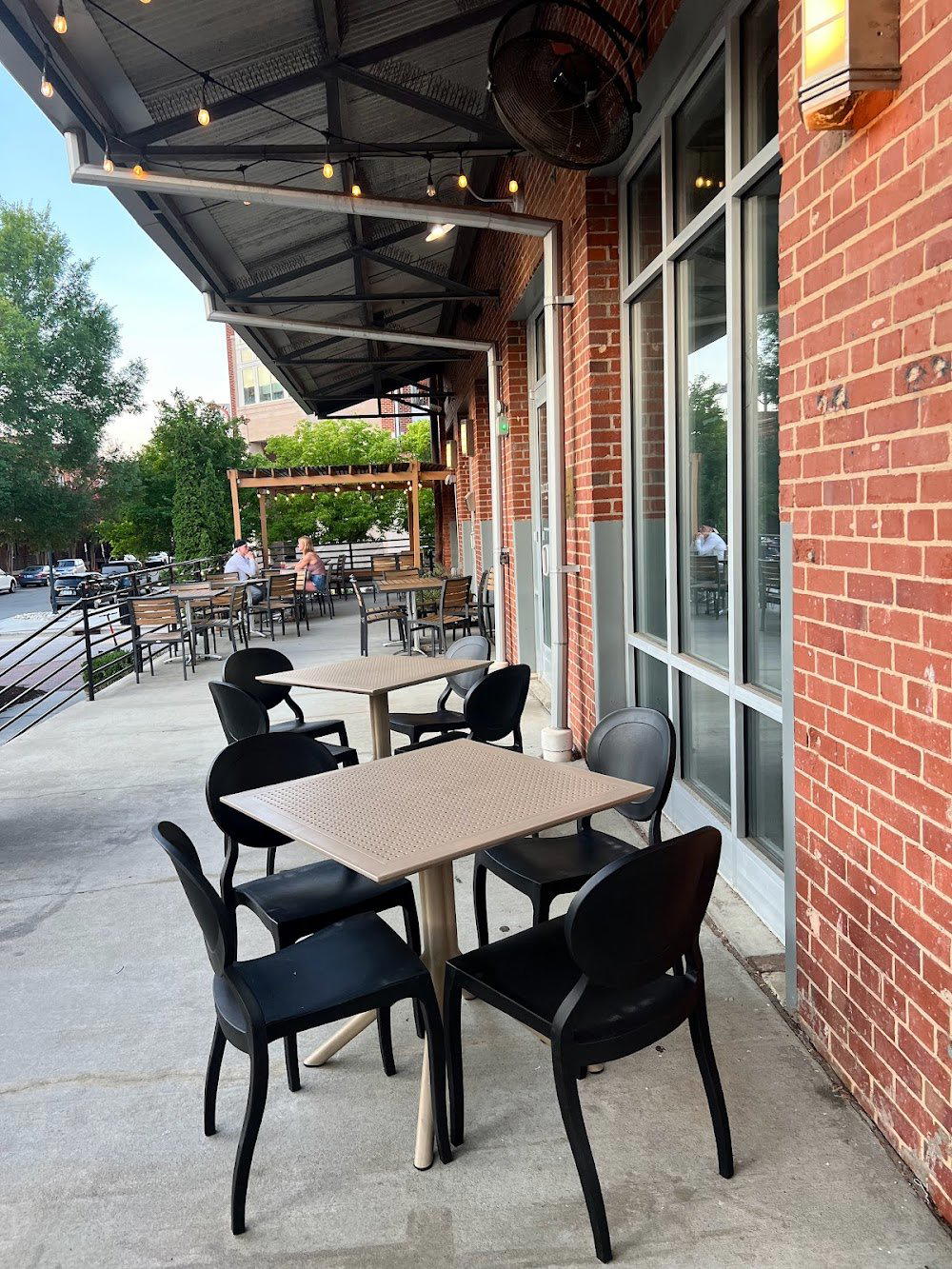
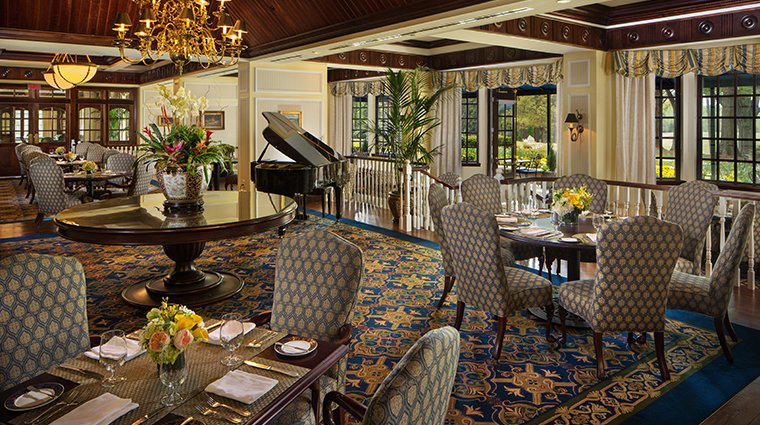
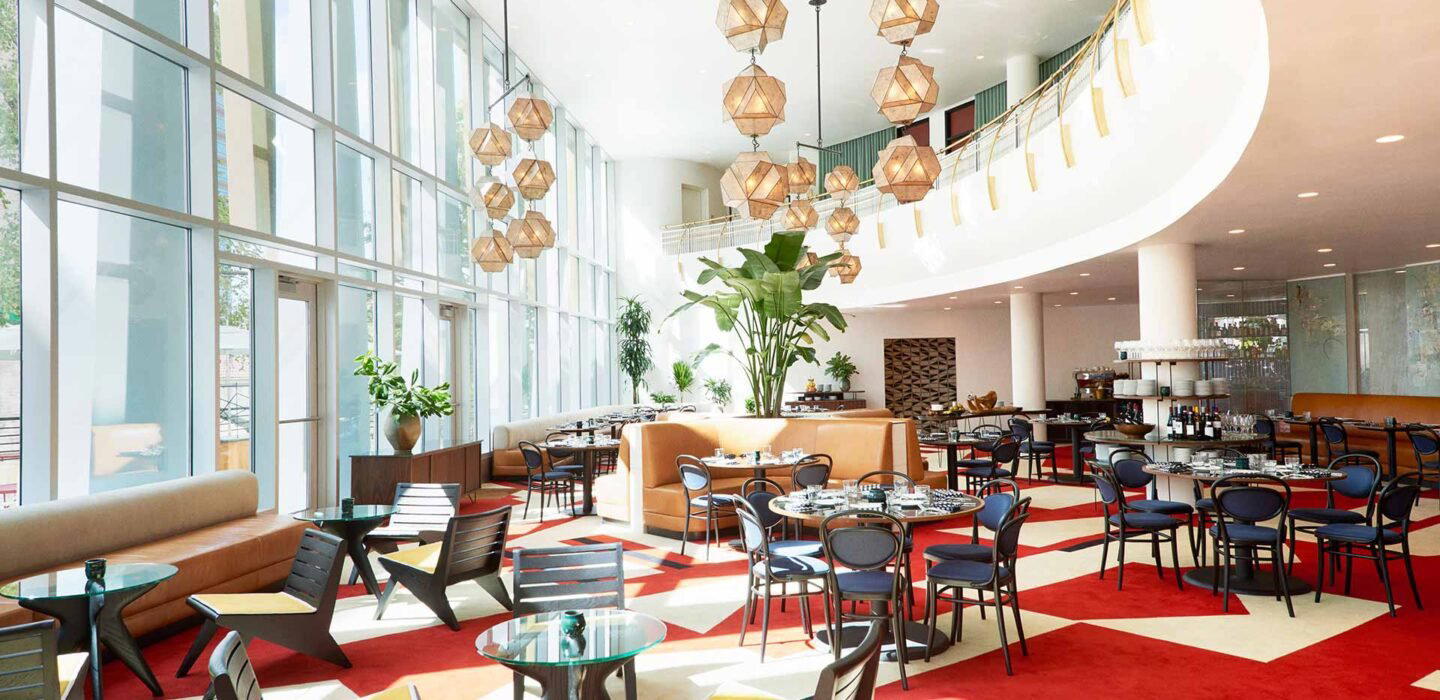
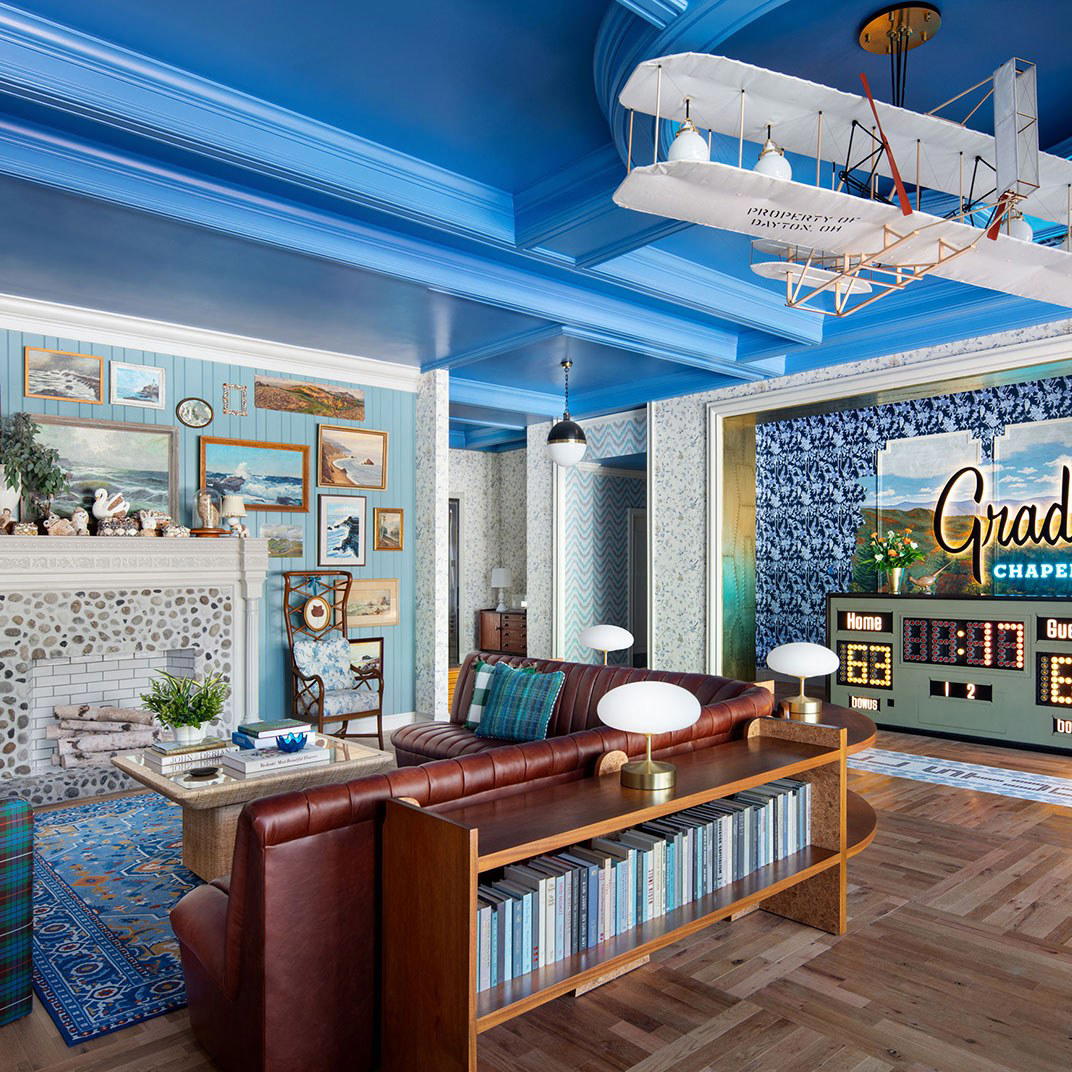
Cozy-yet-modern vibe with intentional, stylish, and approachable atmosphere.