The Snail
A Greenpoint bar at 544 Manhattan Avenue, The Snail operates within Brooklyn's maturing cocktail corridor, where the food programme carries as much weight as what's in the glass. The pairing of bar snacks with a considered drinks list positions it alongside the neighbourhood's shift toward full-evening destinations rather than drink-and-depart stops.
Pearl is the En Primeur Club membership app — saves, bookings, and concierge access live there. Same editors, same standards.
- Address
- 544 Manhattan Ave, Brooklyn, NY 11222
- Phone
- +1 646 688 0022
- Website
- thesnail.nyc
- Directions
- Get directions
 Saves & bookings on Pearl
Where the Kitchen Earns Its Place at the Bar
Brooklyn's cocktail scene has spent the better part of a decade shedding its dive-bar identity in favour of something more considered. Greenpoint sits at the northern edge of that shift, a neighbourhood where Polish delis and corner bodegas coexist with venues where the back bar receives the same editorial attention as a restaurant's wine list. The Snail, at 544 Manhattan Avenue, belongs to that second category: a bar where what arrives on a small plate is treated as part of the programme, not an afterthought to keep guests vertical.
That pairing-led model has become one of the more interesting structural questions in American bar culture. At its weakest, bar food is a transaction: something fried, something salty, a reason to order another round. At its most resolved, the kitchen and the bar function as a single argument, where a dish's acidity or fat content informs what should be in the glass alongside it. Greenpoint's Manhattan Avenue addresses this tension at street level, and The Snail enters that conversation from a neighbourhood that has room to develop its own identity outside the more saturated cocktail corridors of the Lower East Side or the West Village.
The Greenpoint Context
To place The Snail accurately, it helps to understand what Greenpoint has become for drinking culture. The neighbourhood lacks the density of recognition that attaches to Manhattan's cocktail addresses, places like Amor y Amargo in the East Village or Angel's Share in the East Village's Japanese-influenced corridor. That comparative obscurity is not a liability. It creates the conditions for a slower, more local-facing operation, one where regulars set the rhythm and the menu can respond to what works over time rather than what generates out-of-neighbourhood foot traffic.
This is how several of the more interesting food-and-drink pairings programmes have developed across American cities. Kumiko in Chicago built its reputation on the intersection of Japanese culinary influence and a Japanese whisky programme with genuine depth on both sides. ABV in San Francisco committed to a kitchen that could stand beside its cocktail list without either element feeling subordinate. The pattern holds in smaller markets too: Jewel of the South in New Orleans and Julep in Houston both demonstrate that a regional bar identity, when built around food and drink together, tends to outperform venues that treat one as primary and the other as supplementary.
The Snail's position on Manhattan Avenue places it within reach of Williamsburg's established bar density to the south while maintaining enough neighbourhood separation to operate on its own terms. That geography matters for understanding the venue's likely guest profile: less tourist-facing than the Bedford Avenue corridor, more oriented toward Greenpoint and Long Island City residents who have developed a bar habit that includes eating well.
The Food-and-Drink Pairing Model
The bar-kitchen relationship is one of the more contested formats in contemporary hospitality. Some operators resolve it by hiring a chef who understands what works at volume, leaning toward shareable plates that tolerate a wide range of drinks. Others commit to a tighter programme where the menu is small enough that the kitchen can maintain precision, and the bar can draw clear pairings lines. Bar Leather Apron in Honolulu and Allegory in Washington, D.C. have each taken distinct approaches to this question, with Allegory leaning into a botanically-driven narrative that extends from the cocktail list into the food programme.
For a venue operating in a residential Brooklyn corridor, the economic logic of the combined programme is also relevant. Bars that generate meaningful per-cover spending from food as well as drinks can sustain a more considered kitchen without requiring the covers volume of a full-service restaurant. This is a model that has proved durable in New York: Superbueno in Manhattan has demonstrated how a tightly defined food identity alongside a strong drinks list can generate sustained recognition without scaling into restaurant territory. Attaboy NYC took a different route, keeping the kitchen minimal and the bar programme as the clear primary, which works at its level of cocktail recognition but requires a different kind of operational confidence.
The Snail's address on Manhattan Avenue suggests a neighbourhood-scale version of this calculation, where the food programme likely functions as a genuine draw rather than a licence-compliance necessity. Whether that takes the form of a short snack menu or a more extended kitchen is something the venue's development will determine, but the structural logic of the pairing model in this neighbourhood supports investment in both sides of the offer. For context on how New York's bar and restaurant scene has developed the food-and-drink pairing format more broadly, see our full New York City restaurants guide.
Internationally, the best-resolved versions of this format, from The Parlour in Frankfurt on the Main to the bar kitchens of Tokyo's cocktail district, share a common discipline: the food menu is edited to the point where every dish has a clear relationship to the drinks list, and neither side is padded for the sake of apparent completeness. That editorial restraint is harder to achieve than it sounds, particularly in a market where guests arrive with expectations shaped by the broader New York dining context.
Know Before You Go
Know Before You Go
- Address: 544 Manhattan Ave, Brooklyn, NY 11222
- Neighbourhood: Greenpoint, Brooklyn
- Phone: Not publicly listed
- Website: Not publicly listed
- Booking: Contact directly or visit in person; walk-in availability likely given neighbourhood format
- Price range: Not confirmed; neighbourhood positioning suggests mid-range bar pricing
- Hours: Not confirmed; verify before visiting
Price and Recognition
A quick peer reference to anchor this venue in its category.
| Venue | Awards |
|---|---|
| The SnailThis venue — the venue you are viewing | Not listed |
| The Long Island Bar | World's 50 Best |
| Superbueno | World's 50 Best |
| Amor y Amargo | World's 50 Best |
| Angel's Share | World's 50 Best |
Continue exploring
More in New York City
Bars in New York City
Browse all →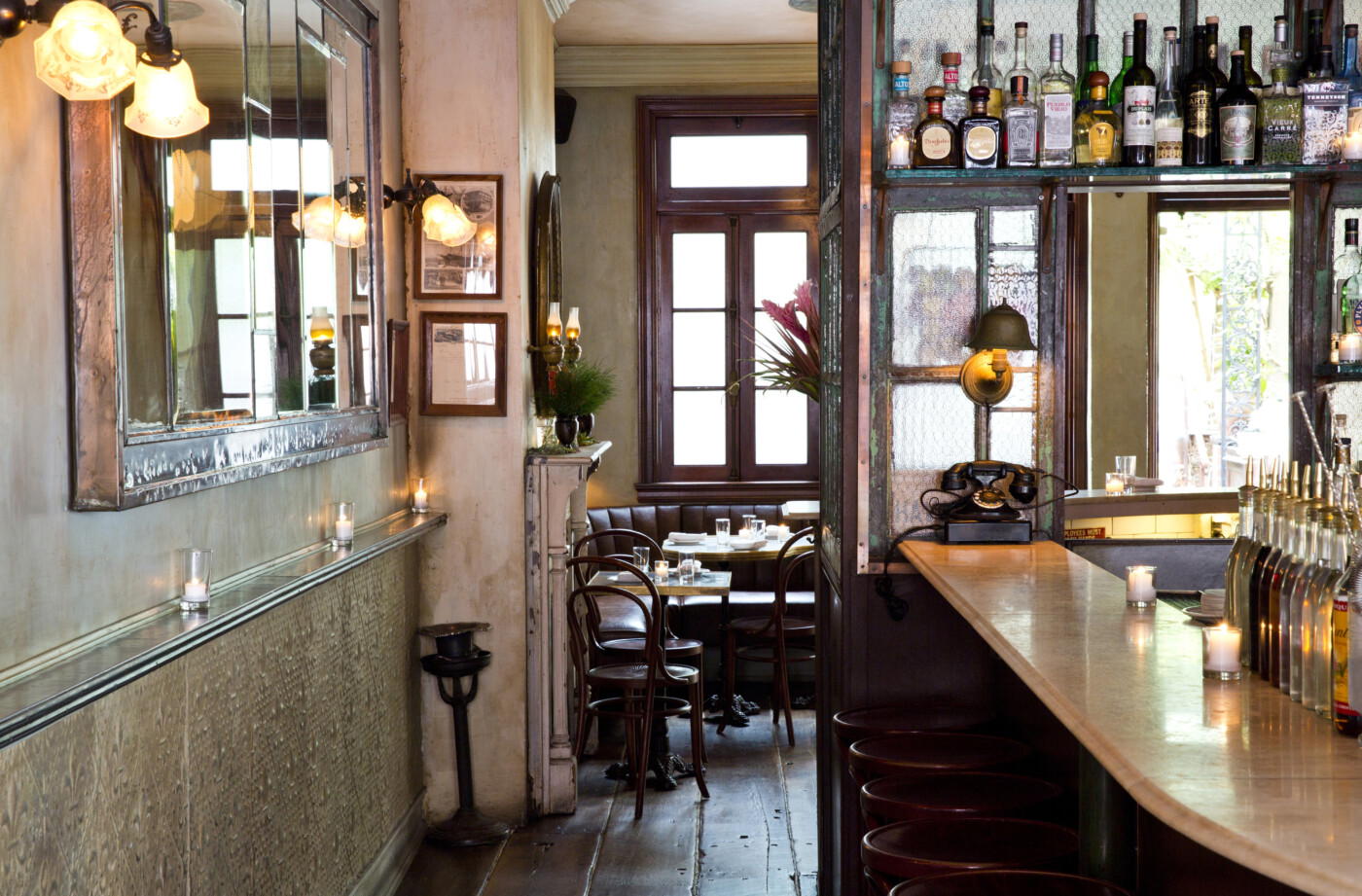
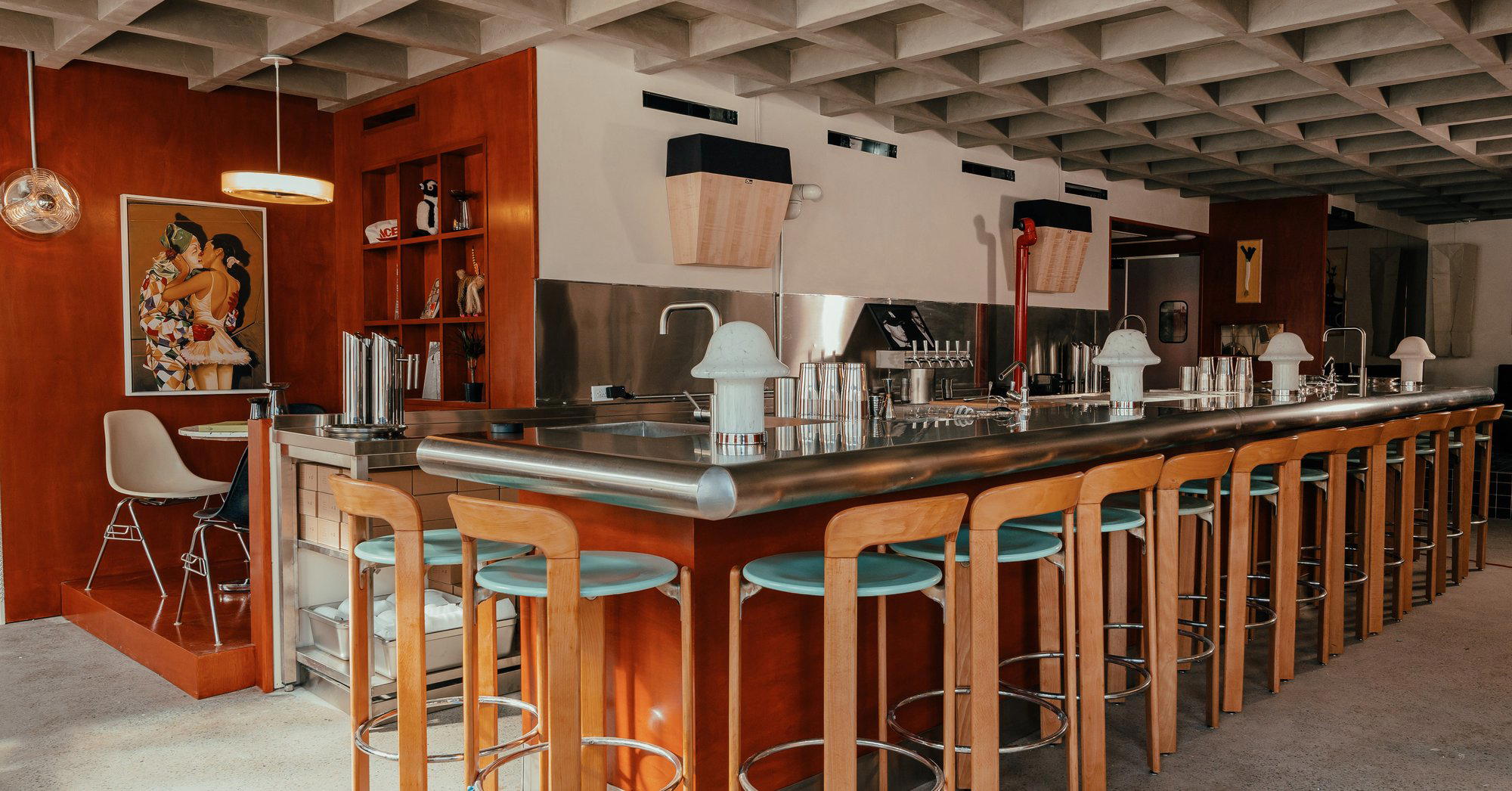
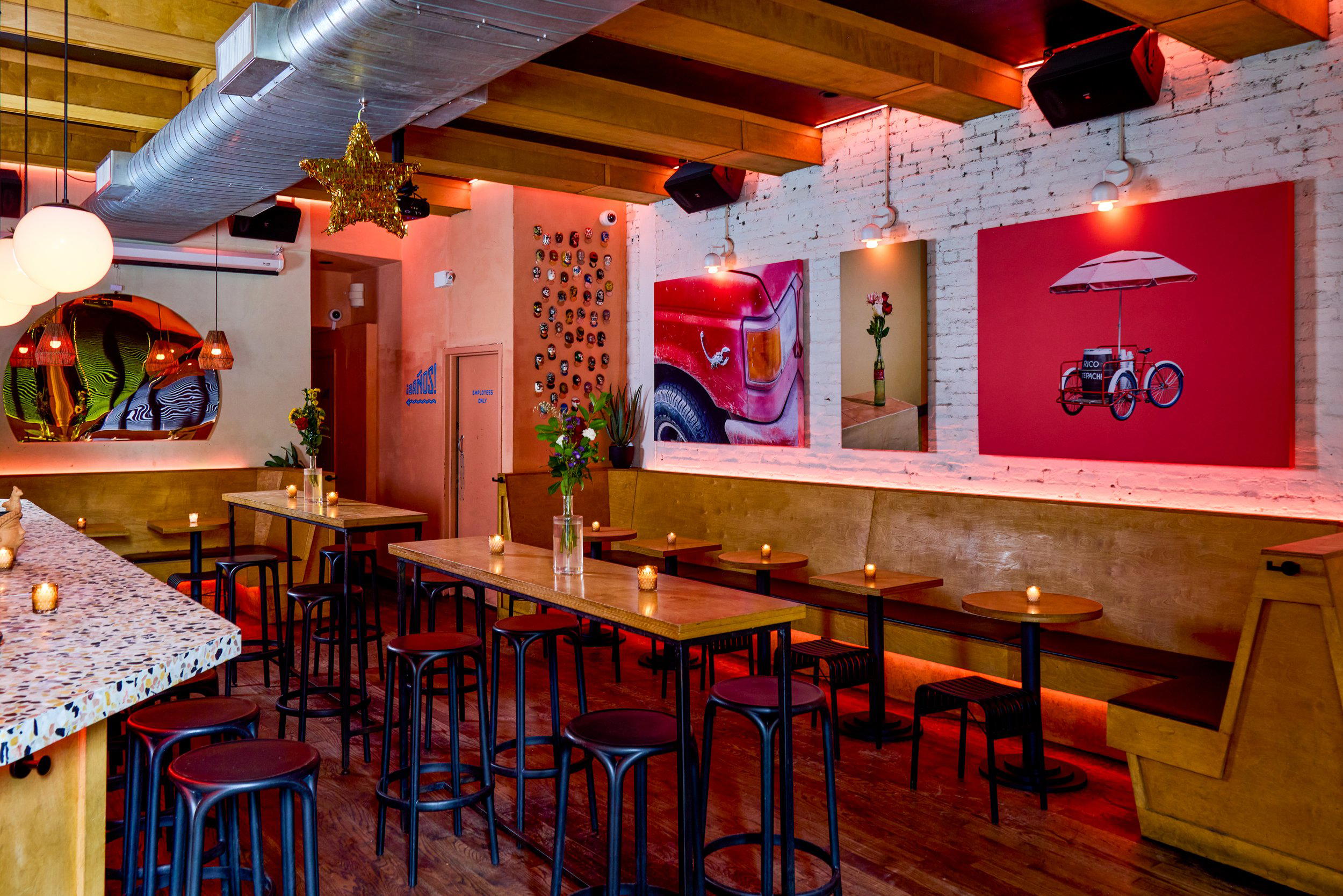

Restaurants in New York City
Browse all →

Hotels in New York City
Browse all →






At a Glance
- Cozy
- Trendy
- Intimate
- Date Night
- Casual Hangout
- Standalone
- Seated Bar
- Craft Cocktails
Current opening hours
- Monday
- Closed
- Tuesday
- Closed
- Wednesday
- 5–10 PM
- Thursday
- 5–10 PM
- Friday
- 5–10 PM
- Saturday
- 11 AM–10 PM
- Sunday
- 11 AM–10 PM
Hours can change for holidays and private events. Last verified .
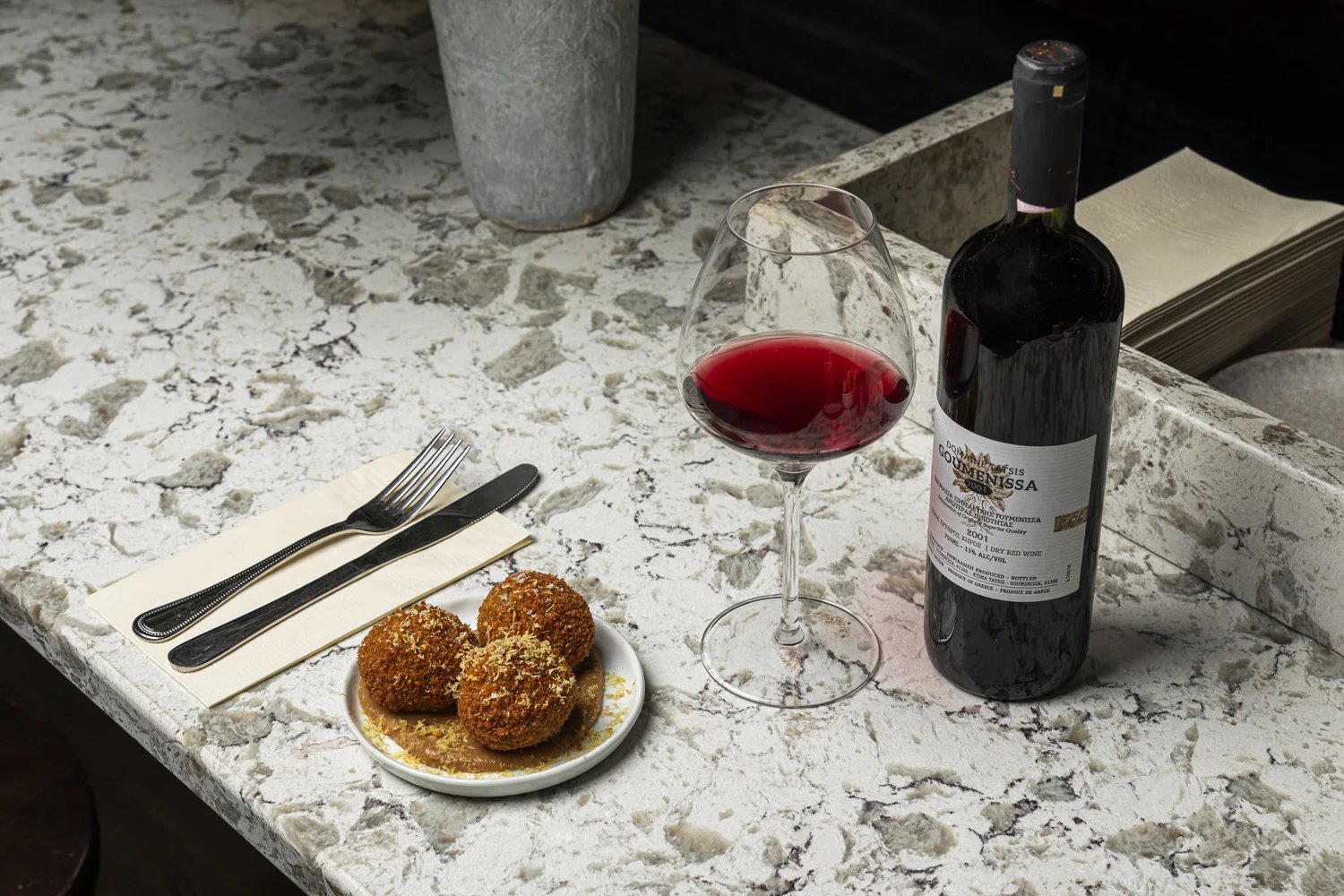
Sophisticated bistro atmosphere with focus on high-quality food and drink presentation.
Know Before You Go
- Getting there
- 544 Manhattan Ave, Brooklyn, NY 11222