The Quarter
On Falkner Street in Liverpool's Georgian Quarter, The Quarter operates as a genuine neighbourhood fixture rather than a destination play. The kind of place where the regulars know each other and the room does the work without needing spectacle. For visitors to L8, it offers an honest entry point into one of Liverpool's most architecturally coherent and culturally layered neighbourhoods.
 Discover on Pearl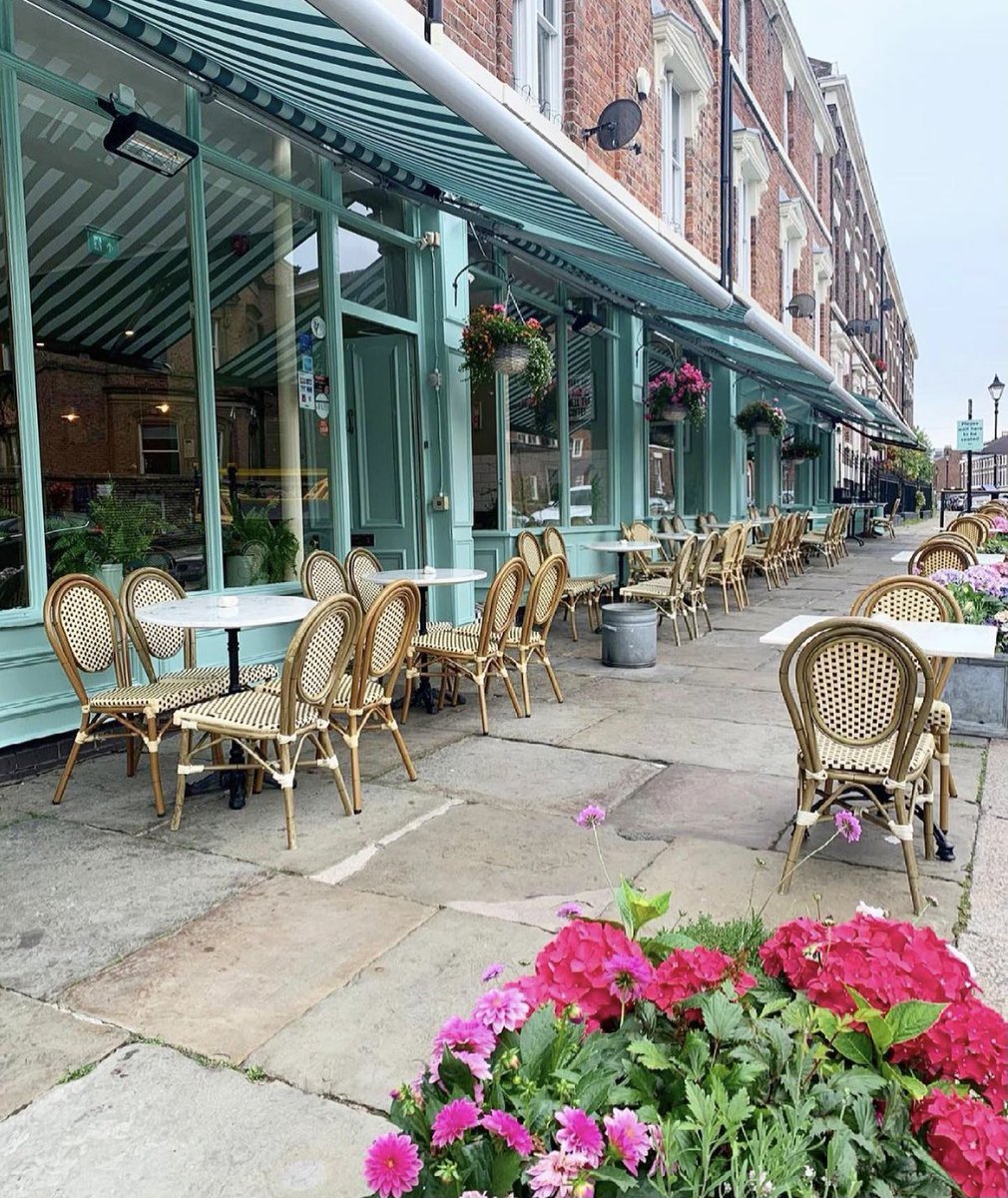
Falkner Street and the Case for the Neighbourhood Bar
Liverpool's drinking culture has always split along a clear axis: the city-centre circuit, built around bold concepts and high footfall, and the quieter residential pockets where bars earn their place through repetition rather than reputation. Falkner Street sits firmly in the second category. Part of the Georgian Quarter — Liverpool's most intact run of 19th-century terraced architecture, and a conservation area — the street draws a crowd that is largely local, largely loyal, and largely uninterested in the theatre that defines, say, the Ropewalks bar scene a short walk north. The Quarter operates inside that residential logic, functioning as a gathering place for the neighbourhood rather than a waypoint on a broader bar crawl.
This distinction matters more than it might seem. Liverpool's bar scene has developed considerable technical ambition in recent years. Berry and Rye has made the case for serious cocktail craft behind an unmarked door. El Bandito brings a louder, more theatrical energy to its format. Maray Bold Street uses its bar program as an extension of a broader restaurant identity. These are venues that ask something of the visitor: awareness of the concept, engagement with the format. The Quarter asks considerably less, which is precisely its point. The room at 7 Falkner Street is not making an argument about what a bar should be. It is simply being one.
The Georgian Quarter as Context
Understanding The Quarter means understanding the neighbourhood it occupies. The Georgian Quarter is one of Liverpool's most visually coherent districts, a grid of wide streets lined with Grade II listed townhouses that were built for the city's merchant class in the late 18th and early 19th centuries. Over the subsequent two centuries, the area shifted , through periods of student density, artist occupation, and gradual gentrification , into what it is today: a mixed residential neighbourhood with a strong independent retail and hospitality character along Hope Street and its surrounding streets.
Hope Street itself connects Liverpool's two cathedrals , the Anglican at one end, the Catholic Metropolitan at the other , and has long carried cultural weight as the address of the Philharmonic Hall and the Everyman Theatre. Falkner Street runs parallel, carrying rather less cultural freight but considerably more residential warmth. The architectural backdrop makes an impression even before you reach the door: the scale and proportion of Georgian Liverpool gives the neighbourhood a solidity that newer developments elsewhere in the city cannot replicate.
For visitors approaching from the city centre, the walk through Rodney Street and into the Quarter proper is worth doing on foot. The shift in atmosphere , from retail density to residential quiet , happens within a few hundred metres and reframes expectations for what a drink here might look like.
What the Room Offers
The bar format at The Quarter aligns with the neighbourhood-local archetype found across British cities where an older residential stock has generated a demand for low-key, all-hours hospitality that the pub model doesn't quite satisfy. Across the UK, this category has produced some of the most durable and genuinely useful venues: places like Peter Kavanagh's in Liverpool's own Merseyside tradition, or Bramble in Edinburgh, which built a long-running reputation on consistent quality in a low-profile room. The neighbourhood watering hole, done properly, ages better than the concept bar because it is not dependent on the concept remaining fresh.
The specifics of The Quarter's offer , its menu, its price point, its hours , are not publicly detailed in a way that allows precise comparison. What the address and the room suggest is a programme built around accessibility: the kind of bar that functions as well on a Tuesday evening as it does on a Saturday, and that serves the student population of the nearby university campuses alongside the longer-term residents of L8 without making either group feel secondary.
In British bar terms, that is a meaningful achievement. The tension between serving a local residential crowd and absorbing visiting traffic is one that many neighbourhood venues handle badly, defaulting either to insularity or to a creeping concept-drift that alienates the regulars who made the place viable in the first instance. The Quarter's location on Falkner Street , architecturally memorable enough to attract visitors, residential enough to sustain a regular base , gives it a structural advantage that bars in less defined neighbourhoods lack.
Placing It in the Wider Bar Conversation
Liverpool's bar scene, viewed from outside, tends to get read through its most photogenic or award-weighted venues. That framing misses a substantial part of how the city actually drinks. The neighbourhood-local tier , represented here by The Quarter , is where the texture of Liverpool's hospitality culture is most legible, and it is a tier that rewards time spent rather than a single curated visit.
For comparison, the neighbourhood-local format has found strong expression elsewhere in the UK and further afield: Schofield's in Manchester operates at a higher technical register but shares the same commitment to room-over-concept. Mojo Leeds in Leeds built its following on consistency rather than innovation. Internationally, Bar Kismet in Halifax and Dear Friend Bar in Dartmouth demonstrate how the neighbourhood-anchor format translates across different scales of city. Academy in London and Bar Leather Apron in Honolulu operate in different market contexts but share the same underlying logic: a room that earns its place through reliability rather than spectacle.
The Quarter fits that pattern. It is not the bar you visit because a list told you to. It is the bar you end up at because someone who lives nearby brought you there, and you find yourself returning on subsequent visits to Liverpool without necessarily being able to explain why.
Planning a Visit
The Quarter sits at 7 Falkner Street in Liverpool's L8 postcode, inside the Georgian Quarter conservation area. The address places it within walking distance of Hope Street's cultural institutions , the Everyman Theatre, the Philharmonic Hall , making it a practical option before or after an evening programme in that part of the city. For those using the wider Liverpool hospitality scene as a reference, the full Liverpool restaurants and bars guide maps the city's key venues by neighbourhood and type. Booking details, current hours, and any menu specifics are leading confirmed directly with the venue before visiting, as operational details are subject to change.
Frequently Asked Questions
Standing Among Peers
A fast peer set for context, pulled from similar venues in our database.
| Venue | Awards | Cuisine | Notes |
|---|---|---|---|
| The Quarter | This venue | ||
| Berry and Rye | |||
| El Bandito | |||
| Maray Bold Street | |||
| Peter Kavanagh's |
Need a Table?
Our members enjoy priority alerts and concierge-led booking support for the world's most difficult bars and lounges.
Get Exclusive Access