
World's 50 Best #50
One of Sydney's early standard-bearers in serious cocktail culture, The Marchant at 3 Hosking Place earned a World's 50 Best Bars ranking in 2009, placing it alongside a small cohort of Australian bars that defined the country's first wave of internationally recognised bartending.

Pearl is the En Primeur Club membership app — saves, bookings, and concierge access live there. Same editors, same standards.
- Address
- 3 Hosking Place, Sydney, New South Wales 2000
- Website
- barmerchant.com.au
- Directions
- Get directions
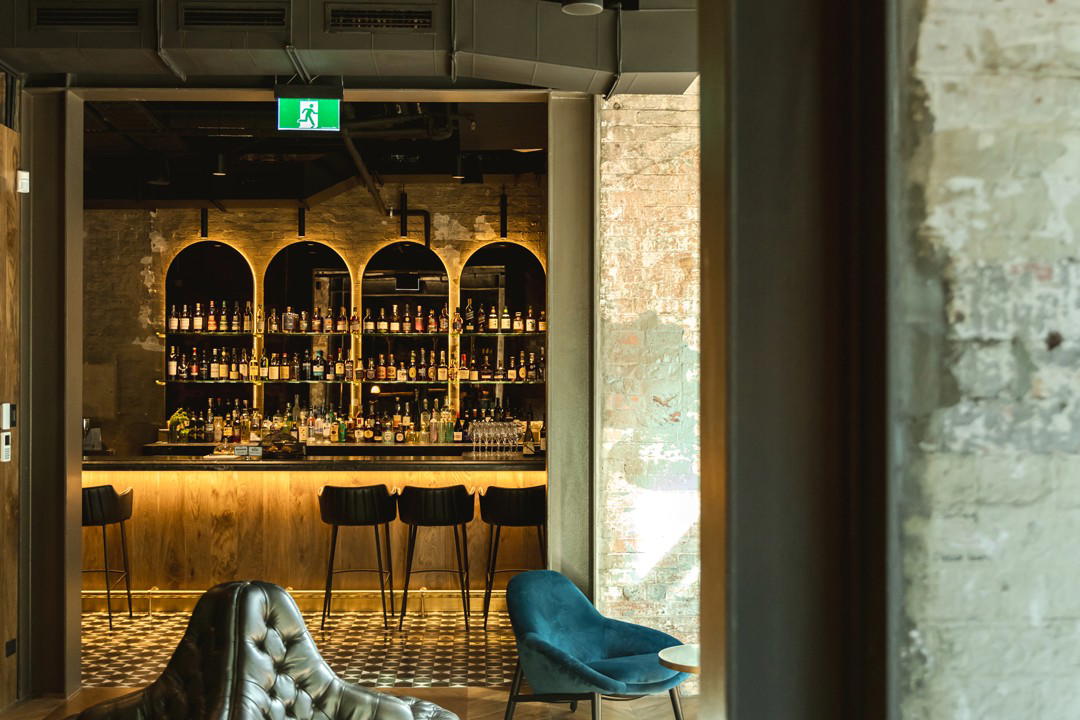
A Lane, a City Block, and What Changed in Australian Cocktail Culture
Hosking Place is the kind of address that Sydney workers pass without registering. A short pedestrian lane threading through the central business district, it sits in the category of city infrastructure that exists to connect larger streets rather than anchor destinations. That The Marchant occupies a space here — at number 3, tucked away from the volume of George and Pitt streets — tells you something about what kind of bar it was designed to be. In the years around 2009, when Sydney's serious cocktail scene was still finding its footing, venues that chose back-lane addresses were making a deliberate statement about their intended audience. They were not built for walk-in trade. They were built for people who already knew.
The period context matters. By 2009, Australian cocktail culture had started to fragment in productive ways: a cluster of CBD bars in Sydney and Melbourne were beginning to compete with a level of technical seriousness that had previously belonged only to London and New York. The World's 50 Best Bars list, then still in its early years as a barometer of global cocktail credibility, placed The Marchant at number 50 in its 2009 ranking, a position that, at the time, represented the kind of international recognition that barely any Australian bar had received. For comparison, 1806 in Melbourne was part of the same early-wave cohort redefining Australian bartending standards, and the two cities were tracking parallel trajectories toward global relevance in the craft.
The Lunch and Evening Divide in CBD Bar Culture
Understanding how a bar like The Marchant functions across the day requires understanding the particular rhythm of Sydney's central business district. CBD bars sit inside a sharp diurnal split. At lunch, the clientele is corporate, time-compressed, and largely local, workers from the surrounding office towers who want a well-made drink with food, consumed efficiently and without ceremony. In the evening, particularly Thursday through Saturday, the same space can shift register entirely: longer sittings, more deliberate ordering, guests who have travelled specifically rather than stumbled in from a nearby desk.
For venues that earn their reputation through cocktail craft, this divide creates real tension. A technically focused drink program requires time and attention on the preparation side; it does not always translate well to a fast-turnaround lunch service where the average spend is lower and the dwell time is shorter. Bars that resolve this tension successfully tend to maintain a core spirits and cocktail identity across both services while calibrating pacing and staff deployment to the hour. The evening session, in that model, becomes the showcase, the period when the bar's actual point of view lands cleanest.
Sydney's CBD has produced a range of approaches to this split. Palmer & Co. operates within a supper club-adjacent format that leans heavily into the evening, while Cantina OK! has built its reputation around a narrow, specialist agave program that works equally well at any hour precisely because its focus is so defined. The Marchant's CBD positioning places it in the middle of this conversation: a venue whose serious credentials were established during the evening hours but whose weekday geography ties it inevitably to lunch-service economics.
Sydney's cocktail bar scene in the years following 2009 developed in overlapping directions. The speakeasy format, hidden doors, password mechanics, deliberate theatrical inaccessibility, arrived and then receded as a dominant mode. What replaced it, in the venues that lasted, was a quieter kind of seriousness: focused spirits programs, classically anchored menus with specific points of view, and service that knew its own register. Eau de Vie and Maybe Sammy represent later iterations of Sydney's cocktail ambition, both carrying their own international recognition and operating in the more recent idiom of the city's bar culture.
Against that trajectory, The Marchant sits at an earlier coordinate. Its 2009 World's 50 Best Bars ranking predates both the explosive growth of the global list and the infrastructure of Australian cocktail culture that now supports venues like those. In that sense, it functions partly as a reference point, a marker of when Sydney first appeared on the international radar as a city producing bars worth the attention of a global audience. That historical position is not a ceiling; it is a credential of a different kind, one that speaks to longevity and to the bar's role in shaping what came after.
For travellers who use bars as a way of reading a city's cultural confidence, the comparison is worth making: Bowery Bar in Brisbane, La Cache à Vín in Spring Hill, and Blu Bar on 36 in The Rocks each anchor a specific version of Australian drinking culture. The Marchant's entry point is the CBD professional lane, the address that made sense for a certain kind of serious bar at a particular moment in Sydney's development as a cocktail city.
Getting There and Planning Your Visit
The address at 3 Hosking Place puts The Marchant within a short walk of Wynyard and Town Hall stations, which makes it accessible by train from most parts of the city. The lane itself is pedestrian-only, which means the approach on foot from the surrounding streets is quieter than the CBD volume might suggest. For visitors building a Sydney evening around multiple venues, the proximity to the wider CBD bar corridor makes sequencing direct: Fratelli Paradiso in Potts Point is reachable by taxi for those extending the night eastward, and Whipper Snapper Distillery in East Perth provides a useful reference point for how Australian distillery-led bars have developed the craft conversation beyond cocktail-only venues. For a fuller map of what Sydney's eating and drinking scene offers across all neighbourhoods, the EP Club Sydney guide covers the range. Equally, for those whose bar travel extends across the Pacific, Bar Leather Apron in Honolulu occupies a similar position of quiet, technically serious craft in an otherwise high-volume hospitality market.
Just the Basics
Comparable venues nearby, for context on price, style, and recognition.
| Venue | Cuisine | Price | Awards | Notes |
|---|---|---|---|---|
| The MarchantThis venue — the venue you are viewing | Not listed | Not listed | World's 50 Best #50 | Not listed |
| Shady Pines | Sydney, Bar | Not listed | Not listed | Not listed |
| Hugo's | Manly, Bar | Not listed | World's 50 Best #37 | Not listed |
| Palmer & Co. | Sydney, speakeasy | $30–50 | World's 50 Best #21 | Not listed |
| Bulletin Place | Sydney, Bar | Not listed | World's 50 Best #39 | Not listed |
| Zeta Bar - Sydney Hilton | Not listed | $20–30 | World's 50 Best #18 | Sydney, rooftop_bar |
Recognition history
Dated appearances from independent guides and award organizations, with the underlying list record or original source where available.
World's 50 Best Bars #50
World's 50 Best
Continue exploring
More in Sydney
Bars in Sydney
Browse all →
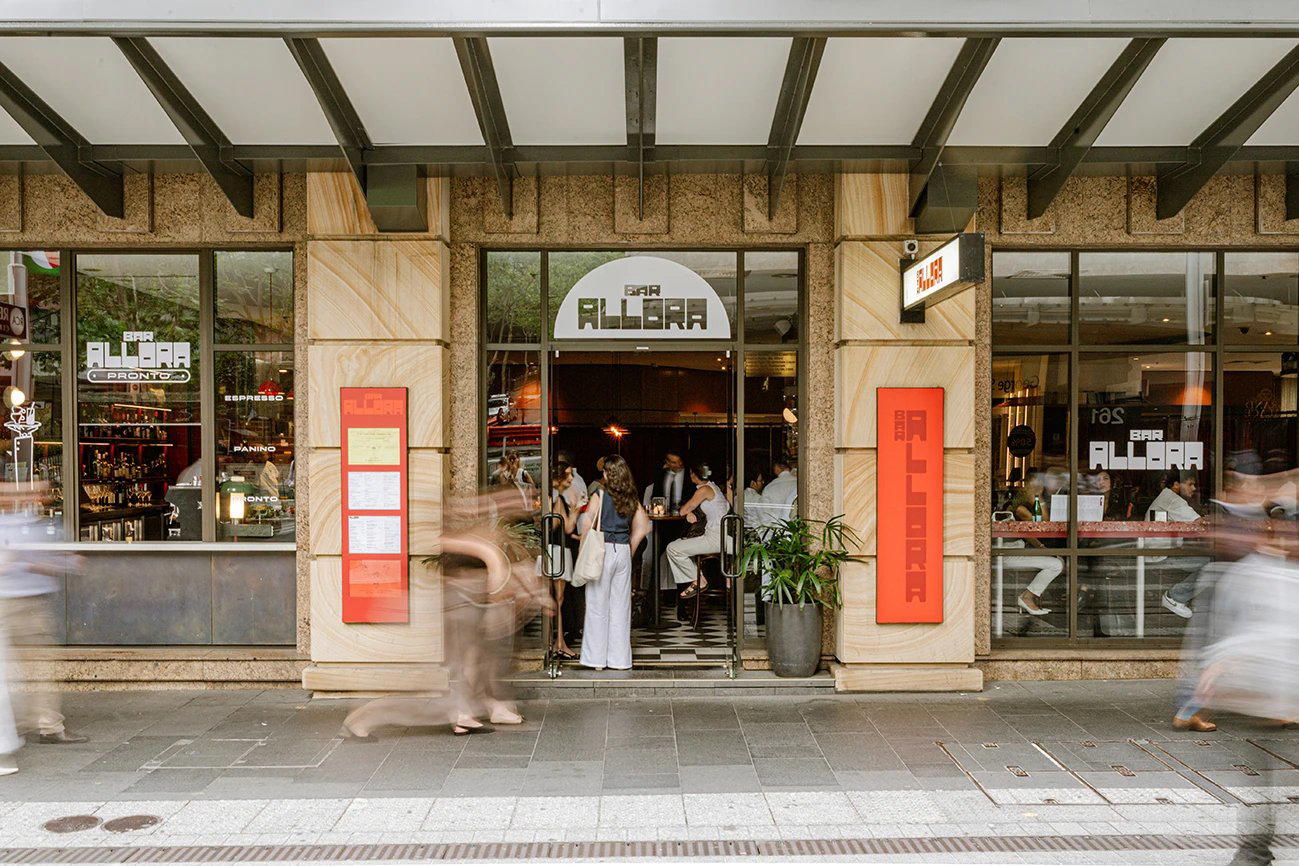
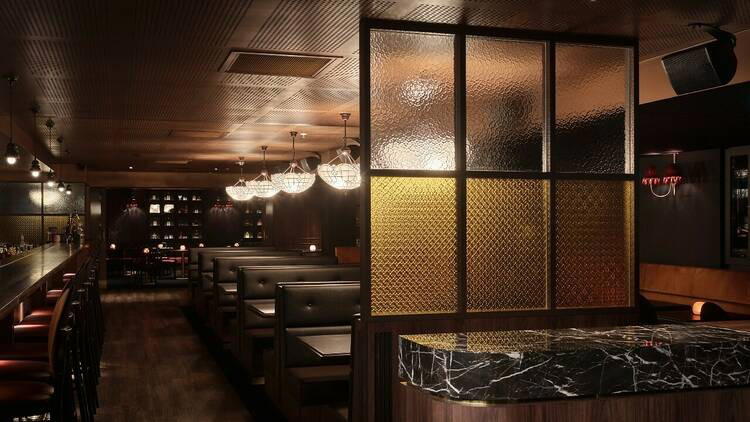
Restaurants in Sydney
Browse all →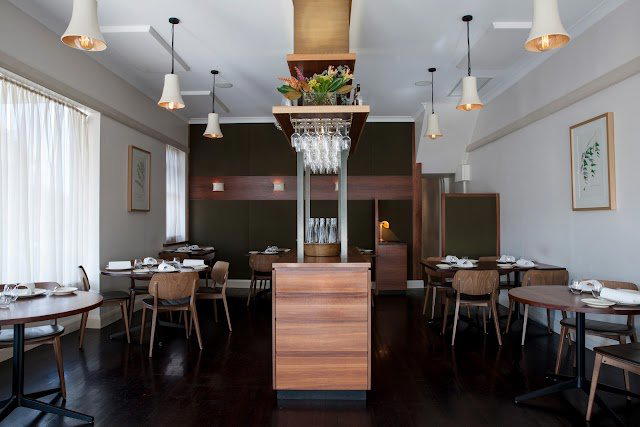
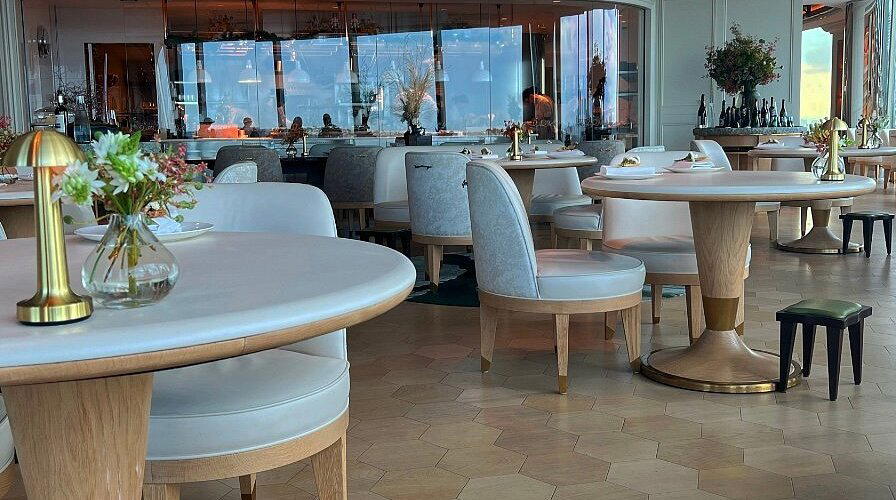
Hotels in Sydney
Browse all →

Details
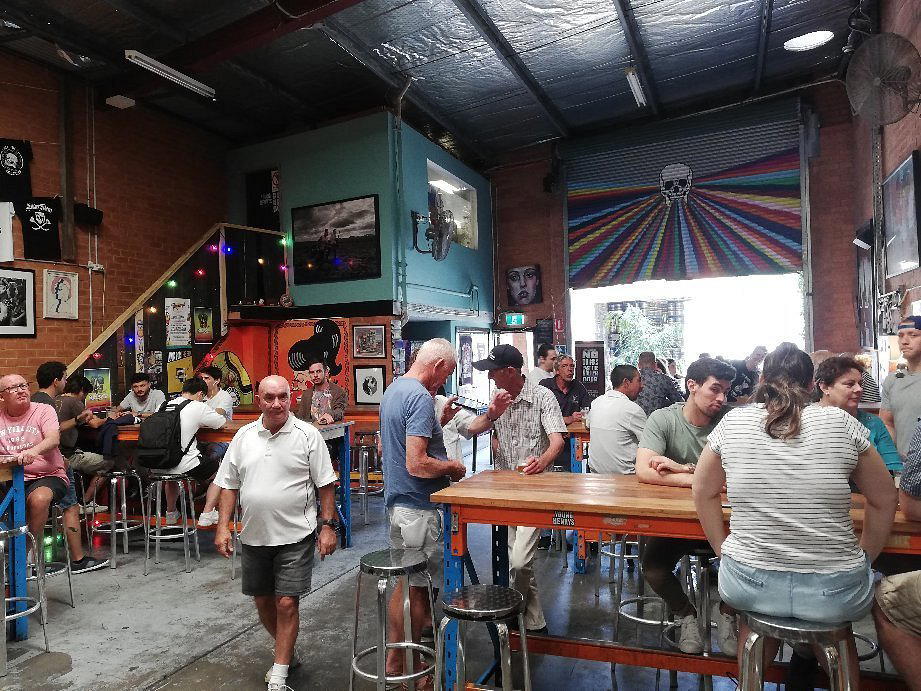
- Casual Hangout
- Hotel Bar
- Lounge Seating
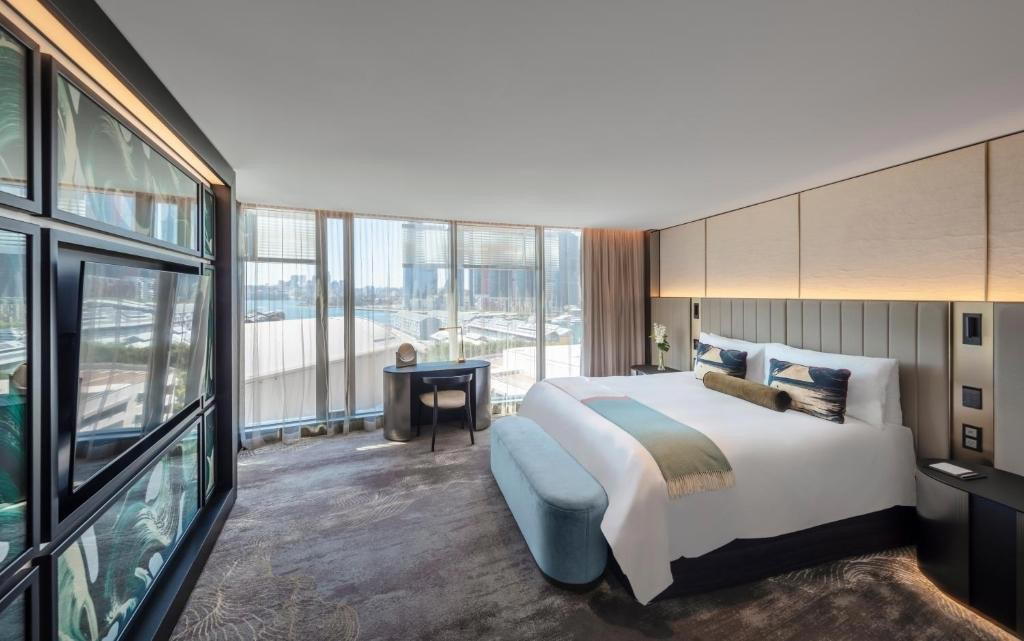
Modern and spacious rooms with comfortable beds, though some guests note noise from the main road and hallways.