The Harp, Covent Garden
A Covent Garden institution on Chandos Place, The Harp sits in a different tier from the neighbourhood's tourist-facing pubs, drawing regulars who come specifically for the cask ale selection and a back bar that rewards slow inspection. Among central London's most respected traditional pubs, it operates as a reference point for what a properly run British ale house looks like in a district otherwise dominated by cocktail bars and tourist traps.
Pearl is the En Primeur Club membership app — saves, bookings, and concierge access live there. Same editors, same standards.
- Address
- 47 Chandos Pl, London WC2N 4HS, United Kingdom
- Phone
- +44 20 7836 0291
- Website
- harpcoventgarden.com
- Directions
- Get directions
 Saves & bookings on Pearl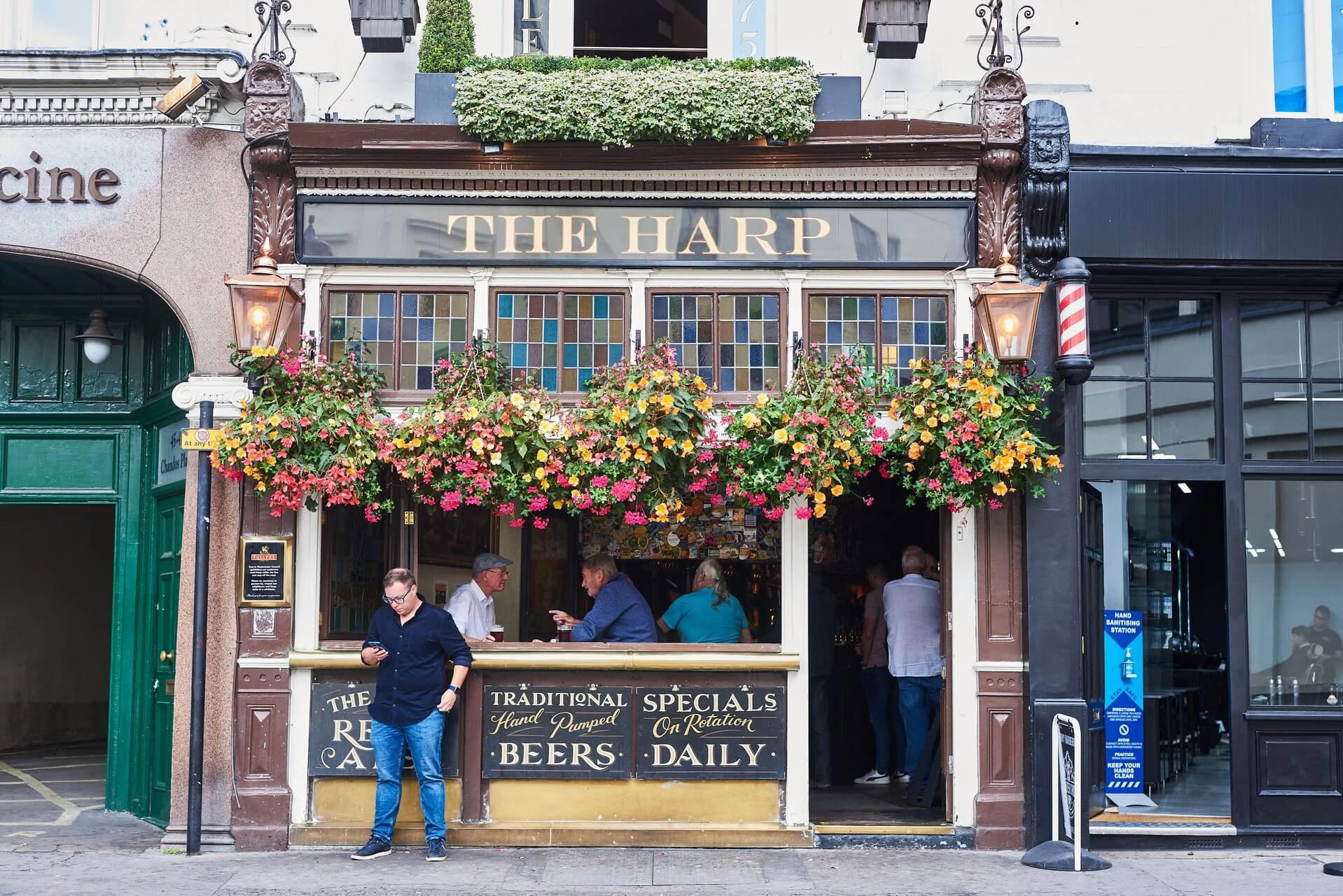
Where Chandos Place Earns Its Reputation
The Harp, at 47 Chandos Place, London, is a bar known for cask ale and real cider, with a casual dress code and walk-in-friendly service. Covent Garden's pub stock divides sharply between places serving the theatregoing crowd and places that exist for the drink itself. The Harp, at 47 Chandos Place, belongs to the second category. The street sits just off the main pedestrian drag, close enough to the Strand to catch foot traffic but removed enough to filter out most of it. That geographical subtlety matters: the pubs that survive on Chandos Place do so on repeat custom rather than tourist volume, which shapes everything from the beer list to the pace behind the bar.
Approaching from the Strand end, the pub's narrow Victorian frontage does most of the work of signalling what's inside. There is no chalkboard advertising bottomless brunch, no oversized screen visible through the window, no corporate livery. The signage is modest, the exterior paintwork is the kind of dark green that suggests history rather than renovation. Central London has few surviving pubs that look this way without contrivance, and The Harp is among the genuine article.
The Back Bar as the Real Agenda
The editorial angle on The Harp is not the pint you order first, it's what sits behind the bar and what that selection communicates about the pub's priorities. The Harp's back bar operates as a working collection rather than decoration. The whisky shelf depth here runs across British and Irish expressions alongside international bottles, and the cask ale selection rotates with enough regularity that returning visitors rarely find the same range twice. That rotation policy is a deliberate commitment: it signals a house that is actively sourcing rather than defaulting to the comfortable and the familiar.
Among central London pubs, this approach to cask ale places The Harp in a narrow peer group. Most pubs within a short walk of Covent Garden carry two or three cask lines as obligation. The Harp treats the cask selection as the point of the exercise. CAMRA, the Campaign for Real Ale, has recognised the pub repeatedly, a trust signal that positions it within a specific tradition of properly kept British beer rather than the broader hospitality sector. For visitors approaching from the cocktail-bar end of the spectrum, the comparison set shifts: 69 Colebrooke Row or A Bar with Shapes For a Name represent a different kind of London drinking ambition, technically driven and concept-led. The Harp's argument is older and, in its own context, equally considered.
The Room Itself
Space inside is limited. The ground floor bar is narrow enough that two people passing in opposite directions require some coordination, and the upper room, accessible by a tight staircase, adds capacity without fundamentally changing the character of the place. On weekday afternoons the pub runs at a pace where conversation is possible and the bar staff have time to talk about what's on the pumps. On Friday evenings it fills to the point where drinking standing against the wall is the practical reality for most of the room.
The internal layout places the bar at the centre of everything, which is architecturally correct for a pub of this type and age. The back bar display is visible from most positions in the room, functioning as both a menu and a statement of intent. Decoration is accumulative rather than designed: framed photographs, hanging tankards, the kind of objects that arrive over decades rather than being installed at fit-out. This distinguishes the pub from the many London venues that have replicated the aesthetic through procurement.
The Harp in the Wider British Pub Context
To understand what The Harp represents, it helps to think about what's happening to the traditional pub format across British cities. The category is under sustained pressure from rising property costs, changing drinking patterns, and the expansion of restaurant-bars and cocktail venues into spaces once occupied by neighbourhood locals. Pubs that survive in premium central locations do so either by volume (high footfall, simplified offer) or by differentiation (specific, defended quality in beer or spirit selection).
The Harp is in the second group. The same structural logic applies to Horseshoe Bar Glasgow in its own city, or to Bramble in Edinburgh operating from a different format but with the same premise: that a clear curatorial position is more defensible than trying to be everything. Across the UK, the bars that sustain reputations over decades, Merchant Hotel in Belfast, Schofield's in Manchester, Mojo Leeds, each hold a specific position within their city's drinking culture. The Harp holds a comparable position within London's traditional ale-house tradition.
Internationally, the model of the expert-curated small bar is legible in different contexts: Bar Leather Apron in Honolulu makes a comparable argument about depth of spirits selection, and Academy and Amaro represent London's own range of specialist approaches. The Harp's specialism is rooted in a longer British tradition, which gives it a different kind of authority from the newer generation of London bars. For those exploring concept-led cocktail venues nearby, L'Atelier Du Vin Wine and Cocktail Bar in Brighton offers a point of contrast in format and philosophy.
Planning Your Visit
Just the Basics
Comparable venues nearby, for context on price, style, and recognition.
| Venue | Cuisine | Price | Notes |
|---|---|---|---|
| The Harp, Covent GardenThis venue — the venue you are viewing | Covent Garden, pub | $$ | Not listed |
| The Azulito Bar | Not listed | $$ | Soho, cocktail_bar |
| Dame Alice Owen | Finsbury, pub | $$ | Not listed |
| Wilton's Music Hall | Whitechapel, pub | $$ | Not listed |
| The Cocktail Club - Cocktail Bar near Old Street | Not listed | $$ | Shoreditch, cocktail_bar |
| The Cellar Club | lounge | $$ | Not listed |
Continue exploring
More in London
Bars in London
Browse all →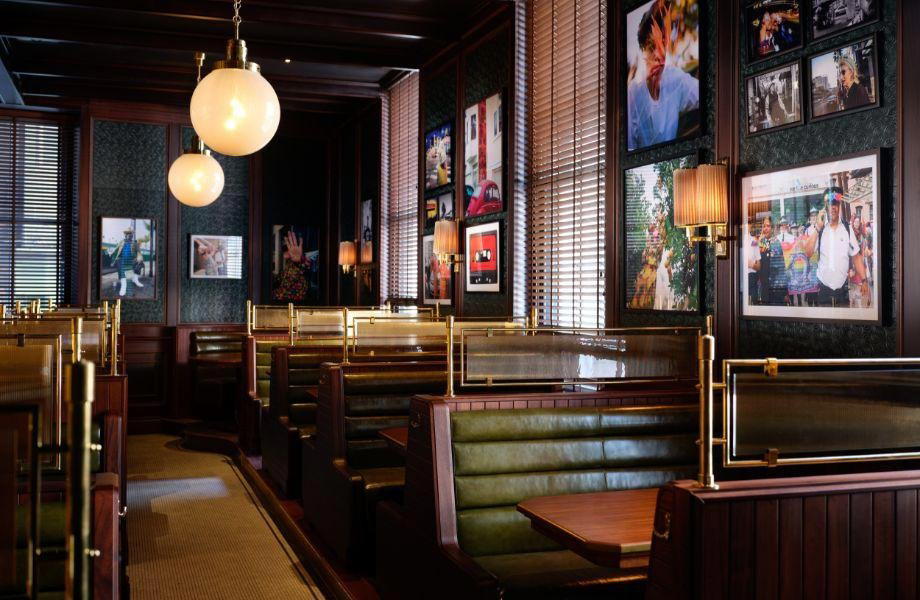
Restaurants in London
Browse all →
Hotels in London
Browse all →



At a Glance
- Lively
- Cozy
- Classic
- Historic
- Well Known
- After Work
- Casual Hangout
- Historic Building
- Standing Room
- Booth Seating
- Craft Beer
Current opening hours
- Monday
- 11 AM–11 PM
- Tuesday
- 11 AM–11 PM
- Wednesday
- 11 AM–11 PM
- Thursday
- 11 AM–11 PM
- Friday
- 11 AM–11 PM
- Saturday
- 11 AM–11 PM
- Sunday
- 12–8 PM
Hours can change for holidays and private events. Last verified .
Lively and inviting with a traditional, cozy atmosphere featuring stained glass, mirrors, and portraits; relaxed vibe for hearty conversation without intrusive music.