The Fly Trap
On Folsom Street in SoMa, The Fly Trap occupies a part of San Francisco where bars earn their regulars through program integrity rather than passing foot traffic. The neighbourhood's low-key register, combined with Northern California's supply of ethically minded producers, sets the conditions for a drinks program with real sourcing discipline. It is a local-first address in a city that has raised the floor on what a serious bar looks like.
 Discover on Pearl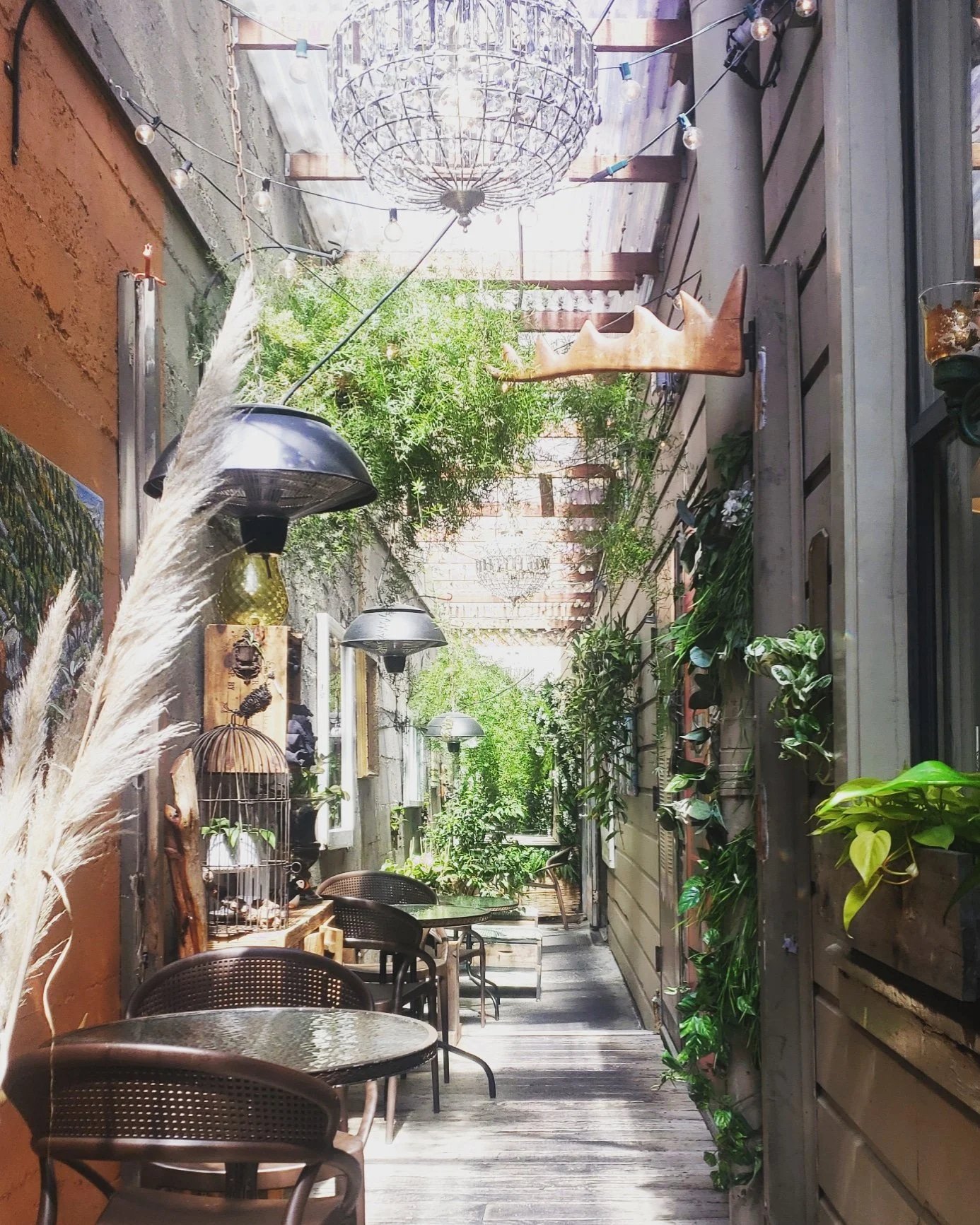
SoMa After Dark: The Bar Scene on Folsom Street
The stretch of Folsom Street running through SoMa has long functioned as a different kind of San Francisco from the tourist-facing waterfront or the polished Ferry Building crowd. The neighbourhood absorbed waves of tech money without fully surrendering its industrial grain, and the bars that work here tend to reflect that tension: unpretentious on the surface, considered underneath. The Fly Trap, at 606 Folsom St, sits inside that character. It is a SoMa address in the fullest sense, occupying a part of the city where the expectation is that a place earns its regulars rather than inheriting them from foot traffic.
The Room and What It Signals
Approaching a bar on this block, you register the neighbourhood before you register the venue. The street-level presence is low-key, which in SoMa is less an oversight than a signal. Bars that lead with restraint in this part of the city are usually banking on their interior to do the work. Inside, the physical environment tends to reward patience: the eye adjusts, the noise settles into a register that allows conversation, and the bar itself becomes the organizing principle of the room. In San Francisco's more considered bar tier, the counter is a working surface, not a display case, and the drinks program lives or dies on what happens behind it.
San Francisco's bar scene has matured considerably over the past decade, moving away from novelty formats toward programs with defined sourcing logic and some accountability to craft. That shift has been documented across venues like Pacific Cocktail Haven, which built its identity around Pacific Rim ingredients and a transparent sourcing approach, and ABV, whose food-and-cocktail pairing model set a template for serious all-day programs in the city. The Fly Trap operates in this same general current.
The Sustainability Frame: Sourcing, Waste, and the Ethics of the Pour
Across the better bars in San Francisco, the conversation around sustainability has moved past buzzword territory into operational practice. This matters in a city with both a progressive civic culture and a genuinely competitive ingredient market: Northern California gives bartenders access to citrus, herbs, and spirits producers who are themselves working to tighter environmental standards. The question is which bars treat that access as a creative constraint rather than just a marketing line.
The bars in this city that have built credibility around ethical sourcing tend to share a few common features: they work with a smaller, more deliberate spirit selection rather than chasing a wall of bottles; they reduce waste by designing menus around whole-ingredient use; and they price in a way that reflects the actual cost of responsible procurement. This is the tier where The Fly Trap appears to operate. Without fabricating specifics, it is worth noting that a bar at this address, in this neighbourhood, with any seriousness about its program, is operating in a market that has already sorted out the players willing to do the work from those who are not.
For comparison, nationally the sustainability-forward bar model has gained significant traction. Kumiko in Chicago built its reputation around Japanese ingredients and a disciplined, waste-conscious approach to the cocktail menu. Jewel of the South in New Orleans pairs historical cocktail research with sourcing that respects both regional producers and the broader supply chain. Bar Leather Apron in Honolulu operates within Hawaii's particular ethical sourcing context, where island provenance carries real weight. The pattern across these venues is consistent: programs built around restraint and intentionality tend to age better than those built around volume and novelty.
The San Francisco Bar Peer Set
Placing The Fly Trap in context means acknowledging what the city's bar scene looks like at its more serious end. Smuggler's Cove represents one pole: a destination program with a documented rum library that has earned international attention. Friends and Family occupies a different register, with a neighbourhood-first approach that prioritises accessibility without sacrificing program depth. The Fly Trap's SoMa location puts it in a competitive bracket where the expectation is a drinks program with some point of view, not just a broad spirits menu.
Across the country, bars that have built lasting programs in comparable markets share a tendency toward editorial restraint on the menu: fewer cocktails, more precisely constructed. Allegory in Washington, D.C. built a storytelling-forward program that rewards attention. Julep in Houston anchors its identity in Southern spirits and a defined sourcing geography. Superbueno in New York City brought Latin American ingredient logic into a format that sits comfortably in the serious cocktail tier. The Parlour in Frankfurt on the Main demonstrates that the discipline of a well-defined program travels across markets. The common thread is that identity and sourcing integrity matter more than size.
Atmosphere and Format: What the Experience Delivers
SoMa bars tend toward the casual end of the San Francisco register without being careless. The neighbourhood has largely shed the pretension that can accumulate in more tourism-heavy parts of the city. What that means in practice is a room where you are expected to be interested in what you are drinking without being tested on it. The format at bars in this bracket is typically counter-service with table access, a drinks list that rewards a second read, and staff who can explain the menu without reciting it.
The sustainability angle, where it is genuinely embedded in a program rather than gestured at, changes how the menu reads. Seasonal availability shapes what is offered; waste reduction shows up in how garnishes and citrus are used across multiple cocktails; spirit selection reflects producer relationships rather than distributor catalogs. These are details that require some attention from the guest to appreciate, which is part of what separates this tier from a bar that is simply well-stocked.
Know Before You Go
- Address: 606 Folsom St, San Francisco, CA 94107
- Neighbourhood: SoMa (South of Market)
- Reservations: Contact the venue directly to confirm current policy
- Price range: Not confirmed in available data; check with venue
- Hours: Not confirmed in available data; verify before visiting
- Getting there: SoMa is accessible by BART (nearest stops: Powell St or Montgomery St) and multiple Muni lines; street parking is available but limited on weeknights
For a broader picture of where The Fly Trap sits within the city's drinking options, see our full San Francisco restaurants and bars guide.
Frequently Asked Questions
Credentials Lens
A quick comparison pulled from similar venues we track in the same category.
| Venue | Awards | Cuisine | Notes |
|---|---|---|---|
| The Fly Trap | This venue | ||
| ABV | World's 50 Best | ||
| Smuggler's Cove | World's 50 Best | ||
| Trick Dog | World's 50 Best | ||
| Bar at Hotel Kabuki | |||
| Evil Eye |
Need a Table?
Our members enjoy priority alerts and concierge-led booking support for the world's most difficult bars and lounges.
Get Exclusive Access