The Eagle

Open since 1991 on Farringdon Road, The Eagle is widely credited as one of the originators of the London gastropub format. The menu changes daily, pulled from a board above the stove, and leans on rustic cooking from Italy and the Iberian Peninsula. The bife ana rump steak sandwich has held its place on that board since opening day, a telling measure of what this place is actually about.
 Discover on Pearl
Pearl is the En Primeur Club membership app — saves, bookings, and concierge access live there. Same editors, same standards.
- Address
- 159 Farringdon Rd, London EC1R 3AL, United Kingdom
- Phone
- +44 20 7837 1353
- Website
- theeaglefarringdon.co.uk
Order at the Bar, Eat Like You Mean It
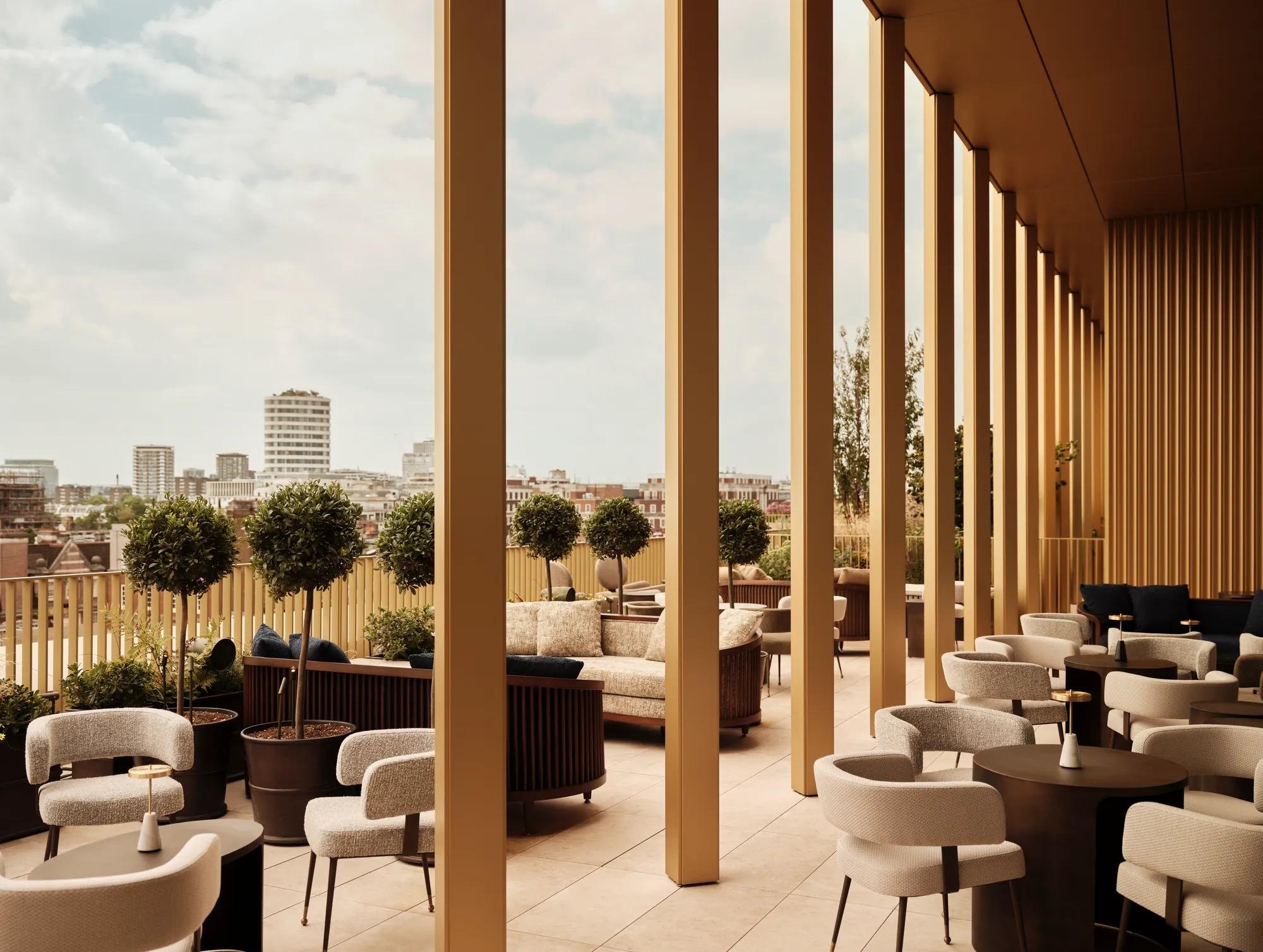
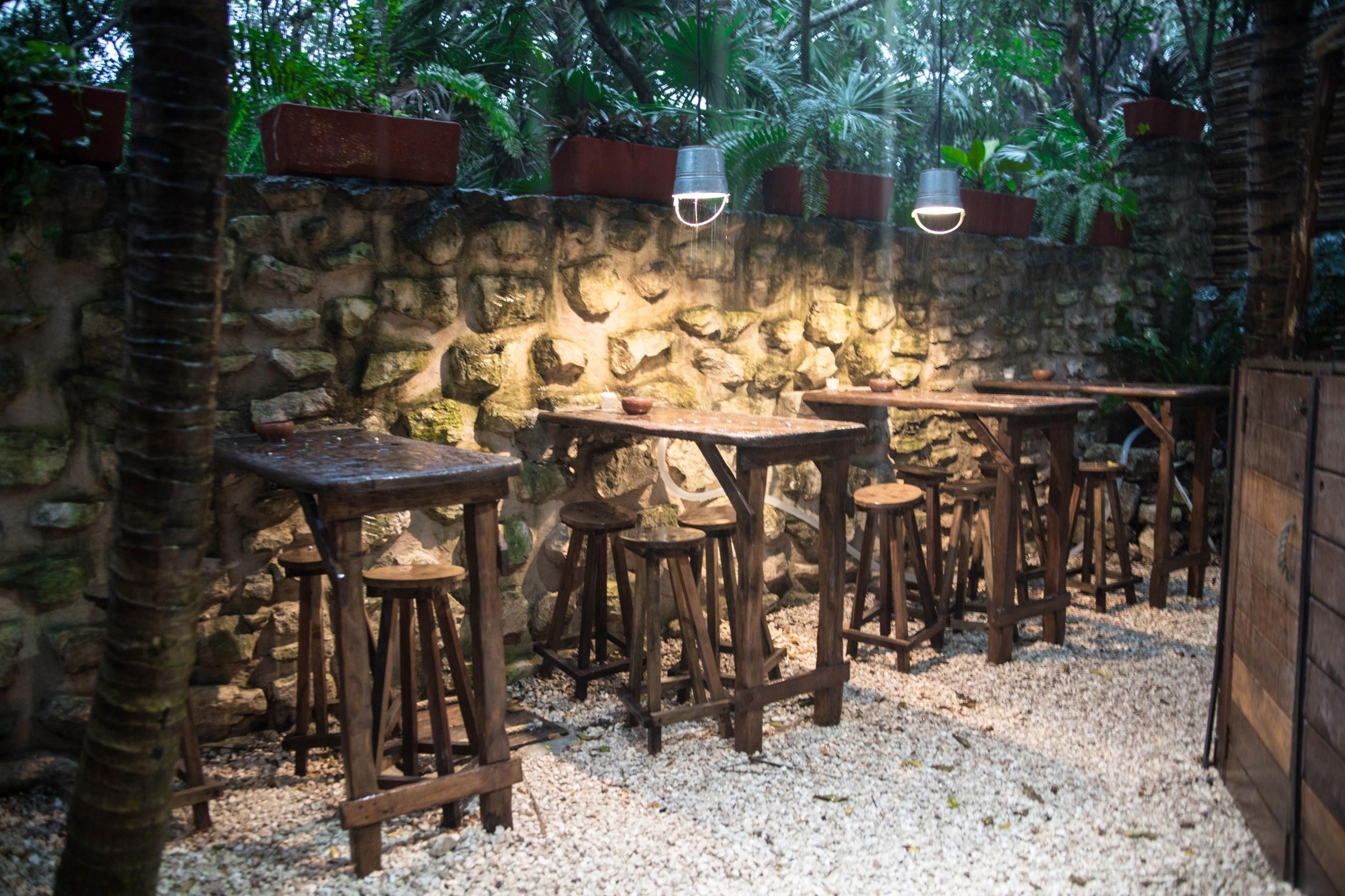
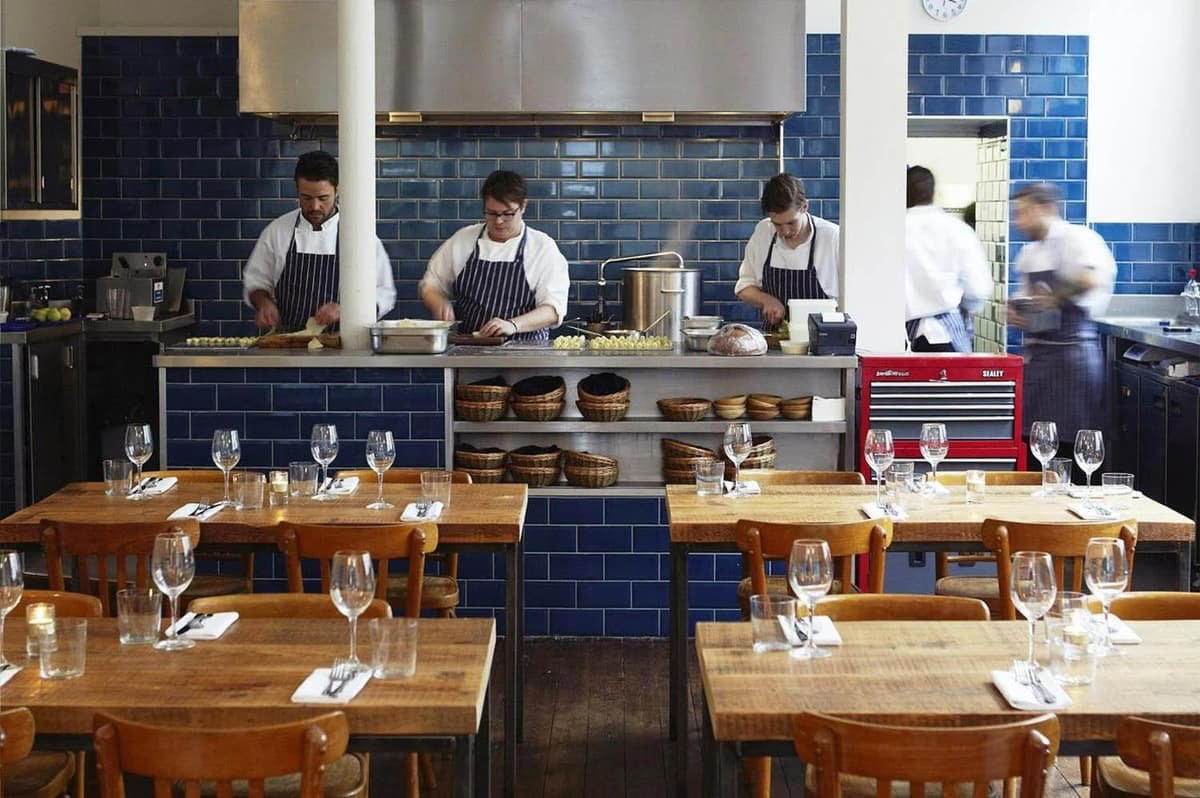
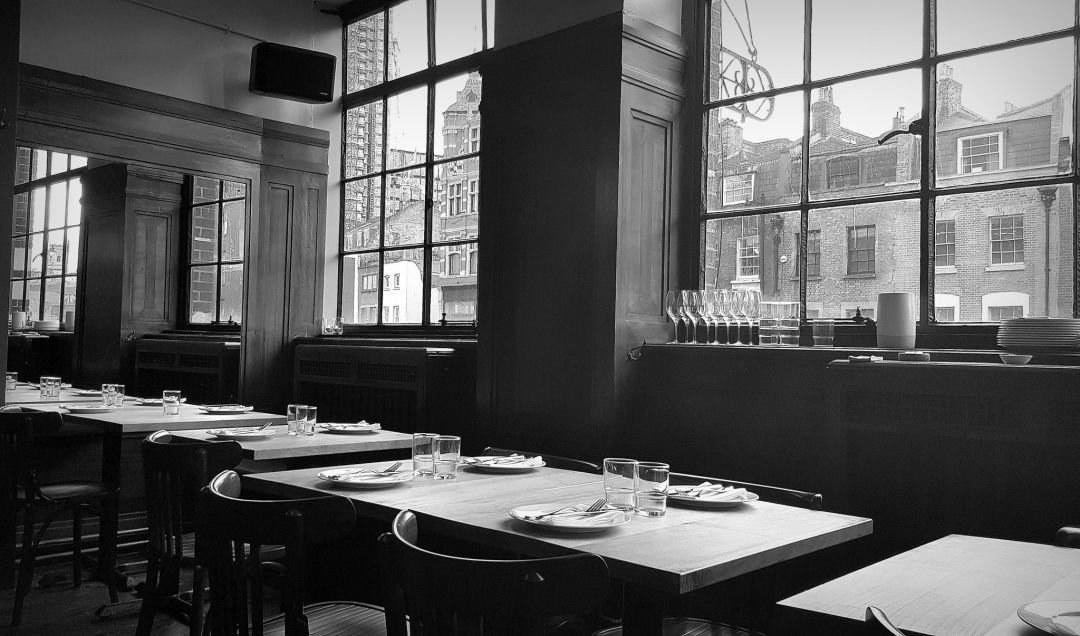
There is a particular type of London pub that resists every pressure applied to it, the heritage rebrand, the prix-fixe lunch, the cocktail list printed on card stock. The Eagle on Farringdon Road is a bar in London, with a 4.5 Google rating and an average spend of about $25 per person. Walk in and the room tells you immediately what kind of operation this is: small tables, bar stools around the perimeter, a chalkboard above the stove listing whatever is being cooked that day. There is no front-of-house team to greet you. You order at the bar. You find a seat. That arrangement is not an affectation or a studied act of minimalism, it is simply how the pub was set up when it opened, and nothing has changed because nothing needed to.
The gastropub as a category has since been diluted across London and well beyond, absorbed into hotel lobbies and replicated in airport terminals. The Eagle predates all of that. When the format was first named and then widely imitated through the 1990s, this Clerkenwell address was the reference point, the place that others were being measured against. That history does not require the pub to trade on nostalgia. The room is not a museum piece. It is a working pub, loud on a weekday lunch, fuller still in the evening, with the kind of democratic seating policy that makes strangers share tables without any ceremony.
A Menu Built Around Restraint and Repetition
The Eagle's menu architecture works on an almost opposite logic. The board changes daily, dishes reflect what is available and what the kitchen wants to cook, and the total number of options at any given moment is deliberately short. That brevity forces a different kind of confidence. There is no menu depth to hide behind. Each dish has to hold its place.
Cooking draws primarily from Italy and the Iberian Peninsula, not as a fusion exercise but as a consistent culinary orientation that has defined the kitchen since the beginning. On a given day the board might show hake steak with lentils and salsa cruda, roast pork belly with braised peas and pickled cabbage, or grilled aubergine with tzatziki. These are dishes from a European country-cooking tradition: generous, direct, built around technique rather than garnish. The portion logic belongs to pub culture; the sourcing and execution belong to something more considered.
Bife ana, a rump steak sandwich pulled from Portuguese cooking, has appeared on that chalkboard since day one. Its persistence across more than three decades of daily menu changes says something concrete about the pub's philosophy: that a dish earns its place by being worth ordering repeatedly, not by being retired before it becomes familiar. Many regulars return specifically for it. Others navigate toward whichever heartier seasonal dish the kitchen has built around what is available that week. Both approaches are valid, which is the point.
Burnt Basque cheesecake has achieved something close to a standing fixture status at the dessert end of the menu, appearing with enough frequency that it registers as a house signature despite the board-driven format. That kind of menu repetition, where certain dishes recur across seasons because they have earned a permanent foothold, is a structural feature of pubs that take food seriously without taking themselves seriously. The Eagle does both simultaneously.
Drink: Taps, Spain, and a Rock Shandy
Drinks list follows the same logic as the food: no performance, no elaborate narrative, just well-chosen options at prices that reflect the pub's Clerkenwell context rather than the fine-dining tier above it. The wine list skews heavily toward Spain, consistent with the kitchen's Iberian orientation, and is described by those who know it as quaffable and affordable, a phrase that carries more meaning in London's current drinking-out economy than it once did. A short, sensible list that pairs honestly with the food on offer is not a given in this city. At The Eagle it appears to be a considered choice made consistently.
Beer selection includes craft keg lines sourced from Hackney Brewery, whose founders have a direct connection to the pub. Cocktails are kept brief: a Dark and Stormy makes regular appearances, and the Eagle's Rock Shandy has built a reputation as a particularly effective afternoon option. These are not the kinds of drinks programs you would find at technically ambitious London bar programs like 69 Colebrooke Row or A Bar with Shapes For a Name, which occupy a different tier of craft and intention entirely. They are pub drinks, done properly, in a pub that knows exactly what it is.
London's broader drinking scene has moved through several distinct phases since 1991, from the cocktail bar resurgence of the early 2000s through the natural wine wave and the low-intervention spirits moment. The Eagle has sat largely outside all of those movements, not from ignorance but from a clear sense of what it is for. The result is a drinks offering that complements rather than competes with the kitchen.
The Clerkenwell Context
Farringdon Road in the early 1990s was not the media and creative district it became through the following decade. The Eagle opened before the area's transformation, and its survival through that transformation, without adjusting its format, its pricing logic, or its atmosphere to court the neighbourhood's newer arrivals, is itself a form of editorial statement. Pubs that predate a neighbourhood's gentrification and survive it without being absorbed by it are rare. They tend to become anchors, the reference points that newer venues in the area are unconsciously measured against.
That is the Eagle's Clerkenwell function. It exists in the same broader dining city as technically sophisticated tasting-menu restaurants and ingredient-obsessive natural wine bars, and it competes with none of them. For visitors oriented toward London's more technically ambitious dining tier, the Eagle represents a useful counterpoint: a reminder that the gastropub format, at its original and clearest expression, was always about cooking good food in a pub without making anyone feel they had wandered into the wrong kind of room.
Those planning broader UK itineraries might also consider bar programs in other cities that operate with similarly clear points of view: Bramble in Edinburgh, Schofield's in Manchester, Horseshoe Bar in Glasgow, or the Merchant Hotel in Belfast. Further afield, Mojo Leeds, L'Atelier Du Vin in Brighton, and Bar Leather Apron in Honolulu each demonstrate how a clearly defined drinking philosophy sustains a venue's identity across time and geography.
Where the Accolades Land
Comparable venues nearby, for context on price, style, and recognition.
| Venue | Cuisine | Price | Awards | Notes |
|---|---|---|---|---|
| The EagleThis venue — the venue you are viewing | pub | $$ | 1 recognition | |
| Cork and Bottle wine bar | wine_bar | $$ | 1 recognition | Leicester Square |
| Tapas Brindisa Battersea | wine_bar | $$ | , | Nine Elms |
| Canton Arms | pub | $$ | 2 recognitions | Stockwell |
| The Arches | wine_bar | $$ | 1 recognition | South Hampstead |
| 155 Bar & Kitchen | cocktail_bar | $$ | , | Clerkenwell |
Continue exploring
More in London
Bars in London
Browse all →
Restaurants in London
Browse all →
Hotels in London
Browse all →
Wineries in London
Browse all →
At a Glance
- Cozy
- Classic
- Rustic
- After Work
- Casual Hangout
- Group Outing
- Historic Building
- Seated Bar
- Communal Tables
- Outdoor Terrace
- Craft Beer
Cozy traditional pub with real fireplaces, wood-panelled rooms, mismatched furniture, and warm inviting atmosphere.