The Dutch
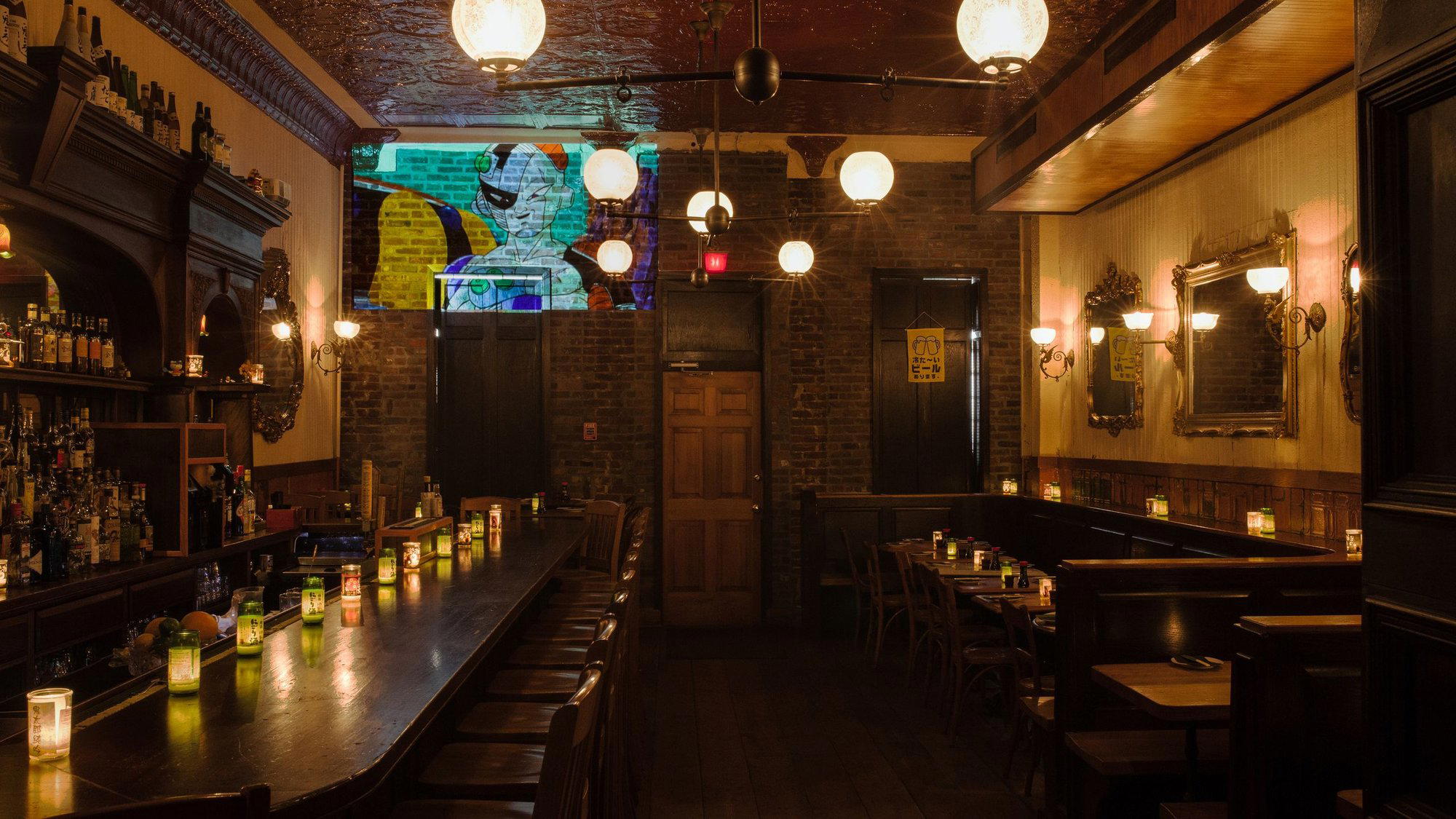
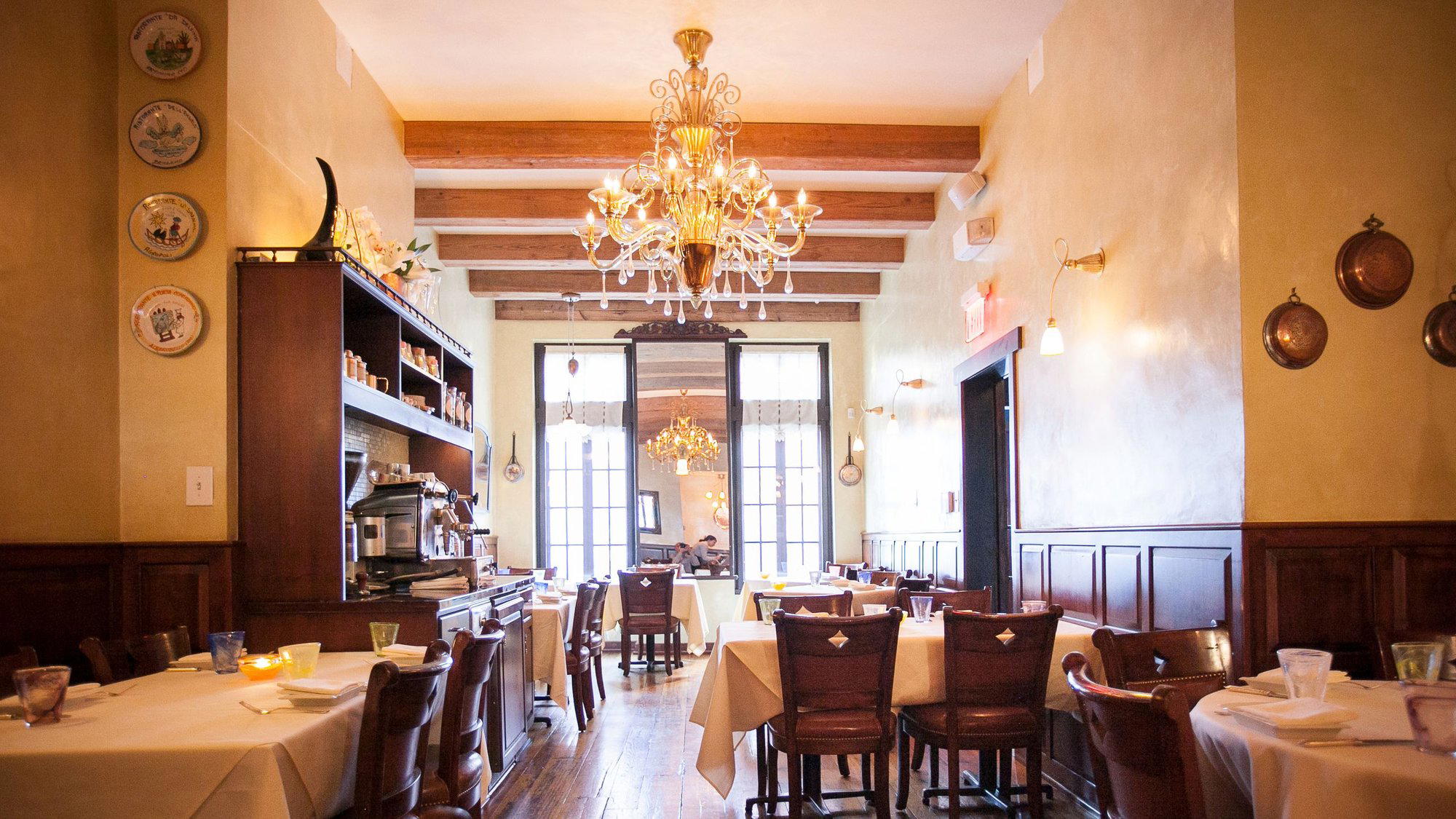
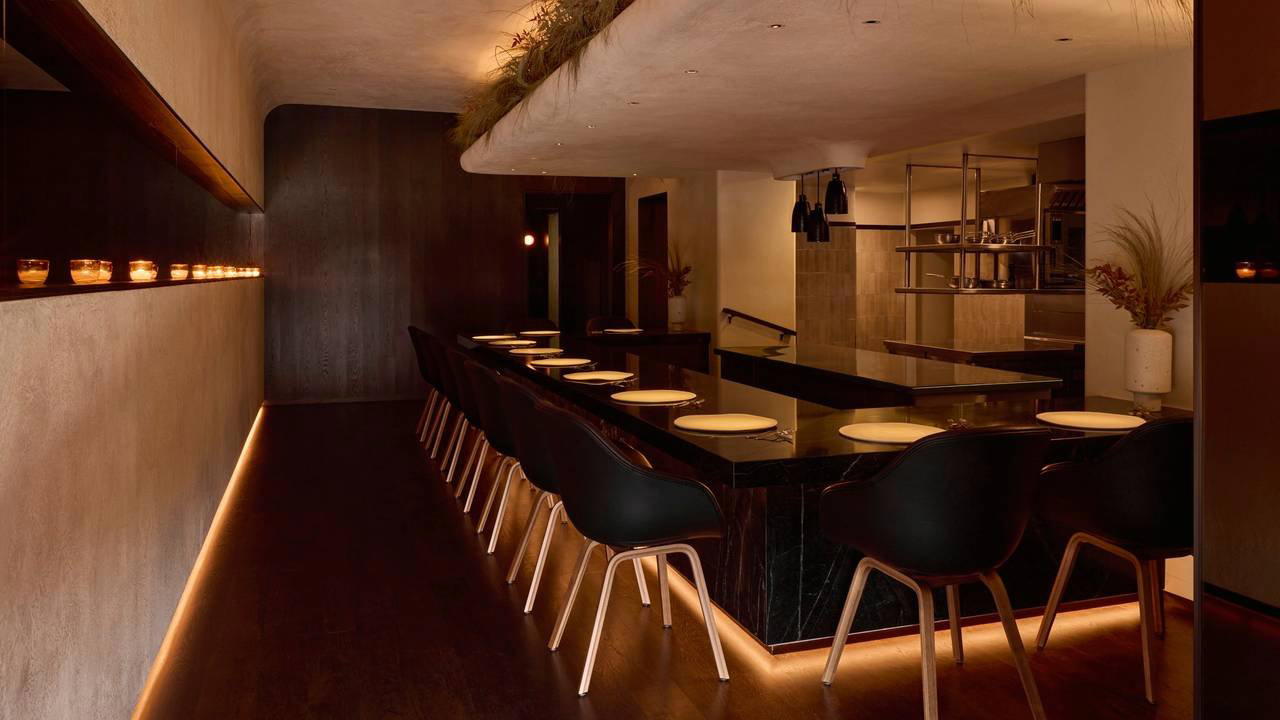
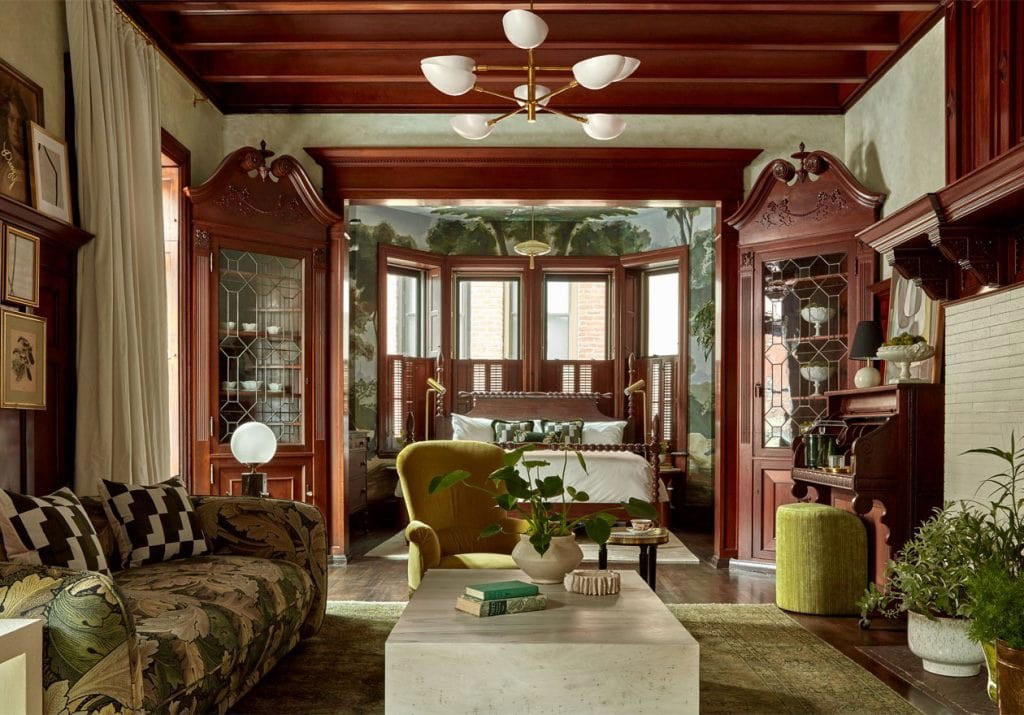
On South 11th Street in South Philadelphia, The Dutch occupies the kind of address that rewards those already paying attention to Passyunk's evolving bar scene. The room's atmosphere and cocktail program place it alongside the neighborhood's more considered drinking destinations, where the mood is the point as much as what's in the glass.

Pearl is the En Primeur Club membership app — saves, bookings, and concierge access live there. Same editors, same standards.
- Address
- 1537 S 11th St, Philadelphia, PA 19147
- Phone
- (215) 551-5000
- Hours
- Mon–Fri 8 AM–3 PMSat–Sun 8 AM–2 PM
- Website
- thedutchphilly.com
- Directions
- Get directions
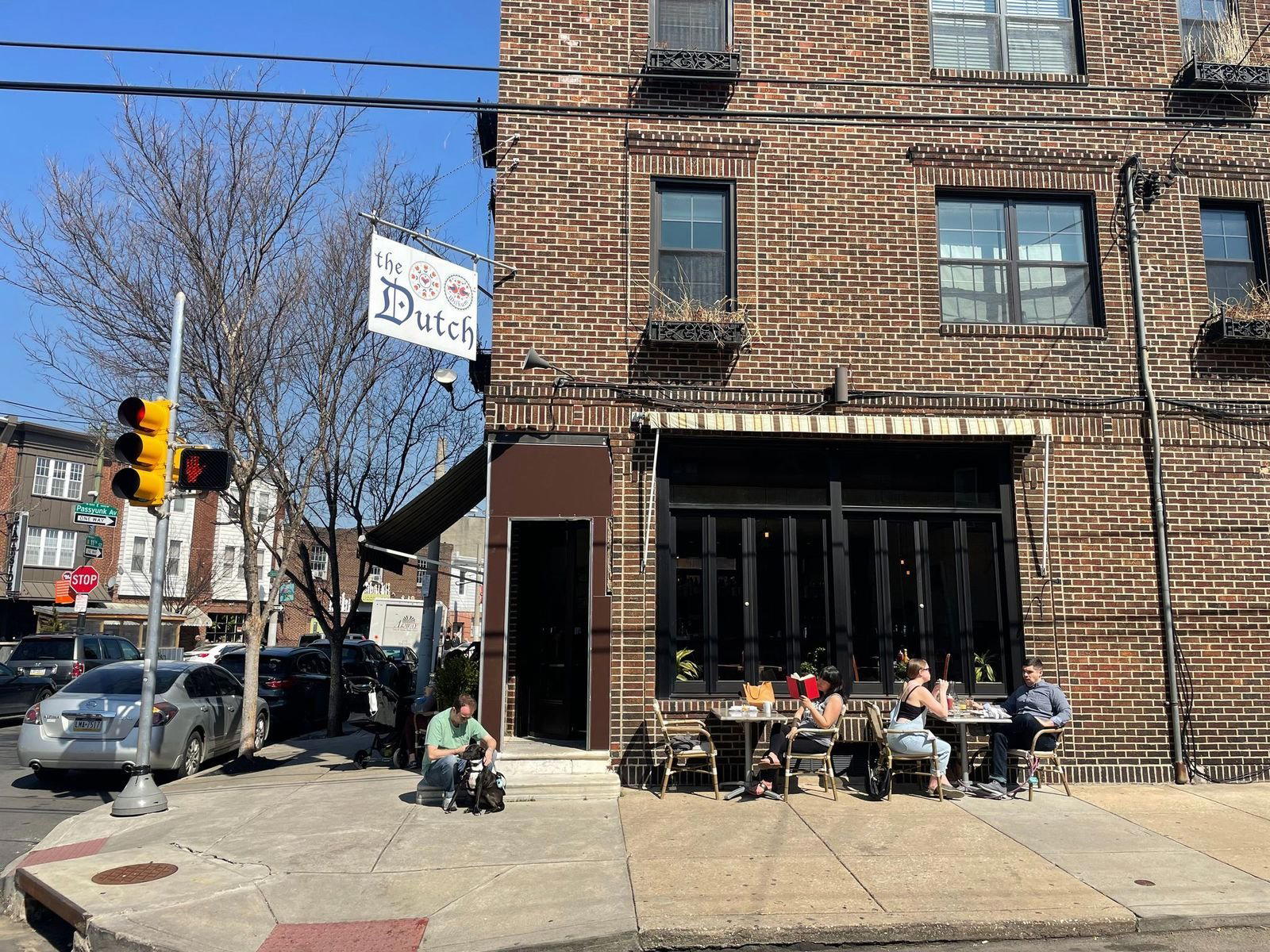
South Philadelphia's Quieter Frequency
South Philadelphia's bar scene has been sorting itself into tiers for the better part of a decade. The louder, higher-volume operations cluster along East Passyunk Avenue's main stretch, while a second category has emerged on the side streets and residential blocks: smaller rooms with more deliberate programs, where the physical space does as much work as the menu. The Dutch, at 1537 S 11th Street, sits in that second category. Its address in the 19147 zip code puts it within walking distance of the Avenue's density, but far enough removed that the people who show up are largely those who came specifically for it.
That distinction matters more than it might seem. Bars that occupy slightly off-center positions in active neighborhoods tend to develop a more consistent regular clientele and a room that settles into its own identity rather than competing for foot traffic. The Dutch operates in that mode. It is the kind of place where the atmosphere is not performed for newcomers but is simply the condition of the room on any given evening.
The Room and What It Does
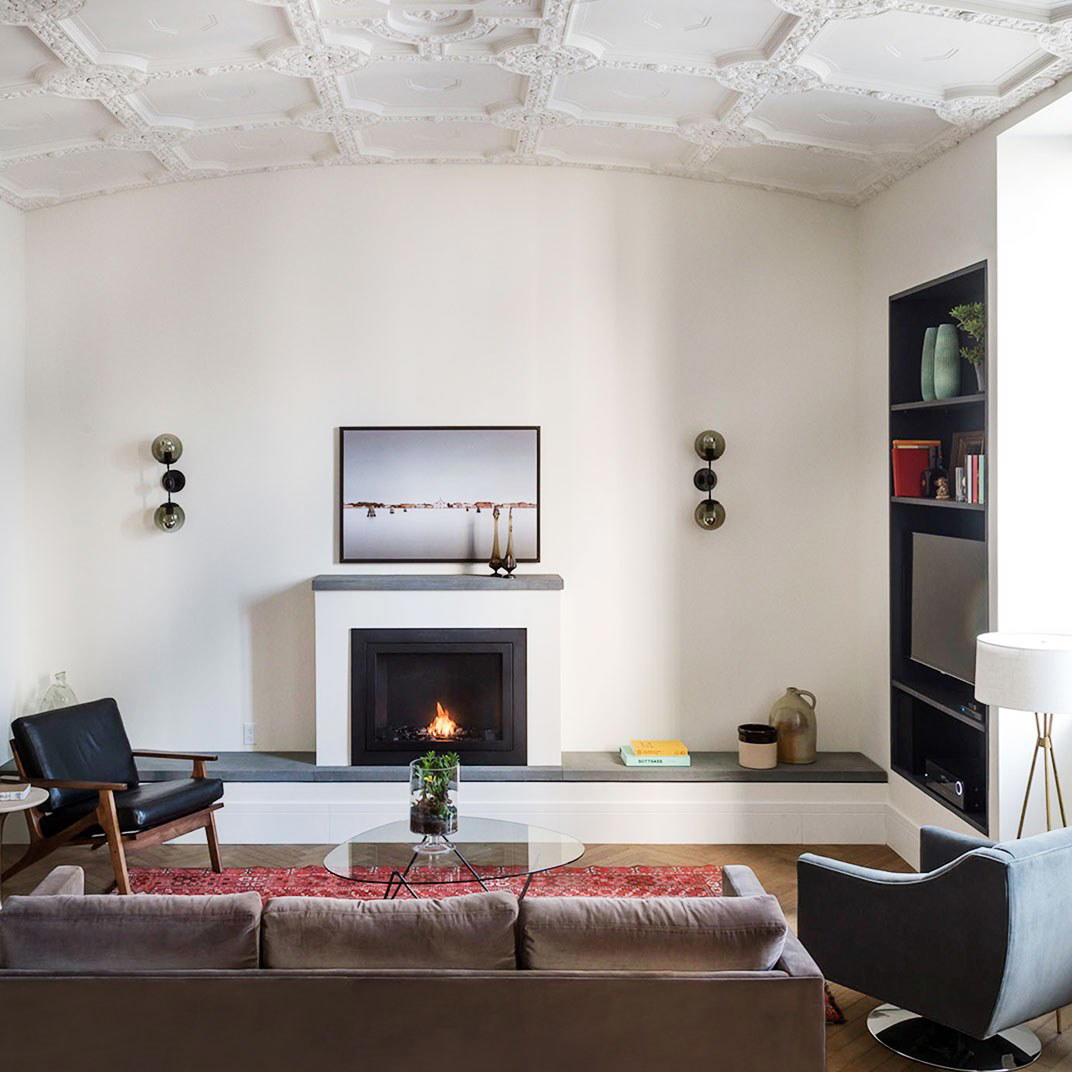
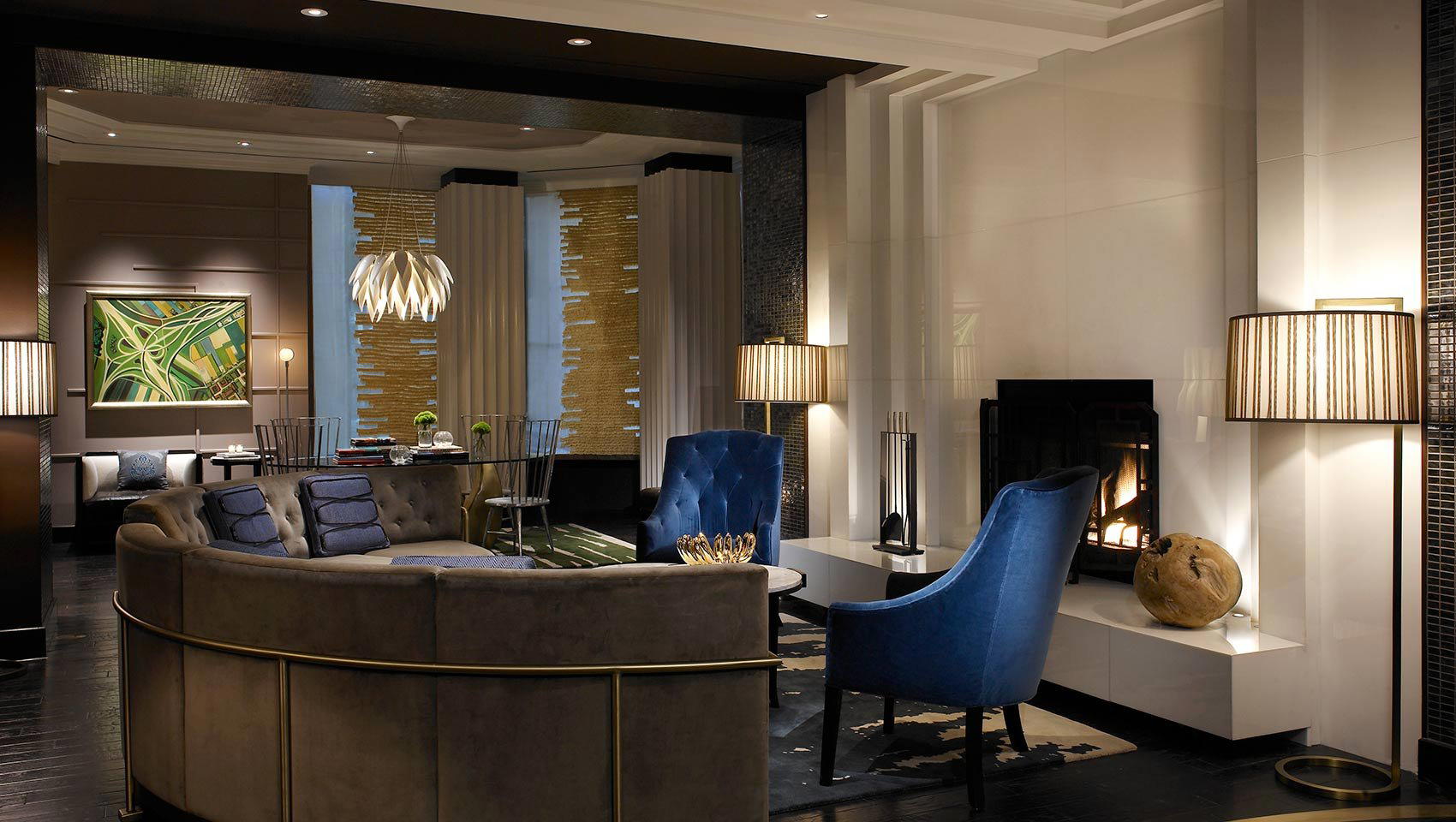
The physical character of South Philadelphia's neighborhood bars draws from a particular vernacular: narrow frontages, dim interiors, rooms that feel lived-in rather than designed. The Dutch fits that tradition without disappearing into it. The 19147 corridor has seen enough new openings in recent years that operators making spatial decisions now have to think about where they land on the spectrum between polished and worn, between the kind of lighting that flatters a cocktail photograph and the kind that makes conversation feel private.
Bars in this part of the city that get the atmosphere calibration right tend to build loyalty at a faster rate than comparable venues in higher-visibility Philadelphia neighborhoods like Rittenhouse or Fishtown, where novelty cycles more quickly. Consistency of mood is the asset. When a room feels the same on a Tuesday in February as it does on a Saturday in October, that reliability becomes its own form of recommendation.
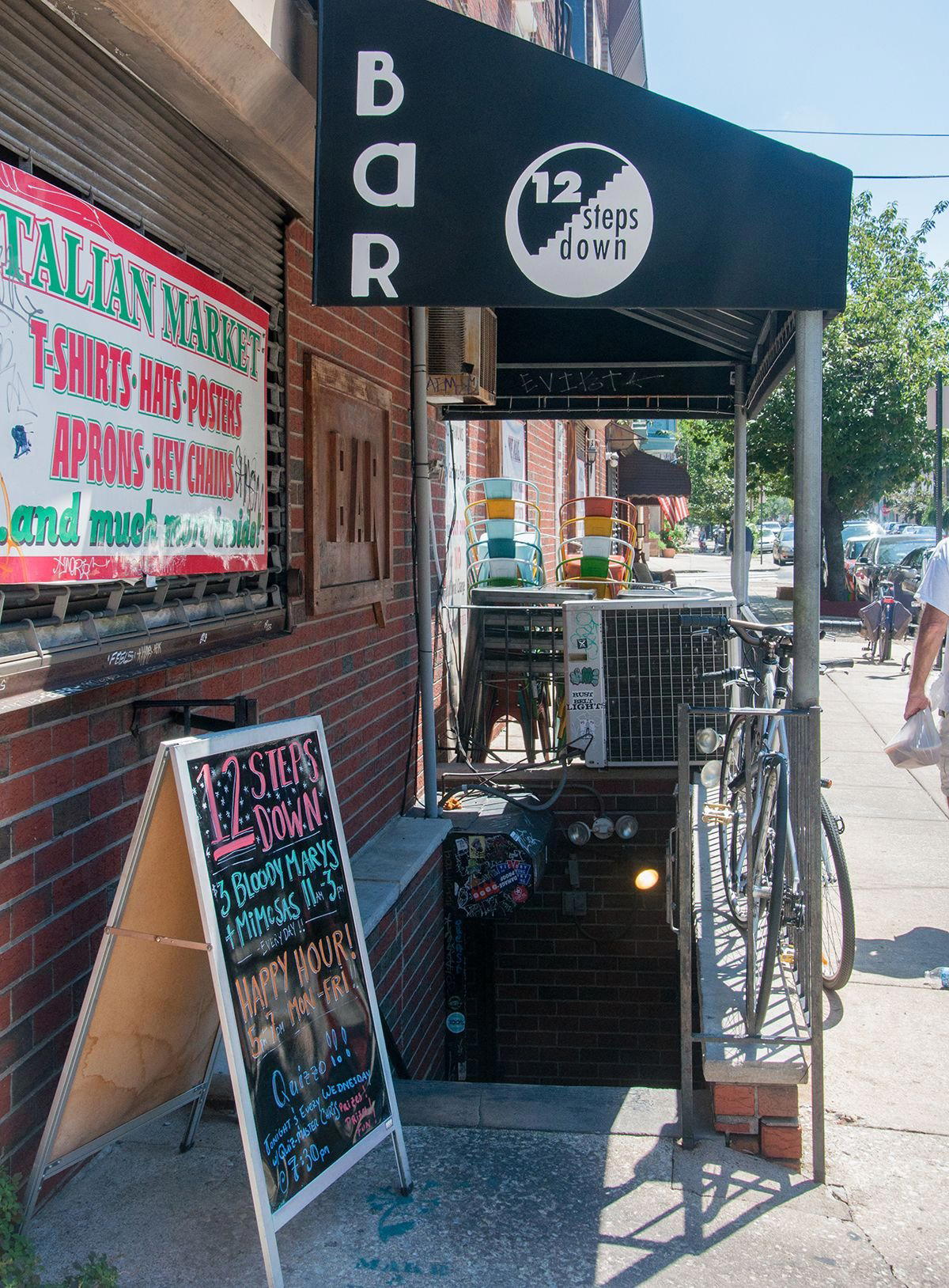
South Philadelphia's drinking spaces have also absorbed a broader national shift away from high-concept theatrical formats toward what might be called transparent technical programs: rooms where the craft is evident in the glass rather than in the mise-en-scène. Venues like 12 Steps Down and 1501 Passyunk Ave have long anchored the neighborhood's more unpretentious end of that spectrum. The Dutch occupies adjacent territory, where the atmosphere is the primary product and the program supports rather than dominates.
Cocktails in Context
Philadelphia's cocktail scene has developed along lines broadly consistent with what has happened in peer cities: an early wave of speakeasy-influenced spaces gave way to a more technically serious generation of programs, which is now being followed by a third tier of venues that treat the cocktail list as one component of a larger hospitality proposition rather than the entire identity of the room. The Dutch aligns with that third phase.
In cities where this pattern has played out most clearly, the most durable bars are those where the cocktail program is coherent and considered without being the kind of thing that requires explanation before you order. Kumiko in Chicago and Jewel of the South in New Orleans represent different versions of this approach at a higher recognition tier. Bar Leather Apron in Honolulu and ABV in San Francisco operate in similar territory on the West Coast. The Dutch's position within Philadelphia's scene is more neighborhood-scaled than those comparisons, but the underlying logic is the same: a program that rewards familiarity and repeat visits rather than one that peaks on the first encounter.
Among Philadelphia's more cocktail-forward neighborhood spots, the conversation around The Dutch tends to reference its capacity for consistency and its room over any single breakout preparation. That orientation places it closer to 48 Record Bar in its neighborhood sensibility than to the more Japanese-inflected, fermentation-driven approach of nearby Almanac, which operates at a different level of technical specificity. Both are legitimate positions; they are simply aimed at different moments and different kinds of visits.
For those interested in where The Dutch sits relative to other American programs operating outside the major coastal markets, Julep in Houston and Superbueno in New York City offer useful comparisons at their respective city scales. Internationally, The Parlour in Frankfurt on the Main shares something of the same attention to room-as-atmosphere that defines the better South Philadelphia neighborhood bars.
The Passyunk Neighborhood
East Passyunk Avenue and its surrounding blocks have been one of Philadelphia's more closely watched drinking and dining corridors for the better part of fifteen years. The neighborhood's evolution has broadly followed the pattern of South Philadelphia residential density supporting a restaurant and bar culture that is high-frequency and locally rooted rather than destination-driven from outside the city. That character distinguishes it from Fishtown, which has drawn more outside attention, or Center City, which operates on a more transient visitor base.
The result in Passyunk is a competitive environment where operators who hold a room's character steady over time tend to outlast those chasing trend cycles. 637 Philly Sushi Club represents the neighborhood's willingness to absorb format experimentation while maintaining a local-first clientele. The Dutch operates in the same geographic and cultural zone, where the regulars are the review and the room is the credential.
For a fuller picture of where The Dutch fits within Philadelphia's broader bar and restaurant matrix, see our full Philadelphia restaurants guide.
Know Before You Go
Address: 1537 S 11th St, Philadelphia, PA 19147
Neighborhood: South Philadelphia / East Passyunk corridor
Getting There: Accessible via the Broad Street Line (Ellsworth-Federal stop) or by car; street parking is available in the surrounding residential blocks, though availability varies on weekend evenings
At a Glance
Comparable venues nearby, for context on price, style, and recognition.
| Venue | Cuisine | Price | Notes |
|---|---|---|---|
| The DutchThis venue — the venue you are viewing | Passyunk Square, lounge | $20–30 | Not listed |
| Wine Dive | Not listed | $20–30 | Grad Hospital, wine_bar |
| Doom Bar | Callowhill, pub | $20–30 | Not listed |
| 48 Record Bar | Not listed | $20–30 | Old City, cocktail_bar |
| Renata's Kitchen | Not listed | $20–30 | University City, cocktail_bar |
| Next of Kin | Not listed | $20–30 | Fishtown, cocktail_bar |
Continue exploring
More in Philadelphia
Bars in Philadelphia
Browse all →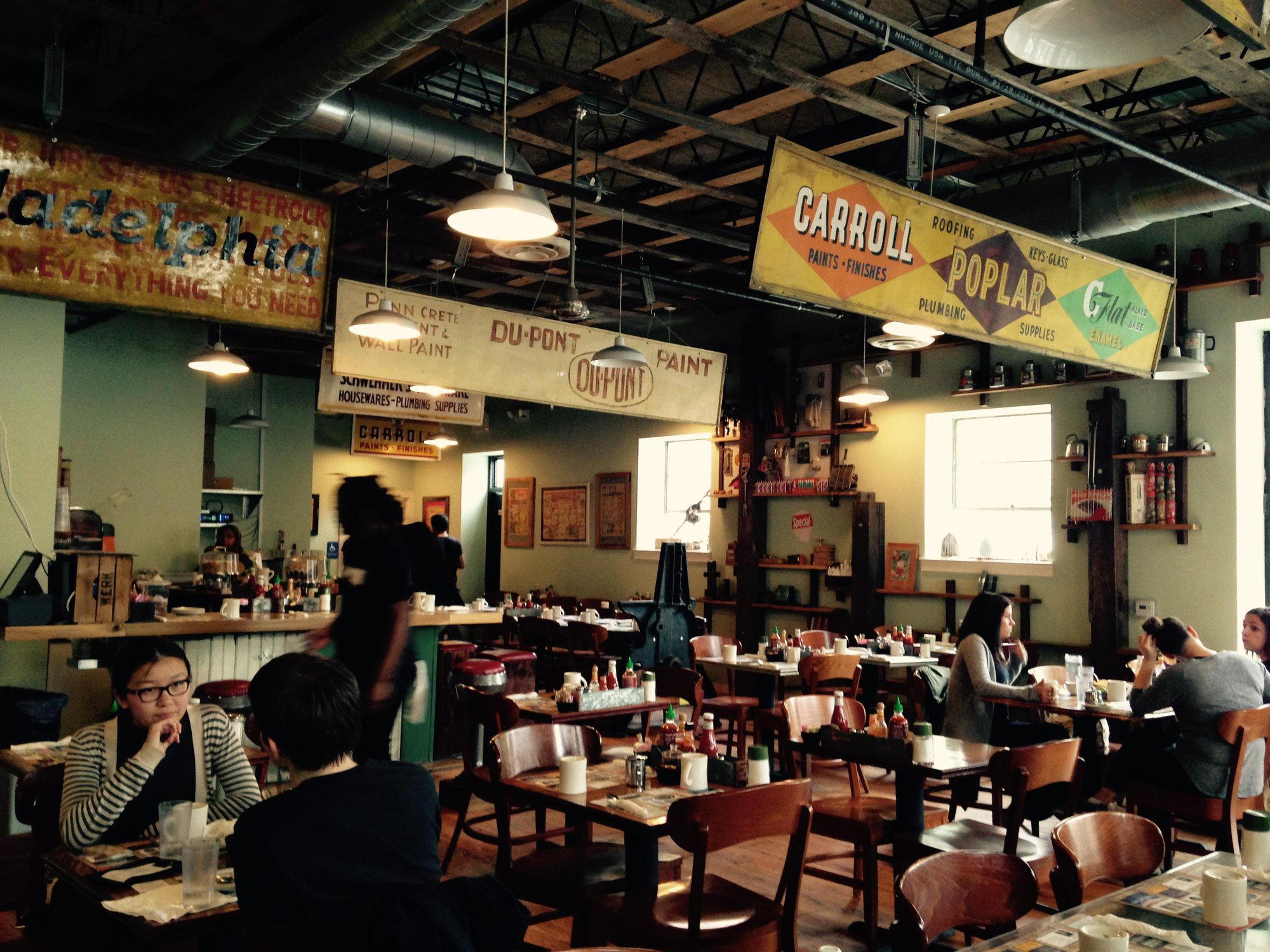
Restaurants in Philadelphia
Browse all →
Details
- Cozy
- Classic
- Casual Hangout
- Brunch
- Standalone
- Seated Bar
- Lounge Seating
- Craft Cocktails
Current opening hours
- Monday
- 8 AM–3 PM
- Tuesday
- 8 AM–3 PM
- Wednesday
- 8 AM–3 PM
- Thursday
- 8 AM–3 PM
- Friday
- 8 AM–3 PM
- Saturday
- 8 AM–2 PM
- Sunday
- 8 AM–2 PM
Hours can change for holidays and private events. Last verified .
Cozy and comfortable with warm welcoming experiences and great ambiance.