Doom Bar
Doom Bar occupies a distinct corner of Philadelphia's bar scene, pairing a heavy-metal aesthetic with a serious drinks program built around whiskey, mezcal, and craft beer. The food menu goes further than most bars at this register, with bone marrow among the offerings that signal genuine kitchen ambition. It sits in the city's growing tier of bars where atmosphere and substance arrive in equal measure.
Pearl is the En Primeur Club membership app — saves, bookings, and concierge access live there. Same editors, same standards.
- Address
- Philadelphia, United States
- Directions
- Get directions
 Saves & bookings on Pearl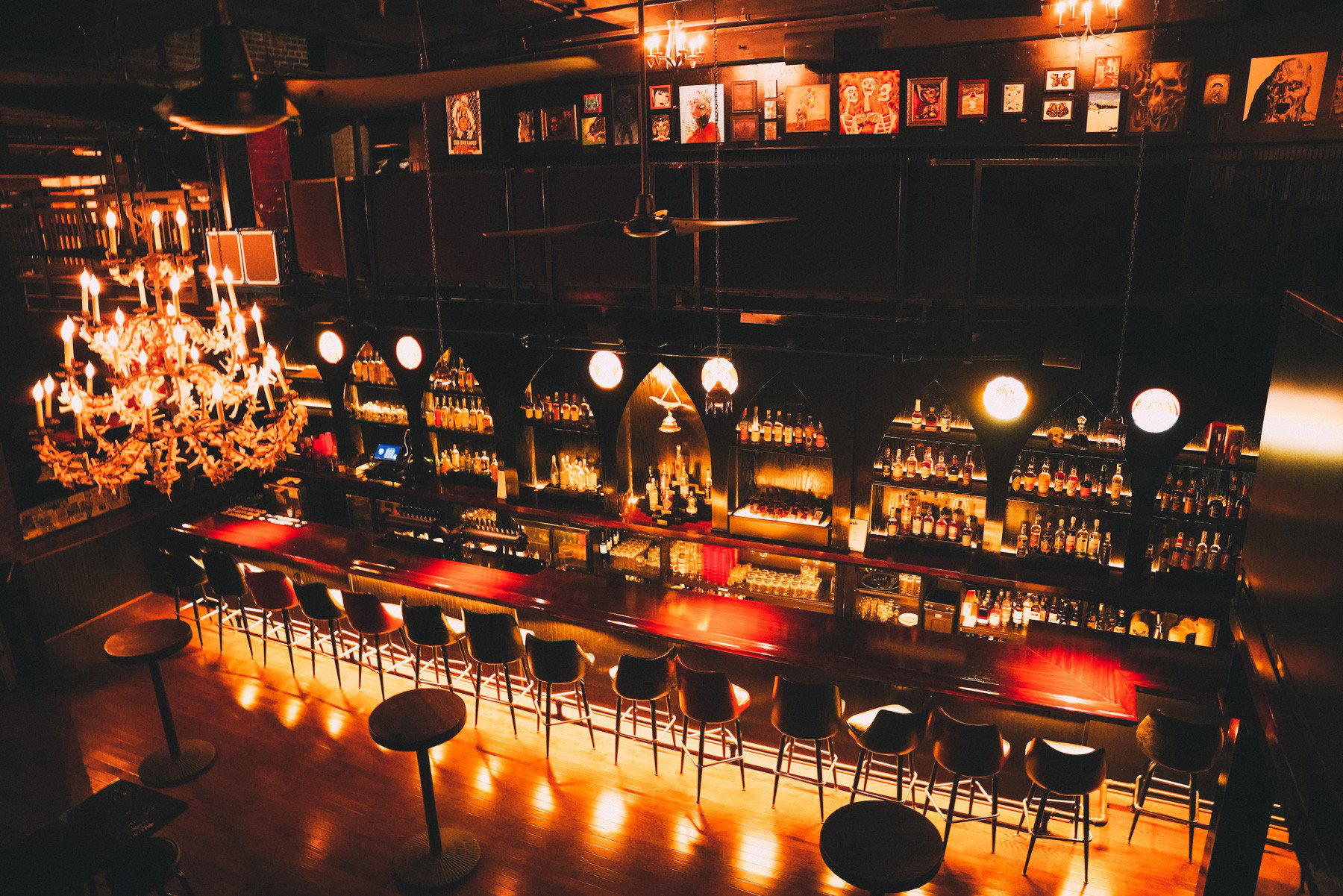
Volume, Weight, and the Case for Heavy Metal Hospitality
Philadelphia's bar culture has always tolerated extremes. The city that gave the country dive bars of genuine character and cocktail rooms of considered restraint has also made space for something harder to classify: venues where the aesthetic is confrontational but the hospitality is not. Doom Bar belongs to that category. Before you order anything, the environment makes its position clear. The sound runs loud and deliberate, the visual language borrows from metal iconography, and the general atmosphere is closer to a record store that serves drinks than to a polished cocktail lounge. That is precisely the point.
Heavy-metal theming in bars tends to fall into two traps: it either becomes a novelty costume worn over a generic concept, or it alienates anyone who didn't grow up with the genre. Doom Bar threads between those failure modes by pairing the aesthetic with a drinks selection that has genuine range. Whiskey and mezcal form the spine of the program, and the beer list adds further depth. None of those categories is an afterthought in a bar operating at this register in Philadelphia, where the competition for serious drinkers is real, see 12 Steps Down for what stripped-back, serious drinking looks like without any thematic dressing, or 1501 Passyunk Ave for the neighborhood-bar model done with editorial intention.
The Drinks Program: Where the Aesthetic Earns Its Keep
Whiskey selection in a bar of this type functions as the primary credibility signal. Mezcal functions as a second axis, and its inclusion alongside whiskey places Doom Bar in a specific subset of American bars that run parallel spirit programs rather than organizing around a single category. That structural choice has become more common across American bar culture over the past decade, as the audience for aged spirits has expanded and the line between whiskey bars and agave bars has blurred. Julep in Houston operates with a deep whiskey focus and shows what that single-category commitment looks like at its leading; Kumiko in Chicago demonstrates how a hyper-considered Japanese-influenced spirits program can anchor an entire room. The bar's approach is less singular in its focus, offering breadth across categories rather than depth in one.
Beer sits alongside whiskey and mezcal as a third program element rather than a concession to guests who don't drink spirits. In Philadelphia, that positioning matters. The city has an active craft beer culture, and a bar that treats beer as equal to its spirits program is making a specific claim about its audience. Venues like Sacred Vice Brewing's Berks taproom illustrate how seriously Philadelphia takes the beer-and-vinyl intersection. The bar's approach to that overlap through the heavy-metal lens is a different execution of a similar instinct: that music, atmosphere, and drinking are a single experience rather than separate departments.
The Kitchen, and What Bone Marrow Signals
Full food menus in bar settings have become a point of differentiation in American cities where rising costs pressure operators to generate revenue across more dayparts. What separates bars with genuine kitchen programs from bars that serve food out of necessity is usually visible in a single menu item. Bone marrow as a bar offering is a specific choice: it requires sourcing, preparation time, and a kitchen with actual capacity. It also signals a bar thinking about its food program as complementary to the spirits list rather than incidental to it. The fat richness of bone marrow against the smoke and heat of mezcal is not an accidental pairing. Whether the bar programs that relationship explicitly or intuitively is less important than the fact that the kitchen is capable of producing it.
For context on what ambitious bar kitchens look like in American cities at this level, Jewel of the South in New Orleans runs a program where food and drinks are deeply integrated, and ABV in San Francisco has operated with serious food ambitions alongside a strong spirits list. The bar's full menu positions it within that broader American pattern of bars where eating is a genuine option, not an afterthought.
Philadelphia Context: Where This Fits
The city's bar scene has stratified considerably over the past decade. There is a tier of technically precise cocktail programs, a tier of neighborhood bars with strong local followings, and a growing middle tier of venues with distinct identities that don't fit neatly into either category. The bar occupies that third tier. Its identity is specific enough to self-select its audience, which is both an advantage and a constraint: the people who find it tend to find it intentionally, which produces a room with stronger cultural coherence than a venue trying to appeal broadly.
That specificity is increasingly how Philadelphia's more interesting bars are differentiating themselves. 48 Record Bar operates at the music-and-drinks intersection with its own defined aesthetic. 637 Philly Sushi Club has built a distinct identity around an unconventional concept. These are not interchangeable venues, and the bar belongs in that cohort of Philadelphia bars where the concept does real work in shaping the experience.
Compared to bars at the more polished end of the American cocktail spectrum, Bar Leather Apron in Honolulu, Superbueno in New York City, or The Parlour in Frankfurt, the bar operates with a different set of priorities. Atmosphere and identity carry as much weight as technical execution, which is not a lesser standard but a different one. The comparison matters for calibrating expectations: this is a bar where the room is part of the drink.
Visiting: What to Know
The bar is walk-in friendly and priced around $25 per person. Walk-ins are part of the intended experience. The kitchen serves more than bar snacks, with bone marrow among the offerings.
Comparable Venues
Comparable venues nearby, for context on price, style, and recognition.
| Venue | Cuisine | Price | Notes |
|---|---|---|---|
| Doom BarThis venue — the venue you are viewing | pub | $$ | Not listed |
| The Bottle Shop | beer_bar | $$ | East Passyunk Crossing |
| Standard Tap | pub | $$ | Northern Liberties |
| El Techo | rooftop_bar | $$ | Rittenhouse Square |
| Writer's Block Rehab | cocktail_bar | $$ | Gayborhood |
| Renata's Kitchen | cocktail_bar | $$ | University City |
Continue exploring
More in Philadelphia
Bars in Philadelphia
Browse all →
Restaurants in Philadelphia
Browse all →
At a Glance
- Lively
- Energetic
- Industrial
- Rustic
- Late Night
- Group Outing
- Casual Hangout
- Live Music
- Craft Cocktails
- Craft Beer
Moody with gothic aesthetics, black brick facade, hard rock dungeon vibes, and heavy metal soundtrack creating an immersive heavy metal temple.