Wine Dive
Wine Dive sits in Philadelphia's wine bar circuit as a relaxed, accessible counterpoint to the city's more formal drinking rooms, a place built around casual glasses and small plates rather than ceremony. The format fits a broader shift in how the city's bar culture has repositioned wine as an everyday proposition rather than an occasion drink. Expect an approachable setting with cocktails alongside the wine list.

Pearl is the En Primeur Club membership app — saves, bookings, and concierge access live there. Same editors, same standards.
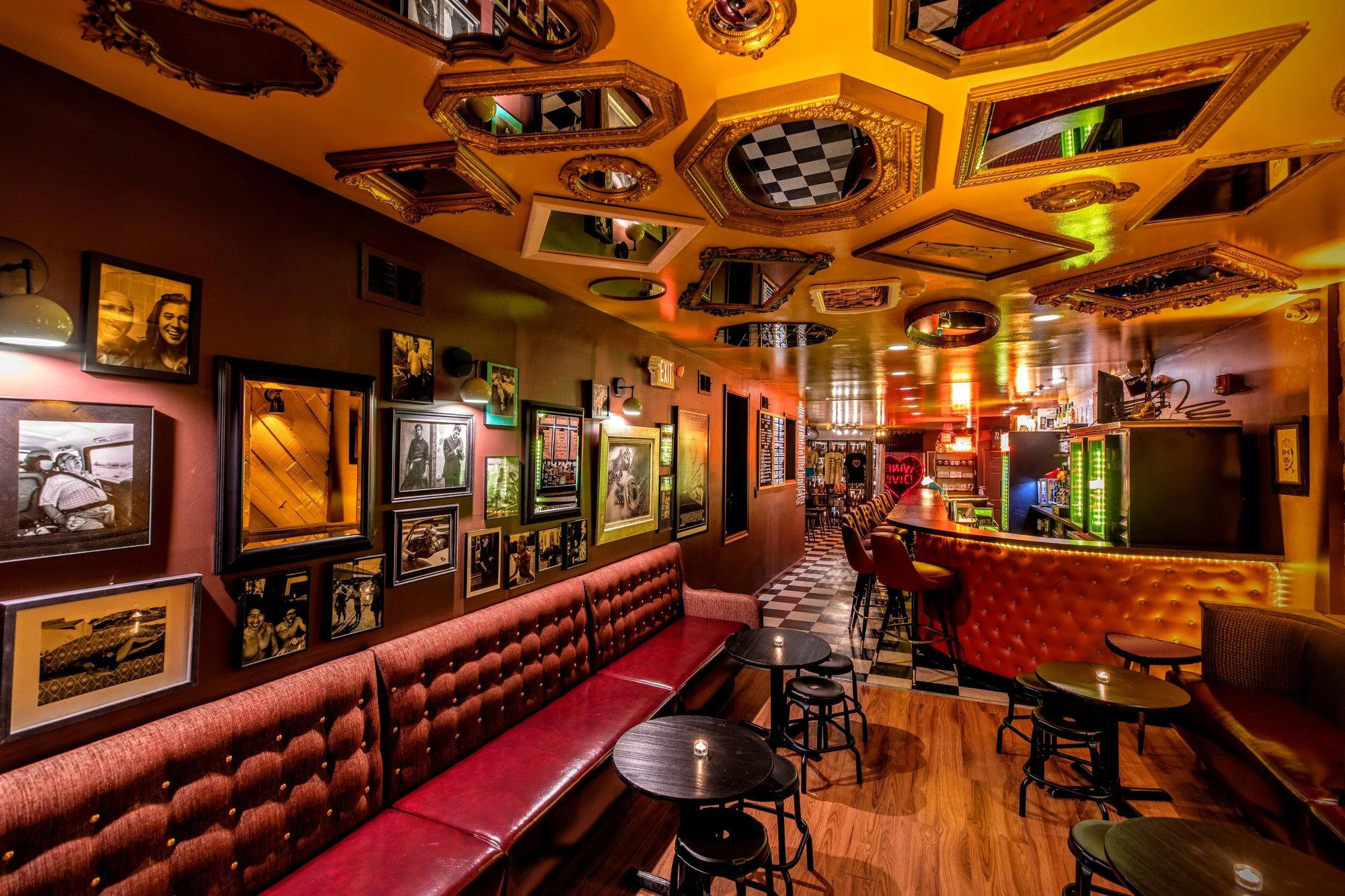
Philadelphia's Casual Wine Bar Tier
Wine Dive is a casual wine bar in Philadelphia, priced at about $25 per person, serving cocktails and small plates. The cocktail-forward rooms have grown more technically ambitious, 12 Steps Down and 1501 Passyunk Ave represent different ends of that spectrum, while a parallel tier of wine bars has established itself as the city's default for after-work drinking that doesn't demand full dinner commitment. Wine Dive operates within this second tier, where the format is less about wine education and more about the glass-in-hand ease that has replaced the sommelier-heavy model of an earlier era.
That shift matters as context. Through the mid-2010s, wine bar culture in American cities tended to present itself with some degree of ceremony: curated lists, trained staff delivering producer notes, modest plate portions with significant markups. The following decade saw that model challenged by venues that treated wine as a beverage rather than a performance. Wine Dive's name itself signals the positioning, a deliberate collision of two categories, the serious and the unpretentious, which has become a recognizable format across Philadelphia's neighborhoods, from Fishtown to South Street and beyond.
The Setting and What It Signals
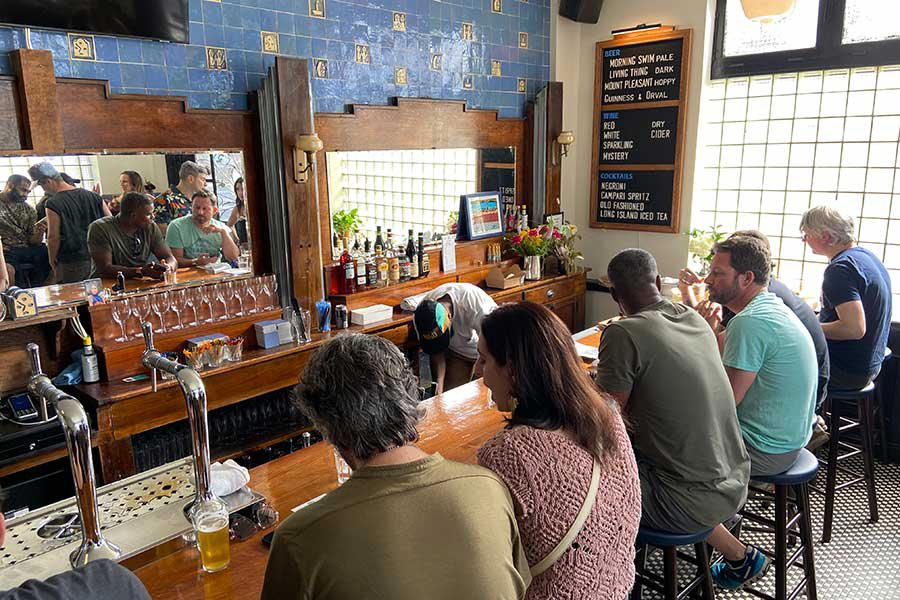
The "dive" framing in a wine bar context is, by now, a studied aesthetic choice rather than an accident of décor. Across American cities, a specific visual language has emerged for this category: low lighting, mismatched seating, a backbar that prioritizes accessibility over display. Kumiko in Chicago and ABV in San Francisco each occupy adjacent territory in their respective cities, technically serious programs worn casually. The bar fits into that broader pattern: the casualness is the point, not a concession.
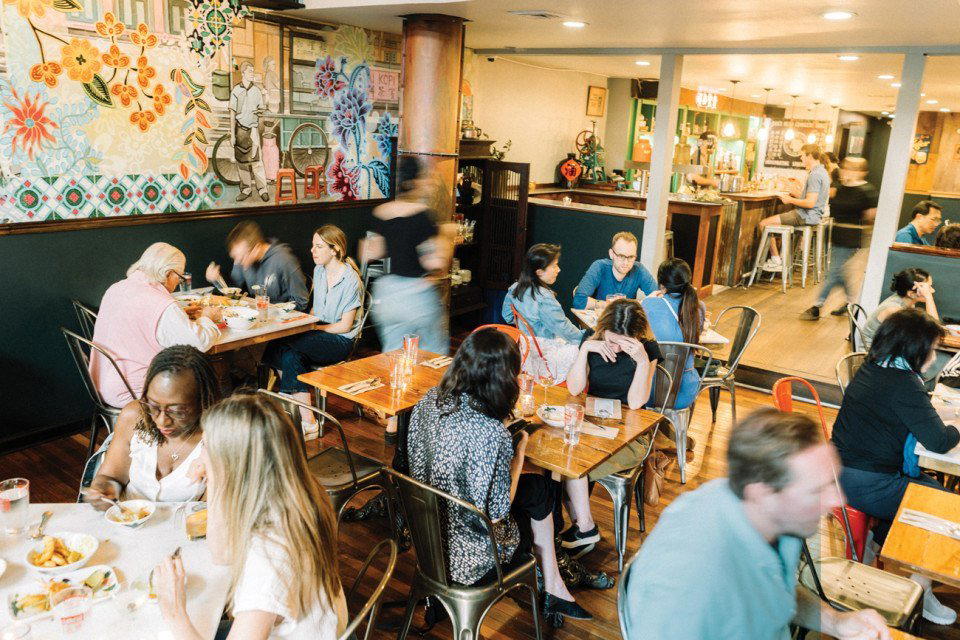
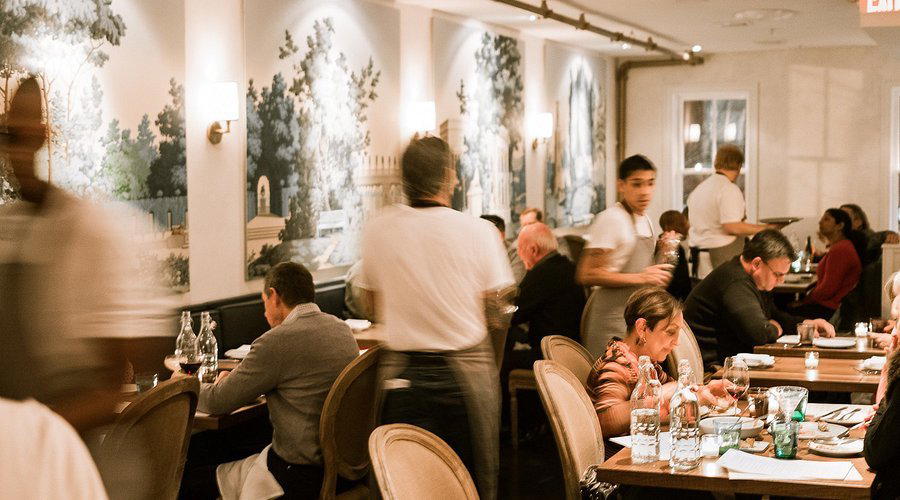
Physically, the space reads as a neighborhood room first. The small plates component keeps the kitchen light and the pace manageable, which suits venues that want to hold guests for two hours rather than four. The cocktail offer alongside wine is a practical decision common to this format, it allows the room to function for guests who arrive without a strong preference, and it widens the booking appeal without requiring a full bar program of the kind that defines dedicated cocktail venues like Jewel of the South in New Orleans or Julep in Houston.
How the Format Has Evolved
The wine-bar-with-small-plates format the bar inhabits has undergone meaningful revision since its early iterations in American cities. The first wave, roughly 2005 to 2015, leaned on European models, Spanish tapas bars and Italian enotecas provided the template, and American versions often imported not just the food but the formal attitude toward the wine list. A producer-led list organized by region, heavy on Old World bottles, was the default.
The second wave moved away from that. Venues began treating the wine list as a rotating, lower-barrier selection where natural and low-intervention wines sat beside approachable conventional bottles, and where by-the-glass pours were priced to encourage exploration rather than reward commitment. The small plates shifted accordingly, lighter preparations, shared formats, items designed to accompany rather than anchor. Philadelphia's neighborhood wine bar scene has largely followed this trajectory, and the bar sits within the more casual end of that evolved model.
For comparison across the country, the direction of travel is consistent: Bar Leather Apron in Honolulu and Superbueno in New York City each demonstrate how the cocktail-plus-food format has become the default for accessible premium drinking, even when the specific categories differ. The convergence is structural, fewer venues commit to a single-category identity when a hybrid approach sustains a broader crowd through the week.
Philadelphia Peers and the Competitive Position
Within Philadelphia specifically, the bar competes in a segment that includes Tria, a longer-established wine and beer bar that has historically anchored the more curated end of the accessible wine bar market, and newer entrants that have followed the casual-format playbook. The difference between Tria's model and the bar's implied positioning is partly one of formality and partly one of generation: Tria built its reputation on a structured educational approach to wine and beer pairing, while the dive-bar framing signals a deliberate departure from that register.
Venues like 48 Record Bar and 637 Philly Sushi Club illustrate how Philadelphia's secondary drinking venues have diversified their identities through format hybridity, music programming, food concepts, and beverage programs layered into a single room. The bar operates in that same hybrid space, where the wine-plus-cocktails-plus-small-plates combination serves as both a practical business model and a legible identity signal to the city's neighborhood bar audience.
Almanac and Next of Kin represent adjacent options for guests whose priority is cocktail craft over wine depth: Almanac's Japanese-influenced fermentation program and Next of Kin's direct cocktails-and-snacks format both occupy the same approachable price tier, which tells you something about where the competitive pressure sits in this segment of Philadelphia's bar market. The Parlour in Frankfurt offers a useful international reference point for how this wine-bar-plus-cocktails format translates into European contexts, where the small-plates component carries different cultural weight.
Planning a Visit
The bar functions as a neighborhood bar rather than a destination venue, which shapes how you should approach it. The format, wine, cocktails, small plates, is built for flexibility: a stop before dinner, a post-dinner drink, or an evening that extends across several glasses without demanding a fixed reservation structure. Philadelphia's bar culture at this tier generally operates on a walk-in basis, making the bar a practical option for evenings when the more bookings-heavy rooms in the city are unavailable.
A Credentials Check
Comparable venues nearby, for context on price, style, and recognition.
| Venue | Cuisine | Price | Notes |
|---|---|---|---|
| Wine DiveThis venue — the venue you are viewing | wine_bar | $$ | Not listed |
| Charlie was a sinner. | cocktail_bar | $$ | Washington Square West |
| 12 Steps Down | dive_bar | $$ | Bella Vista |
| Sacred Vice Brewing – Berks | beer_bar | $$ | West Kensington |
| Balcony Bar | rooftop_bar | $$ | Avenue of the Arts |
| Bok Bar | rooftop_bar | $$ | Greenwich |
Continue exploring
More in Philadelphia
Bars in Philadelphia
Browse all →
Restaurants in Philadelphia
Browse all →
At a Glance
- Cozy
- Trendy
- Retro
- After Work
- Casual Hangout
- Standalone
- Lounge Seating
- Natural Wine
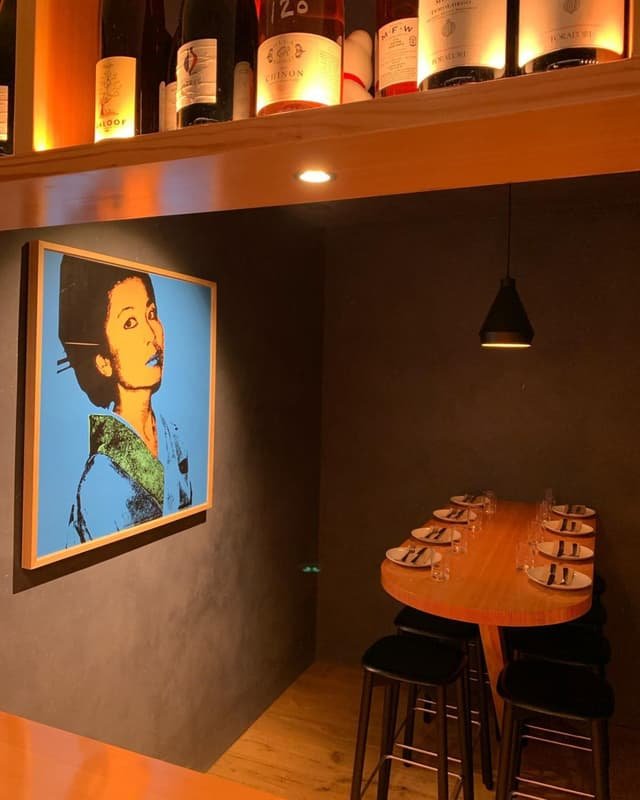
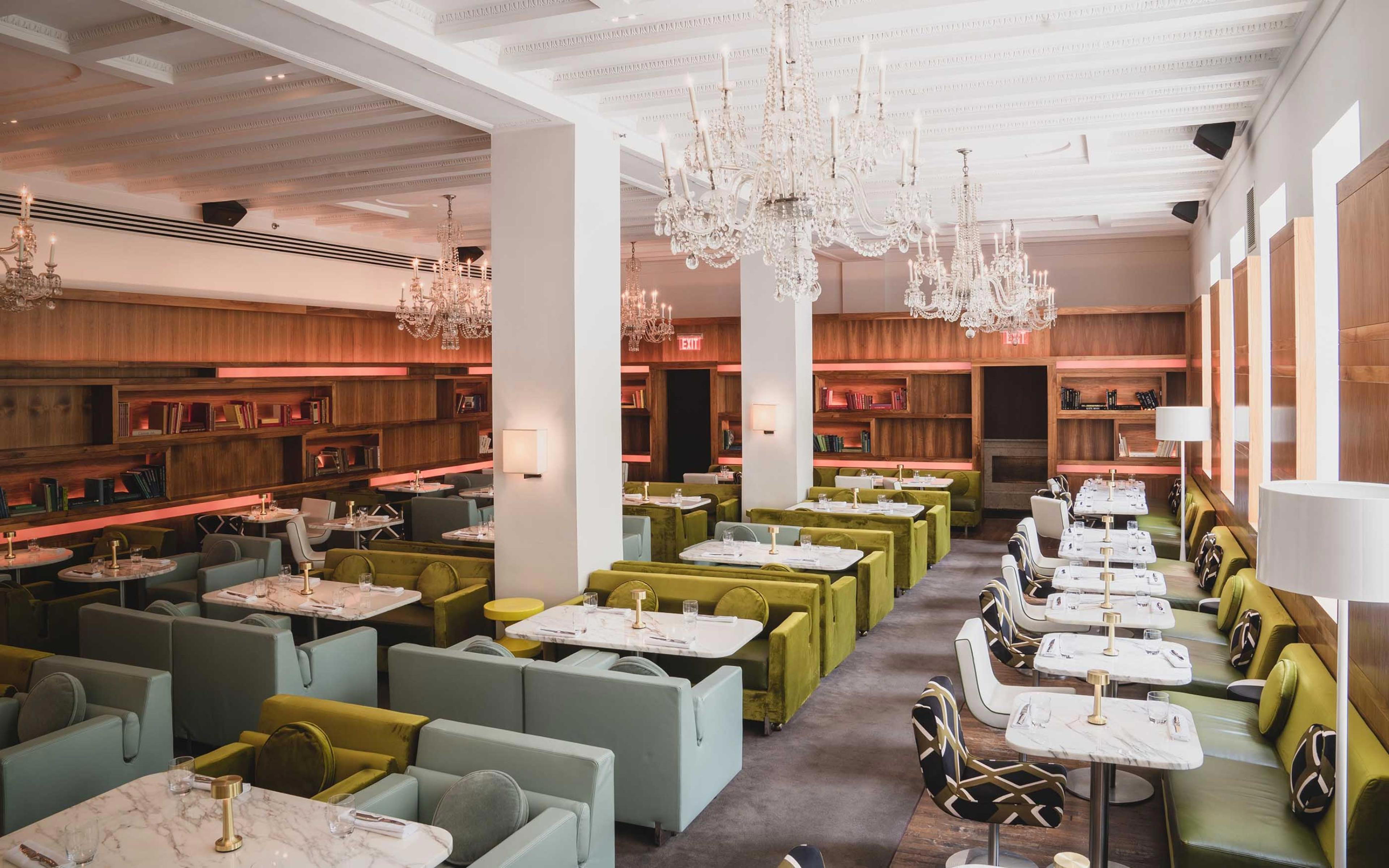
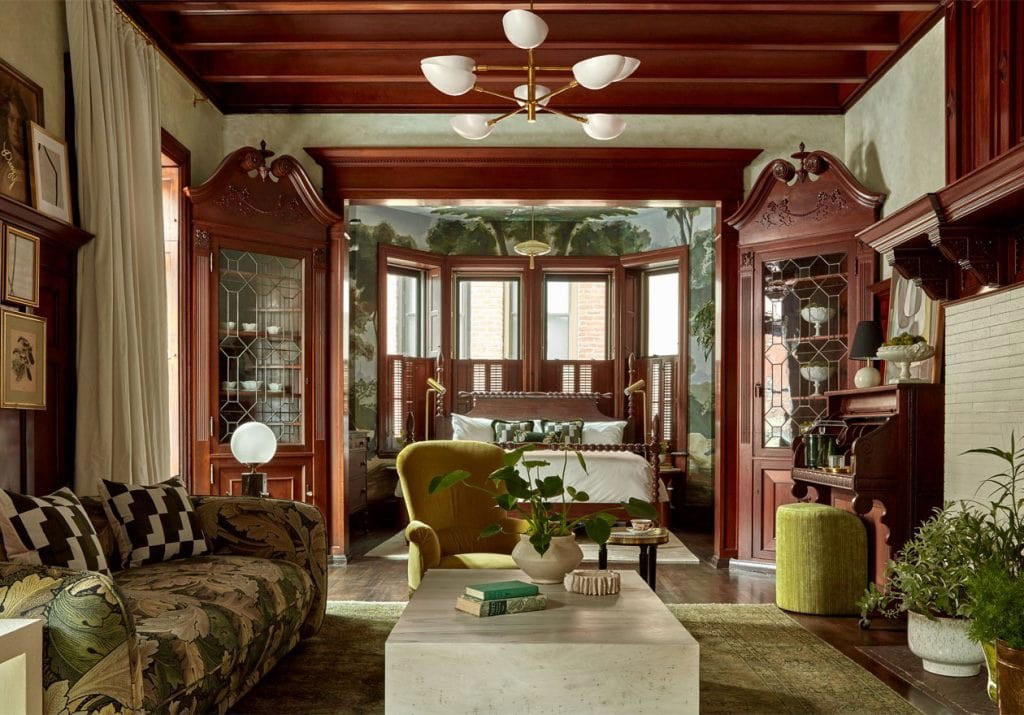
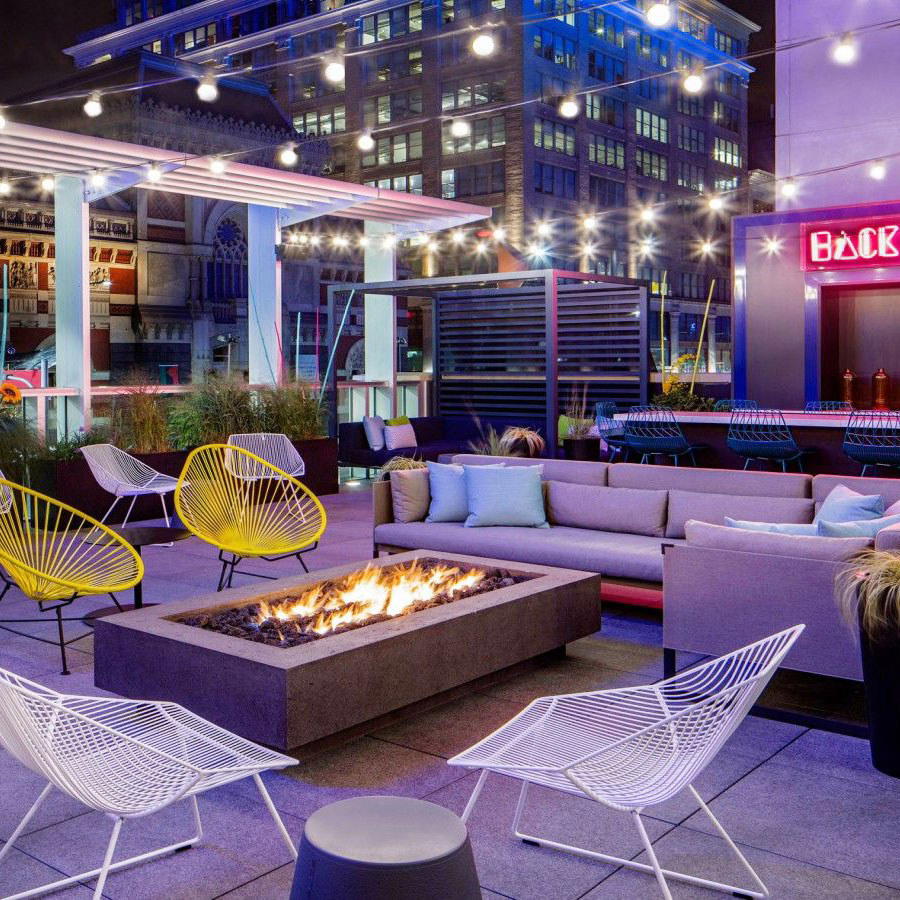
Loungey, retro space with nice decor, fun music, and a boisterous, casual hangout vibe.