The Canal Club
The Canal Club on North Scottsdale Road occupies a stretch of Old Town where the drinking culture skews local and the room rewards familiarity. Regulars return for the cocktail program and the kind of atmosphere that doesn't announce itself. A reliable anchor in a neighbourhood of short-lived concepts, it earns repeat visits rather than first-timer fanfare.

Pearl is the En Primeur Club membership app — saves, bookings, and concierge access live there. Same editors, same standards.
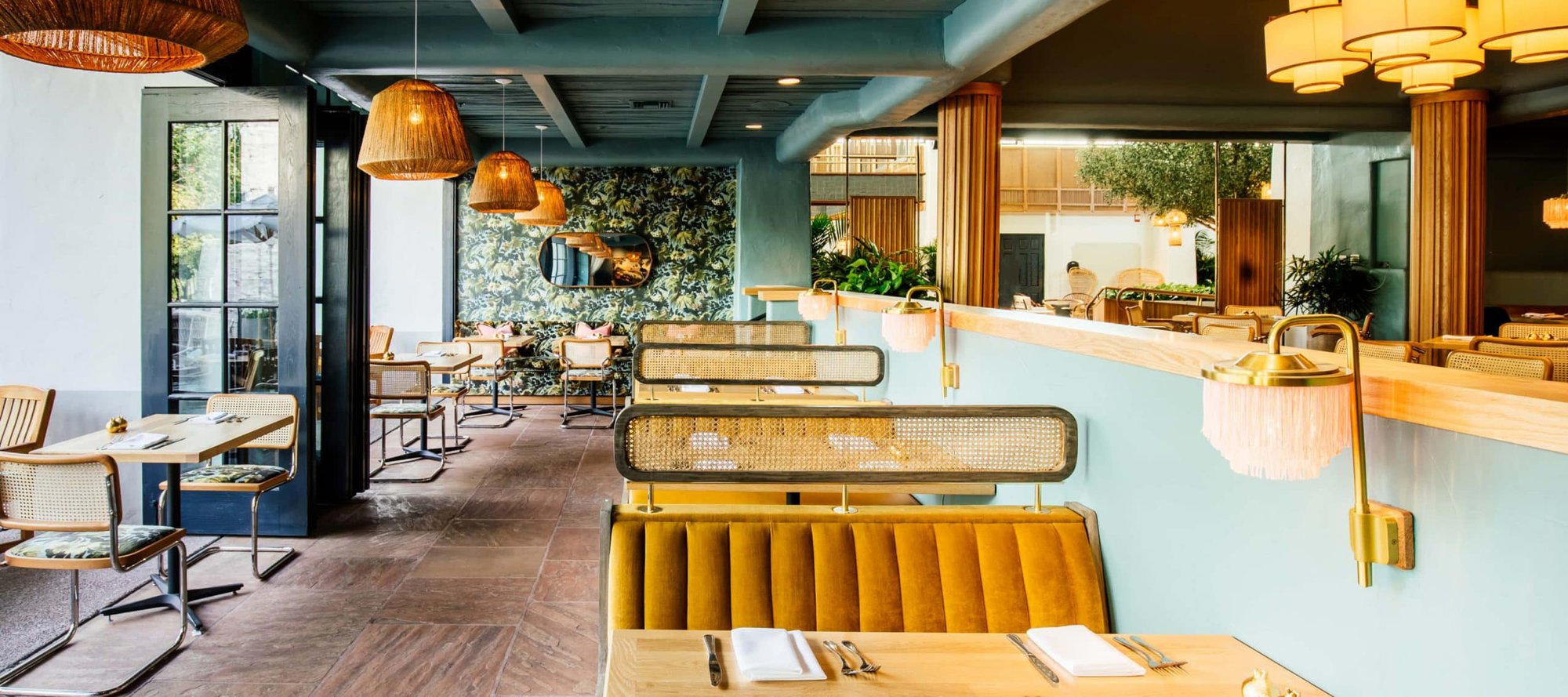
What the Room Feels Like Before You Order
Old Town Scottsdale has cycled through dozens of concepts along North Scottsdale Road, each one promising something new, most of them lasting two seasons before the lease turns over. The Canal Club at 4925 N Scottsdale Rd sits in this context not as a newcomer making noise but as a place that has settled into its block with the low-key confidence of a venue that knows its crowd. The name itself is a clue: Scottsdale's historic canal system runs through the city's identity, and a bar that borrows that reference is signalling allegiance to the place rather than to a trend.
The approach to the venue sets the tone. Along this stretch of Scottsdale Road, the architecture tends toward the exposed and the sun-bleached, and the bars that survive are the ones that create a temperature drop the moment you step inside, both literal and social. The Canal Club functions in that tradition: a room that exists to be occupied rather than photographed, where the value proposition is the drink in your hand and the conversation it enables, not the backdrop for a content post.
Who Keeps Coming Back, and Why
In Scottsdale's bar scene, the gap between a first visit and a regular is determined by whether the room has an unwritten menu: the bartender who remembers your preference, the stool that's understood to be yours on a Thursday, the pour that arrives slightly more generously than the menu suggests. These are the textures that distinguish a neighbourhood bar from a hospitality transaction, and they are precisely what keeps The Canal Club's repeat visitors oriented toward this address rather than the newer options opening around it.
Old Town supports a particular kind of drinker who has grown past the bachelorette-party crawl circuit and wants something with less performance involved. The Canal Club positions itself in that gap. Scottsdale's bar geography divides roughly between high-volume venues engineered for weekend surges and smaller, more consistent rooms that trade on regularity. The Canal Club belongs to the latter category, and that distinction matters when you're deciding how to spend a Tuesday evening versus a Saturday night. For the former, it's the kind of address you return to without making a reservation or a plan; for the latter, it holds its own without requiring you to shout across the room.
Comparable operations in other Sun Belt cities have proven this model sustainable. The cocktail bar as neighbourhood anchor, rather than destination attraction, has worked in markets like Houston, where Julep built its reputation on consistency and community, and in New Orleans, where Jewel of the South demonstrated that craft credentials and local loyalty can coexist. The Canal Club operates in that same register, scaled to Scottsdale's particular rhythms.
The Cocktail Bar Tradition It Fits Into
Arizona's cocktail culture has matured considerably over the past decade. Phoenix and Scottsdale now support a range of bar formats that would have been unusual fifteen years ago: serious spirit-forward programs, low-ABV menus, local distillery tie-ins, and bars that treat ice as a technical decision rather than an afterthought. The Canal Club operates within this broader shift without necessarily sitting at its avant-garde edge. That is not a criticism. Bars that anchor a neighbourhood do not need to be laboratories; they need to be consistent, legible, and worth returning to on a week-to-week basis.
The comparison set for a place like this in the craft cocktail world includes bars that have built reputations through program depth and earned loyalty rather than award cycles. ABV in San Francisco and Kumiko in Chicago represent the upper end of that spectrum, where technique and recognition intersect. Bar Leather Apron in Honolulu and Superbueno in New York City show what program-led bars look like when they embed themselves into a specific neighbourhood identity. The Canal Club's position in Scottsdale maps closer to the neighbourhood-identity end of that spectrum than the accolade end, which is a meaningful distinction for the reader deciding how to weight their evening.
Where It Sits in Old Town's Drinking Map
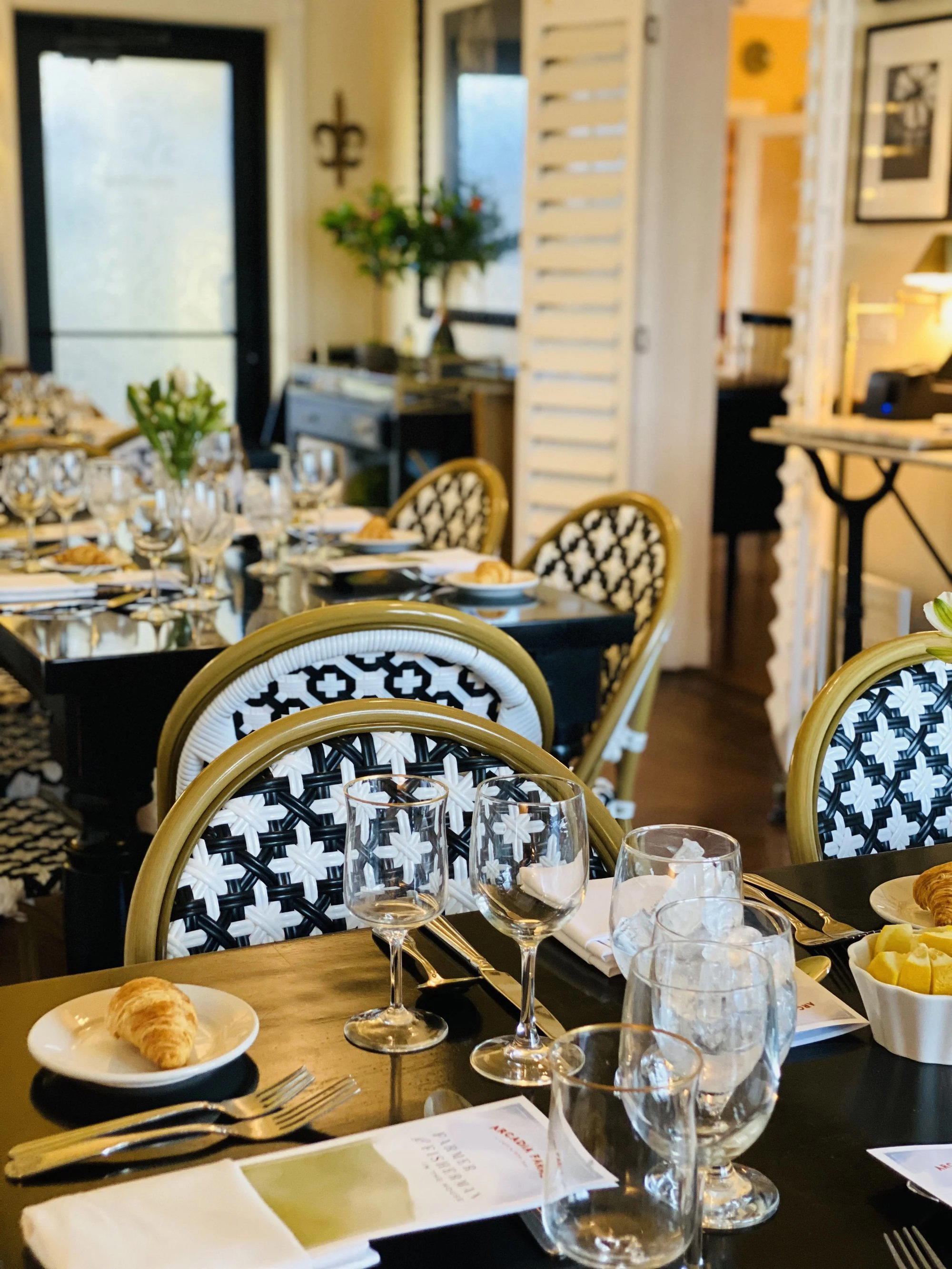
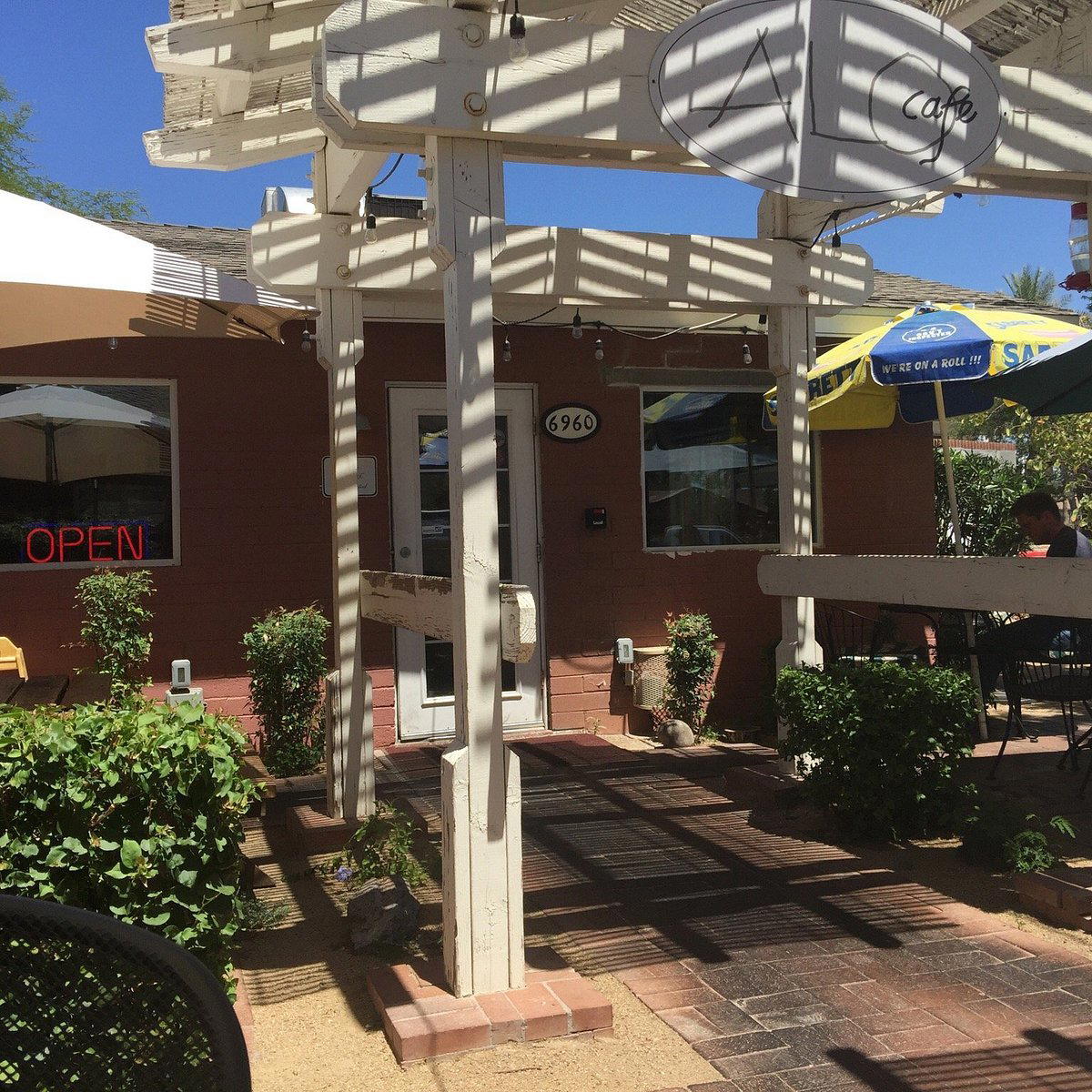
Old Town Scottsdale is dense with options across a compressed geography. The strip along and around Scottsdale Road offers everything from wine-focused cafes to sports bars, and the quality gap between them is significant. For context on the broader area, 7133 E Stetson Dr and the AC Lounge, which runs tapas-style small plates alongside local craft beers and handcrafted cocktails, represent adjacent options in the neighbourhood's mid-range bar tier. Alo Cafe and Arcadia Farms Cafe serve the daytime and transitional-hour crowd in ways that complement rather than compete with evening bar programs.
The Canal Club's address at 4925 N Scottsdale Rd puts it in the northern section of the Old Town core, a location that benefits from proximity to the area's foot traffic without being subsumed by the loudest parts of the weekend scene. For a fuller picture of how to structure a Scottsdale evening across categories, the EP Club Scottsdale guide maps the neighbourhood's dining and drinking across price tiers and formats.
Internationally, the bar-as-regular's-room model that The Canal Club represents has parallels that help calibrate expectations. The Parlour in Frankfurt demonstrates how a focused, consistent bar program can define a neighbourhood's drinking identity in a competitive market. The Canal Club operates on the same logic, applied to a Southwest city where the social rhythms around drinking skew toward outdoor-adjacent, year-round use.
Planning Your Visit
The Canal Club is located at 4925 N Scottsdale Rd, in the Old Town district, accessible by car with parking available along the Scottsdale Road corridor and in nearby lots. Old Town is also served by the Valley Metro light rail at the Scottsdale and McDowell or Thomas stations, though the walk from either is roughly ten minutes. For evening visits, Wednesday through Friday tends to offer the balance of energy and space that regulars favour; weekends bring higher volume and a slightly different crowd composition. Booking information and current hours are best confirmed directly with the venue ahead of your visit, as operating details for Old Town bars shift seasonally in response to Arizona's extreme summer heat.
Comparable Spots, Quickly
Comparable venues nearby, for context on price, style, and recognition.
| Venue | Cuisine | Price | Notes |
|---|---|---|---|
| The Canal ClubThis venue — the venue you are viewing | lounge | $30–50 | Not listed |
| AZ88 | cocktail_bar | $30–50 | Old Town Scottsdale |
| Brat Haus | beer_bar | $20–30 | Old Town Scottsdale |
| Roka Akor - Scottsdale | lounge | Not listed | Resort Corridor |
| Chula Seafood Grayhawk | pub | $30–50 | Grayhawk |
| MAYA Day + Night | Bar | $20–30 | Old Town Scottsdale |
Continue exploring
More in Scottsdale
Bars in Scottsdale
All bars in Scottsdale →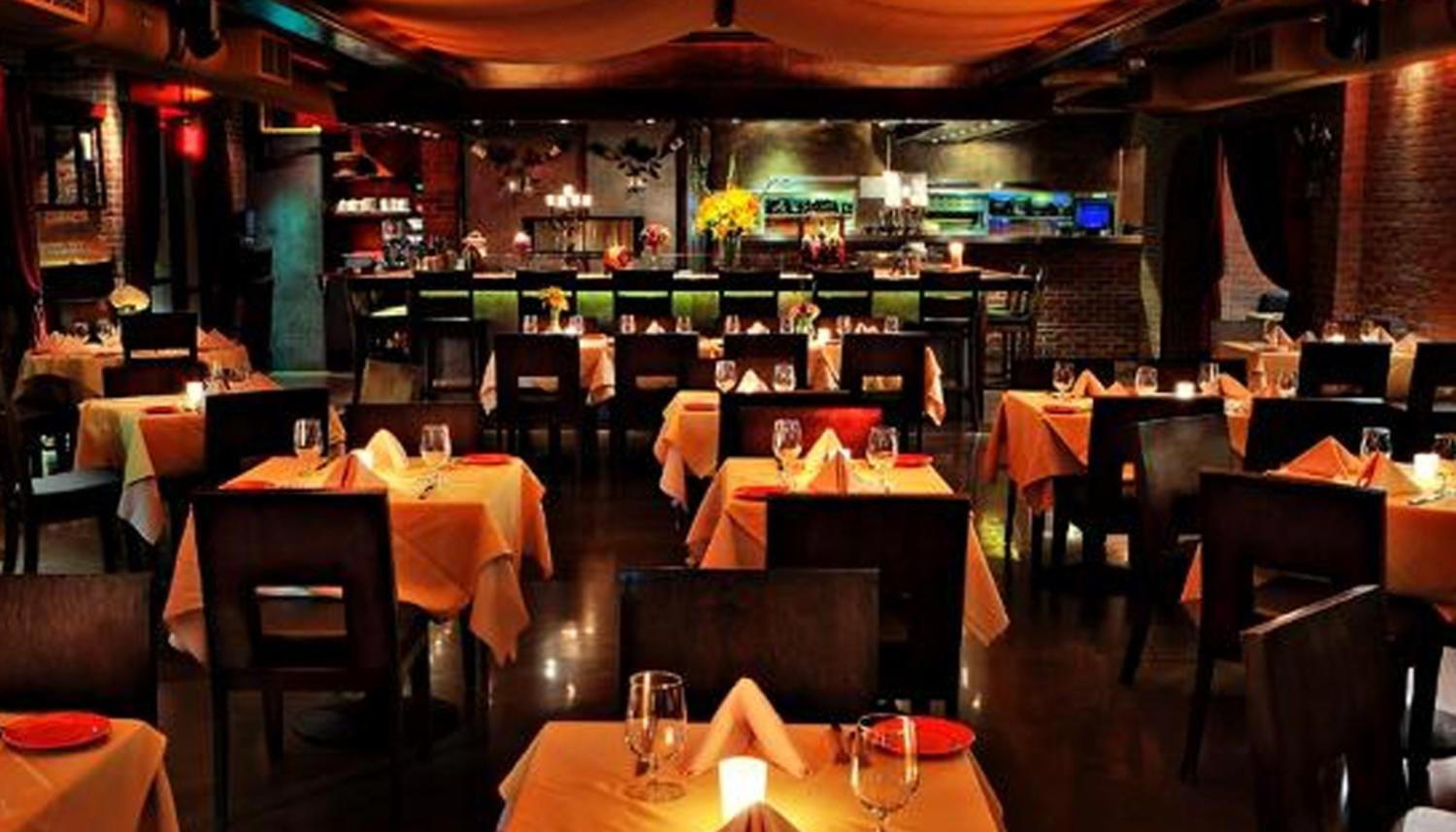
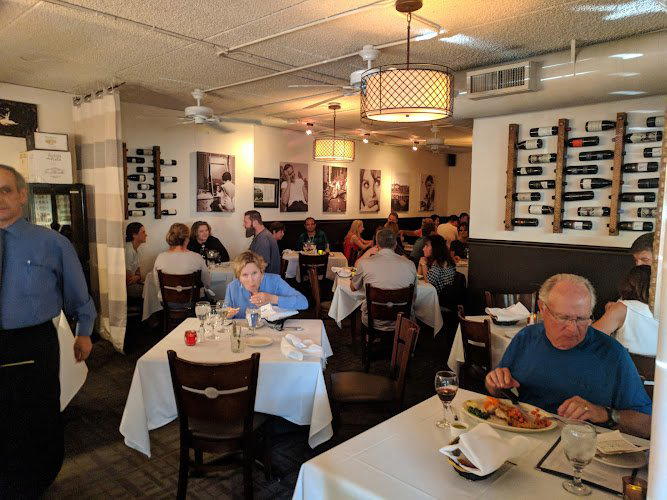
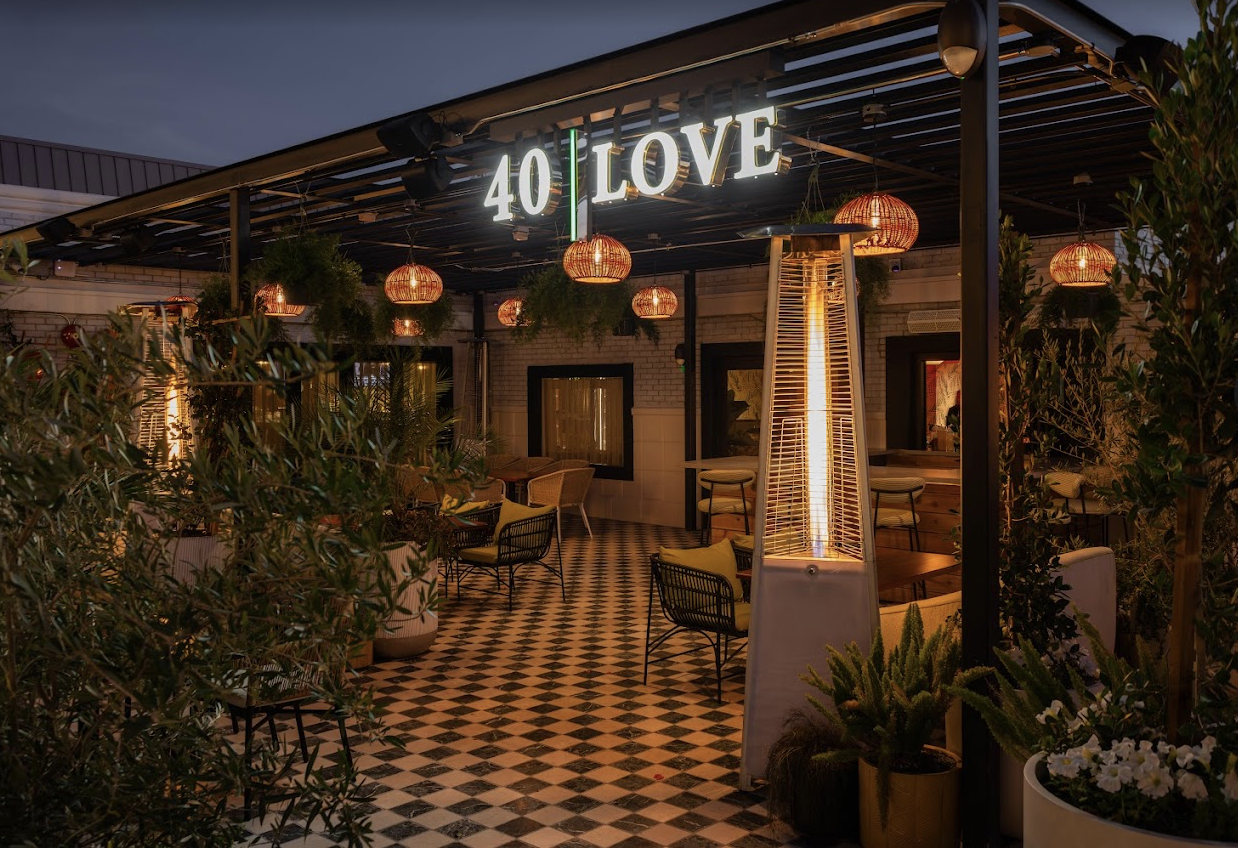
Restaurants in Scottsdale
All restaurants in Scottsdale →
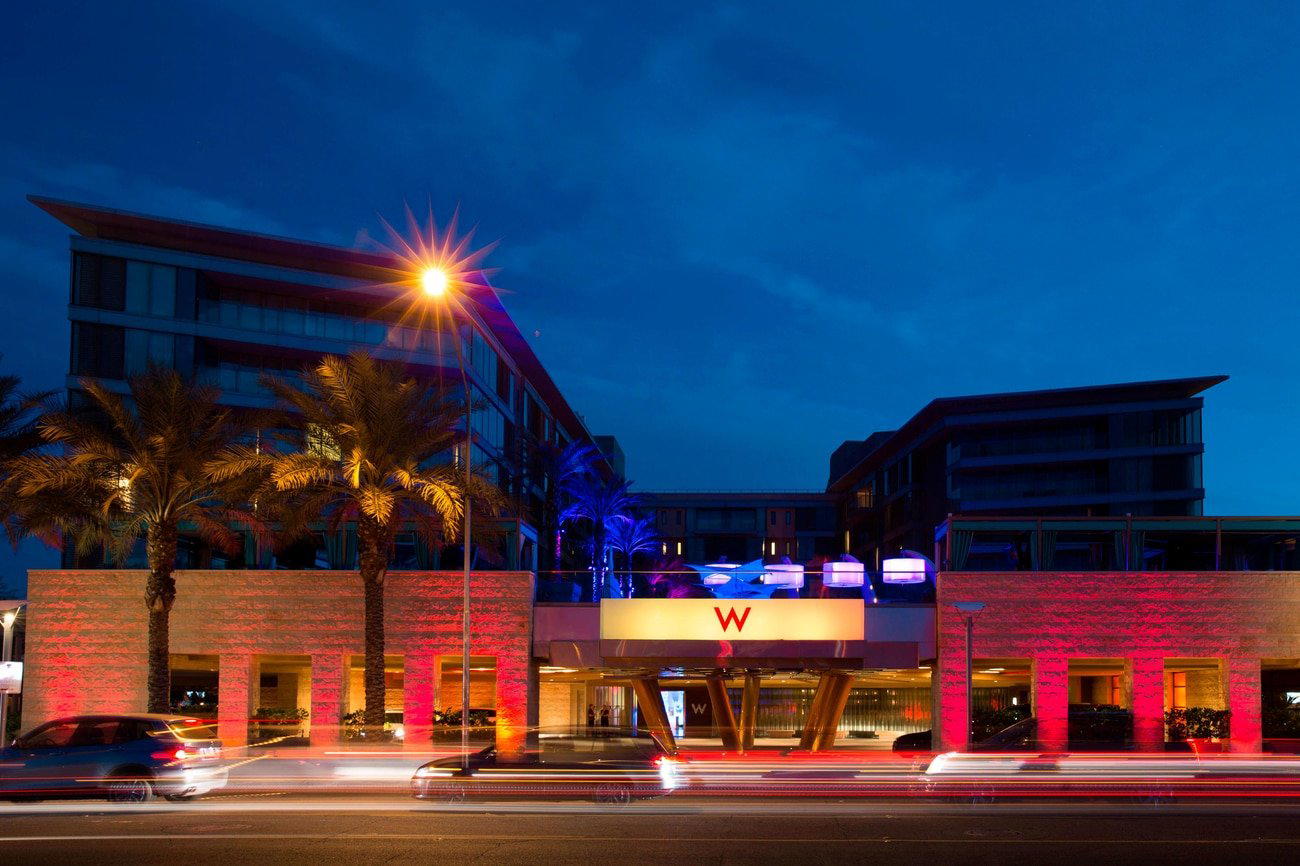
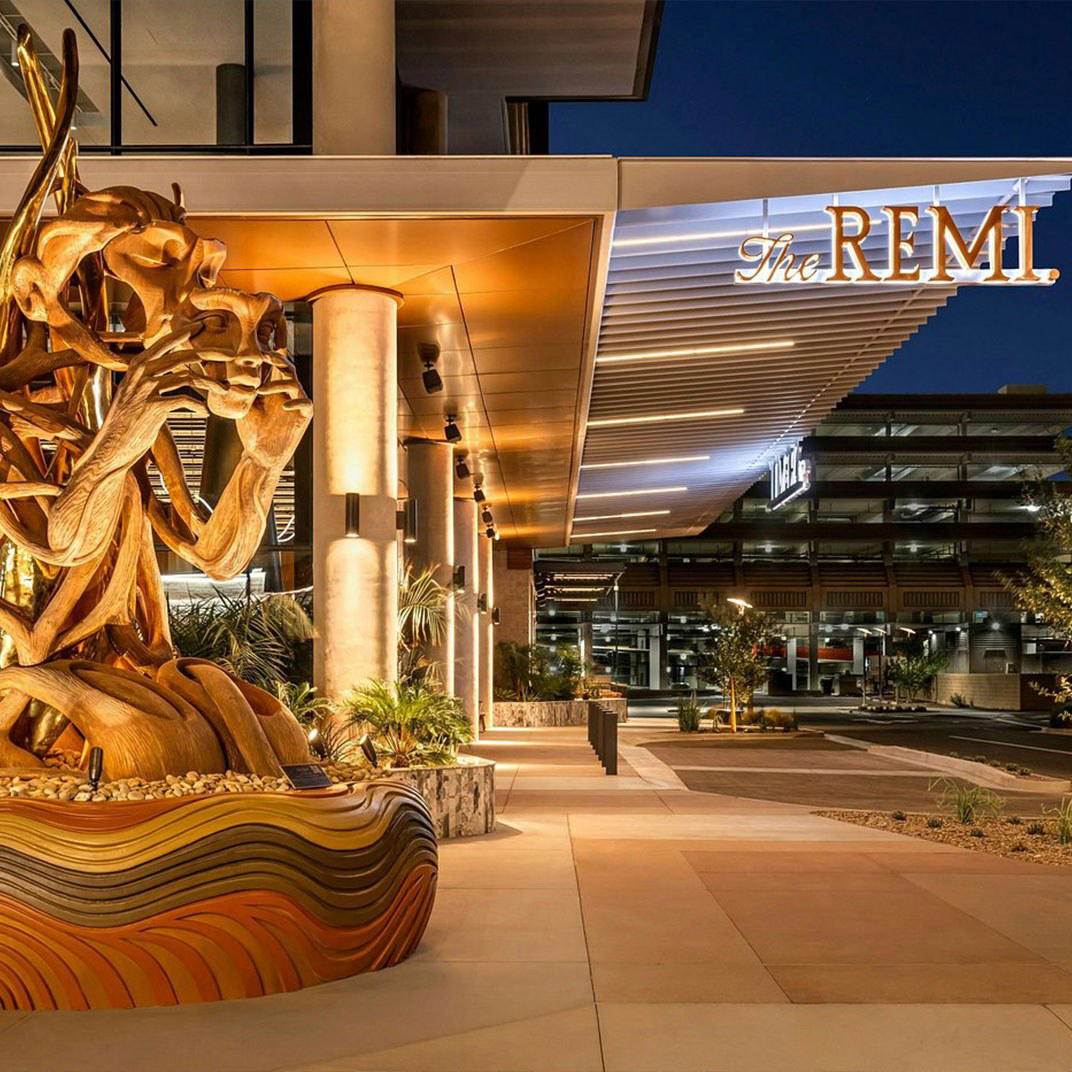
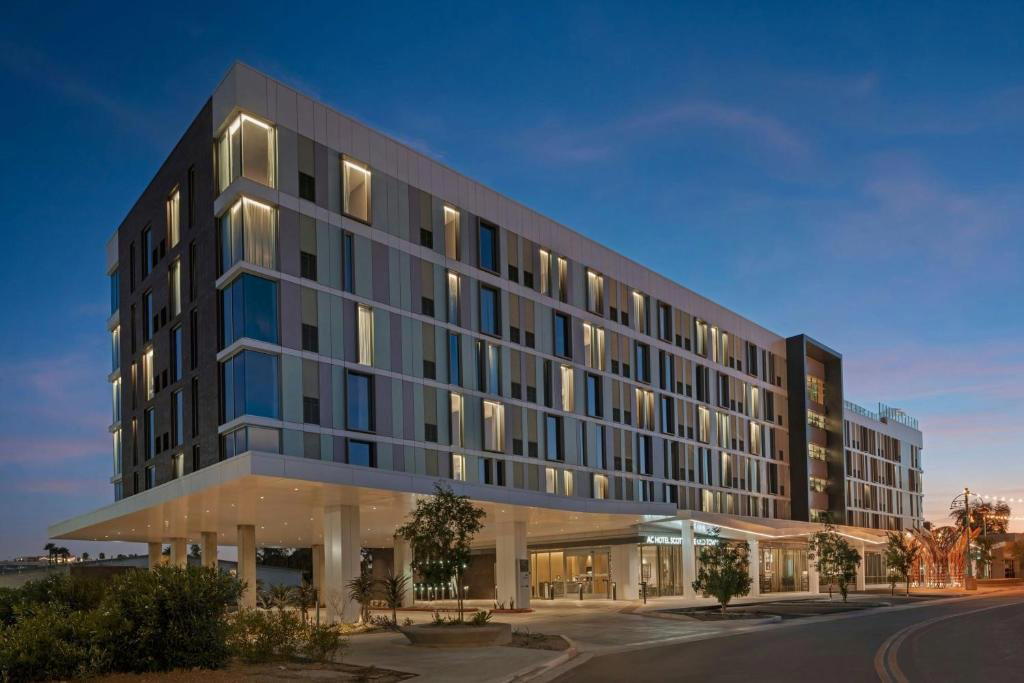
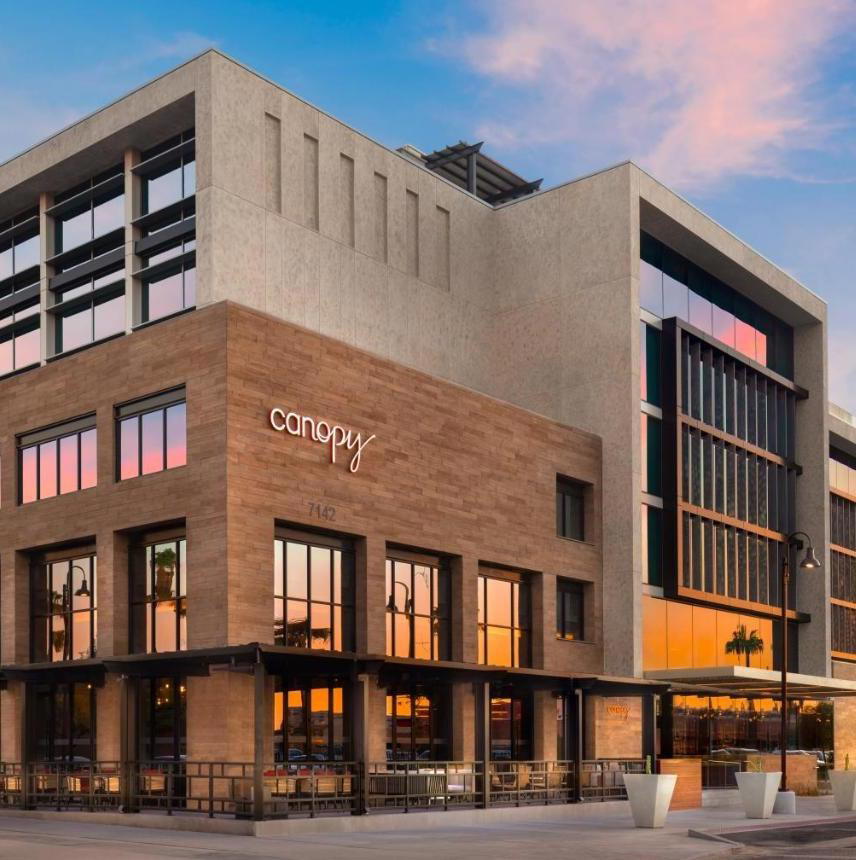
The Canal Club
The wine
- Wine program
- Curated wine list
- Craft cocktails
Signature drinks: Salt River Society, Letter to a Friend.
Details
- Lively
- Trendy
- Elegant
- Cozy
- Date Night
- Group Outing
- Casual Hangout
- Live Music
- Lounge Seating
- Outdoor Terrace
- Craft Cocktails
Current opening hours
- Monday
- 7 AM–10 PM
- Tuesday
- 7 AM–10 PM
- Wednesday
- 7 AM–10 PM
- Thursday
- 7 AM–10 PM
- Friday
- 7 AM–10 PM
- Saturday
- 7 AM–10 PM
- Sunday
- 7 AM–10 PM
Hours can change for holidays and private events. Last verified .
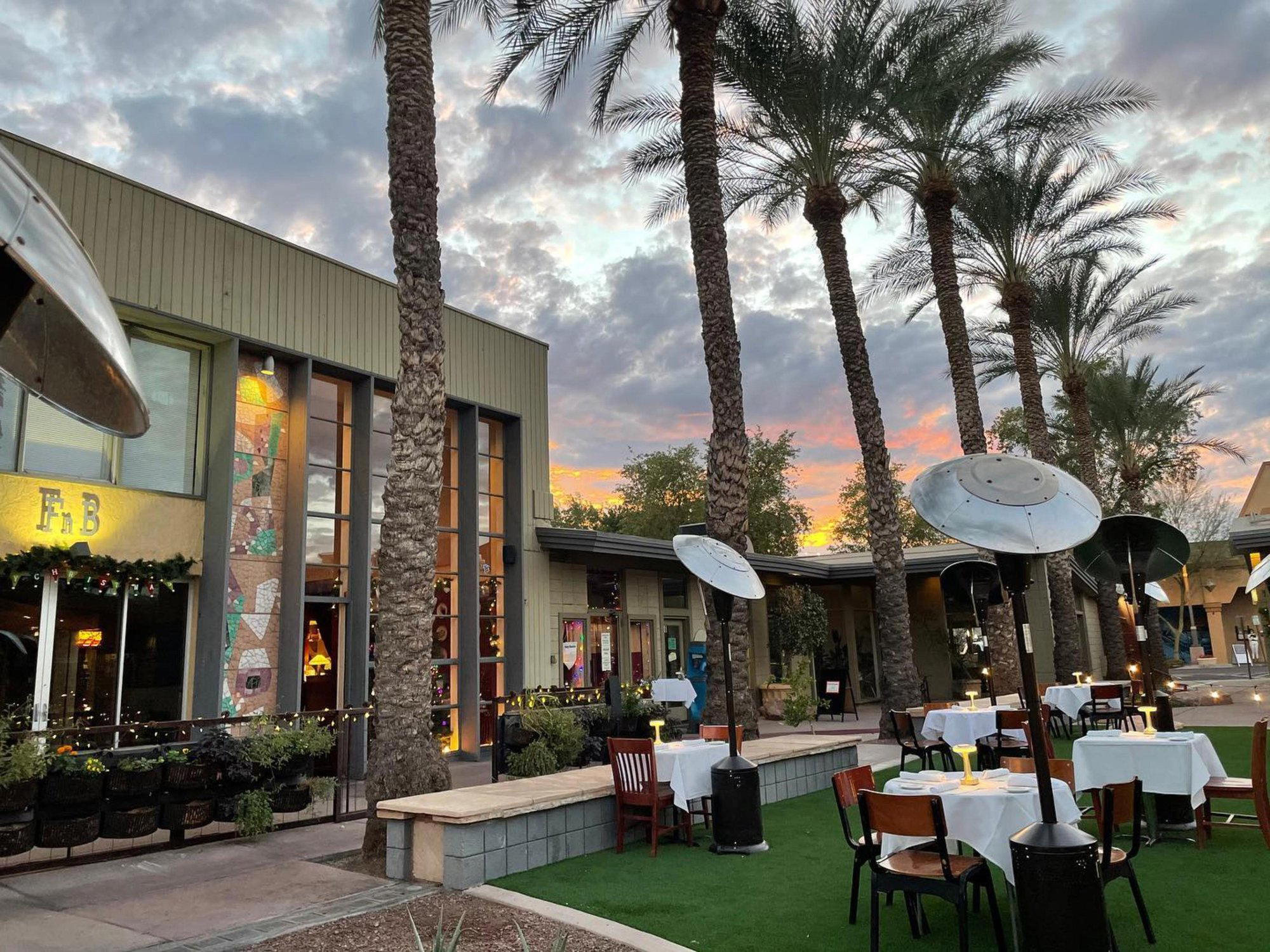
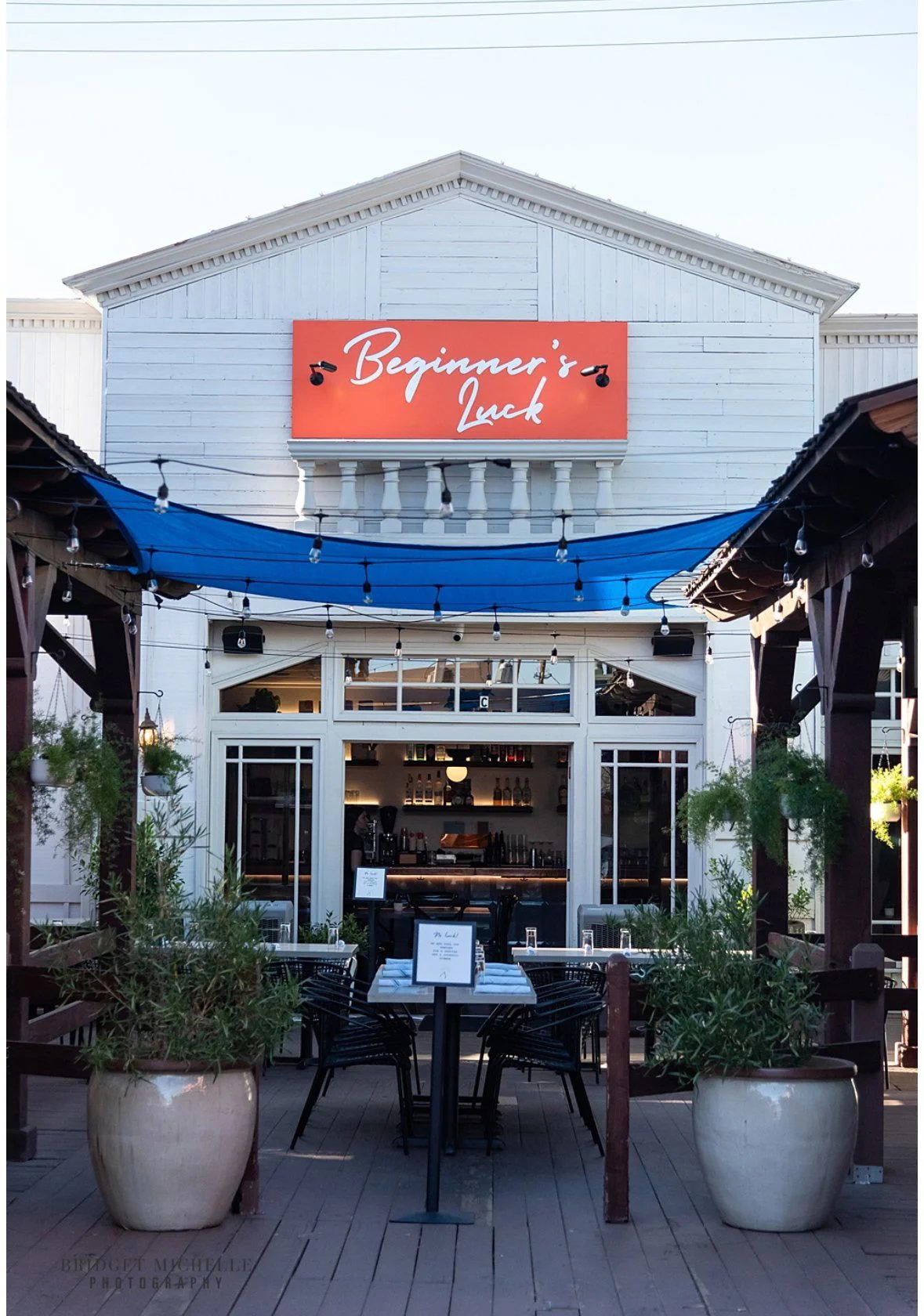
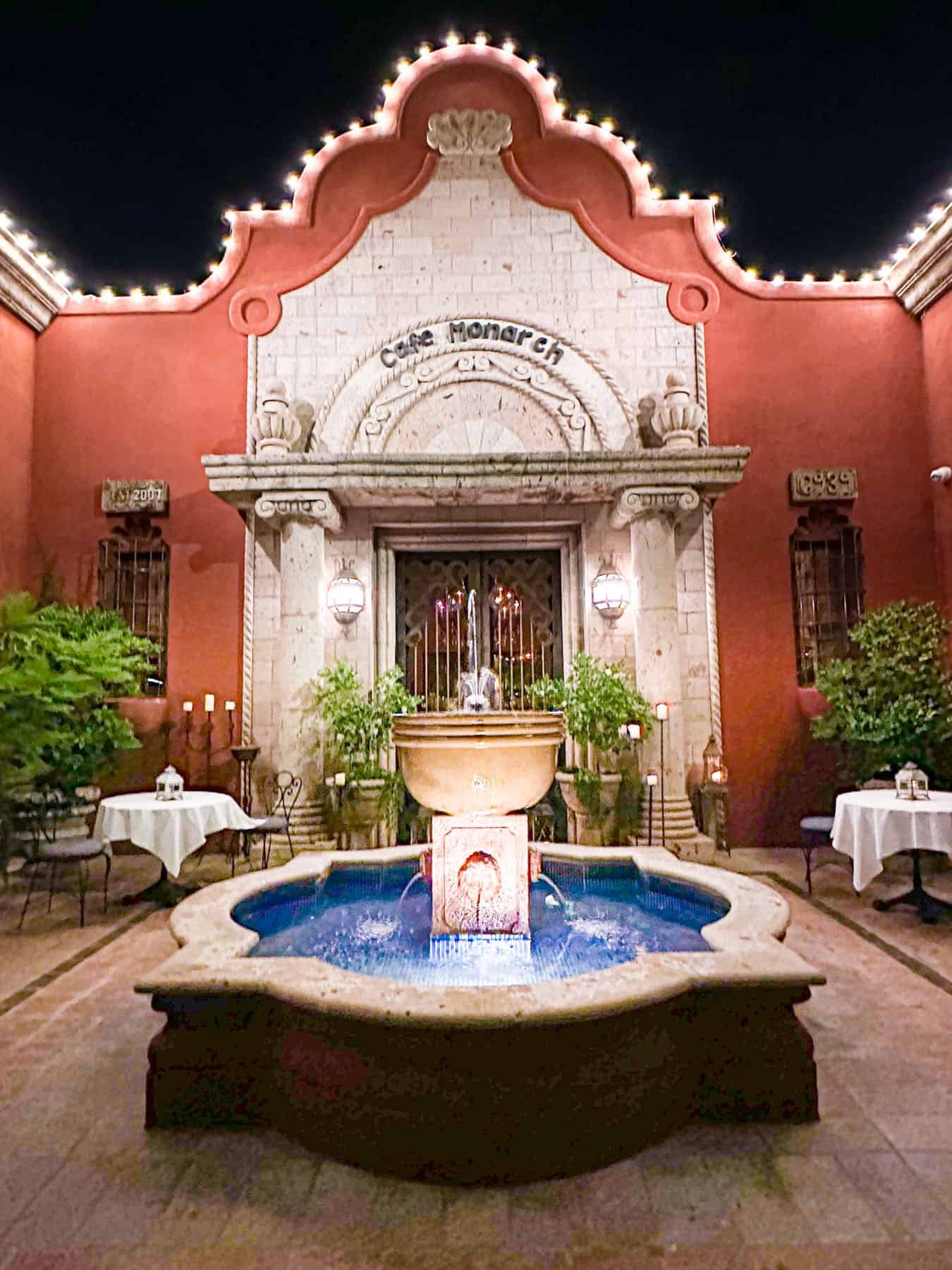
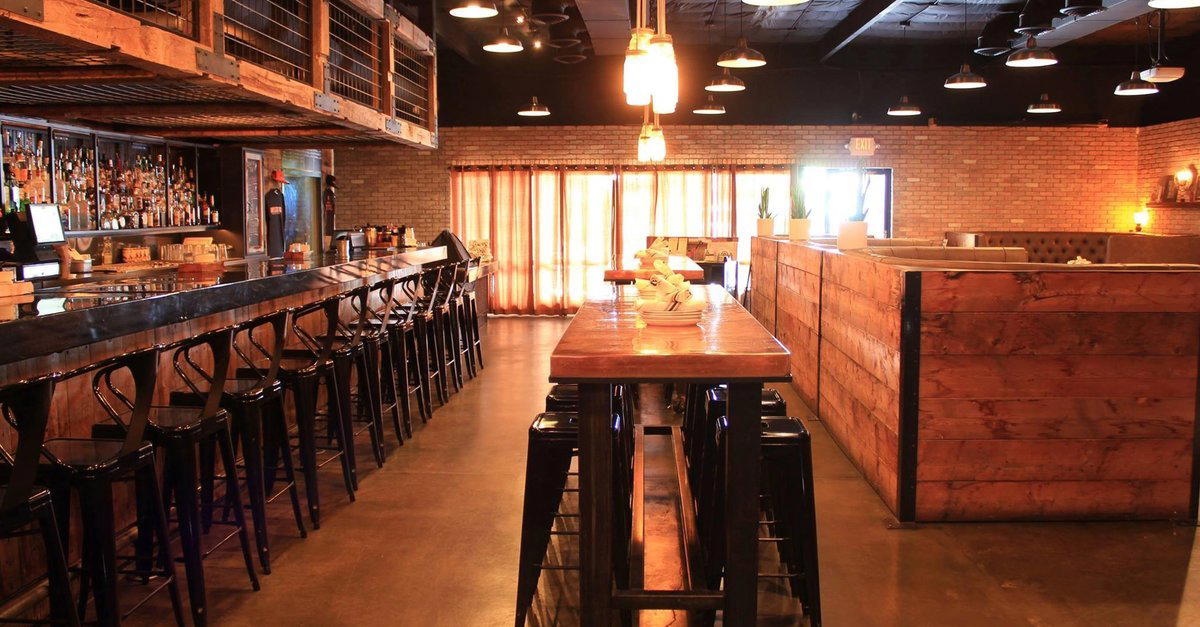
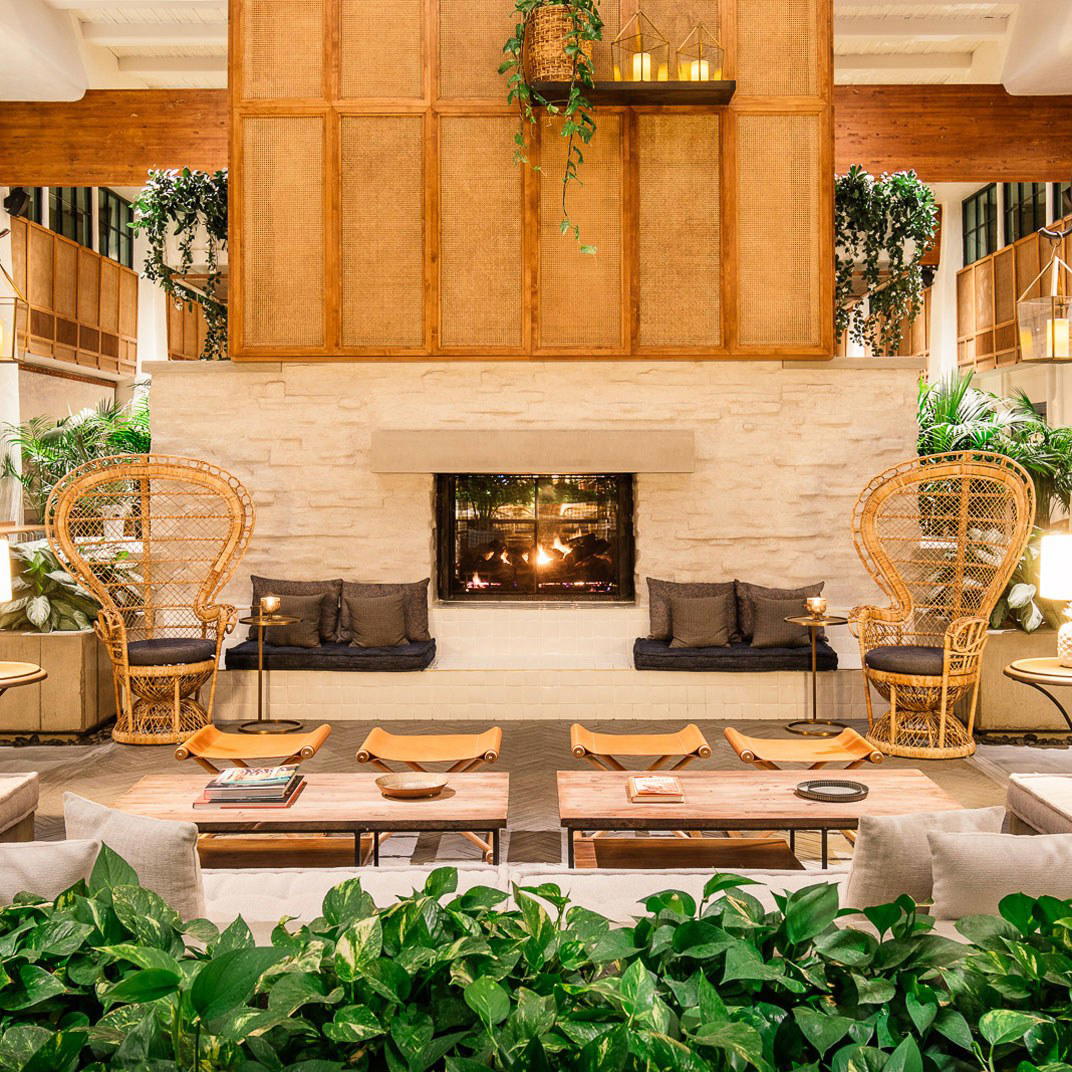
Chic vintage Havana vibe with lush greenery, retro lighting, lounge seating, firepits, and indoor-outdoor layout.