The Bank at Amador
The Bank at Amador belongs to San Francisco’s downtown drinking circuit, where old commercial rooms, after-work traffic, and serious back bars matter more than theatrics. Its Financial District setting makes it a better fit for spirits-led evenings than bar-hopping chaos, especially for drinkers who care about bottle depth and a room with architectural weight.

Pearl is the En Primeur Club membership app — saves, bookings, and concierge access live there. Same editors, same standards.
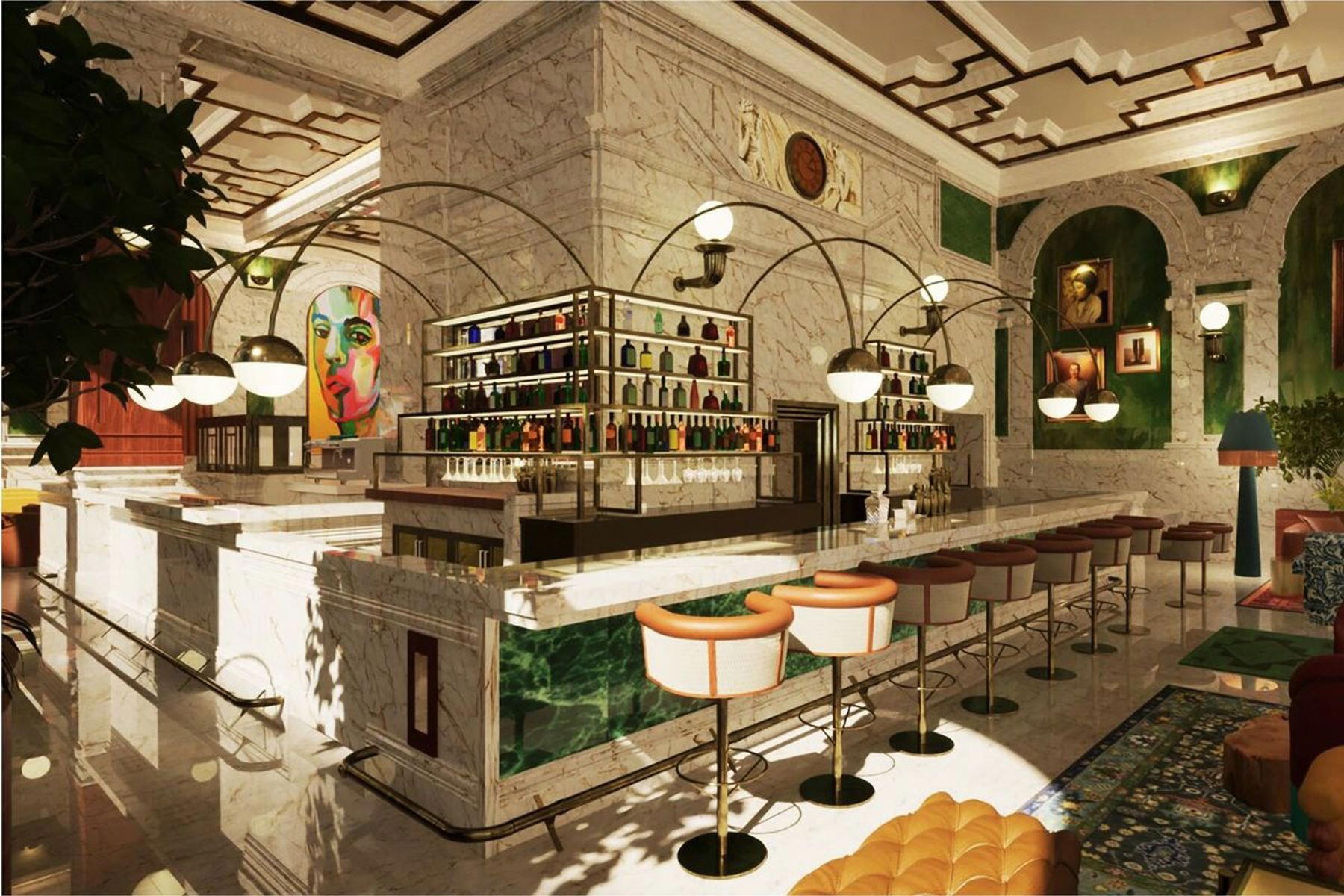
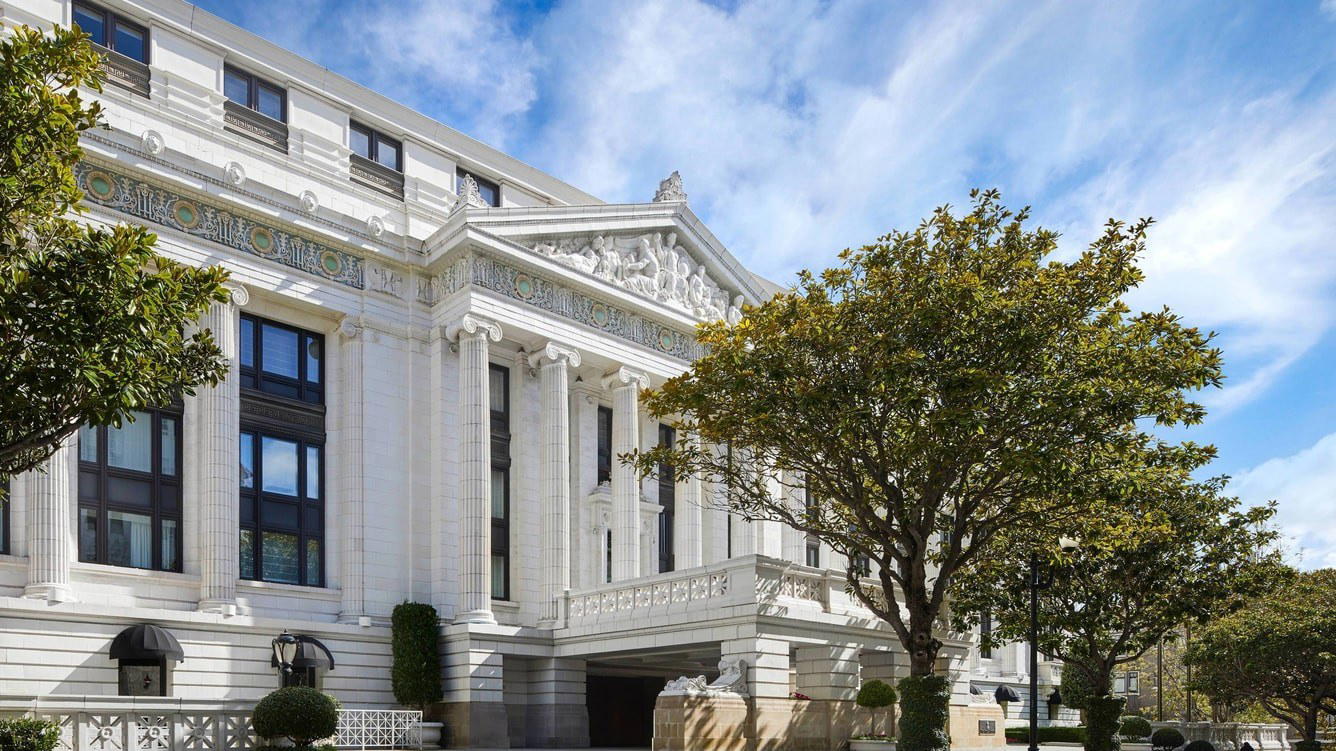
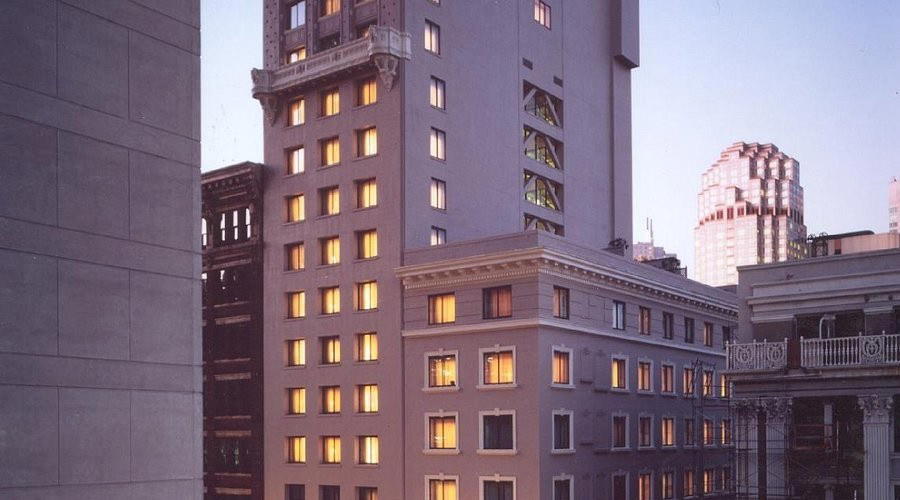
Downtown San Francisco changes register after office hours. The glass towers empty, the sidewalks thin, and the older rooms around Montgomery begin to matter again: marble, brass, high ceilings, and the residual formality of a district built around money. In that context, The Bank at Amador reads less like a neighborhood bar and more like a Financial District drinking room, the kind of place where the back bar is part of the architecture rather than an accessory.
San Francisco’s cocktail culture is often discussed through its smaller rooms and genre bars, but the city has another tradition: downtown bars designed for spirits drinkers who want range, not performance. That puts this address in a different lane from North Beach institutions such as 15 Romolo, where the appeal is alleyway intimacy, or Chinatown rooms like Li Po Cocktail Lounge and Buddha Lounge, where local mythology and late-night energy do the heavy lifting. Here, the point is scale, polish, and the expectation that brown spirits and classic builds have room to breathe.
A downtown room built around the back bar
The spirits-collection bar has become a sharper category in San Francisco because it asks a different question from the modern cocktail den. Instead of chasing novelty, it rewards inventory, glassware discipline, and staff who can steer a drinker through categories without turning the exchange into a lecture. The Bank at Amador fits that broader downtown pattern: a setting where rare bottles, familiar classics, and corporate-district pacing make sense together.
That distinction matters because the city’s bar map is unusually fragmented. Mission-adjacent wine bars such as 20 Spot work from a looser, food-and-bottle rhythm. Rooftop formats such as 25 Lusk Roof Top (Cocktails/Pizza) sell height and social volume. Patio-driven rooms such as 620 Jones depend on weather, groups, and a lighter mood. A Financial District spirits room has fewer distractions. The measure is whether the bar can support a serious pour before dinner, a post-meeting drink, or a longer evening built around a bottle list rather than a scene.
Where it sits in San Francisco's drinking geography
The Montgomery corridor gives the room its logic. This is not the Castro, the Mission, or North Beach, where foot traffic tends to define the night. Downtown bars work on a more compressed schedule, with sharper peaks after work and after private events, then a quieter second act. That rhythm favors guests who plan the evening around one or two serious stops rather than a crawl.
For visitors building a broader San Francisco itinerary, the comparison is useful. The city’s restaurants, hotels, bars, wineries, and cultural programming are better read by district than by isolated venue. The full editorial maps are worth cross-checking: Our full San Francisco restaurants guide, Our full San Francisco hotels guide, Our full San Francisco bars guide, Our full San Francisco wineries guide, and Our full San Francisco experiences guide.
The competitive set also shows how varied San Francisco drinking has become. Members Only and Leo’s Oyster Bar lean into different downtown or near-downtown moods, while Moongate Lounge brings a design-forward Chinatown perspective. The Bank at Amador belongs to the more formal end of that spectrum. It is better suited to guests who care about the room, the bottle selection, and the pacing of a conversation than to anyone chasing novelty for its own sake.
The editorial read
The strongest use case is clear: make it a spirits-led stop in the Financial District, especially when the evening calls for architectural presence and a grown-up back bar rather than a crowded neighborhood room. First-timers to San Francisco may find more immediate local color in Chinatown or North Beach; repeat visitors, business travelers, and drinkers who already know the city’s louder bar circuits will understand the appeal faster.
EP Club’s wider bar index ranges far beyond San Francisco, from 'O Munaciello MiMo District Neapolitan Pizza in Miami to (405) Brewing Co. LLC in Norman and ¡BE! Club in San Sebastián. Against that wider field, The Bank at Amador is a city-specific play: not a destination to understand San Francisco in full, but a precise answer to a narrower question, where to drink downtown when the back bar matters.
Cost Snapshot
Comparable venues by cuisine and price in the same metro.
| Venue | Price | Awards |
|---|---|---|
| The Bank at AmadorThis venue — the venue you are viewing | Not listed | Not listed |
| Leo's Oyster Bar | $50–100 | Not listed |
| Li Po Cocktail Lounge | $10–20 | Not listed |
| Buddha Lounge | $10–20 | Not listed |
| Moongate Lounge | $30–50 | Eater Cocktail Bar Guide |
Continue exploring
More in San Francisco
Bars in San Francisco
All bars in San Francisco →
Restaurants in San Francisco
All restaurants in San Francisco →
The Bank at Amador
The wine
- Wine program
- Curated wine list
- Craft cocktails
Details
- Sophisticated
- Elegant
- Classic
- Lively
- Trendy
- Well Known
- After Work
- Late Night
- Group Outing
- Celebration
- Special Occasion
- Private Event
- Historic Building
- Design Destination
- Standalone
- Live Music
- Seated Bar
- Lounge Seating
- Private Rooms
- Communal Tables
- Craft Cocktails
- Conventional Wine
- Whiskey
Current opening hours
- Monday
- 8 AM–11 PM
- Tuesday
- 8 AM–11 PM
- Wednesday
- 8 AM–12 AM
- Thursday
- 8 AM–12 AM
- Friday
- 8 AM–12 AM
- Saturday
- 6 PM–12 AM
- Sunday
- Closed
Hours can change for holidays and private events. Last verified .
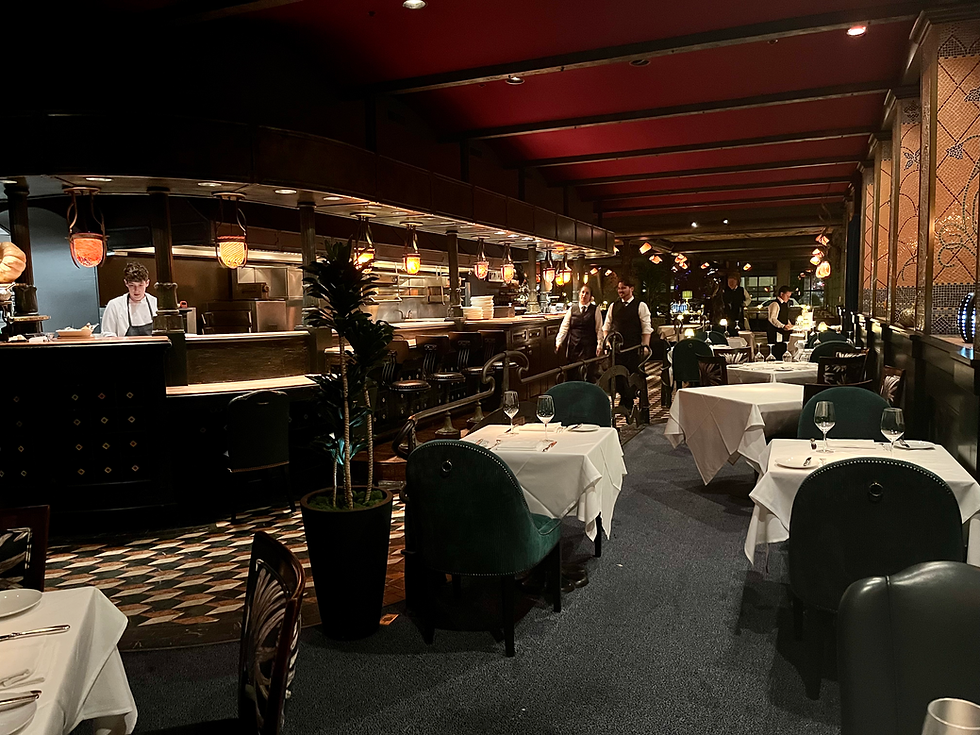
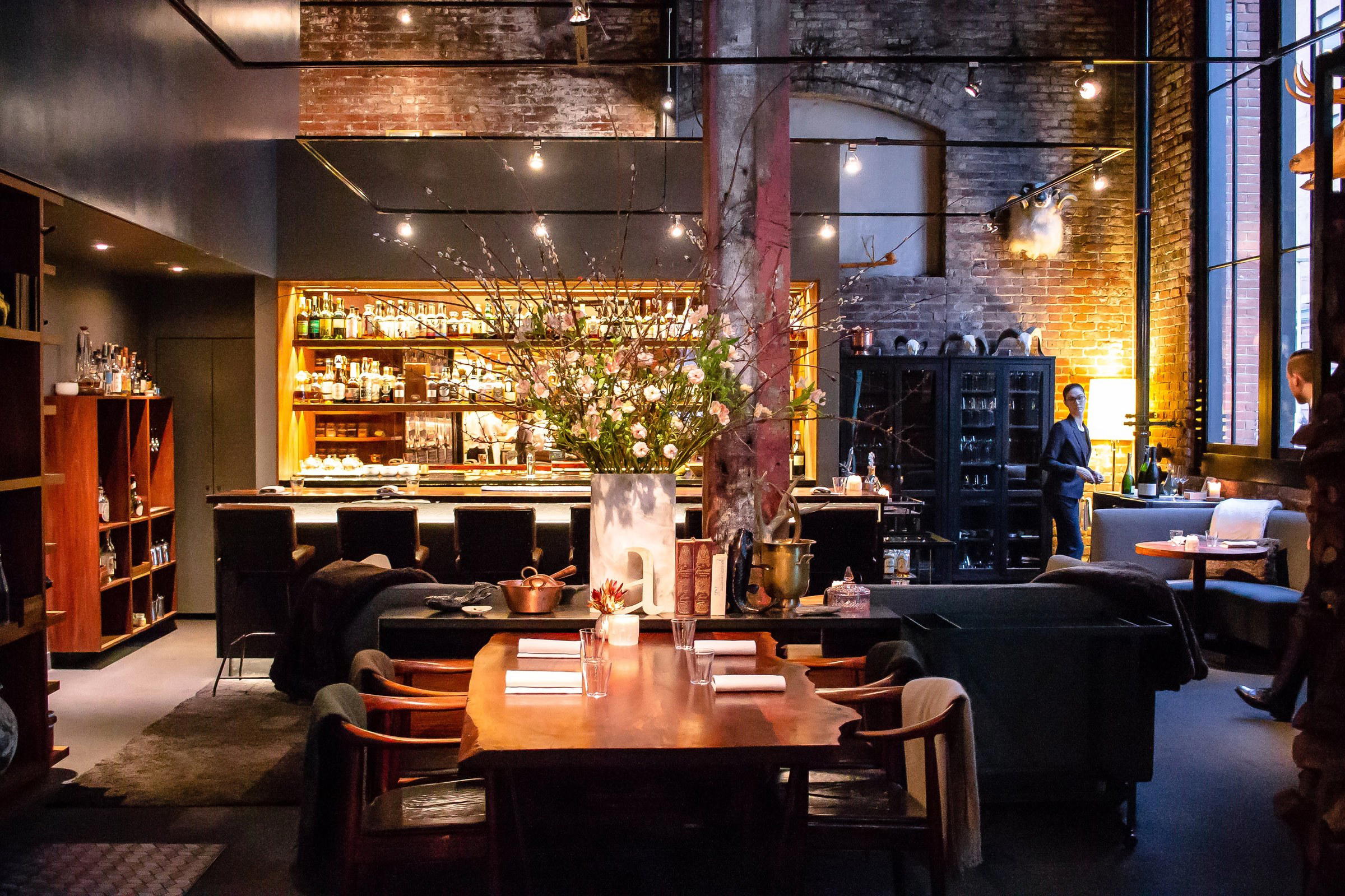
Historic bank architecture with Italian marble, towering arched windows, coffered ceilings and bronze accents, layered with modern luxury design, color, art, and a state‑of‑the‑art sound system that shifts the space from daytime work lounge to energetic, clubby nightlife.