Li Po Cocktail Lounge
Li Po Cocktail Lounge on Grant Avenue sits at the older, less polished end of San Francisco's Chinatown bar spectrum — a cash-only dive with red lantern light, vinyl booths, and a Chinese mai tai that has outlasted several waves of cocktail trend-cycling. Where the city's newer craft programs compete on technical rigor, Li Po competes on atmosphere and longevity.

Pearl is the En Primeur Club membership app — saves, bookings, and concierge access live there. Same editors, same standards.
Chinatown's Unreconstructed Corner
San Francisco's Chinatown has always operated on two registers simultaneously: the version tourists photograph from the street and the version that persists once the foot traffic thins. Grant Avenue's bar offering sits firmly in the latter category. While the city's craft cocktail circuit — anchored by programs like Pacific Cocktail Haven, ABV, and Friends and Family — has moved steadily toward technical transparency and rotating seasonal menus, Li Po Cocktail Lounge at 916 Grant Ave has stayed where it was when it opened in 1937. That is not a criticism. In a city where dive bars are increasingly performative, the real article carries its own kind of authority.
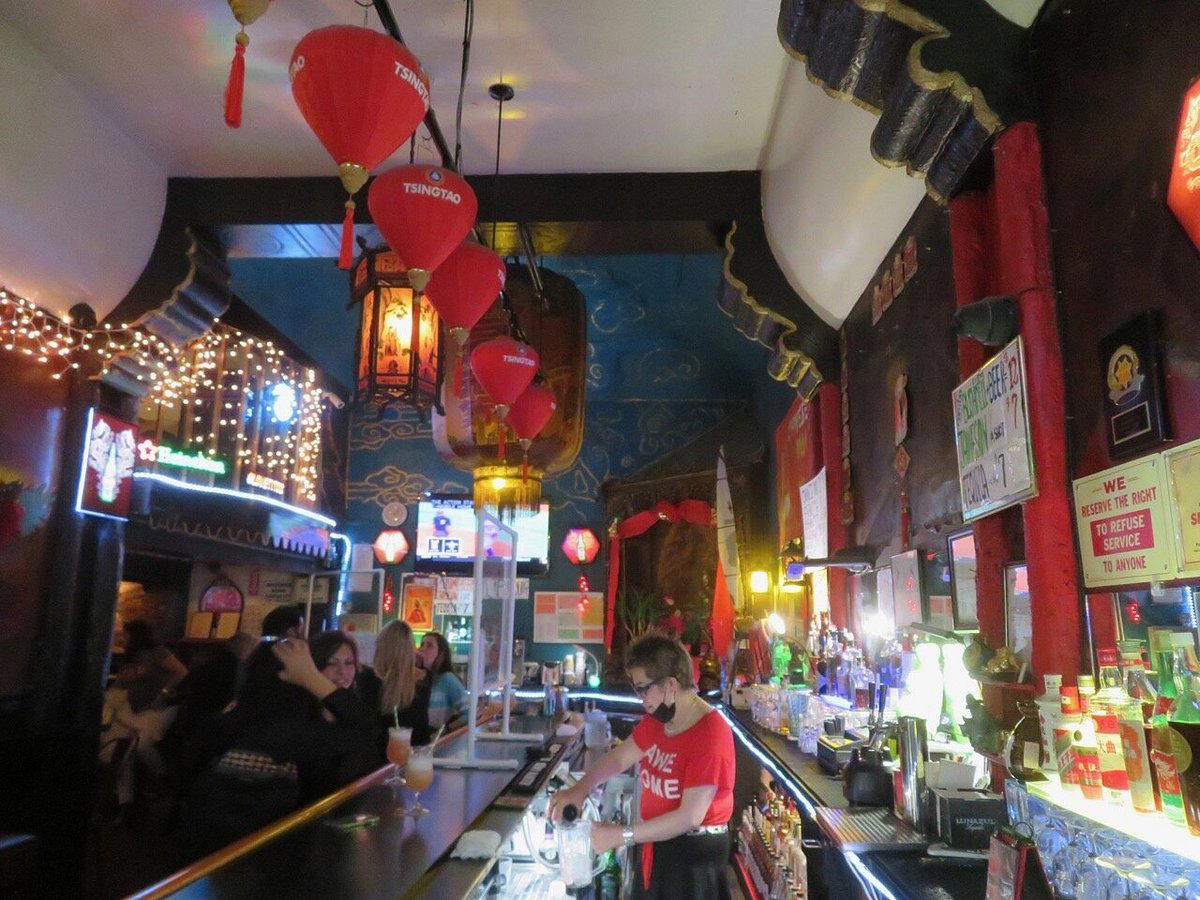
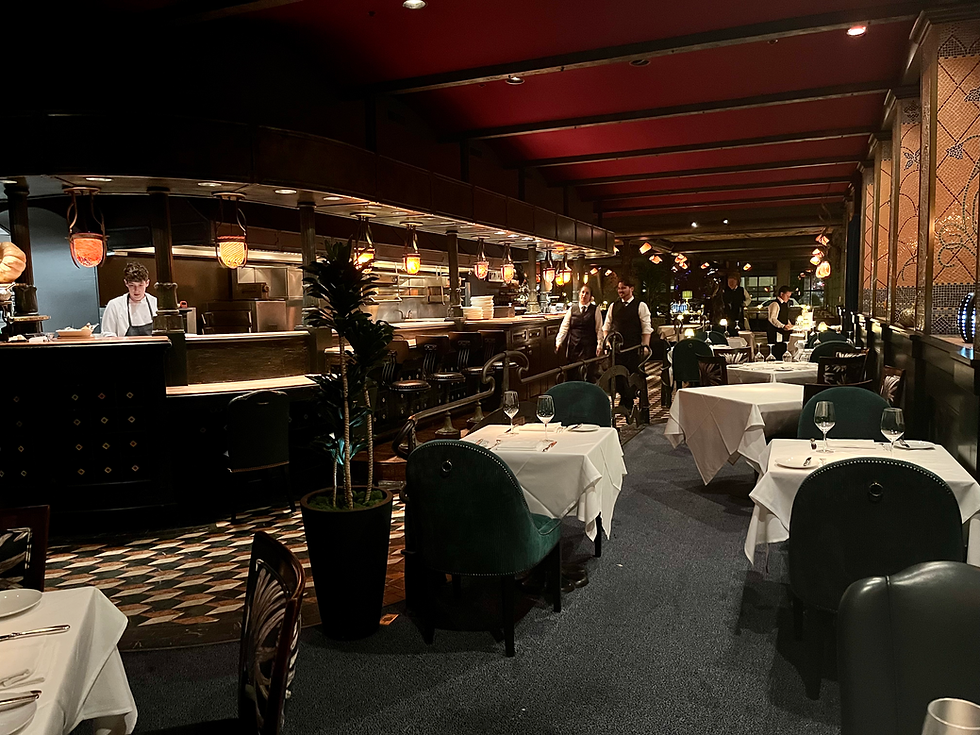
The physical space announces itself before you order anything. Red lanterns, a low ceiling, dim lighting that skews amber rather than neon, and a shrine to the Buddha that anchors the back wall, the room is designed around a specific sensory register and it holds to it. The booths are the kind that absorb decades of conversation. The bar itself is narrow enough that the bartender and the customer are in actual proximity. This is not the curated-dark aesthetic that newer bars spend money to approximate. It is the original condition.
Where Li Po Sits in San Francisco's Bar Ecosystem
San Francisco's cocktail bars now span a wide range of formats and intentions. At one end are the high-concept, ingredient-driven programs at places like Pacific Cocktail Haven, where the bar team rotates menus around sourcing stories and seasonal produce. At the other end are rooms where the drink is secondary to the social ritual and the atmosphere is the product. Li Po belongs to the second category, but within that category it occupies a specific position: it is old enough, and consistent enough, that it has moved past nostalgia and into genuine record. Opened in 1937, it predates most of the city's contemporary bar culture by several decades.
The comparison set that makes sense here is not Smuggler's Cove, which deploys a similarly historical register but through a highly researched, encyclopedic rum program with serious curatorial intent. Li Po is operating in a different register entirely: fewer moving parts, less ambition around the drink list, and more investment in the room as an end in itself. Internationally, the analog might be a neighborhood sake bar in Tokyo's older wards, or a longstanding dive in a working port city where the room has simply outlasted the context that produced it. Closer to home, bars like Jewel of the South in New Orleans and Kumiko in Chicago represent the more refined end of historically conscious bar programming, Li Po is the less polished but more time-worn counterpart.
The Sustainability Argument for Old Bars
There is a version of sustainability in hospitality that does not involve farm partnerships, locally foraged bitters, or compostable straws, though those things matter. It involves operating the same room, with the same purpose, for nearly ninety years without a concept refresh. Li Po has not required a renovation cycle, a brand overhaul, or a new chef-driven menu to justify its continued existence. The physical infrastructure has been used, repaired, and used again rather than replaced. The drinks are direct and the menu is short, which means waste at the back-of-house is structurally limited rather than managed through conscious effort.
This kind of longevity-as-sustainability rarely gets discussed in the same breath as newer bars making explicit environmental commitments. But the resource cost of building and fitting out a new bar, replacing it with another concept five years later, and repeating the cycle is substantial. A bar that has been operating continuously since 1937 has, by definition, avoided that cycle. In the broader conversation about how hospitality reduces its footprint, the preservation and continued operation of genuinely old spaces is a form of environmental practice even when it is not framed as one.
Other bars in the EP Club network have made sourcing and waste reduction explicit parts of their identity. Allegory in Washington, D.C., Superbueno in New York City, and Julep in Houston each build environmental or cultural stewardship into their programs in documented, intentional ways. Li Po's contribution to that broader pattern is quieter and less articulated, but it is real: staying open and unchanged in a neighborhood that has faced sustained development pressure since at least the 1980s is its own form of preservation.
The Chinese Mai Tai and the Short Menu
The drink most associated with Li Po is the Chinese mai tai, a bar-specific riff on the classic that uses rice wine (baijiu or a variant) in place of the traditional rum base. It is the kind of drink that becomes a local institution not through cocktail competition circuits or press coverage, but through repetition and place. The flavor profile is different enough from a standard mai tai to register as a distinct drink, and the context in which you consume it, that red-lit room, the shrine, the general indifference to trend, is inseparable from the experience of drinking it.
The broader menu is not trying to compete with the rotating seasonal programs at bars like Bar Leather Apron in Honolulu or The Parlour in Frankfurt on the Main. It is a short list of familiar formats served consistently. That constraint is also the point. A limited menu, held constant over years, generates less ingredient turnover, less waste, and less operational complexity than a program built around seasonal rotation. The simplicity is structural rather than ideological, but the outcome is similar.
Planning Your Visit
Li Po is a cash-only bar in the heart of Chinatown, a short walk from the Chinatown-Rose Pak Muni station on the T Third Street line and accessible from the Powell Street BART station on foot in under ten minutes. The room is small and does not take reservations, it fills on weekend evenings and during the Chinatown night market season, so weekday evenings offer the leading chance of settling into a booth without waiting. There is no dress code in any meaningful sense. The ordering format is counter service at the bar or flagging a bartender from a booth. Bring cash.
For a fuller picture of where Li Po fits within the city's broader bar and restaurant offering, see our full San Francisco restaurants guide.
A small set of peers for context, based on recorded venue fields.
| Venue | Cuisine | Price | Awards |
|---|---|---|---|
| Li Po Cocktail LoungeThis venue — the venue you are viewing | Not listed | $10–20 | Not listed |
| ABV | Cocktail Bar | $20–30 | World's 50 Best #39 · Eater Cocktail Bar Guide |
| Smuggler's Cove | Not listed | $20–30 | World's 50 Best #29 · James Beard Award Semi Finalist |
| Trick Dog | Hot Dogs | $30–50 | World's 50 Best #100 · Eater Cocktail Bar Guide |
| Bar at Hotel Kabuki | Not listed | $30–50 | Not listed |
| Evil Eye | Not listed | $30–50 | Not listed |
Continue exploring
More in San Francisco
Bars in San Francisco
All bars in San Francisco →
Restaurants in San Francisco
All restaurants in San Francisco →



Li Po Cocktail Lounge
The drinks
- Classic cocktails
Signature drinks: Chinese Mai Tai.
Details
- Classic
- Cozy
- Well Known
- Late Night
- Casual Hangout
- Historic Building
- Seated Bar
- Booth Seating
- Classic Cocktails
- Rum
Current opening hours
- Monday
- 2 PM–1 AM
- Tuesday
- 2 PM–1 AM
- Wednesday
- 2 PM–1 AM
- Thursday
- 2 PM–1 AM
- Friday
- 2 PM–1 AM
- Saturday
- 2 PM–1 AM
- Sunday
- 2 PM–1 AM
Hours can change for holidays and private events. Last verified .
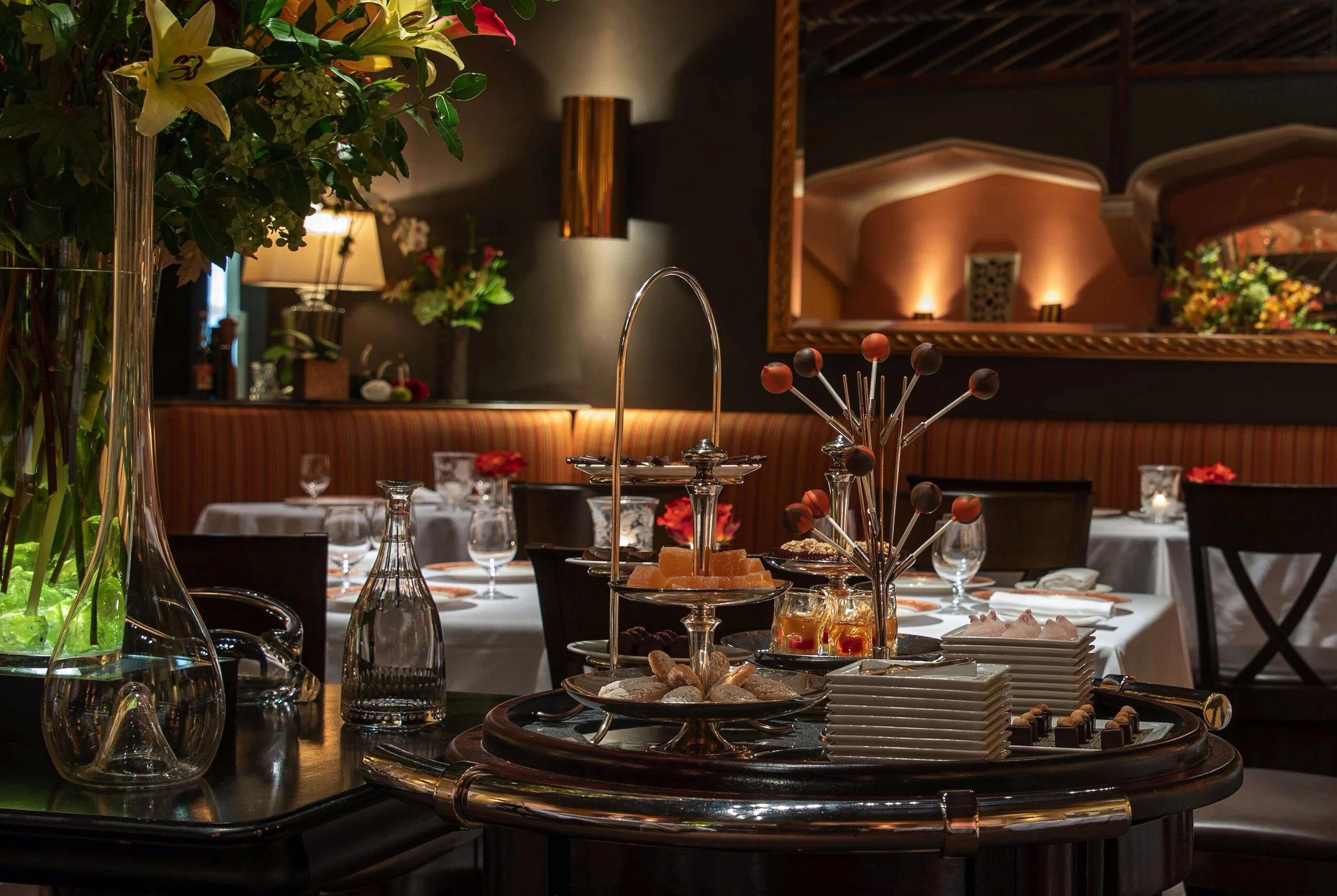
Dimly lit with traditional Chinese lanterns, red leather booths, and a kitschy neon sign creating an authentic, nostalgic dive bar feel.