The Austin Winery
Austin's urban winery scene has carved a distinct niche between Texas vineyard country and the city's bar culture, and The Austin Winery on East St. Elmo Road sits at that intersection. Positioned in South Austin's creative corridor, it draws visitors looking for locally produced wine with a production-forward setting, placing it in a different competitive register than the cocktail bars and nightlife venues that dominate the city's evening circuit.
Pearl is the En Primeur Club membership app — saves, bookings, and concierge access live there. Same editors, same standards.
- Address
- 440 E St Elmo Rd A1, Austin, TX 78745
- Phone
- +1 512 326 1445
- Website
- theaustinwinery.com
- Directions
- Get directions
 Saves & bookings on Pearl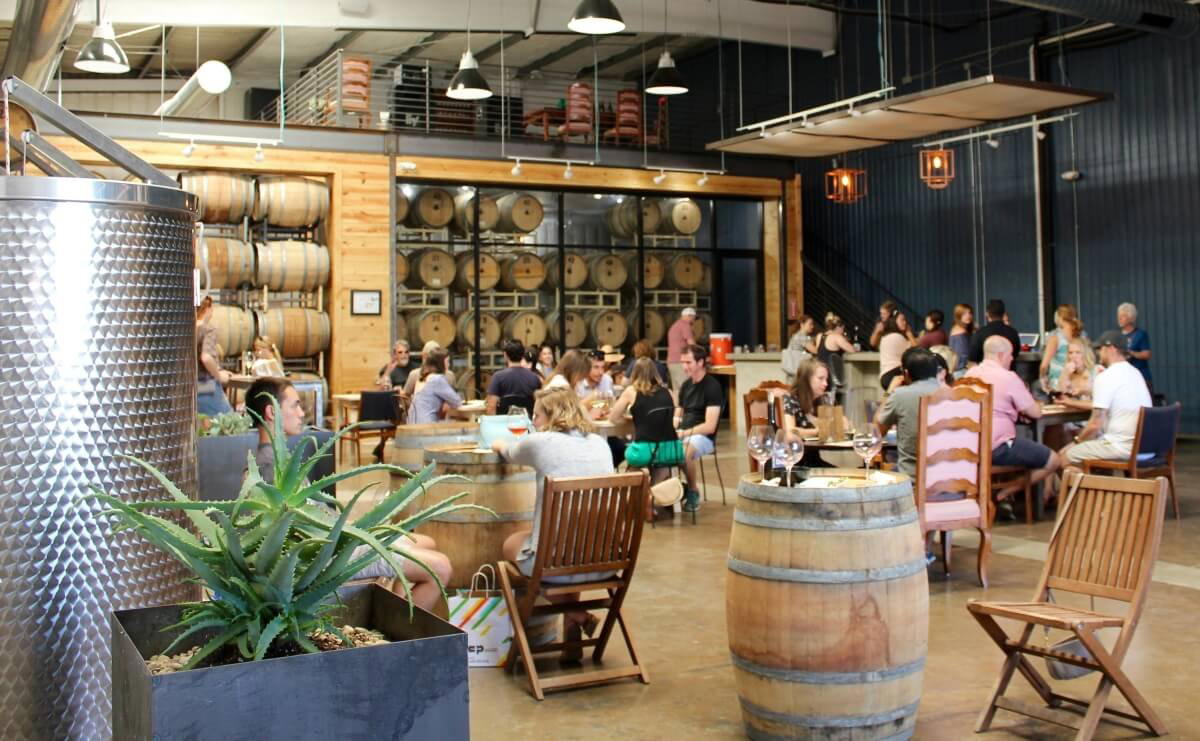
South Austin's Industrial Wine Belt
Austin's East St. Elmo corridor has accumulated a specific kind of business over the past decade: production-facing operations that want proximity to the city without paying central Austin rents. Breweries, distilleries, and now wineries have settled along this stretch precisely because the neighborhood tolerates tank rooms and loading docks alongside tasting counters. The Austin Winery at 440 E St Elmo Rd fits that pattern, occupying a working production space that keeps visitors close to the actual winemaking process rather than staging them in a room designed to obscure it.
That physical transparency is part of what separates urban wineries from their Hill Country counterparts. Drive an hour west to Fredericksburg and the architecture tends toward pastoral, with vineyards visible from terraces and the land itself as part of the product story. In South Austin, the story is different: fruit comes in from regional and sometimes out-of-state sources, and the winemaker's craft is the central argument rather than the provenance of a single estate. This trade-off defines the urban winery category nationally, and Austin's version of it has matured enough to have its own internal logic.
Texas Wine and the Case for Local Fruit
The broader Texas wine industry has shifted considerably since the early 2000s, when the state's output was largely dismissed by national critics. The Texas High Plains AVA, centered around Lubbock, now supplies fruit to wineries across the state, including urban producers who lack their own growing land. Varieties like Tempranillo, Mourvèdre, and Viognier have found genuine traction in the region's climate, which favors heat-tolerant grapes over the Cabernet Sauvignon monoculture that dominated early plantings.
Urban wineries in Austin operate within this supply chain, and the best of them have developed transparent sourcing practices that name growers and sub-appellations on their labels. This is where the editorial tension sits: an urban winery's credibility is built on the quality of its sourcing decisions and the skill of its production, not on scenic acreage. Visitors who understand that distinction tend to find the experience more interesting than those expecting a Hill Country pastoral. The Austin Winery positions itself within this working-production model, where what's in the barrel and how it got there is the conversation.
Global Technique Meets Texas Fruit
The intersection of imported winemaking methods and indigenous Texas products is the defining dynamic of Austin's urban wine scene. Techniques developed in Burgundy, the Rhône, and Rioja have been transplanted into a production context where the raw material is fundamentally different: higher ambient temperatures, different soil profiles, earlier harvest windows. What results is not a facsimile of European wine but something that requires its own evaluative framework.
Producers working in this space often train in European traditions and then adapt: lower intervention approaches that work in a cool Burgundian cellar may need recalibration in a Texas summer; the oxidative aging styles common in parts of Spain translate more directly to the heat-affected conditions of the High Plains. The Austin Winery operates within this broader technical conversation, where the craft question is not which European benchmark to chase but how European methods apply to Texas-grown material. For a visitor with a serious wine background, that is a more interesting question than it might appear on the surface.
Urban wine production in Austin also sits in an interesting relationship with the city's cocktail culture. Venues like Nickel City and 2500 E 6th St represent Austin's bar scene at its most technically focused, while spots like Aba Austin blend hospitality formats across wine and cocktails. The Austin Winery draws a different visitor than these venues, one specifically interested in the production side of the drink rather than its presentation at a bar counter. That distinction matters when deciding where to spend an evening in South Austin.
Where It Sits in the Austin Drinks Scene
Austin's evening drinking options span a wide range, from the live music anchors like Antone's Nightclub at one end to the quieter wine-and-light-bites format represented by places like Flourish Plant Shop and Wine Bar. The Austin Winery occupies the production-transparency tier: visitors come partly to see how the wine is made, not just to drink it in a finished room. This places it closer in spirit to a brewery tap room than to a cocktail bar, even though the product is fundamentally different.
Nationally, the urban winery category has produced some serious programs. Across the country, bars and wine-focused venues in cities like Kumiko in Chicago, Superbueno in New York City, and ABV in San Francisco have raised the technical standard for what serious beverage programming looks like in an urban setting. Further afield, venues like Bar Leather Apron in Honolulu, Jewel of the South in New Orleans, Julep in Houston, and The Parlour in Frankfurt illustrate how production-minded drink culture has spread well beyond its original coastal centers. The Austin Winery's South Austin location places it within this broader shift toward production-transparent venues that want visitors to understand the process, not just consume the output.
For a fuller picture of where The Austin Winery sits within Austin's broader dining and drinking circuit, see our full Austin restaurants guide.
Planning Your Visit
| Venue | Format | Location | Primary Draw |
|---|---|---|---|
| The Austin Winery | Urban winery / tasting room | South Austin (E St Elmo) | Texas wine production, on-site winemaking |
| Flourish Plant Shop & Wine Bar | Wine bar / light bites | Austin | Casual wine-focused hospitality |
| Nickel City | Cocktail bar | East Austin | American bar classics, neighborhood anchor |
| Eden Cocktail Room | Cocktail bar | Austin | Cocktail-forward programming |
The East St. Elmo corridor is leading reached by car; street parking is generally available along the industrial blocks surrounding the address. If you are building an evening around South Austin, the neighborhood's production-district character means venues tend to be spread out rather than walkable from one to the next. Plan accordingly and confirm current hours directly with the venue before visiting, as production-space tasting rooms sometimes keep irregular schedules tied to winemaking cycles.
Continue exploring
More in Austin
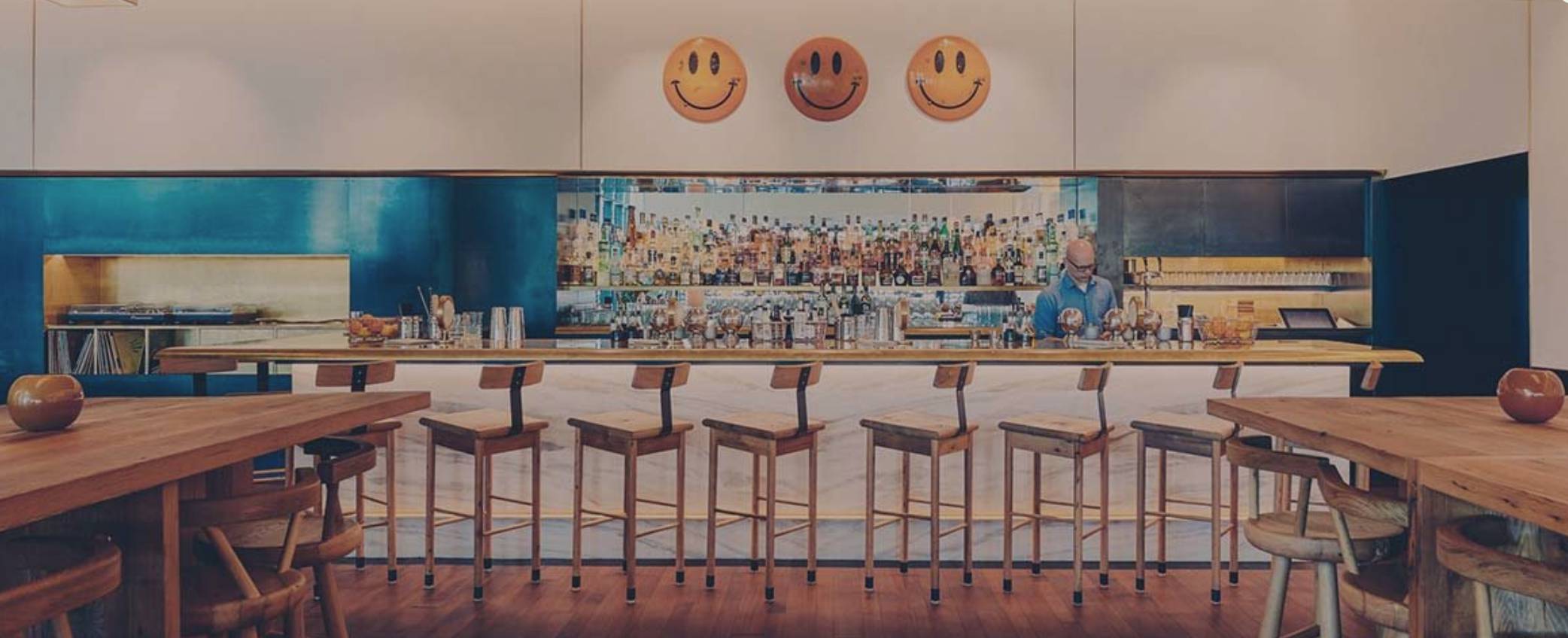
Bars in Austin
Browse all →
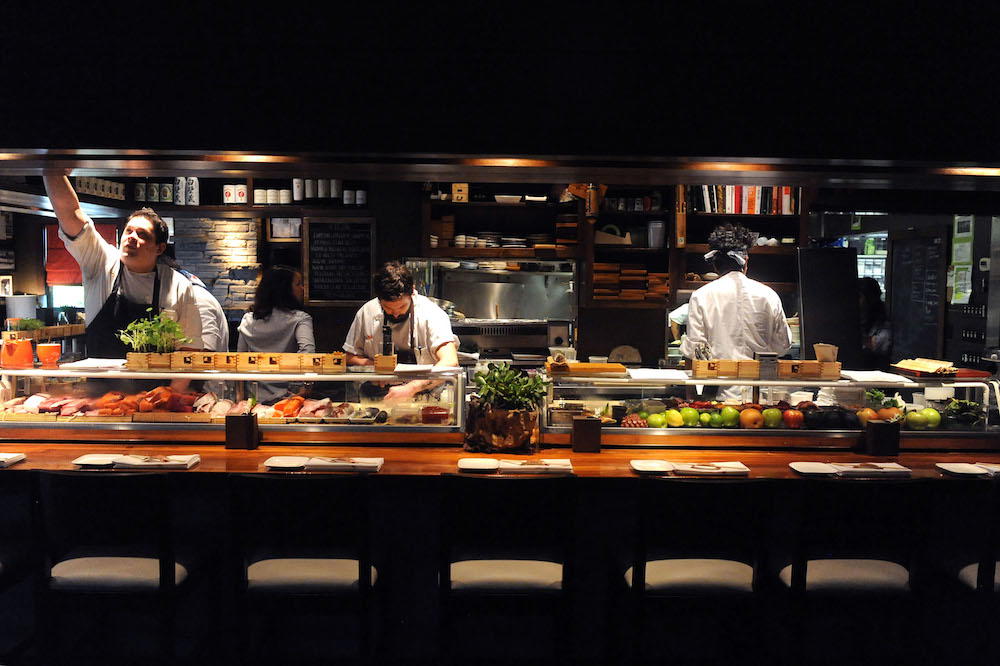
Restaurants in Austin
Browse all →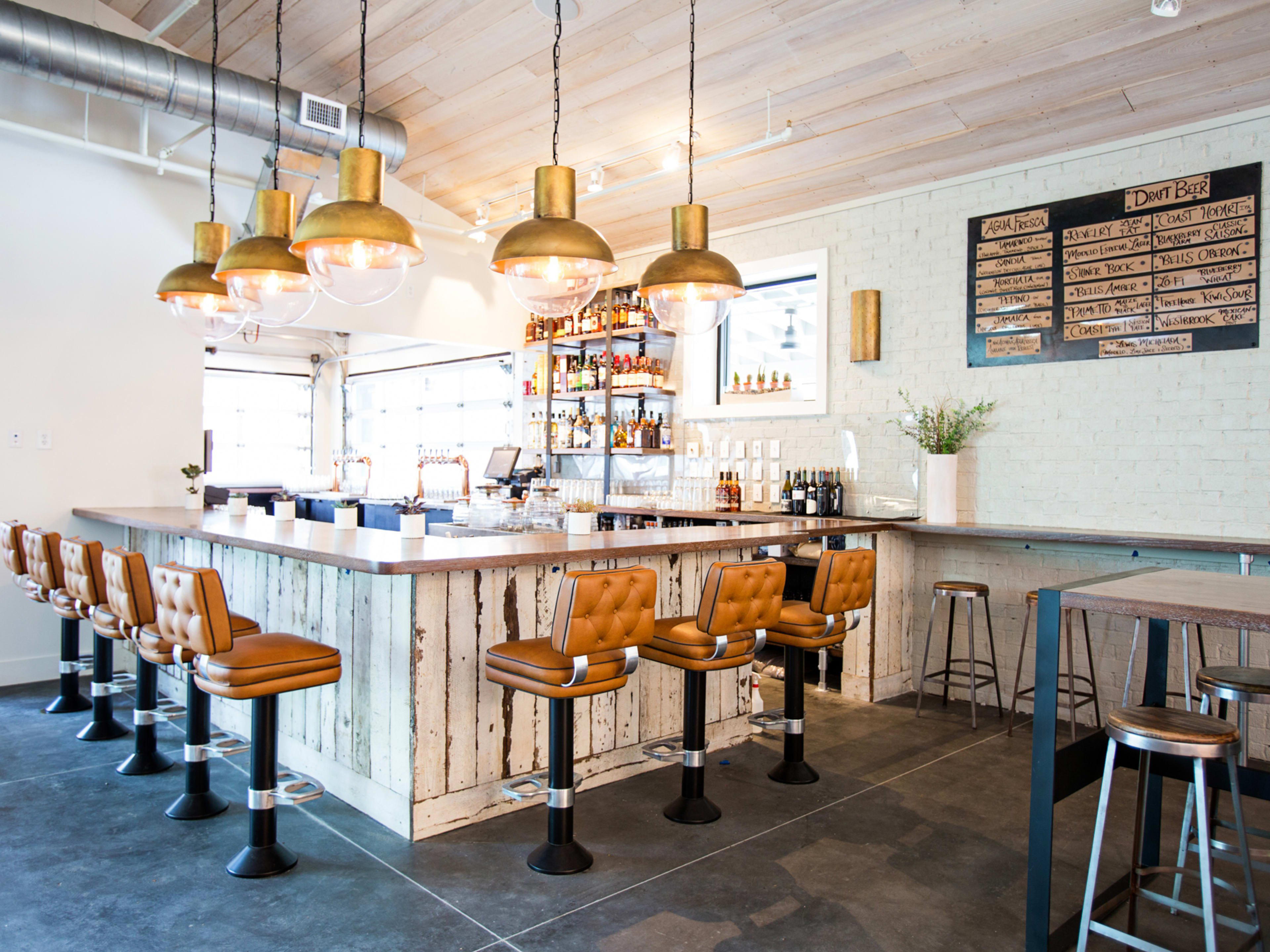
Hotels in Austin
Browse all →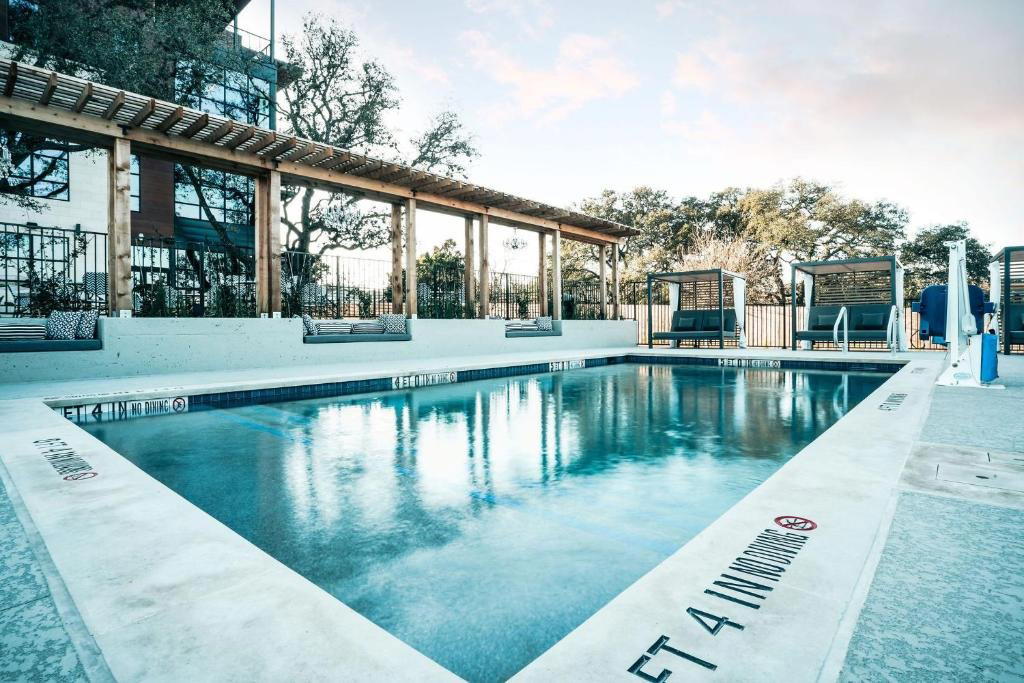
At a Glance
- Rustic
- Industrial
- Date Night
- Group Outing
- Celebration
- Standalone
- Lounge Seating
- Natural Wine
- Conventional Wine
Current opening hours
- Monday
- Closed
- Tuesday
- 2–9 PM
- Wednesday
- 2–9 PM
- Thursday
- 2–9 PM
- Friday
- 12–9 PM
- Saturday
- 12–9 PM
- Sunday
- 12–9 PM
Hours can change for holidays and private events. Last verified .
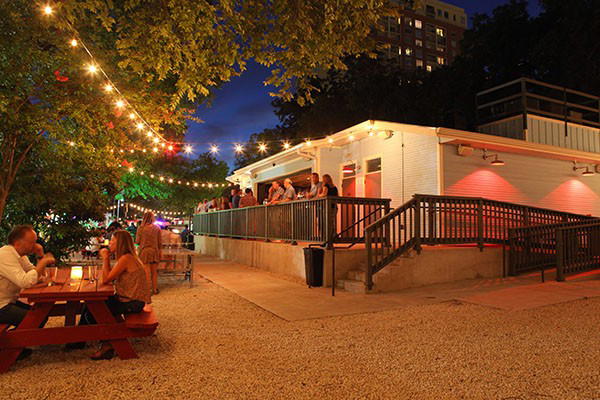
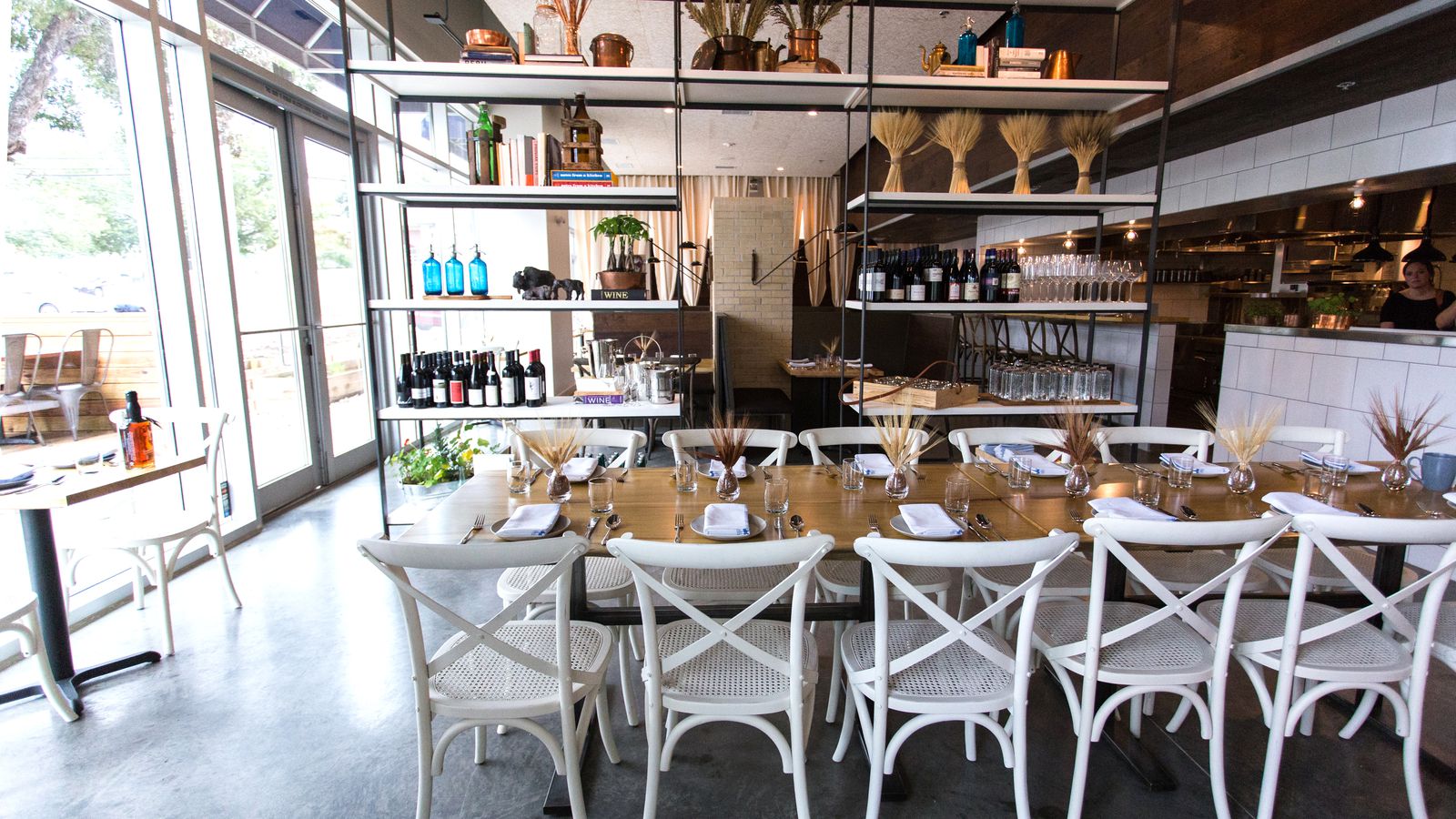
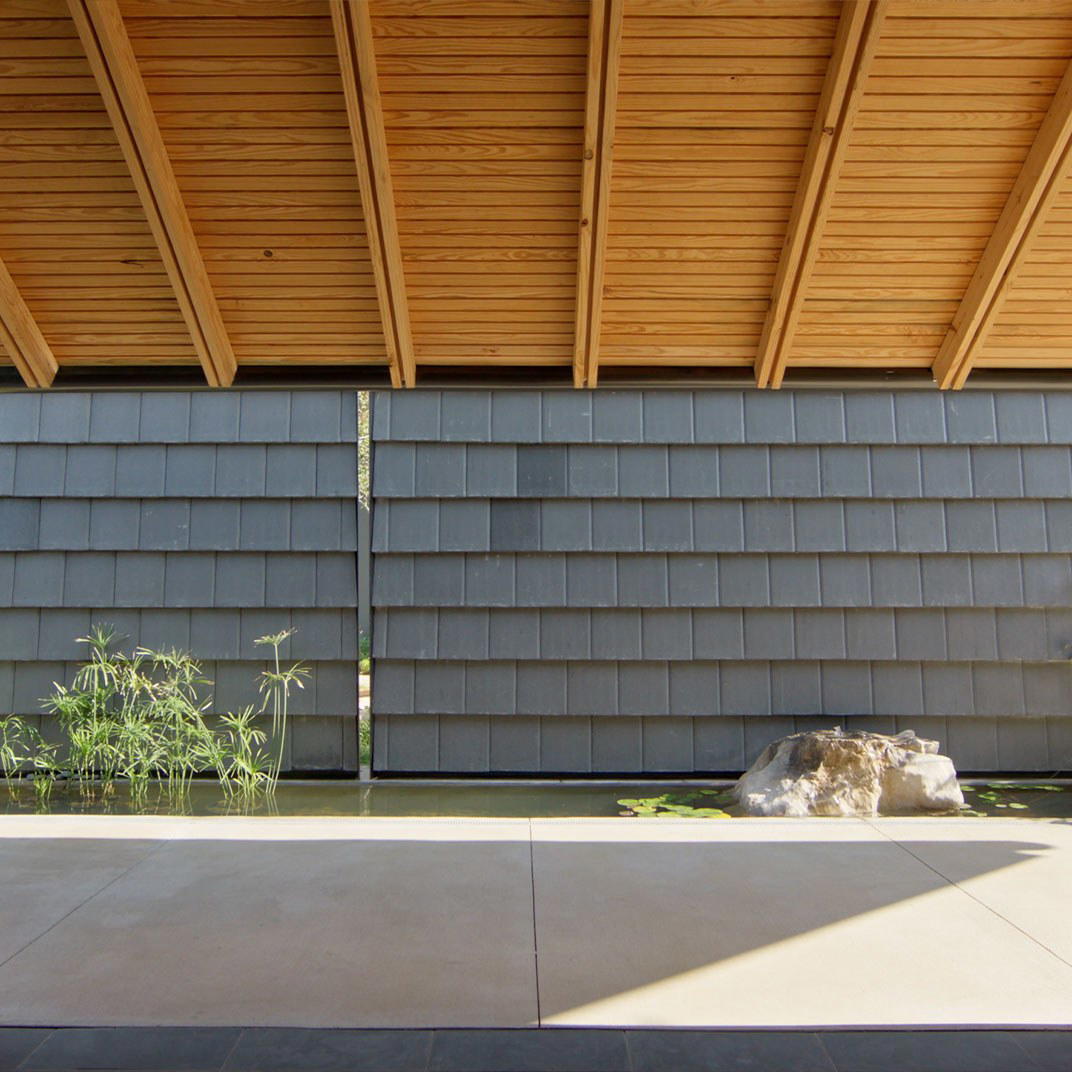
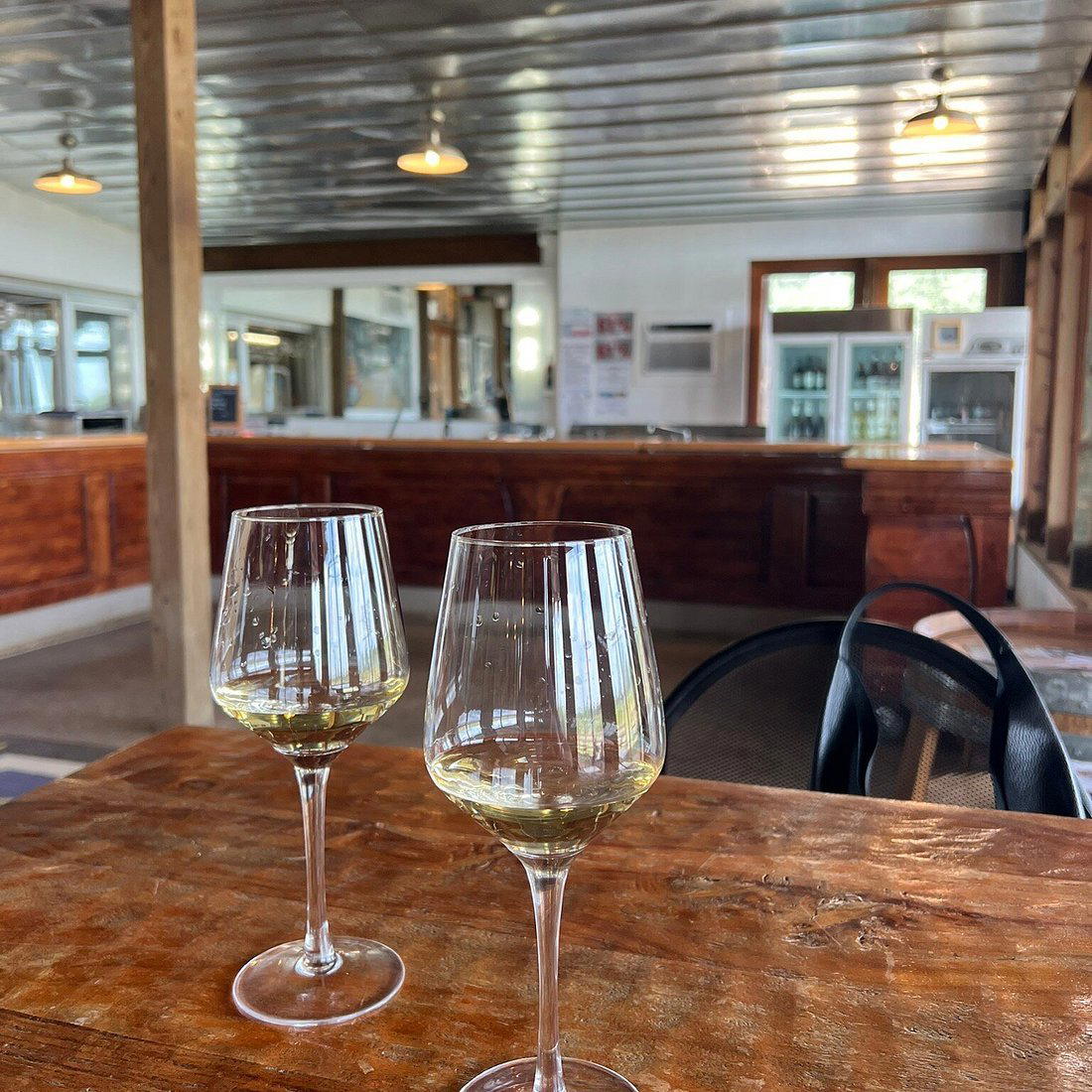
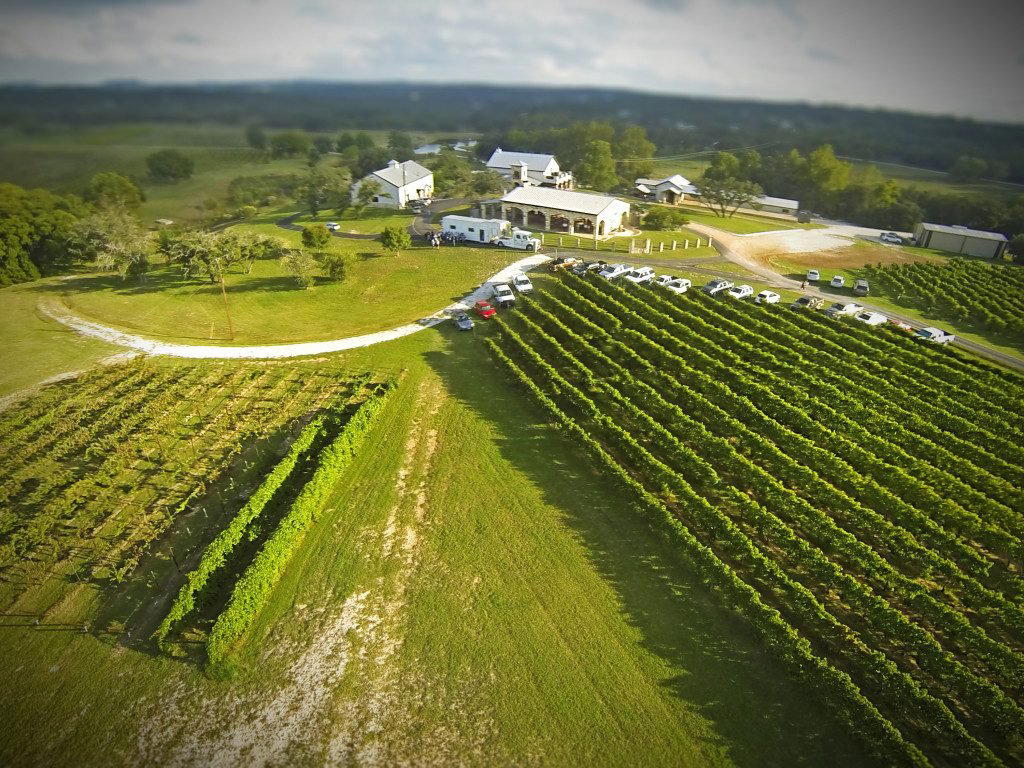
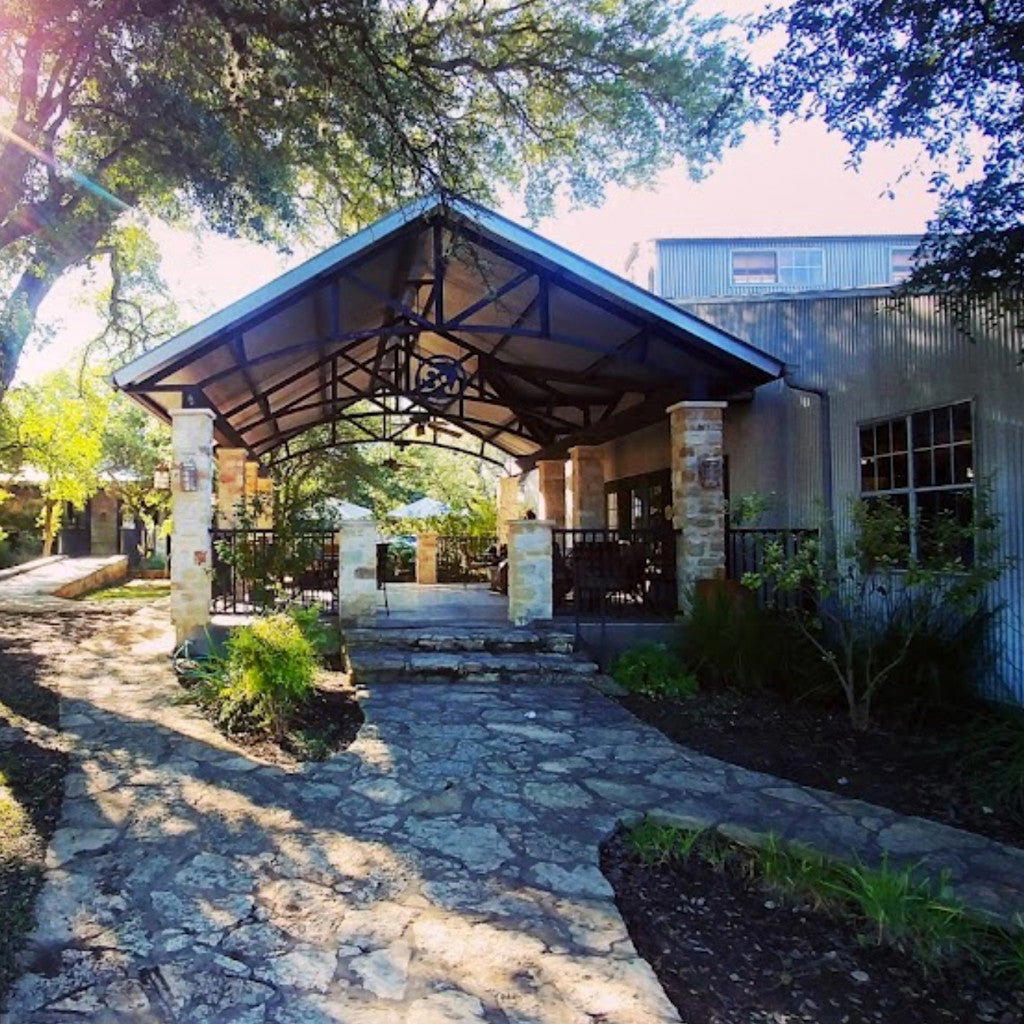
Industrial-chic space with high ceilings, natural light, inviting lounge areas, and a working winery backdrop blending rustic charm and modern comforts.
Know Before You Go
- Getting there
- 440 E St Elmo Rd A1, Austin, TX 78745