Tataki Ramen & Sushi
Tataki Ramen & Sushi sits at 3400 Lancaster Ave in West Philadelphia, where the neighborhood's student-heavy foot traffic meets a menu that spans Japanese noodle bowls and raw fish. The format suits both quick midday visits and longer evening meals, placing it in a practical tier of Japanese-American casual dining that has expanded across Philadelphia's university corridors over the past decade.
Pearl is the En Primeur Club membership app — saves, bookings, and concierge access live there. Same editors, same standards.
- Address
- 3400 Lancaster Ave, Philadelphia, PA 19104
- Phone
- +1 267 969 5880
- Website
- order.mealkeyway.com
- Directions
- Get directions
 Saves & bookings on Pearl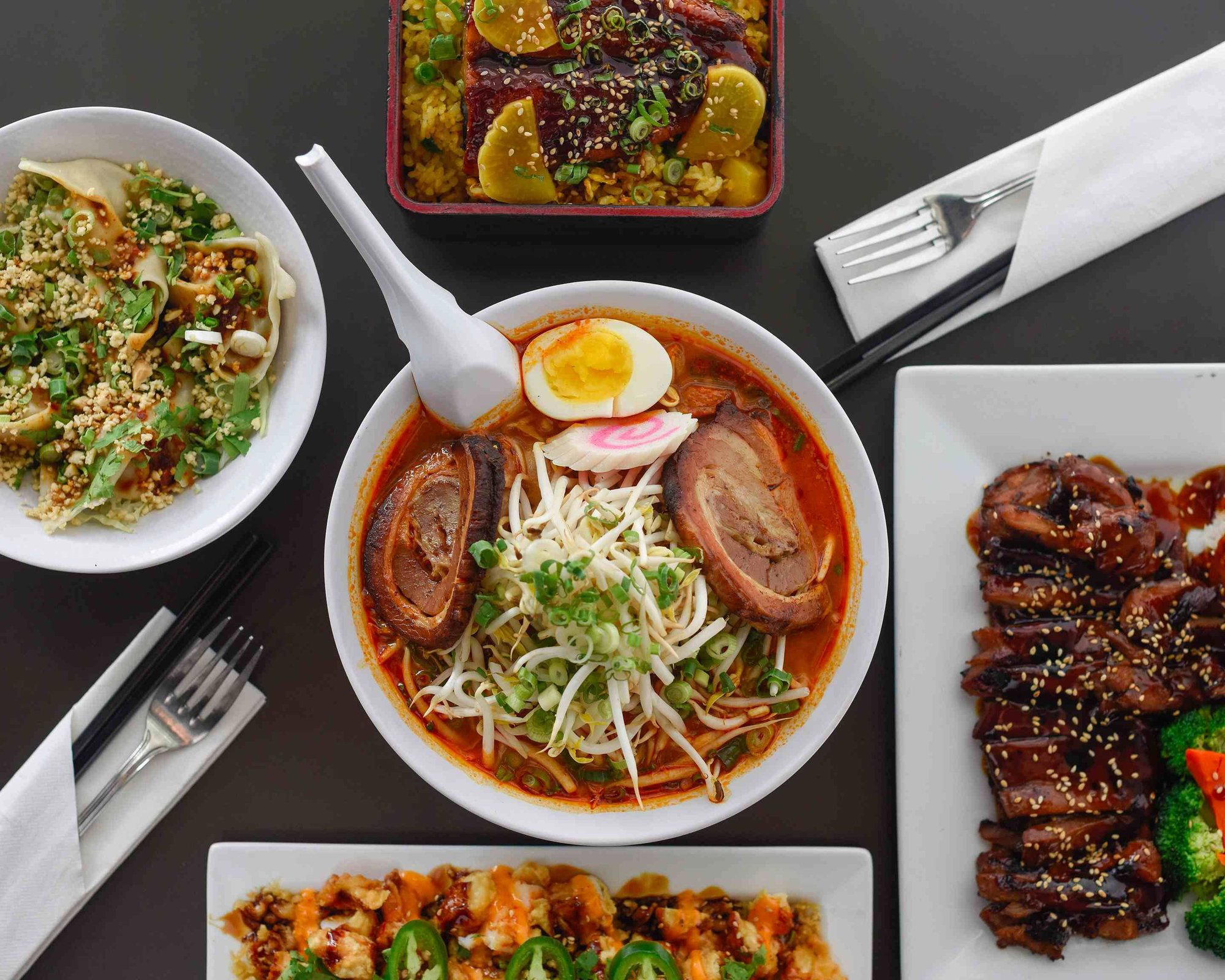
West Philadelphia's Japanese Casual Tier, Mapped
Lancaster Avenue between 34th and 40th streets functions as a kind of extended campus dining corridor, where the foot traffic from Drexel University and the University of Pennsylvania sustains a rotating cast of casual restaurants. Within that stretch, Japanese-leaning spots occupy a specific niche: quick enough for a weekday lunch, substantial enough to anchor an evening out. Tataki Ramen & Sushi, at 3400 Lancaster Ave, sits at that intersection. The address is not a destination in the way that a Rittenhouse Square counter might be, but it serves a neighborhood with genuine daily demand and limited Japanese options at a comparable price point.
Philadelphia's broader Japanese dining scene has stratified in recent years. At the upper end, omakase formats and sake-forward menus have drawn serious attention. At the accessible middle, ramen-and-sushi hybrids have proliferated in university zones and transit-adjacent corridors across the city, mirroring patterns in Boston's Allston neighborhood, Chicago's Wicker Park, and similar student-dense districts nationally. Tataki occupies that accessible middle tier, where the dual menu format, covering both ramen bowls and sushi rolls, reflects a pragmatic approach to neighborhood demand rather than a narrow culinary focus.
Lunch vs. Evening: How the Experience Shifts
In casual Japanese restaurants of this type, the gap between daytime and evening service is less about formality and more about pace and intent. Lunch on Lancaster Avenue draws students, university staff, and nearby residents looking for a reliable, fast option at a price point that keeps the bill manageable. The ramen format suits that pattern well: a single bowl handles both the protein and carbohydrate requirement in one efficient course, and turnover stays high enough to keep wait times short during the midday window.
Evening service at this category of restaurant tends to shift toward the sushi side of the menu. The format encourages more time at the table, the check tends to climb through accumulated rolls and extras, and the social character of the meal changes. Groups ordering a spread of rolls across a longer visit represent a different transaction than the solo lunch bowl, and restaurants in this format typically see their sushi revenue skew toward dinner. For a first-time visitor working out the moment to visit, that distinction matters: if you want speed and value, the ramen at lunch is the more focused choice; if you want a more extended meal with flexibility to share across the table, the evening sushi format serves that purpose better.
This lunch-versus-dinner logic is common across the casual Japanese hybrid format and is not specific to West Philadelphia. What makes it relevant here is the neighborhood context: the daytime population on Lancaster Ave is transient and time-sensitive in a way that evening visitors are not, which means the restaurant's two distinct service rhythms correspond to two genuinely different types of visit.
The West Philadelphia Context
University City, which encompasses the Lancaster Ave corridor, has seen consistent restaurant activity over the past decade as the institutional anchor of Penn and Drexel has drawn both student spending and incremental investment from operators looking for lower rents than Center City. The dining options have historically tilted toward convenience and value, with sit-down restaurants at the middle of that range outperforming the extremes. A high-price tasting menu format would find a thin audience here; a low-price counter would face margin pressure. The casual mid-range, where ramen and sushi hybrids operate, occupies a durable position in that local economy.
For visitors coming specifically to Philadelphia's dining scene from outside, Lancaster Ave is not the typical first stop. The city's more critically noted restaurants cluster in Fishtown, East Passyunk, and around Center City. But for anyone spending time at Drexel or Penn, or staying in University City accommodations, the neighborhood's practical dining options matter more than destination-driven ones. Tataki sits inside that practical tier, serving a geography that has real demand and limited Japanese competition at comparable accessibility.
Philadelphia's bar and cocktail scene adds a broader social layer for evening visits. If the meal extends into a longer evening, the city's considered drinking options are worth mapping. 12 Steps Down and 1501 Passyunk Ave represent the city's more low-key bar character, while 48 Record Bar adds a music-led dimension. For something closer to Japanese-influenced drinking, 637 Philly Sushi Club operates in the same culinary orbit.
For reference on how Japanese-inspired programming plays out in other American cities, Kumiko in Chicago operates at the more technical, spirits-forward end of the spectrum, while Bar Leather Apron in Honolulu reflects a Pacific Rim approach to precision cocktails. Cocktail programs in other cities worth tracking include Jewel of the South in New Orleans, Julep in Houston, Superbueno in New York City, ABV in San Francisco, and The Parlour in Frankfurt on the Main.
Know Before You Go
Recognition Snapshot
Comparable venues nearby, for context on price, style, and recognition.
| Venue | Cuisine | Price | Notes |
|---|---|---|---|
| Tataki Ramen & SushiThis venue — the venue you are viewing | Bar | $$ | Not listed |
| Oyster House | cocktail_bar | $$ | Rittenhouse Square |
| Union Transfer | lounge | $$ | Callowhill |
| Standard Tap | pub | $$ | Northern Liberties |
| Writer's Block Rehab | cocktail_bar | $$ | Gayborhood |
| Fitz on 4th | cocktail_bar | $$ | Tattoo Alley |
Continue exploring
More in Philadelphia
Bars in Philadelphia
Browse all →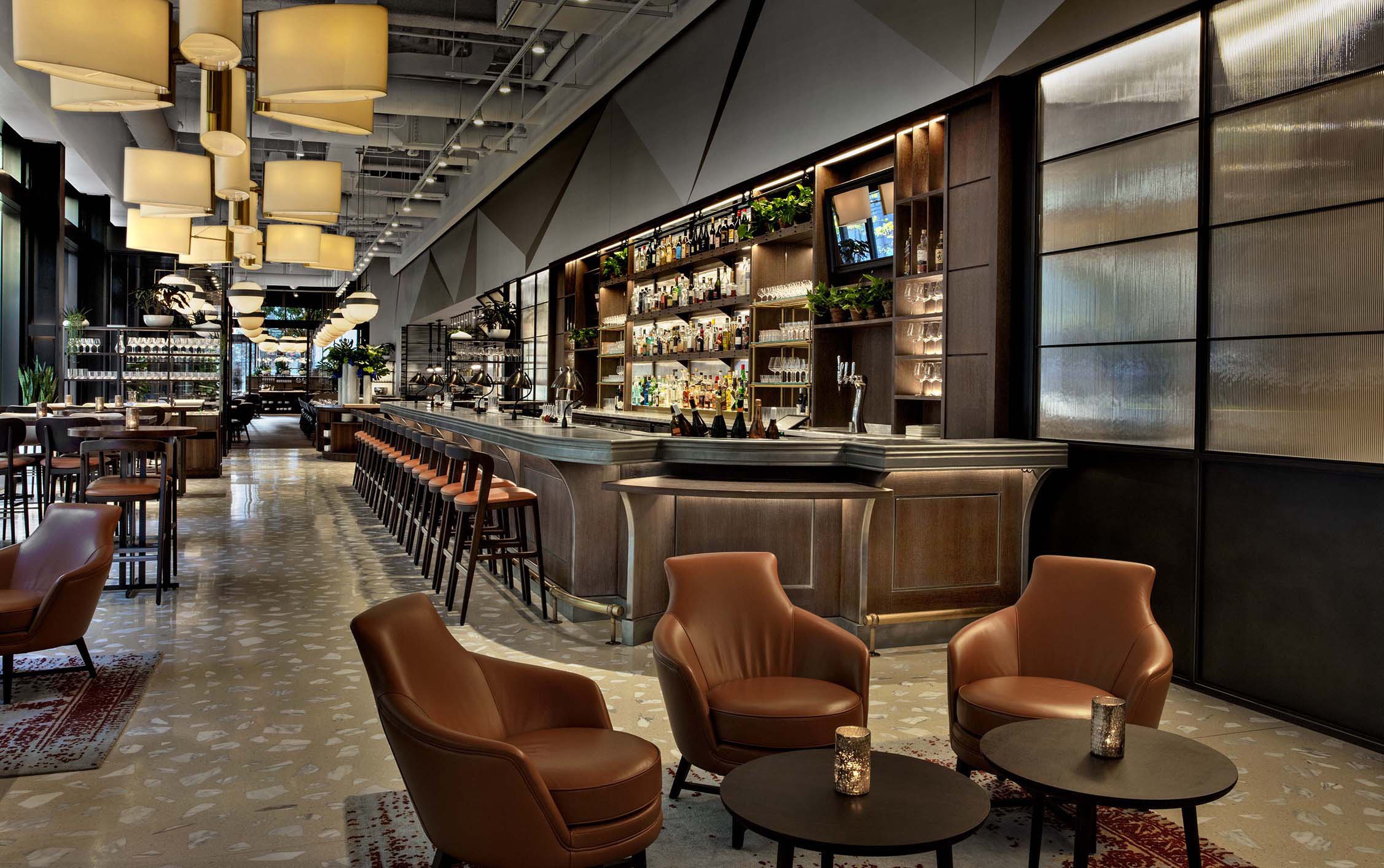
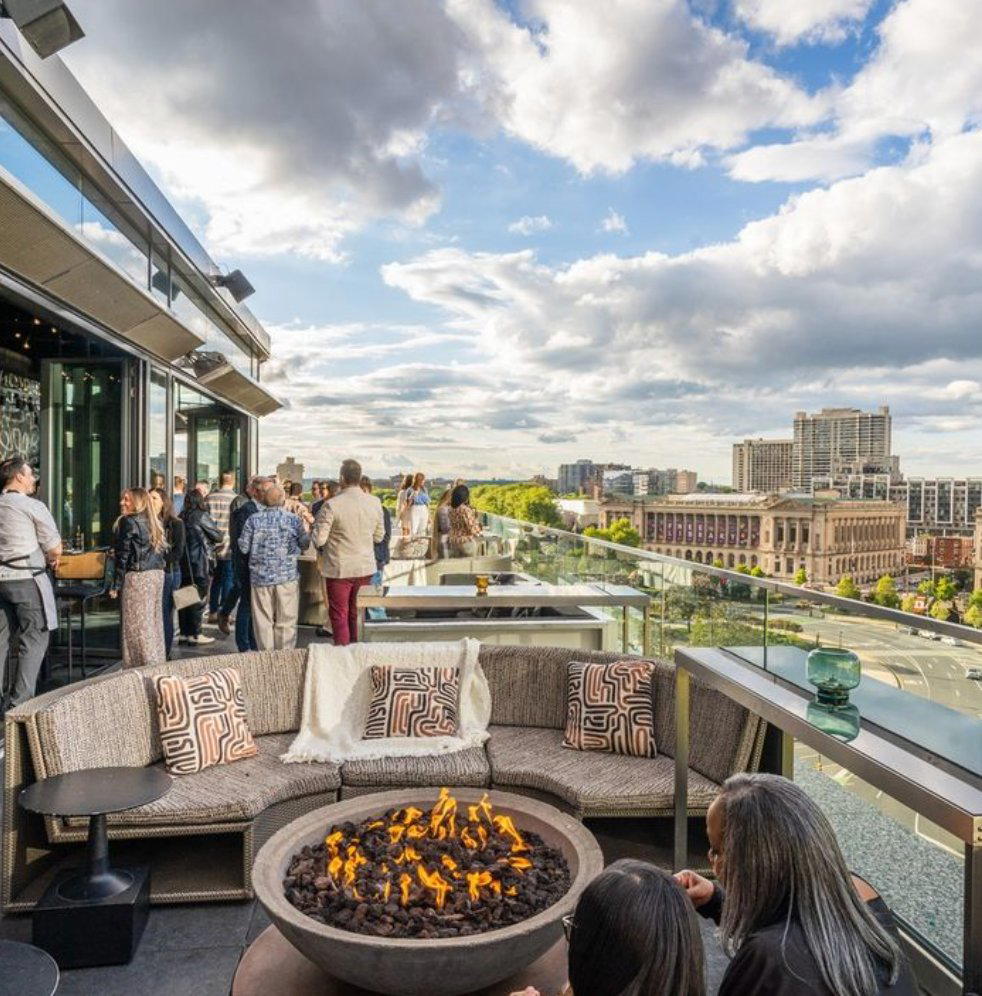
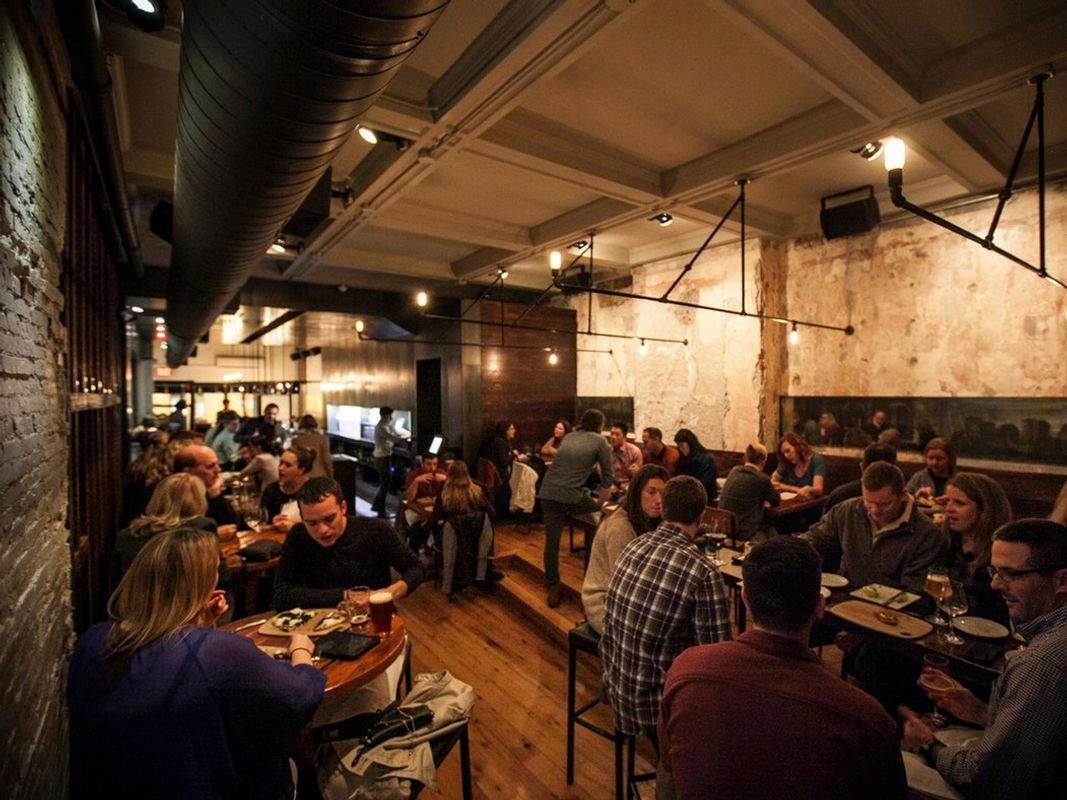
Restaurants in Philadelphia
Browse all →
At a Glance
- Modern
- Trendy
- Casual Hangout
Current opening hours
- Monday
- 11:30 AM–10 PM
- Tuesday
- Closed
- Wednesday
- 11:30 AM–10 PM
- Thursday
- 11:30 AM–10 PM
- Friday
- 11:30 AM–10:30 PM
- Saturday
- 11:30 AM–10:30 PM
- Sunday
- 11:30 AM–10 PM
Hours can change for holidays and private events. Last verified .
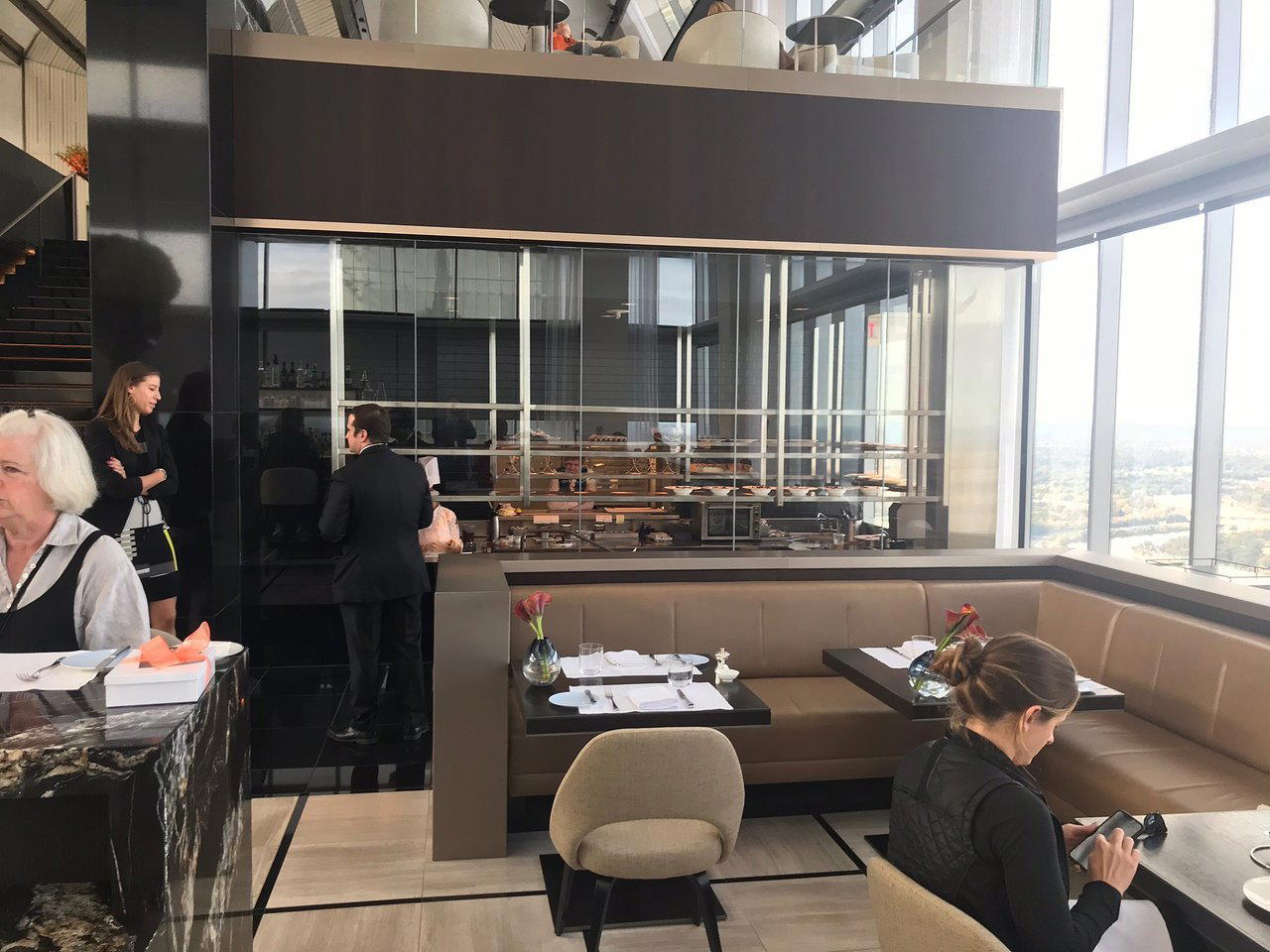
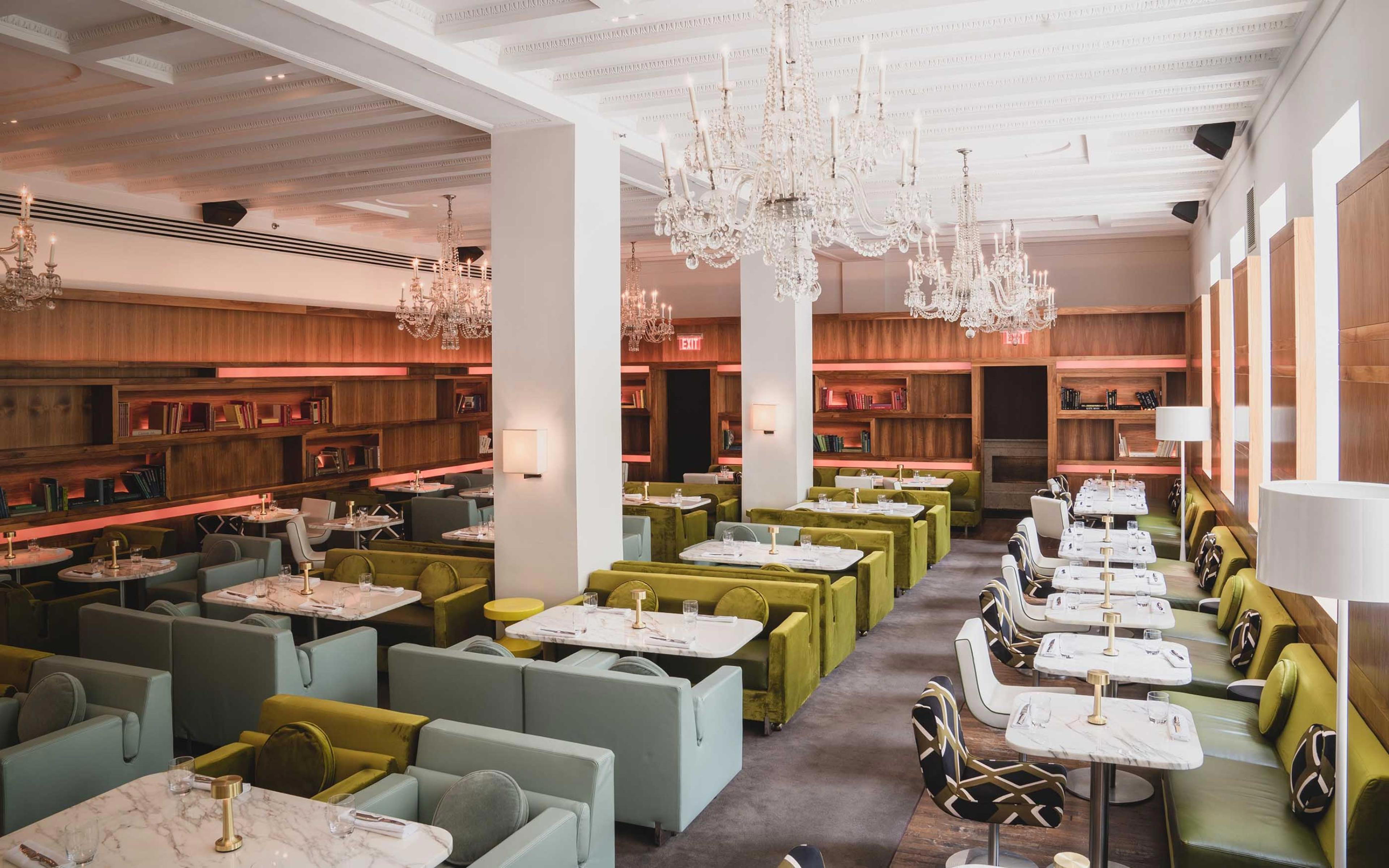
Immersive modern Tokyo vibe with calming background music.