Sushi Maru Japanese Restaurant
On West McDermott Drive in Allen, Texas, Sushi Maru sits within a suburban dining corridor that has grown increasingly serious about Japanese cuisine over the past decade. The restaurant draws a consistent local following and serves as a reference point for sushi in this part of Collin County. For visitors orienting themselves in Allen's dining scene, it belongs on the shortlist alongside the city's other established addresses.
Pearl is the En Primeur Club membership app — saves, bookings, and concierge access live there. Same editors, same standards.
- Address
- 541 W McDermott Dr, Allen, TX 75013
- Phone
- +1 469 675 3008
- Website
- sushimarutx.com
- Directions
- Get directions
 Saves & bookings on Pearl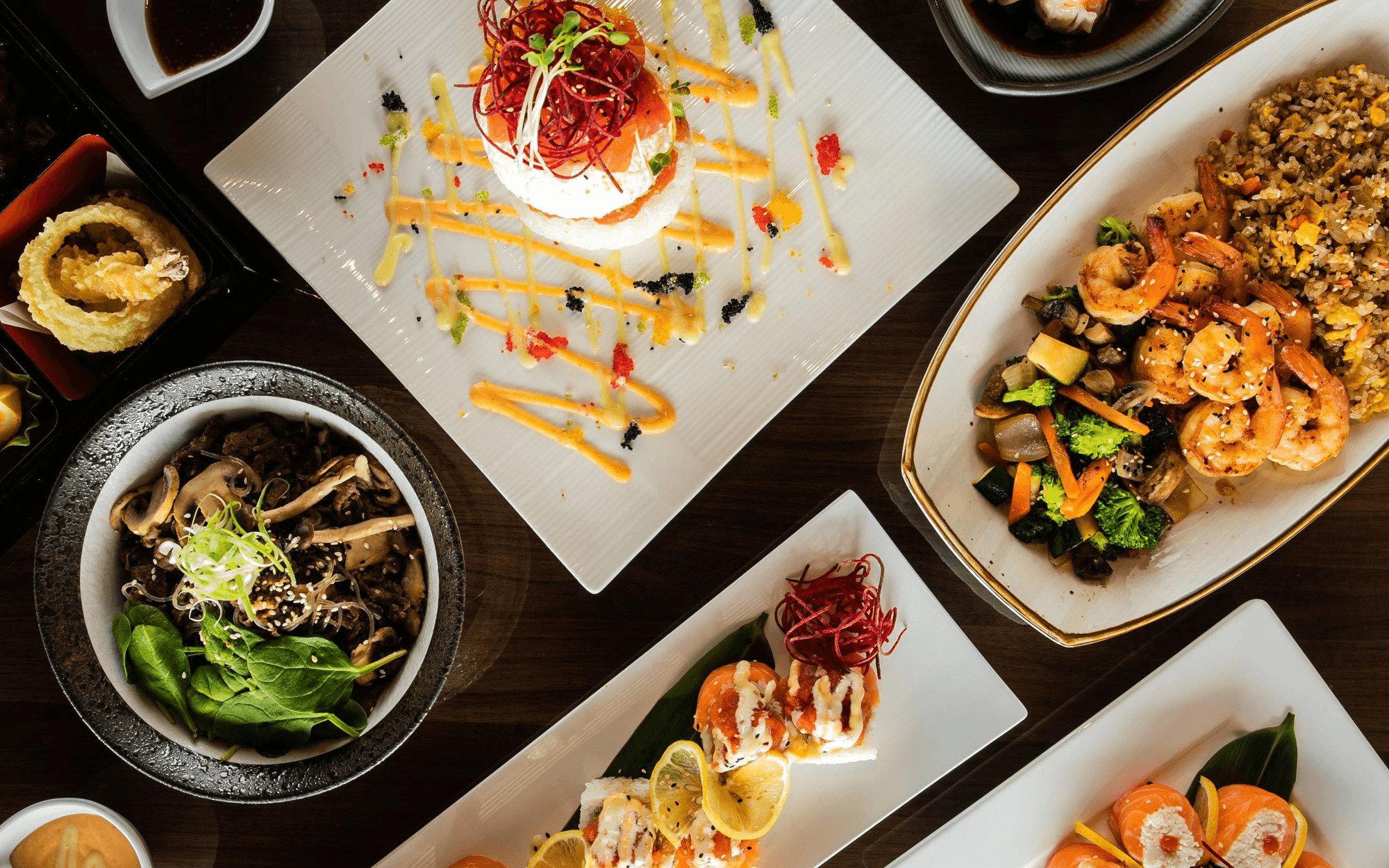
Allen's Suburban Sushi Strip, and Where Maru Sits on It
West McDermott Drive has become one of the more reliable dining corridors in Collin County, a stretch where chain adjacency and strip-mall geography have not stopped serious independents from building reputations over time. Sushi restaurants in particular have done well here, partly because the suburb's demographics skew toward a professional, internationally travelled population with expectations that push beyond California rolls and teriyaki. Sushi Maru, at 541 W McDermott Dr, occupies this context directly: it is a sit-down Japanese restaurant in a market that rewards consistency and penalises shortcuts.
The North Dallas suburbs occupy a particular tier in the regional dining picture. They are close enough to Dallas's more concentrated restaurant density to feel the competitive pressure, but suburban enough that regulars return weekly rather than annually, which changes what a restaurant has to be. In that environment, atmosphere and spatial consistency matter more than they might in a downtown setting where novelty carries heavier weight. A room that reads well on a Tuesday evening, not just a Friday, signals something about how a space has been calibrated.
The Physical Register: What the Room Does
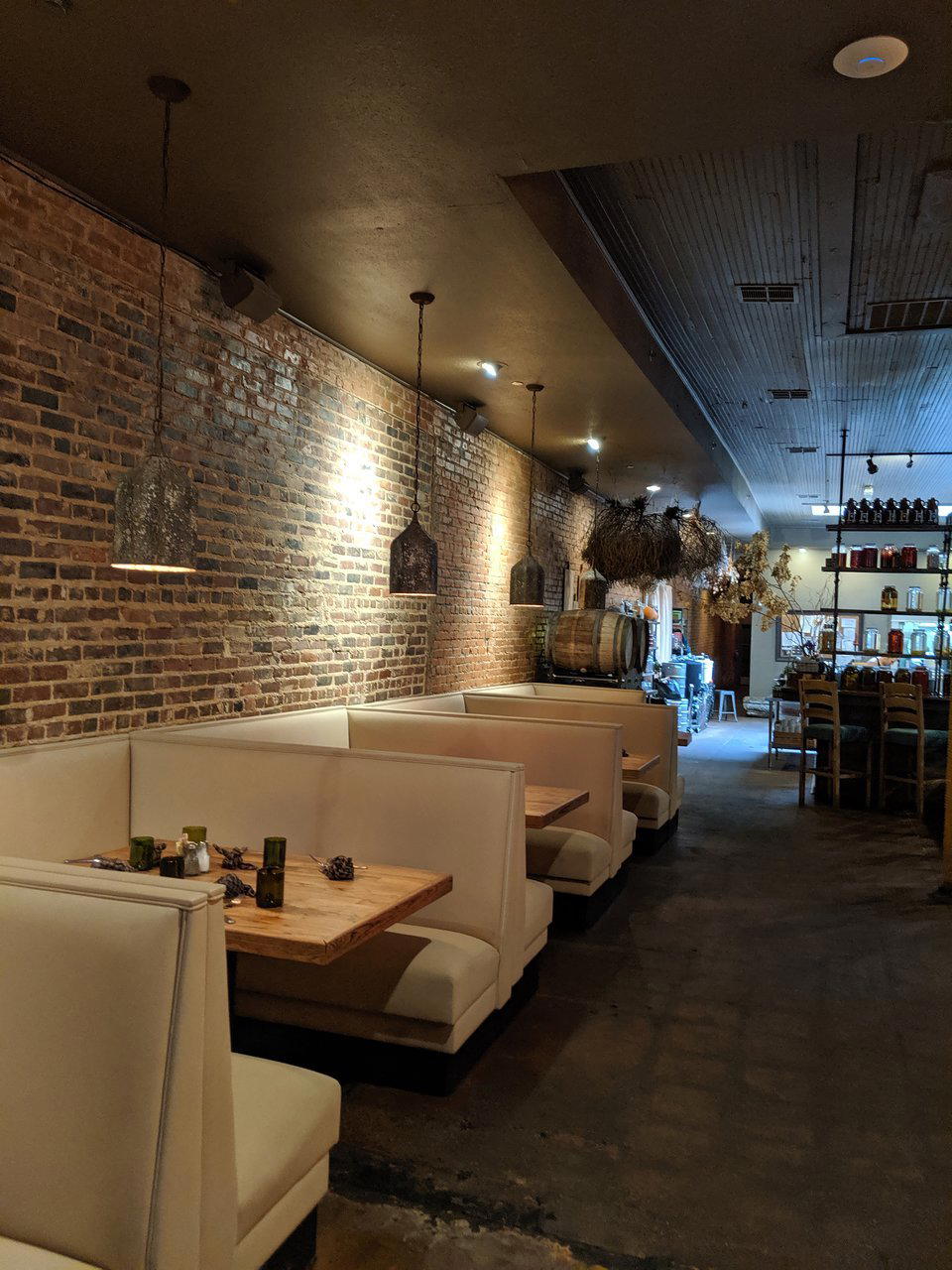
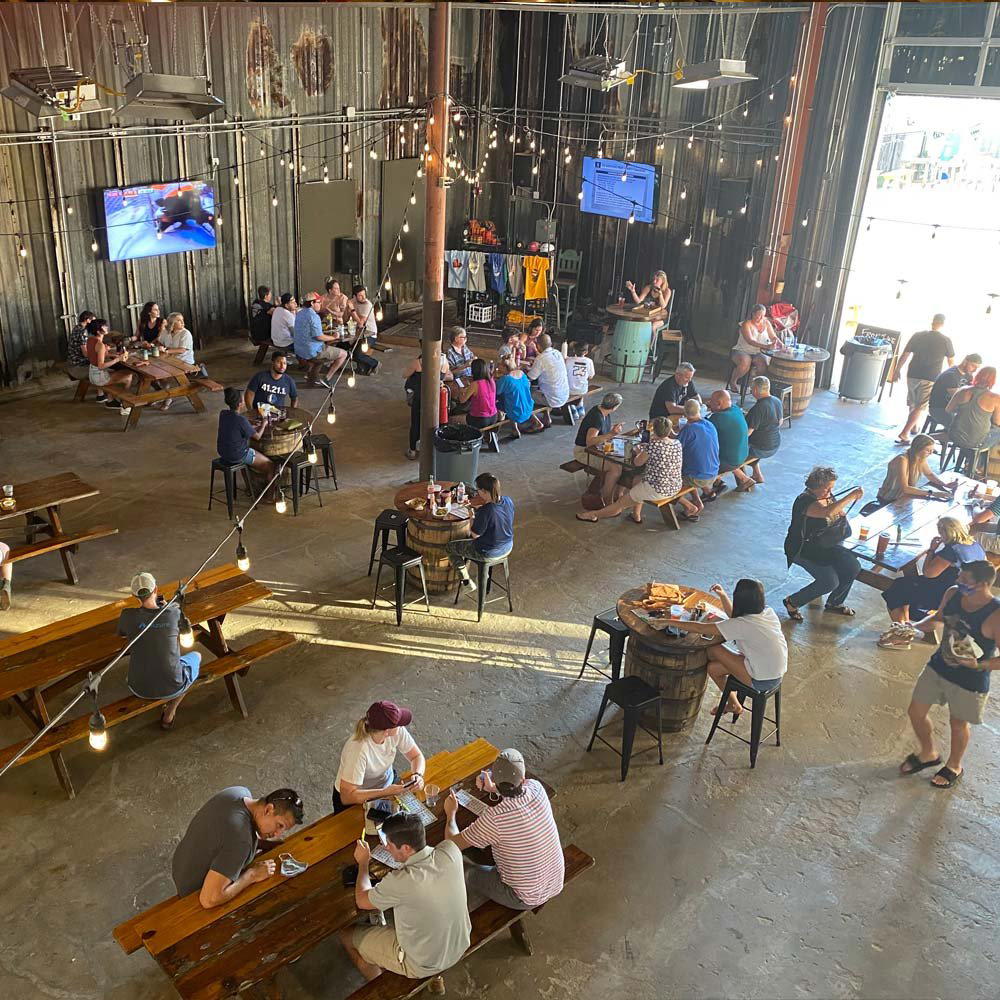
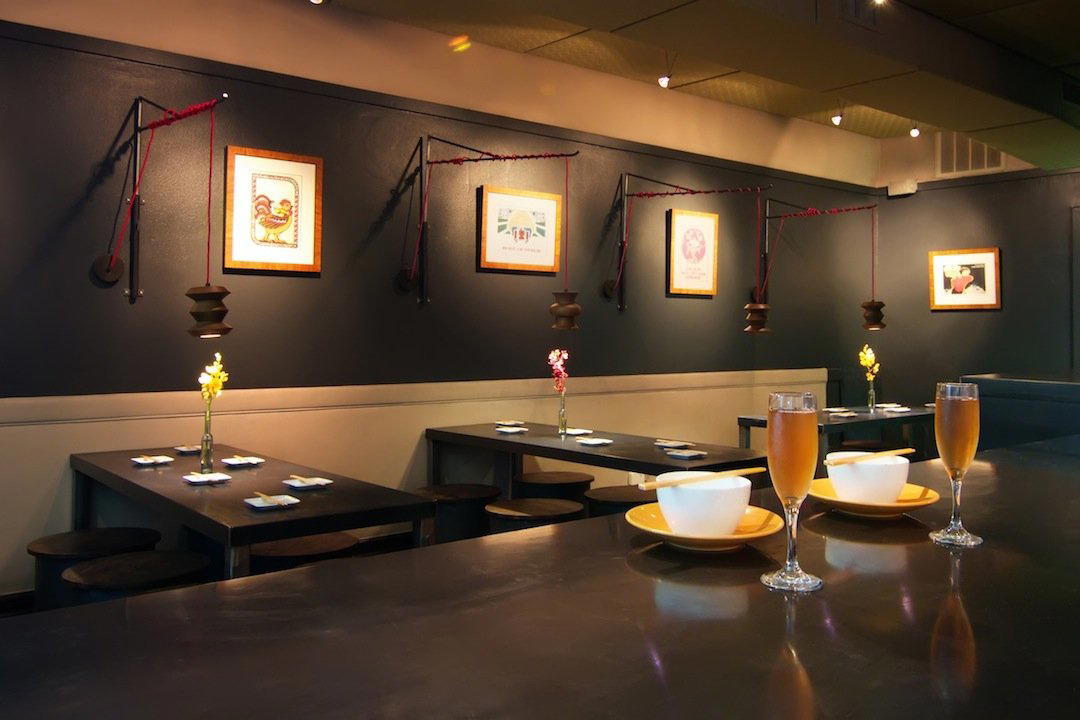
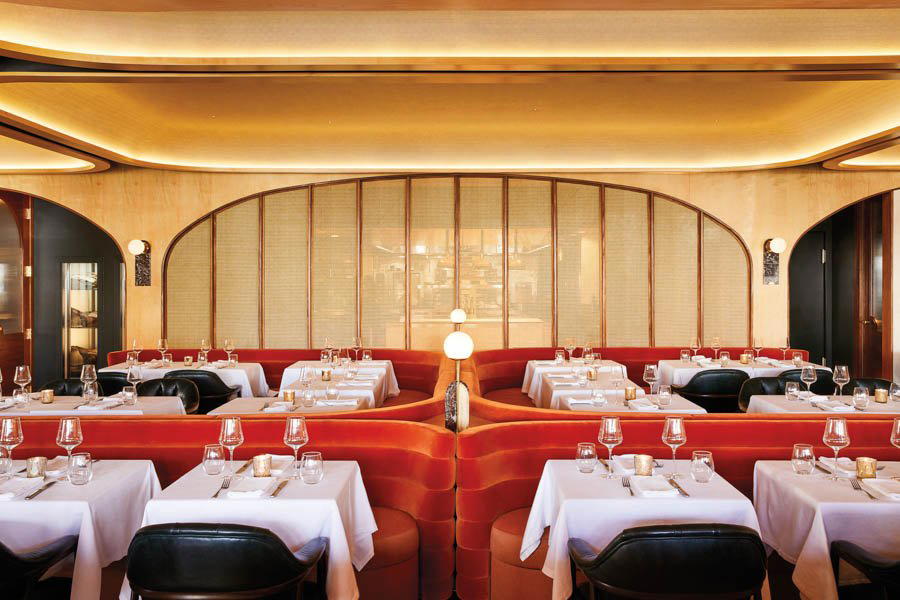
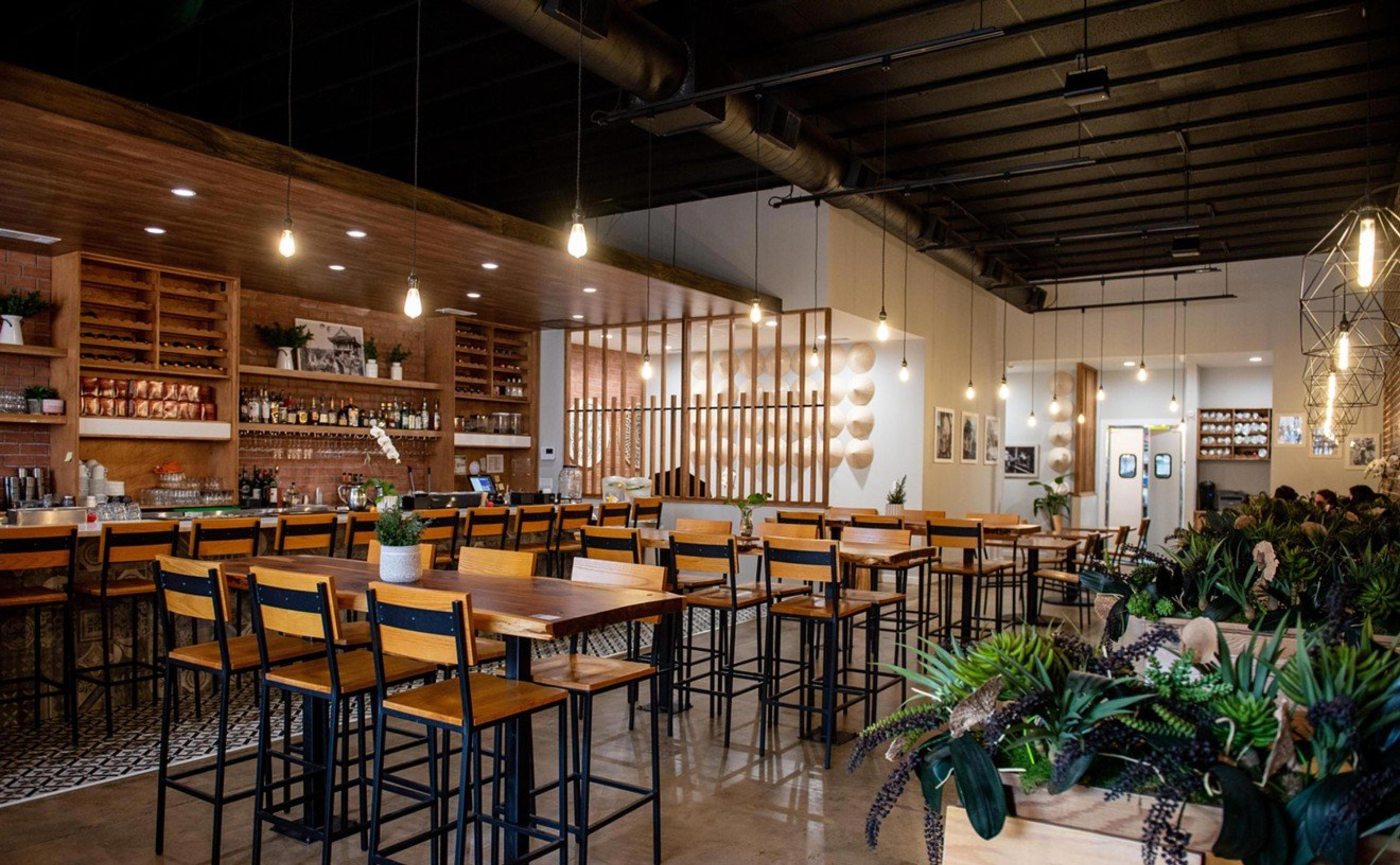
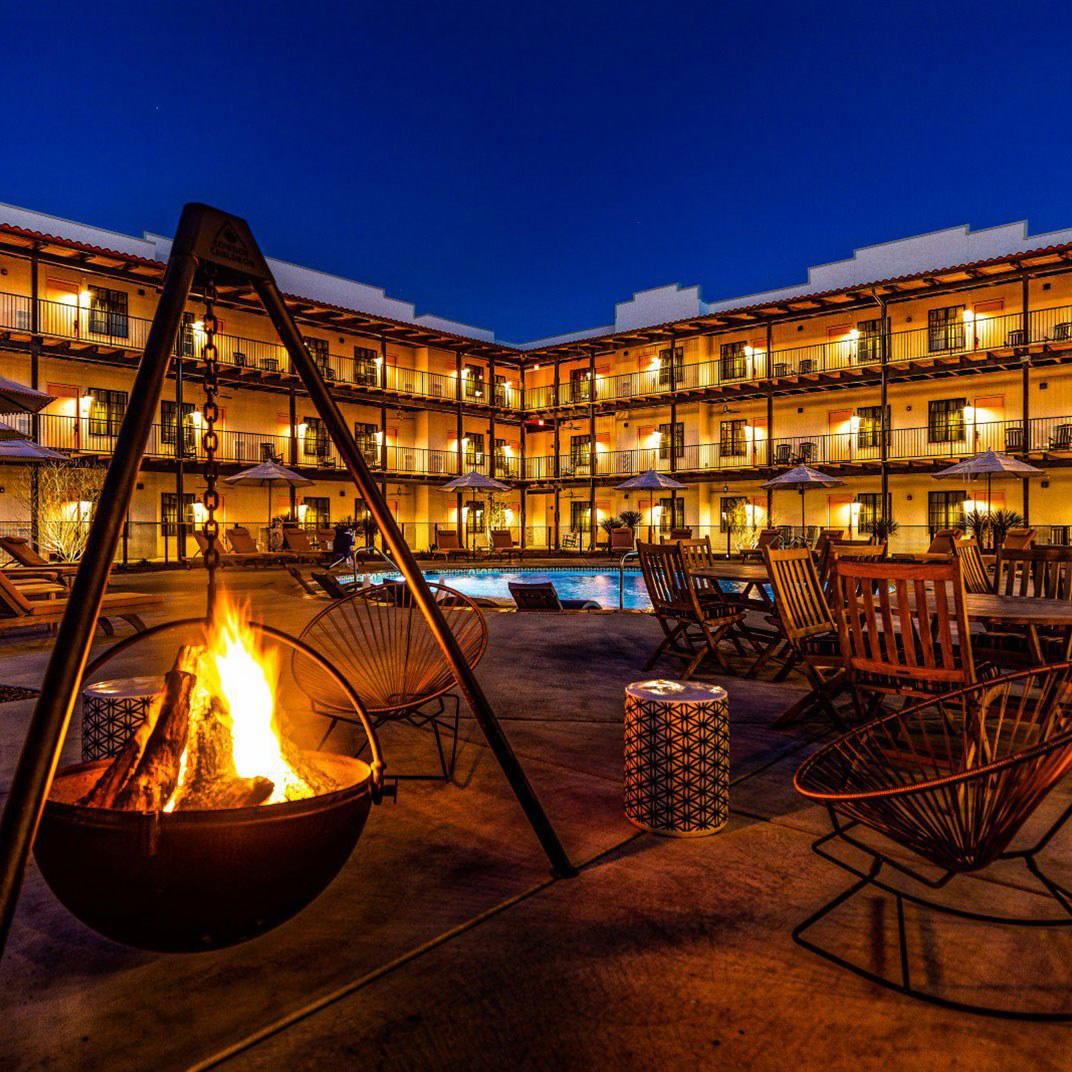
Japanese restaurant design in American suburbs tends to fall into two camps. The first is the high-turnover format: bright lighting, laminate tables, walls decorated with sake bottle labels and generic Tokyo photography. The second is the mood-forward model, where lower light levels, natural materials, and deliberate sightlines signal that the kitchen takes the work seriously. The difference in atmosphere is immediate on entry and usually correlates with what arrives at the table.
Sushi Maru's address on a mid-density commercial strip places it in the suburban format by default, but within that format there is genuine range. The leading suburban Japanese rooms in markets like North Dallas have learned from the urban model: counter seating that allows visibility into the preparation area, lighting warm enough to flatter the fish's colour, and sound levels controlled well enough that two people at a four-leading can have a conversation without effort. Whether Maru executes in that upper tier of the suburban format is the question a first visit answers.
For context on what a well-considered Japanese room can achieve regardless of geography, it is worth looking at how bars and restaurants in other American cities have approached atmosphere as a primary design brief. Kumiko in Chicago is an instructive reference: its considered spatial program and Japanese aesthetic vocabulary have made it one of the more discussed rooms in its category. Bar Leather Apron in Honolulu operates on similar principles, using materials and light rather than volume or spectacle to set the register. These are not direct comparisons to a suburban Texas sushi restaurant, but they illustrate the design logic that the better end of Japanese dining spaces in America has converged on.
The Sushi Category in North Texas: What the Market Looks Like
Texas has developed a more layered sushi market than its reputation sometimes suggests. Dallas proper has seen omakase counters at price points that position them against coastal peers, while the suburbs have developed their own mid-tier ecosystem that is denser and more competitive than a decade ago. Allen and the surrounding Collin County cities sit in the middle of that suburban tier: above the mall food court, below the $200-per-head omakase format, and competing primarily on quality-to-frequency ratio, the sense that a diner can return twice a month without the experience feeling repetitive or the value feeling wrong.
In that context, a restaurant like Sushi Maru is read against local alternatives rather than against Nobu Dallas. Regulars in that market develop strong opinions quickly, and word-of-mouth functions more efficiently in a suburb than in a city, because the population is smaller and the dining occasions are more planned.
Allen's broader dining scene includes addresses like Andreas Prime Steaks and Seafood and TwoRows Classic Grill, both of which operate in the American grill format that has long dominated suburban Texas dining. Japanese restaurants represent a different segment of that same market, and their growth reflects a broadening of what suburban diners expect to find within a short drive of home. For a fuller picture of where Sushi Maru sits among Allen's restaurants, the EP Club Allen guide provides additional context across categories.
What the Cocktail and Drinks Conversation Looks Like Here
One question that comes up around suburban Japanese restaurants in Texas is how seriously they approach the drinks side. The national conversation around Japanese-influenced cocktails has produced some strong work: Julep in Houston and Jewel of the South in New Orleans are examples of Southern bars that have built programs with real depth, and Superbueno in New York City, ABV in San Francisco, Allegory in Washington, D.C., Bar Kaiju in Miami, and The Parlour in Frankfurt each demonstrate how far the craft cocktail format has travelled geographically. The gap between that tier and what a suburban Texas sushi restaurant typically offers is real, but it reflects category and market positioning rather than ambition. At Sushi Maru, the drinks conversation is more likely to centre on sake selection and Japanese beer than on a cocktail program, which is where most independent sushi restaurants at this price point correctly focus their energy.
Planning a Visit: What to Know Before You Go
Sushi Maru is located at 541 W McDermott Drive in Allen, Texas 75013, which places it on a commercial strip accessible by car from the Route 75 corridor and from residential areas across central Allen. The McDermott corridor is heavily car-dependent, as is standard for this part of Collin County, so driving or rideshare is the practical approach for most visitors.

At a Glance
- Modern
- Trendy
- Date Night
- Group Outing
- Casual Hangout
- Design Destination
- Standalone
- Seated Bar
- Booth Seating
- Sake
- Craft Cocktails
Current opening hours
- Monday
- 11 AM–2:30 PM, 5–9 PM
- Tuesday
- 11 AM–2:30 PM, 5–9 PM
- Wednesday
- 11 AM–2:30 PM, 5–9 PM
- Thursday
- 11 AM–2:30 PM, 5–9 PM
- Friday
- 11 AM–2:30 PM, 5–9:30 PM
- Saturday
- 11 AM–2:30 PM, 5–9:30 PM
- Sunday
- 12–3 PM, 5–9 PM
Hours can change for holidays and private events. Last verified .
Contemporary and upscale casual with a focus on quality presentation; described as a place without loud music, offering a refined dining experience.
Know Before You Go
- Getting there
- 541 W McDermott Dr, Allen, TX 75013