Station Tavern
Station Tavern sits on Fern Street in the South Park neighbourhood of San Diego, a stretch that has quietly become one of the city's most coherent dining and drinking corridors. The tavern format here anchors a block where walkable, neighbourhood-scale hospitality defines the experience more than any single headline name or award citation.

Pearl is the En Primeur Club membership app, where members save venues, book tables and use the concierge.
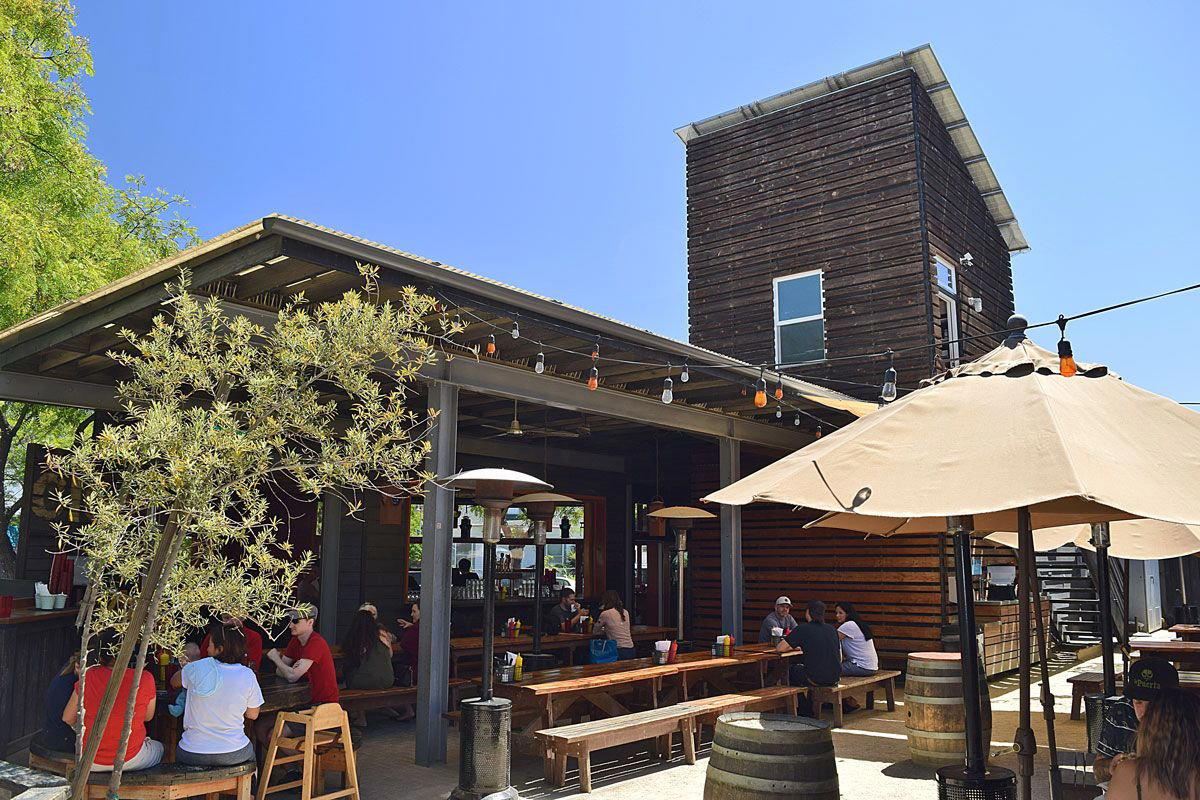
South Park and the Case for the Neighbourhood Tavern
San Diego's bar and restaurant conversation tends to concentrate downtown, in the Gaslamp Quarter, or along the North Park stretch of 30th Street. South Park, a few blocks south and west, operates at a different register. The neighbourhood is residential in scale, walkable in a way that few San Diego corridors genuinely are, and built around independent operators rather than group-backed concepts. Fern Street, in particular, has accumulated a critical mass of places that function less as destinations and more as locals' infrastructure. Station Tavern at 2204 Fern Street sits squarely in that context.
The tavern format is worth taking seriously on its own terms. In American cities, the category has historically occupied the space between a full-service restaurant and a drinking-only bar: a place where food is present but not performative, where drink programs are taken seriously but not theatrically, and where the room itself signals that repeat visits are the point. That format has been under pressure for a decade from concept-driven operators pushing both the food and the beverage side toward greater spectacle. What distinguishes South Park is that the neighbourhood has largely resisted that pressure, and places like Station Tavern are part of why.
What the Fern Street Block Tells You About San Diego's Sustainability Thinking
The broader shift toward environmentally conscious hospitality in American bar culture has followed a predictable pattern: high-visibility programs in major markets, followed by slower absorption into neighbourhood-scale venues. In San Diego, that process has been shaped partly by the city's proximity to agricultural supply chains in Baja California and the broader Pacific Southwest, which gives local operators more direct access to producers than bars in, say, Chicago or New York typically have. The result is that sourcing conversations in San Diego's independent bar and restaurant scene often happen at a more granular level than in larger markets.
Station Tavern's position in South Park places it in a neighbourhood where that kind of sourcing consciousness is part of the operating context rather than a marketing overlay. South Park's independent operators have generally oriented toward local supply, reduced waste formats, and menus that reflect what is available rather than what is engineered for consistency. That approach is easier to sustain in a tavern format than in a high-volume concept, because the economics of a neighbourhood local allow for shorter, more flexible menus and less dependence on centralised purchasing.
For comparison, San Diego's more theatrically minded bar programs, including Raised by Wolves downtown and Youngblood, operate at a different scale and with different sourcing structures. Those venues prioritise technical precision and theatrical presentation; the sustainability story there, where it exists, is about ingredient sourcing for cocktail components rather than about the operating model itself. The tavern format Station Tavern represents is a different proposition entirely.
How Station Tavern Sits in the Broader San Diego Independent Bar Scene
San Diego's independent bar scene has developed a recognisable character over the past decade: heavy emphasis on craft beer (the city's brewing culture is among the most developed in the United States), growing interest in serious cocktail programs, and a geographic spread that means strong venues exist well outside the central districts. 1450 El Prado in Balboa Park represents the cultural-institution end of that spread; 356 Korean BBQ and Bar shows how the city's demographic diversity feeds into its bar and dining formats. Station Tavern on Fern Street represents the neighbourhood anchor model, which is arguably the hardest format to sustain and the one most resistant to easy replication.
Nationally, the neighbourhood tavern model has produced some of the most critically noted independent bars in recent years. Kumiko in Chicago works within a quiet, ingredient-led format that shares DNA with the neighbourhood tavern ethos even if it operates at a higher technical register. Jewel of the South in New Orleans draws on deep local tradition to anchor a neighbourhood corner. Julep in Houston has made a regional sourcing commitment central to its identity. ABV in San Francisco holds a similar position in its neighbourhood. Even internationally, venues like The Parlour in Frankfurt and Bar Leather Apron in Honolulu demonstrate how the low-spectacle, high-craft neighbourhood format translates across very different city contexts. Superbueno in New York City applies a similar logic to a Latin-inflected format. What these venues share is an operating model that prioritises the repeat visitor over the destination seeker, and a physical environment that makes that priority legible.
The Physical Environment and What It Signals
Fern Street in South Park reads as a working neighbourhood street rather than a hospitality district. The built environment is modest in scale, with the kind of commercial ground-floor presence that predates the current wave of design-led bar openings. Station Tavern's address at 2204 Fern fits that fabric rather than working against it. In a city where a significant portion of notable bar and restaurant openings have prioritised dramatic interior design or high-concept spatial identities, a space that reads as genuinely part of its neighbourhood rather than installed into it carries a different kind of credibility.
That credibility matters for the sustainability argument. Operators who are genuinely embedded in a neighbourhood, with a regular clientele and a stake in the block's long-term character, make different decisions about sourcing, waste, and operating practice than operators whose primary audience is transient. The tavern format selects for the former.
Know Before You Go
- Address: 2204 Fern St, San Diego, CA 92104
- Neighbourhood: South Park
- Format: Neighbourhood tavern
- Phone: Not available
- Website: Not available
- Getting there: South Park is accessible by car with street parking on Fern Street; the neighbourhood is also served by San Diego Metropolitan Transit bus routes along nearby corridors
For a broader map of San Diego's dining and drinking options, see our full San Diego restaurants guide.
Frequently Asked Questions
| Venue | Cuisine | Price | Awards |
|---|---|---|---|
| Station TavernThis venue (the venue you are viewing) | This venue | $20–30 | Not listed |
| Raised by Wolves | Not listed | $30–50 | World's 50 Best #19 · Top 500 Bars Best Bars #442 |
| Youngblood | Not listed | $50–100 | World's 50 Best #49 |
| Realm of the 52 Remedies | Not listed | $20–30 | World's 50 Best #93 · James Beard Award Semi Finalist |
Continue exploring
More in San Diego
Bars in San Diego
All bars in San Diego →
Restaurants in San Diego
All restaurants in San Diego →
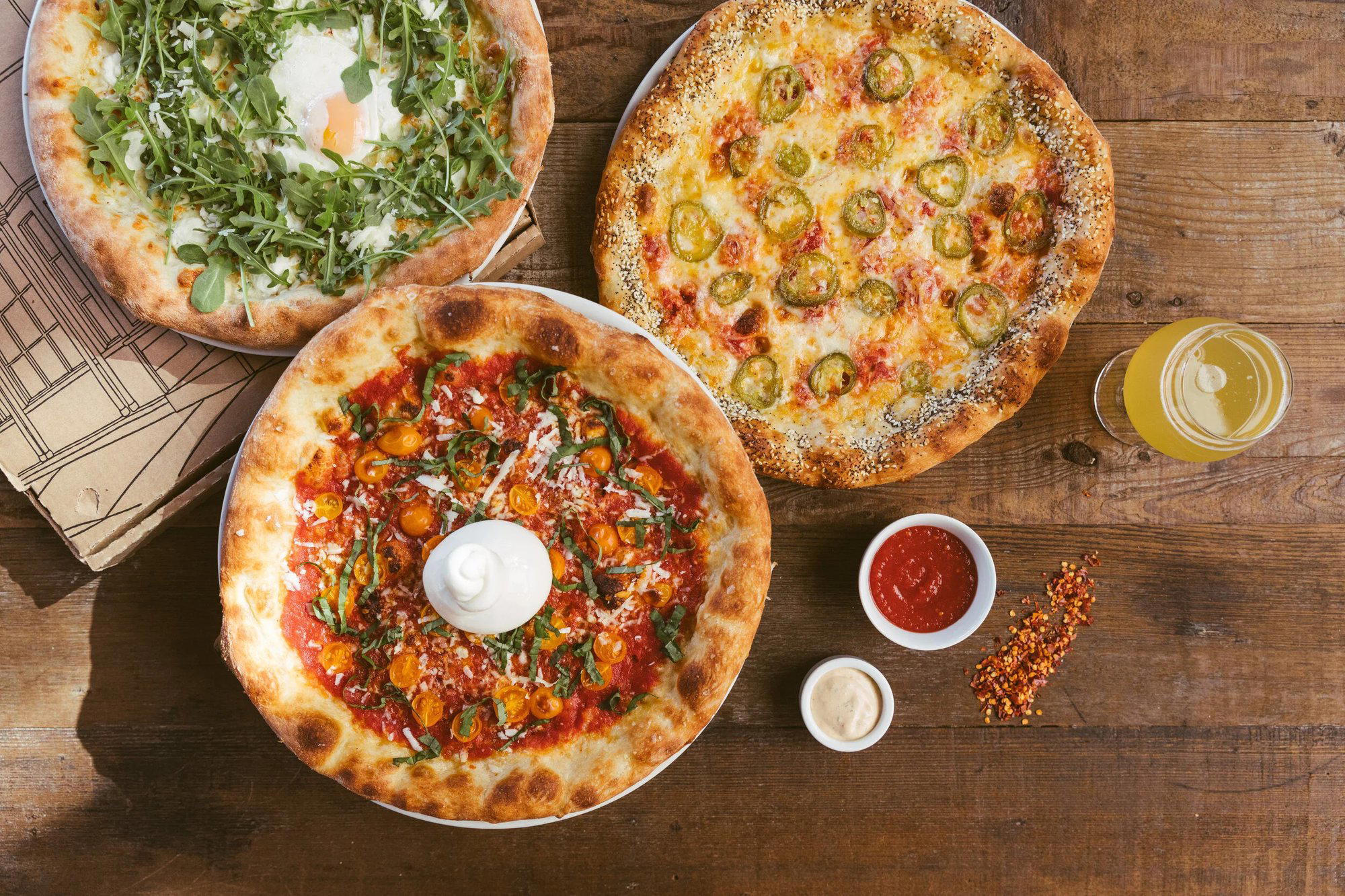
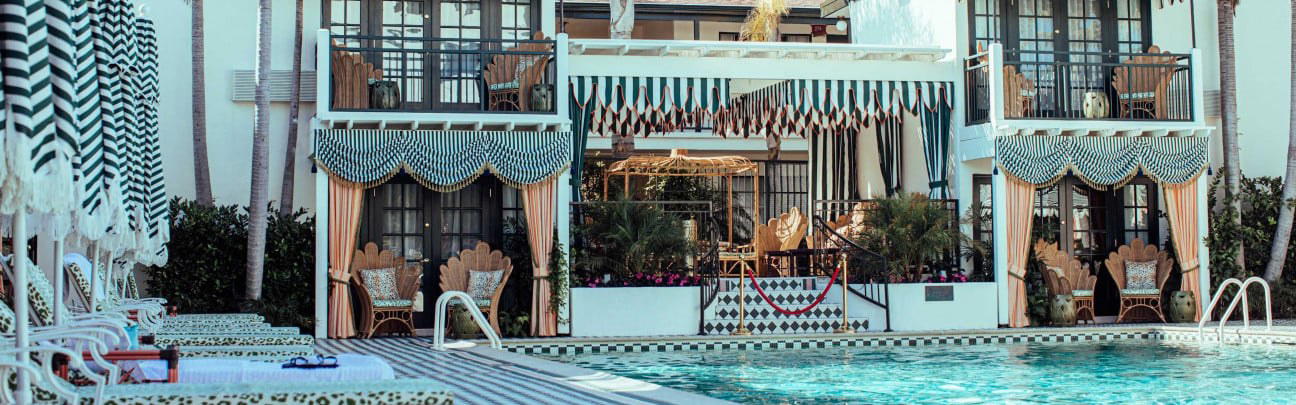
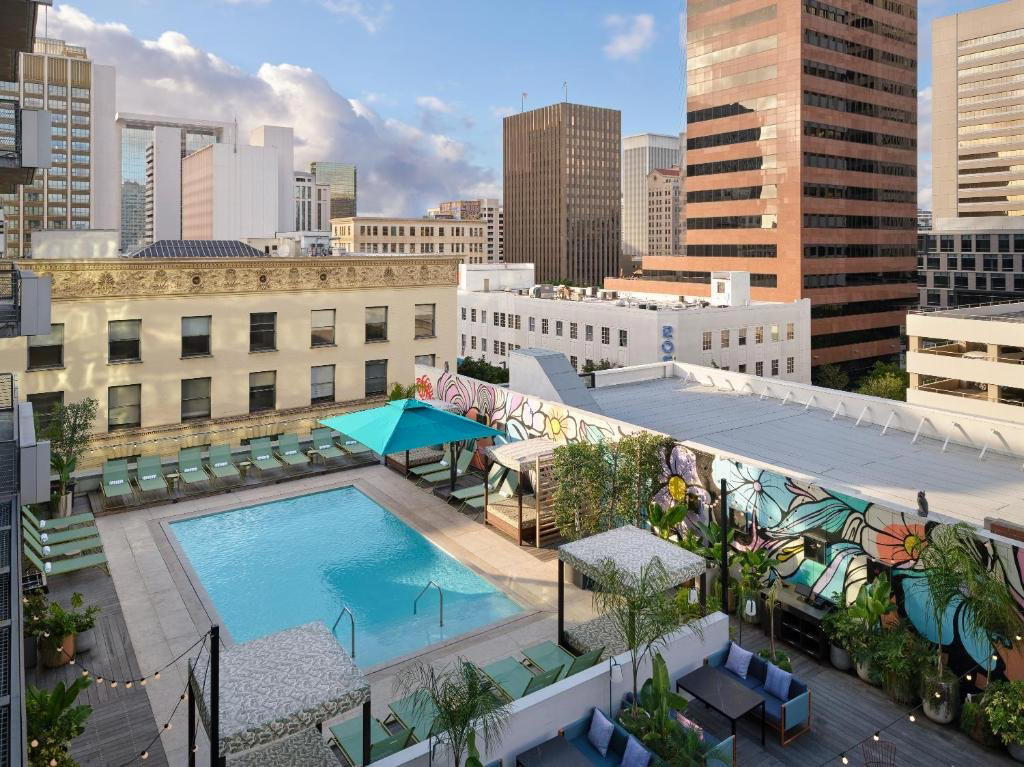
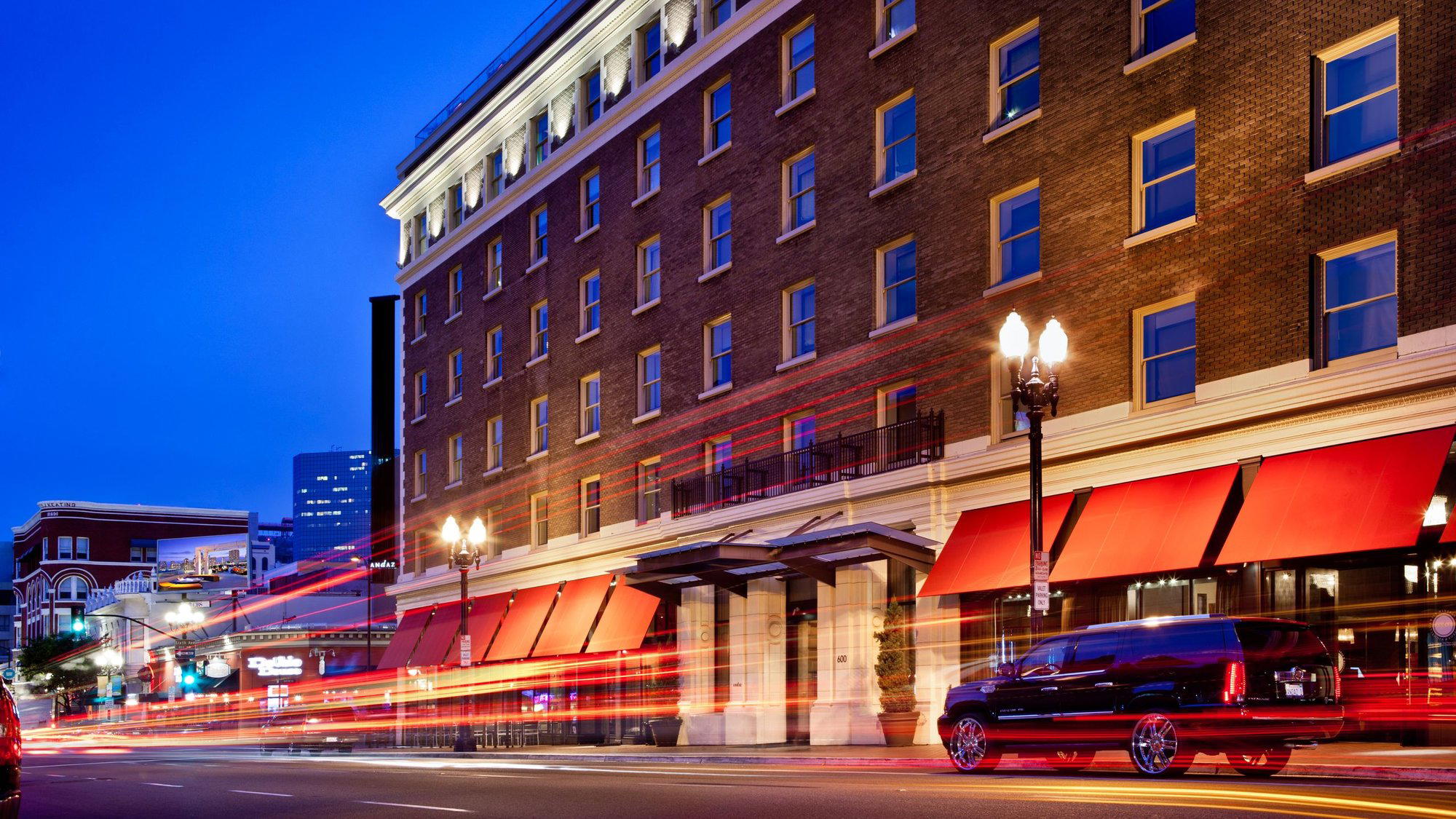
Station Tavern
The drinks
- Craft cocktails
- Craft beer
Signature drinks: Summer Spritz.
Details
- Casual
- Lively
- Rustic
- Casual Hangout
- Group Outing
- Beer Garden
- Historic Building
- Standalone
- Seated Bar
- Booth Seating
- Outdoor Terrace
- Craft Beer
- Craft Cocktails
Current opening hours
- Monday
- 11 AM–10 PM
- Tuesday
- 11 AM–10 PM
- Wednesday
- 11 AM–10 PM
- Thursday
- 11 AM–10 PM
- Friday
- 11 AM–10 PM
- Saturday
- 11 AM–10 PM
- Sunday
- 11 AM–10 PM
Hours can change for holidays and private events. Hours as of .
Casual, family-friendly neighborhood tavern with a relaxed atmosphere celebrating San Diego's trolley heritage.