Starbucks Reserve Roastery
The Starbucks Reserve Roastery on Pike Street sits at the intersection of specialty coffee culture and experiential retail, occupying a scale that few coffee venues attempt anywhere in the world. The building functions as a working roastery, bar, and tasting space simultaneously, making it a reference point for understanding how the specialty coffee category has evolved in its home city.
- Address
- 1124 Pike St, Seattle, WA 98101
- Phone
- (206) 624-0173
- Website
- starbucksreserve.com
- Directions
- Get directions
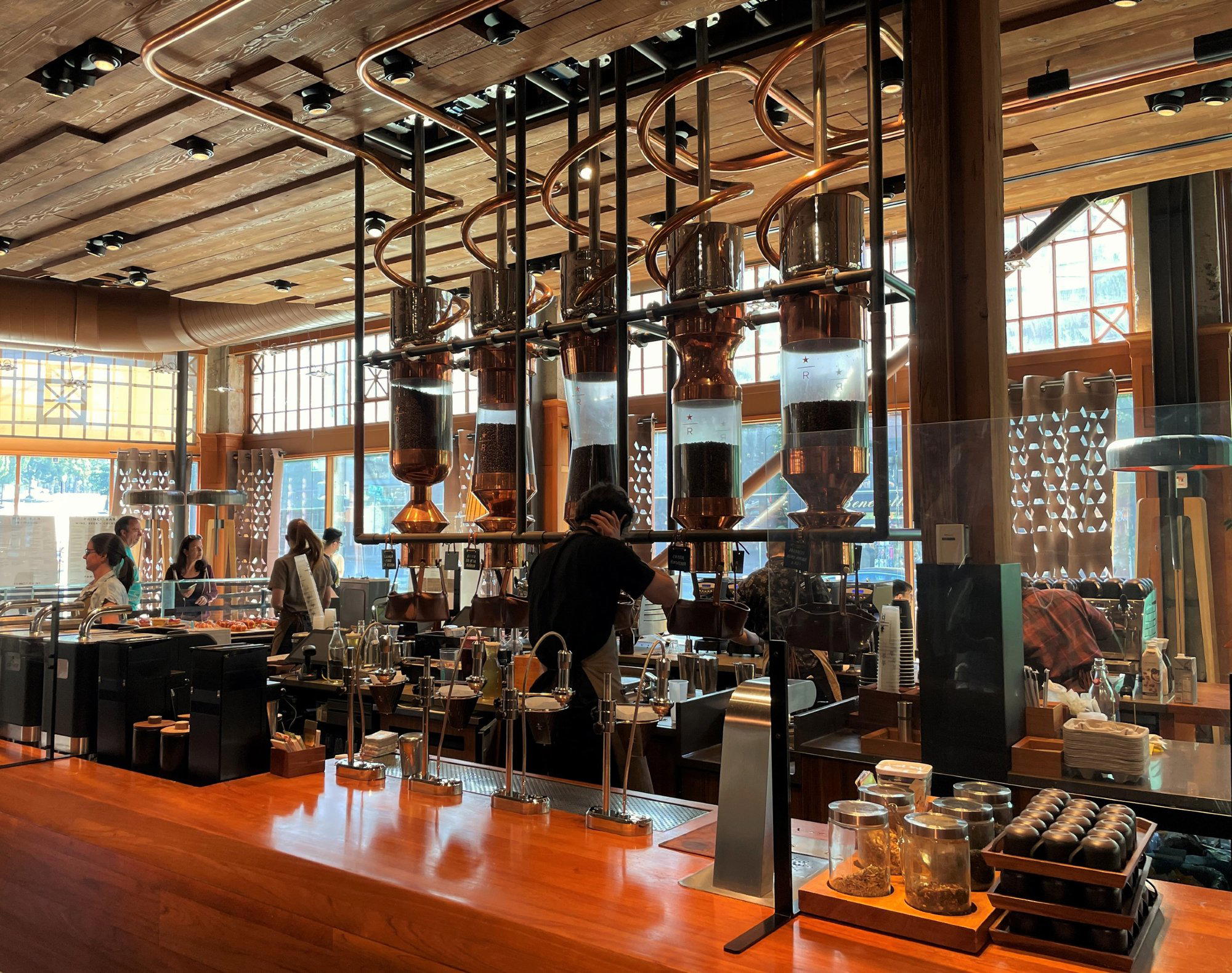
Pike Street, Ground Level
Walking into 1124 Pike Street, the first thing you register is scale. A copper roasting vessel anchors the center of the floor, and the smell of fresh roast hits before your eyes have finished adjusting. The Reserve Roastery belongs to a category of coffee destination that emerged in the 2010s: part working facility, part public spectacle, where the production process is the experience rather than something hidden in a back room. Seattle, as the city where Starbucks first opened in 1971, is the logical address for its most ambitious physical expression.
The format here reflects a broader shift in specialty coffee. As third-wave roasters moved roasting operations into public view and built educational programming around origin and process, the category split between intimate neighborhood cafes and destination-format venues with high footfall and theatrical production. The Reserve Roastery sits firmly in the latter tier, though the drinks program attempts to operate at the precision of the former.
The Drinks Program and What It Pairs With
The editorial angle worth attending to here is the relationship between the coffee program and the food side of the operation. Across the specialty coffee industry, the food-and-drink pairing question has been handled inconsistently. Most third-wave cafes treat food as an afterthought: a grab-and-go pastry case staffed independently of the bar. The Reserve Roastery takes a more deliberate position, with an on-site bakery format that is designed to operate in relation to the coffee rather than alongside it as a separate commercial unit.
Logic follows what wine bars and cocktail-forward venues figured out earlier: the food program either reinforces the drinks or it dilutes the overall proposition. In cocktail venues like Kumiko in Chicago or Jewel of the South in New Orleans, the kitchen operates as an extension of the bar team's philosophy, not as a separate revenue stream. The Reserve Roastery makes a similar argument for coffee, positioning the Princi bakery partnership as complementary to origin-specific brewing rather than incidental to it.
Practically, this means the food available at the Pike Street location is produced on-site and oriented toward the flavor register of the coffee program: fermented doughs, olive oil finishes, items with enough acidity and fat to work against the brightness of East African single-origin coffees and the heavier caramel notes of Latin American lots. Whether the execution consistently meets that ambition is a question for the specific visit, but the structural intent differentiates the Roastery from a café that simply added a display case.
Seattle's Coffee Context
To place the Reserve Roastery accurately within Seattle's coffee scene, it helps to understand the city's split personality on the subject. Seattle has two distinct coffee cultures operating in parallel. The first is the original drive-through and neighborhood espresso-bar tradition, democratic and quick, where the coffee is strong and the interaction is brief. The second is the specialty-focused, pour-over and single-origin culture that has grown steadily since the early 2000s and now counts several well-regarded independent roasters operating in Capitol Hill, Ballard, and the Central District.
The Reserve Roastery occupies a third position: it is neither a neighborhood essential nor a quiet enthusiast space. It functions as a destination, drawing visitors from outside the city alongside locals who treat it as a periodic rather than daily stop. This is a different social role from the bars on Seattle's cocktail circuit, where venues like Canon and Roquette serve a primarily local audience with deep repeat-visit loyalty. The Roastery's audience is broader and more transient, which shapes the experience in ways that are worth being honest about.
For visitors who want a deeper dive into Seattle's bar culture after a visit to the Roastery, The Doctor's Office and 2963 4th Ave S represent the more specialist, lower-footfall end of the city's drinks scene. See our full Seattle restaurants guide for a broader map of the city's food and drink options by neighborhood.
How It Sits Against Comparable Formats Elsewhere
The destination-roastery format has been replicated in several cities since Seattle's location opened, including New York, Chicago, Tokyo, and Milan. Each iteration tests a slightly different set of local conditions: how much a local audience will pay for a premium coffee experience, how tourist-heavy the footfall becomes, and whether the food program can sustain independent interest. Comparable experiential coffee-and-food destinations in other US cities suggest that the format works well when the local specialty coffee market is already developed enough to give visitors a reference point for why the Reserve tier represents a step up.
For travelers who have visited destination bar programs with strong food pairings in other US cities, including ABV in San Francisco, Julep in Houston, or Superbueno in New York City, the Reserve Roastery's approach to pairing will feel recognizable in its intent, even if coffee operates under different hospitality conventions than spirits. Internationally, venues like Bar Leather Apron in Honolulu and The Parlour in Frankfurt on the Main illustrate how the pairing-forward format translates across drink categories and geographies.
Planning Your Visit
| Venue | Format | Walk-in Feasibility | Food Programme | Primary Audience |
|---|---|---|---|---|
| Starbucks Reserve Roastery (Pike St) | Destination roastery + bakery | High, no reservation required | On-site Princi bakery, pairing-oriented | Mixed: visitors and locals |
| Canon (Capitol Hill) | Cocktail bar, spirits-focused | Moderate, walk-in most nights | Limited bar snacks | Primarily local, spirits enthusiasts |
| Roquette (Seattle) | Cocktail bar | Moderate | Bar food | Local and regional |
| The Doctor's Office (Seattle) | Specialist cocktail bar | Lower, fills quickly | Minimal | Specialist, local |
The Roastery on Pike Street does not require advance booking. Peak hours align with mid-morning through early afternoon on weekends, when Capitol Hill foot traffic is heaviest and the space fills with both tourists and local regulars. Weekday mornings offer a more measured pace and a better environment for engaging with the brewing formats in detail. The location sits on Pike Street between First Hill and Capitol Hill, within walking distance of Pike Place Market.
Comparable Spots
Comparable options at a glance, pulled from our tracked venues.
| Venue | Price | Awards |
|---|---|---|
| Starbucks Reserve RoasteryThis venue — the venue you are viewing | Not listed | Not listed |
| Bar Miriam | $30–50 | Food & Wine Top 10 US Bars #5 |
| Rob Roy | $30–50 | James Beard Award Semi Finalist |
| Roquette | $20–30 | World's 50 Best #89 · James Beard Award Semi Finalist |
| The Doctor's Office | $30–50 | World's 50 Best #76 |
Continue exploring
More in Seattle
Bars in Seattle
Browse all →
Restaurants in Seattle
Browse all →
Hotels in Seattle
Browse all →
Details
- Modern
- Trendy
- Well Known
- Industrial
- Casual Hangout
- Design Destination
- Historic Building
- Lounge Seating
- Communal Tables
- Craft Cocktails
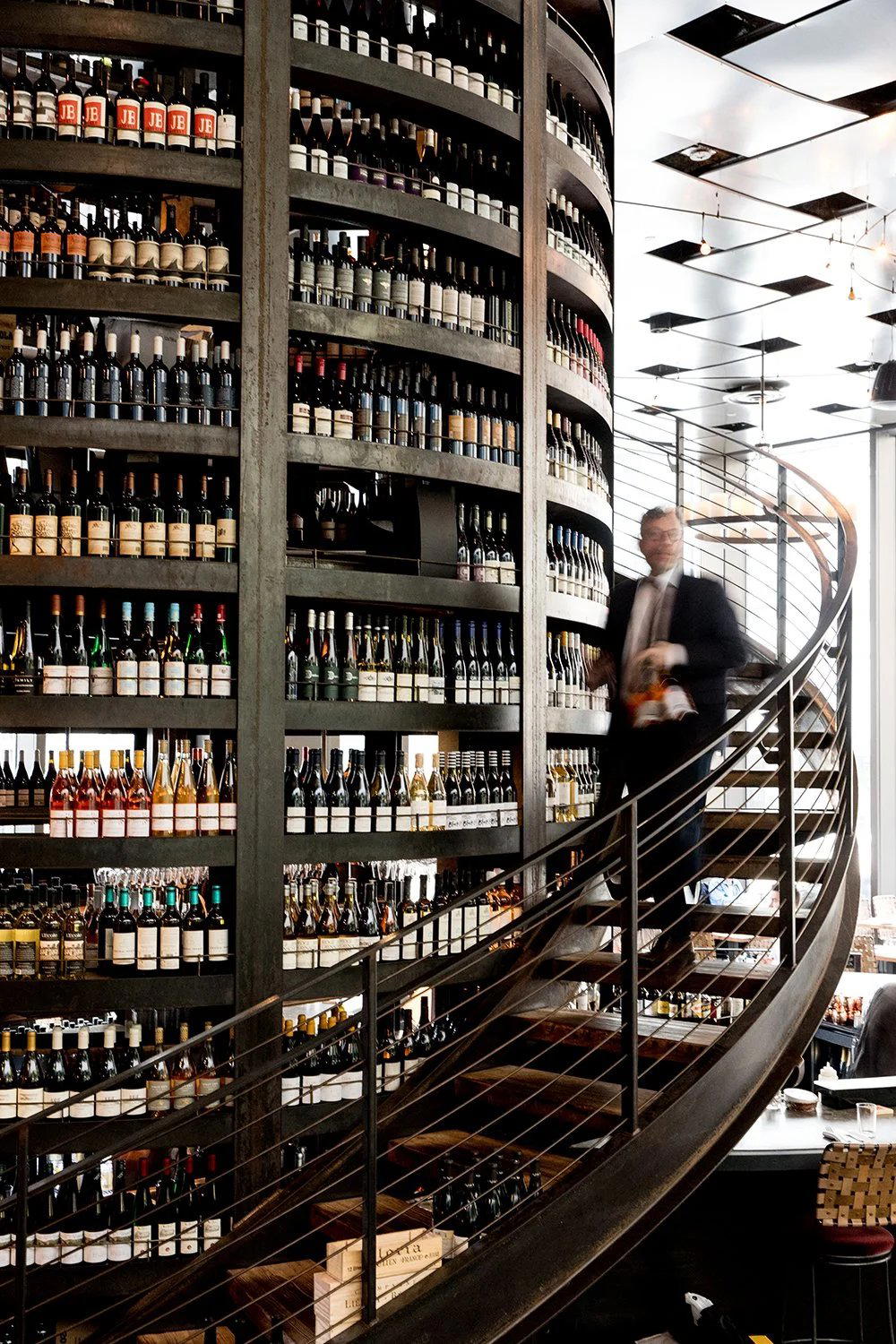
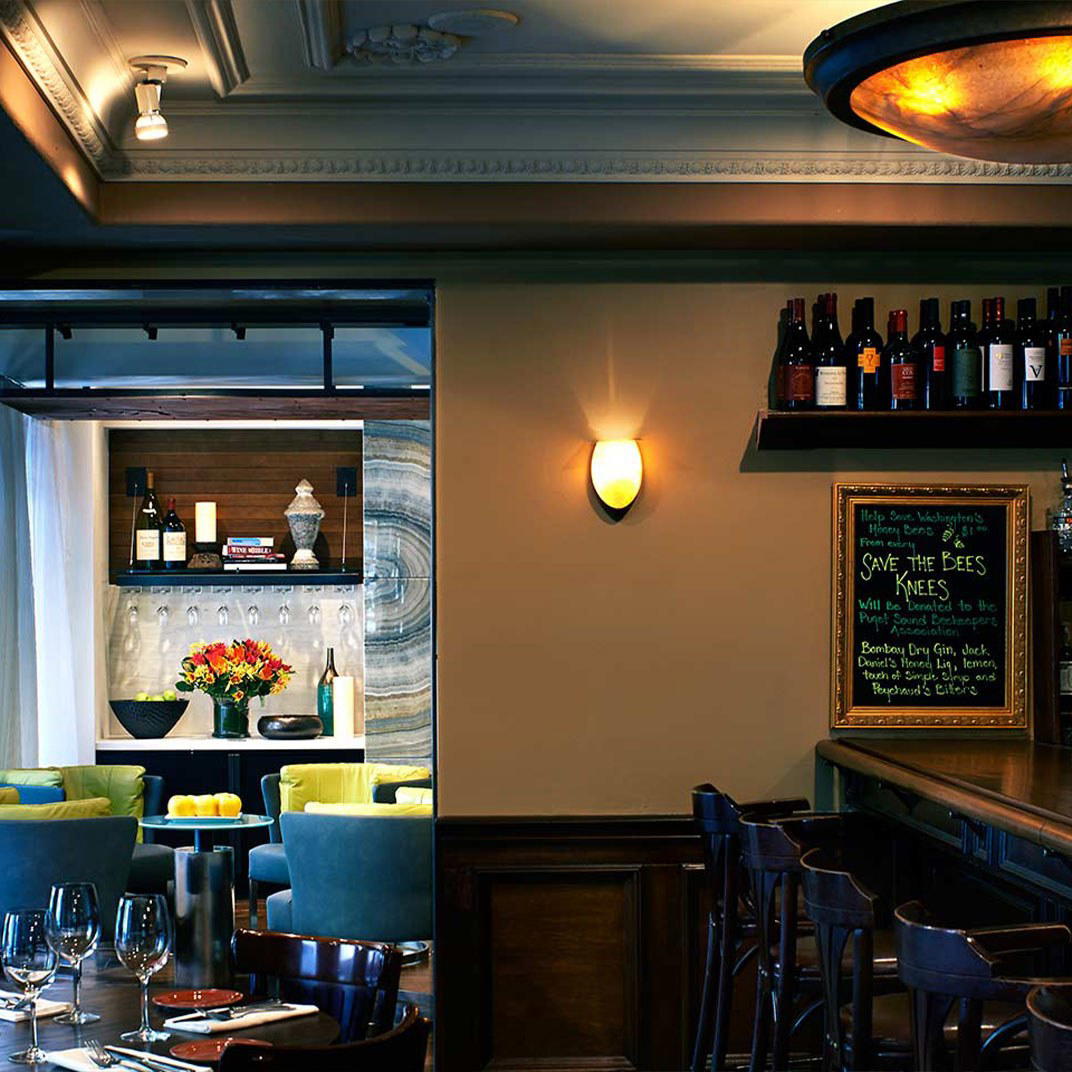
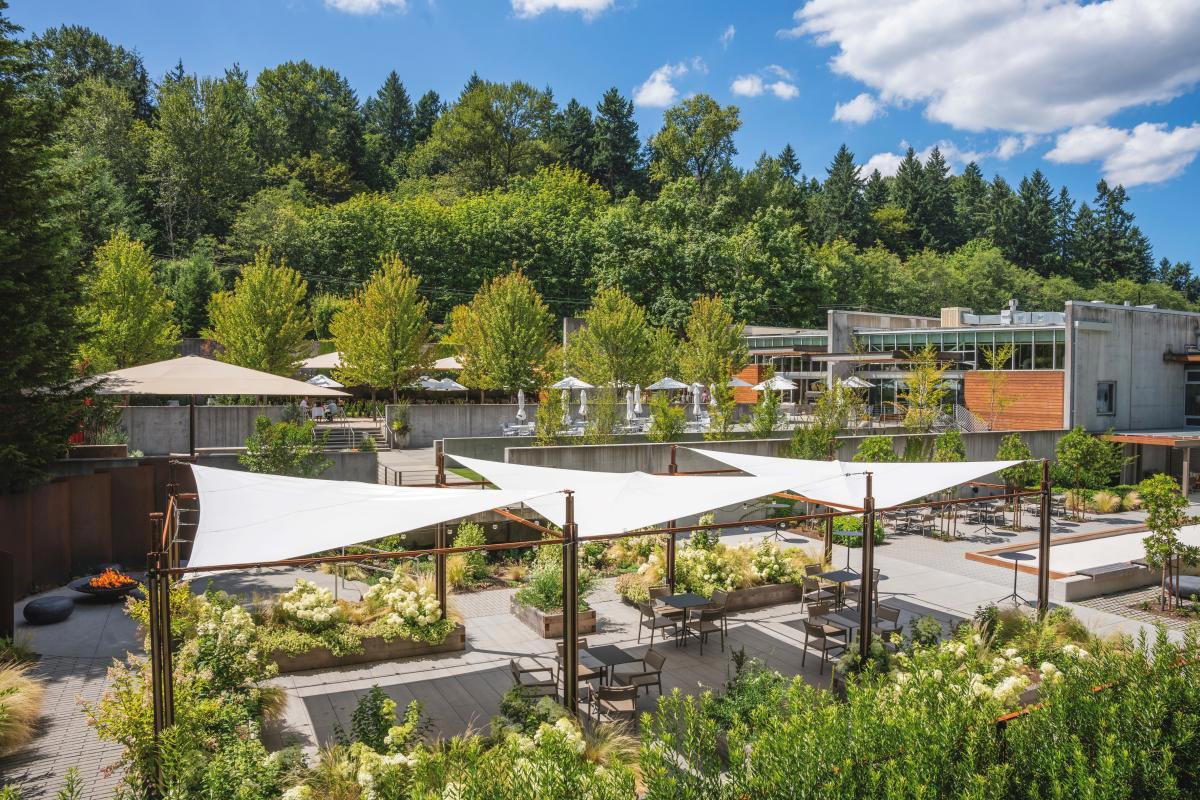
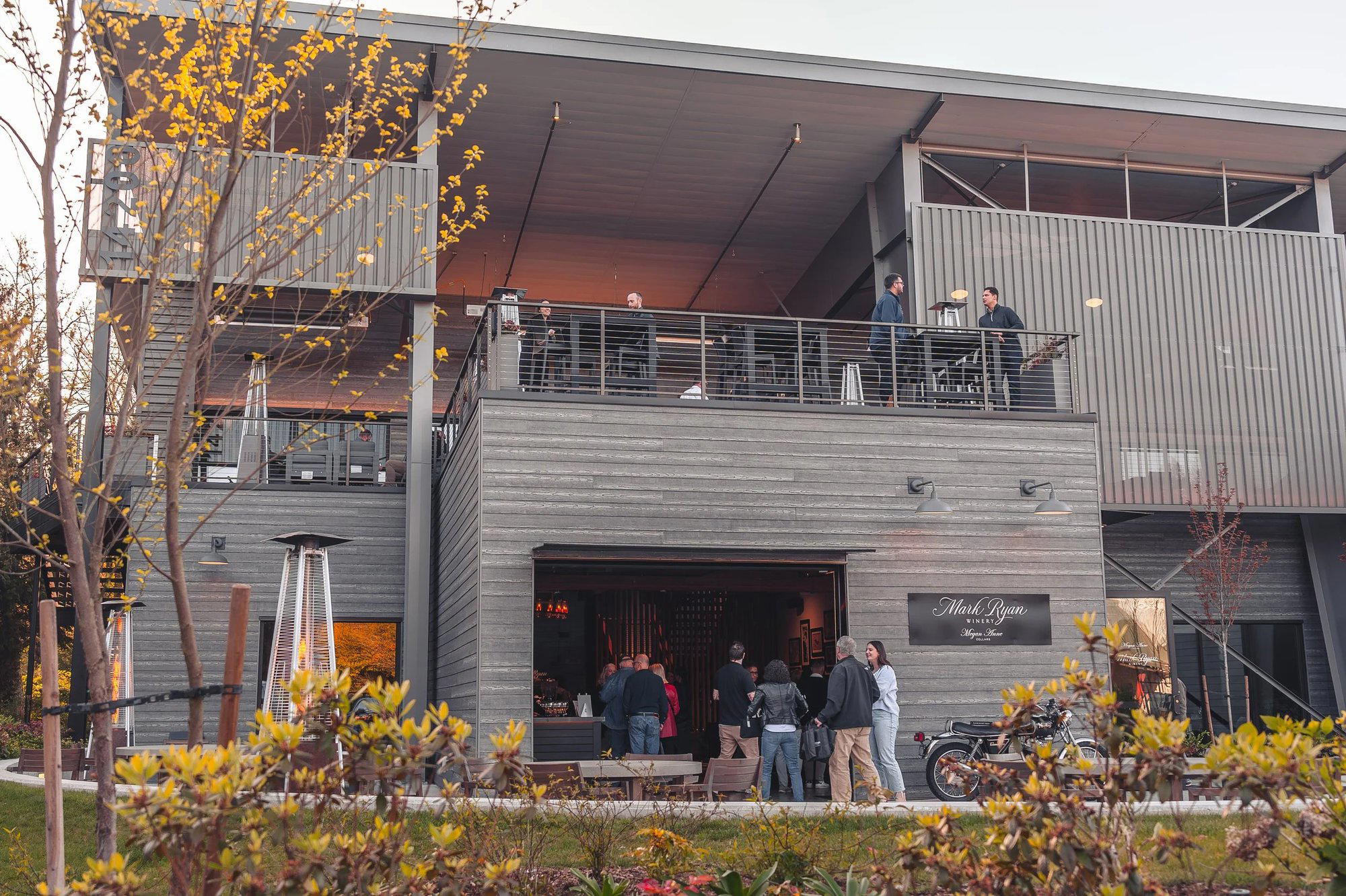
Immersive industrial space with dramatic architecture, warm coffee aromas, and a lively, multi-level atmosphere.