Sono Sushi
Sono Sushi occupies a ground-floor address on Fayetteville Street in downtown Raleigh, placing it within walking distance of the city's main civic and entertainment corridor. Among Raleigh's Japanese dining options, it represents the intersection of accessible urban location and focused sushi programming — a format that sits between the quick-service rolls of Triangle food courts and the more ceremonial omakase tier emerging in larger Southern metros.
Pearl is the En Primeur Club membership app — saves, bookings, and concierge access live there. Same editors, same standards.
- Address
- 319 Fayetteville St #101, Raleigh, NC 27601
- Phone
- +1 919 521 5328
- Website
- sonoraleigh.com
- Directions
- Get directions
 Saves & bookings on Pearl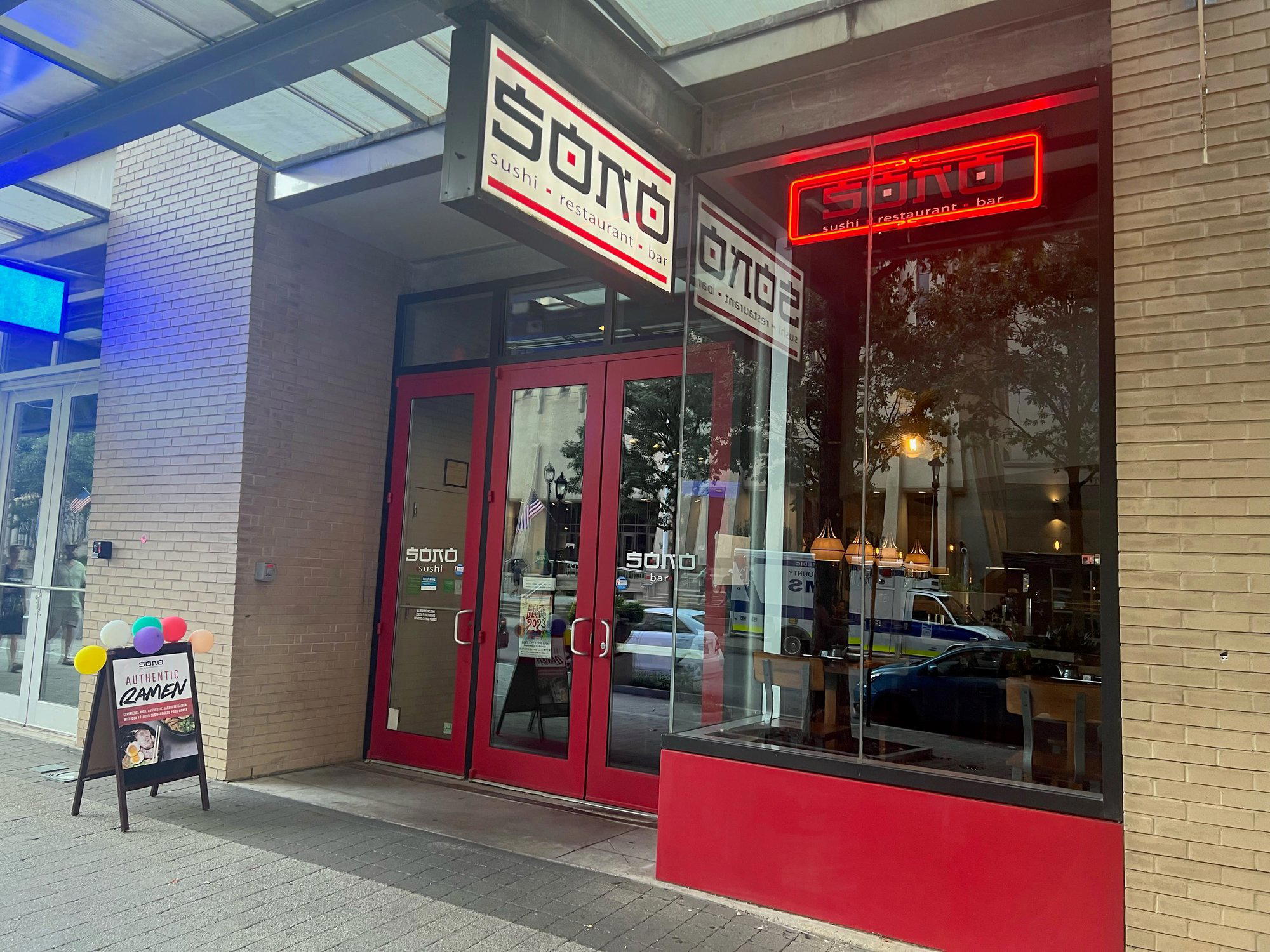
Fayetteville Street and the Downtown Sushi Tier
Downtown Raleigh's dining scene has reorganized itself around Fayetteville Street over the past decade, with the corridor absorbing restaurants that once scattered across the wider city. The address at 319 Fayetteville St positions Sono Sushi inside this axis, where foot traffic from the convention center, state government offices, and the Raleigh Convention District converges. That geography matters: sushi in a downtown American city center occupies a different role than the same cuisine in a residential neighborhood or a suburban strip. The clientele tends to mix business-lunch regulars with theater-adjacent dinner crowds, and the menu logic follows accordingly — accessible enough to turn tables, considered enough to hold a pre-show booking.
For context on where this sits in the broader Raleigh Japanese dining picture, it is worth noting that the Triangle market has developed a range of Japanese formats, from the izakaya-influenced bar programs at Ajisai to steakhouse-adjacent dining at places like Angus Barn dominating the heritage American tier nearby. Sono Sushi occupies the dedicated sushi slot in the downtown grid — a role that carries specific expectations around rice temperature, fish sourcing, and sequencing.
The Progression Logic of a Sushi Meal
What separates a well-constructed sushi experience from a competent one is rarely the headline cuts. It is the arc: how the meal opens, how it builds, and where it lands. In American sushi contexts outside the major coastal cities, that arc is often compressed or reversed, heavy rolls appear first, palate fatigue sets in early, and the leaner, more precise nigiri that should be the meal's center of gravity arrives too late to register properly.
The downtown Raleigh market, served by a mix of fast-casual roll shops and mid-tier Japanese restaurants, does not have a deep omakase tradition. Cities like Chicago have seen that format move into serious territory, Kumiko in Chicago represents the kind of serious Japanese craft bar program that signals a maturing dining culture, but Raleigh is earlier in that curve. What a venue like Sono Sushi can do in that context is establish reliable sequencing: lighter preparations first, building toward the richer proteins, finishing with something that cleanses rather than overwhelms.
The editorial measure for any sushi counter in a secondary American market is whether the kitchen respects that logic or defaults to the roll-heavy format that maximizes check average at the expense of the meal's natural shape. The Fayetteville Street location puts Sono Sushi adjacent to a lunch and dinner crowd that has enough exposure to Japanese dining to notice the difference.
Reading the Format Against Peer Venues
Across the American South, Japanese dining has historically been underrepresented in downtown cores, with stronger concentrations in suburban Asian commercial corridors. That pattern has been shifting as mid-size Southern cities, Raleigh among them, attract residents with broader dining reference points from other metro areas. The result is a growing appetite for Japanese formats beyond the ubiquitous all-you-can-eat buffet and the Americanized roll menu.
Sono Sushi's street-level suite in a mixed-use building on Fayetteville Street positions it as a downtown-accessible option rather than a destination venue requiring a special trip. That is a distinct competitive position. Destination sushi counters, the kind with eight seats, no printed menu, and a three-month waitlist, serve a different function than a reliable downtown address where you can book a table without weeks of planning. For the latter category to succeed, consistency of execution matters more than occasional brilliance. A good secondary-market sushi restaurant earns its place through reliable rice technique, honest sourcing, and a menu that does not try to be everything at once.
For comparison, the craft cocktail tier in American cities has gone through a similar maturation: venues like Bar Leather Apron in Honolulu, Jewel of the South in New Orleans, and Julep in Houston each represent a regional market finding its own serious-drinking identity distinct from the major coastal reference points. Raleigh's bar scene has tracked a parallel trajectory, with spots like 10th and Terrace and 13 Tacos and Taps developing their own programming depth. Serious Japanese dining in Raleigh is following a similar curve, later but accelerating.
Drink Pairing in the Downtown Sushi Context
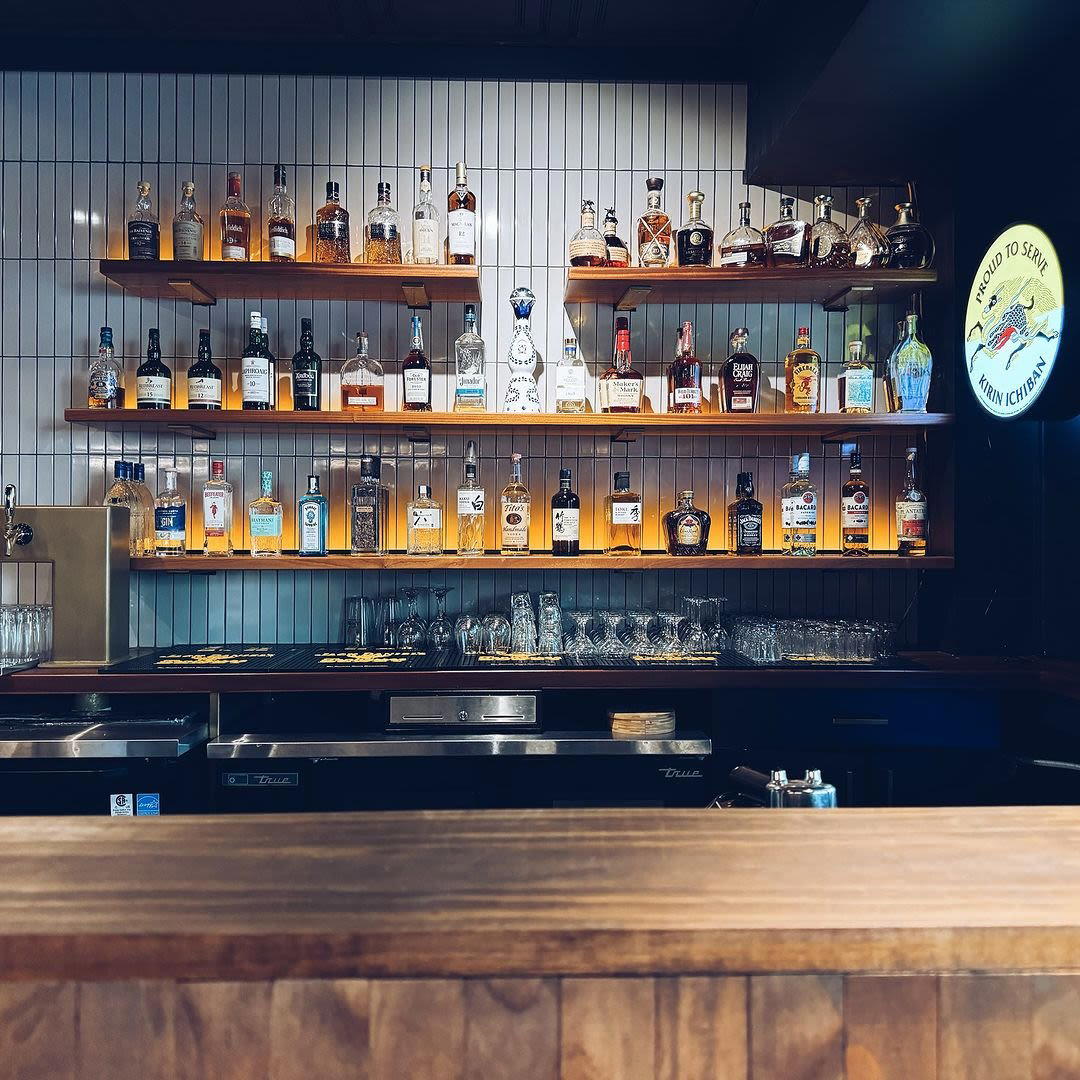
The drink question at any sushi counter is how seriously the venue treats the pairing side of the meal. In a downtown American setting, the default is a wine list heavy on whites and a beer selection anchored by Japanese lagers. The more considered approach layers in sake at meaningful price points and builds a cocktail list that can stand alongside the fish rather than compete with it. Programs at venues like Superbueno in New York City, ABV in San Francisco, and The Parlour in Frankfurt on the Main each demonstrate how a serious drink program elevates a dining experience rather than playing a secondary role. For a sushi counter at the Fayetteville Street address, getting the drink side right, even at modest scope, signals that the kitchen's progression logic extends to the full table.
Planning a Visit
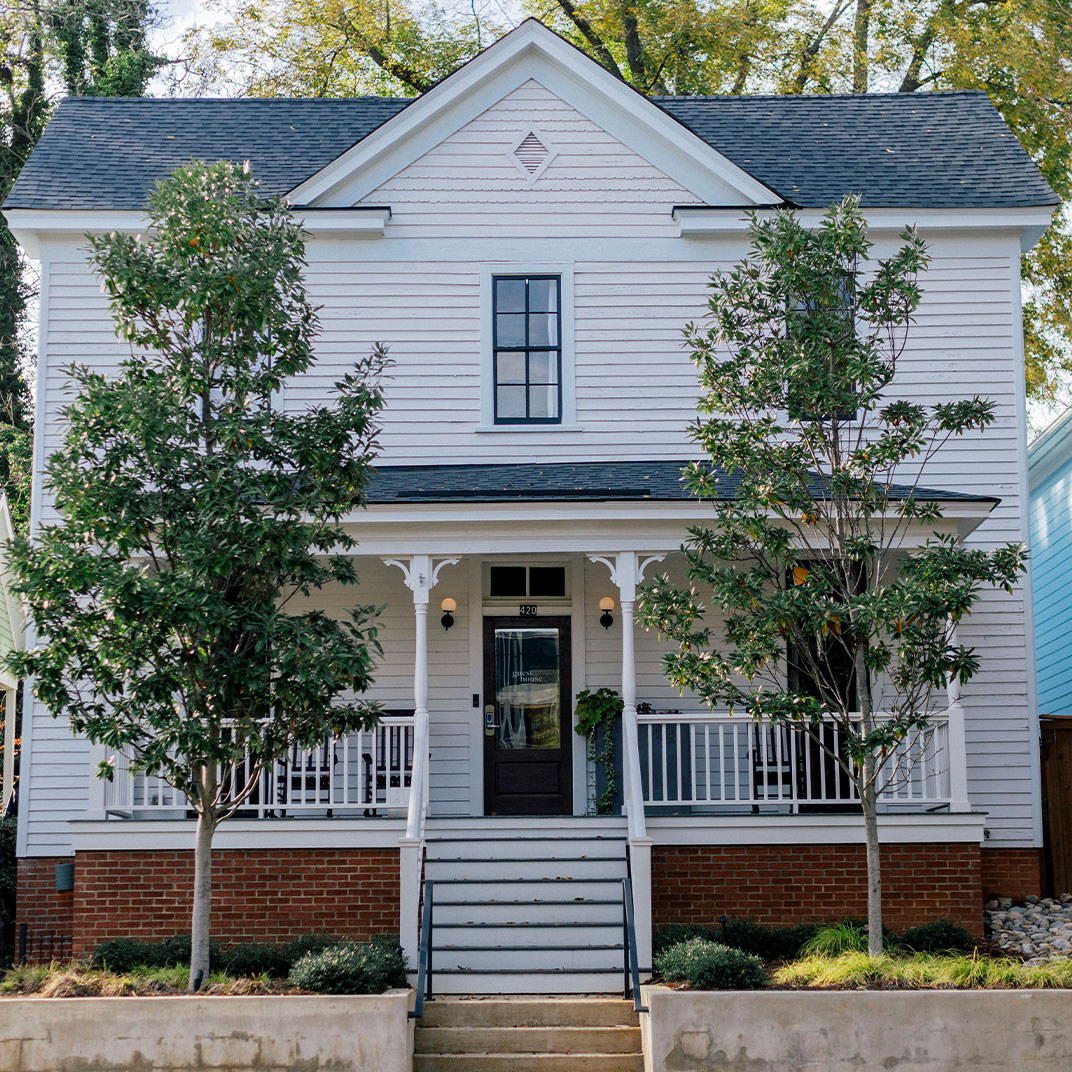
Sono Sushi sits at 319 Fayetteville St, Suite 101, in the heart of downtown Raleigh, walkable from the Raleigh Convention Center and within the city's main pedestrian corridor. The ground-floor suite placement makes it accessible without the navigation overhead of upper-floor or tucked-away venues that require advance orientation. Fayetteville Street sees its heaviest dinner traffic on evenings with events at the nearby performing arts venues and arena, so mid-week bookings typically offer the most relaxed service pace. For a broader map of where Sono Sushi fits among Raleigh's dining options across neighborhoods and cuisine types, our full Raleigh restaurants guide covers the relevant competitive context.
At a Glance
- Lively
- Modern
- Trendy
- Date Night
- Casual Hangout
- Late Night
- Standalone
- Seated Bar
- Booth Seating
- Sake
- Craft Beer
Current opening hours
- Monday
- 11 AM–2 PM, 5–9 PM
- Tuesday
- 11 AM–2 PM, 5–9 PM
- Wednesday
- 11 AM–2 PM, 5–9 PM
- Thursday
- 11 AM–2 PM, 5–9 PM
- Friday
- 11 AM–2 PM, 5–9 PM
- Saturday
- 5–9 PM
- Sunday
- 5–9 PM
Hours can change for holidays and private events. Last verified .
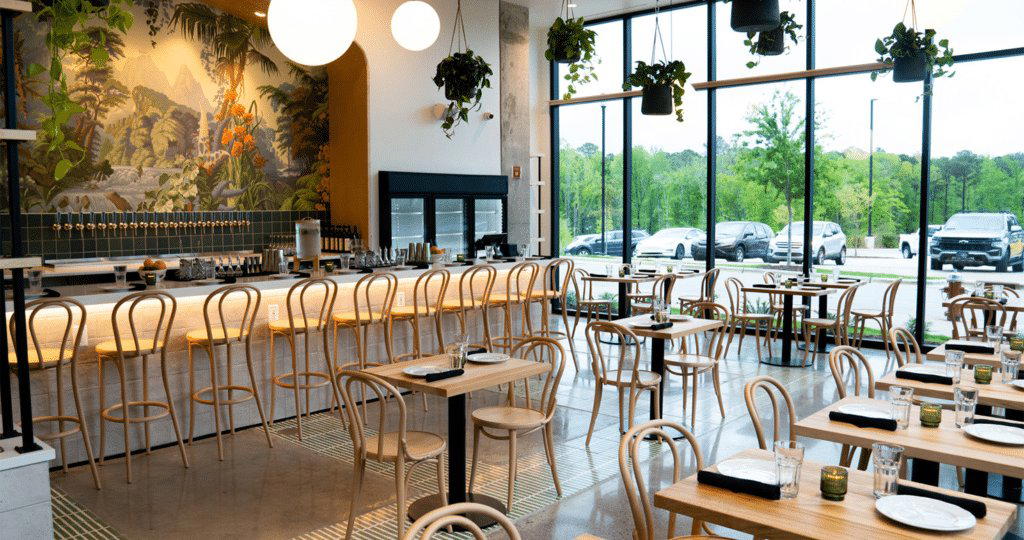
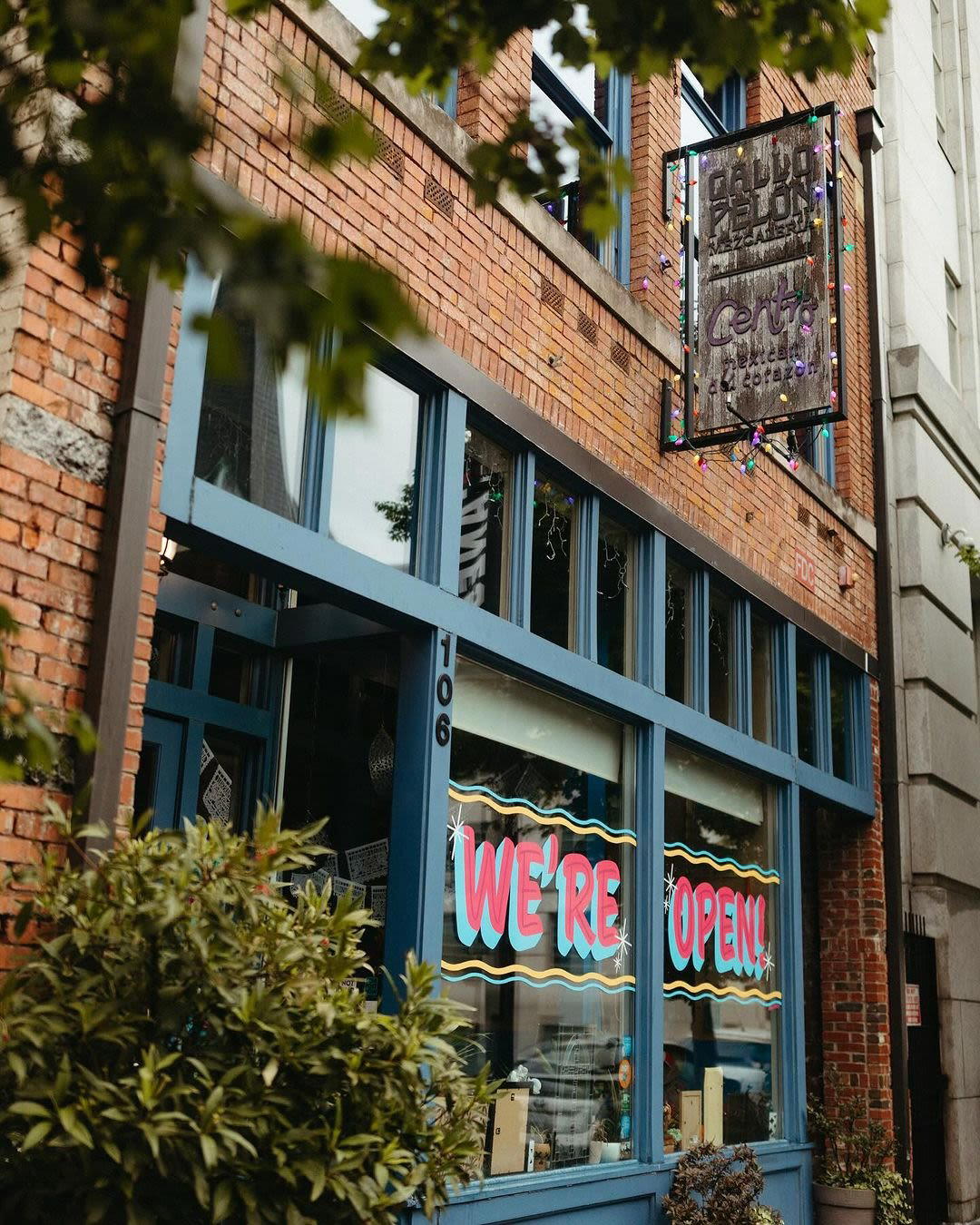
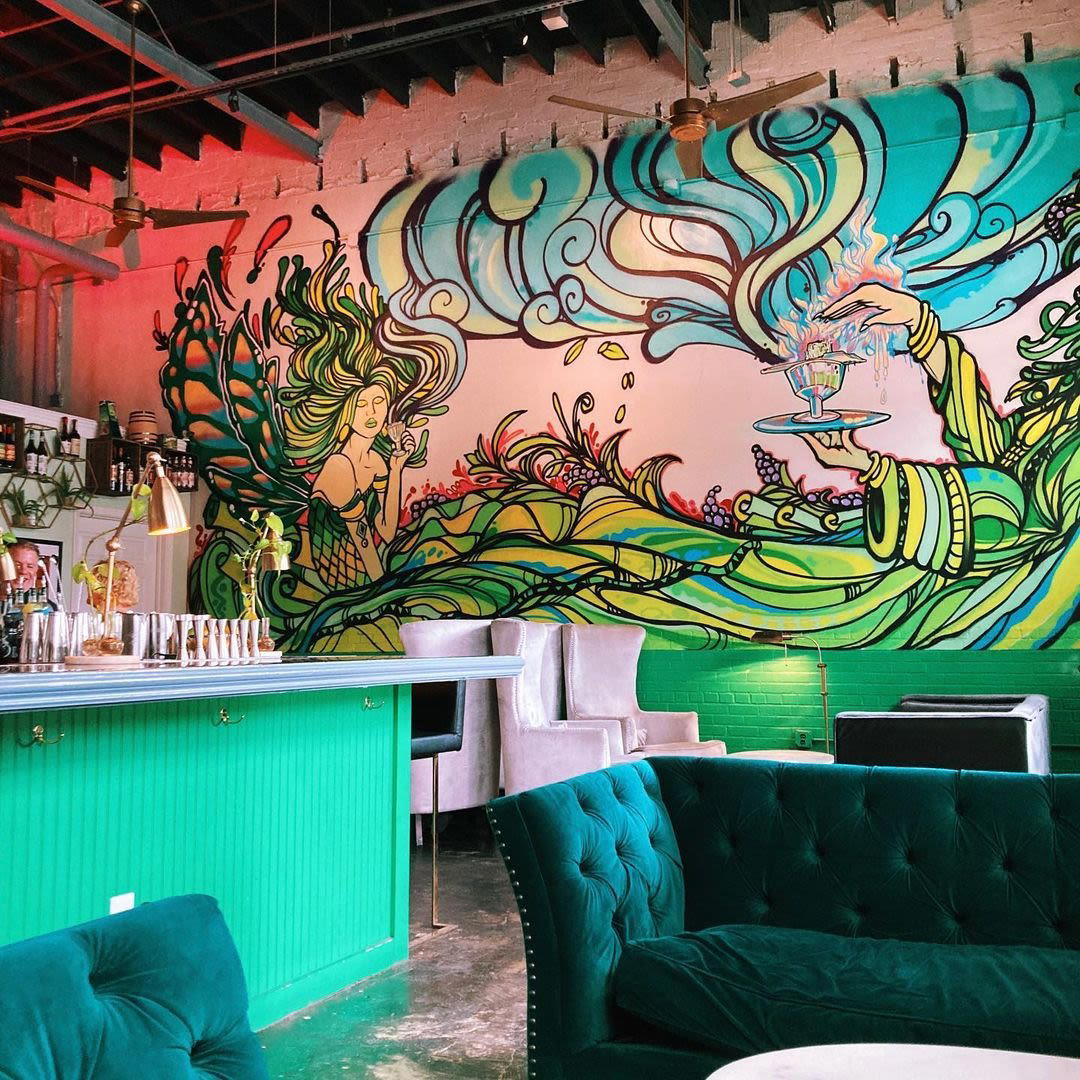
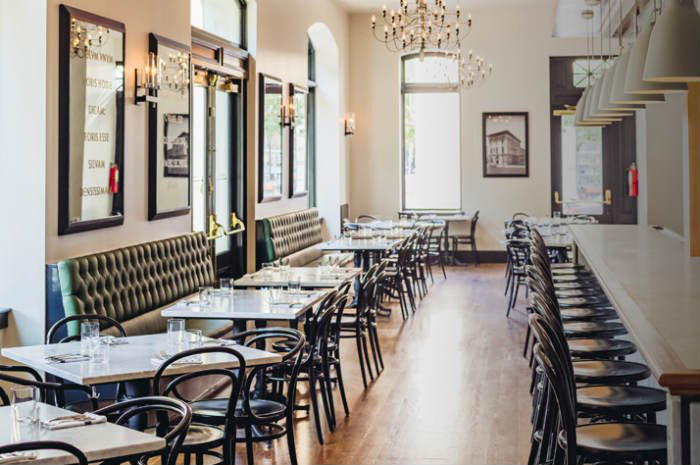
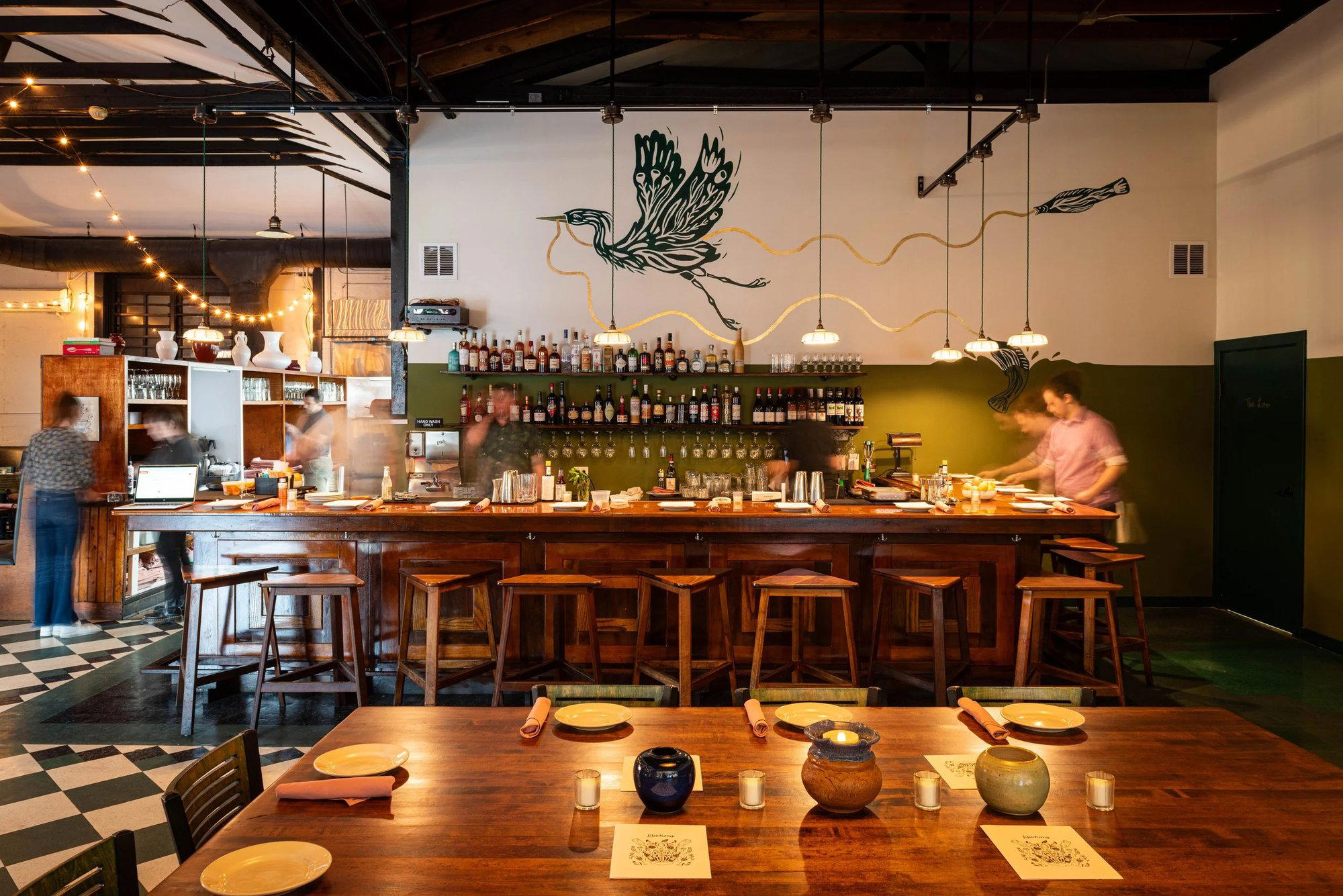
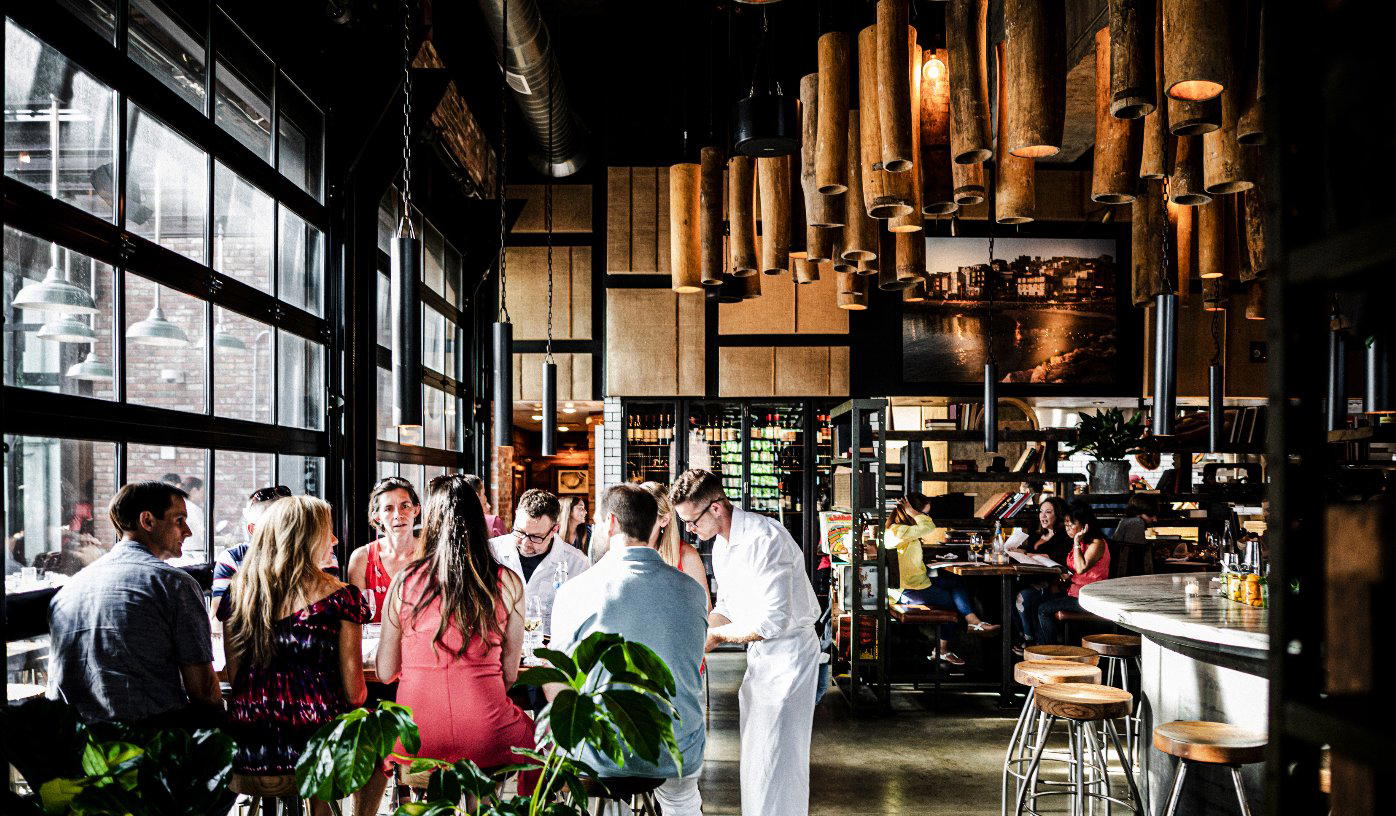
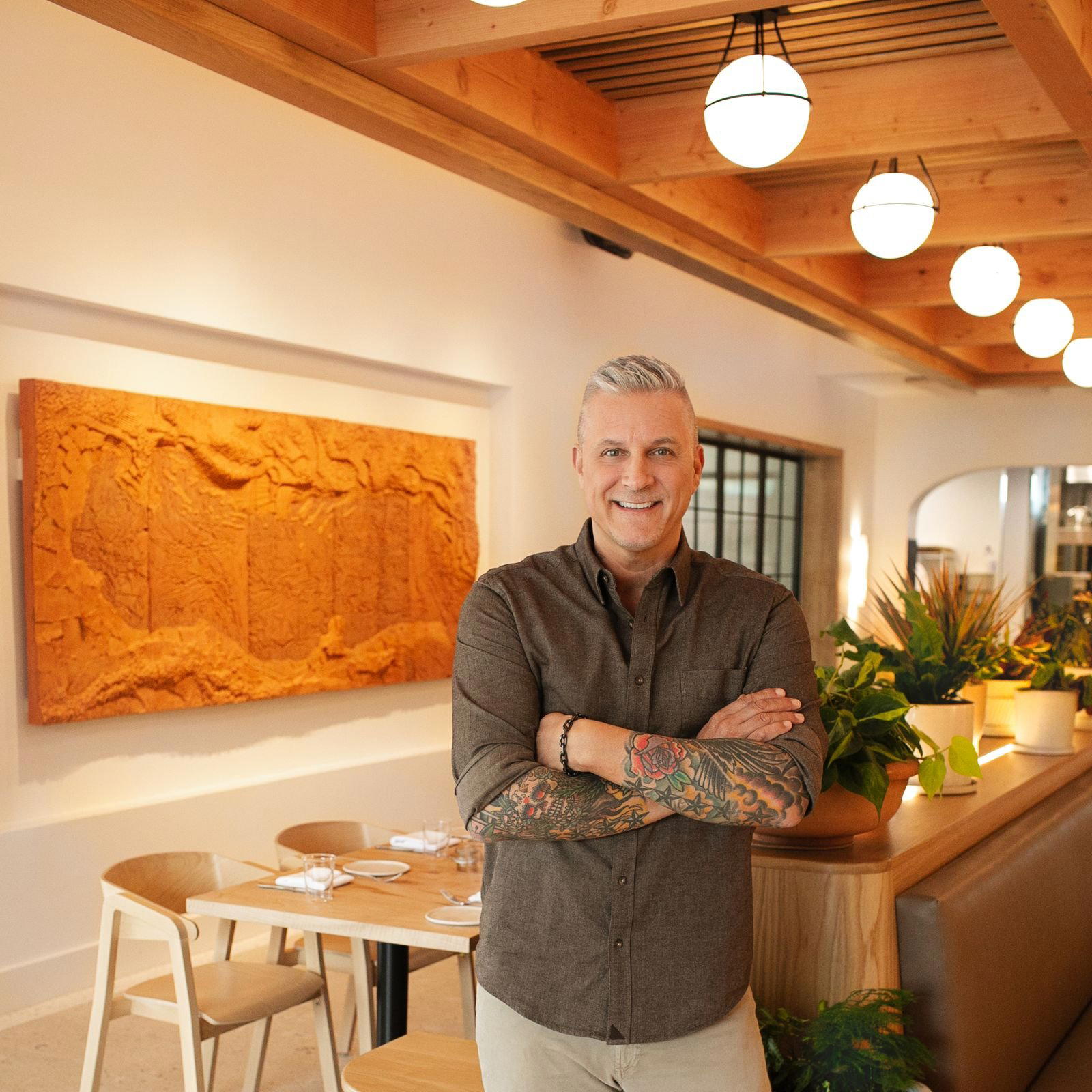
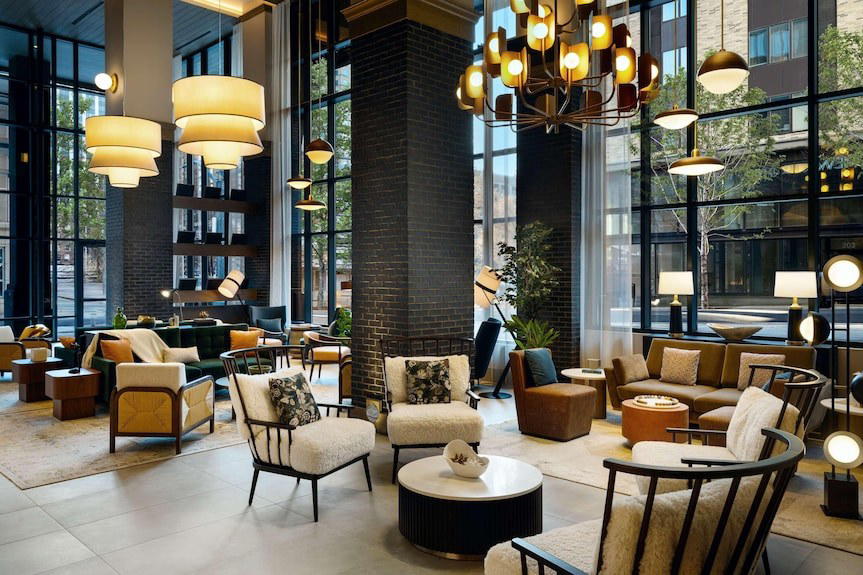
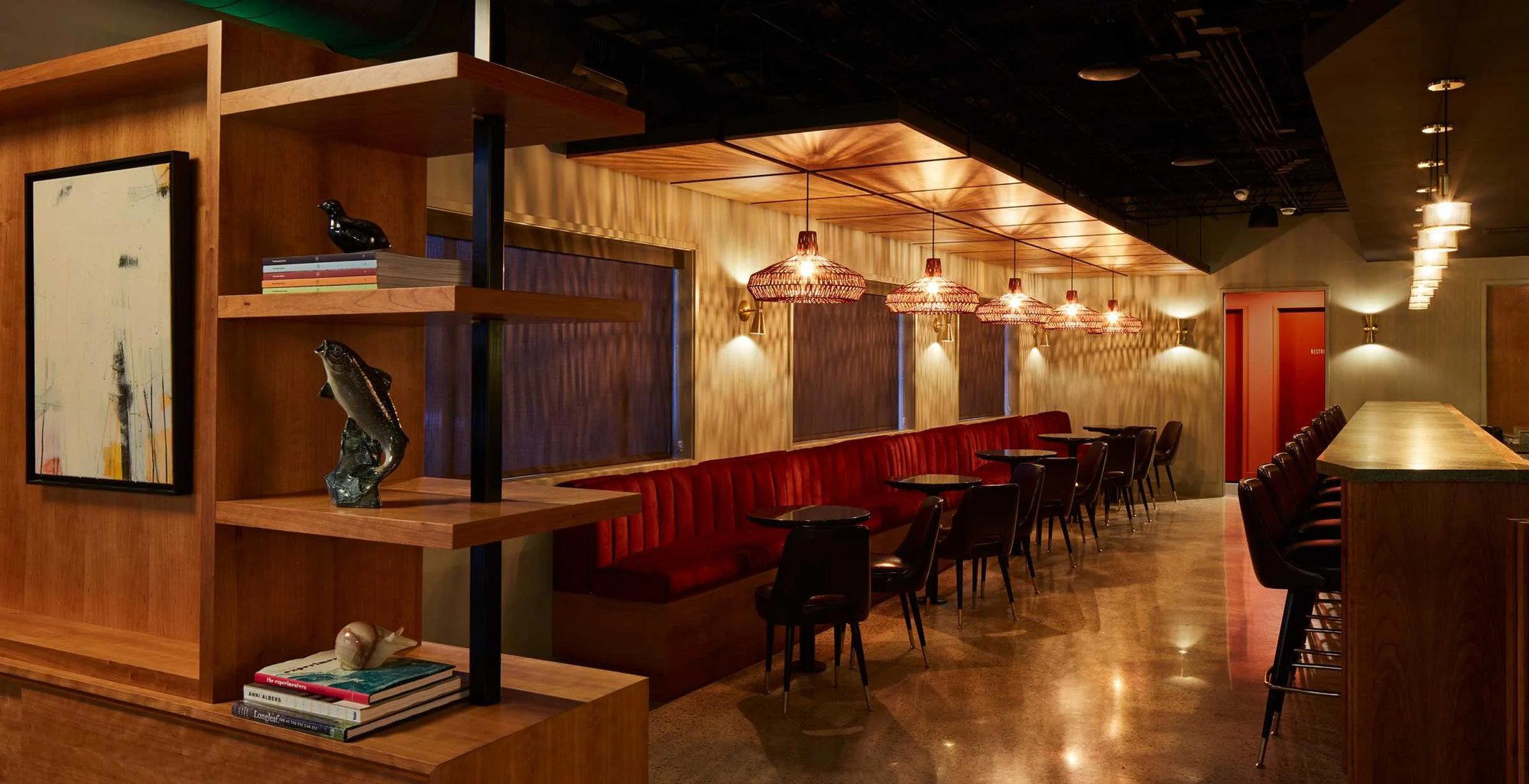
Lively and sleek modern interior with dim lighting in seating areas, chillwave background music, and an energetic yet chic atmosphere.
Know Before You Go
- Getting there
- 319 Fayetteville St #101, Raleigh, NC 27601