Soif
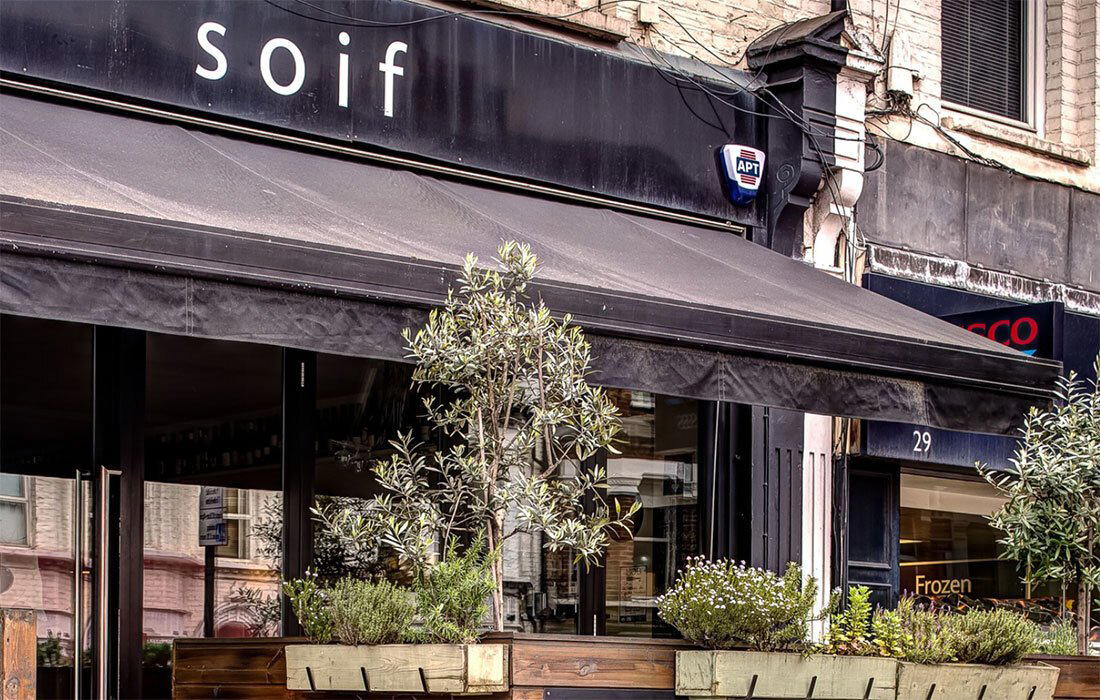
Soif on Battersea Rise sits at the quieter, wine-focused end of south London's neighbourhood restaurant scene, the kind of place that rewards a deliberate visit over a casual walk-in. The room sets a tone of relaxed seriousness, with a wine list that leans natural and producer-driven, making it a considered choice for occasion meals that don't require ceremony.
- Address
- 27 Battersea Rise, London SW11 1HG, United Kingdom
- Phone
- +44 20 7223 1112
- Website
- soif.co
Battersea's Quieter Corner of the Wine-Led Dining Scene
South of the river, the strip of independent restaurants along Battersea Rise operates at a different register from the high-footfall dining corridors of Clapham Common or Battersea Power Station. The pace here is residential and deliberate. Soif, at number 27, fits that tone: a casual wine bar and kitchen with a producer-driven list and a recommended reservation policy. That format has proven durable in London, where natural-wine-focused restaurants have moved from niche provocation to an established tier of the market over the past decade.
Walking the Rise toward Clapham Junction, the venue's low-key frontage signals nothing flashy. This is by design. In a city where restaurant theatrics increasingly substitute for substance, the stripped-back room at Soif functions as a credibility marker. The peer set for this kind of venue, think Quo Vadis in Soho for its dual identity as serious dining and convivial drinking room, or the more cocktail-forward Amaro in London, shares a commitment to substance over spectacle. Soif belongs to a cohort that assumes its guests know what they're looking for.
The Case for Occasion Dining Off the Beaten Track
London's occasion-dining market has long defaulted to postcodes: Mayfair for celebration dinners, the City for corporate meals, Notting Hill for relaxed milestones. But a parallel tradition exists, the neighbourhood room that earns repeat visits precisely because it doesn't perform occasion dining. It simply delivers it. Soif occupies that position on the south side. The format here is well-suited to the kind of dinner where the conversation matters as much as the food: a wine-led menu structure that encourages lingering, a room that isn't so loud it requires shouting, and a cooking register that aims to be honest rather than impressive.
This matters for the reader planning a meal outside central London's premium tier. The cost of dining in Mayfair or Covent Garden now extends well beyond the food and wine; it includes a premium for postcode and profile. Battersea Rise offers an alternative where the spend goes further toward the plate and the glass. For anniversary dinners or small group celebrations, Soif represents a calibrated choice.
Natural Wine and the Producer-Driven List
The natural wine movement in London has matured past its early association with funky, polarising bottles and into a more confident phase where producer credentials and terroir specificity drive the list. Restaurants in this space, and Soif is one of them, now operate closer to the model of specialist wine merchants than traditional restaurant wine programs. The list favours growers working with low-intervention methods.
Across the UK, venues with serious wine credentials have developed distinct regional identities. Bramble in Edinburgh built its reputation on spirits knowledge; Schofield's in Manchester on classical cocktail technique; Merchant Hotel in Belfast on the depth of its whisky selection. London's contribution to this geography includes wine-bar-kitchens like Soif, where the glass rather than the cocktail shaker is the organising principle. That distinction matters when you're planning a meal around a particular producer or appellation.
Placement in London's Bar and Wine Room Spectrum
London's drinking and dining rooms have split into increasingly defined tiers. At the technically ambitious end sit venues like 69 Colebrooke Row, where the cocktail is the main event and the food is secondary, or A Bar with Shapes For a Name, with its structured approach to the drinking experience. At the other end, neighbourhood wine rooms prioritise the producer-guest relationship over formal technique. Academy and venues in a similar register occupy a middle ground. Soif sits closer to the wine-room end of this spectrum, which determines the right occasion for visiting: it's the right call when you want to drink something worth discussing, supported by food that doesn't distract from that.
Getting There and Practical Timing
Battersea Rise sits between Clapham Junction and Clapham Common. Clapham Junction is the more practical rail and Overground hub, with frequent services from Victoria, Waterloo, and across south London. The walk to Soif from Clapham Junction takes under ten minutes on foot. Clapham Common Underground station (Northern line) is a comparable distance from the other direction.
Bar Leather Apron in Honolulu draws guests from across the island specifically for its approach to the drinking experience, and L'Atelier Du Vin in Brighton and Hove demonstrates that serious wine formats work outside capital city postcodes. The point holds locally: SW11 is not a detour if the meal justifies the trip, and for this format, it does.
For a fuller picture of where Soif sits in the broader London dining context, see our full London restaurants guide. Mojo Leeds and Horseshoe Bar Glasgow for a sense of how the UK's drinking culture varies by city.
A Quick Peer Check
A short peer table to compare basics side-by-side.
| Venue | Awards |
|---|---|
| SoifThis venue — the venue you are viewing | |
| Bar Termini | World's 50 Best |
| Callooh Callay | World's 50 Best |
| Happiness Forgets | World's 50 Best |
| Nightjar | World's 50 Best |
| Quo Vadis | World's 50 Best |
Continue exploring
More in London
Bars in London
Browse all →
Restaurants in London
Browse all →
Hotels in London
Browse all →
At a Glance
- Cozy
- Rustic
- Intimate
- Casual Hangout
- Date Night
- Standalone
- Outdoor Terrace
- Seated Bar
- Natural Wine
Charming neighbourhood bistro atmosphere with a great little terrace.