Shanghai Diamond Garden
Shanghai Diamond Garden occupies a West Pico address that places it squarely within Los Angeles's layered Chinese dining corridor. The bar program here draws attention for the depth and curation of its spirits selection, positioning it in a tier of LA drinking rooms where the back bar does the explaining. A useful reference point for anyone tracing the city's more considered approach to Chinese-American hospitality.
Pearl is the En Primeur Club membership app — saves, bookings, and concierge access live there. Same editors, same standards.
- Address
- 9401 W Pico Blvd, Los Angeles, CA 90035
- Phone
- +1 310 553 0998
- Website
- shanghaidiamondgardenca.com
- Directions
- Get directions
 Saves & bookings on Pearl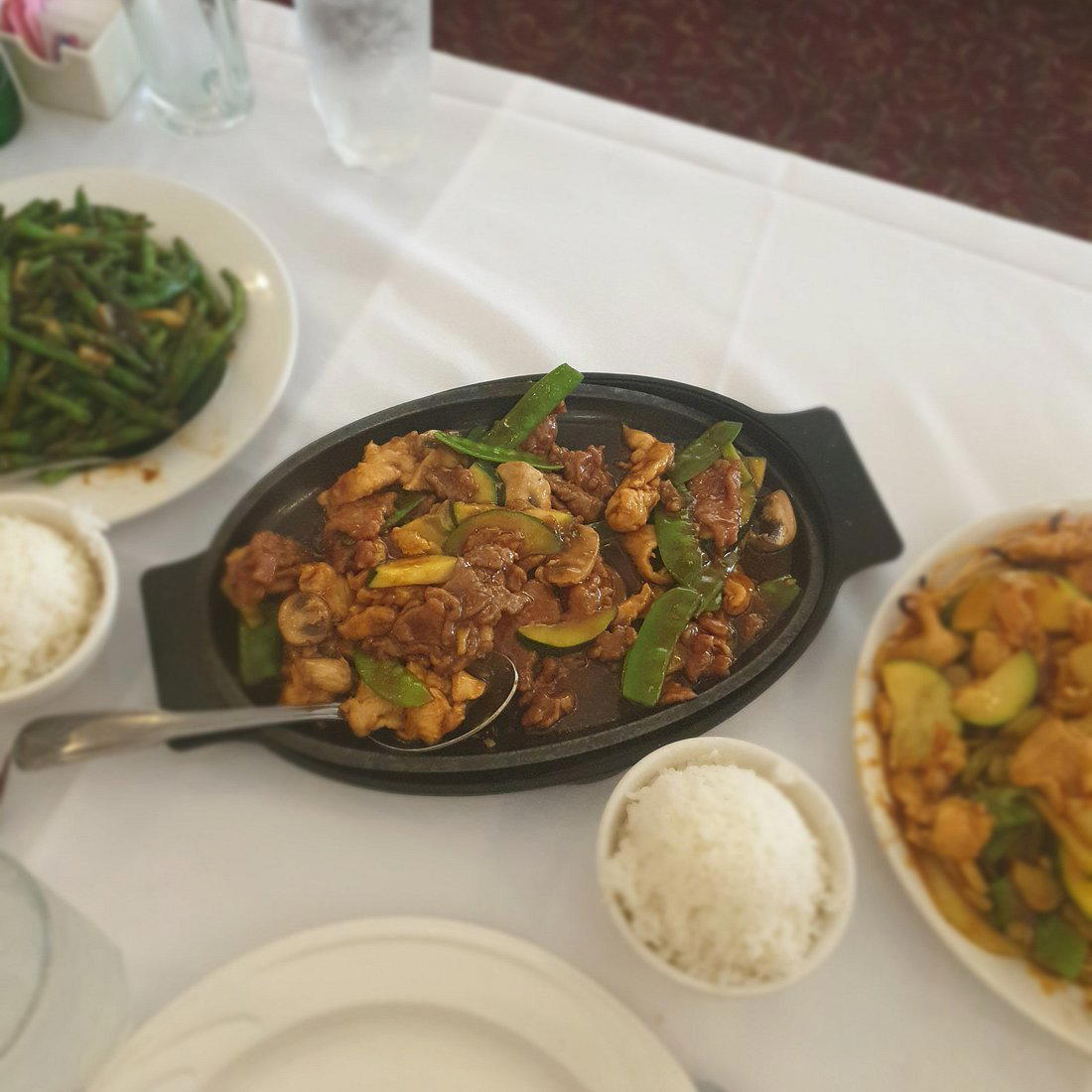
The West Pico Corridor and What It Tells You About LA's Chinese Dining Scene
The stretch of Pico Boulevard running west through the 90035 zip code has long functioned as one of Los Angeles's more underappreciated dining corridors. It sits at the edge of the Beverlywood and Rancho Park neighborhoods, where a concentration of Chinese restaurants has operated for decades alongside Korean, Persian, and Jewish-American food traditions. This geographic overlap produces a particular kind of dining room: one that tends to prioritize regulars over reservation platforms, depth over spectacle, and an older hospitality logic where the menu and the back bar accumulate over years rather than arriving fully formed at opening night. Shanghai Diamond Garden on West Pico is a bar in Los Angeles. Its address at 9401 W Pico Blvd places it in a block that rewards repeat visits more than first-time discovery.
A Spirits Approach Built on Curation, Not Theatre
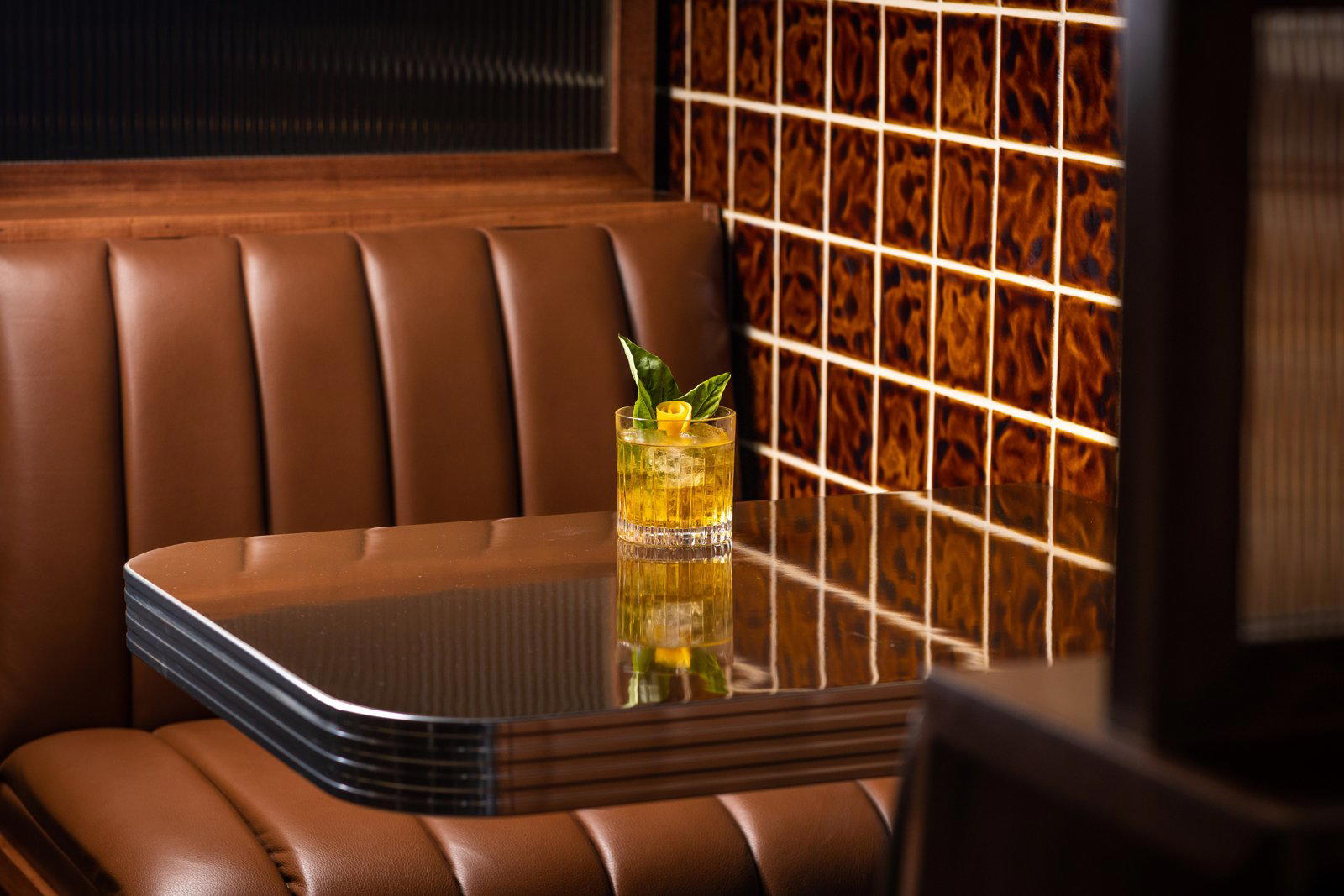
Los Angeles's cocktail culture has traveled a long distance from the early-2000s era of fruit-forward, over-garnished drinks toward something more technically deliberate. The city now supports a range of bar programs that compete on the depth of their spirits selection rather than the novelty of their format. In that context, a Chinese-American venue with a serious approach to its back bar occupies an interesting position: it can draw on both the global spirits canon and the growing shelf of Chinese baijiu, aged huangjiu, and imported liqueurs that remain relatively rare in Western bar programs.
The editorial case for Shanghai Diamond Garden rests on this curatorial dimension. Where many restaurants in this part of the city keep a serviceable but unremarkable spirits list, a venue that commits to the depth and breadth of its back bar joins a different conversation entirely. For context on what that commitment looks like at the summit of the American market, Kumiko in Chicago has established one of the clearest templates: a Japanese whisky and spirits program that functions as genuine curation, with each bottle earning its shelf position. Bar Leather Apron in Honolulu takes a similar posture in a Pacific context. The question for any LA venue in this register is whether the selection reflects genuine buying conviction or simply trend-following.
At a venue with Chinese heritage in its identity, the spirits collection carries additional interpretive weight. Baijiu remains the world's most consumed spirit by volume, yet it appears on almost no American cocktail menus with any seriousness. A bar that bridges that gap, even partially, is doing something that most of its LA peers are not. Jewel of the South in New Orleans offers a useful parallel: a bar program grounded in regional identity that draws from a deep well of historically specific spirits. The principle is the same whether the reference point is Louisiana rye or Chinese grain spirits.
How Shanghai Diamond Garden Sits in the LA Bar Conversation
Los Angeles has seen a genuine maturation of its bar scene over the past decade. Death & Co (Los Angeles) arrived with a New York pedigree and immediately raised the technical floor for what LA drinkers expect from a cocktail program. Bar Next Door and Standard Bar occupy adjacent positions in the city's range of considered drinking rooms, while Mirate has applied the same curatorial rigor to agave spirits that bar might bring to Chinese and pan-Asian selections. Each of these venues has defined itself through a specific angle on curation rather than a generic premium positioning.
The comparison that applies most directly to the bar's potential is ABV in San Francisco, which built its reputation on a back bar that functions as a reference library rather than a sales shelf. That model, transplanted to a Chinese-American dining context in LA, describes the tier the bar can occupy if its spirits program delivers on the premise. For readers building a broader picture of how this approach travels across American cities, Superbueno in New York City and Julep in Houston show how identity-specific curation anchors a bar's position even in crowded markets. The Parlour in Frankfurt on the Main extends the same logic into a European context, demonstrating that the appetite for a deeply considered back bar is not geographically limited.
What to Order and When to Go
Visiting any bar with a serious spirits collection is most rewarding when you approach it as a tasting exercise rather than a drinks order. The proper move at a venue like Shanghai Diamond Garden is to ask whoever is behind the bar what the collection does particularly well, and to follow that answer wherever it leads. This is especially true if the program includes any baijiu or huangjiu expressions: these are categories where most Western drinkers have no default reference point, and where the bar's specific buying decisions will tell you more than any generic recommendation.
Seasonality matters in a different register here than it does at, say, a produce-driven kitchen. The spirits most worth seeking out tend to shift as allocations arrive and older bottles are depleted. The practical implication is that the back bar you encounter on a first visit may differ meaningfully from what's available six months later, which makes this a venue worth returning to rather than treating as a single-visit destination.
Peers You’d Cross-Shop
Comparable venues nearby, for context on price, style, and recognition.
| Venue | Cuisine | Price | Notes |
|---|---|---|---|
| Shanghai Diamond GardenThis venue — the venue you are viewing | Bar | $$ | Not listed |
| Bar Keeper | Bar | $$ | Silver Lake |
| Bar Siesta | wine_bar | $$ | Silver Lake |
| Lowboy | cocktail_bar | $$ | Angelino Heights |
| Brooklyn Ave Pizza Co. | lounge | $$ | Boyle Heights |
Continue exploring
More in Los Angeles
Bars in Los Angeles
Browse all →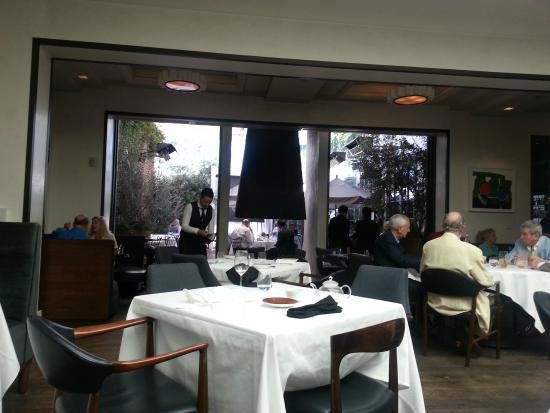
Restaurants in Los Angeles
Browse all →
Hotels in Los Angeles
Browse all →
Wineries in Los Angeles
Browse all →
At a Glance
- Casual Hangout
- Seated Bar
Current opening hours
- Monday
- 11 AM–9:30 PM
- Tuesday
- 11 AM–9:30 PM
- Wednesday
- 11 AM–9:30 PM
- Thursday
- 11 AM–9:30 PM
- Friday
- 11 AM–1:30 PM
- Saturday
- Closed
- Sunday
- 12–9:30 PM
Hours can change for holidays and private events. Last verified .
Casual dining atmosphere with plenty of seating in a family-friendly setting.