Sconyers Bar-B-Que
Sconyers Bar-B-Que has anchored Augusta's barbecue tradition since 1956, operating at a scale that few pits in the American South can match. Located at 2250 Sconyers Way, the operation draws on decades of wood-smoke practice and a volume that signals institutional status rather than boutique ambition. For visitors to Augusta, it represents a direct line into the region's smoked-meat culture.
Pearl is the En Primeur Club membership app — saves, bookings, and concierge access live there. Same editors, same standards.
- Address
- 2250 Sconyers Way, Augusta, GA 30906
- Phone
- +1 706 790 5411
- Website
- sconyersbar-b-que.com
- Directions
- Get directions
 Saves & bookings on Pearl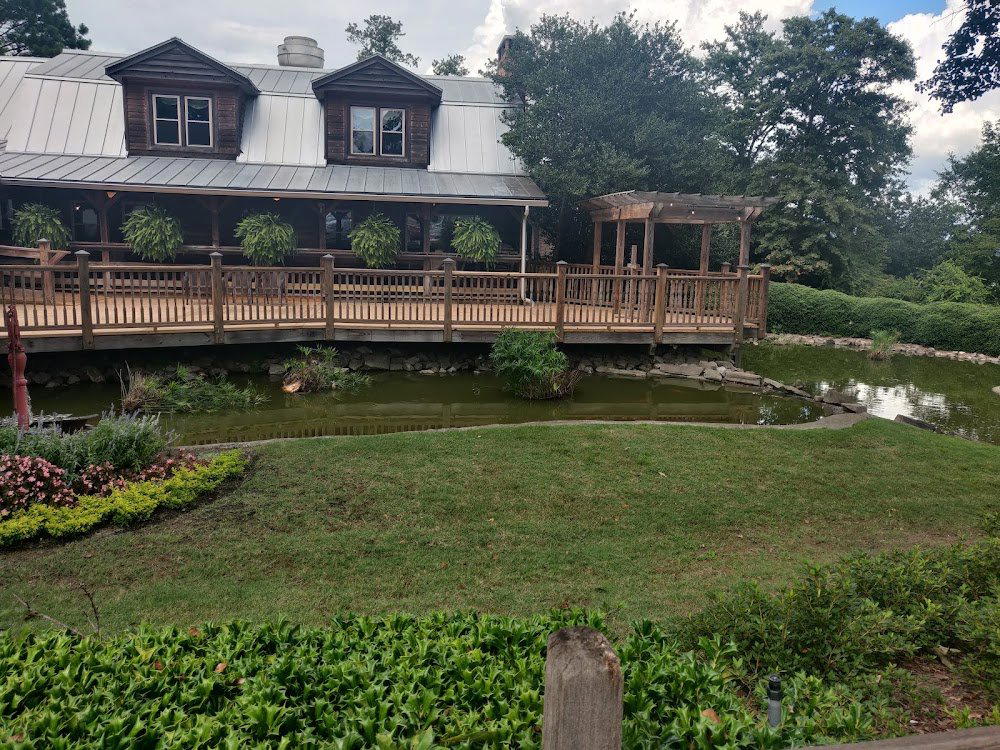
Augusta's Smoke Signal: What Sconyers Tells You About Southern Barbecue
Pull up to 2250 Sconyers Way on a busy afternoon and the first thing you register is scale. The parking lot sprawls. The building is not a converted storefront or a repurposed filling station with a hand-lettered sign, it is a purpose-built operation, sized to handle a crowd that has been showing up since 1956. In the American South, longevity of that order is its own credential. Barbecue joints that survive across multiple generations do so because the product holds, not because the branding does.
Sconyers Bar-B-Que sits in a specific tier of Southern barbecue institution: the large-format, community-anchored pit house that predates the national barbecue revival by several decades. These are not the chef-driven, heritage-breed, single-origin smoke parlors that have proliferated in cities from Nashville to Austin since the 2010s. They are something older and, in their own way, more demanding. The reputation came from the neighborhood, the city, and the returning customer.
The Sourcing Logic Behind Long-Running Pits
What sustains it matters more than the menu itself. Large-volume barbecue at consistent quality over decades depends on supply relationships that most newer restaurants cannot replicate. Pork, beef, and poultry at pit-house scale require reliable regional sourcing, the kind built through years of vendor relationships rather than a single farm partnership announced on an Instagram caption.
Georgia sits within a pork-production corridor that runs through the Carolinas and into the lower South, and Augusta's position near the state's eastern agricultural belt has historically given its pit operations access to product that doesn't need to travel far. That proximity matters in smoked meat more than in almost any other cuisine category: freshness of the raw product before smoking directly affects the quality of the finished bark and the moisture retention through the cook. Long-established operations in this region tend to have sourcing continuity that newer entrants spend years trying to build.
This is the structural advantage that a place like Sconyers carries into every service: not novelty, not a rotating seasonal menu, but the accumulated weight of a supply chain that works. For visitors assessing Augusta's dining options, understanding that distinction separates a genuinely historic pit house from a restaurant that simply uses the word 'heritage' in its menu copy.
How Sconyers Fits Augusta's Broader Dining Map
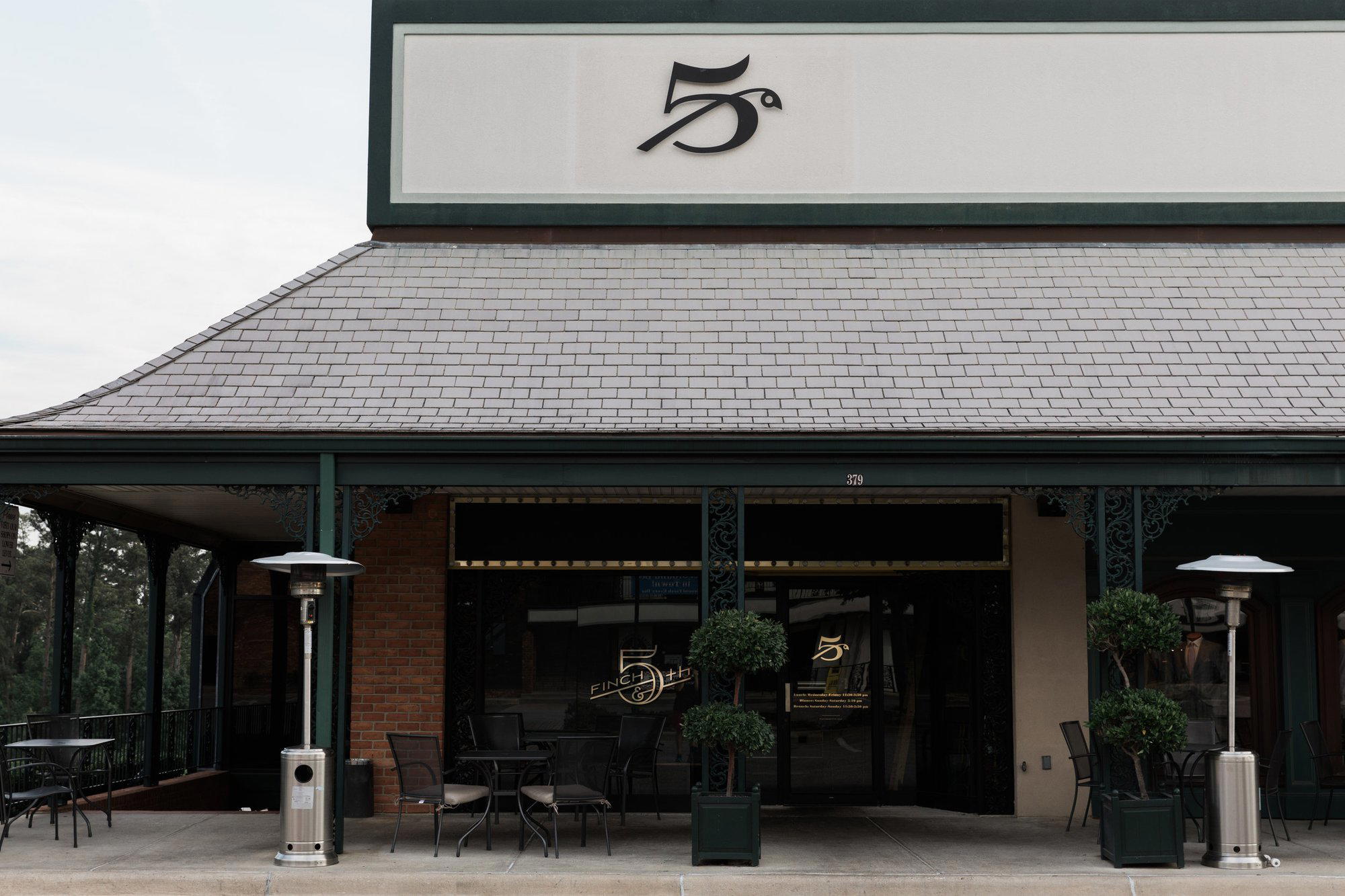
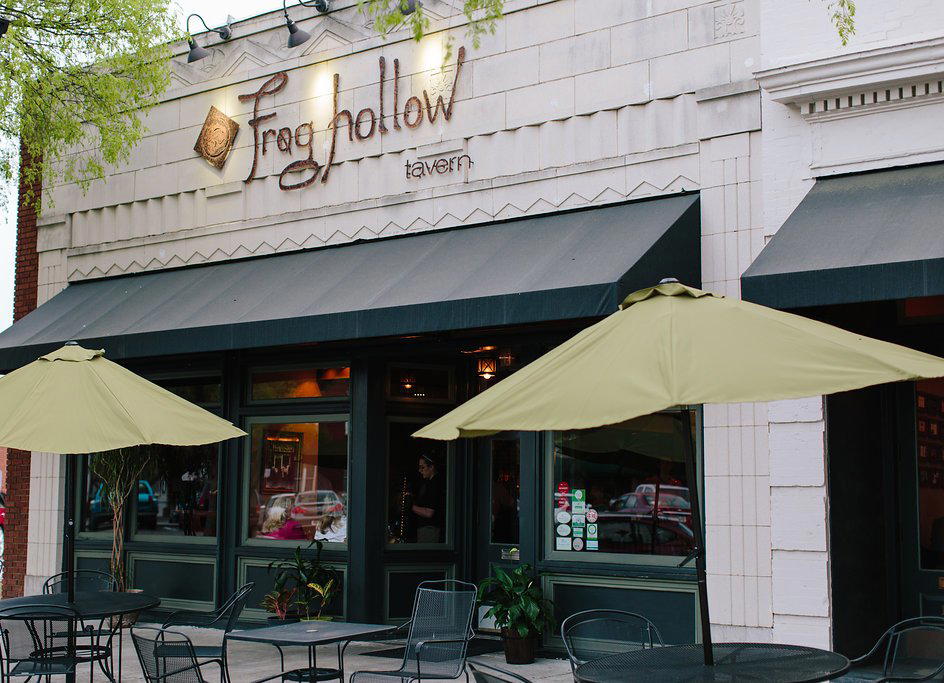
Augusta has developed a layered dining scene that runs from polished Southern gastropubs to cocktail-forward bar kitchens. Frog Hollow Tavern operates in the farm-to-table register, with a focus on low-country and Georgia produce. Abel Brown Southern Kitchen & Oyster Bar brings a coastal Southern sensibility to the table, while Finch & Fifth and Pineapple Ink Tavern represent the city's growing appetite for considered cocktail programs alongside food. See the full Augusta Richmond County restaurants guide for a broader map of the city's options.
Sconyers does not compete in any of those categories. It occupies a different tier entirely, the civic institution tier, where the question is not whether the lighting is flattering or the wine list is interesting, but whether the smoke ring is consistent and the sauce is the same as it was thirty years ago. That is a different kind of excellence, and Augusta's dining map is more complete for containing both registers.
For visitors arriving around the Masters Tournament in April, Sconyers becomes one of the city's most relevant food landmarks. Augusta swells with travelers during that week, and the pit houses that have operated long enough to absorb that annual surge without compromising output are a small group. Sconyers is among them.
Planning Your Visit
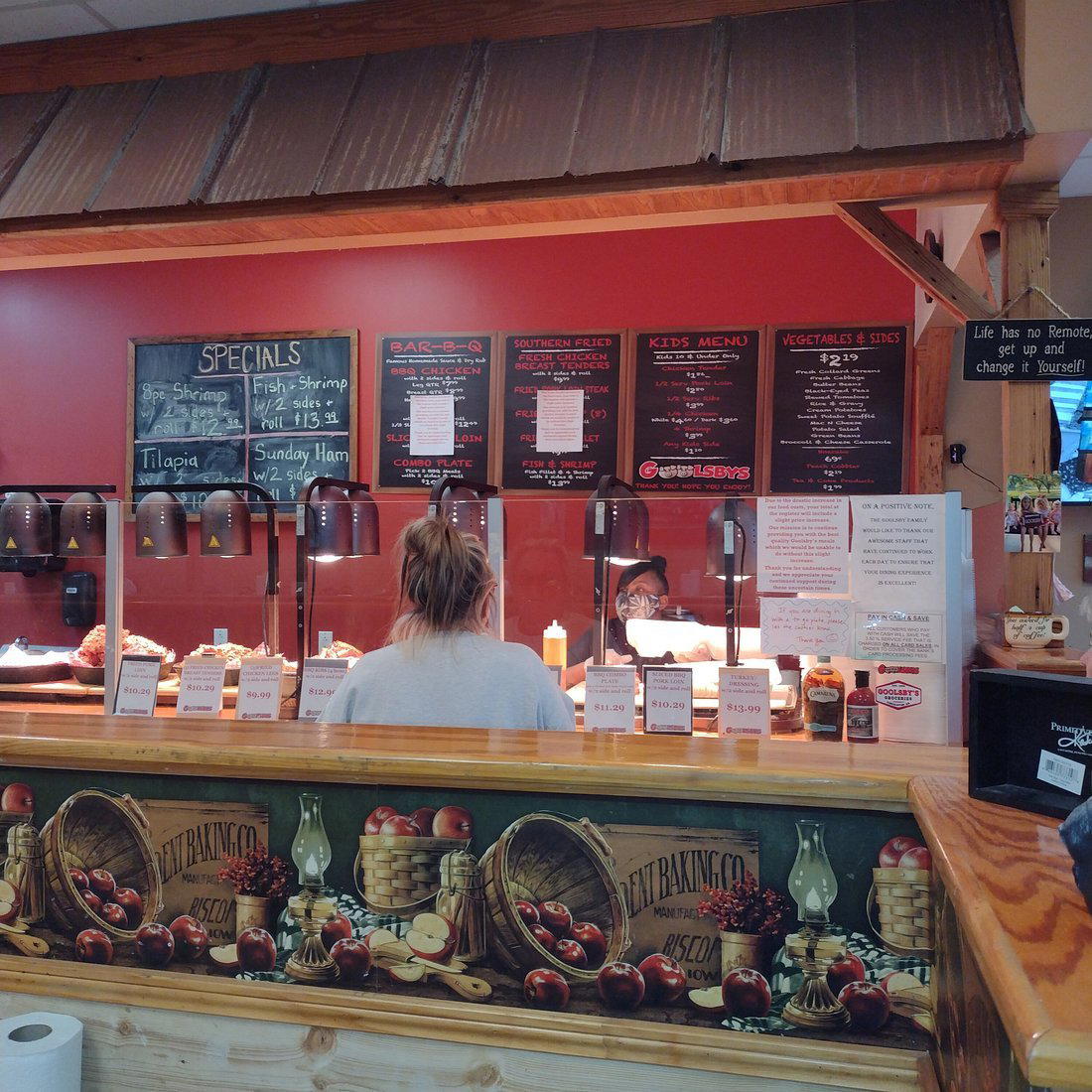
Sconyers Bar-B-Que is located at 2250 Sconyers Way in Augusta, Georgia 30906, on the south side of the city. Given the operation's scale and local following, arriving outside peak lunch and early dinner windows on weekends is the more practical approach for visitors who prefer to move at their own pace. The format is counter-service and cafeteria-style rather than table service, which means the experience rewards a willingness to queue and observe, the production line itself is part of the story.
Hours are Thursday through Saturday from 10 AM to 9 PM. It functions as a walk-in venue.
For travelers comparing regional barbecue cultures to cocktail-driven dining in other American cities, the contrast is instructive. Bars like Julep in Houston and Jewel of the South in New Orleans reflect a different strand of Southern food and drink culture, the craft-spirits, historically-informed cocktail movement, while operations like Sconyers represent the unbroken production tradition that preceded it. Both are worth understanding on the same trip through the region.
Travelers who have spent time at precise, technical bar programs will find Sconyers a useful counter-reference. The precision here is not in the cocktail shaker but in the pit management: temperature control, wood selection, and timing across a high-volume cook cycle. Different disciplines, comparable commitment to craft at scale.
How It Stacks Up
Comparable venues nearby, for context on price, style, and recognition.
| Venue | Cuisine | Price | Notes |
|---|---|---|---|
| Sconyers Bar-B-QueThis venue — the venue you are viewing | Bar | $$ | Not listed |
| Pineapple Ink Tavern | pub | $$ | downtown |
| The Boll Weevil Cafe and Sweetery | Bar | $$ | Riverwalk |
| Abel Brown Southern Kitchen & Oyster Bar | cocktail_bar | $$$ | Surrey Center |
| Whiskey Bar Kitchen | pub | $$ | Downtown Augusta |
| Finch & Fifth | cocktail_bar | $$ | Surrey Center |
Continue exploring
More in Augusta
Bars in Augusta
Browse all →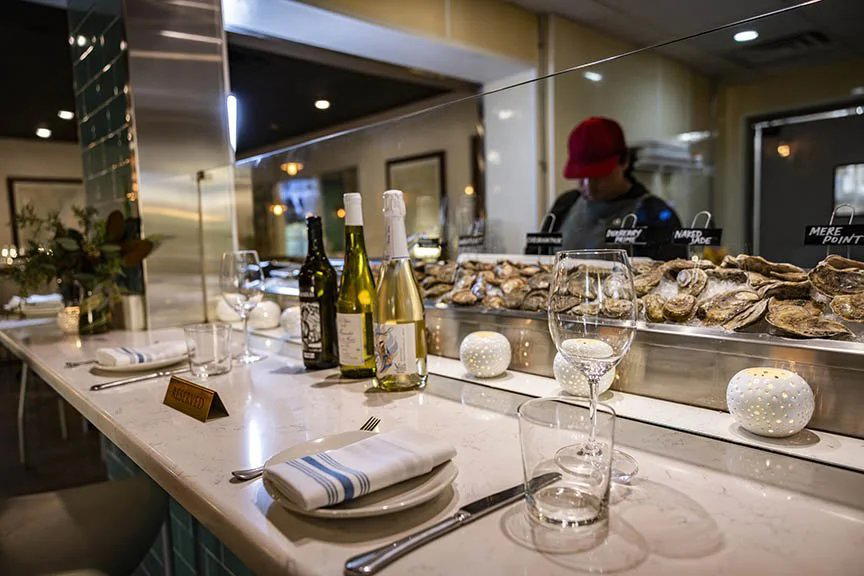
Restaurants in Augusta
Browse all →

Hotels in Augusta
Browse all →
At a Glance
- Rustic
- Classic
- Well Known
- Casual Hangout
- Group Outing
- Historic Building
Current opening hours
- Monday
- Closed
- Tuesday
- Closed
- Wednesday
- Closed
- Thursday
- 10 AM–9 PM
- Friday
- 10 AM–9 PM
- Saturday
- 10 AM–9 PM
- Sunday
- Closed
Hours can change for holidays and private events. Last verified .
Rustic digs with hickory smoke perfume and country classics music playing.