sankaku onigiri cafe & bar
On Capitol Hill's Melrose Avenue, Sankaku Onigiri Cafe & Bar brings a Japanese convenience-store staple into a full cafe and bar format, a format that remains a relative rarity in Seattle's dining scene. The triangular rice ball, typically a grab-and-go item, gets deliberate treatment here alongside a bar program that extends the experience well past a quick lunch stop.
Pearl is the En Primeur Club membership app — saves, bookings, and concierge access live there. Same editors, same standards.
- Address
- 1531 Melrose Ave, Seattle, WA 98122
- Website
- instagram.com
- Directions
- Get directions
 Saves & bookings on Pearl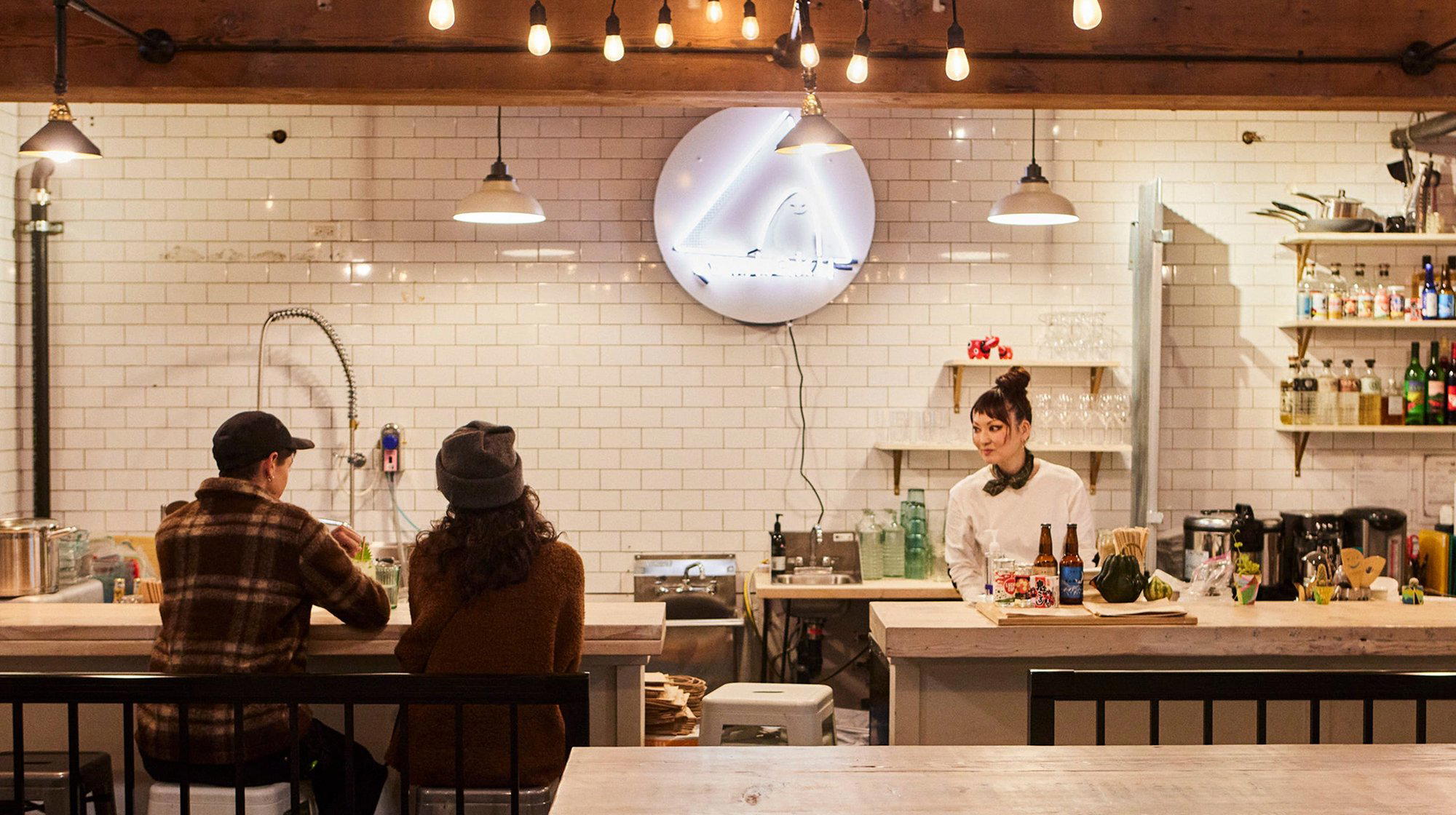
The Capitol Hill Setting and What It Signals
Melrose Avenue on Capitol Hill sits at a particular intersection of Seattle's dining identity: dense enough to support specialist concepts, relaxed enough that a Japanese rice-ball cafe doesn't feel incongruous alongside cocktail bars and neighbourhood restaurants. Sankaku Onigiri Cafe & Bar occupies 1531 Melrose Ave. The address puts it within easy reach of the bars that define Capitol Hill's drinking culture, though Sankaku occupies a distinctly different register.
What the Capitol Hill location tells you before you arrive: this is a neighbourhood that has absorbed Japanese-inflected concepts across multiple formats, from ramen counters to sake bars, and that has shown appetite for formats that straddle casual daytime eating and considered evening drinking. Sankaku reads as a direct response to that appetite.
Onigiri as a Format, Not Just a Dish
Across Japan, onigiri functions as among the more democratic food forms in existence. Convenience stores stock dozens of varieties; specialist onigiri shops in Tokyo and Osaka have built dedicated followings around sourcing, rice variety, and filling combinations that shift by season. The triangular rice ball, sankaku means triangle in Japanese, has a structural logic that rewards attention to ingredient quality in a way that's easy to underestimate. The ratio of rice to filling, the salinity of the nori wrap, the temperature at which it's served: each detail has measurable impact on the eating experience.
Seattle has been slower than cities like Los Angeles and New York to develop specialist onigiri formats outside of Japanese supermarkets and a handful of Japanese-American lunch spots. That relative scarcity gives Sankaku a specific position in the city's dining picture. It is not operating in a crowded category locally, which means the format itself carries some of the novelty that a more competitive market would distribute across multiple players.
The Progression: Reading Sankaku as a Tasting Arc
The editorial angle that makes Sankaku interesting is not any single dish or drink in isolation, but the sequencing logic of the full visit. In the onigiri-as-bar-food format, the meal has a natural arc: lighter, cleaner rice preparations function as an opening note, creating a palate baseline before fillings with more pronounced umami, fermented, pickled, or cured components, carry the middle of the experience. A bar program layered on top of this creates the opportunity for a pairing logic that, when executed well, mirrors what sake bars in Japan have understood for decades: rice-based food and rice-based alcohol have a structural affinity that needs no forced justification.
That progression, from clean to complex, from food to drink, from casual to considered, is what separates a format like Sankaku's from a sandwich shop with a beer list. The bar component isn't incidental. It reframes what might otherwise be a lunch counter into something that functions across multiple dayparts and invites a longer, more intentional visit. Comparable formats in other American cities, including the Japanese-influenced bar programs at Kumiko in Chicago and the precise drinking culture documented at Bar Leather Apron in Honolulu, demonstrate that Japanese-adjacent food and drink concepts have found durable audiences in cities willing to engage with the underlying logic rather than just the novelty.
Seattle's Japanese Food Tradition and Where Sankaku Fits
Seattle's connection to Japanese food culture is structural, not decorative. The city's historical Japanese-American community, centred around the International District, established a food infrastructure that predates most of the country's current enthusiasm for Japanese cuisine. Pike Place Market has carried Japanese-grown produce and Japanese grocery staples for generations. That foundation means Seattle diners tend to have more baseline familiarity with Japanese food formats than their counterparts in many comparable-sized American cities.
Sankaku benefits from that context. A concept that might read as opaque or niche in another market lands in Seattle as a recognisable extension of something the city already knows. The onigiri format in particular requires no translation for a meaningful portion of the city's population, which lowers the conceptual barrier to entry and allows the cafe to compete on execution rather than novelty alone.
For a broader orientation to the city's drinking and eating scene, Seattle's neighbourhoods and category leaders span a range of price tiers. Capitol Hill's bar scene in particular has developed serious technical depth, with venues like Canon and Roquette anchoring the spirits-focused end of the market. Sankaku sits adjacent to that culture without competing directly in it, which is a sustainable position.
The Cafe-Bar Format Across American Cities
The cafe-bar hybrid has become one of the more durable format experiments in American dining over the past decade. The appeal is structural: a single space can generate revenue across more hours by serving a daytime cafe function and an evening bar function, without requiring the kitchen infrastructure of a full restaurant. Japanese concepts have adapted particularly well to this model, partly because the food formats involved, onigiri, small plates, bar snacks, translate cleanly across dayparts without requiring the kitchen to pivot dramatically between services.
In cities where this format has taken root, the pattern tends to follow a similar trajectory: early adopters face an education curve, establish a loyal regular base, and then see the format spread as adjacent operators recognise the model's viability. Seattle's position on that curve, relative to cities like New York, where operations like Superbueno demonstrate how culturally-specific food-and-drink concepts can build strong urban followings, and San Francisco, where ABV has sustained a considered approach to the bar-and-food pairing format, suggests that Sankaku is operating in a format with proven legs, even if local precedent is limited.
The comparison extends internationally: the bar-forward food concept has found expression in venues in Frankfurt on the Main, New Orleans, and Houston. Each of these operations demonstrates that a strong concept with a clear identity can anchor a space regardless of category, and that the food-drink pairing logic matters more than the specific cuisine.
Know Before You Go
| Address | 1531 Melrose Ave, Seattle, WA 98122 |
|---|---|
| Neighbourhood | Capitol Hill |
| Format | Cafe and bar, onigiri-focused |
| Booking | Walk-in friendly |
| When to Visit | Mon: 12-4 PM; Tue: 12-4 PM; Wed: Closed; Thu-Sun: 12-6 PM |
Comparable Venues
Comparable venues nearby, for context on price, style, and recognition.
| Venue | Cuisine | Price | Notes |
|---|---|---|---|
| sankaku onigiri cafe & barThis venue — the venue you are viewing | sake_bar | $$ | Not listed |
| Captain Blacks | dive_bar | $$ | Broadway |
| White Horse Tavern | pub | $$ | Seattle Waterfront |
| Clever Bottle | cocktail_bar | $$ | Belltown |
| Kin Len Thai Night Bites | lounge | $$ | Fremont |
| familyfriend | lounge | $$ | North Beacon Hill |
Continue exploring
More in Seattle
Bars in Seattle
Browse all →
Restaurants in Seattle
Browse all →
Hotels in Seattle
Browse all →
At a Glance
- Cozy
- Minimalist
- Trendy
- Casual Hangout
- After Work
- Standalone
- Counter Only
- Standing Room
- Sake
- Zero Proof
Current opening hours
- Monday
- 12–4 PM
- Tuesday
- 12–4 PM
- Wednesday
- Closed
- Thursday
- 12–6 PM
- Friday
- 12–6 PM
- Saturday
- 12–6 PM
- Sunday
- 12–6 PM
Hours can change for holidays and private events. Last verified .
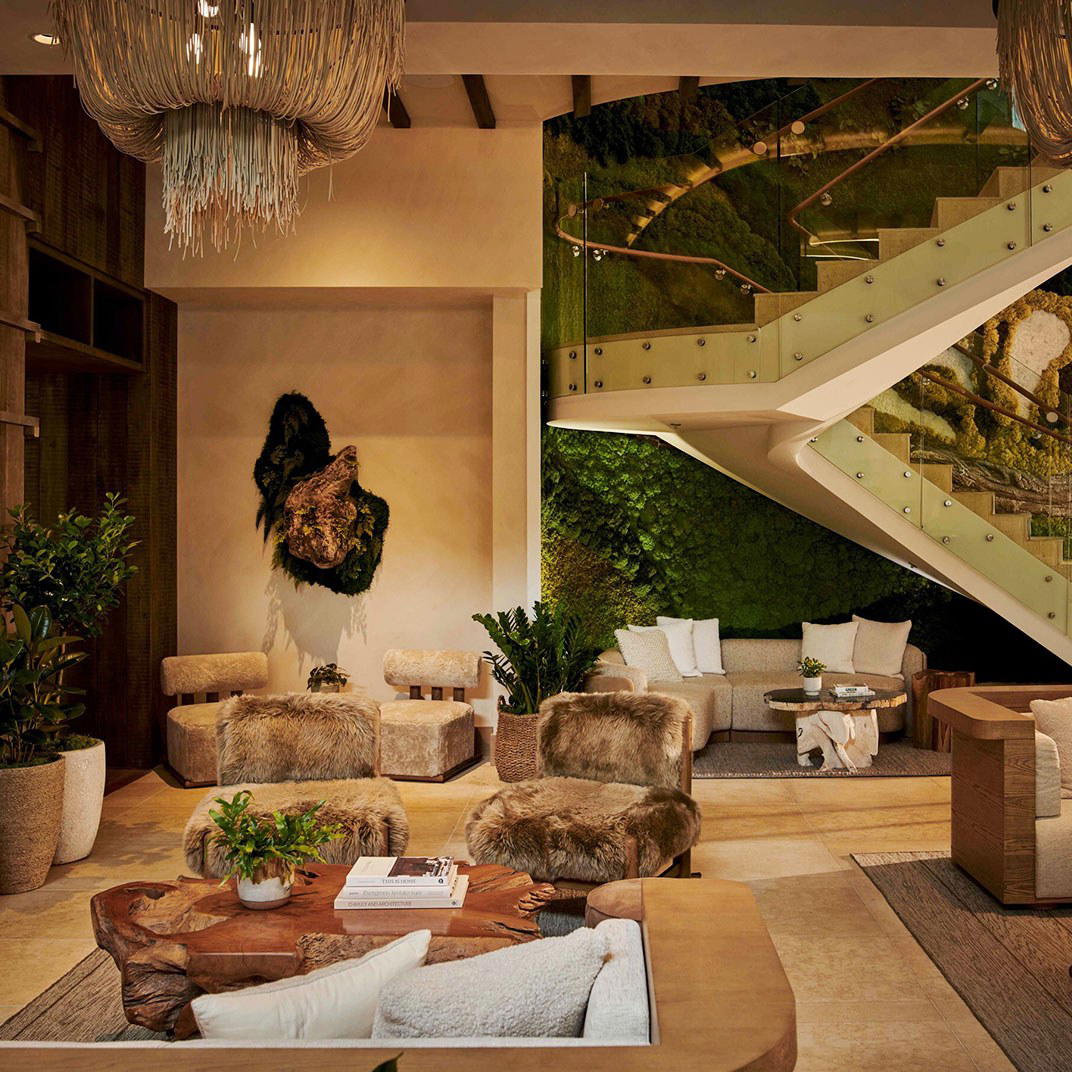
White and bright decor with minimal design aesthetic, creating a clean and welcoming lunch-focused environment.