San Francisco Coffee Roasting
A fixture on the Virginia-Highland coffee circuit, San Francisco Coffee Roasting at 676 N Highland Ave NE has been part of Atlanta's independent café culture for years. The address places it squarely in one of the city's most walkable and café-dense neighbourhoods, where the competition for daily regulars is stiff and longevity itself signals something worth noting.
- Address
- 676 N Highland Ave NE, Atlanta, GA 30306
- Phone
- +1 404 607 8082
- Directions
- Get directions
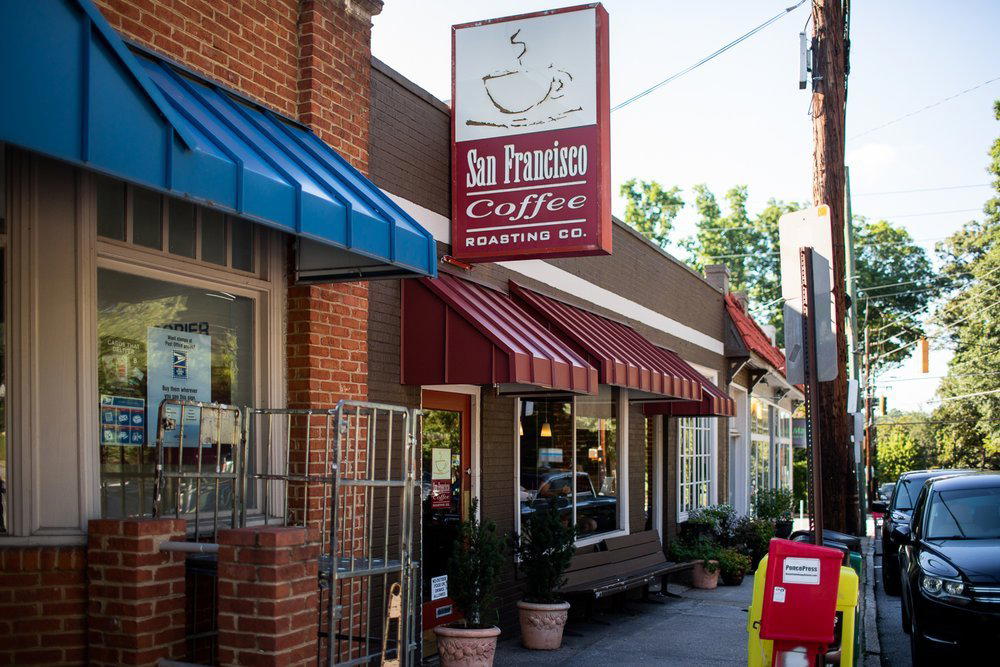
Virginia-Highland and the Independent Coffee Question
North Highland Avenue runs through one of Atlanta's most café-saturated corridors, where independent operators compete directly against one another for the same morning regulars and afternoon laptop crowd. In a neighbourhood where foot traffic is reliable and rents reflect that, surviving as an independent roaster requires more than a decent espresso. San Francisco Coffee Roasting, at 676 N Highland Ave NE, has held its position on this strip long enough that its presence reads less as a novelty and more as a fixed coordinate in Virginia-Highland's daily rhythm.
The independent coffee model in American cities has bifurcated sharply over the past decade. One branch chases the third-wave orthodoxy of single-origin pour-overs, light-roast naturals, and barista competition credentials. The other maintains a more utilitarian contract with its neighbourhood: consistent coffee, familiar environment, accessible pricing, and the kind of atmosphere that doesn't require a tutorial to navigate. San Francisco Coffee Roasting sits closer to the latter model, which in a market as crowded as Atlanta's Eastside neighbourhoods, is a legitimate and durable editorial position.
What the Menu Architecture Signals
When a café carries its own roasting identity in its name, the menu becomes a statement about priorities. The decision to foreground the roasting function rather than, say, the café format or the neighbourhood affiliation tells you something about how the operation understands its own offer. Roasting-led cafés typically build their menus outward from the bean: the espresso program anchors everything, and additional drink formats, drip, pour-over, cold brew, exist to demonstrate range across the same sourcing commitment. Milk-based drinks follow as delivery vehicles for that espresso, not as the headline act.
This architecture is different from the café-first model, where the food program, the seating design, and the social experience carry equal or greater weight than what's in the cup. For the visitor or regular who approaches San Francisco Coffee Roasting with that menu logic in mind, the expectation should be set accordingly: this is a place where the coffee itself is the primary text, and everything else is supporting structure.
Within Atlanta's broader coffee scene, that positioning places the venue in a comparable set that includes other independent roasters and neighbourhood cafés rather than the larger specialty chains or hotel lobby coffee programs. The North Highland address specifically places it in direct competition with other Virginia-Highland independents, a competitive cluster that sharpens rather than dilutes the case for having a clear coffee identity.
The Virginia-Highland Context
Virginia-Highland's commercial strip along North Highland has functioned as a testing ground for Atlanta independent hospitality since the neighbourhood's gentrification accelerated in the 1990s. The mix of long-established operators and newer arrivals creates an unusual dynamic: longevity is visible and legible here in a way it isn't in newer development corridors like Westside or the BeltLine-adjacent blocks. A café that has occupied the same address across multiple cycles of neighbourhood change has absorbed something of the street's institutional memory.
The surrounding blocks include a density of bars, restaurants, and cafés that makes Virginia-Highland one of the few Atlanta neighbourhoods where you can spend an entire day eating and drinking within walking distance. For visitors building an Atlanta itinerary around Eastside neighbourhoods, this walkability is a genuine logistical asset. Ponce City Market sits within reasonable distance to the south, and the BeltLine's Eastside Trail provides a pedestrian connection that makes café stops a natural part of a longer neighbourhood circuit.
For context on Atlanta's broader bar and cocktail scene, which increasingly overlaps with the city's café culture in terms of all-day venue formats, our full Atlanta restaurants guide maps the competitive set across neighbourhoods. Within Atlanta, venues like Alici Oyster Bar and a mano represent the more formal end of the city's hospitality spectrum, while 9 Mile Station and 437 Memorial Dr SE a5 occupy different points on the casual-to-considered axis.
How Atlanta's Coffee Scene Compares Regionally
The American South's specialty coffee development lagged behind West Coast and Northeast markets by roughly a decade, but Atlanta has closed much of that gap through a combination of independent operators and the city's role as a logistics and cultural hub. Compared to cities like New Orleans, where café culture is older but more fixed in tradition, or Houston, where the market is vast but geographically dispersed, Atlanta's Eastside neighbourhoods have produced a concentration of independent coffee that competes credibly with peer markets.
Nationally, the café programs worth tracking for comparison purposes tend to be the ones with clear technical commitments and enough volume to fund proper sourcing. In that context, Atlanta's independent roasters occupy a middle tier below the nationally profiled specialty operations but well above the commodity café segment. For travellers who use coffee as a barometer for a neighbourhood's independent hospitality culture, Virginia-Highland reads reliably on that instrument.
For reference points from other American markets, the cocktail and café programs at ABV in San Francisco, Kumiko in Chicago, and Superbueno in New York City illustrate how independent operators in larger markets have developed all-day or multi-format identities. Further afield, Bar Leather Apron in Honolulu, Jewel of the South in New Orleans, Julep in Houston, and The Parlour in Frankfurt on the Main represent the international range of independent hospitality operators in cities where café and bar culture intersect.
Know Before You Go
- Address: 676 N Highland Ave NE, Atlanta, GA 30306
- Neighbourhood: Virginia-Highland
- Booking: Walk-in only; no reservation system for a café format
- Getting there: North Highland Avenue is accessible by car with street parking; the BeltLine Eastside Trail provides a pedestrian approach from the south
- Website / Phone: Not available in current records; confirm hours directly before visiting
- Leading timing: Morning visits align with peak café traffic on this corridor; weekend afternoons draw neighbourhood foot traffic from the surrounding residential blocks
Booking and Cost Snapshot
Comparable venues nearby, for context on price, style, and recognition.
| Venue | Cuisine | Price | Notes |
|---|---|---|---|
| San Francisco Coffee RoastingThis venue — the venue you are viewing | Virginia-Highland, Bar | $$ | Not listed |
| The Porter Beer Bar | Not listed | $$ | Little Five Points, beer_bar |
| Firepit Pizza Tavern | Grant Park, pub | $$ | Not listed |
| Gaja Korean Bar | East Atlanta Village, speakeasy | $$ | Not listed |
| The Companion | Bar | Not listed | Not listed |
| Hard Rock Cafe | Downtown, lounge | $$ | Not listed |
At a Glance
- Cozy
- Classic
- Quiet
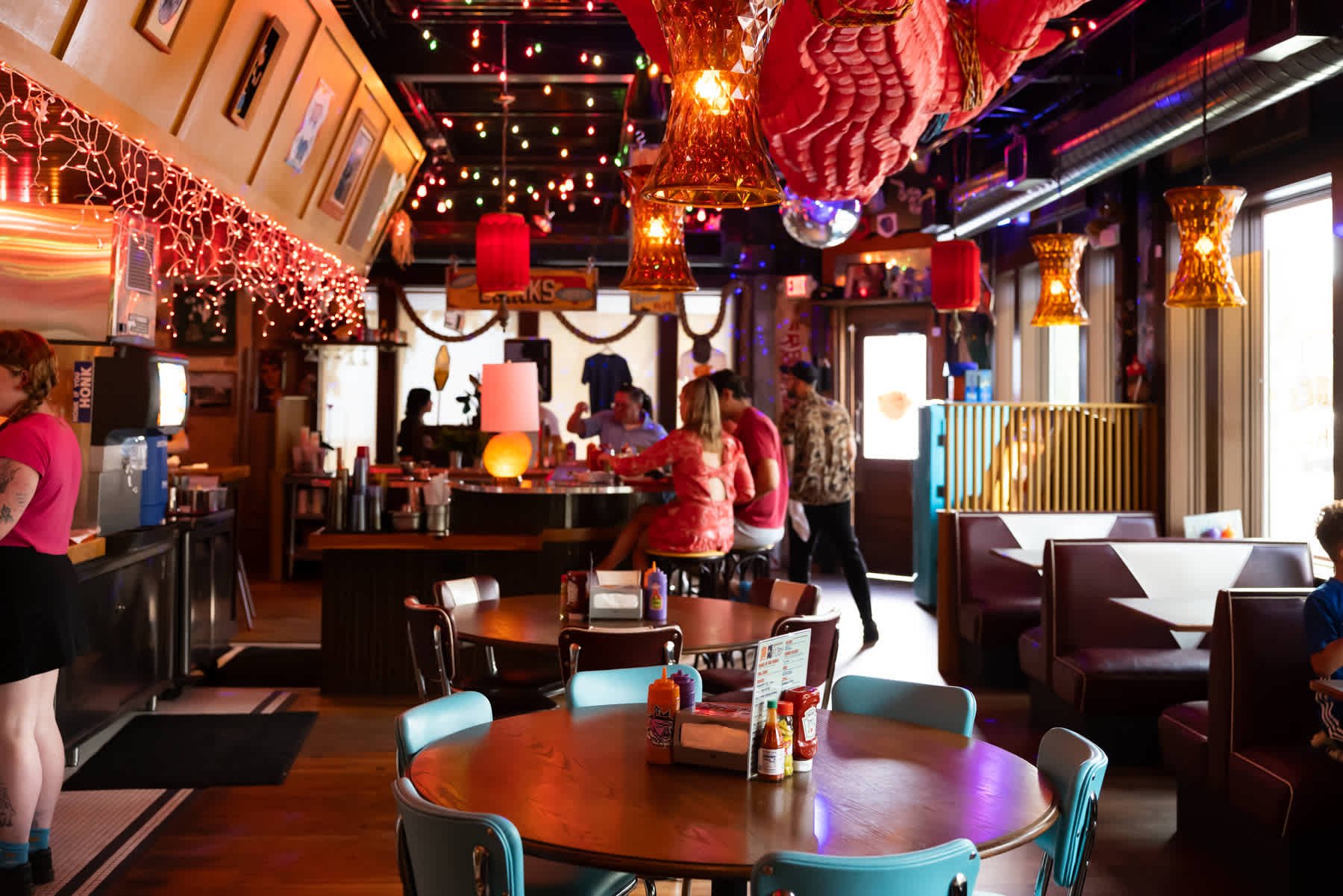
- Casual Hangout
- Group Outing
- Solo
- Standalone
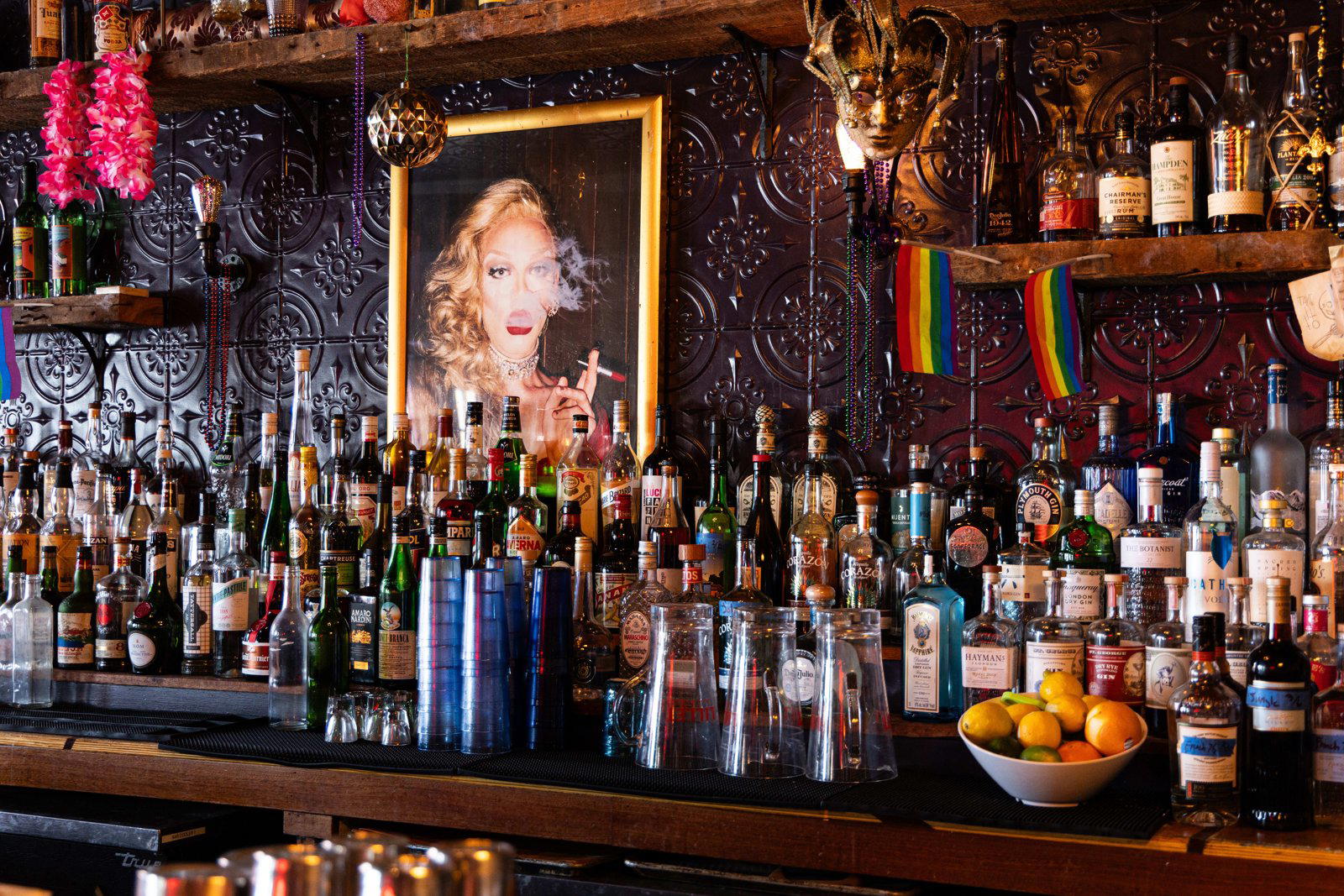
- Seated Bar
- Communal Tables
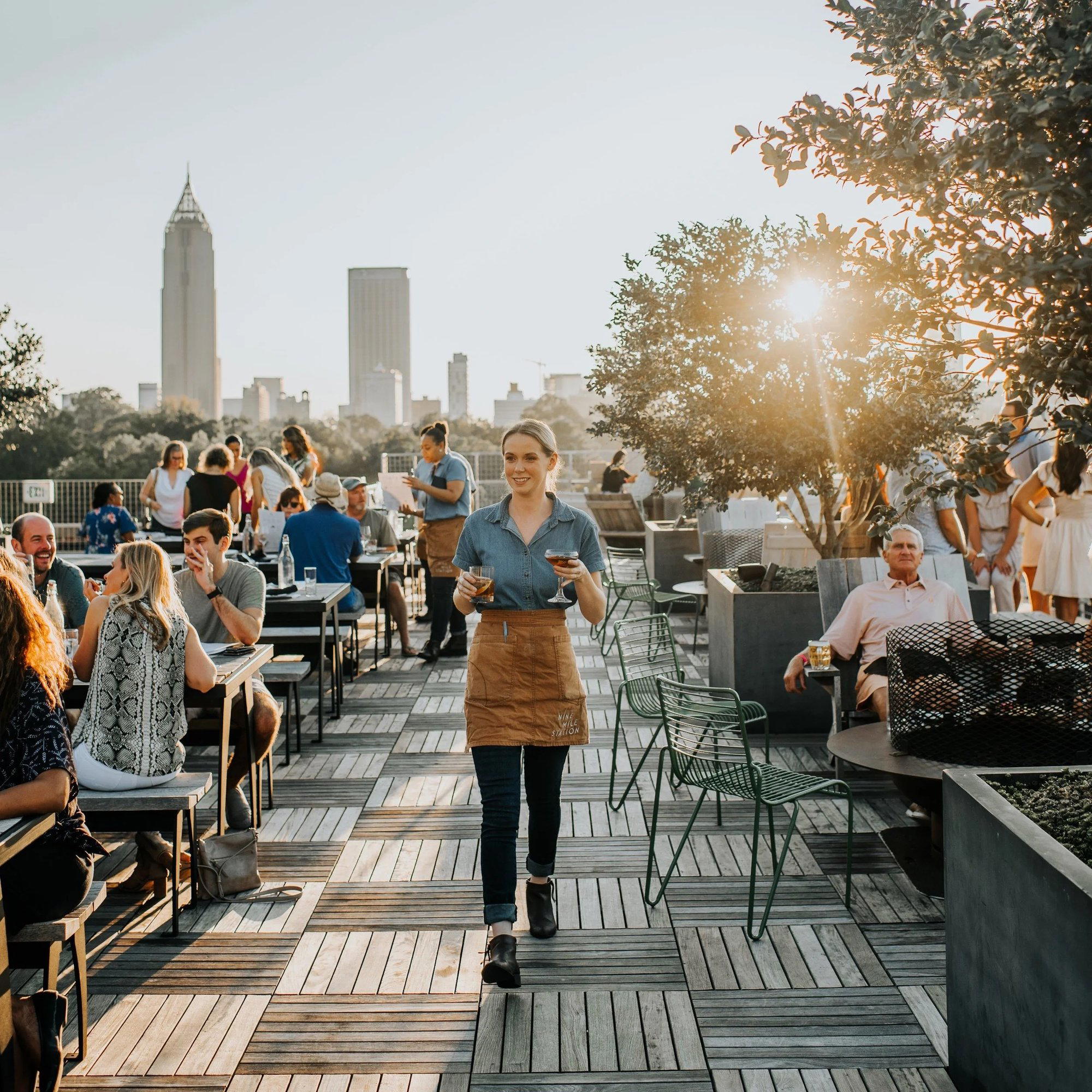
- Outdoor Terrace
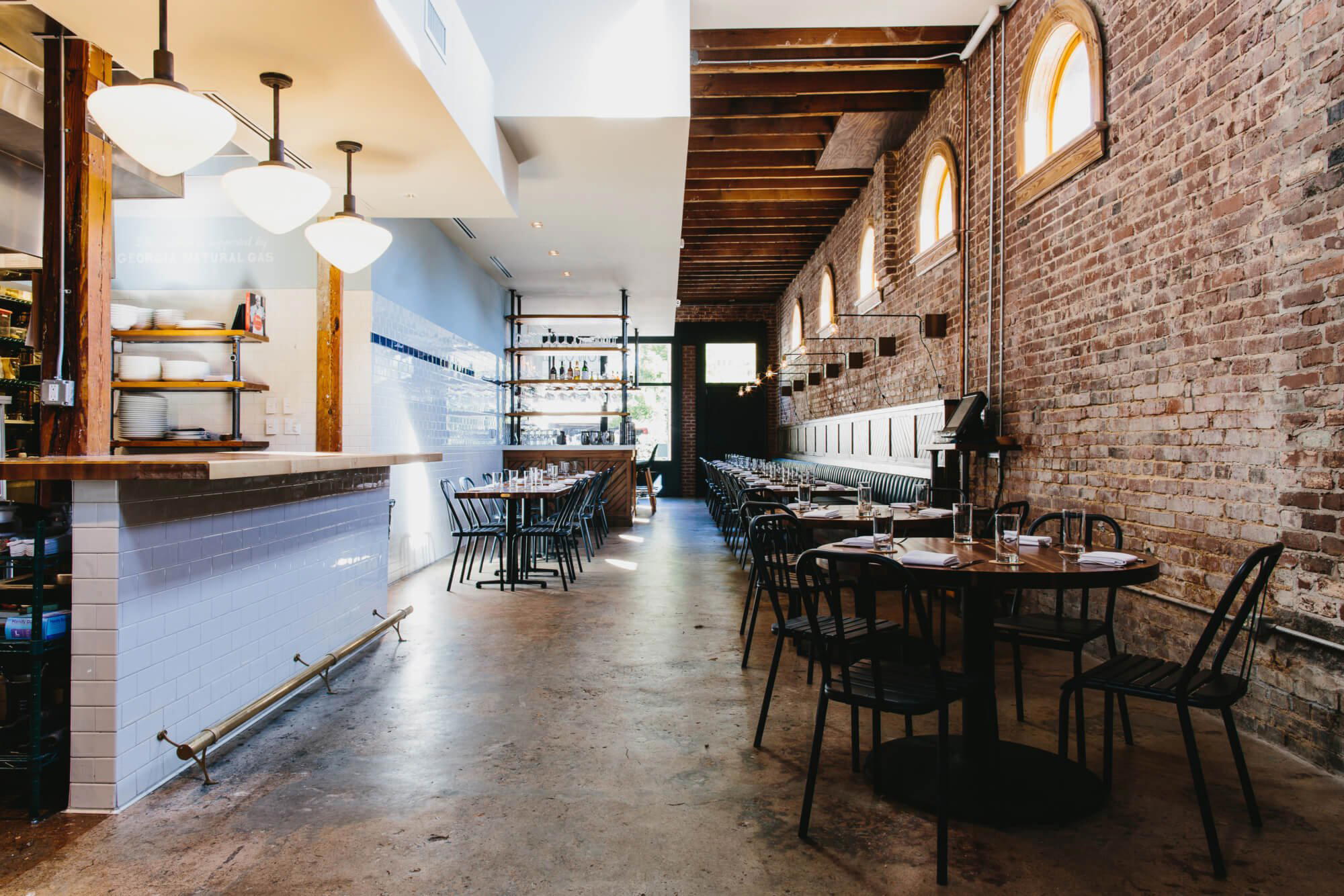
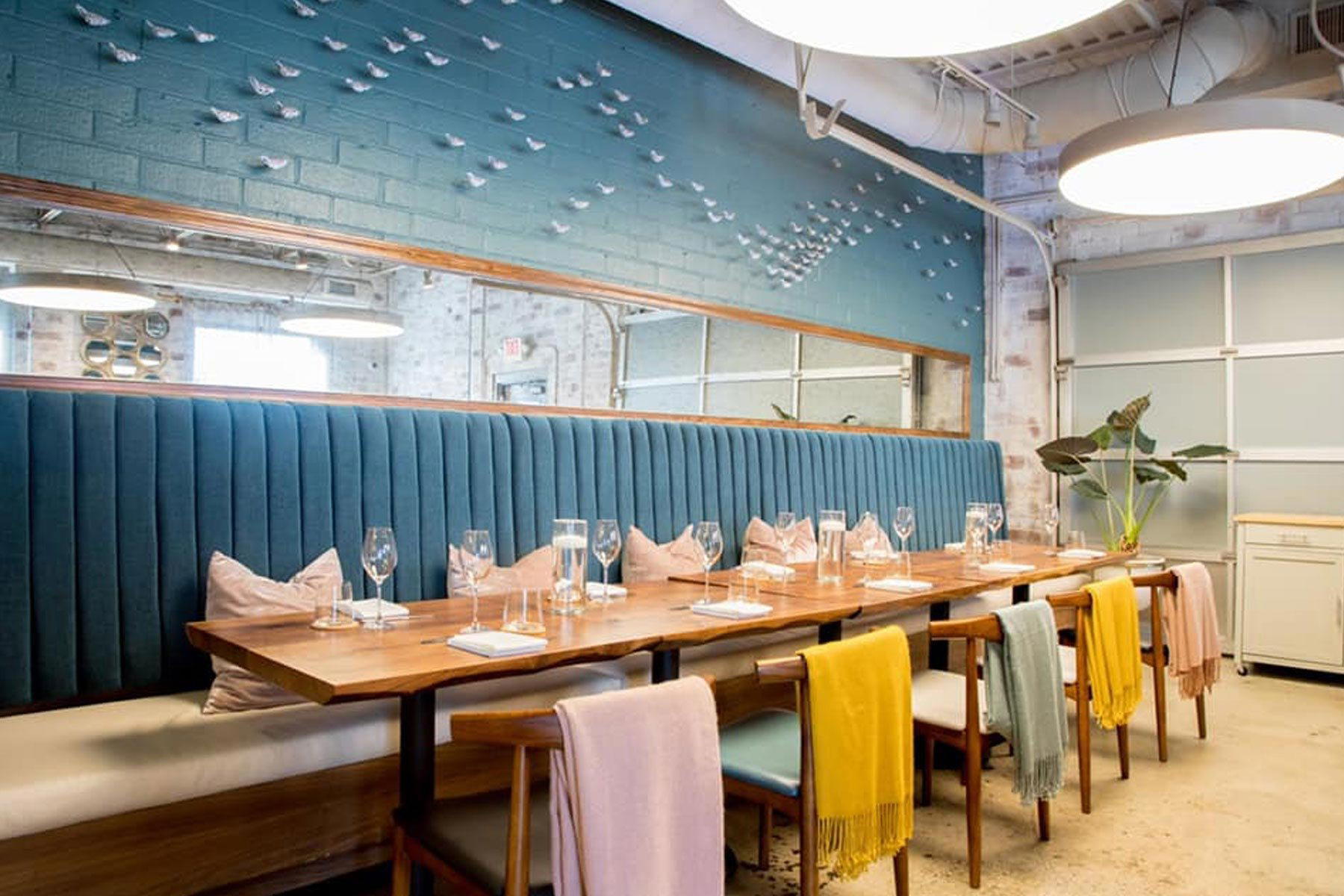
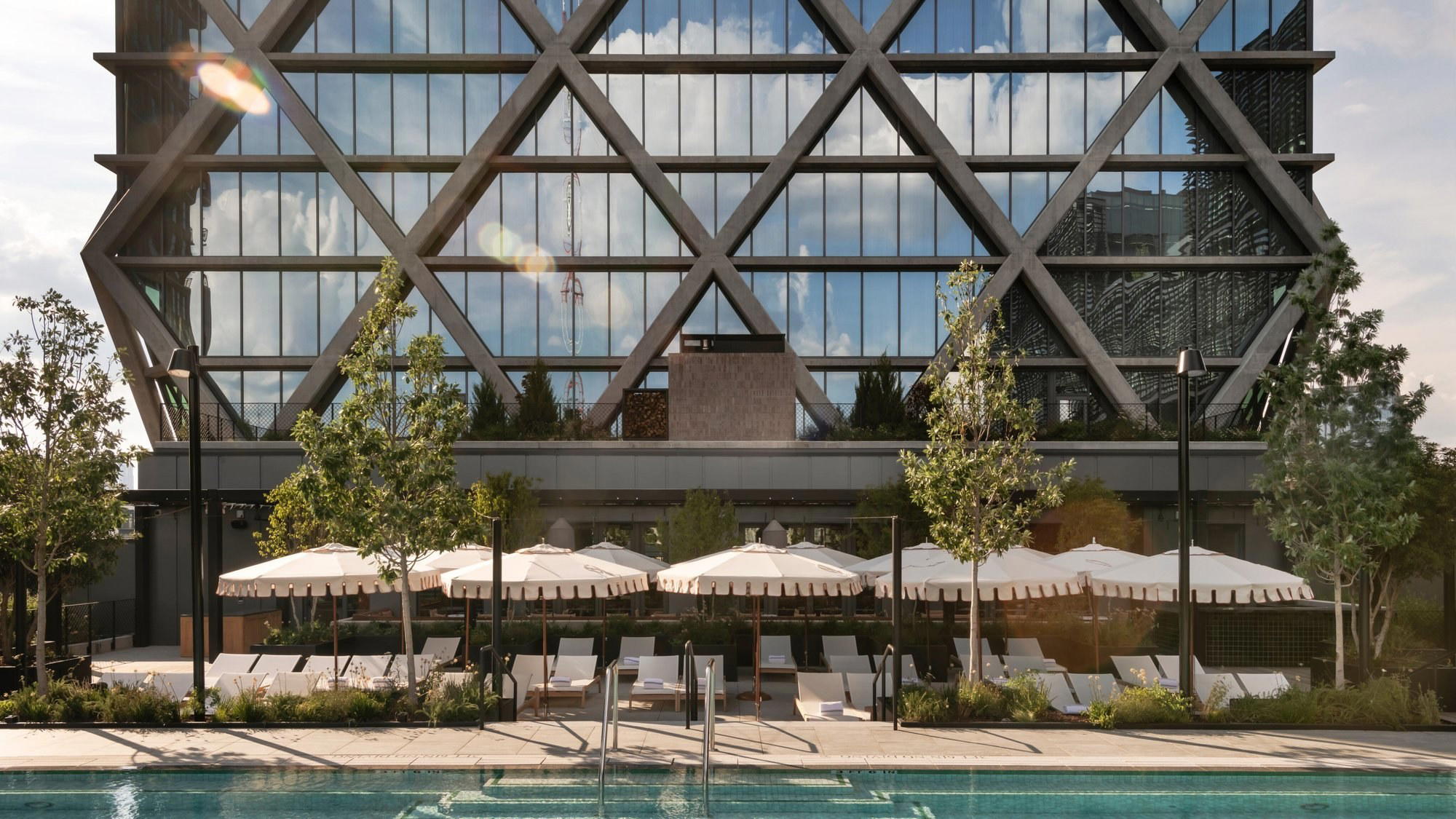
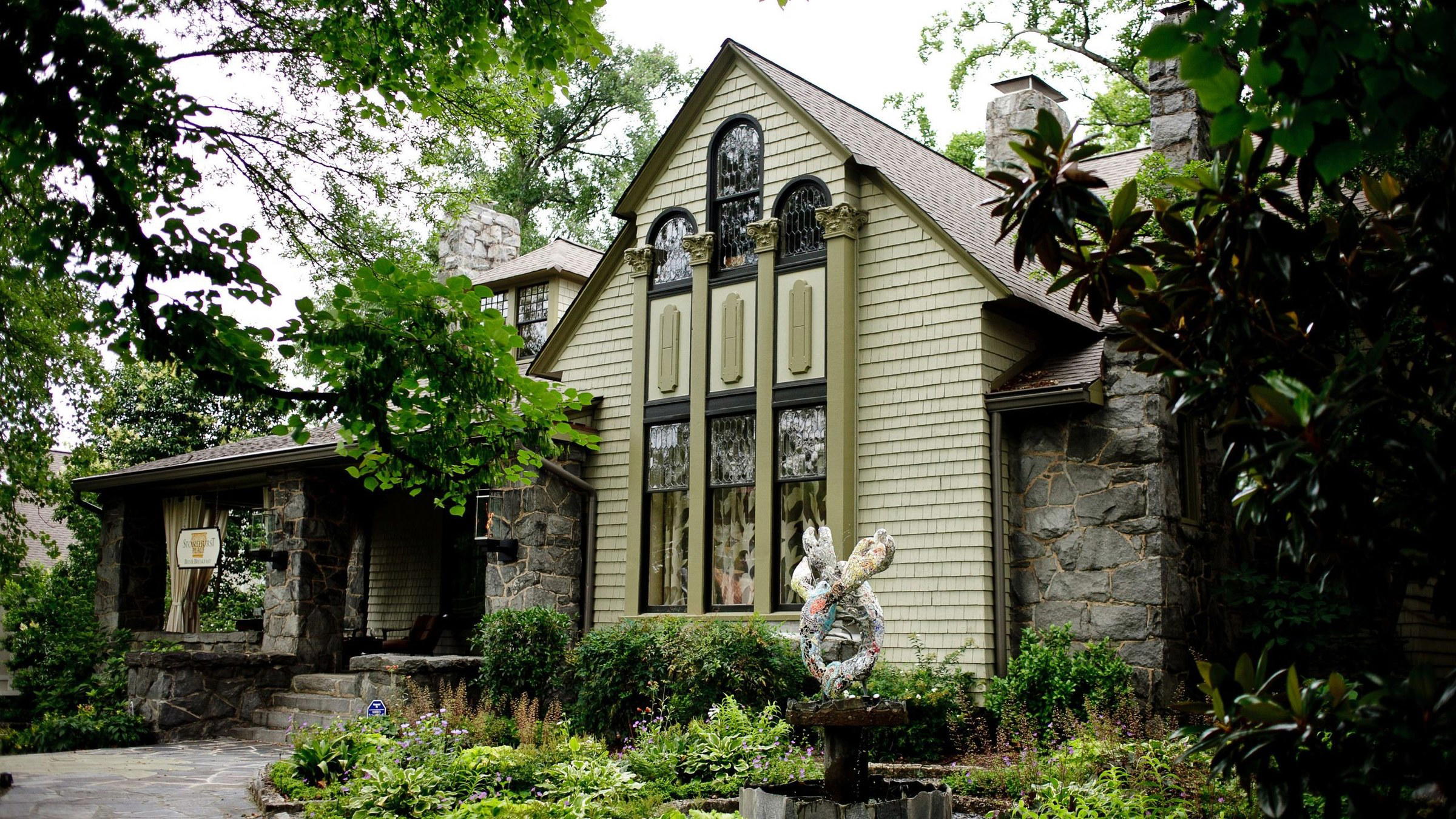
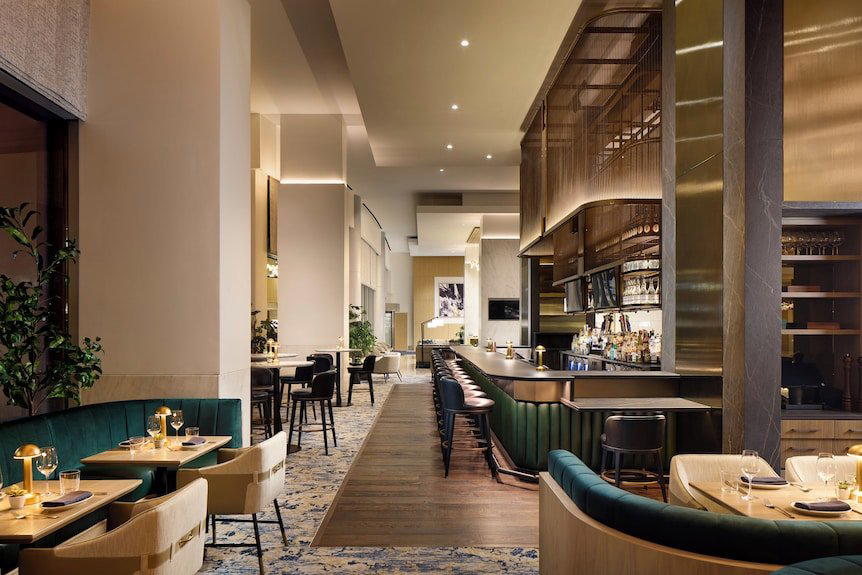
Bright and inviting space designed for both quick stops and lingering, with the clicking of keyboards from students and professionals working in a home-like environment.