Sake no Hana
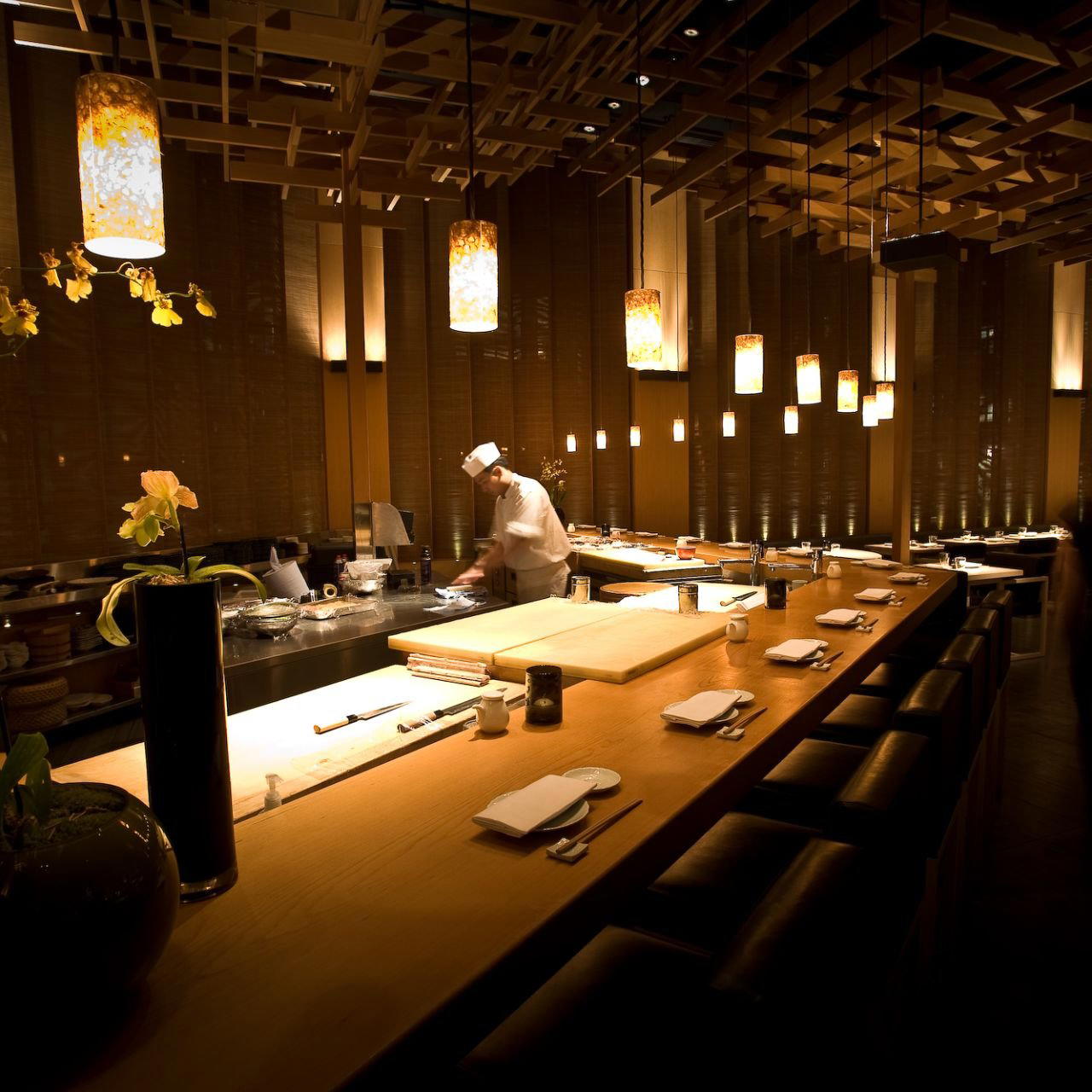
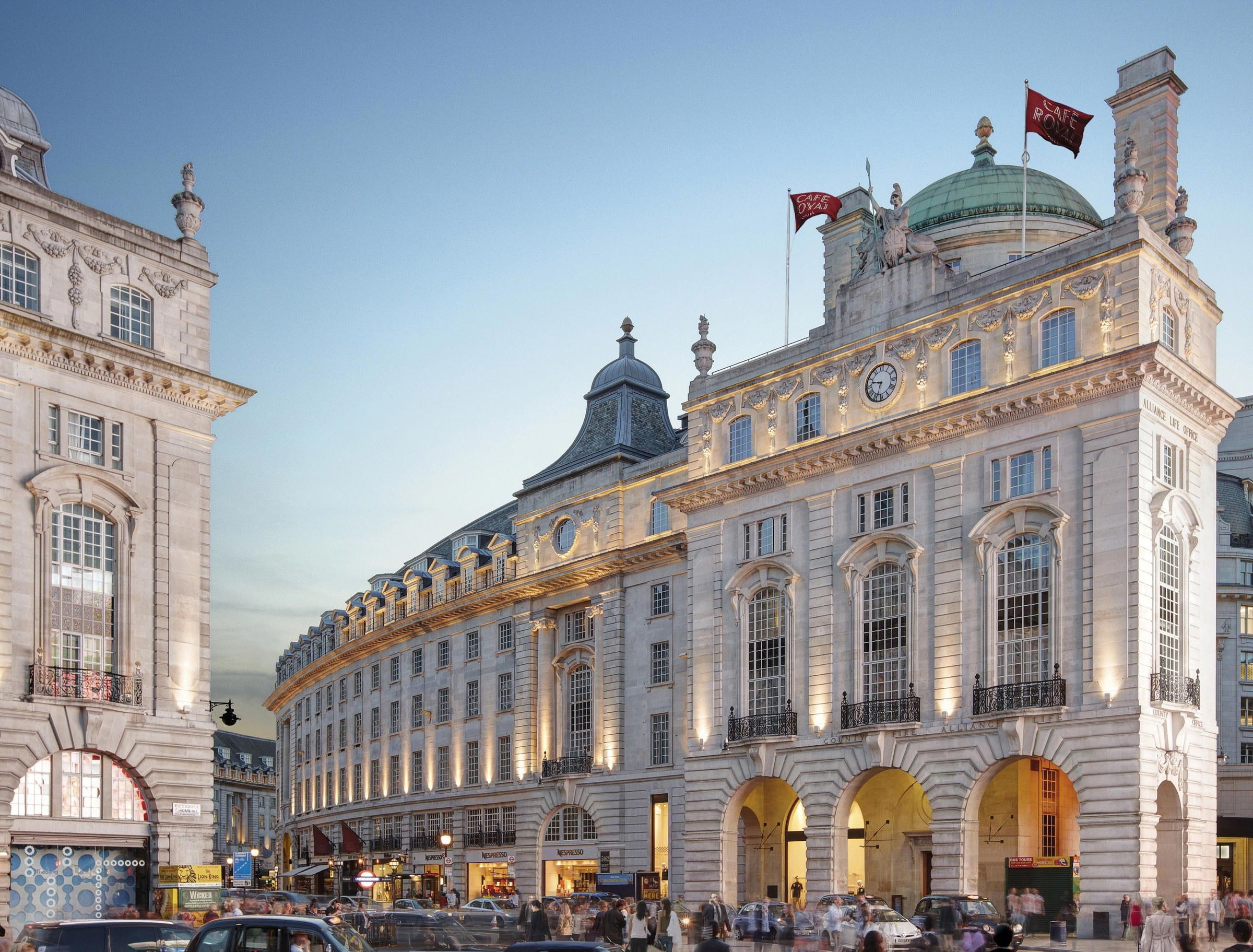
Sake no Hana occupies a considered position in St James's, one of London's most formally composed neighbourhoods, delivering Japanese dining in a setting that rewards attention to its physical architecture as much as its food. The address at 23 St James's Street places it among the area's established dining institutions, where the room itself carries as much weight as the menu.
- Address
- 23 St James's St, London SW1A 1HA, United Kingdom
- Phone
- +44 20 7925 8988
- Website
- sakenohana.com
St James's and the Weight of a Room
St James's Street has a particular quality that few London addresses share: the buildings here carry institutional memory. Gentlemen's clubs, hatters, wine merchants operating from the same frontages for generations. When a Japanese restaurant takes a position on this street, the physical space does not simply host a meal, it enters a conversation with everything around it. Sake no Hana, a closed bar at 23 St James's Street, makes that conversation its central proposition.
London's Japanese dining tier has evolved considerably over the past decade. The entry-level sushi conveyor and the high-volume noodle bar occupy one band; the precise, counter-led omakase rooms occupy another; and between them sits a middle register where Japanese dining meets the design expectations of London's most formally dressed neighbourhoods. St James's, SW1A, is the correct postcode for that middle register. It is where the room was expected to do real editorial work, and where diners arrived with calibrated expectations about atmosphere before they had read a single menu description.
What the Space Is Doing
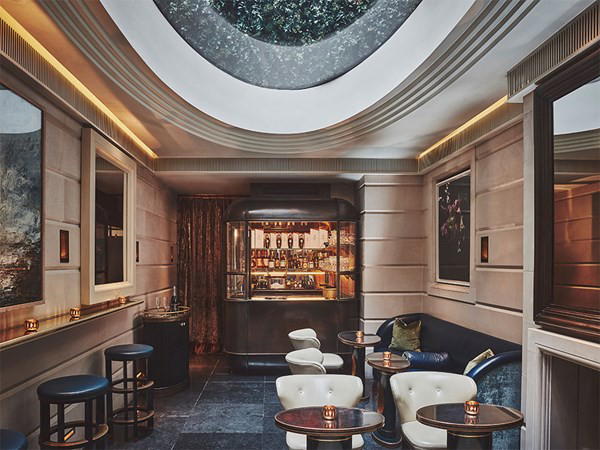
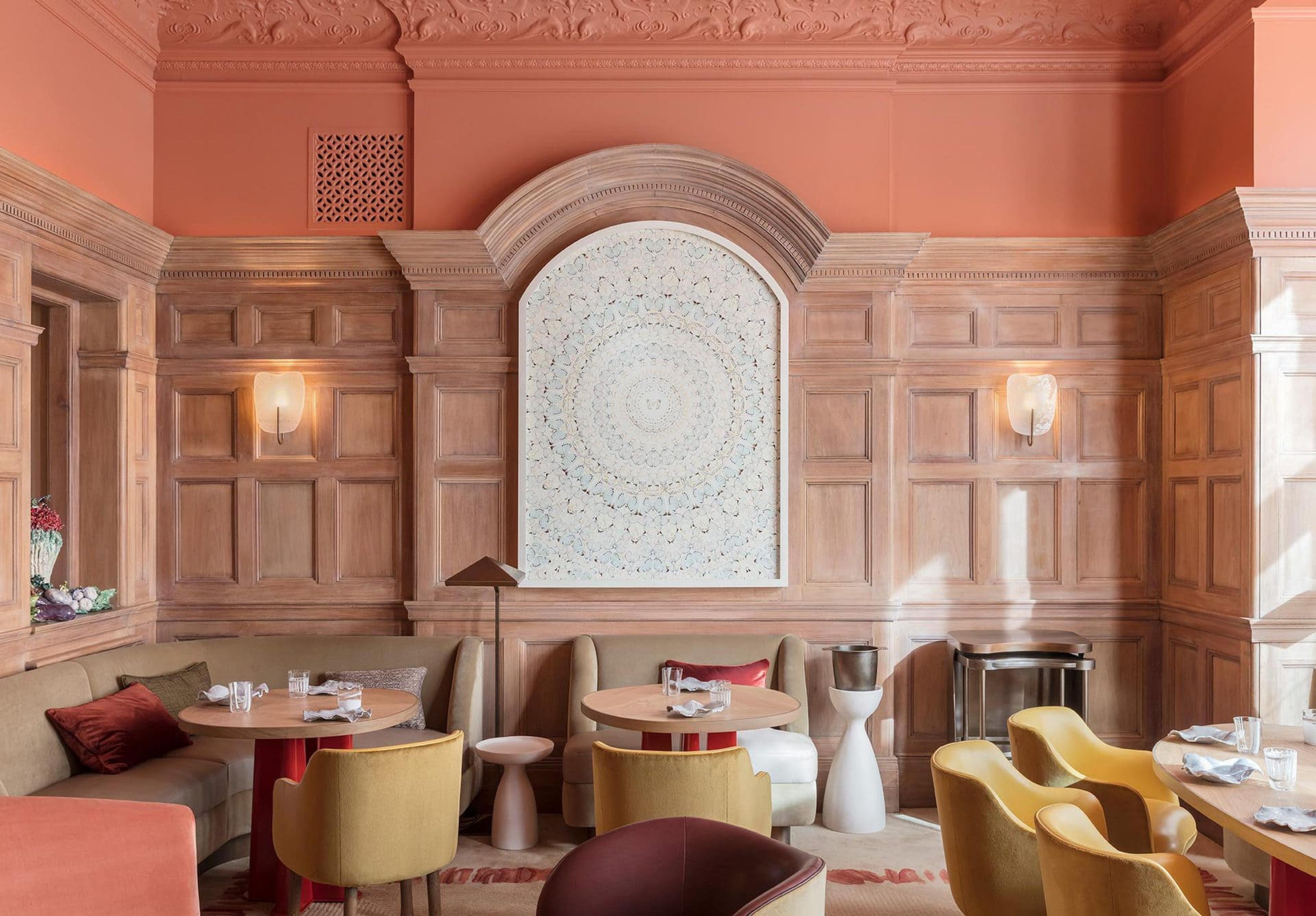
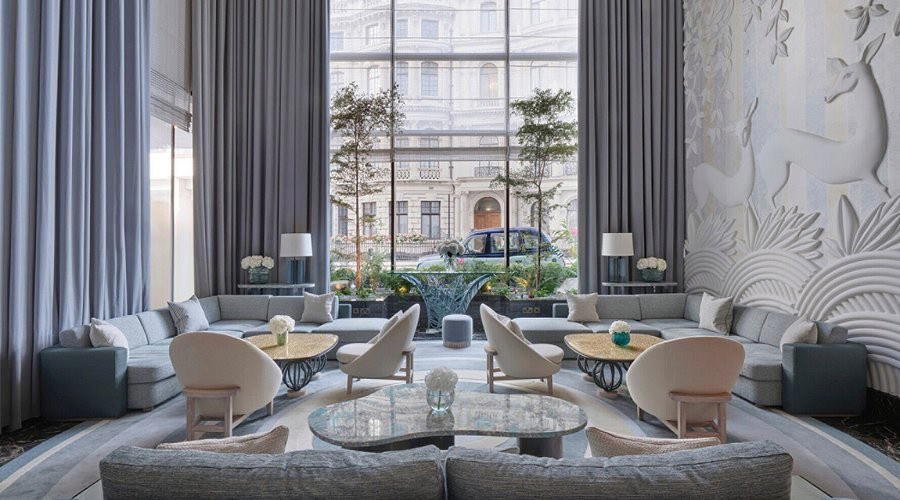
The design conversation in premium Japanese restaurants across London's central neighbourhoods has moved away from the lacquered minimalism of the early 2000s. The new grammar borrows from both ends: raw material honesty from Japanese craft tradition, and the kind of architectural scale that London's West End rooms have always deployed to communicate seriousness. Sake no Hana sat inside that shift. The room uses height and light as primary instruments, creating a separation from the street-level formality of St James's while remaining of it.
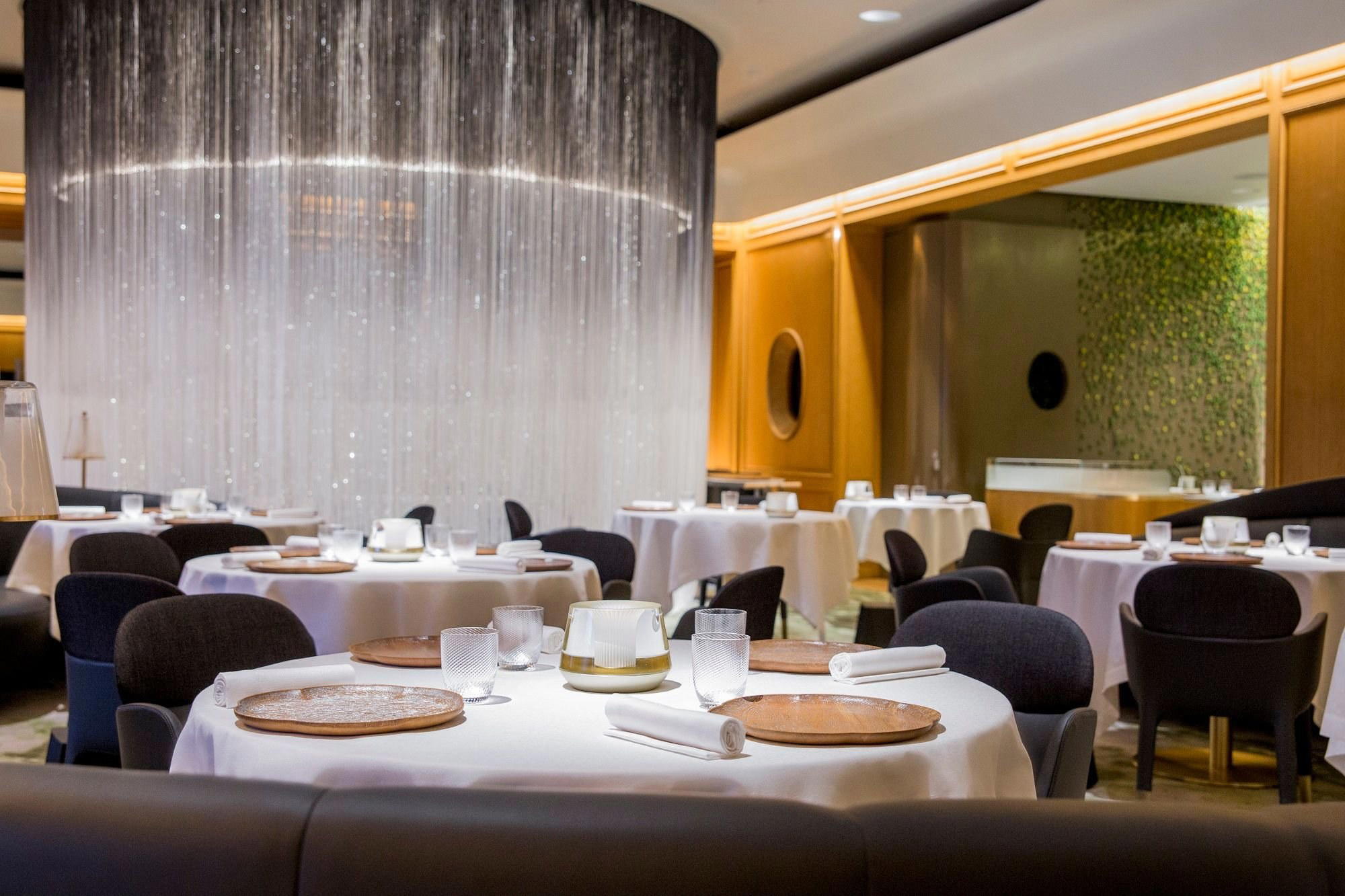
Lighting in this category of dining room carries significant responsibility. Too warm and the space risks feeling casual at a price point that does not support casualness; too cool and the food reads differently on the plate. The approach at addresses like this one tends toward calibrated warmth, enough to read the room as convivial, structured enough to retain the precision the cuisine demands. It is a technical decision as much as an aesthetic one, and it sits at the centre of how high-end Japanese restaurants in London's formal districts communicate their positioning.
Seating format is the other structural variable. London's Japanese dining scene has bifurcated between the theatrical intimacy of the counter seat and the conventional table arrangement that allows larger parties and a different social dynamic. Both formats carry trade-offs. The counter intensifies focus on the preparation; the table creates a different kind of occasion. Sake no Hana's address and neighbourhood suggested a format designed for the latter, for the kind of occasion that St James's has historically hosted, where the meal was embedded in a larger social context rather than in the theatre of watching a single chef work.
The St James's Peer Set
Positioning a Japanese restaurant in SW1A means benchmarking against a specific competitive set: addresses where the room, the service model, and the price tier are in alignment, and where the cuisine is secondary only to the occasion it supports. The comparison venues across this district are not other Japanese restaurants; they are the full range of West End dining institutions that occupy similar price bands and similar physical addresses. Quo Vadis, operating in Soho rather than St James's proper, offers a useful contrast, a room with genuine historical depth that has managed to remain relevant through food credibility rather than nostalgia alone. Sake no Hana plays in a similar register, where the address sets an expectation that the food must either meet or actively subvert.
For readers building a London itinerary around serious drinking to accompany that dining, the city's cocktail tier offers strong reference points across several neighbourhoods. 69 Colebrooke Row in Islington established a technical cocktail vocabulary that has since been absorbed by the broader London bar scene. A Bar with Shapes For a Name pushes the clarified and carbonated format into more experimental territory. Academy and Amaro represent distinct positions in the London bar matrix, the former for its programme depth, the latter for its focus on bitter liqueur traditions. These are bars worth knowing when building a London evening that begins or ends away from the dining room.
Beyond London, the broader UK bar circuit has produced addresses worth tracking: Bramble in Edinburgh, Merchant Hotel in Belfast, Schofield's in Manchester, and Horseshoe Bar Glasgow each occupy distinct positions in their local markets, each worth a detour on any serious itinerary around the British Isles. Further afield, Mojo Leeds, L'Atelier Du Vin in Brighton, and Bar Leather Apron in Honolulu demonstrate how serious cocktail culture has distributed itself well beyond the obvious capitals.
Planning Your Visit
St James's operates on its own timetable. The area thins out in the evening once the clubs and offices close, which means restaurant reservations tend to cluster earlier than in Soho or Mayfair. Booking ahead for a Thursday or Friday dinner in this neighbourhood was advisable; the compressed evening window created demand spikes that mid-week slots did not.
| Venue | Neighbourhood | Format | Booking Lead Time |
|---|---|---|---|
| Sake no Hana | St James's, SW1A | Japanese dining room | Advance booking recommended |
| Bar Termini | Soho | Aperitivo bar | Walk-in friendly |
| Callooh Callay | Shoreditch | Cocktail bar | Walk-in or same-day |
| Happiness Forgets | Hoxton | Basement cocktail bar | Reservations available |
| Nightjar | Shoreditch | Jazz and cocktail venue | Reservations advised |
Cost and Credentials
| Venue | Awards |
|---|---|
| Sake no HanaThis venue — the venue you are viewing | |
| Bar Termini | World's 50 Best |
| Callooh Callay | World's 50 Best |
| Happiness Forgets | World's 50 Best |
| Nightjar | World's 50 Best |
| Quo Vadis | World's 50 Best |
Continue exploring
More in London
Bars in London
Browse all →
Restaurants in London
Browse all →
Hotels in London
Browse all →
At a Glance
- Elegant
- Sophisticated
- Modern
- Intimate
- Date Night
- Special Occasion
- Group Outing
- Design Destination
- Lounge Seating
- Seated Bar
- Sake
- Craft Cocktails
Refined and elegant with immersive Japanese design, artfully presented dishes, and a peaceful yet vibrant atmosphere.