Round-Up Saloon
Round-Up Saloon on Cedar Springs Road sits at the center of Dallas's Oak Lawn bar district, drawing a loyal crowd that has made it a fixture of the neighborhood's LGBTQ+ social scene for decades. The country-western format — mechanical bull, line dancing, and cold beer — has kept regulars returning long after trendier venues have cycled through. It occupies a specific niche in Dallas nightlife that few Cedar Springs addresses replicate.
Pearl is the En Primeur Club membership app — saves, bookings, and concierge access live there. Same editors, same standards.
- Address
- 3912 Cedar Springs Rd, Dallas, TX 75219
- Phone
- +1 214 522 9611
- Website
- roundupsaloon.com
- Directions
- Get directions
 Saves & bookings on Pearl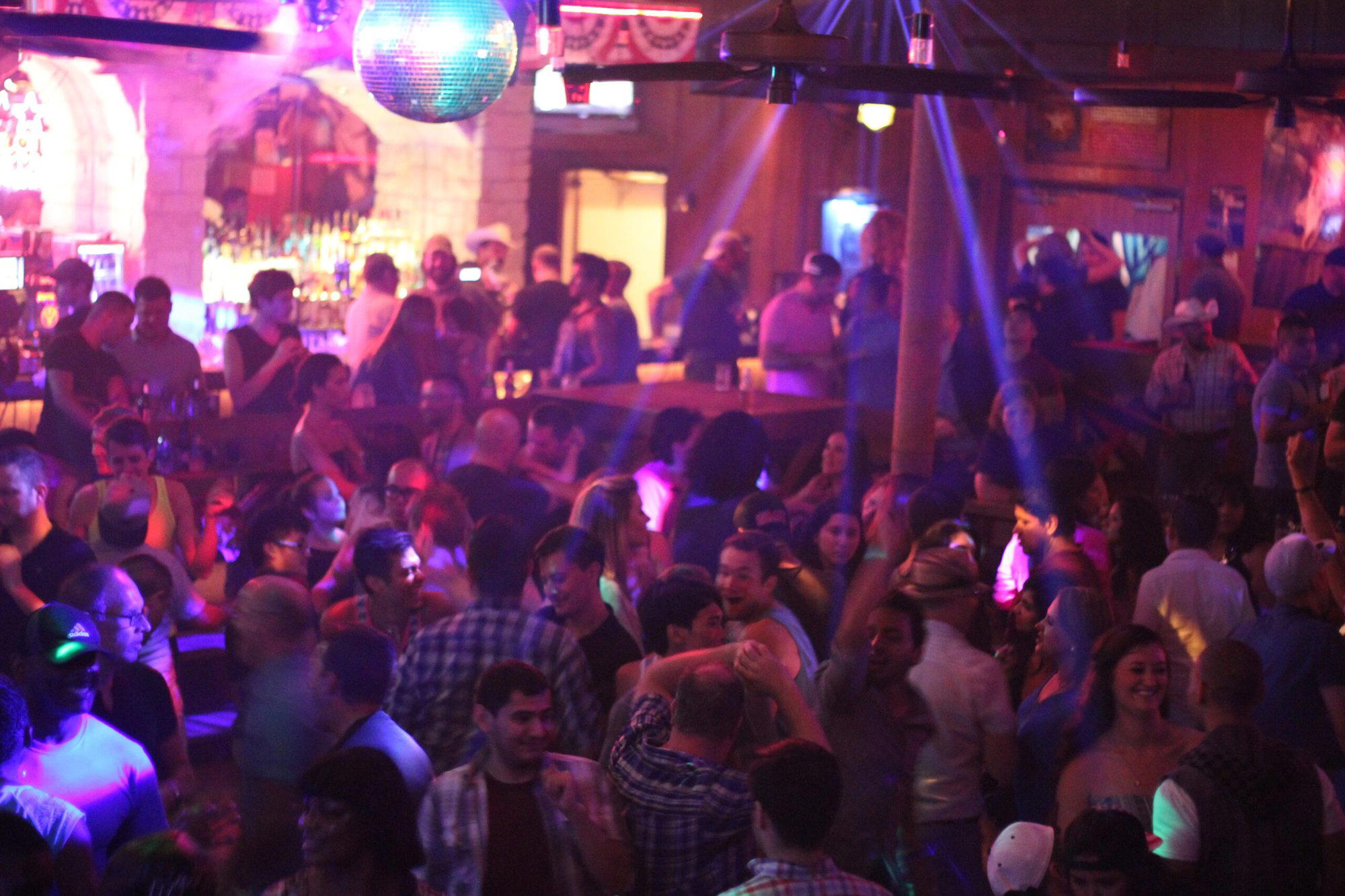
Cedar Springs After Dark: What the Regulars Already Know
Cedar Springs Road in Oak Lawn functions as the axis of Dallas's LGBTQ+ nightlife, and the stretch between Throckmorton and Reagan has produced more durable venues than most comparable strips in Texas. Round-Up Saloon at 3912 Cedar Springs occupies a particular position on that strip: a country-western bar that has outlasted waves of concept bars, cocktail lounges, and pop-up formats by staying precisely what it is. The neon, the wood paneling, the mechanical bull — none of it has been updated for irony. That consistency is, for its regulars, the entire point.
In cities where bar culture trends toward minimalist cocktail programs and rotating residencies, the country-western format represents a different logic entirely. The genre has its own grammar: line dancing that requires actual instruction, dress codes governed by boots and denim rather than dress shirts, and a community built around participation rather than spectatorship. Round-Up Saloon operates within that grammar, and on any given Thursday through Saturday night, the floor reflects how deeply that format is embedded in Oak Lawn's social fabric.
The Regulars' Economy
Bars with multi-decade tenure on Cedar Springs tend to survive on loyalty rather than novelty, and Round-Up Saloon is a case study in how that loyalty compounds. The people who show up on a Tuesday are often the same people who showed up the previous Tuesday, and the Tuesday before that. For venues of this type, the unwritten menu matters as much as what's behind the bar: the knowledge of which corner fills first, which nights the dance floor opens early, when the mechanical bull draws a crowd worth watching.
That institutional knowledge, passed between regulars, is what separates a neighborhood fixture from a destination bar. Across Dallas's Cedar Springs corridor, the venues that have held their ground longest tend to be those where the clientele itself generates the atmosphere rather than deferring to programming or design. Round-Up Saloon sits in that category alongside Adair's Saloon, another Dallas address where the room's character is inseparable from who occupies it regularly.
Country-Western Bars in an Urban Context
The country-western bar as a format has always existed in some tension with urban nightlife norms, and that tension is part of what gives venues like Round-Up Saloon their coherence. Where cocktail bars in the neighborhood, such as 4525 Cole Ave or Alcove Wine Bar, compete on program and curation, Round-Up competes on participation and community. Those are different propositions for different nights, and Oak Lawn is large enough to sustain both.
Nationally, bars that anchor themselves to a specific cultural format rather than a seasonal cocktail menu tend to age differently. The mechanical bull is not a gimmick here; it is a recurring ritual that generates the same crowd dynamic week after week. Compare that to the format discipline at places like Kumiko in Chicago or Jewel of the South in New Orleans, where a clearly defined program produces consistent returns — the underlying logic is similar even if the aesthetic register is entirely different.
Line Dancing and the Social Architecture of the Floor
Line dancing is not incidental to the Round-Up Saloon experience; it is structural. Country-western bars that sustain a dance floor culture over time do so because the format lowers the barrier to participation. You do not need a partner. You do not need to improvise. The choreography is learned, repeatable, and communal. For a venue serving a neighborhood with a historically strong sense of community identity, that format has particular resonance.
Evenings at Round-Up tend to organize themselves around the floor. Conversations move to the edges when the music shifts; the bar rush happens between sets. Regulars know this rhythm without being told. First-timers learn it within an hour. That self-organizing quality is what distinguishes bars with genuine community function from those that merely serve drinks in a themed room.
For visitors approaching Dallas's bar scene from outside Texas, the Cedar Springs strip offers a more concentrated range of formats than most comparable urban corridors. Ampelos Wines sits at one end of the register; Round-Up Saloon at another. Both are worth knowing about precisely because they serve different functions on the same street. The full picture of Oak Lawn's drinking culture requires both, and our full Dallas restaurants guide maps the broader context across neighborhoods.
Where Round-Up Sits in a Wider Bar Conversation
Across the United States, bars with strong format identity and loyal local clientele form a distinct tier below the nationally recognized cocktail programs. Julep in Houston and ABV in San Francisco represent the award-tracked end of that spectrum. Round-Up Saloon operates in a different register, one measured by occupancy over decades and by neighborhood function rather than critical recognition. Neither frame is superior; they answer different questions about what a bar is for.
Internationally, the contrast is starker. The Parlour in Frankfurt and Bar Leather Apron in Honolulu anchor their identity in craft and program precision. Superbueno in New York City ties its identity to a specific cultural tradition expressed through spirits and format. Round-Up Saloon ties its identity to a specific cultural tradition expressed through music, movement, and three-plus decades of the same crowd coming back. The mechanism is recognizable even if the output looks nothing alike.
Know Before You Go
- Address: 3912 Cedar Springs Rd, Dallas, TX 75219
- Neighborhood: Oak Lawn / Cedar Springs corridor
- Format: Country-western bar with mechanical bull and line dancing
- Leading nights: Thursday through Saturday draw the heaviest regular crowd; weeknight visits offer a lower-key version of the same floor
- Getting there: Cedar Springs Road is accessible from the Uptown/Oak Lawn area; street parking is limited on weekend evenings, rideshare drop-off on Cedar Springs is common practice
- Booking: Walk-in format; no reservation system required for standard nights
- Dress: Boots and denim are the floor norm, though the door is not formally selective



At a Glance
- Lively
- Rustic
- Well Known
- Energetic
- Late Night
- Group Outing
- Casual Hangout
- Live Music
- Historic Building
- Standing Room
- Lounge Seating
- Outdoor Terrace
- Craft Beer
Current opening hours
- Monday
- 3 PM–2 AM
- Tuesday
- 3 PM–2 AM
- Wednesday
- 3 PM–2 AM
- Thursday
- 3 PM–2 AM
- Friday
- 3 PM–2 AM
- Saturday
- 12 PM–2 AM
- Sunday
- 12 PM–2 AM
Hours can change for holidays and private events. Last verified .
Western-themed with cowboy decor, lively atmosphere featuring country music, dancing, and events like karaoke and drag shows.
Know Before You Go
- Getting there
- 3912 Cedar Springs Rd, Dallas, TX 75219