Rancho Pizzeria
A pizzeria on Coleman's main commercial strip, Rancho sits in a region where food-and-drink programming is thin and any credible independent operation commands attention. The venue's name and address place it squarely in small-town West Texas, where the bar for casual dining is set by practicality rather than ambition, making any establishment that takes its craft seriously worth the detour.
Pearl is the En Primeur Club membership app — saves, bookings, and concierge access live there. Same editors, same standards.
- Address
- 414 S Commercial Ave, Coleman, TX 76834
- Phone
- +1 325 625 1770
- Website
- ranchopizzeria.com
- Directions
- Get directions
 Saves & bookings on Pearl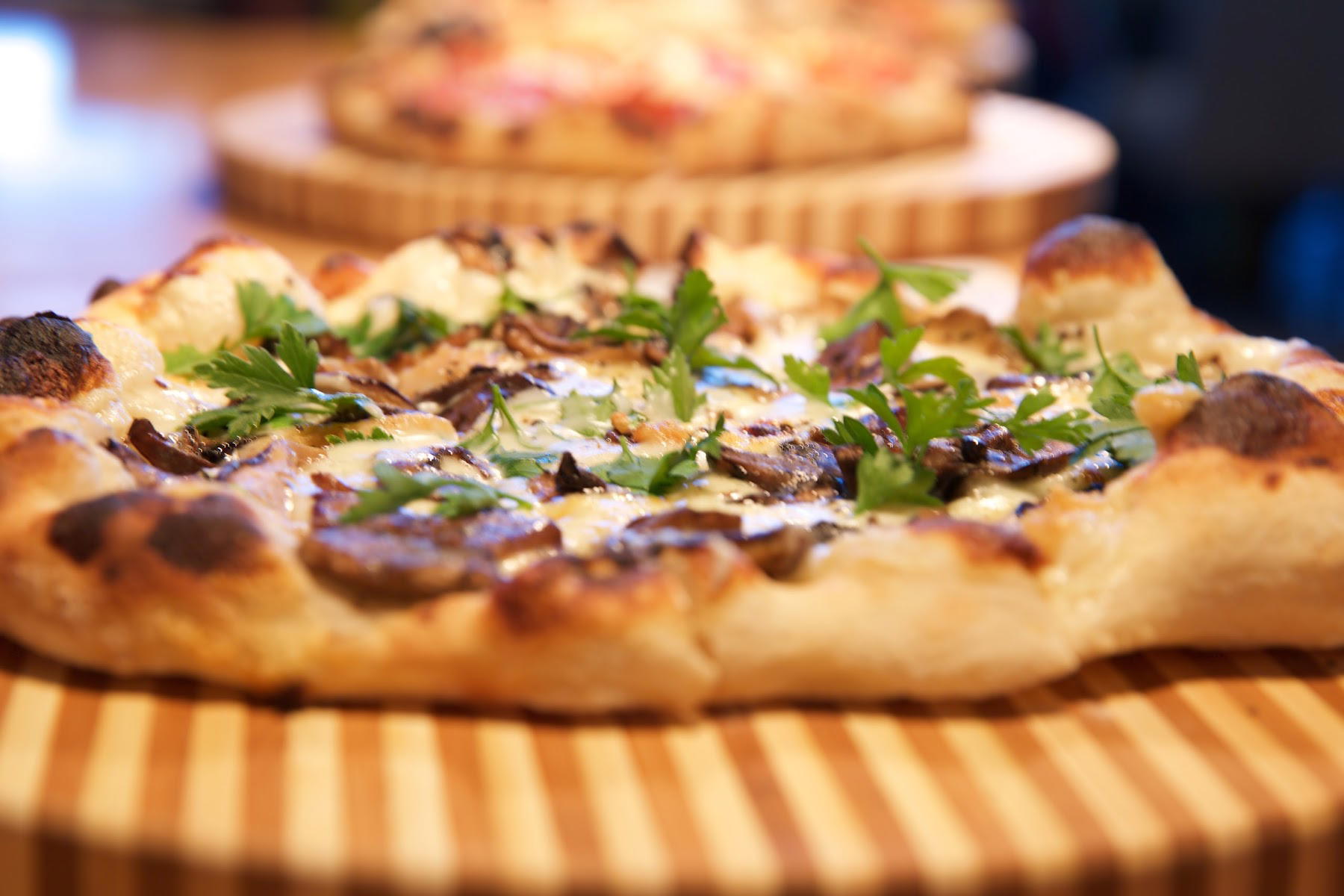
Pizza in Small-Town Texas: Where Coleman's Appetite Lands
Coleman, Texas sits at the kind of crossroads that defines the southern edge of the Great Plains: a working county seat of around 4,000 residents where the commercial strip along South Commercial Avenue carries the full weight of local dining life. In a town this size, a pizzeria is not a niche operator filling a gap between white-tablecloth restaurants. It is the room where communities gather after Friday night football, where families anchor a weekend, and where the bar program, if there is one worth noting, quietly defines the social tempo of an entire block. Rancho Pizzeria, at 414 S Commercial Ave, occupies that position in Coleman.
The address places it on the main artery running through downtown Coleman, the kind of street where storefronts open directly onto the sidewalk and parking is never far. Arriving on a weekday afternoon, the built environment is immediately readable: low-profile commercial architecture, wide Texas sky, the unhurried pace that distinguishes towns where the nearest metro is well over an hour away. Abilene sits roughly 40 miles northwest; San Angelo is a similar drive to the south. Coleman does not draw visitors from either city for its own restaurant scene, which means the venues that survive here do so on local loyalty, not passing trade.
The Drinks Question in a Pizzeria Format
The editorial angle that matters most in a pizzeria setting, especially one operating at this geographic remove from a major cocktail culture hub, is what the bar program signals about the room's ambitions. Across the United States, the past decade has seen a clear bifurcation in casual dining formats: venues that treat drinks as a logistical afterthought, defaulting to domestic beer and a short wine list, and venues that use the bar as a defining element, even within the constraints of a pizza-forward menu.
In cities with dense cocktail cultures, that second category is well-documented. Julep in Houston built its identity around a specific regional tradition, the Southern-inflected long drink. Kumiko in Chicago approached cocktail building through a lens of ingredient precision that placed it in a different competitive tier from neighborhood bars. ABV in San Francisco demonstrated that a food-and-drink hybrid format could hold genuine critical attention. What these programs share is a deliberate stance: the drink menu is an argument, not an appendix.
What can be said is that any pizzeria operating as a community anchor in a small Texas town is making a choice about what it puts behind the bar, and that choice tells a local audience whether it is the place for a considered evening or purely a family-format stop. The distinction matters more in Coleman than it would in Austin, precisely because the options are fewer and each venue carries a larger share of the local social calendar.
Placing Coleman's Dining on the Texas Map
Texas has a well-established hierarchy of dining cities. Houston carries depth across every category, from Michelin-adjacent tasting menus to the kind of bar programs that earn placement alongside Bar Leather Apron in Honolulu or Jewel of the South in New Orleans in serious cocktail writing. Dallas and Austin generate consistent national coverage. San Antonio has a strong regional identity. West-central Texas, by contrast, operates largely outside that critical apparatus. Coleman County has no Michelin coverage, no James Beard history in recent cycles, and no 50 Best adjacency.
That context is not a criticism; it is calibration. Venues in this tier of the Texas food economy are not competing against Allegory in Washington, D.C. or Canon in Seattle. They are competing against each other, and against the practical question of whether a Coleman resident drives to Abilene for dinner instead. The pizzeria format, with its broad appeal and relatively low price-of-entry, is a sensible choice for this market. It absorbs families, groups, and solo diners without the friction of a format that demands occasion-level commitment.
For visitors passing through on a drive across the Edwards Plateau or cutting between Abilene and Brady, Rancho Pizzeria represents a named address on a commercial strip where the dining alternatives are limited. That is a different proposition from what draws a reader to Superbueno in New York City or Bar Kaiju in Miami, but it is a legitimate one. Knowing where a venue sits in its actual competitive context is more useful than framing every stop through a metropolitan lens.
What the Room Is For
Pizza formats in American small towns have historically tracked two models: the fast-casual slice operation focused on throughput, and the sit-down family pizzeria that anchors the room around the table rather than the counter. The latter creates the conditions for a bar to function as more than a service point. When a venue holds a table for two hours rather than thirty minutes, the question of what is in the glass becomes more important to the overall experience.
Particularly interesting drink programs in the United States have emerged in formats that were not primarily bar venues. Bitter and Twisted in Phoenix built a nationally recognized cocktail list from an unexpected footprint. The Parlour in Frankfurt demonstrated that serious bar thinking can take root far from major cocktail capitals. The lesson, repeated across formats and geographies, is that ambition and location are not always correlated.
Planning Your Visit
The address is 414 S Commercial Ave, Coleman, TX 76834, on the main commercial corridor through the downtown core. Coleman is accessible via US-84 from Abilene to the northwest and Brady to the southeast, and via TX-206 from the north. The town does not have a commercial airport; the nearest regional service is Abilene Regional Airport. For travellers already in the region, the venue functions as a workable stop rather than a dedicated destination. Price is about $20 per person, and hours are Thursday through Saturday 11 AM to 9 PM, Sunday 11 AM to 8 PM, with Monday through Wednesday closed.
Comparison Snapshot
Comparable venues nearby, for context on price, style, and recognition.
| Venue | Cuisine | Price | Notes |
|---|---|---|---|
| Rancho PizzeriaThis venue — the venue you are viewing | wine_bar | $$ | Not listed |
| Cork And Pig Tavern Allen Ridge, Abilene | pub | $$ | Abilene Heights |
| The Ice House at LSDG | beer_bar | $$ | downtown |
| Mezamiz Coffee House | wine_bar | $$ | South 7th Street / Industrial District |
| Barrel House Frisco | sports_bar | $$ | Frisco |
| Château Bellecru | wine_bar | $$$ | Houston Heights |
At a Glance
- Rustic
- Cozy
- Industrial
- Casual Hangout
- Live Music
- Seated Bar
- Conventional Wine
Current opening hours
- Monday
- Closed
- Tuesday
- Closed
- Wednesday
- Closed
- Thursday
- 11 AM–9 PM
- Friday
- 11 AM–9 PM
- Saturday
- 11 AM–9 PM
- Sunday
- 11 AM–8 PM
Hours can change for holidays and private events. Last verified .
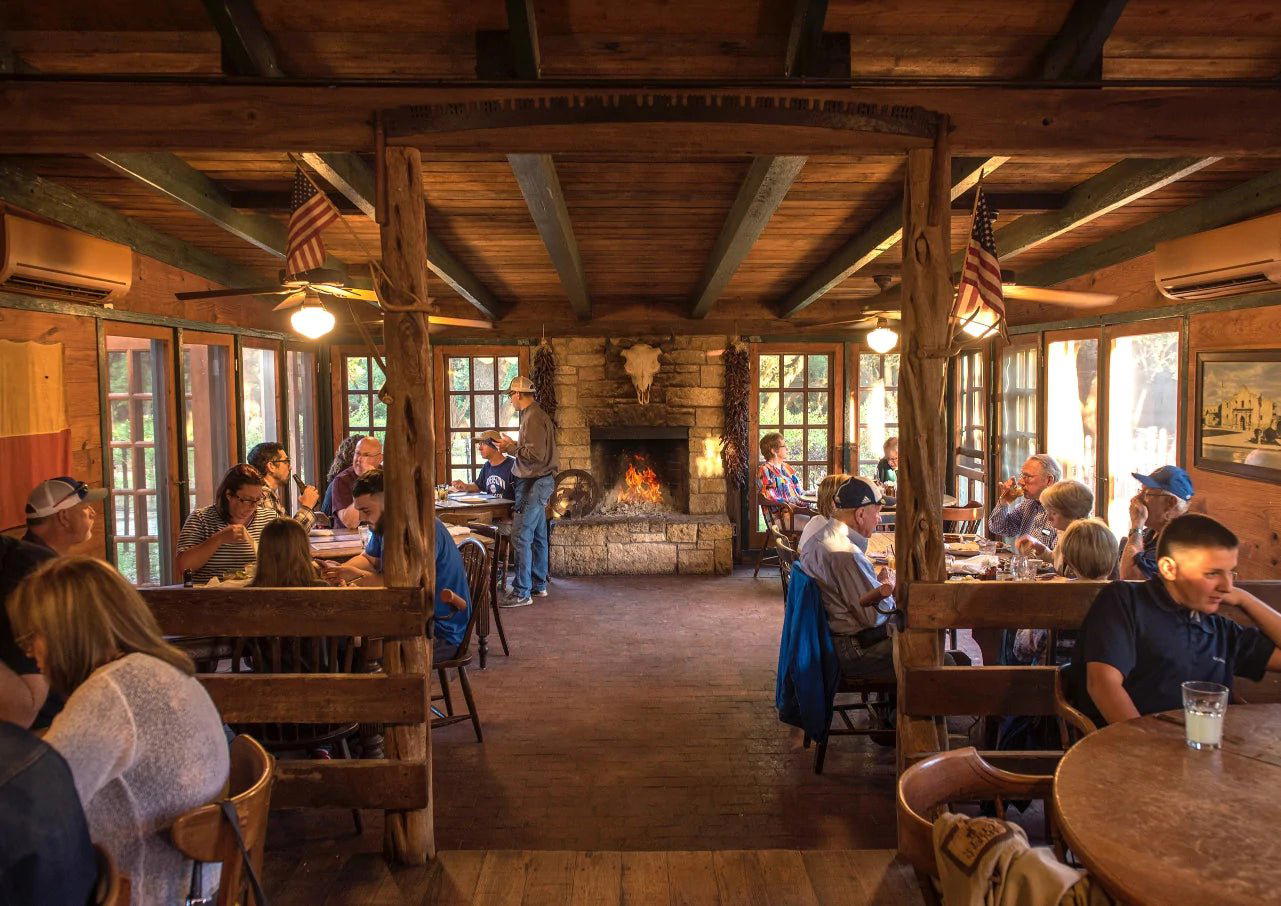
Industrial chic decor with West Texas nostalgia.