Pok Pok
Pok Pok on SE Division Street put Portland on the map for serious Thai cooking long before the city's dining scene attracted national attention. The menu draws from northern Thai street food traditions, with grilled and fermented preparations that sit well outside the Americanized Thai playbook. It remains a reference point for understanding what the Pacific Northwest can do with Southeast Asian cooking.
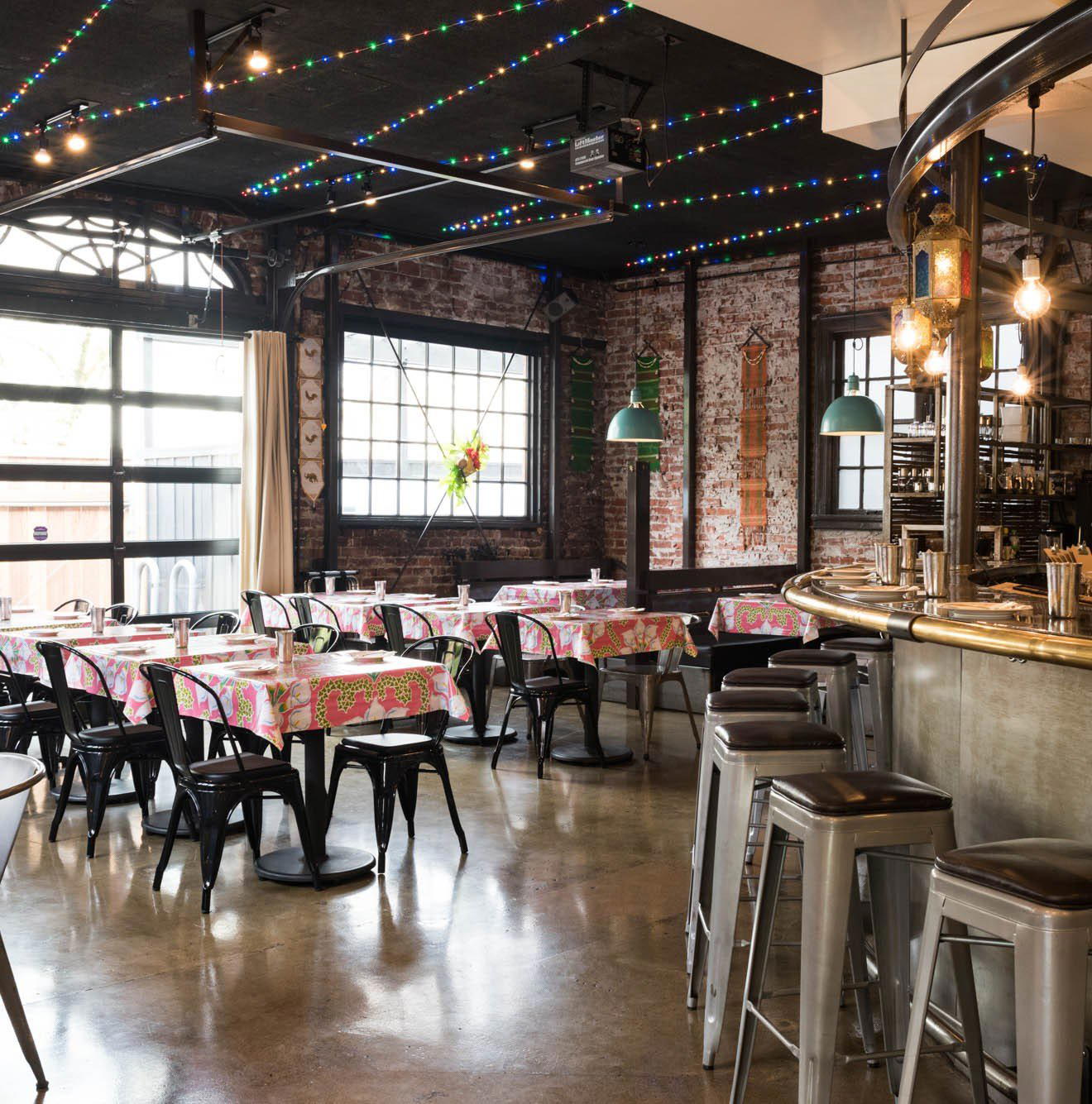
A Street Food Tradition Translated, Not Simplified
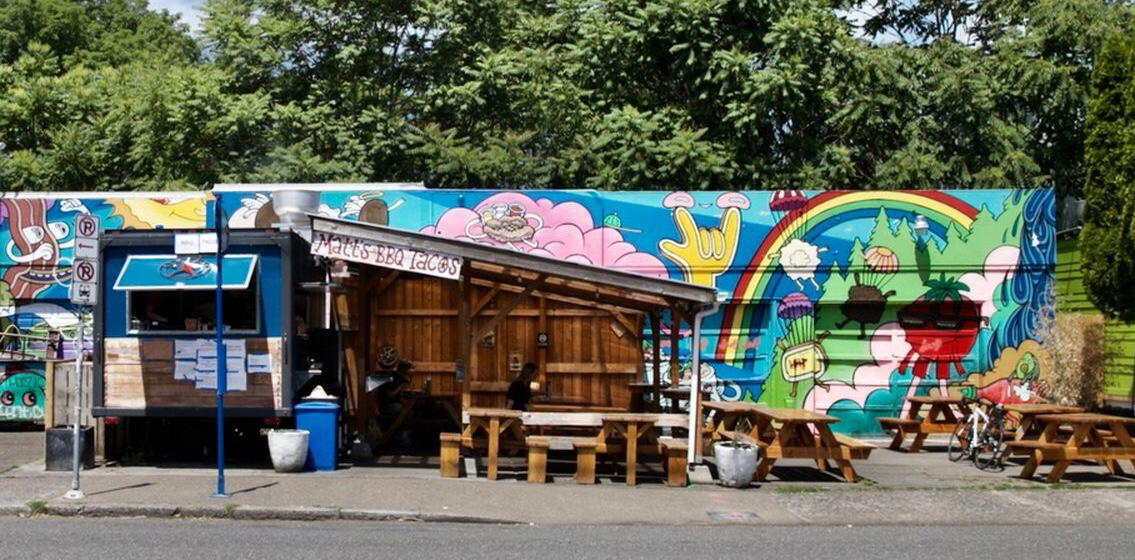
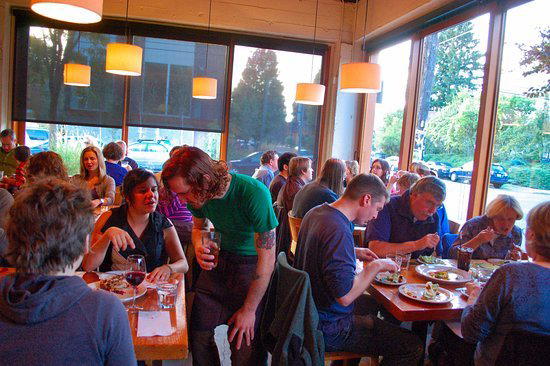
SE Division Street in Portland has become one of the more interesting corridors for understanding how American cities absorb and reinterpret immigrant food traditions. The block around 3226 SE Division operates with the casual physicality of a Southeast Asian street stall: outdoor seating, the smell of charcoal and fish sauce, and a line that forms before the doors open on busy evenings. Pok Pok belongs to a generation of American restaurants that chose depth over accessibility, building menus around the fermented, funky, and fire-forward registers of northern Thai cooking rather than softening them for a broader audience.
That decision placed it in a distinct tier within Portland's dining scene. Most Thai restaurants in American cities have historically anchored their menus around a familiar core, pad thai, curries calibrated for sweetness, spring rolls as a universal opener. Pok Pok took a different structural approach, one that treated northern Thai regional cooking as the full subject rather than a cultural backdrop for crowd-pleasing dishes. The result is a menu that requires a degree of engagement from the diner, and rewards it.
What the Menu Reveals About the Cooking
The editorial angle on Pok Pok is leading read through its menu architecture, which tells you something useful about how the kitchen thinks. Northern Thai cooking is built around contrast and fermentation: sour, salty, and intensely aromatic preparations that are designed to be eaten communally, with rice as the structural base rather than an afterthought. The menu here reflects that logic. Dishes arrive in an order and at a scale that mirrors how Thais eat rather than how Americans typically sequence a restaurant meal.
Grilled proteins prepared over charcoal anchor a significant portion of the menu. The charcoal preparation matters because it introduces a depth of char and smoke that reframes what a direct piece of chicken or pork can taste like when the technique is treated seriously. Alongside these, fermented preparations, fish sauces of varying intensity, and herb-forward salads represent the sour and aromatic registers that define the northern Thai table. These are not decorative elements; they function as counterweights and palate punctuation across the meal.
The drinking khao program, where rice whisky is served in the traditional manner, is part of the same structural logic. It is not a cocktail menu appended to a Thai restaurant. It is an attempt to reconstruct the full context of how this food is consumed at its source, and it separates Pok Pok from Thai restaurants that treat beverage as an afterthought. For cocktail-forward Portland bars like Teardrop Lounge, the city's drinking culture runs deep, but the whisky drinking program at Pok Pok operates on entirely different cultural logic.
Portland's Position in the American Thai Food Conversation
Portland occupies an interesting position in American food culture: large enough to sustain serious restaurants, small enough that individual venues can shape the city's reputation in a category. Pok Pok did that for Thai cooking. It became a reference point nationally, cited by food writers and chefs as evidence that regional Thai cooking could sustain a full restaurant program in an American city without structural compromise. That reputation predates the current wave of regional Southeast Asian specialists now operating in cities like New York, Los Angeles, and Chicago.
The comparison to other American cities is instructive. In New York, where cocktail bars like Superbueno demonstrate how culturally specific programming can build a following, Thai regional specialists have proliferated more recently. In Chicago, where venues like Kumiko show how Japanese precision can anchor a bar program, the analogue in Thai cooking would be a kitchen that takes regional sourcing and technique as its primary discipline. Pok Pok occupied that space in Portland before the category had a name. Across the Pacific, bars like Bar Leather Apron in Honolulu and restaurants throughout Southeast Asia demonstrate how proximity to source material shapes a program; Pok Pok achieved something similar through research and sourcing rather than geography.
For those exploring Portland's full dining and drinking offering, our full Portland restaurants guide maps the scene across neighbourhoods. SE Division sits within a corridor that also includes venues like 7316 N Lombard St and 3808 N Williams Ave, each representing a different register of Portland's independent food culture. Broader Portland drinking options include 10 Barrel Brewing Portland for those who want to extend an evening in the city. The analogy to specialist bar programs holds elsewhere too: Jewel of the South in New Orleans, Julep in Houston, and ABV in San Francisco each demonstrate how deep category focus builds lasting reputations. The Parlour in Frankfurt shows the same pattern in a European context. Pok Pok belongs to that cohort of places that defined a category before the category became common.
Seasonal and Timing Considerations
Portland summers are when SE Division operates at full capacity. The outdoor seating that gives the restaurant much of its atmosphere is most functional between June and September, when evenings stay warm enough to eat outside comfortably. In winter months, the wait dynamics shift: indoor seating fills quickly, and the menu's warming preparations, including fermented pork and slow-braised proteins, read differently against the cold and rain that define Oregon winters. Both seasons offer a coherent version of the restaurant, but they are different experiences.
Visiting on a weekday rather than a weekend reduces wait times significantly. The line on a Saturday evening can stretch well past an hour during summer. Arriving when the restaurant opens, or treating a late weeknight as your window, is the more practical approach for those who want to spend time with the food rather than standing on Division Street.
Know Before You Go
Address: 3226 SE Division St, Portland, OR 97202
Neighbourhood: SE Division Street, close to the heart of Portland's independent dining corridor
Booking: Walk-in format typical of the venue's street-food positioning; arriving at opening is the most reliable strategy during peak months
Ideal time to visit: Weekday evenings in summer for outdoor seating; winter evenings for a quieter, more contained experience with the menu's warming preparations
Dress code: Casual; the physical environment is consistent with the street-food register of the cooking
Drinks: The rice whisky drinking program is part of the experience and worth treating as such rather than defaulting to beer
Continue exploring
More in Portland
Bars in Portland
Browse all →
Restaurants in Portland
Browse all →
Hotels in Portland
Browse all →
At a Glance
- Trendy
- Iconic
- Bohemian
- Casual Hangout
- Group Outing
- Date Night
- Standalone
- Historic Building
- Seated Bar
- Lounge Seating
- Craft Cocktails
- Whiskey
- Gin
- Zero Proof
Intimate, sensual atmosphere in a converted residential space with eclectic Thai-inspired decor and an unpretentious, hip aesthetic.