Pocket Change
Pocket Change occupies a Gratiot Avenue address in Detroit's lower east side, placing it within a corridor of independent bars that have quietly redrawn the city's nightlife map over the past decade. The space and program speak to a broader Detroit shift toward considered, neighborhood-anchored drinking rather than destination spectacle. Check current hours and booking directly before visiting.
Pearl is the En Primeur Club membership app — saves, bookings, and concierge access live there. Same editors, same standards.
- Address
- 1454 Gratiot Ave, Detroit, MI 48207
- Directions
- Get directions
 Saves & bookings on Pearl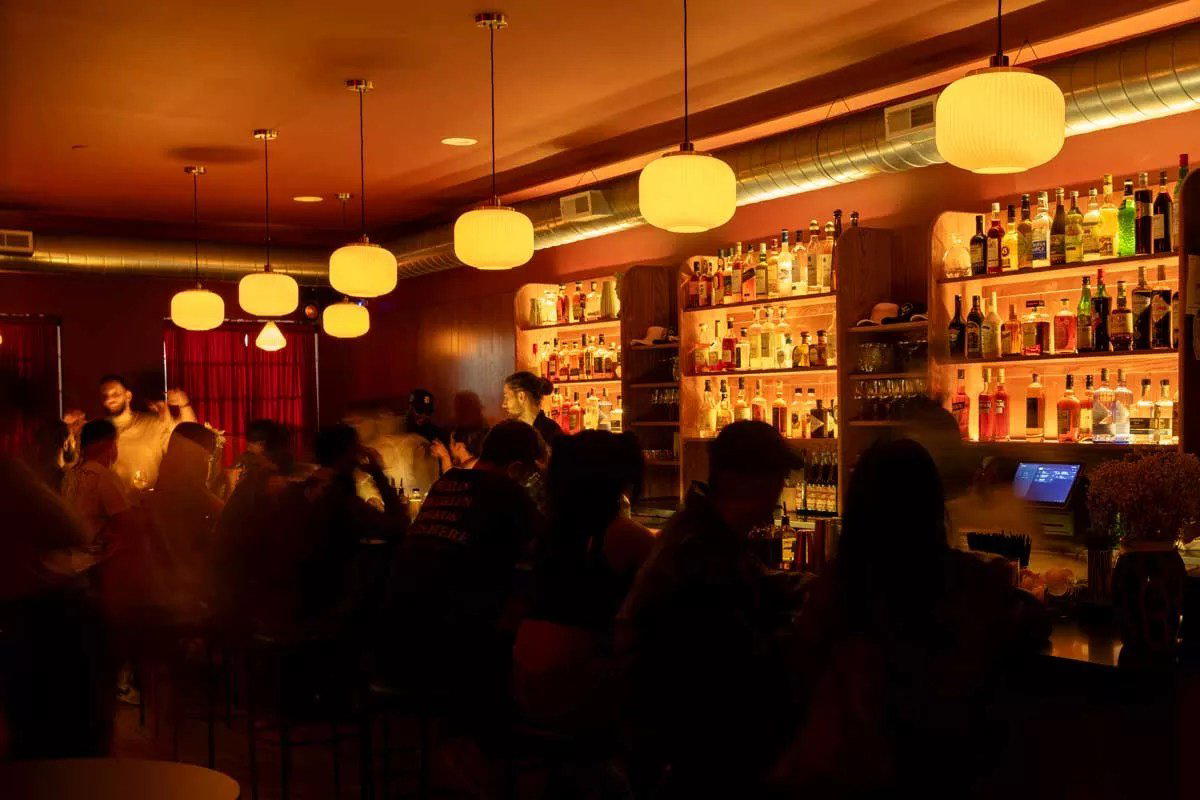
Gratiot Avenue and the Geometry of a Detroit Bar
Detroit's bar scene has reorganized itself around a recognizable pattern over the past decade: anchor venues on the downtown and Midtown axes, followed by a second wave of independent spots pushing outward along neighborhood corridors. Gratiot Avenue sits in that second wave. The lower east side stretch running toward Eastern Market has absorbed a cluster of bars and bottle shops that operate at neighborhood scale rather than citywide draw, and Pocket Change at 1454 Gratiot Ave positions itself squarely within that geography.
What defines bars in this corridor is less about programming breadth and more about the physical container. Spaces tend to be compact, the room does most of the communicating, and the drinks menu functions as a direct expression of whoever is behind the stick that night. This is a different competitive logic than the downtown hotel bar or the Midtown cocktail destination with a full kitchen and a reservation system. On Gratiot, you are dealing with a format built on walk-in traffic, regulars, and the kind of loyalty that only accumulates when a space earns its neighborhood rather than markets to it.
The Room as Editorial Statement
Across Detroit's independent bar tier, the interior architecture of a room signals more about intent than any drinks list can. Bars that have occupied their spaces over time tend to carry that history physically: worn bar tops, layered signage, the specific density of a room that has been rearranged and rearranged again until it works. This is a different aesthetic register than the design-led bars opening in cities like Chicago or New York, where spaces like Kumiko in Chicago or Superbueno in New York City deploy deliberate material palettes and controlled sightlines as part of the brand.
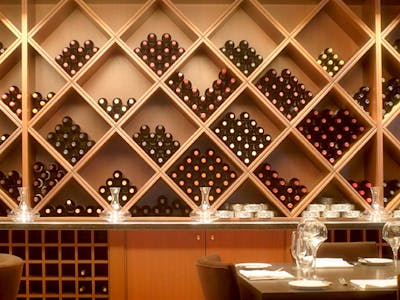
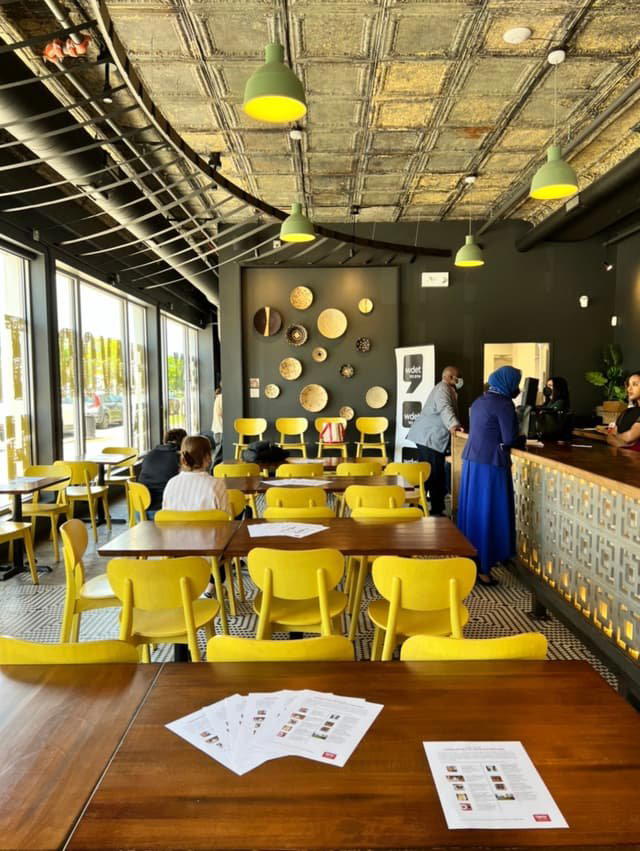
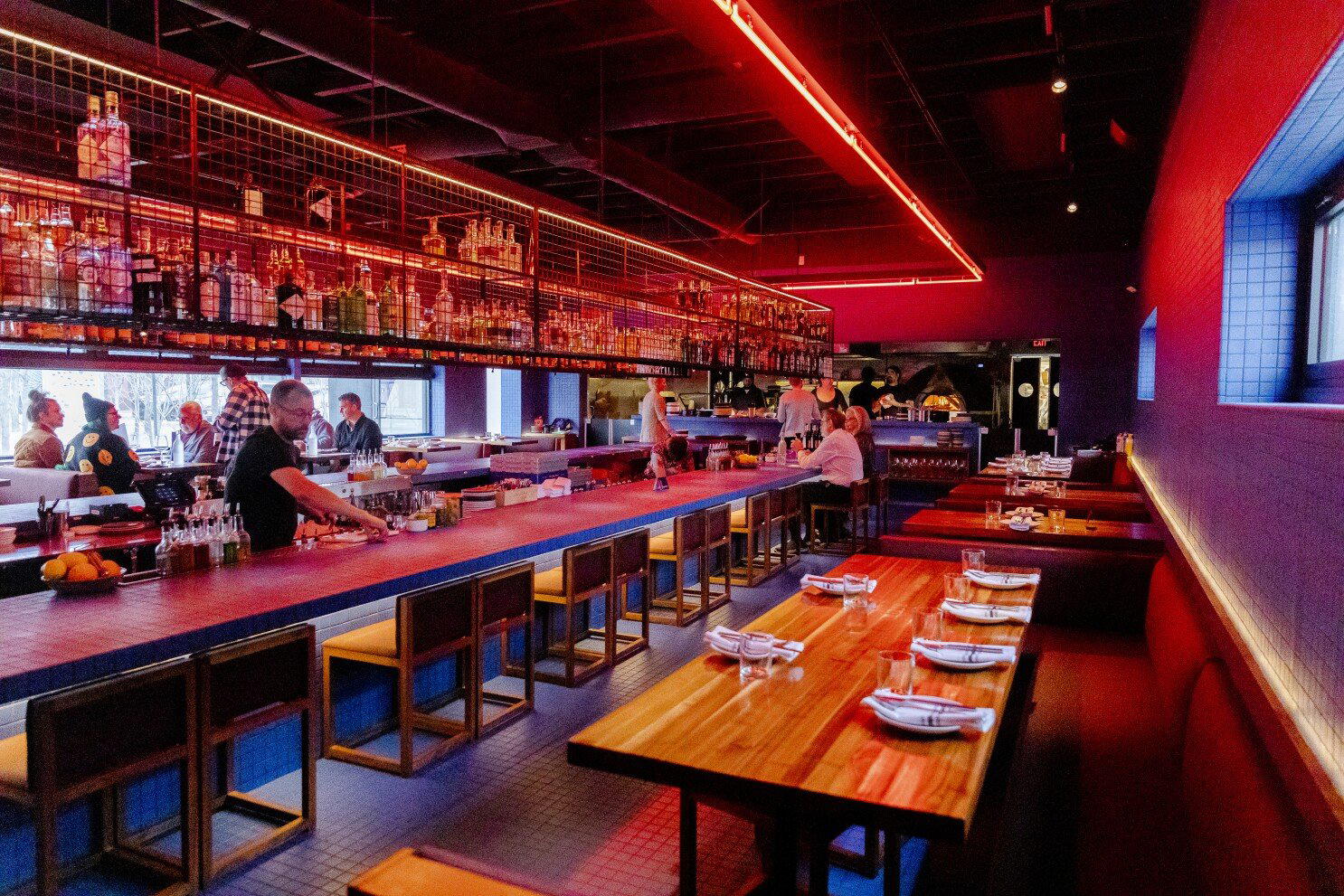
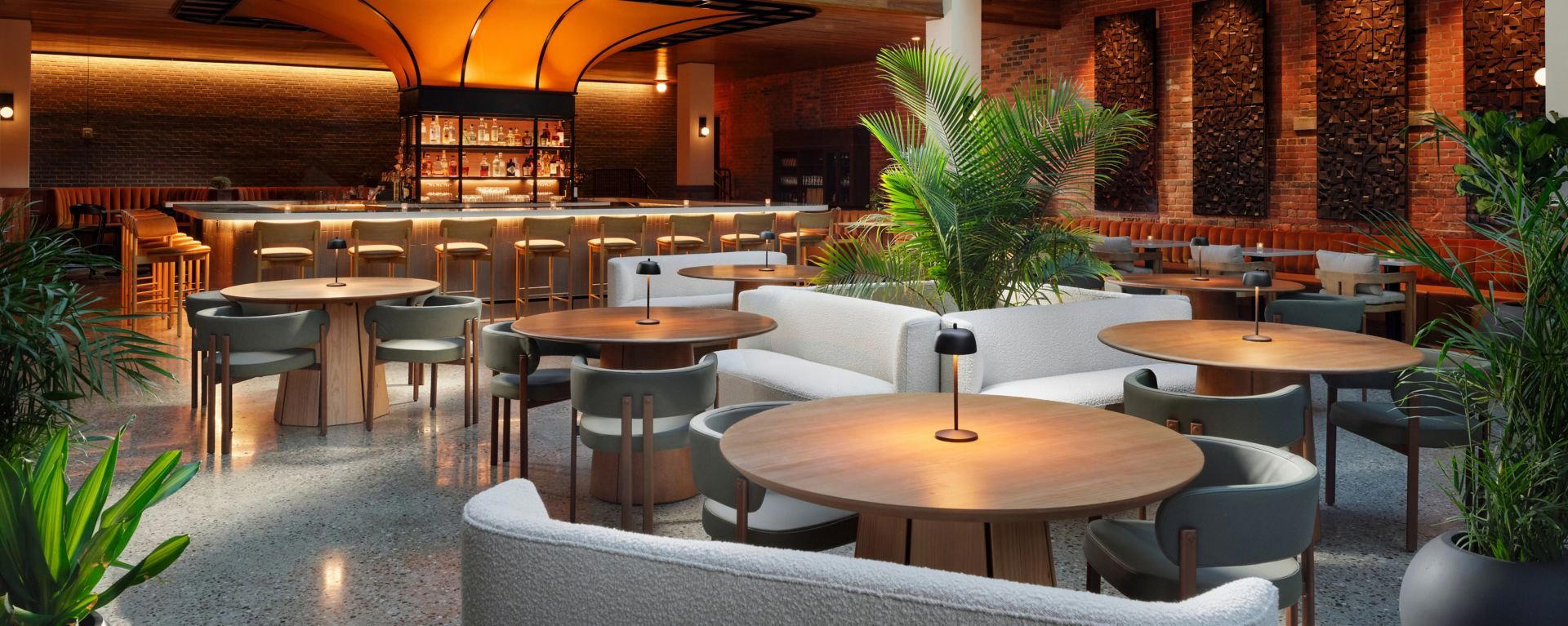
Detroit's neighborhood bar tradition runs in a different direction. The physical container here is less about curation and more about accumulation. A bar like Pocket Change on a working corridor like Gratiot is operating in a lineage of rooms that function as community infrastructure first, drinking destinations second. The seating arrangement, the bar placement, the degree to which the back wall reads as backdrop versus storage: these details carry weight precisely because they are not staged for a camera.
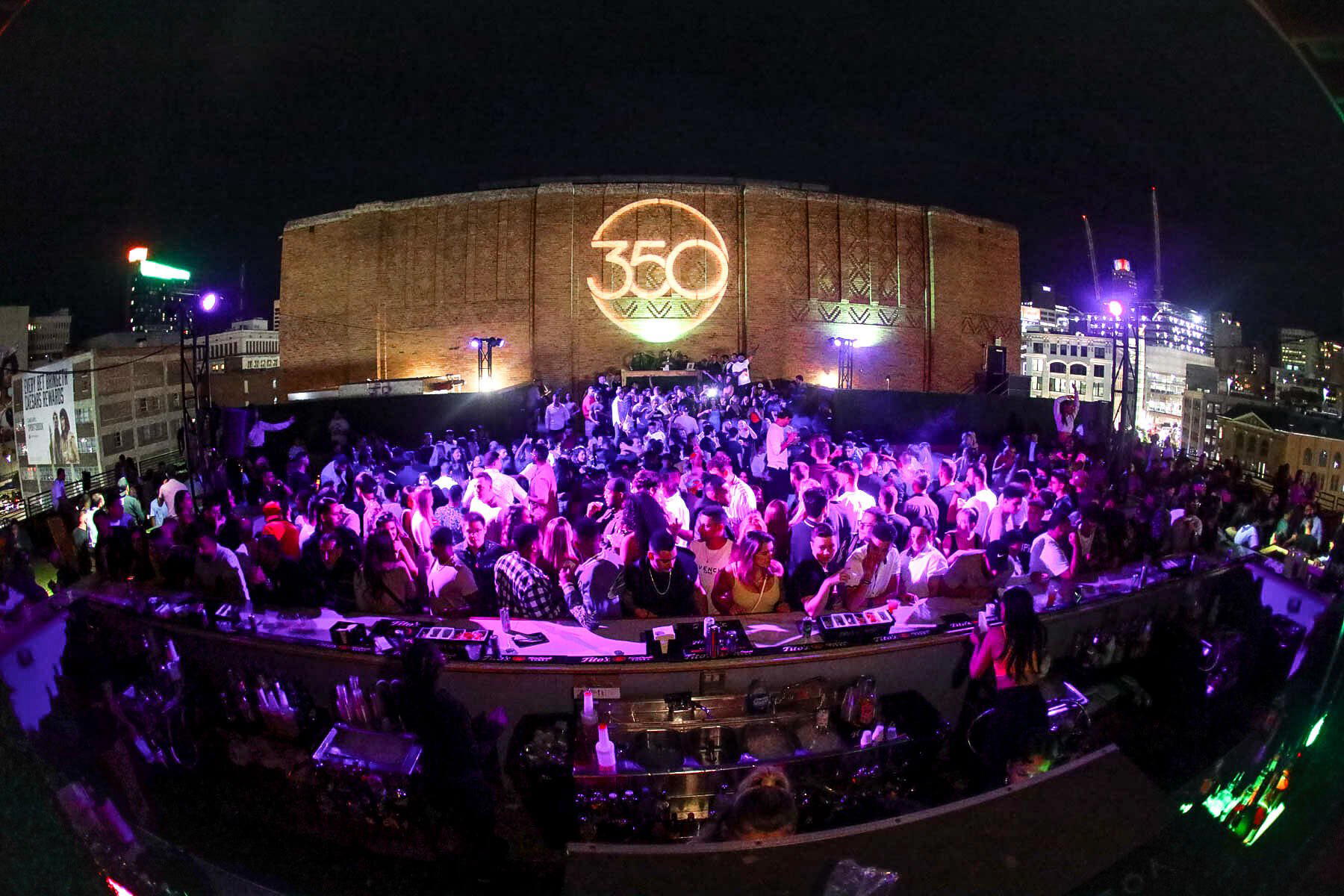
For context, other Detroit independents each read differently through this lens. Andrews on the Corner and 1459 Bagley St both occupy neighborhood positions with their own spatial logic, while 3Fifty Terrace operates at a different scale with outdoor programming that reads against the cityscape rather than into a room. Atwater Brewery and Tap House brings a production-brewery footprint to its hospitality, which places it in yet another spatial category.
Where Pocket Change Fits in Detroit's Drinking Map
The lower east side corridor that Pocket Change occupies is not yet the subject of the same editorial attention as Corktown or New Center, but that relative quietness is part of what defines it. Bars that operate in these corridors face a different set of pressures than destination venues: the room has to work for the person who comes in three times a week, not just for the out-of-town visitor who found the address through a list.
This creates a specific kind of program discipline. Cocktail bars in this tier, across American cities, tend toward menus that are tight rather than exhaustive, with pricing calibrated to neighborhood income rather than expense-account logic. Compare this to how bars in higher-visibility markets price their programs: Bar Leather Apron in Honolulu, Jewel of the South in New Orleans, and Julep in Houston each carry a visibility and awards profile that supports a different price architecture. Detroit's neighborhood tier, by contrast, keeps the cost of entry low enough that the bar remains a weekly option rather than a special occasion.
The comparison also extends to format. Bars at the nationally recognized tier, such as ABV in San Francisco or The Parlour in Frankfurt, build their programs around a technical identity that generates press and awards attention. Detroit's Gratiot corridor operates outside that economy, which means the bar's value proposition rests entirely on what the room delivers night to night rather than on external validation.
The Broader East Side Pattern
Understanding Pocket Change requires understanding where Gratiot Avenue sits in Detroit's post-restructuring geography. The corridor connects downtown to communities that saw significant disinvestment through the 2000s and are now the site of incremental, owner-operated recovery. Independent bars in this context function differently than in gentrifying neighborhoods with a clear upward trajectory. The Gratiot corridor is slower, less legible to outside capital, and for that reason produces venues that are more dependent on local trust than on trend cycles.
Saksey's and Dirty Shake represent other points on the Detroit cocktail and bar map, each with a different relationship to nostalgia and technical ambition. What the Gratiot tier offers is something more stripped back: the bar as a place to be, without the mediation of a concept or a signature format. This is not a weakness in the program; it is a different kind of editorial statement about what bars are for.
For a fuller picture of how Pocket Change sits within Detroit's drinking geography, see our full Detroit restaurants and bars guide.
Planning a Visit
Pocket Change is located at 1454 Gratiot Ave, Detroit, MI 48207, on the lower east side corridor running toward Eastern Market. Given the limited published data available, confirming current hours, any booking requirements, and the current drinks program directly before visiting is advisable. Walk-in format is typical for bars at this address type and neighborhood tier, but east side venues occasionally adjust hours seasonally or in response to local event calendars. No formal dress code is associated with this tier of Detroit bar, and the pricing structure is expected to reflect the neighborhood's positioning rather than a premium cocktail destination model.
How Pocket Change Detroit compares with similar nearby venues.
| Venue | Cuisine |
|---|---|
| Full Measure Brewing Co. | brewery / pub food |



At a Glance
- Intimate
- Trendy
- Lively
- Late Night
- Date Night
- Casual Hangout
- Rooftop
- Lounge Seating
- Craft Cocktails
- Classic Cocktails
- Street Scene
Current opening hours
- Monday
- Closed
- Tuesday
- Closed
- Wednesday
- Closed
- Thursday
- 6 PM–2 AM
- Friday
- 6 PM–2 AM
- Saturday
- 6 PM–2 AM
- Sunday
- 6 PM–12 AM
Hours can change for holidays and private events. Last verified .
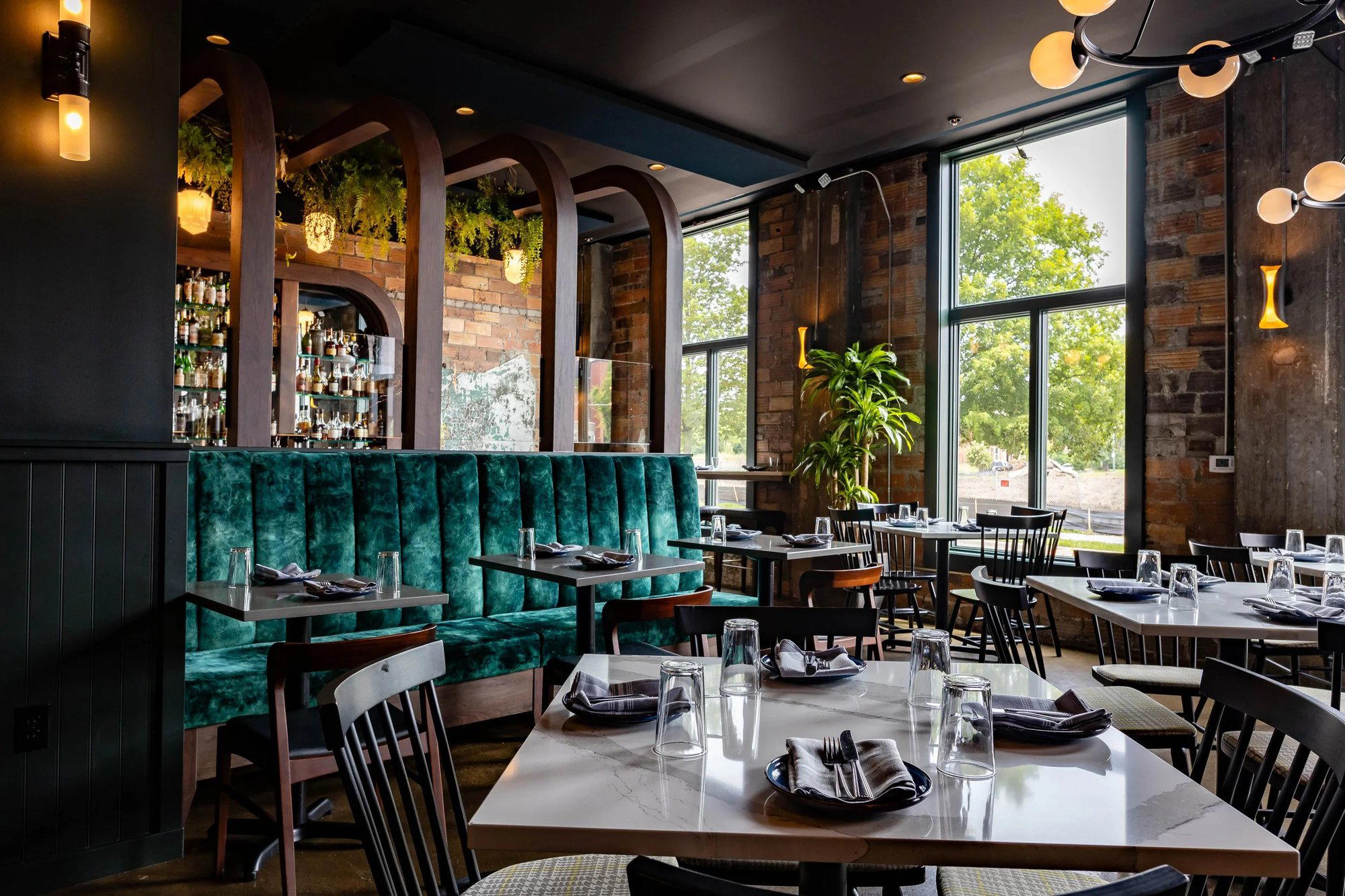
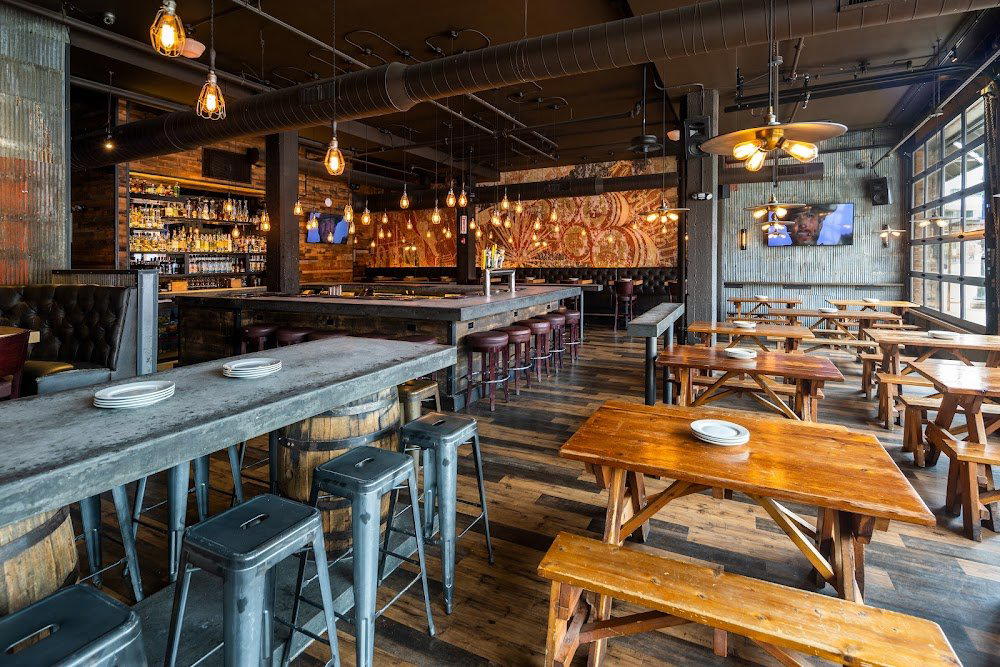
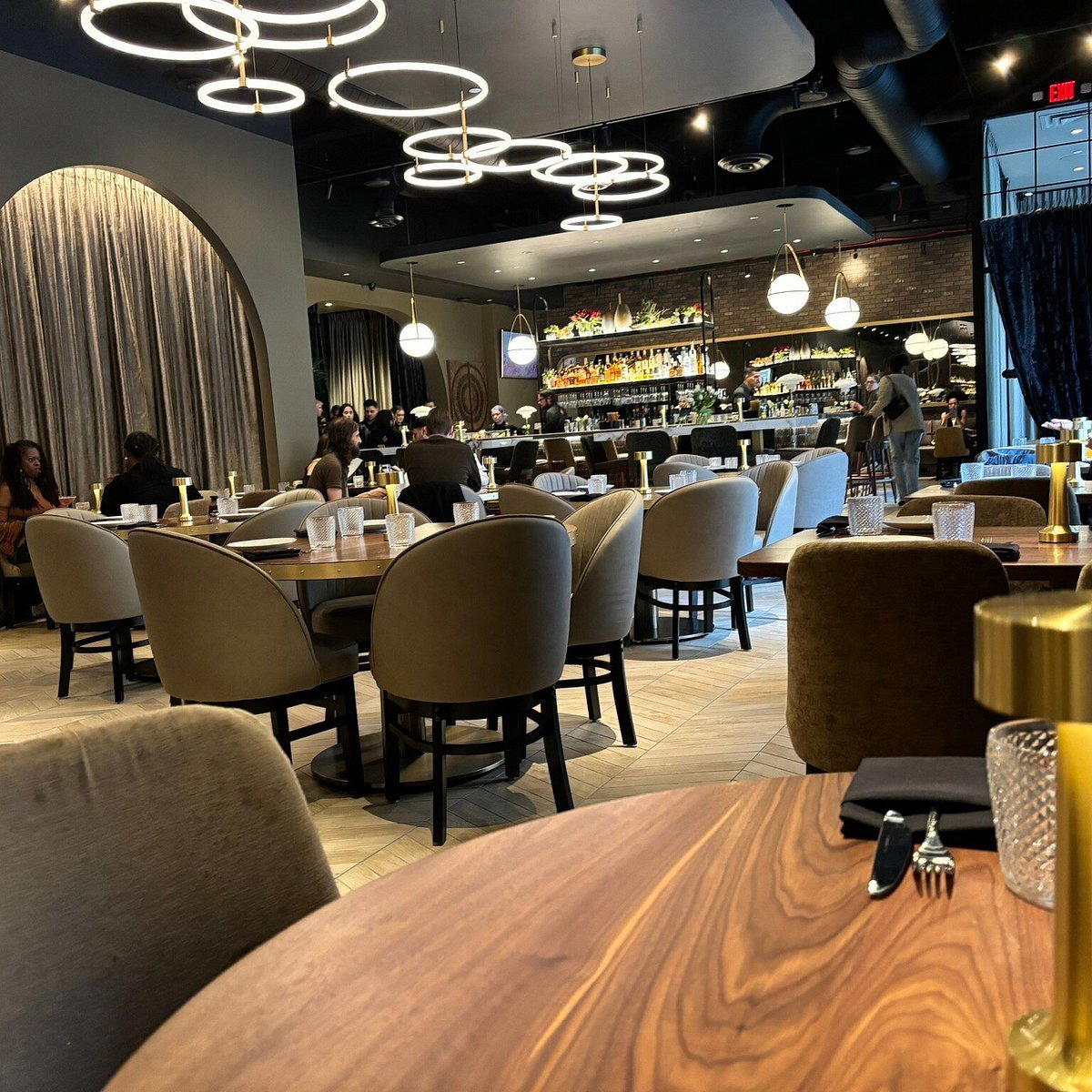
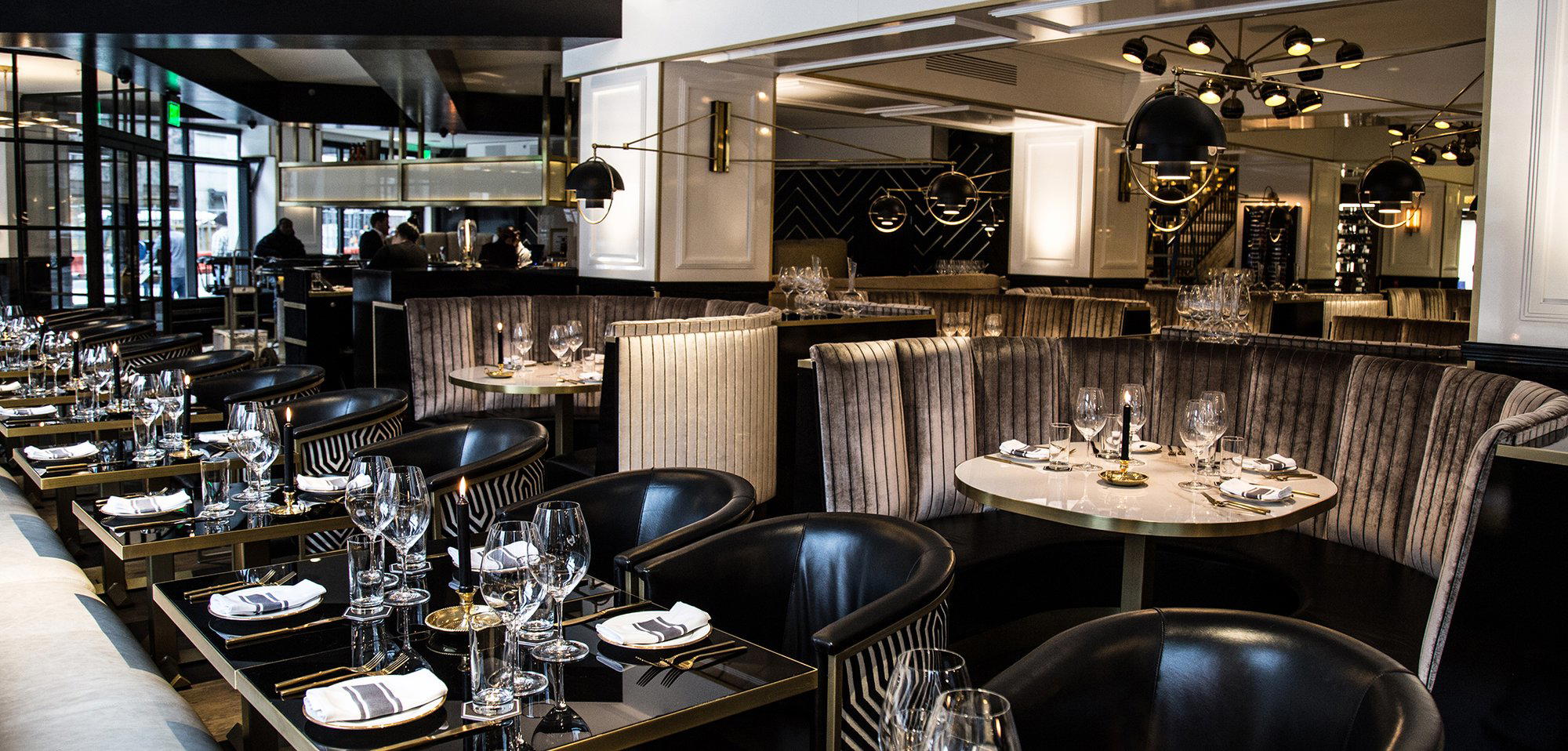
Dim lighting, deep red walls, and lush curtains creating an intimate nightlife atmosphere.
Know Before You Go
- Getting there
- 1454 Gratiot Ave, Detroit, MI 48207