PLANTA at 1221 Bay St. occupies a specific lane in Toronto's plant-based dining scene: a full-service restaurant format that takes the category seriously rather than treating it as a dietary sidebar. The kitchen builds plates around technique rather than substitution logic, and the room runs at a pace and volume that positions it firmly in the city's mid-to-upper casual tier.
- Address
- 1221 Bay St., Toronto, ON M5R 3P5, Canada
- Phone
- +1 647 812 1221
- Website
- plantarestaurants.com
- Directions
- Get directions
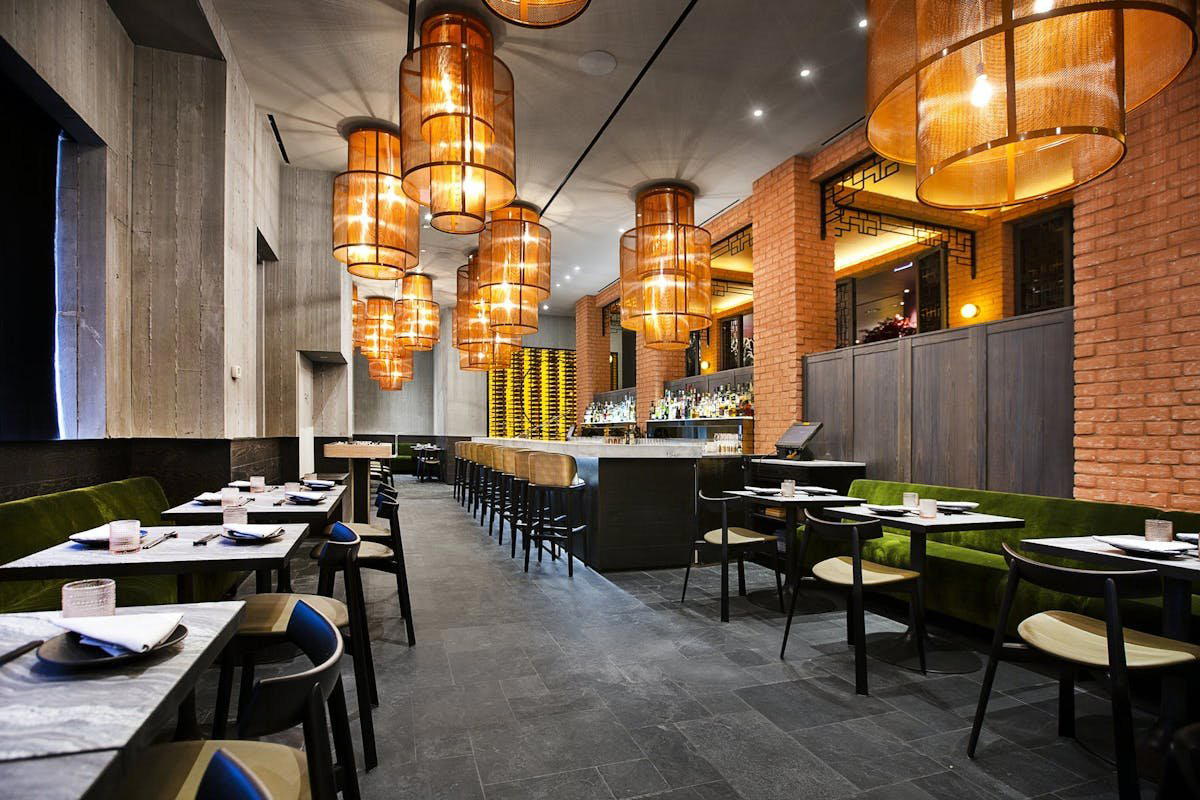
Where Bay Street Meets the Plant-Based Counter
Toronto's Bloor-Yorkville corridor has long operated as the city's pressure test for whether a dining format can hold premium real estate. The neighbourhood rewards consistency and punishes novelty for its own sake. PLANTA, a plant-based bar at 1221 Bay St. in Toronto, sits inside that calculus as part of a small cohort of plant-based restaurants that have staked a claim in spaces where meat-forward kitchens once dominated. The broader story here is not about dietary preference but about whether an entirely plant-derived kitchen can carry the expectations that come with a Bay Street address, and sustain them across both the lunch crowd and the evening dining set.
Plant-based dining in major North American cities has bifurcated sharply over the past decade. One branch runs toward fast-casual and grab-and-go formats, chasing volume and efficiency. The other branch, smaller and more demanding, attempts full-service restaurant discipline: composed plates, considered drinks programs, and a room designed to hold guests for two hours rather than twenty minutes. PLANTA belongs to the latter category, and that choice defines everything about how the experience reads differently at noon versus eight in the evening.
The Lunch and Dinner Divide
The lunch-versus-dinner split at a restaurant like PLANTA is not merely a function of menu engineering. It reflects the dual identity the format has to maintain to survive in a neighbourhood where weekday foot traffic is corporate and weekend evening traffic is decidedly social. Daytime service tends to draw a quicker-moving clientele: professionals from the surrounding office towers, regulars who treat the room as a working lunch destination rather than a destination experience. The pace is different, the light is different, and the transactional quality of the interaction shifts accordingly.
Evening service recalibrates the room's register. The same physical space carries a different charge when the ambient light drops and the drinks program becomes a more central part of the transaction. For plant-based restaurants operating at this tier, the evening shift is where the kitchen has to prove that the format can sustain a multi-course rhythm without the structural anchors that proteins like beef or fish typically provide in conventional tasting progressions. That is a genuine technical challenge, and it is one of the reasons plant-forward kitchens at this level tend to draw more scrutiny than their conventional peers.
If you are deciding between a lunch visit and a dinner reservation, dinner allows more time to move through the menu's range. Lunch works well if the goal is a single composed plate and a glass of something. Neither visit is a lesser version of the other, they are genuinely different propositions from the same kitchen.
The Toronto Plant-Based Context
Toronto's plant-based dining tier has grown considerably since the early 2010s, when the format was largely confined to casual spots in Kensington Market and the Annex. The city now supports a range of price points and formats, from neighbourhood-scale casual to the kind of full-service operation that competes directly with conventional restaurants on terms of technique and ingredient sourcing rather than ideology. PLANTA entered that scene as part of a multi-city expansion model, which places it in a different competitive position than an independent single-location operator. The group format brings consistency and purchasing scale; it also means the kitchen is working within a structure rather than expressing a singular culinary point of view.
For Toronto specifically, this positions PLANTA alongside the city's broader shift toward restaurants that treat dietary categories as kitchen parameters rather than identity statements. The leading analogy is the way that gluten-free or allergen-conscious cooking has moved from reactive accommodation to deliberate menu architecture. Plant-based cooking at PLANTA operates on that same logic: the constraint is the starting point, not the limitation.
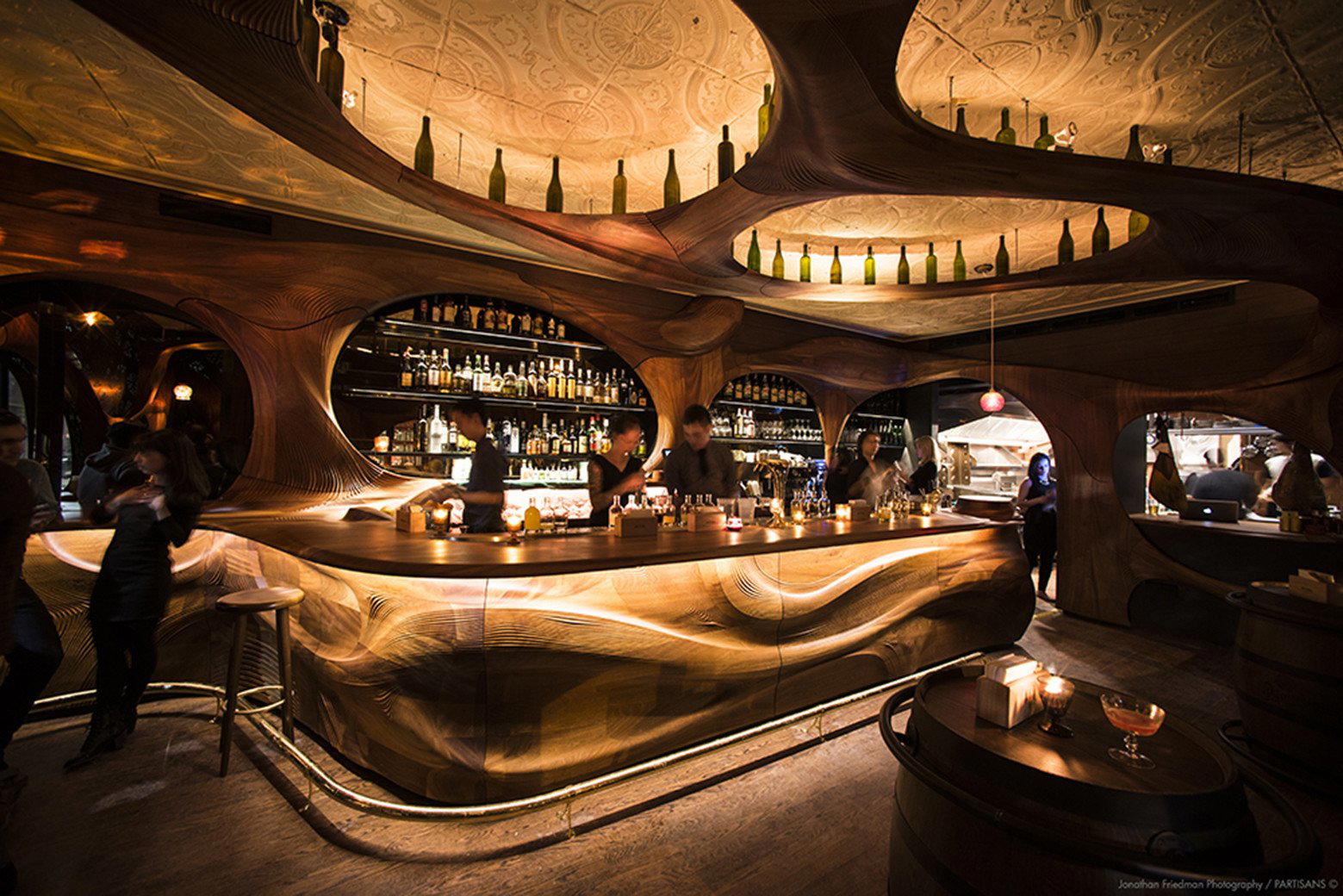
Toronto's cocktail and bar scene provides useful context for thinking about where to begin and end an evening that includes PLANTA. Bar Raval on College St. runs a Spanish-inflected drinks program in a carved-wood room that makes it a natural pre-dinner stop if you are coming from the west end. Bar Pompette works as a post-dinner natural wine option. For something closer to the Bay St. corridor, Civil Liberties and Bar Mordecai both operate at a level of cocktail seriousness that complements rather than undercuts a plant-forward dinner. For readers planning around a wider Canadian trip, comparable reference points include the Botanist Bar in Vancouver, Atwater Cocktail Club in Montreal, Humboldt Bar in Victoria, Missy's in Calgary, Bearfoot Bistro in Whistler, and Grecos in Kingston. Internationally, Bar Leather Apron in Honolulu represents the kind of cocktail precision that raises the standard for what a serious drinks program looks like at any format. See our full Toronto restaurants guide for broader context on the city's dining map.
What to Drink
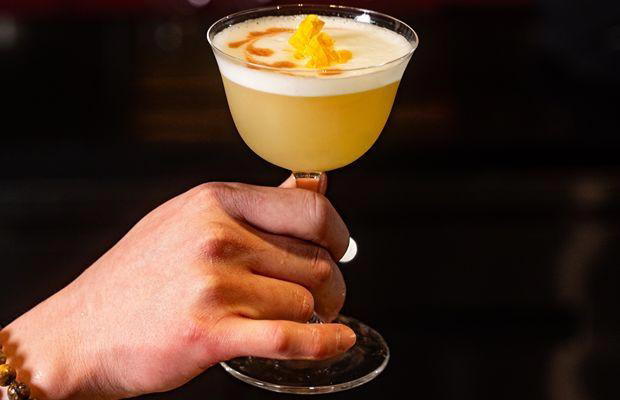
Plant-based kitchens benefit more than most from a considered drinks program because the food's natural acidity and umami profiles create specific pairing windows. Dishes built on fermented elements, charred vegetables, or reduced stocks tend to pair well with wines that have some textural weight without heavy tannin, think skin-contact whites or lighter reds with genuine fruit character rather than oak-driven structure. If the bar program includes a cocktail list with culinary-adjacent ingredients (citrus, herb, brine), those often read well against plant-based preparations in a way that conventional spirit-forward drinks do not.
The practical advice: ask what is pouring by the glass rather than defaulting to the bottle list, particularly at lunch when a single well-chosen glass carries more value than committing to a bottle over a shorter sitting.
Know Before You Go
- Address: 1221 Bay St., Toronto, ON M5R 3P5
- Neighbourhood: Bloor-Yorkville / Bay Street corridor
- Format: Full-service plant-based restaurant, multi-city group
- Leading visit window: Weekday lunch for efficiency; weekend dinner for the full menu range
- Booking: Reservations are essential
- Getting there: Bay St. is well-served by TTC; the closest subway access is Bay station on the Bloor-Danforth line
Nearby-ish Comparables
Comparable venues nearby, for context on price, style, and recognition.
| Venue | Cuisine | Price | Notes |
|---|---|---|---|
| PLANTAThis venue — the venue you are viewing | cocktail_bar | $$$ | Not listed |
| The Citizen | lounge | $$$ | Fashion District |
| Bossanova | wine_bar | $$$ | North Parkdale |
| Majesty's Pleasure | cocktail_bar | $$$ | Fashion District |
| No Vacancy | cocktail_bar | $$$ | Trinity Bellwoods |
| 4th and 7 | rooftop_bar | $$$ | Little Portugal |
Continue exploring
More in Toronto
Bars in Toronto
Browse all →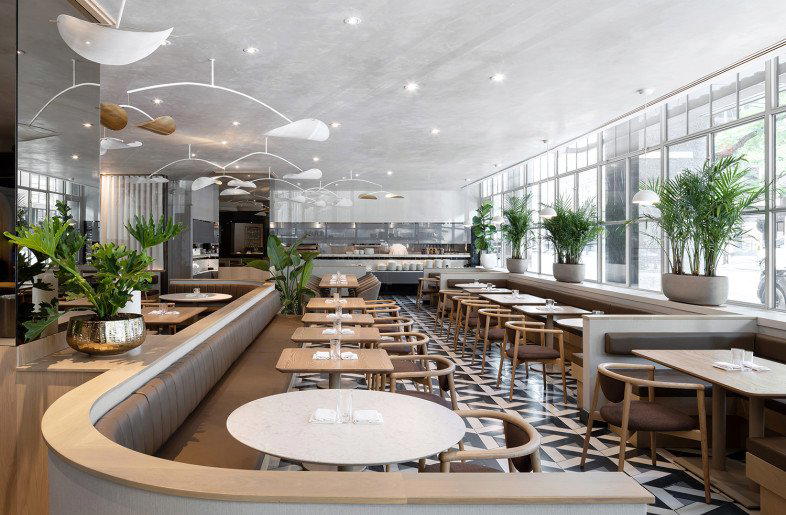
Restaurants in Toronto
Browse all →
Hotels in Toronto
Browse all →

At a Glance
- Modern
- Trendy
- Elegant
- Sophisticated
- Date Night
- After Work
- Design Destination
- Lounge Seating
- Craft Cocktails
Current opening hours
- Monday
- 11:30 AM–9 PM
- Tuesday
- 11:30 AM–9 PM
- Wednesday
- 11:30 AM–9 PM
- Thursday
- 11:30 AM–9 PM
- Friday
- 11:30 AM–10 PM
- Saturday
- 11:30 AM–10 PM
- Sunday
- 11:30 AM–9 PM
Hours can change for holidays and private events. Last verified .
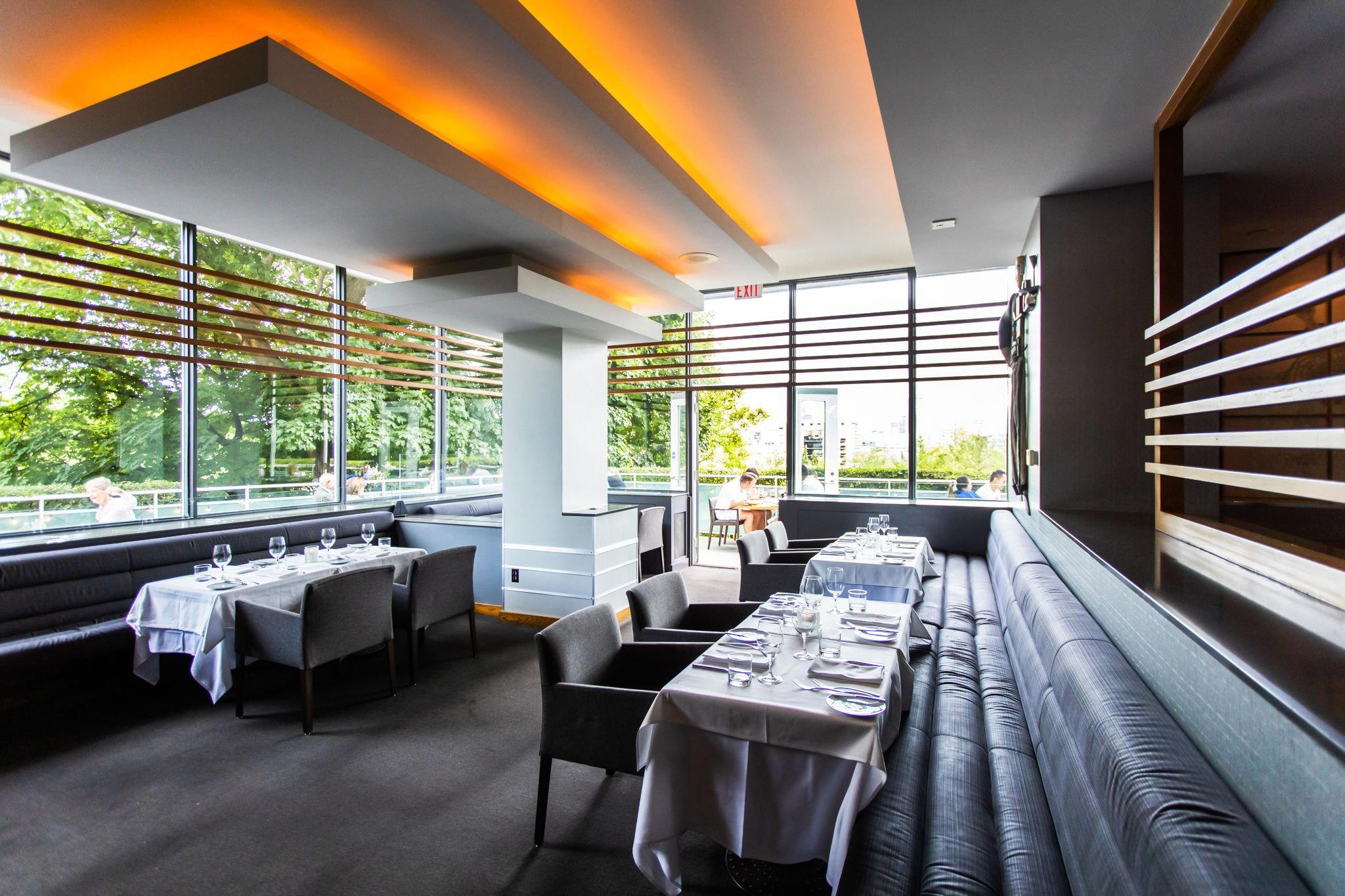
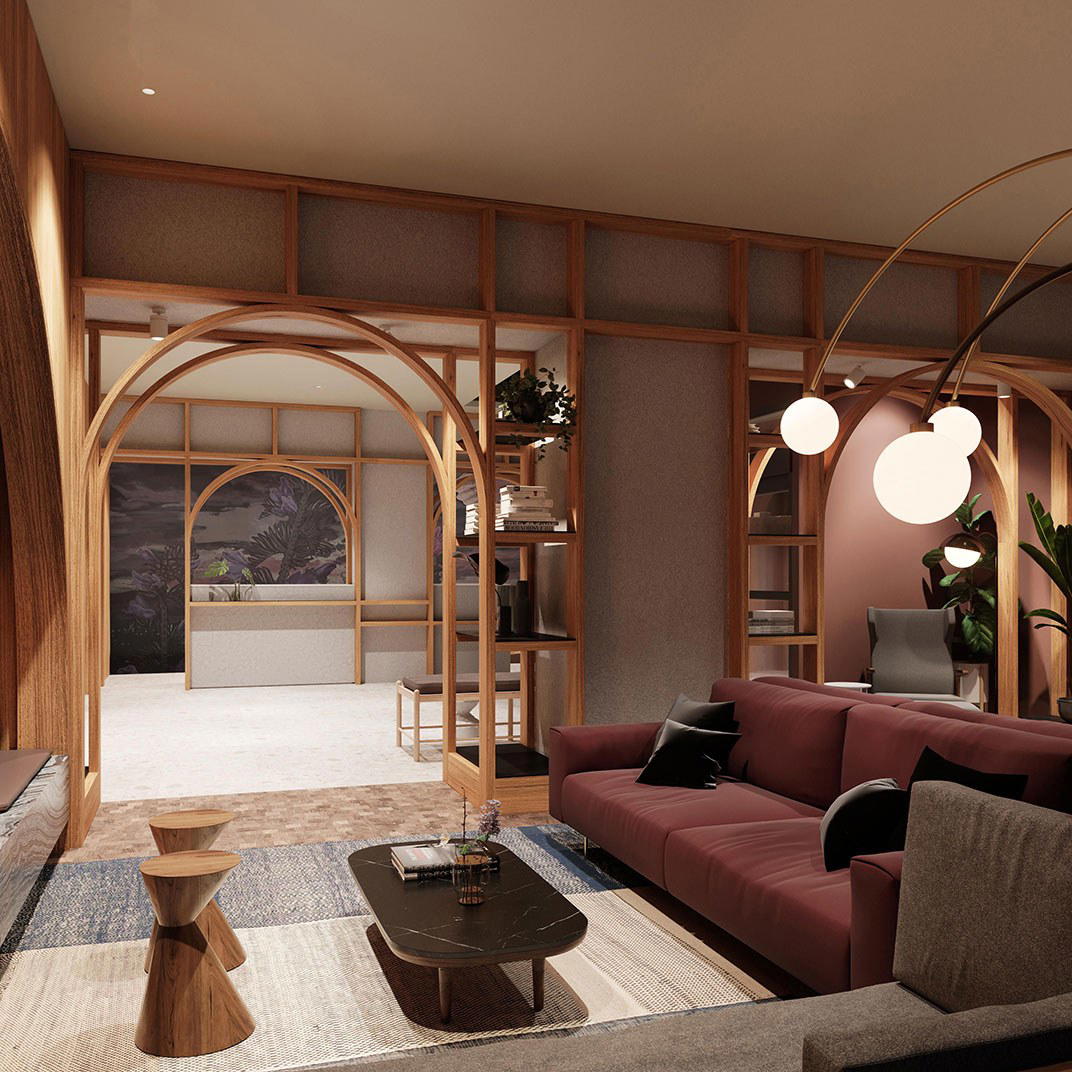
Upscale and sophisticated with good vibes, featuring chic interiors and high-energy atmosphere.