
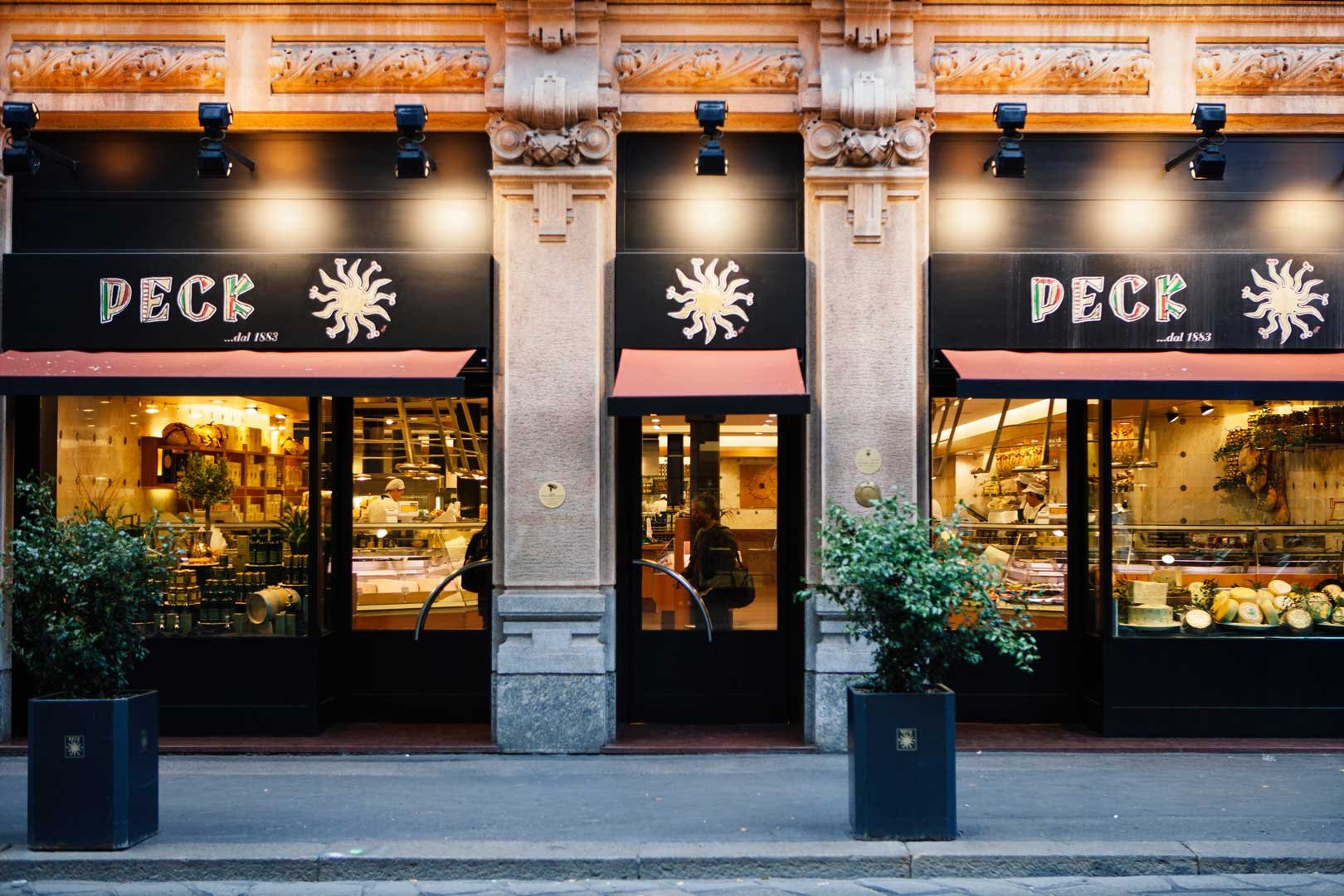
One of Milan's most established food institutions, Peck on Via Spadari occupies three floors near the Duomo and has anchored the city's luxury provisions trade for generations. Its wine floor carries bottles from across the global spectrum, open daily, making it a practical and serious resource for anyone tracking down a particular producer or vintage in the city.
 Discover on Pearl
Pearl is the En Primeur Club membership app — saves, bookings, and concierge access live there. Same editors, same standards.
- Address
- Via Spadari, 9, 20123 Milano MI, Italy
- Phone
- +39 02 802 3161
- Website
- peck.it
The Weight of a Room That Knows What It Is
Peck is a bar in Milan, Italy, at Via Spadari, 9, 20123 Milano MI, Italy, with a Google rating of 4.4 from 4,844 reviews and an approximate price per person of $40. Peck's entrance at number 9 offers little in the way of signage theatrics. Inside, the architecture of the space does the talking: display cases arranged with the logic of a collection rather than a shop floor, products organised by provenance and category, and a verticality that rewards the visitor who takes the stairs seriously.
Three floors is not unusual for a Milan department store. Three floors dedicated to the curation and sale of luxury food provisions, with an entire level given over to wine, is something that belongs to a much smaller category. Peck has occupied this position in Milan's gastronomic infrastructure for long enough that it reads less like a retailer and more like an institution, a place where the city's professional cooks, collectors, and serious amateur eaters come to source what they cannot find elsewhere.
The Wine Floor as a Statement About Seriousness
The wine floor communicates something specific about how Peck understands its own identity. The selection draws from producers across the global spectrum, Italian regions obviously, but also France, Spain, the New World, curated at the level of depth and rarity that places it closer to a specialist merchant than a cellar attached to a food shop.
In most European cities, the premium provisions model and the serious wine merchant model operate separately. The delicatessen sells wine as an accessory; the wine merchant sells charcuterie as an accessory. Peck's vertical structure gives both equal institutional seriousness. The wine floor is open daily, which matters for visitors operating on compressed city itineraries and for professionals sourcing for events. That daily access removes the friction that specialist merchants often impose, appointment-only hours, trade-first policies, and positions Peck as a resource rather than a club.
For anyone tracking a specific producer, a particular vintage, or a bottle that has disappeared from restaurant lists, the floor is worth treating as a focused stop. The curation logic rewards visitors who arrive with a question rather than those who arrive without one.
Where Peck Sits in Milan's Wider Drinks and Hospitality Scene
Milan's bar culture has evolved significantly over the past decade. The city now runs a credible spectrum from historically rooted aperitivo institutions to technically sophisticated cocktail programmes. Camparino in Galleria holds the aperitivo tradition inside the Galleria Vittorio Emanuele II, its Campari lineage giving it a different kind of historical authority. 1930 and Moebius Milano operate in the technically precise, low-capacity cocktail tier that has emerged across European cities in the past fifteen years. Nottingham Forest has sustained its recognition across decades in a city where longevity is not always rewarded with continued critical attention.
Peck sits outside that bar circuit but connects to it through the logic of serious sourcing. Visitors building a Milan drinking and eating itinerary would do well to treat Peck as infrastructure rather than a destination in competition with those venues, a place to acquire a bottle before dinner, to research a producer encountered on a wine list the previous evening, or to understand what the serious end of Italian provisions looks like assembled in one address.
For context beyond Milan, Italy's serious wine retail and provisions tradition has counterparts across the country. Al Covino in Venice operates in a different register but shares the conviction that wine selection deserves genuine editorial attention. Enoteca Historical Faccioli in Bologna brings a natural wine focus to a city that has its own deep provisions culture. Neither replicates what Peck does, but together they map a tradition of taking wine retail seriously as a category.
Outside Italy, venues operating in adjacent territory include Drink Kong in Rome for technical cocktail credibility, Gucci Giardino in Florence for the intersection of luxury positioning and drinks programming, L'Antiquario in Naples for a collector's approach to rare spirits, and Lost and Found in Nicosia and Bar Leather Apron in Honolulu for what serious curation looks like in more geographically peripheral markets.
Planning Your Visit
Peck is located at Via Spadari 9, a few minutes' walk from the Duomo. The proximity to one of the city's most heavily visited squares means the surrounding streets carry significant tourist pressure, but the interior of Peck operates at its own register, drawing a clientele that tends to have a specific purpose on arrival. The wine floor's daily opening hours give it a logistical advantage over appointment-led merchants in the city.
A Pricing-First Comparison
Comparable venues nearby, for context on price, style, and recognition.
| Venue | Price | Awards | Notes |
|---|---|---|---|
| PeckThis venue — the venue you are viewing | $$$ | 1 recognition | |
| Forte Vita Bar | $$$ | , | Fashion District, hotel_bar |
| Dry | $$$ | , | Brera, cocktail_bar |
| Ciz Cantina e Cucina | $$$ | 1 recognition | Xxii Marzo, wine_bar |
| Salmon Guru Milan | $$$ | 1 recognition | Sarpi, cocktail_bar |
| Carico | $$ | 1 recognition | Porta Ticinese - Conchetta, cocktail_bar |
Continue exploring
More in Milan
Bars in Milan
Browse all →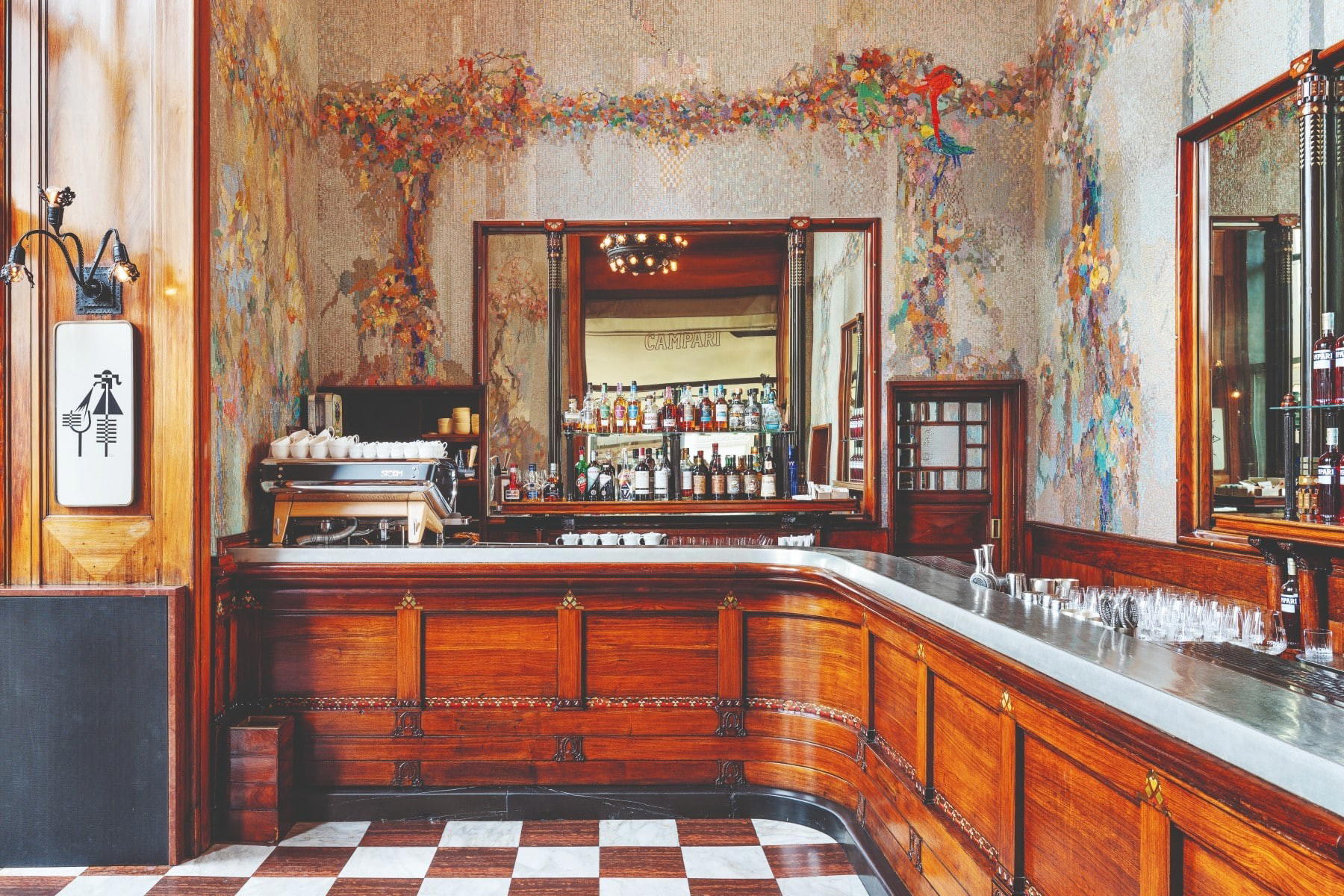
Restaurants in Milan
Browse all →
Hotels in Milan
Browse all →
At a Glance
- Classic
- Elegant
- Sophisticated
- After Work
- Casual Hangout
- Historic Building
- Seated Bar
- Conventional Wine
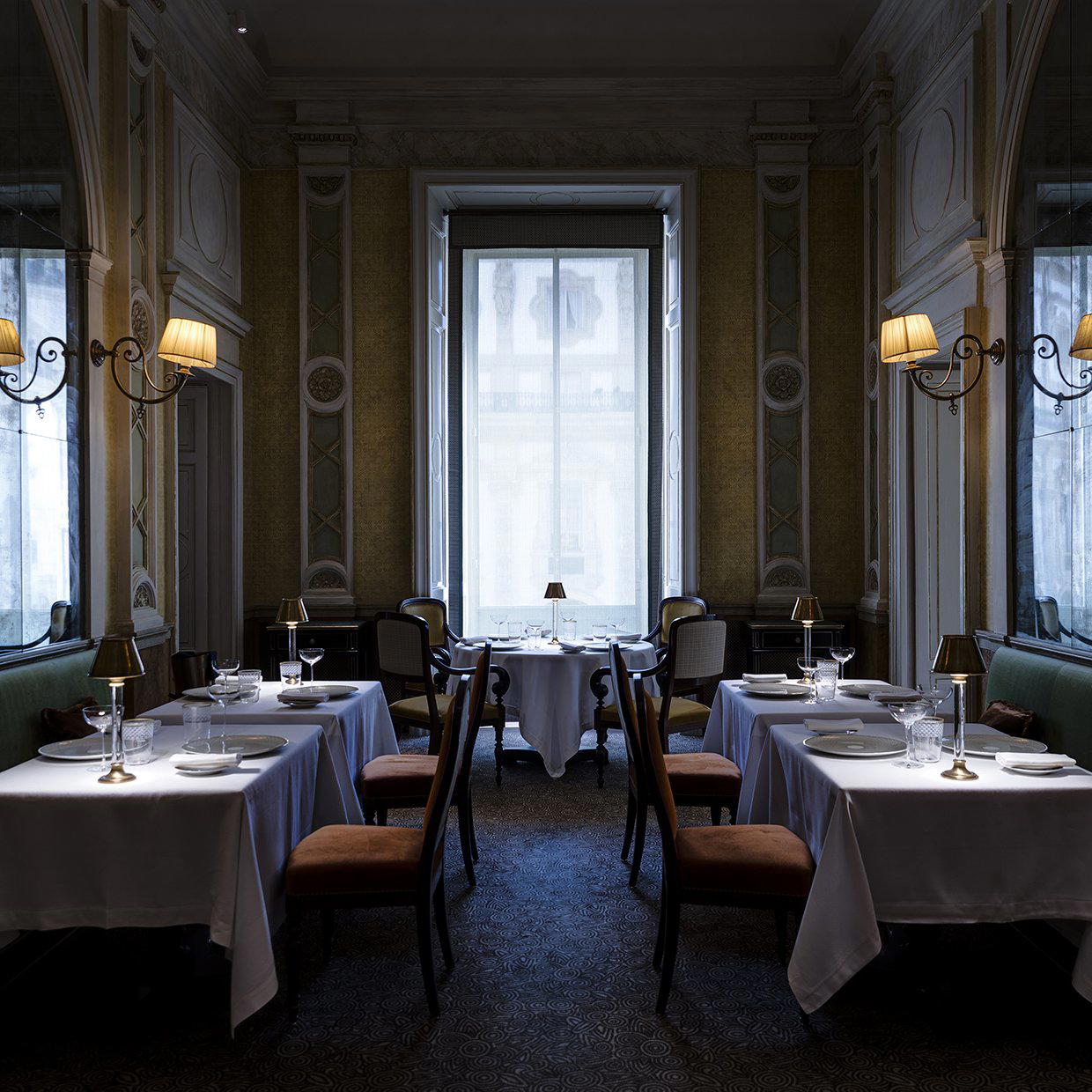
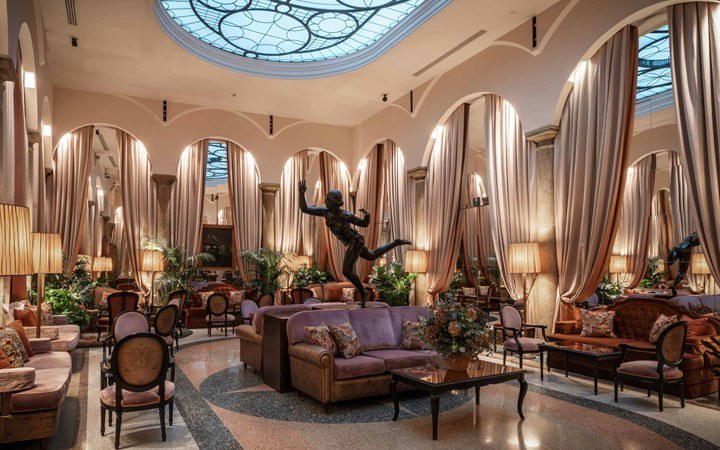
Retro elegant atmosphere reminiscent of 1980s Milan, well-lit with a mix of businessmen and bon ton ladies.