Papiersaal
Papiersaal occupies a converted paper hall at Kalanderplatz 6 in Zurich's Leimbach-adjacent district 4, a former industrial space that now functions as an event and cultural venue with food and drink programming layered through it. The setting defines the experience: exposed architecture, scale, and the kind of programming calendar that attracts a mixed crowd drawn by concerts, markets, and evening events rather than a conventional restaurant booking.
Pearl is the En Primeur Club membership app — saves, bookings, and concierge access live there. Same editors, same standards.
- Address
- Kalanderpl. 6, 8045 Zürich, Switzerland
- Phone
- +41 44 201 18 88
- Website
- papiersaal.ch
- Directions
- Get directions
 Saves & bookings on Pearl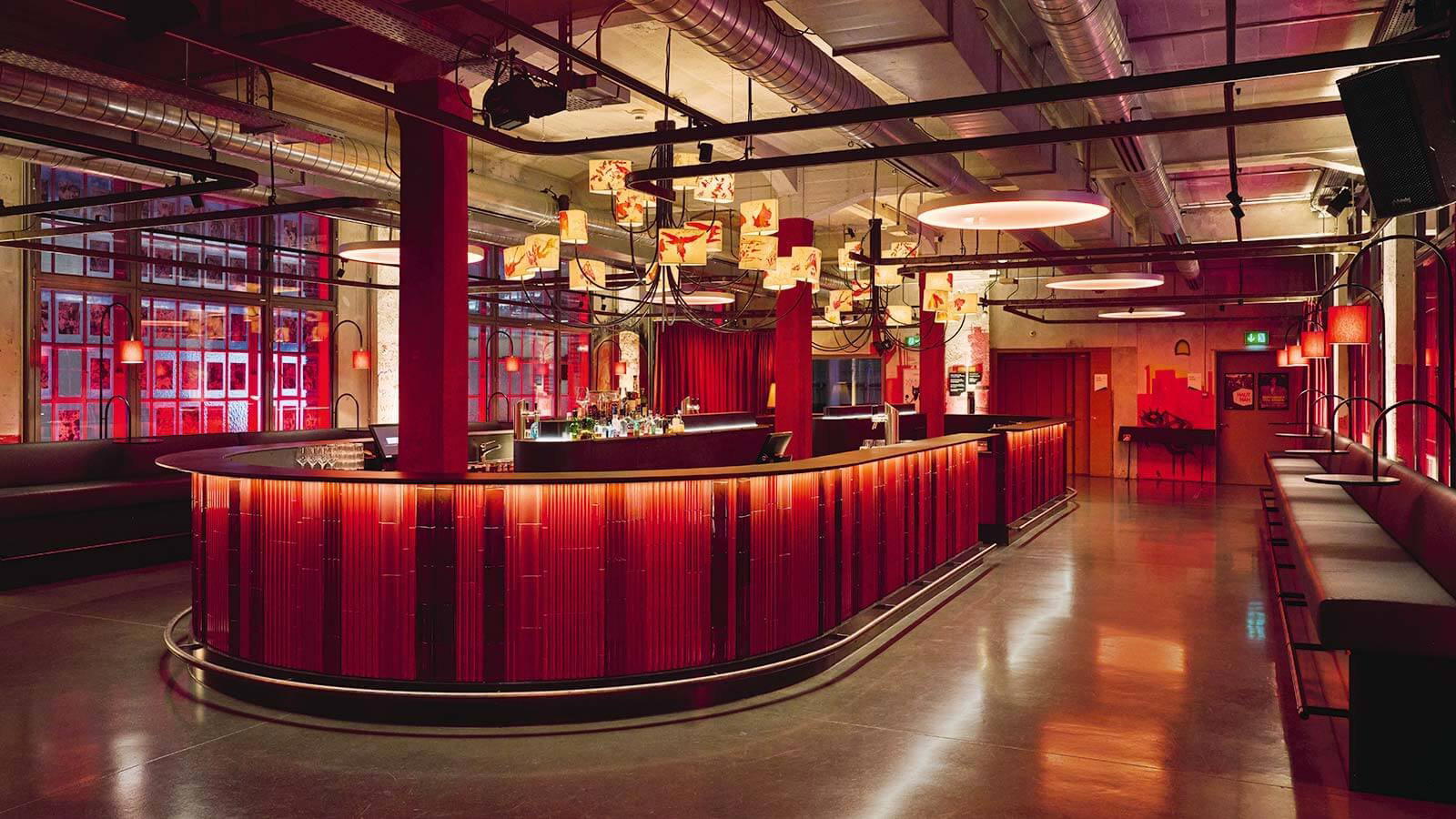
A Former Paper Hall and What It Means for Zurich's Event Venue Scene
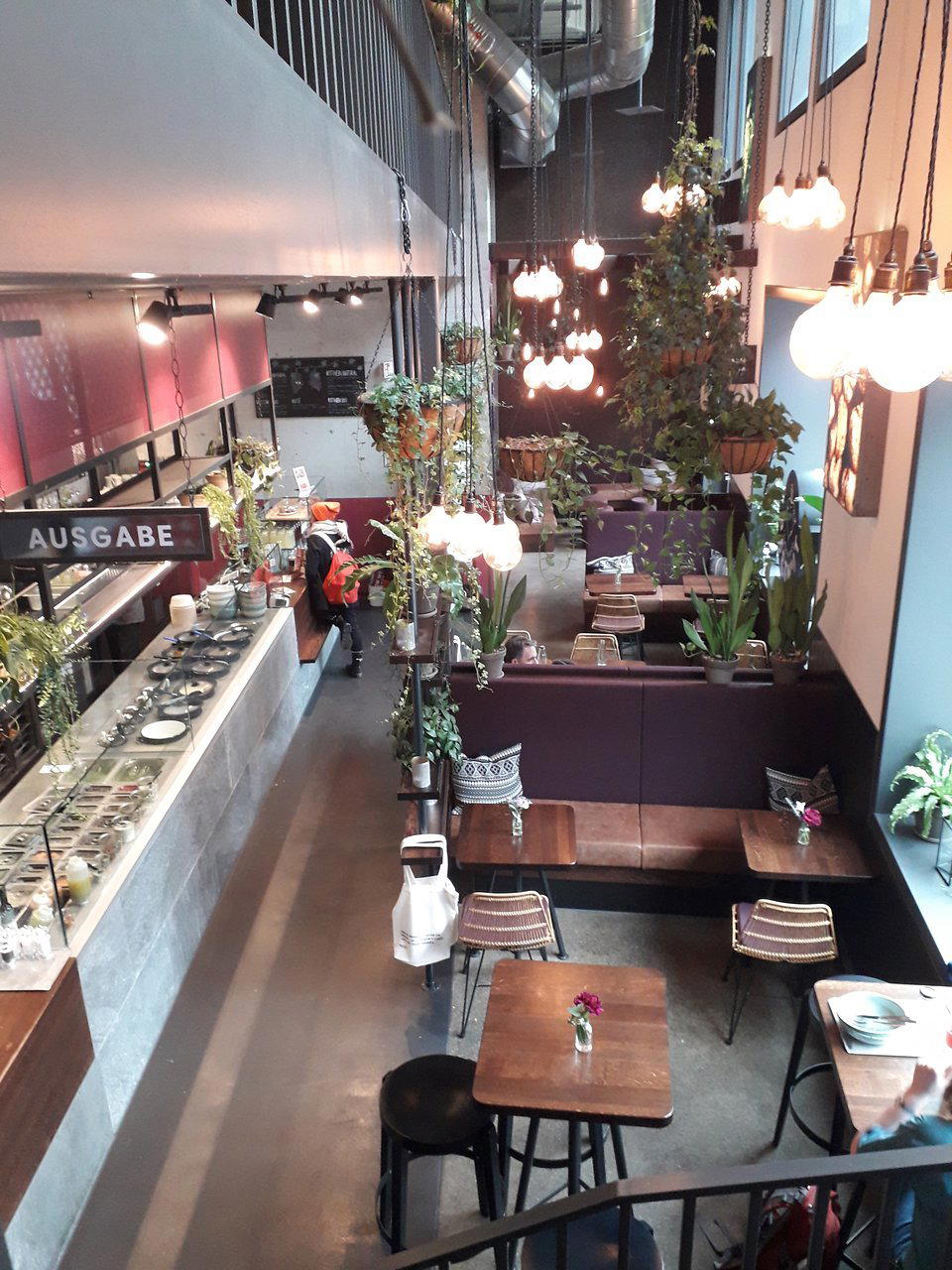
Papiersaal is a bar in Zurich at Kalanderpl. The Sihlcity district, anchored at Kalanderplatz, represents one of the more considered of those transformations: a retail and cultural complex built into the bones of a paper mill that operated on this site for over a century. Papiersaal sits inside that complex, occupying the former paper hall itself, and the space carries the weight of that history in its architecture. High ceilings, exposed structural elements, and a floor plan scaled for industrial output rather than intimate dining place it in a category of venue that Zurich has relatively few of: a genuinely large, atmospherically loaded space that functions across multiple formats.
That category matters editorially. The city's most-discussed venues, from the cocktail programs at 25hours Hotel Zürich Langstrasse to the bar at 25hours Hotel Zürich West, operate at a scale that prioritises curation over volume. Papiersaal operates differently. Its programming model positions it closer to a cultural institution with food and drink infrastructure than to a restaurant that hosts occasional events.
How the Space Shapes the Programming
The architecture of Papiersaal is not incidental to what happens inside it. Industrial conversion venues of this scale impose a logic on their programming: they favour formats that fill volume with energy rather than silence with precision. Markets, concerts, film screenings, private hire events, and pop-up food concepts all slot into that logic. What this means practically is that the experience of visiting Papiersaal shifts considerably depending on when you arrive and what is on the calendar.
This is not a weakness distinctive to this venue. Zurich's broader event space circuit, from Schiffbau in Zurich West to various converted loft formats across districts 4 and 5, operates on the same principle: the space is the constant, the programming is the variable. Visitors who treat Papiersaal as a fixed dining destination will find themselves at the mercy of what is scheduled. Visitors who treat it as a venue to be approached via its events calendar will extract considerably more from it.
Menu Architecture and the Multi-Format Challenge
Understanding what Papiersaal serves requires understanding the multi-format model. Venues that operate across event types, from private corporate hire to public cultural programming, rarely maintain a single fixed menu. Instead, the food and drink offer functions as infrastructure: flexible enough to support different events, calibrated to the format in play on a given evening.
This creates a specific kind of menu architecture that differs sharply from a tasting menu counter or a neighbourhood wine bar. Rather than a menu that expresses a singular culinary position, the offer at a venue like Papiersaal responds to context. A concert night calls for different service rhythms than a seated dinner; a market day requires a different format again. The editorial interest lies not in identifying a signature dish or a house cocktail but in recognising that the space itself is the menu, and food and drink are components of a larger assembled experience.
This is a format with genuine precedent in Swiss cultural programming. Venues like Grand Hotel Les Trois Rois in Basel operate at the opposite end of the formality spectrum, but both represent Swiss hospitality's capacity to hold space for experiences that resist easy categorisation. The comparison is useful precisely because it shows the breadth of what the Swiss hospitality scene accommodates.
Zurich's Industrial South and the Sihlcity Context
Kalanderplatz sits in the southern reach of Zurich's urban core, in a zone that feels distinct from the concentrated bar energy of Langstrasse or the design-hotel density of Zurich West. Sihlcity itself is a development that has been debated since its opening: a mixed-use complex that functions as shopping centre, cinema, and cultural venue simultaneously. Papiersaal is the cultural anchor of that complex, and its presence gives the development a legitimacy that retail alone does not provide.
For visitors oriented toward Zurich's more established drinking circuits, the journey to Kalanderplatz requires a tram ride south from the centre, typically from Hauptbahnhof or via Helvetiaplatz. The area is served by public transport and the venue's scale means arrival on foot or by bike is equally viable. It is not a spontaneous detour from a Langstrasse evening; it is a deliberate destination visit, which shapes the kind of crowd it attracts.
That crowd tends to be broader and more mixed than the self-selecting audiences at venues like Bar 3000 or Bar am Wasser. Event-driven programming draws across demographic lines in ways that a specialist cocktail bar or a fine dining room rarely does. This is part of Papiersaal's structural role in Zurich's cultural offer: it provides a gathering point for the city that is not defined by a single taste profile or price tier.
Planning a Visit: What You Actually Need to Know
Because Papiersaal's offer is calendar-driven, the first practical step is checking what is programmed on your target date. Walk-in visits to an empty event hall are possible but unrewarding. The venue does not operate on the conventional restaurant model of service hours and table availability; its rhythms are those of an event space, with peak energy tied to whatever is on the schedule.
Private hire capacity and event-specific ticketing mean that some programming requires advance booking, while open market or public cultural events do not. Pricing varies accordingly: event tickets, food spend, and drink spend operate as separate line items rather than a single cover charge, which gives visitors a degree of flexibility uncommon in Zurich's more fixed-format venues.
Papiersaal occupies a different register entirely: urban, industrial, large-format, and programming-led.
Recognition Snapshot
Comparable venues nearby, for context on price, style, and recognition.
| Venue | Cuisine | Price | Notes |
|---|---|---|---|
| PapiersaalThis venue — the venue you are viewing | lounge | $$$ | Not listed |
| Storchen Zürich - Lifestyle Boutique Hotel | hotel_bar | $$$$ | Enge |
| Houdini Kino/Bar | lounge | $$ | Aussersihl |
| Restaurant Vereinigung | lounge | $$ | Albisgutli |
| Olé-Olé-Bar | dive_bar | $$ | Aussersihl |
| jenseits IM VIADUKT | cocktail_bar | $$ | Industriequartier |
Continue exploring
More in Zürich
Bars in Zürich
Browse all →

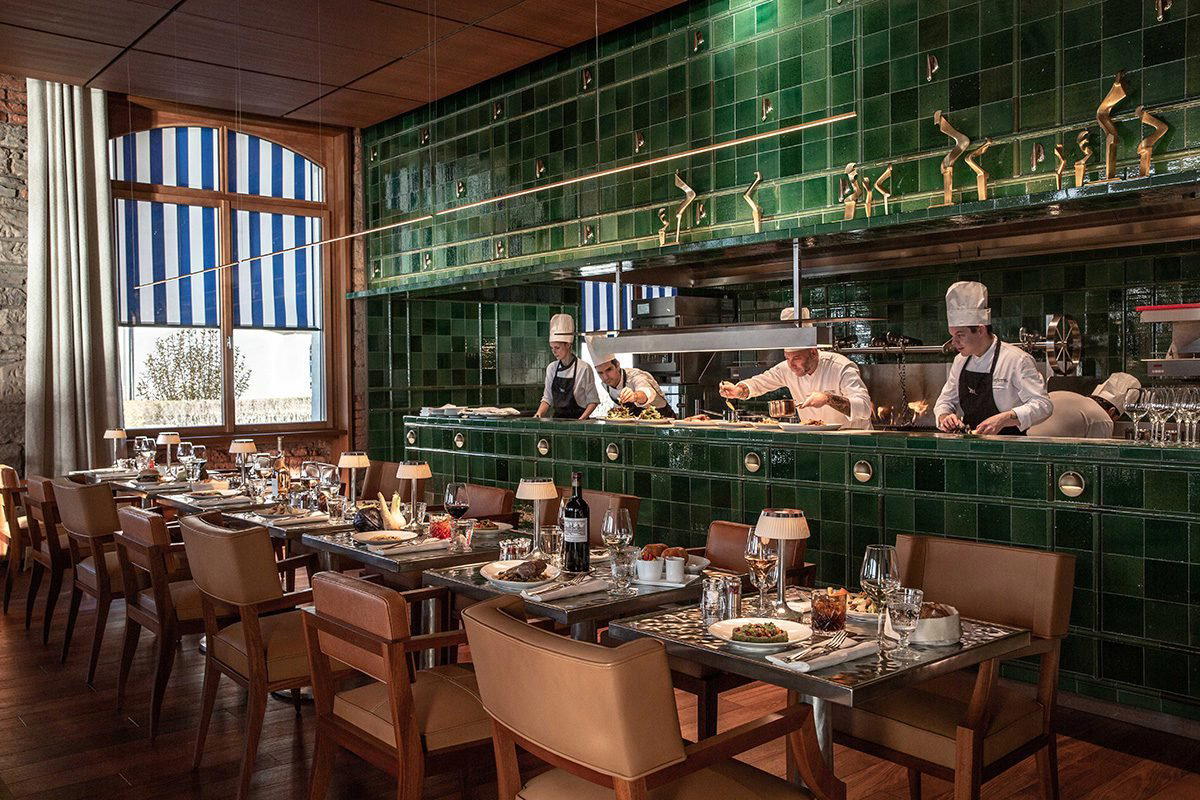
Restaurants in Zürich
Browse all →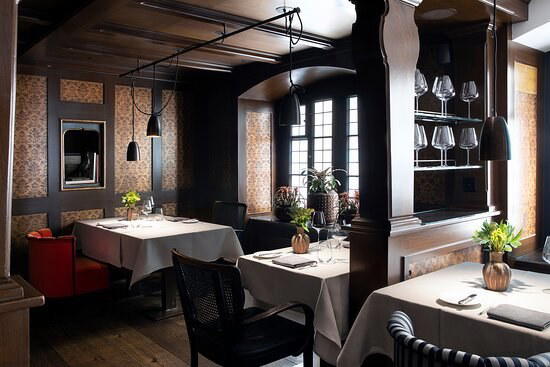
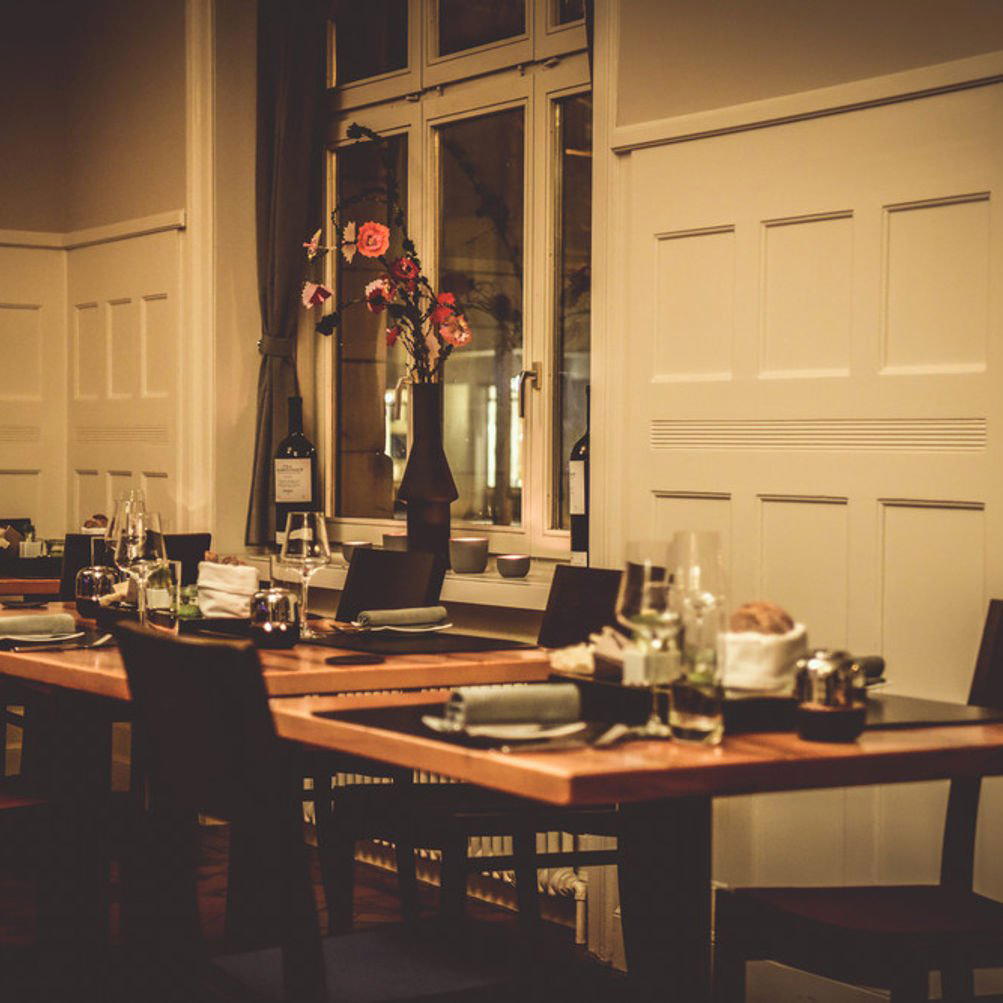
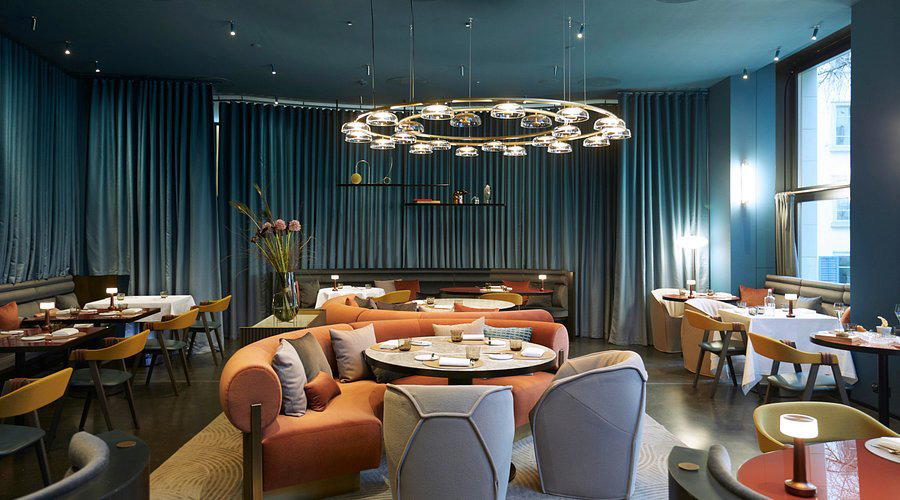
Hotels in Zürich
Browse all →

At a Glance
- Bohemian
- Industrial
- Cozy
- Trendy
- Energetic
- Late Night
- Group Outing
- Celebration
- Casual Hangout
- Live Music
- Historic Building
- Design Destination
- Standing Room
- Lounge Seating
- Seated Bar
- Classic Cocktails
- Craft Cocktails
Current opening hours
- Monday
- 9 AM–6 PM
- Tuesday
- 9 AM–6 PM
- Wednesday
- 9 AM–6 PM
- Thursday
- 9 AM–6 PM
- Friday
- 9 AM–6 PM
- Saturday
- 7 PM–12 AM
- Sunday
- Closed
Hours can change for holidays and private events. Last verified .
Industrial loft atmosphere blending history with modern design, featuring artistic chandeliers, warm hospitality, and a feel-good mix of urbanity and bohemia.