Ōmori Izakaya and Sushi ( Quincy )
Ōmori Izakaya and Sushi occupies a distinct corner of Quincy's dining scene, where the izakaya format, casual drinking, shared plates, and counter sushi, meets a South Shore neighborhood that has grown increasingly comfortable with Japanese dining traditions. Set on Foster Street, it positions itself between the city's more formal Japanese restaurants and its purely casual spots, offering a format that rewards those who know how to order.
 Discover on Pearl
Pearl is the En Primeur Club membership app — saves, bookings, and concierge access live there. Same editors, same standards.
- Address
- 11 Foster St, Quincy, MA 02169
- Phone
- +1 617 481 9436
- Website
- omoriquincy.net
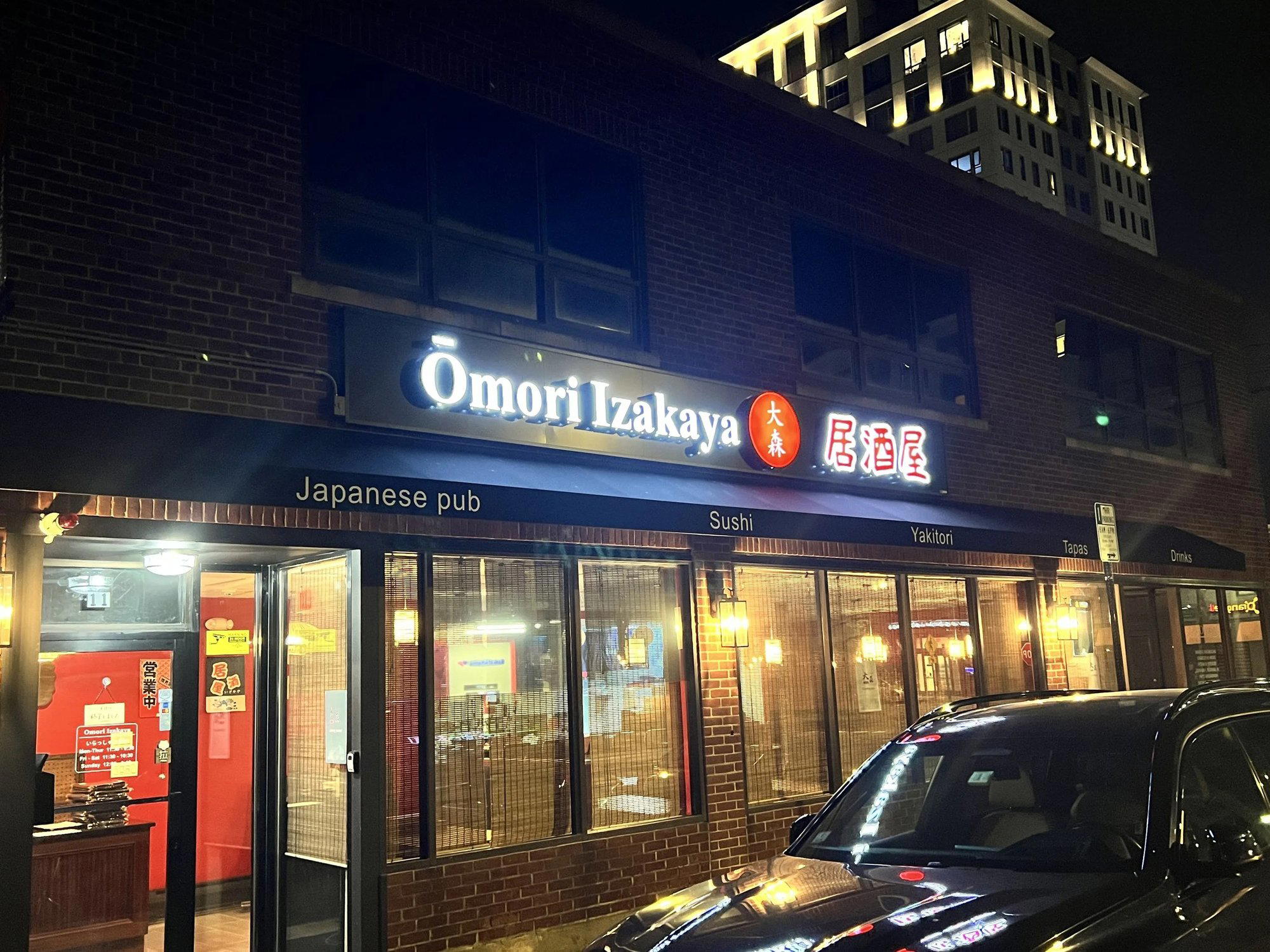
The Izakaya Format in a South Shore Context
Izakaya dining arrived in American cities through two distinct channels: the major coastal metros, where Japanese communities established the form early, and the suburban rings around those metros, where the format arrived later, often adapted to local expectations. Quincy sits in that second category. Its proximity to Boston has made it a receiver of culinary currents that originate downtown, and the izakaya model, built around small plates, grilled skewers, cold sake, and a sushi counter running in parallel, has found genuine footing here over the past decade.
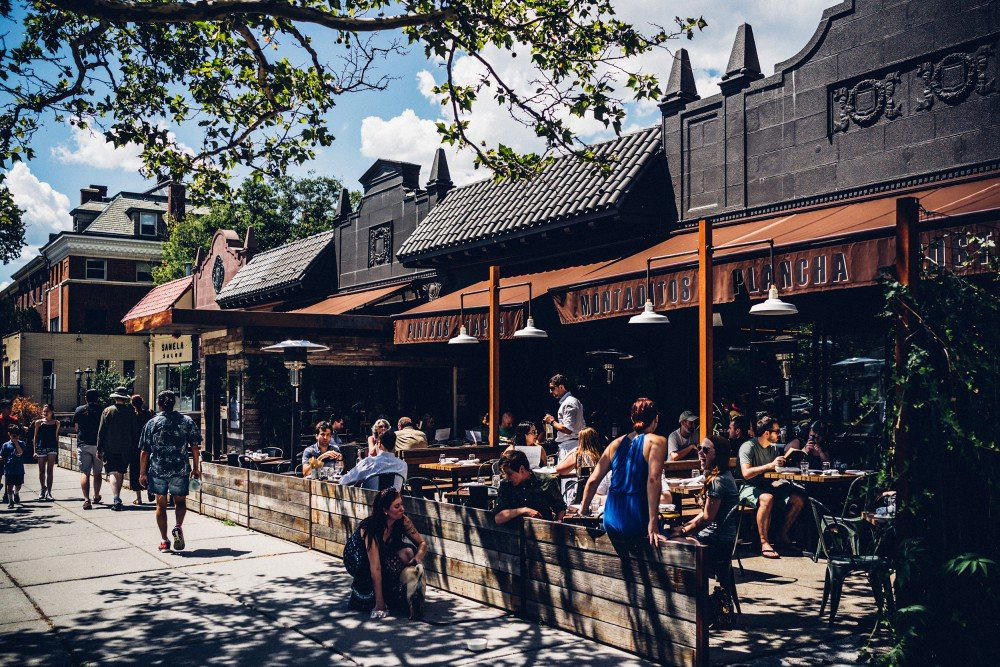
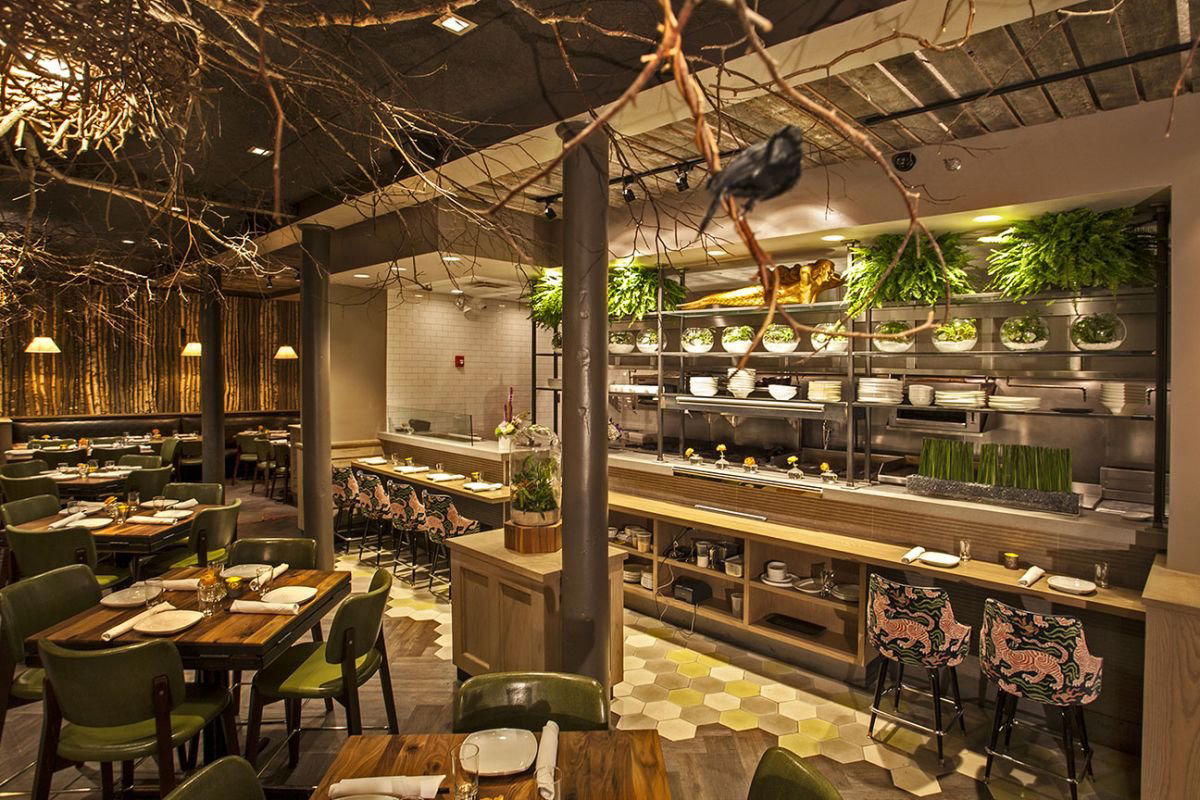
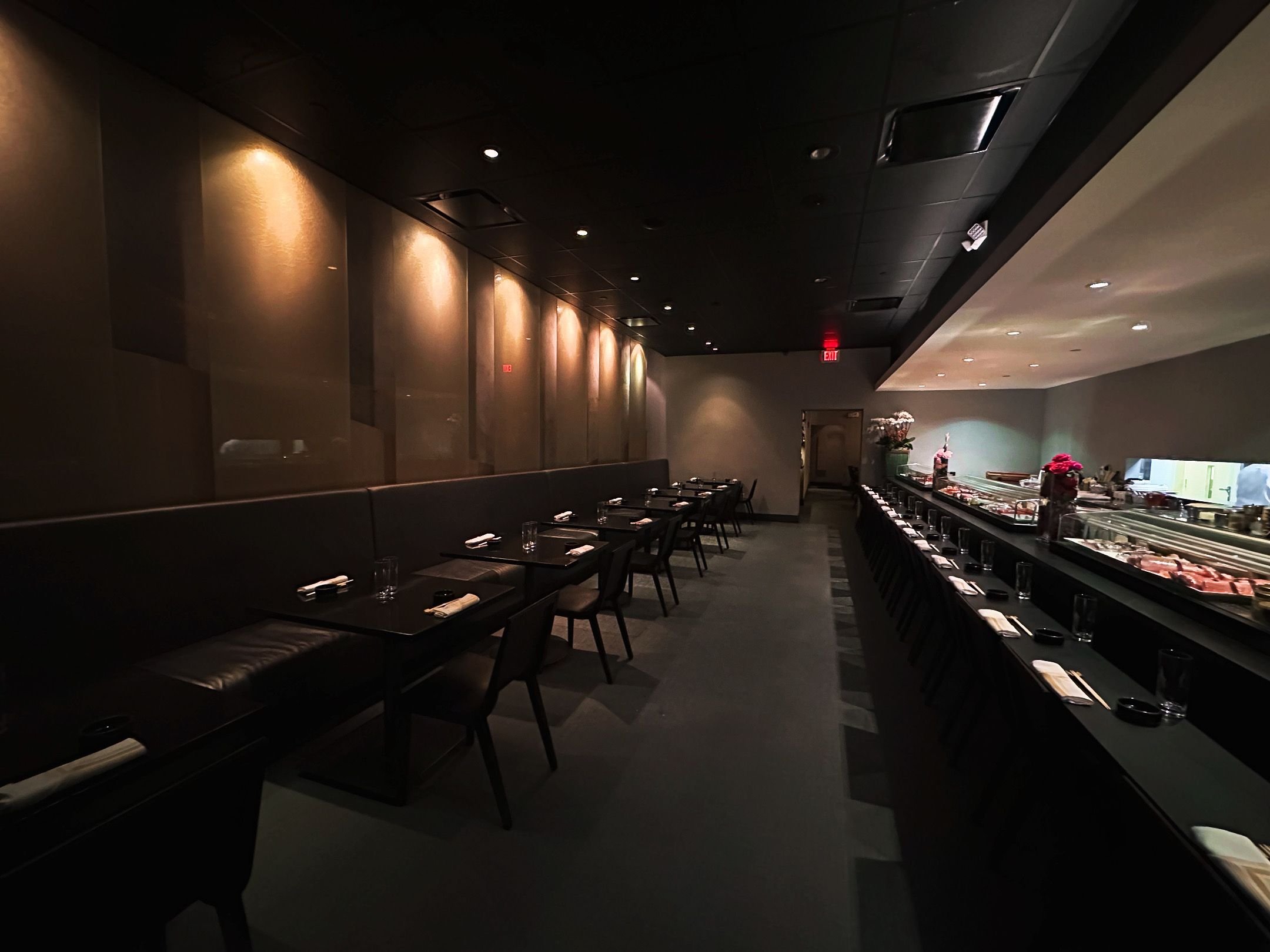
Ōmori Izakaya and Sushi, at 11 Foster Street, operates inside that tradition. The address places it in a section of Quincy that functions as a practical neighborhood dining corridor rather than a destination strip, which shapes the room's character. Izakayas in this tier tend toward the informal: communal noise, split orders, the counter as social theater rather than reverent ritual. Ōmori occupies the former category, where the bar program and the kitchen share roughly equal billing.
What Defines the Bar at a Japanese-American Izakaya
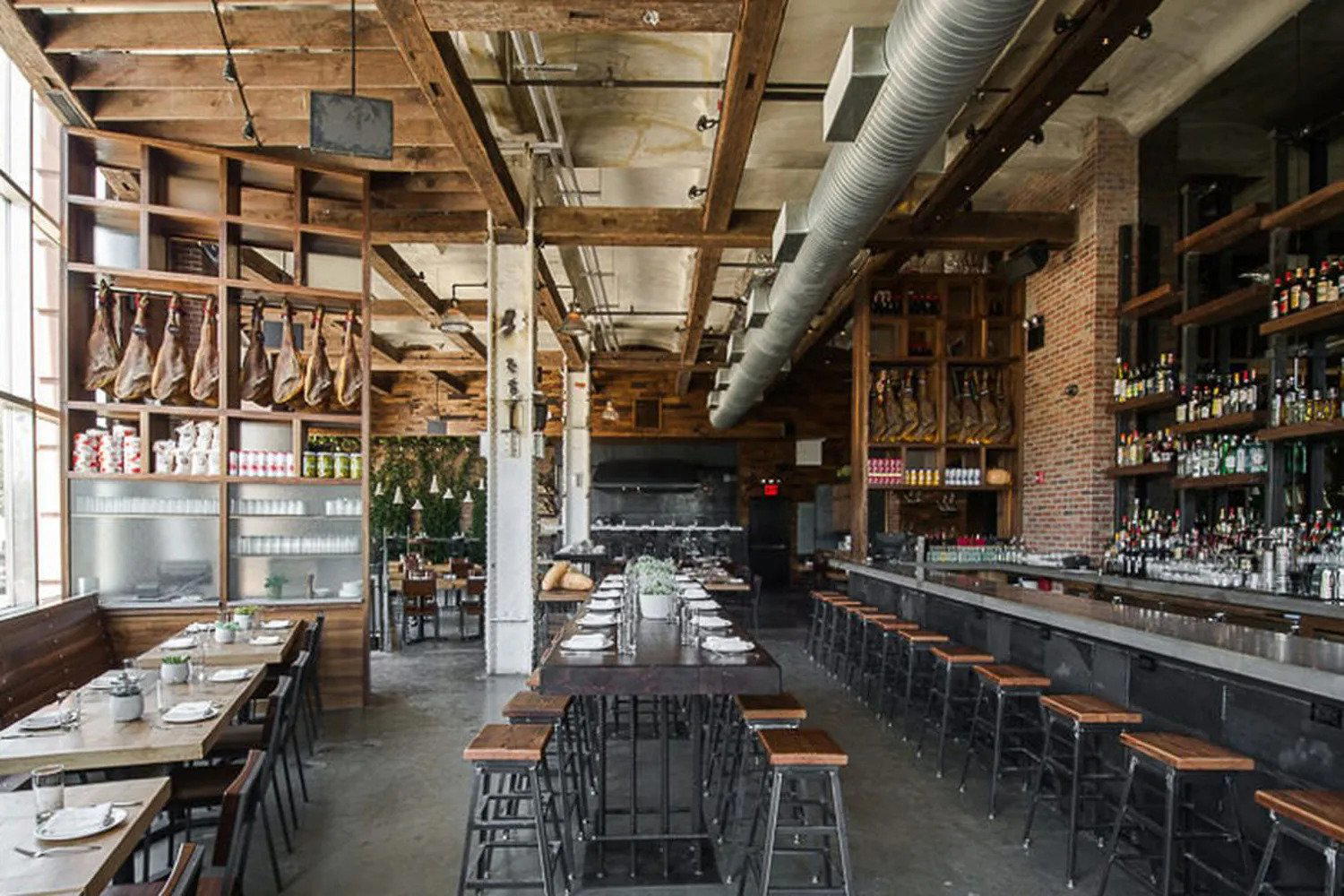
In the izakaya format, the bar is not an afterthought appended to a sushi operation. It is structural. The tradition descends from Japanese drinking culture, where the food exists to support extended drinking sessions rather than the reverse. What that means practically is that the bar program at a well-run izakaya should carry weight: Japanese whisky, shochu, sake by the carafe, and ideally cocktails that reference Japanese ingredients or techniques rather than defaulting to generic spirits lists.
In cities with mature Japanese bar programs, think of Kumiko in Chicago, where the Japanese spirits canon is applied with real technical discipline, or Bar Leather Apron in Honolulu, which operates in a Pacific-adjacent tradition with precision and restraint, the bartender's craft is the primary editorial subject. At the suburban izakaya level, the ambition is typically lower but the hospitality role is proportionally greater. The person behind the bar at a neighborhood izakaya carries the evening's social temperature: pacing the drinks against the food, reading which table wants to linger and which is in for a quick meal before a movie.
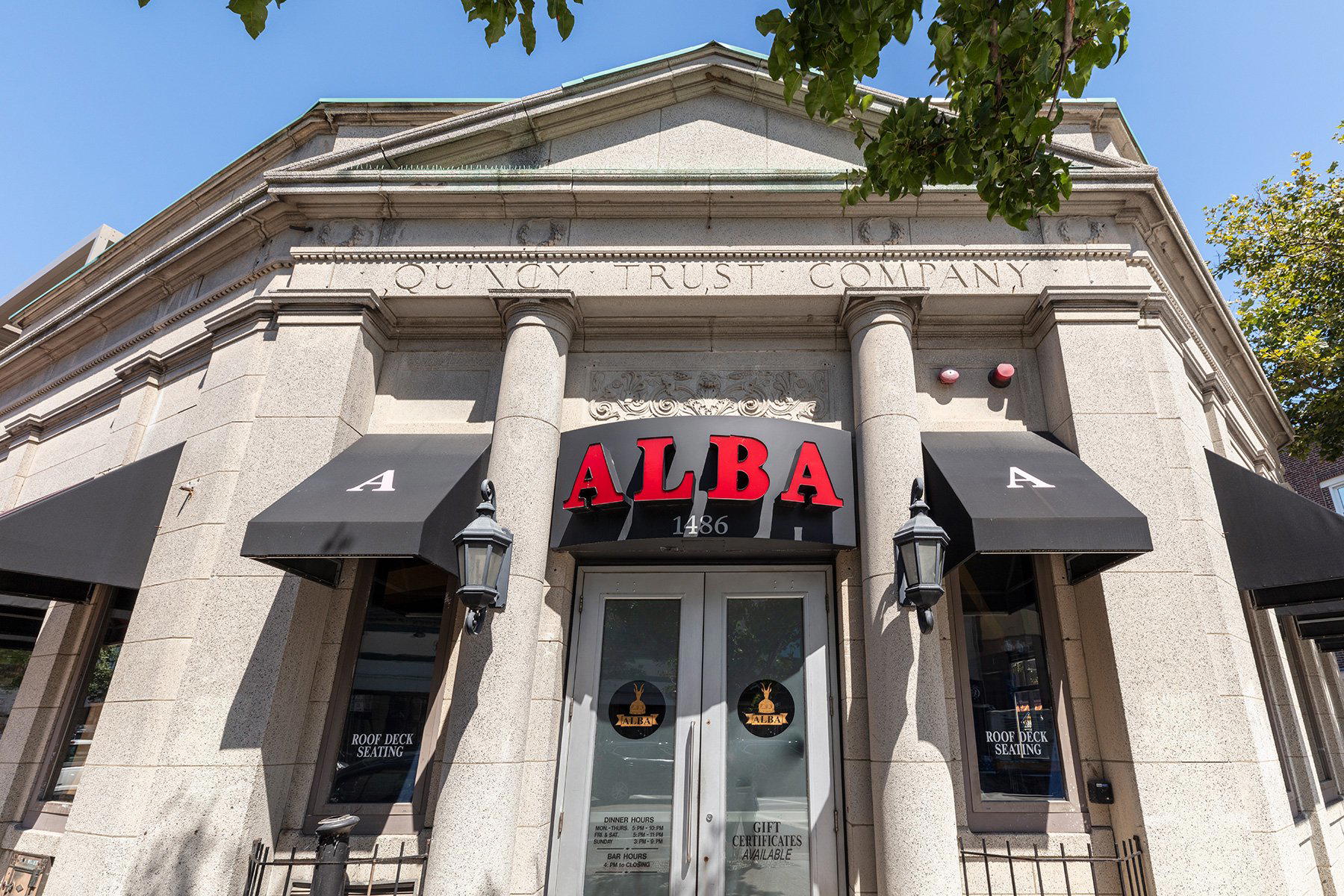
Alba Restaurant and Dotty's Kitchen and Raw Bar both run bar menus oriented toward their primary cuisine rather than toward a standalone cocktail identity. Pearl and Lime takes a more Latin-leaning approach. Cathay Pacific operates in a different register entirely. Against that local backdrop, an izakaya with a thoughtful Japanese spirits selection represents a distinct niche.
The Sushi Counter as Secondary Stage
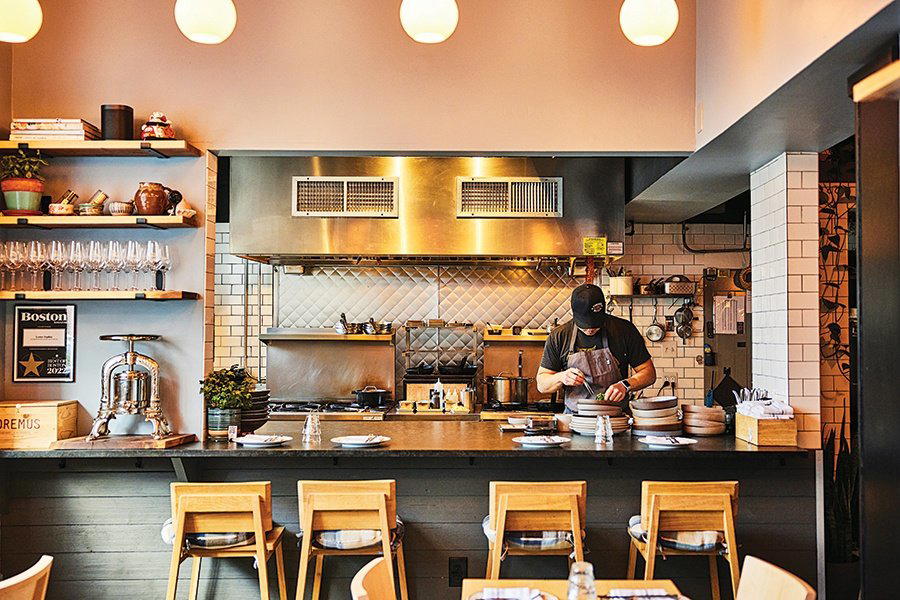
In the izakaya hierarchy, the sushi counter functions differently from a dedicated omakase room. At venues like those in Ginza or the handful of serious omakase operations that have opened in Greater Boston, the counter is the entire point: a ceremonial space where a single chef controls every variable. At an izakaya, the sushi station is one station among several, and the fish is typically ordered a la carte or in sets rather than as a chef-driven progression.
That format suits certain dining situations better than omakase does. Groups that want to split a sashimi plate while someone else orders ramen, a round of highballs while waiting for skewers to come off the grill, this is what the izakaya model is engineered for. It also means that the bar at Ōmori is not in competition with the sushi counter but in collaboration with it, which is the correct structural relationship in the tradition.
For context on how Japanese-influenced bar programs are evolving at the national level, programs like Superbueno in New York City, Jewel of the South in New Orleans, and Julep in Houston all demonstrate how regional bar identities develop their own technical languages over time. The izakaya bar sits in a different tradition from those, but the underlying principle is the same: a coherent hospitality philosophy executed consistently, evening after evening.
Placing Ōmori in the Quincy Dining Pattern
Quincy's dining scene has expanded in range over the past five years without fundamentally restructuring its character. It remains a neighborhood city rather than a culinary destination, which means the restaurants that work here are the ones that earn genuine repeat business from local diners rather than destination traffic from Boston. The izakaya format is well-suited to that dynamic: it is designed for regulars, for people who come back on a Tuesday for a carafe of sake and a couple of plates rather than for special-occasion dining.
Venues on Foster Street and the surrounding blocks serve a population that spans the older South Shore demographic and the younger, more diverse population that has moved into Quincy over the past decade. An izakaya that executes cleanly, fresh fish, a working sake and spirits program, staff who understand the pacing, finds a natural audience in that mix. The format does not require a destination customer; it requires a neighborhood that drinks and eats in the way izakayas are built for.
At the national craft bar level, ABV in San Francisco and The Parlour in Frankfurt represent what focused, philosophy-driven bar programs look like when they reach a certain maturity, useful reference points for understanding where the ambition ceiling sits in the broader bar world, even at a significant remove from a South Shore izakaya.
Planning a Visit
Ōmori Izakaya and Sushi is at 11 Foster Street in Quincy, Massachusetts. Current hours are Mon to Thu 11:30 AM to 9:30 PM, Fri and Sat 11:30 AM to 10:30 PM, and Sun 12 PM to 9:30 PM. It is walk-in friendly. The izakaya format generally accommodates walk-ins more readily than dedicated sushi counters do, but weekend evenings at any venue in this category tend to fill earlier than the format's casual reputation suggests. Arriving before peak service is the practical hedge for those without a reservation.
The Short List
Comparable venues nearby, for context on price, style, and recognition.
| Venue | Cuisine | Price | Notes |
|---|---|---|---|
| Ōmori Izakaya and Sushi ( Quincy )This venue — the venue you are viewing | $$ | ||
| Alba Restaurant | lounge | $$$ | |
| ROYAL HOTPOT KOREAN BBQ SUSHI & BAR | Quincy, Bar | $$$ | |
| Cathay Pacific | Quincy, lounge | $$ | |
| Dotty's Kitchen & Raw Bar | $$$ | cocktail_bar | |
| Pearl & Lime | Quincy Center, Modern Mexican Taqueria | $$ |
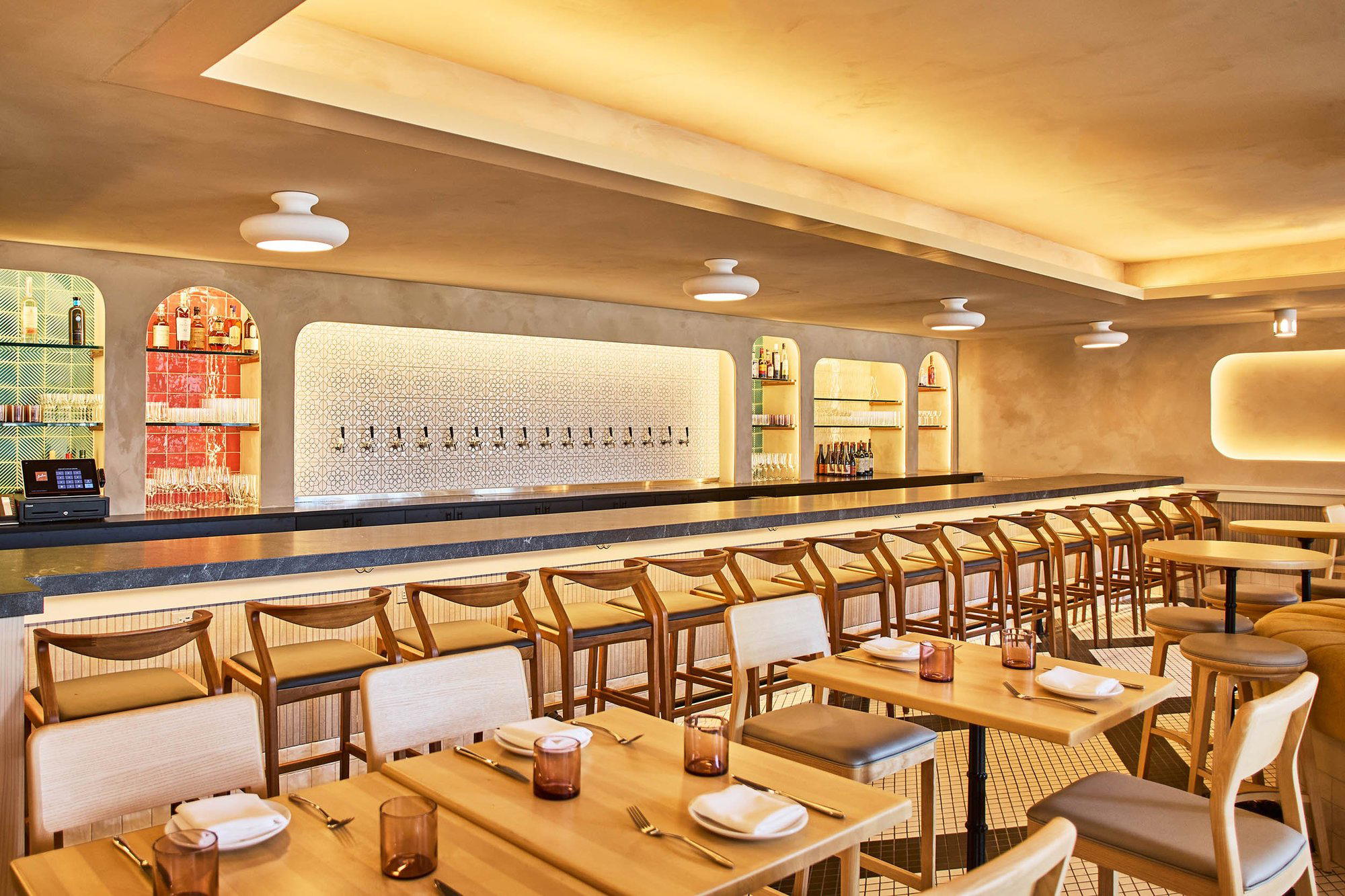
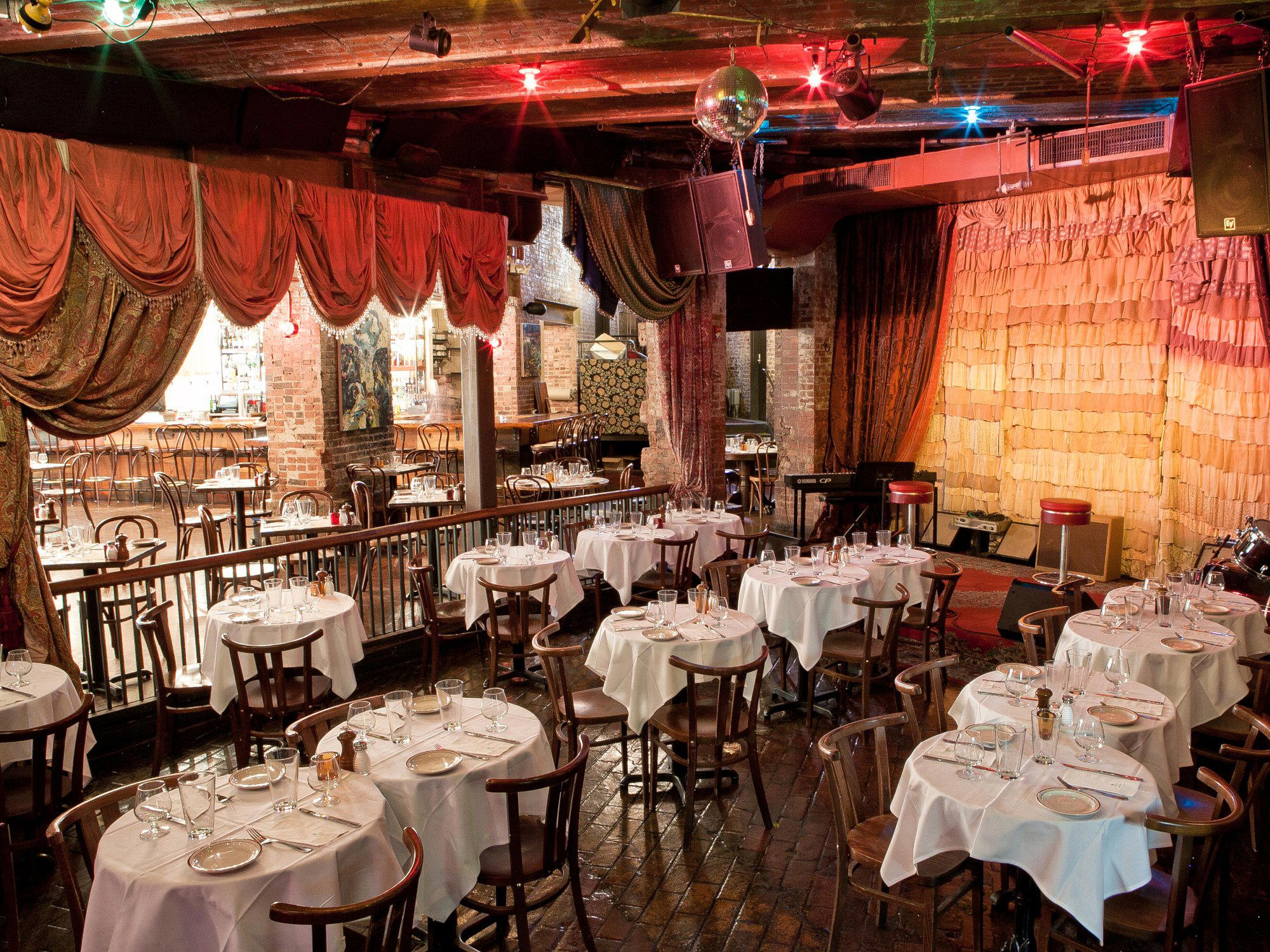
At a Glance
- Lively
- Cozy
- After Work
- Group Outing
- Casual Hangout
- Standalone
- Seated Bar
- Communal Tables
- Sake
Casual and welcoming izakaya atmosphere with complimentary starters and affordable draft beers.