New Dim Sum Kingdom
On Race Street in Philadelphia's Chinatown, New Dim Sum Kingdom occupies a stretch of the city where Cantonese tradition runs deep and the format speaks for itself. The venue draws a cross-section of the neighborhood's regulars and visitors seeking the push-cart rhythm and layered flavors of classic dim sum service. It sits within one of the East Coast's more concentrated Cantonese dining corridors.

Pearl is the En Primeur Club membership app — saves, bookings, and concierge access live there. Same editors, same standards.
- Address
- 1020 Race St, Philadelphia, PA 19107
- Phone
- (215) 550-6005
- Hours
- Mon–Thu 11 AM–10 PMFri–Sat 11 AM–11 PMSun 11 AM–10 PM
- Website
- newdimsumkingdom.com
- Directions
- Get directions
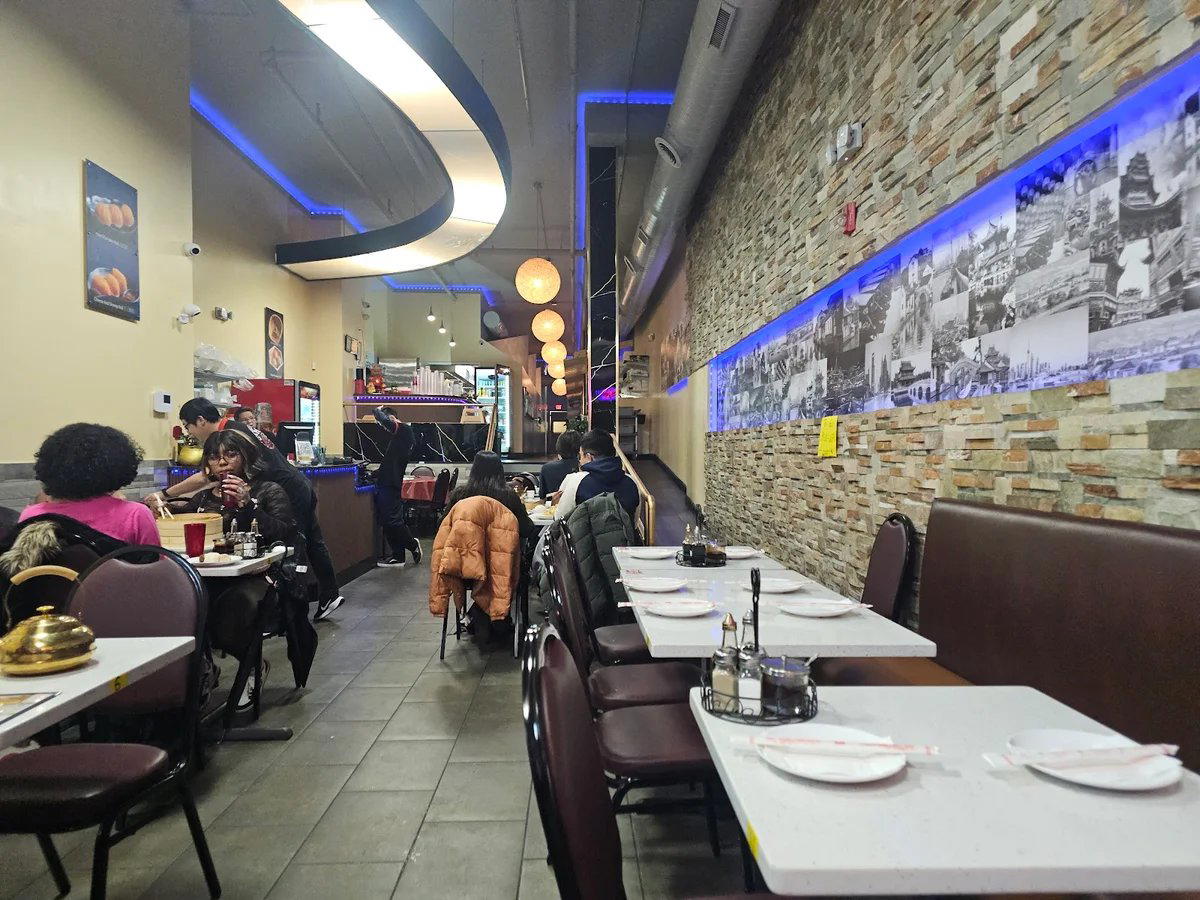
Race Street and the Cantonese Dining Corridor
Philadelphia's Chinatown is one of the older and more geographically compact Chinese-American communities on the East Coast. Concentrated along and around Race Street between 9th and 11th, the neighborhood has resisted the dispersal that redevelopment has imposed on Chinatowns in other American cities. That density matters: it sustains a critical mass of Cantonese-leaning kitchens, specialty grocers, and the kind of daily foot traffic that keeps dim sum culture viable outside of a weekend-only format. New Dim Sum Kingdom at 1020 Race Street sits directly inside this corridor, where the category has both its most loyal customer base and its most demanding comparison set.
Dim sum as a format is worth understanding on its own terms before assessing any individual venue. The tradition descends from Cantonese yum cha, the practice of drinking tea accompanied by small dishes, which became formalized in teahouses along southern China's trade routes. The dishes themselves, ranging from har gow and siu mai to turnip cake and cheung fun, are not appetizers in the Western sense. They are a parallel cuisine, shaped by steaming, frying, and folding techniques that take years to execute at the level regular customers expect. In American Chinatowns, the push-cart model, where servers wheel laden carts through a dining room and guests flag what they want, remains the most theatrical and communal expression of that tradition, though table-order formats have gained ground in urban markets where kitchen labor costs and tablespace economics make carts less practical.
What the Room Signals
A dim sum room in full service carries a specific sensory register: the clatter of bamboo steamers stacking on carts, the ambient bilingualism of tables where Cantonese and English overlap, the pace of a meal structured not around courses but around attention and appetite. The format rewards groups. A party of four can work through a broader selection than a pair, and a table of eight can cover most of a kitchen's repertoire in a single sitting. This is not incidental to the social logic of the cuisine. Dim sum was historically a morning-into-afternoon ritual, a reason to gather, and the communal plate structure reinforces that. In Philadelphia's Chinatown, these meals often extend across multiple generations at the same table, which is part of what distinguishes the neighborhood's dim sum scene from the more tourist-oriented versions in cities where the tradition has been repackaged for broader audiences.
New Dim Sum Kingdom operates within that established neighborhood context rather than outside it. The Race Street address places it among venues that serve a largely local and community-connected clientele alongside visitors who seek out the neighborhood specifically for this kind of cooking.
Cantonese Technique and the Dim Sum Standard
The benchmark for dim sum quality in a serious Cantonese kitchen is largely a question of execution. Har gow wrappers should be thin enough to be translucent but sturdy enough not to tear when lifted with chopsticks. Siu mai should hold their shape with clean pork and shrimp fill, not dense or gummy from overworked protein. Turnip cake, a preparation that varies significantly kitchen to kitchen, is a reliable indicator of how a kitchen handles fermented and cured components alongside fresh. Cheung fun, rice noodle rolls wrapped around shrimp, beef, or char siu, depend on the freshness and texture of the noodle sheet itself. These are not dramatic or photogenic preparations. They are the building blocks of a tradition, and their consistent execution is what earns a dim sum kitchen its regulars.
In the broader American dim sum market, Philadelphia's Chinatown occupies a mid-tier position relative to the sheer scale of New York's Flushing and Manhattan operations or the banquet-hall culture of San Francisco's Richmond District. What it has instead is a neighborhood cohesion and a customer base that maintains standards through repetition and expectation. Venues here tend to be judged by the community they serve, which is a different and often more rigorous form of accountability than critical awards.
Drinking in a Dim Sum Context
Tea is the default and traditional pairing for dim sum, and the choice of tea matters more than it is often credited. Pu-erh, a fermented and aged tea from Yunnan province, is the conventional dim sum accompaniment. Its earthy, slightly bitter profile cuts through the fat in dumplings and char siu and aids digestion across a long, multi-dish meal. Jasmine and chrysanthemum teas are lighter alternatives, with jasmine offering floral fragrance and chrysanthemum a subtly sweet, cooling quality that works well with fried preparations. In most Chinatown dim sum rooms, tea is ordered at the start and replenished throughout the meal, often for a flat per-person charge. If you're looking for something beyond tea in the Philadelphia area, the city has a developed bar scene with options across several neighborhoods. 12 Steps Down operates a direct neighborhood bar format, while 1501 Passyunk Ave and 48 Record Bar each bring distinct programming to their respective corridors. For something closer to Japanese-influenced cocktail work, 637 Philly Sushi Club is a nearby reference point. Further afield, Kumiko in Chicago and Bar Leather Apron in Honolulu both represent serious cocktail programs worth noting for traveling drinkers, alongside Jewel of the South in New Orleans, Julep in Houston, Superbueno in New York City, ABV in San Francisco, and The Parlour in Frankfurt on the Main.
Planning Your Visit
Dim sum service in most Chinatown venues follows a compressed window, typically from mid-morning through early afternoon, with peak demand on weekend mornings when families fill tables and wait times extend accordingly. Weekday visits offer a quieter room and shorter waits without meaningful sacrifice in menu scope. Groups of four or more will get considerably more range from the kitchen than a two-person order. For a broader sense of what the Philadelphia dining scene offers across neighborhoods and formats, see our full Philadelphia restaurants guide.
Do they take walk-ins at New Dim Sum Kingdom?
Dim sum venues in Philadelphia's Chinatown generally operate on a walk-in basis, particularly during weekday service. Weekend mornings see the heaviest demand across the neighborhood, and waits are common at most venues in that window. No reservations system or booking contact is currently listed for New Dim Sum Kingdom. Arriving before peak service on weekends or visiting on a weekday morning will reduce wait time.
When does New Dim Sum Kingdom make the most sense to choose?
If you are in Philadelphia with a group of three or more and want a mid-morning to early-afternoon meal that covers a wide range of Cantonese small plates in a single sitting, dim sum on Race Street is the natural choice. New Dim Sum Kingdom sits in the neighborhood's established corridor, making it accessible for visitors already exploring Chinatown. It is a less obvious fit for a two-person dinner or a late-evening visit, formats that sit outside the traditional dim sum structure.
How does New Dim Sum Kingdom fit into Philadelphia's broader Chinatown dining scene?
Philadelphia's Chinatown is geographically compact but culinarily serious, with a customer base that evaluates Cantonese cooking against decades of neighborhood expectation rather than tourist-facing standards. That positioning means the venue competes on consistency and community trust rather than novelty or critical accolades.
Recognition, Side-by-Side
Comparable venues nearby, for context on price, style, and recognition.
| Venue | Cuisine | Price | Notes |
|---|---|---|---|
| New Dim Sum KingdomThis venue — the venue you are viewing | Bar | Not listed | Not listed |
| Fitz on 4th | cocktail_bar | Not listed | Tattoo Alley |
| Solar Myth | wine_bar | $20–30 | Passyunk Square |
| The Dutch | lounge | $20–30 | Passyunk Square |
| Saint Benjamin Brewing Company | beer_bar | Not listed | West Kensington |
| Poison Heart | cocktail_bar | $10–20 | West Poplar |
Continue exploring
More in Philadelphia
Bars in Philadelphia
Browse all →
Restaurants in Philadelphia
Browse all →
Details
- Casual Hangout
Current opening hours
- Monday
- 11 AM–10 PM
- Tuesday
- 11 AM–10 PM
- Wednesday
- 11 AM–10 PM
- Thursday
- 11 AM–10 PM
- Friday
- 11 AM–11 PM
- Saturday
- 11 AM–11 PM
- Sunday
- 11 AM–10 PM
Hours can change for holidays and private events. Last verified .
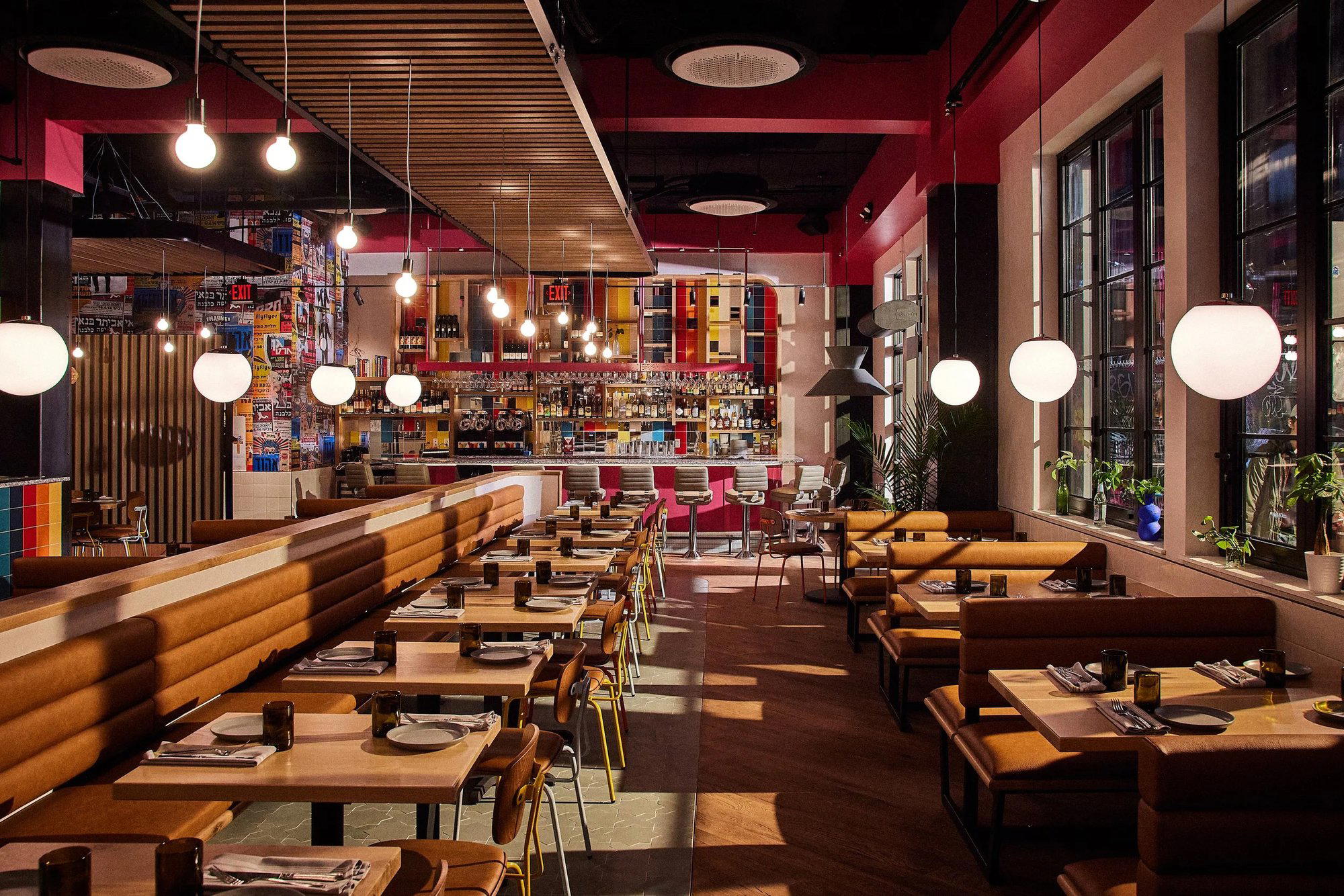
Casual and lively dim sum restaurant atmosphere.