Poison Heart
Poison Heart occupies a corner of Spring Garden Street where Philadelphia's bar scene leans toward the specific and the considered. The room rewards the kind of drinker who wants something beyond the obvious, placing it in a tier of North Philadelphia addresses where the beverage program carries the editorial weight. Think carefully curated pours, a low-key physical environment, and the particular satisfaction of a room that knows what it is.
Pearl is the En Primeur Club membership app — saves, bookings, and concierge access live there. Same editors, same standards.
- Address
- 931 Spring Garden St, Philadelphia, PA 19123
- Website
- poisonheartbar.com
- Directions
- Get directions
 Saves & bookings on Pearl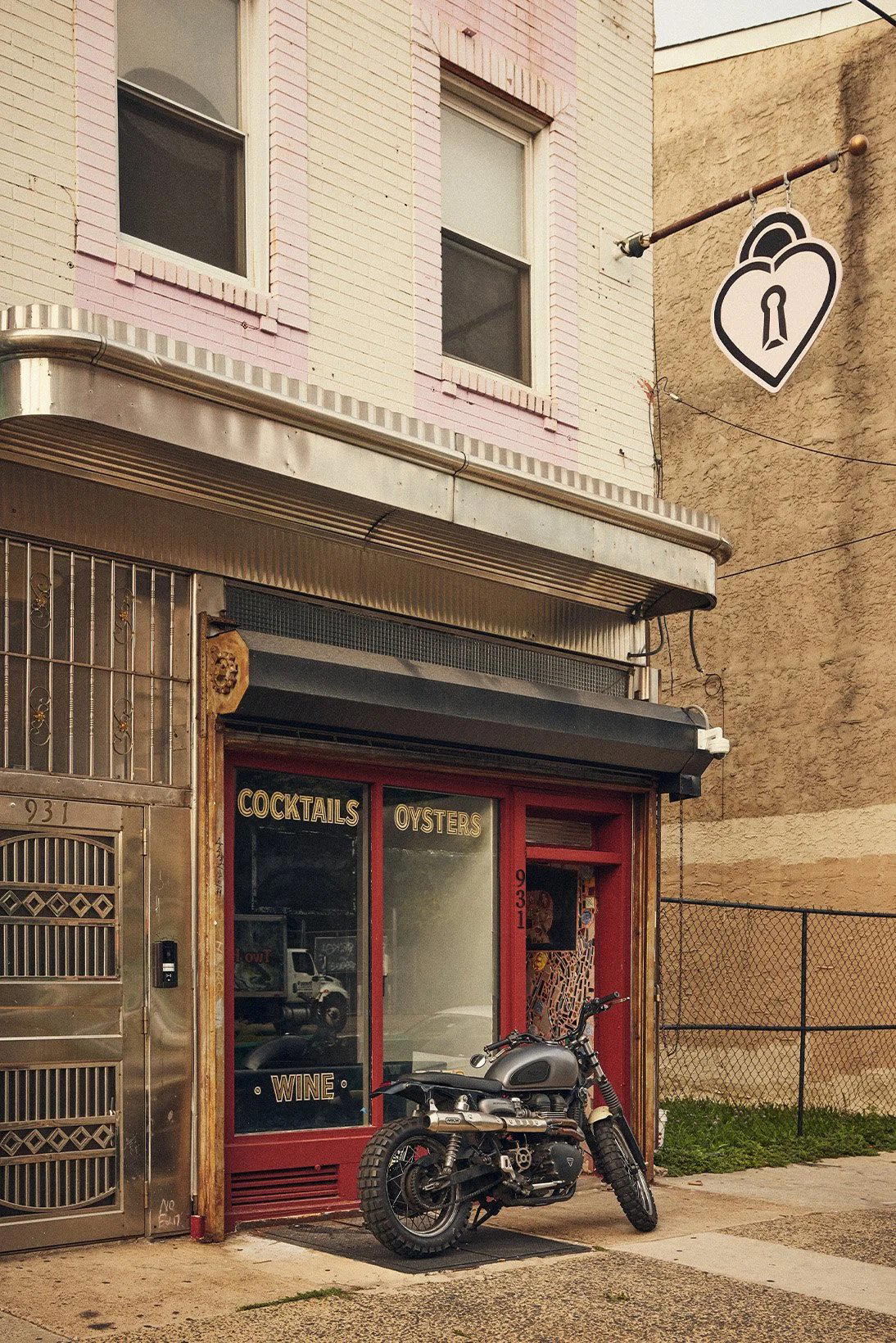
Spring Garden and the North Philly Bar Shift
Poison Heart is a bar at 931 Spring Garden St, Philadelphia, PA 19123, known for an editorial drink program and a low-profile room that rewards the serious drinker. On one side: the high-volume, high-concept spaces that opened in the wake of the city's hospitality expansion, drawing on national trends and borrowing formats from New York and Chicago. On the other: the smaller, more address-specific rooms that took root in neighborhoods like Spring Garden, Callowhill, and Fishtown, where the bar's relationship to its block matters as much as the menu. Poison Heart, at 931 Spring Garden Street, belongs to the second category.
Spring Garden itself is a corridor that has changed faster than the city's tourism infrastructure has kept pace with. It connects the denser residential grid to the south with the industrial-to-residential conversion zones to the north, and the bars that have taken hold here tend to reflect that transitional character: neither the polished approachability of Rittenhouse nor the deliberate edge of East Passyunk, but something in between. For the drinker who has already worked through the obvious Philly itinerary, Spring Garden represents the more granular next step.
The Room and What It Signals
Approaching Poison Heart from the street, the physical posture is immediate: this is not a room that performs for passersby. The exterior does not announce itself with the kind of signage that reads as invitation to the uncommitted. Bars that rely on foot traffic and casual drop-ins occupy a different tier than those that depend on the drinker making a specific choice to be there.
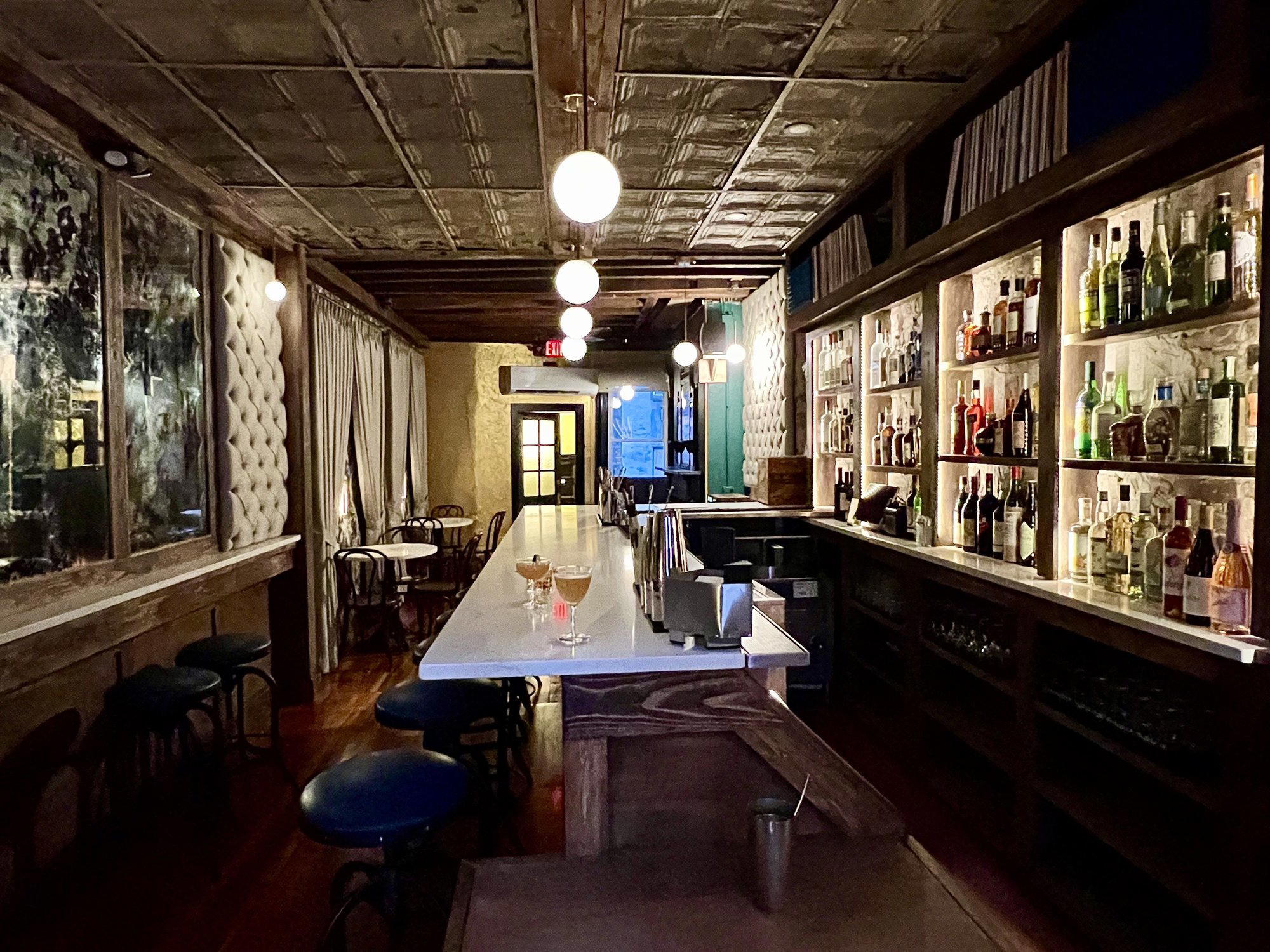
Inside, the environment tends toward the kind of density that comes from accumulation rather than interior design: the sense that the room has developed its own character through use rather than through a pre-opening aesthetic brief. That quality, rare enough in a city where hospitality groups tend to apply consistent finish levels across their portfolio, places the bar in a comparable set that includes 12 Steps Down on Christian Street and the more deliberately programmed 48 Record Bar in West Philly. The comparison is instructive: each of these rooms builds its identity around something specific, whether that's the vinyl selection, the depth of the whiskey list, or the room's relationship to a particular neighborhood.
The Beverage Program: Curation as Editorial Stance
In bars at this level of specificity, the drink list functions less as a menu and more as a point of view. The question for the serious drinker is not whether the cocktails are competent, that's a floor, not a ceiling, but what the selection reveals about how the program was built. Philadelphia's more considered bars have generally moved away from the novelty-driven format that dominated the early craft cocktail period, toward programs where the choice of base spirits, the sourcing of modifiers, and the treatment of classic templates all communicate a coherent position.
Nationally, bars that operate in this register, places like Kumiko in Chicago, which built a program around Japanese whisky and liqueur depth, or Jewel of the South in New Orleans, where the historical reference point is the pre-Prohibition American bar, use the drink list to make an argument about what drinking well means in their city and moment. Bar Leather Apron in Honolulu and ABV in San Francisco operate on similar principles: the program has a thesis, and the individual drinks are evidence for it. The more interesting question for the bar is where it places itself within Philadelphia's own version of that argument.
1501 Passyunk Ave approaches its program through a neighborhood-bar lens with a wine-forward sensibility. 637 Philly Sushi Club pairs its beverage program to a specific food concept, which changes the logic of what's on the list. The bar does not operate inside either of those frameworks: the room's identity is its own, and the drink program reflects that self-containment.
For context on how other cities are handling the specialist bar format, Julep in Houston built a program around Southern whiskey with a depth of selection that makes the list itself an educational instrument. Superbueno in New York City anchors its identity in Latin spirits and technique. The Parlour in Frankfurt shows how the specialist format translates across markets. Each of these bars succeeds by committing to a point of view rather than chasing breadth.
Where Poison Heart Sits in the Philadelphia Tier
Philadelphia has enough bar density now that the question of which room to spend an evening in has become genuinely editorial rather than logistical. The city's recognition on national and international cocktail lists has been building incrementally: individual bars have appeared in trade coverage, and the overall scene has developed enough critical mass that a serious drinker can build a multi-night itinerary without retreading ground. The bar represents the kind of address that serious drinkers tend to add once they've moved past the obvious reference points. It does not advertise itself toward that audience, which is, in the current environment, part of its appeal.
Spring Garden also matters practically. The neighborhood sits within reach of central Philadelphia but does not absorb the same foot traffic as Old City or Midtown Village. That separation is an advantage for the experience: the room operates at its own pace, on its own terms.
Know Before You Go
- Address: 931 Spring Garden St, Philadelphia, PA 19123
- Neighborhood: Spring Garden, North Philadelphia
- Phone: Not listed
- Website: Not listed
- Hours: Mon: Closed; Tue: 6 PM-12 AM; Wed: 6 PM-12 AM; Thu: 6 PM-12 AM; Fri: 6 PM-1 AM; Sat: 6 PM-1 AM; Sun: 5-9 PM
- Reservations: recommended
- Price range: $14 per person
- Nearest major cross-street: Spring Garden St at 9th/10th corridor
Just the Basics
Comparable venues nearby, for context on price, style, and recognition.
| Venue | Cuisine | Price | Notes |
|---|---|---|---|
| Poison HeartThis venue — the venue you are viewing | Not listed | $$ | Not listed |
| Bar Hygge | Not listed | $$ | Spring Garden, beer_bar |
| Yamitsuki | Market East, Bar | $$ | Not listed |
| Fitz on 4th | Not listed | $$ | Tattoo Alley, cocktail_bar |
| New Dim Sum Kingdom | Chinatown, Bar | $$ | Not listed |
| Underground Arts | Callowhill, lounge | $$ | Not listed |
Continue exploring
More in Philadelphia
Bars in Philadelphia
Browse all →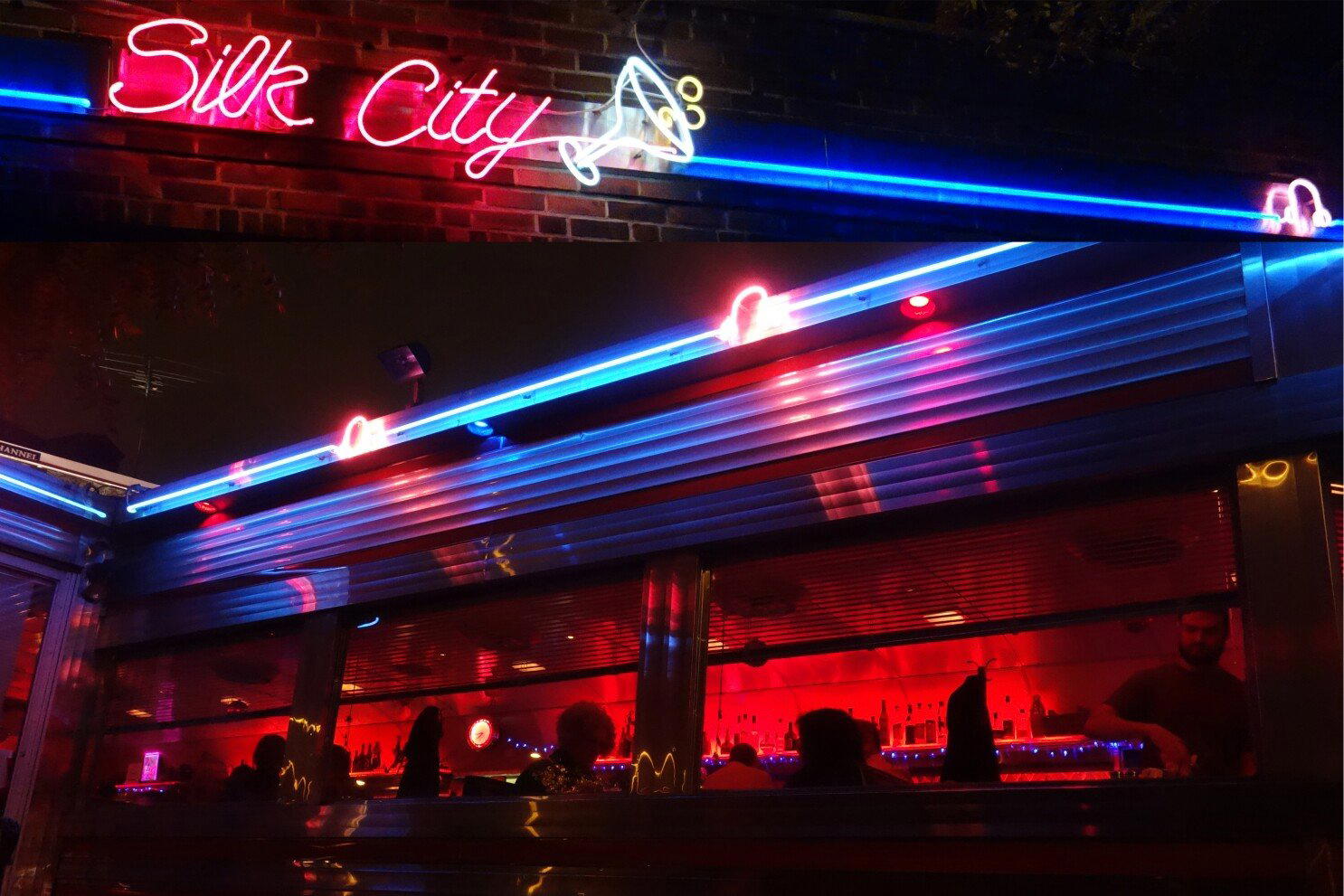
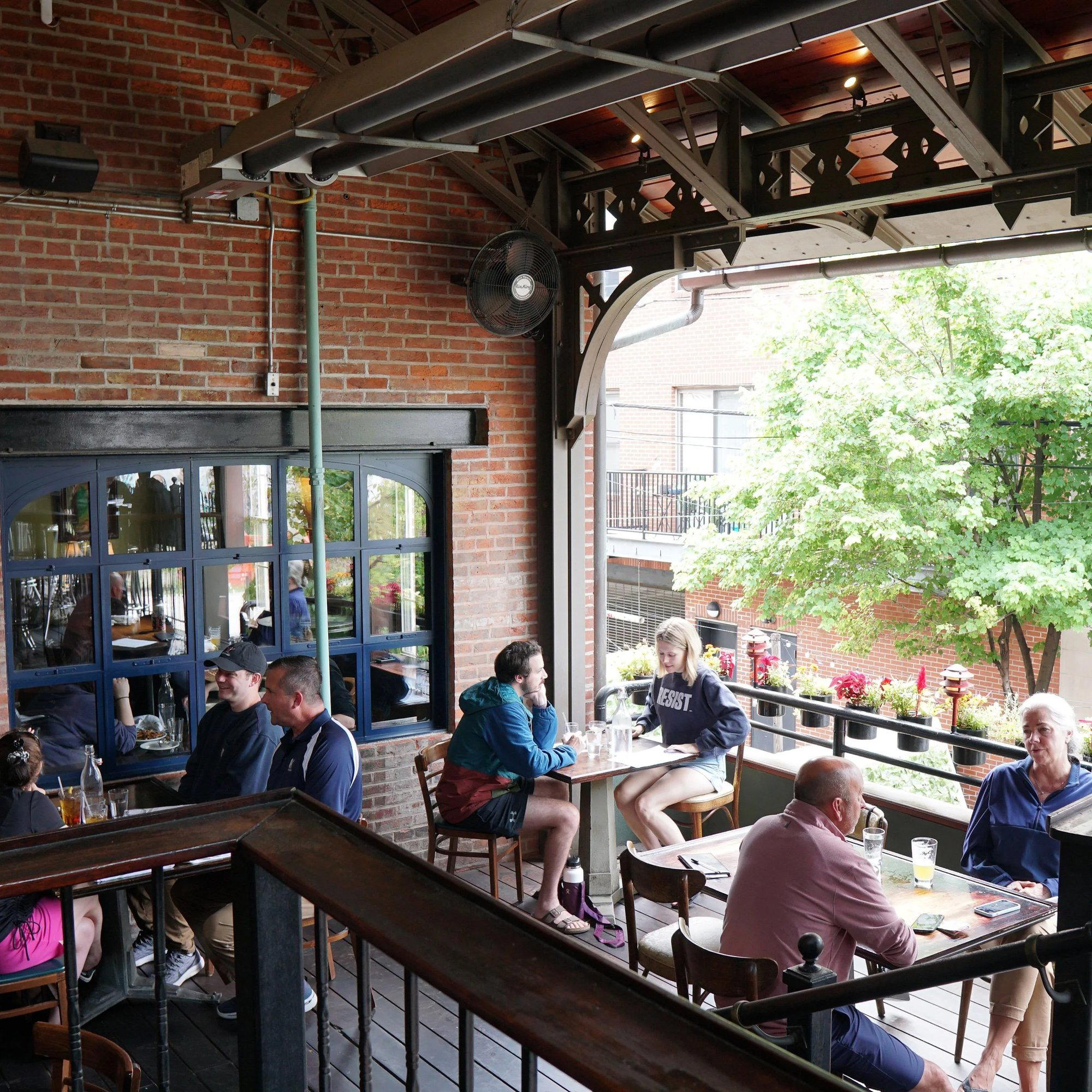
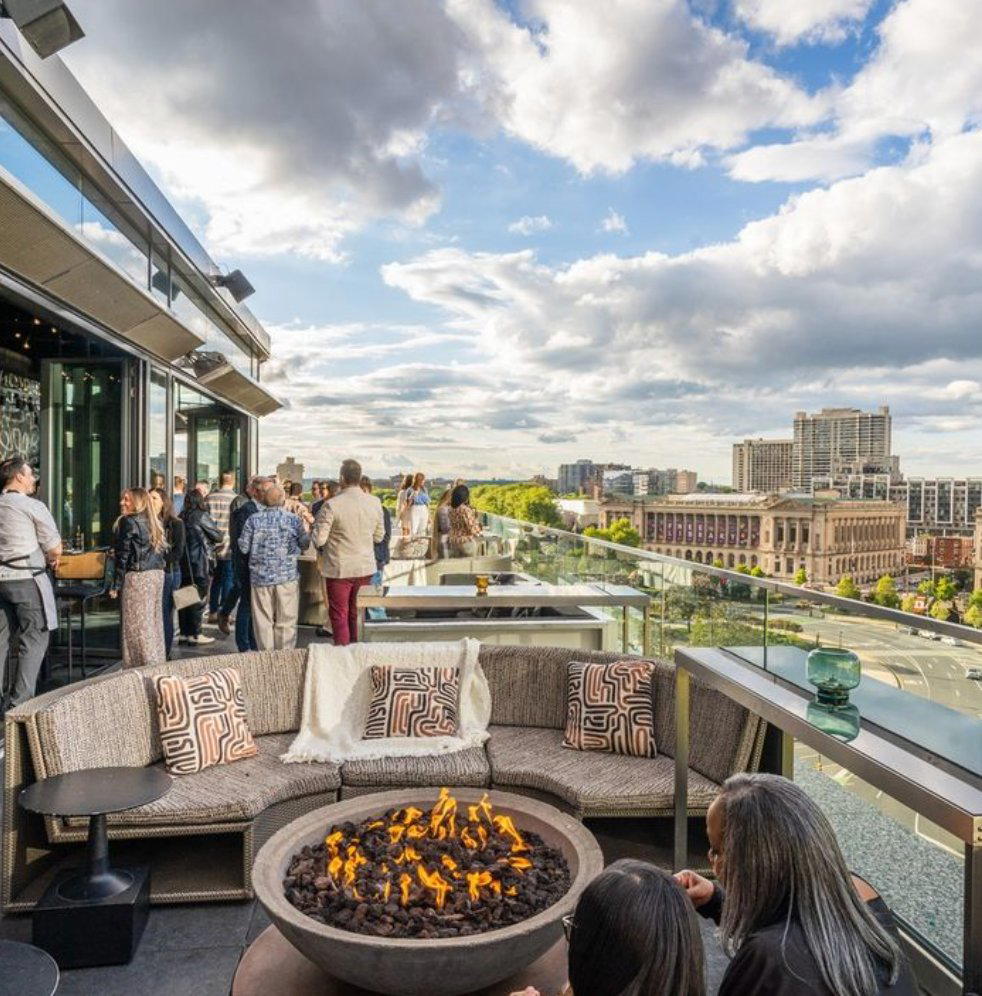
Restaurants in Philadelphia
Browse all →
At a Glance
- Cozy
- Trendy
- Intimate
- Energetic
- Date Night
- Late Night
- Casual Hangout
- Standalone
- Seated Bar
- Classic Cocktails
- Craft Cocktails
- Natural Wine
Current opening hours
- Monday
- Closed
- Tuesday
- 6 PM–12 AM
- Wednesday
- 6 PM–12 AM
- Thursday
- 6 PM–12 AM
- Friday
- 6 PM–1 AM
- Saturday
- 6 PM–1 AM
- Sunday
- 5–9 PM
Hours can change for holidays and private events. Last verified .
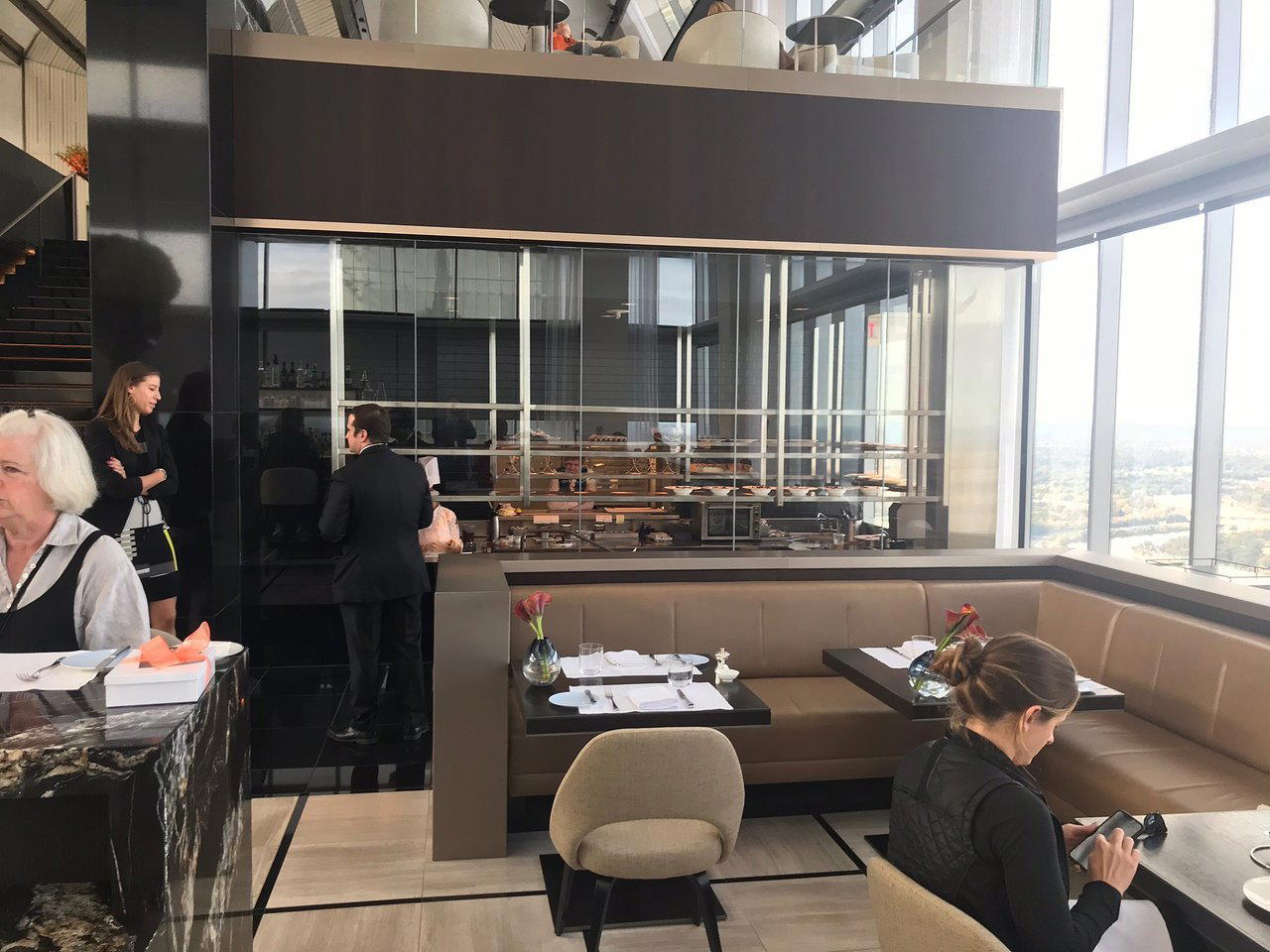
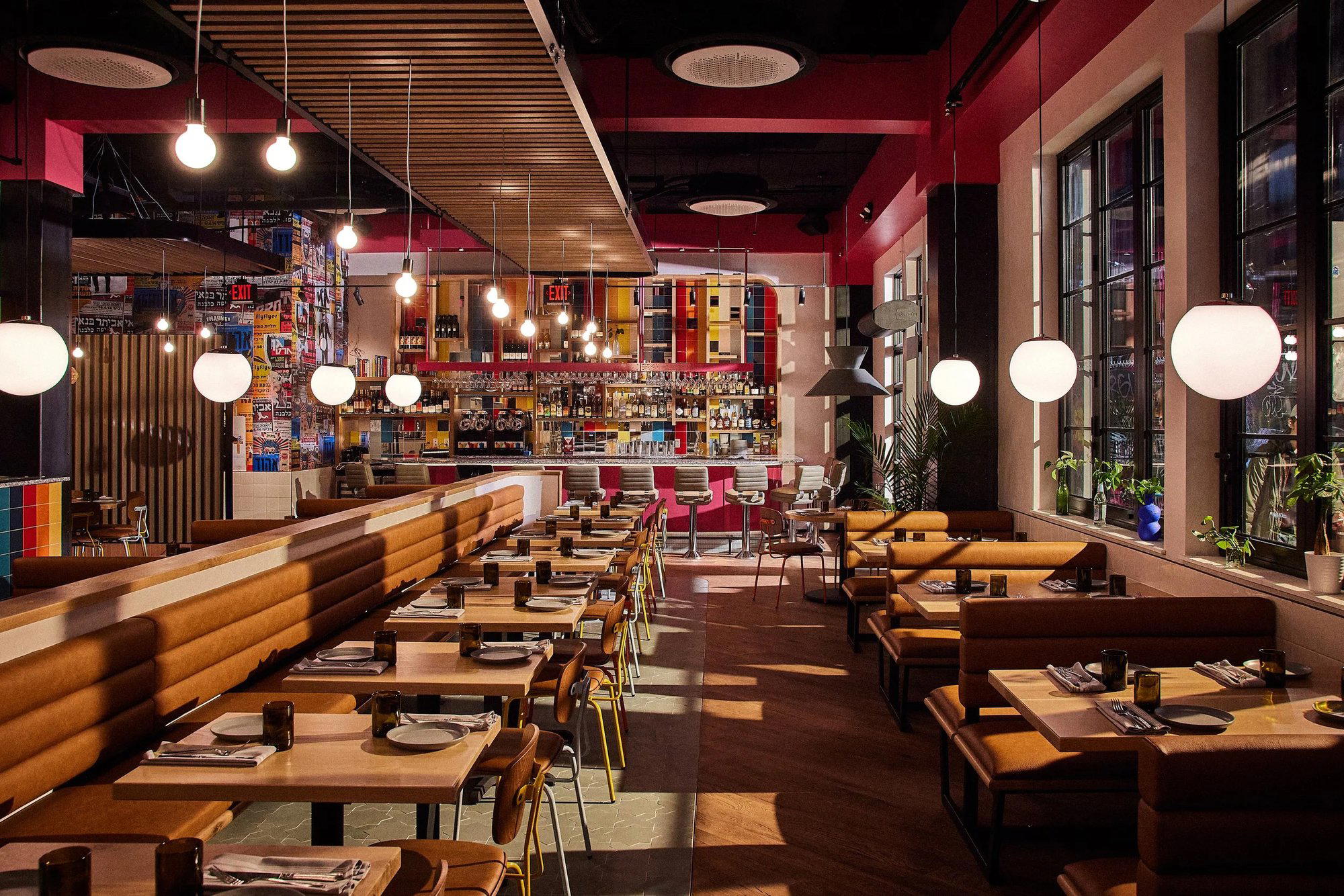
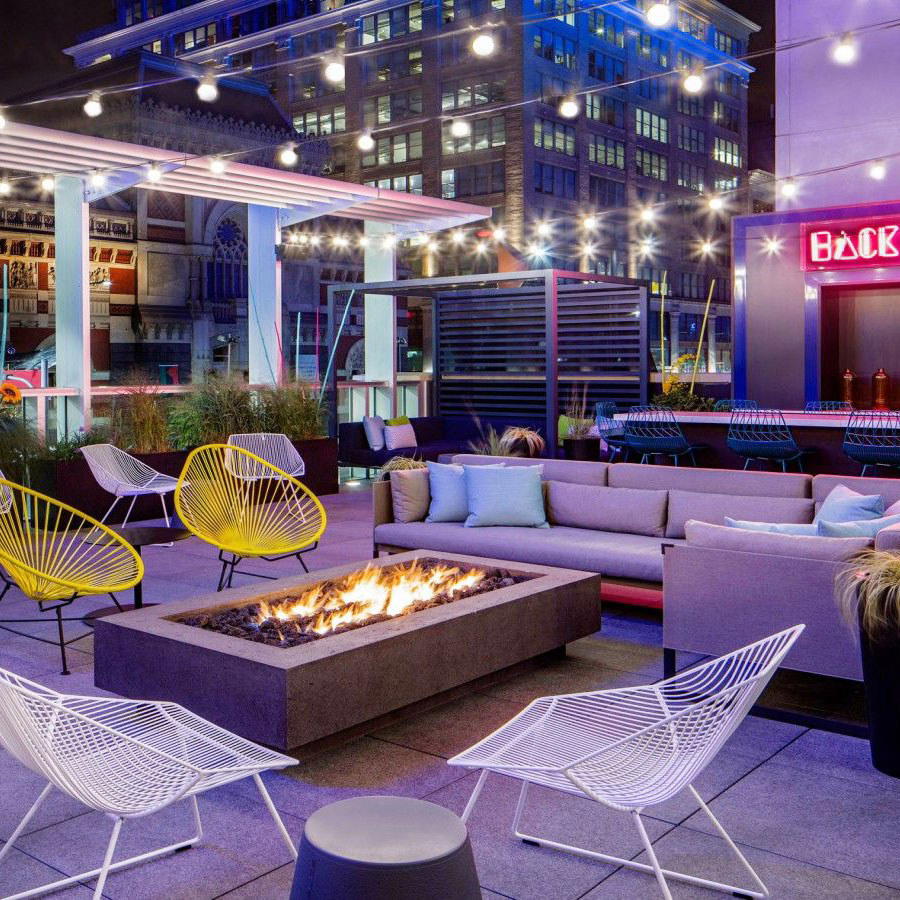
Cozy, dimly lit with deep red and black decor, neon lights, low lighting that's sultry and moody with a punk-fueled vibe.