Nara occupies a quiet stretch of Polk Street in San Francisco's Lower Russian Hill, positioning itself within the city's growing tier of bar programs that draw on Japanese precision and West Coast produce. The address places it between the Tenderloin's dive culture and Pacific Heights formality, a middle register that shapes both its menu ambition and its room tone.

Pearl is the En Primeur Club membership app — saves, bookings, and concierge access live there. Same editors, same standards.
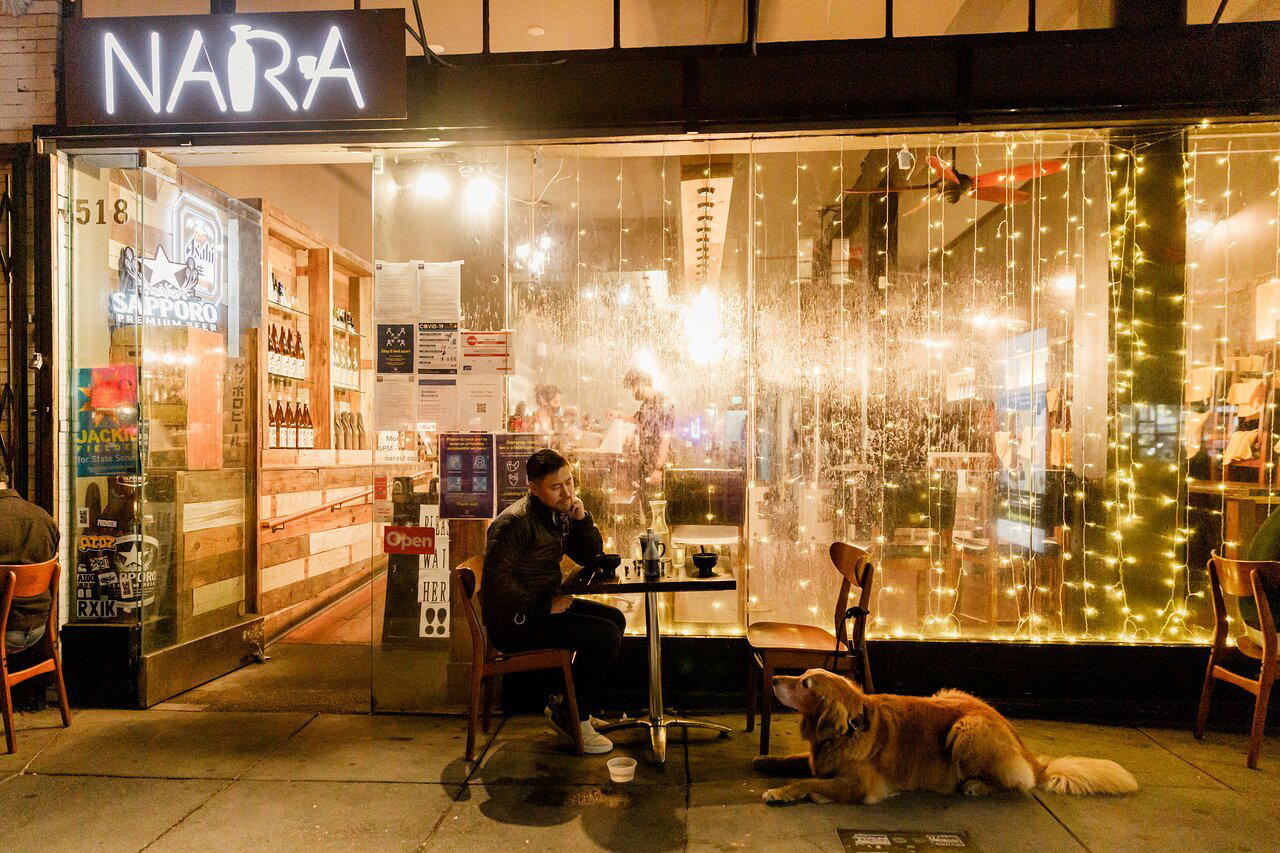
Polk Street and the Space Between Registers
San Francisco's bar geography has never been tidy. The stretch of Polk Street running through Lower Russian Hill sits in a genuine in-between zone: too residential for late-night volume, too close to the Tenderloin's density to read as purely neighborhood-local. That ambiguity has historically made Polk Street a corridor for bars that operate slightly outside the city's established cocktail circuits, attracting a clientele that prefers discovery over destination-seeking. Nara, at 1515 Polk, occupies that position. Its address alone signals something about its intended register.
San Francisco's serious cocktail scene has consolidated around a handful of identifiable poles. On the technical end, programs like ABV and Pacific Cocktail Haven have built national reputations on documented craft credentials. On the immersive end, Smuggler's Cove runs one of the country's most thoroughly researched rum programs, with a library that spans hundreds of expressions. Between those poles, a smaller cohort of bars has emerged that prioritizes mood and restraint over volume or spectacle. Nara belongs to that cohort, which in San Francisco remains the least crowded competitive tier.
Daytime Polk Street vs. After Dark
The editorial angle that matters most for Nara is the one that applies to the whole stretch it occupies: the difference between what Polk Street offers at lunch and what it offers after nine. The neighborhood shifts register twice a day, and bars that read that shift well tend to find a more durable audience than those that optimize for one mode.
In the daytime, Lower Russian Hill runs slow. The foot traffic is residential and purposeful, not browsing. A bar that opens early on this block is making a specific argument about its identity: it is not primarily a nightlife venue, it is a room with a program that holds up in daylight. That argument is harder to sustain than it sounds. Cocktail menus designed for evening drinking rarely translate well to a 1pm sitting. The ingredients that work under low light and louder ambient noise can read as overwrought in an afternoon room. Bars that succeed across both dayparts tend to build menus with a wider tonal range, or shift the offer deliberately between service periods.
Evening on Polk brings a different test. The neighborhood's bar density means that a room without a clear hook loses foot traffic to blocks with stronger gravitational pull, particularly the stretch closer to Broadway or the Mission's saturated cocktail corridor. Bars in this middle zone either build a loyal walk-in culture through repeat neighborhood visits, or they develop enough of a destination reputation to pull guests from outside the immediate area. Both strategies require a program that gives people a reason to return, not just a reason to try once.
Comparable bars in other American cities that have managed this daytime-to-evening range include Kumiko in Chicago, which runs a Japanese-influenced spirits program across both casual and formal registers, and Jewel of the South in New Orleans, where the afternoon service draws a different audience than the late evening without the menu changing substantially. The lesson from both: the room's visual and acoustic character matters as much as the menu in determining whether a bar holds across dayparts.
Where Nara Sits in the Wider Circuit
The city's recognized programs cluster in SoMa, the Mission, and Hayes Valley. A Polk Street address sits outside those clusters, which means Nara functions less as a stop on a planned crawl and more as a deliberate destination, or a neighborhood anchor for the Russian Hill and Nob Hill residential base.
That positioning is not a disadvantage. Bars that sit outside the recognized circuits often hold a more stable local audience than those inside them. The trade-off is reduced walk-in volume from visiting guests who follow published itineraries. For a bar operating in the quieter Polk Street register, the calculus tends to favor depth of relationship with regulars over breadth of tourist exposure. That is a defensible position in a city where bar turnover in the high-traffic zones runs high.
For visitors building a San Francisco bar program across multiple nights, the logical pairing would be to anchor one evening in the Mission or SoMa circuit — Friends and Family fits that slot — and reserve a separate night for the Polk Street corridor. It is a different tempo, and comparing the two directly tells you more about the city's range than visiting either in isolation.
Nationally, Polk Street-style residential bar programs have counterparts in cities like Houston, where Julep operates as a neighborhood anchor with a documented spirits focus, and Washington D.C. where Allegory sits inside a hotel but maintains a program identity that functions independently of its address. In New York, Superbueno has demonstrated that a bar outside the recognized cocktail circuits can build a strong reputation on program specificity alone. The pattern across those examples is consistent: bars that don't rely on neighborhood foot traffic tend to develop more deliberate programs, because they have to earn each visit.
Further afield, the same residential bar dynamic appears in cities with different cocktail traditions: Bar Leather Apron in Honolulu and The Parlour in Frankfurt on the Main both operate in quieter residential or semi-residential zones and have built reputations that extend well past their immediate neighborhoods. The Polk Street model has precedent.
For a broader picture of where Nara fits within the city's full dining and drinking options, see our full San Francisco restaurants guide.
Know Before You Go
- Address: 1515 Polk St, San Francisco, CA 94109
- Neighborhood: Lower Russian Hill / Polk Gulch
- Phone: Not publicly listed, check the venue directly on arrival or via social channels
- Website: Not currently listed
- Booking: Walk-in policy unconfirmed; contact the venue in advance for larger groups
- Getting There: The 19-Polk and 47-Van Ness Muni lines serve the immediate block; street parking is available but competitive on evenings
- When to Visit: Weekday afternoons tend to run quieter on this stretch; weekend evenings bring higher neighborhood foot traffic
Peers Worth Knowing
A quick peer list to put this venue’s basics in context.
| Venue | Cuisine | Price | Awards |
|---|---|---|---|
| NaraThis venue — the venue you are viewing | Not listed | $30–50 | Not listed |
| ABV | Cocktail Bar | $20–30 | World's 50 Best #39 · Eater Cocktail Bar Guide |
| Smuggler's Cove | Not listed | $20–30 | World's 50 Best #29 · James Beard Award Semi Finalist |
| Trick Dog | Hot Dogs | $30–50 | World's 50 Best #100 · Eater Cocktail Bar Guide |
| Bar at Hotel Kabuki | Not listed | $30–50 | Not listed |
| Evil Eye | Not listed | $30–50 | Not listed |
Continue exploring
More in San Francisco
Bars in San Francisco
All bars in San Francisco →
Restaurants in San Francisco
All restaurants in San Francisco →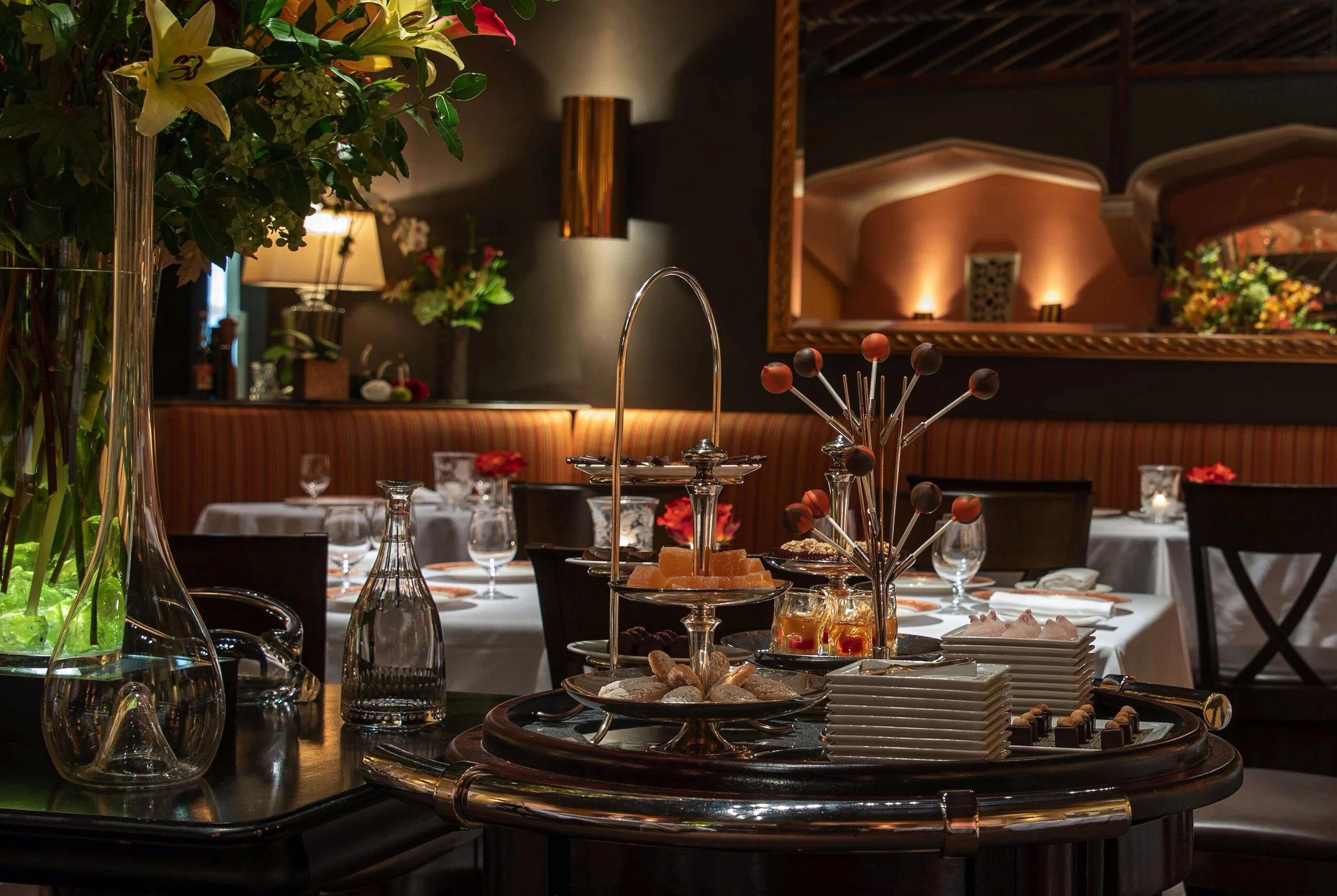


Details
- Casual
- Cozy
- Casual Hangout
- Group Outing
- Standalone
- Seated Bar
- Sake
Current opening hours
- Monday
- 11 AM–2 PM, 5–10:30 PM
- Tuesday
- 11 AM–2 PM, 5–10:30 PM
- Wednesday
- 11 AM–2 PM, 5–10:30 PM
- Thursday
- 11 AM–2 PM, 5–10:30 PM
- Friday
- 11 AM–2 PM, 5–11:30 PM
- Saturday
- 5–11:30 PM
- Sunday
- 5–10:30 PM
Hours can change for holidays and private events. Last verified .
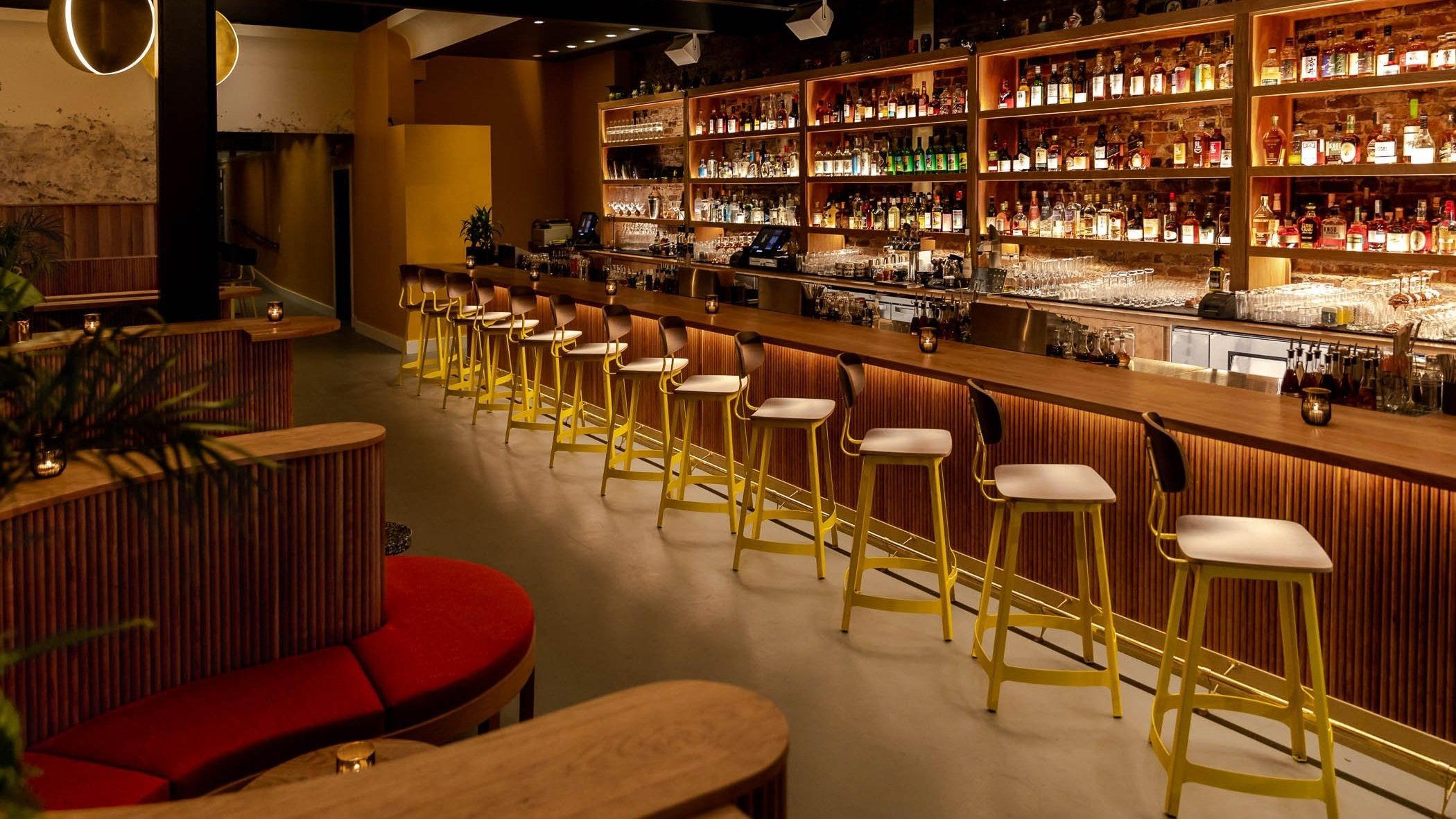
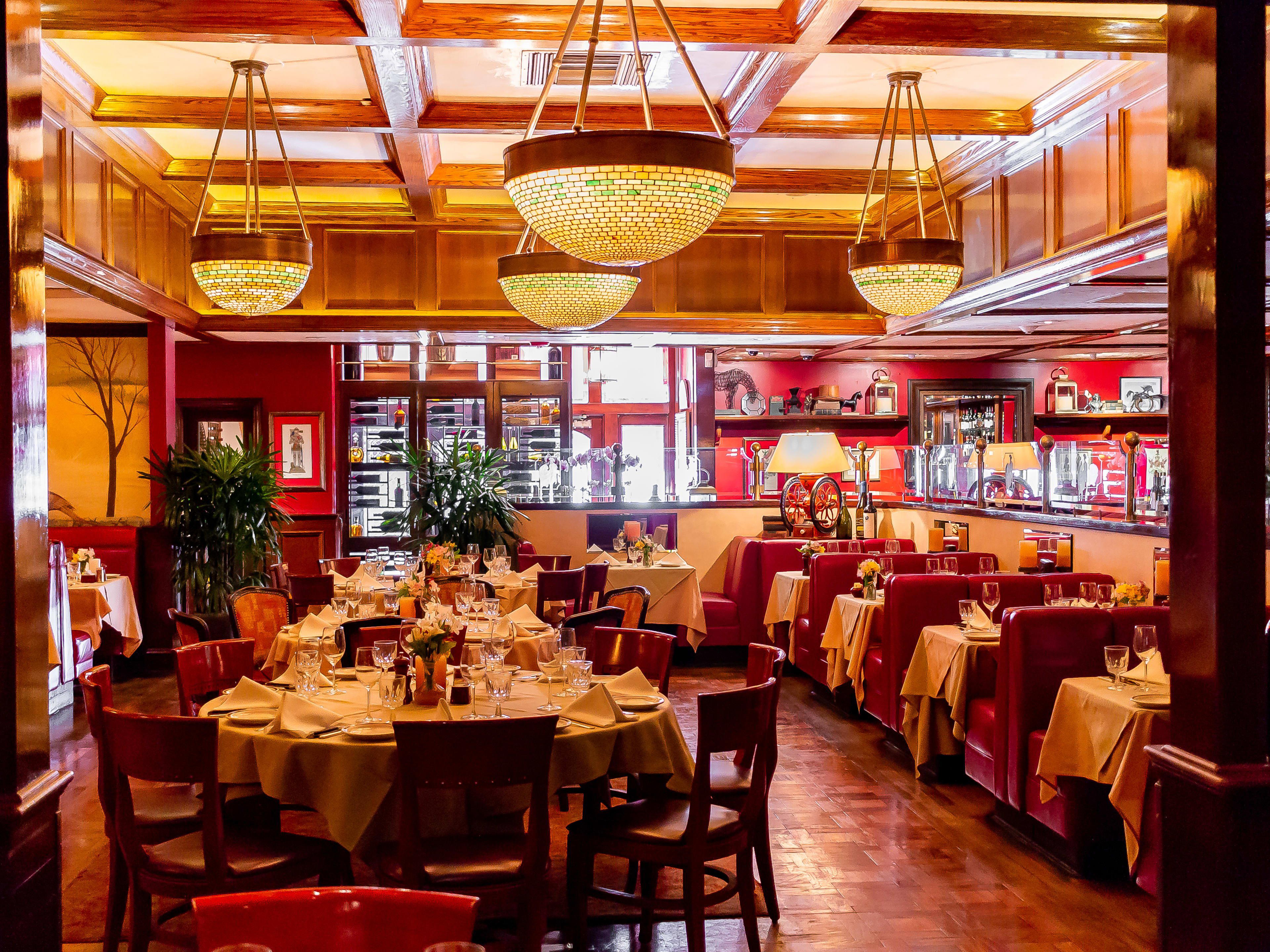
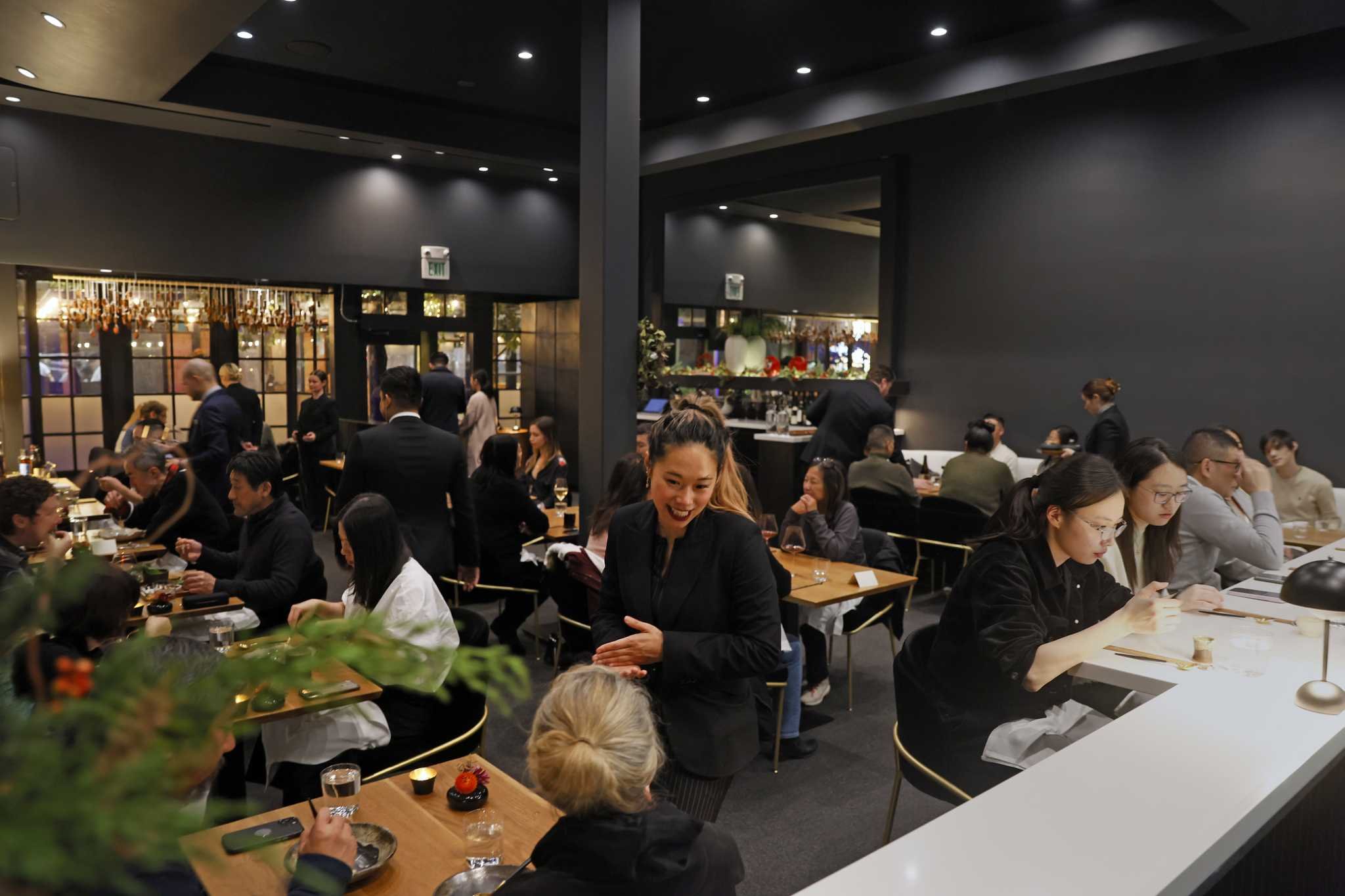
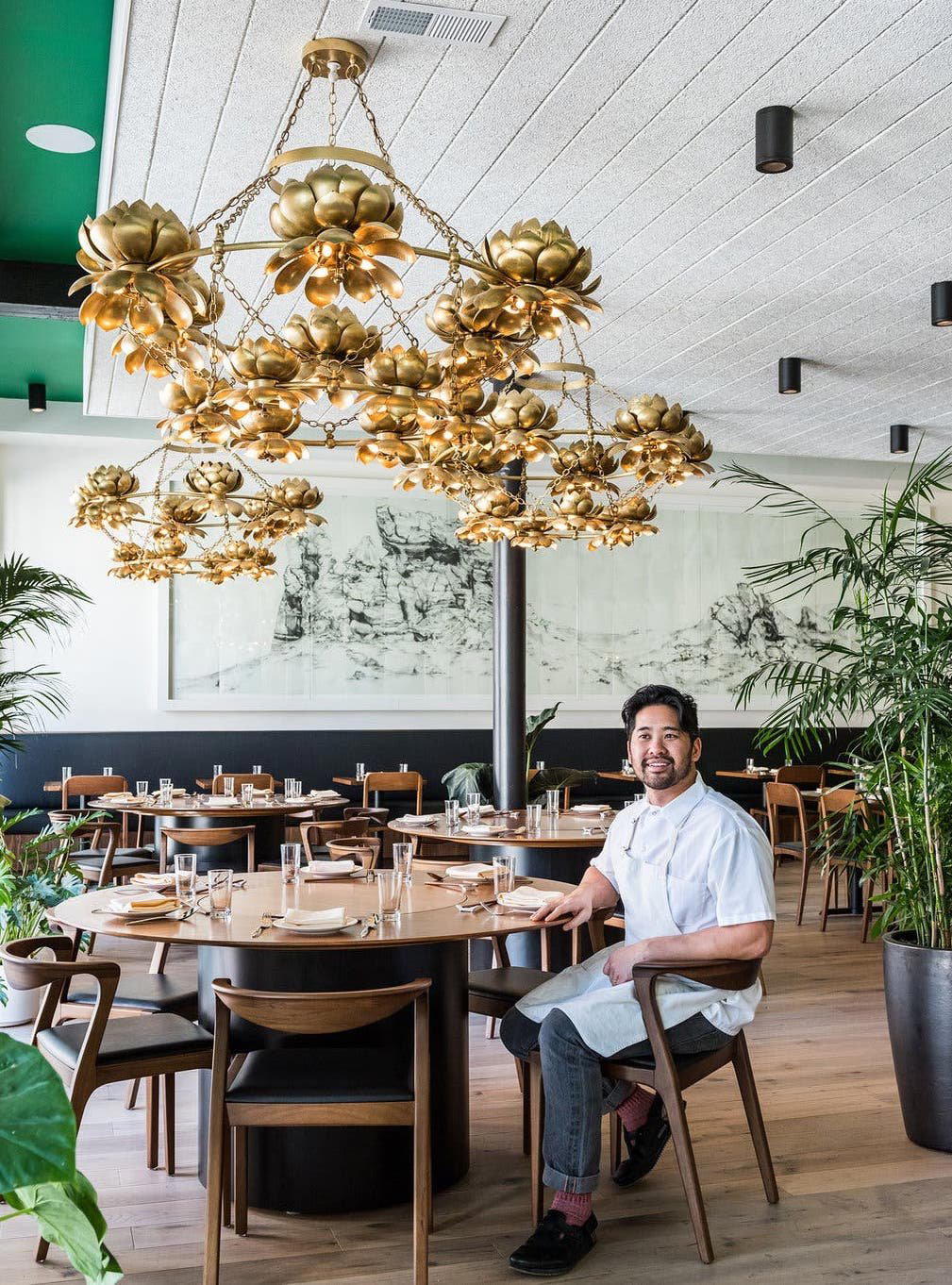
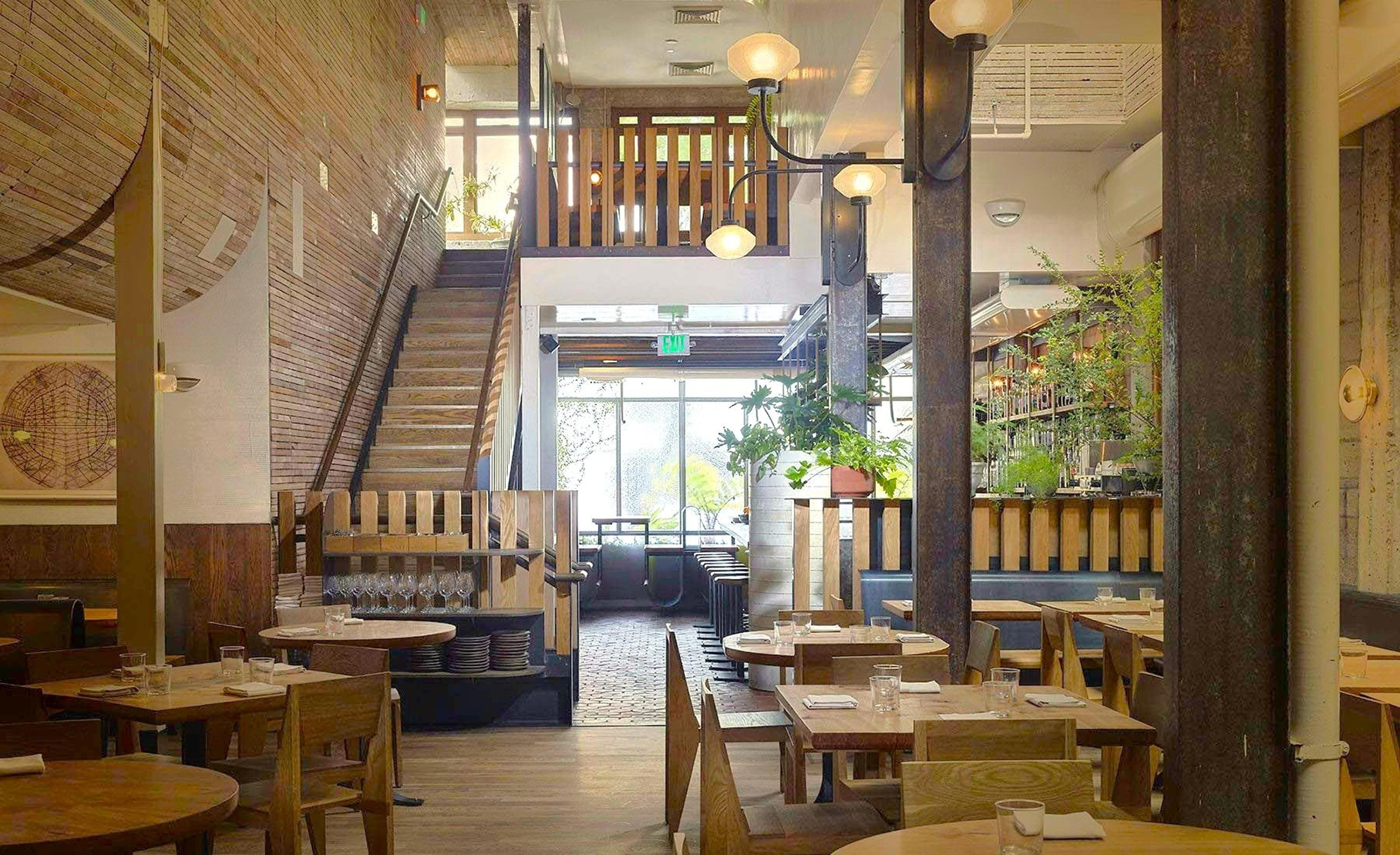
Modern, casual atmosphere with a chill, comfortable, and welcoming vibe.