Mugi brings Japanese-inspired cocktail thinking to Barcelona's increasingly international bar scene, pairing precise, ingredient-led drinks with a food programme built around the same logic. The bar sits in a city whose cocktail culture has shifted decisively toward technical ambition and away from tourist-facing classics, and Mugi operates firmly in that newer register.

Pearl is the En Primeur Club membership app — saves, bookings, and concierge access live there. Same editors, same standards.
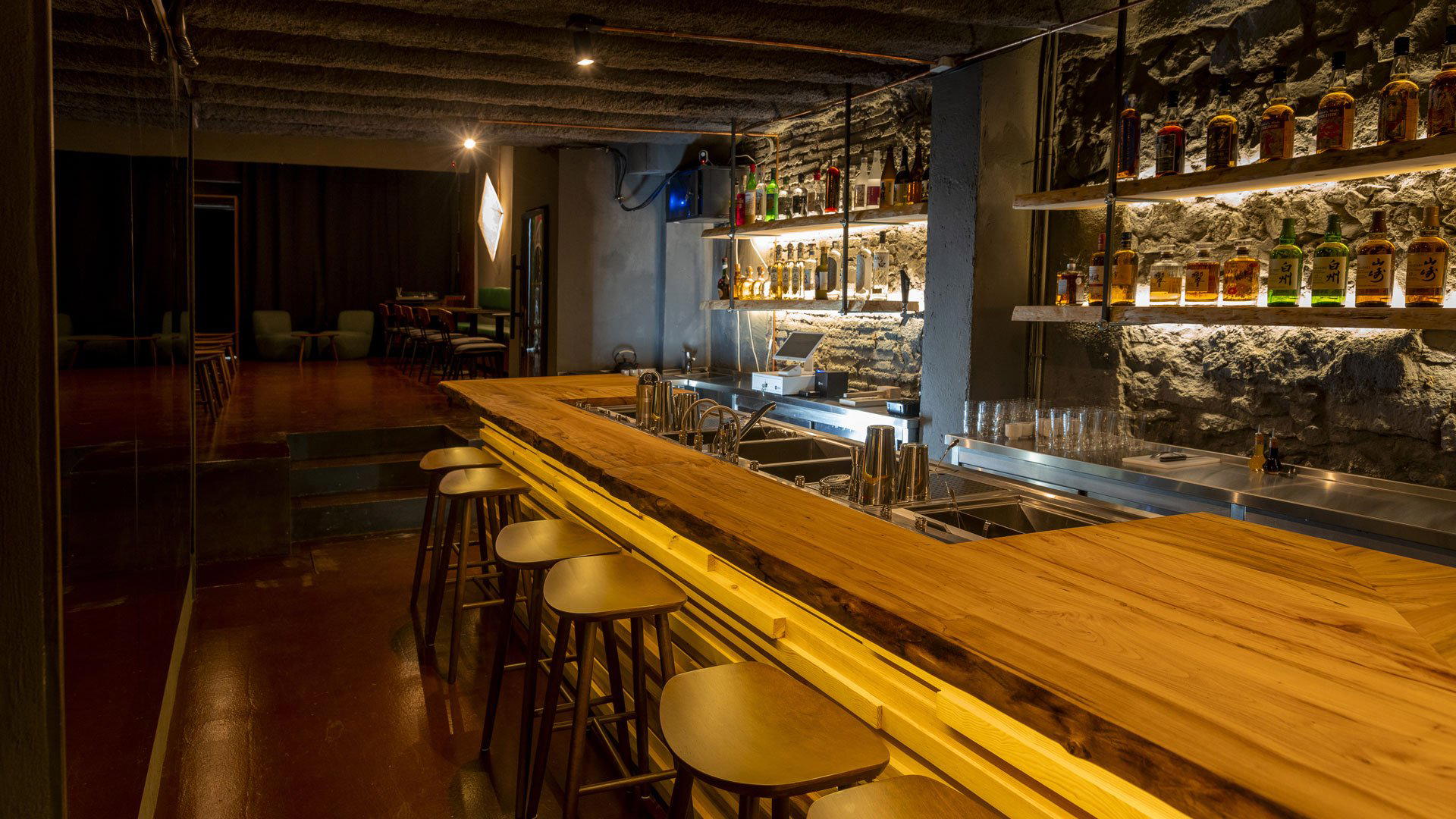
Where Japanese Discipline Meets Barcelona's Drinking Culture
Barcelona's bar scene has been sorting itself into cleaner tiers over the past decade. The tourist-facing classics occupy one end. At the other, a smaller cohort of technically serious bars has emerged, drawing on Japanese bartending philosophy, Nordic fermentation ideas, and hyper-local ingredient sourcing to build drink programmes that read more like kitchen menus than cocktail lists. Mugi operates in that second register, applying Japanese-inspired thinking to a city whose culinary identity is already saturated with umami, acidity, and fermented depth.
The name itself signals the orientation. Mugi is the Japanese word for barley or wheat, a reference point that appears in everything from sake to shochu, and gestures toward the kind of grain-forward, fermentation-aware sensibility that defines a certain school of modern cocktail making. In Barcelona, that school has been gaining ground steadily, with bars like Dr. Stravinsky and Foco establishing the city as a European address for drinks programmes of real technical seriousness.
The Drink Programme: Japanese Architecture in a Mediterranean City
Japanese-inspired cocktail bars tend to share a set of structural habits: restraint in garnish, precision in dilution, a preference for clarity over loudness, and an interest in how spirits behave when aged, clarified, or blended rather than simply poured over ice. These are not aesthetic preferences so much as methodological ones, and they produce drinks that reward attention rather than demand it.
In Barcelona, that approach lands against a backdrop of different sensory habits. The city drinks vermouth in the afternoon sun. It favours bitters-forward aperitivo culture. Its restaurant scene leans toward bold Catalan flavours, salt-cod and romesco and pa amb tomàquet. The tension between Japanese restraint and Mediterranean directness is exactly the kind of productive friction that defines particularly interesting bars operating in this city right now. Mugi sits inside that tension rather than resolving it in either direction.
For context on how this category fits into Barcelona's wider bar geography, the city's historic cocktail anchors remain the long-running institutions: Boadas, which opened in 1933 and represents a lineage of classic daiquiris and short cocktails, and Dry Martini, the benchmark for formal, jacket-optional precision drinking. Mugi does not compete with those bars on their own terms. It belongs to a younger cohort that treats the cocktail as an ingredient-led proposition rather than a format-led one.
Food and Drink as a Single Argument
The editorial angle that most clearly defines bars in the Japanese-inspired category is the relationship between the food and drinks programme. In Japanese bar culture, the distinction between eating and drinking is deliberately blurred. Small plates arrive not as accompaniments but as arguments for the next drink. A sour, acidic bite is designed to make the next glass read differently. A charred, smoky piece of protein pulls the sweetness out of an aged spirit. The food is doing cocktail work.
That approach requires a kitchen and bar working from the same flavour logic, which is harder to execute than it sounds. Many bars that claim Japanese influence simply add yuzu and matcha to existing formats without restructuring the underlying relationship between plate and glass. The bars that get it right tend to keep both the food and drink menus short, ingredient-specific, and seasonally contingent, letting each element do a precise job rather than offering range for its own sake.
This pairing philosophy also changes how the evening unfolds. Rather than a linear progression from drinks to dinner, the experience at a bar operating on this model is more circular, moving between small bites and cocktails without a fixed narrative arc. That suits Barcelona's natural hospitality rhythms, where the distinction between a bar night and a dinner has always been loosely drawn.
Barcelona's Shifting Cocktail Map
The city's serious cocktail addresses are concentrated in a relatively compact geography. The Born and El Raval have historically hosted the more experimental end of the market, while Eixample holds the established, higher-spend addresses. As Barcelona has attracted more internationally mobile drinkers, the competitive set has tightened: bars now price and position against each other with more deliberate awareness of where they sit in the hierarchy.
Spain's wider drinking culture offers useful comparison points. In Madrid, Angelita represents how natural wine thinking has crossed over into bar programming. Across the water in Palma, Garito Cafe has built a drinks identity around late-night Mediterranean informality. In Seville, Bar Sal Gorda and in Granada, Bar Gallardo illustrate how Spain's bar culture differs sharply by city. Barcelona occupies a particular position in that map: more cosmopolitan in reference than Madrid or Seville, more technically ambitious than the island bars, and increasingly confident about expressing that ambition without apology.
Further afield, La Margarete in Ciutadella, Garden Bar in Calvia, and Bar Leather Apron in Honolulu each show how the Japanese bartending influence has dispersed globally, adapting to local ingredient palettes while retaining the underlying methodological discipline. Mugi's Barcelona context is specific, but the category it operates in is genuinely international.
Planning Your Visit
Barcelona bars in this category tend to operate in the later-evening register, coming into their own after 9pm when the kitchen-bar dynamic has room to develop at its own pace. Given the venue's positioning within the city's technical cocktail tier, booking ahead when possible is sensible, particularly for later slots on Thursday through Saturday.
Awards and Standing
Comparable venues nearby, for context on price, style, and recognition.
| Venue | Cuisine | Price | Notes |
|---|---|---|---|
| MugiThis venue — the venue you are viewing | sake_bar | $$$ | Not listed |
| Azimuth Rooftop Bar | rooftop_bar | $$$ | la Dreta de l'Eixample |
| The Alchemix | cocktail_bar | $$$ | l'Antiga Esquerra de l'Eixample |
| Maldita Barra / Cafeteria • Restaurant • Wine Bar | wine_bar | $$$ | la Dreta de l'Eixample |
| Papagayo Cocktails & Food | cocktail_bar | $$ | Sant Antoni |
| Denassus | wine_bar | $$$ | el Poble Sec |
Continue exploring
More in Barcelona
Bars in Barcelona
Browse all →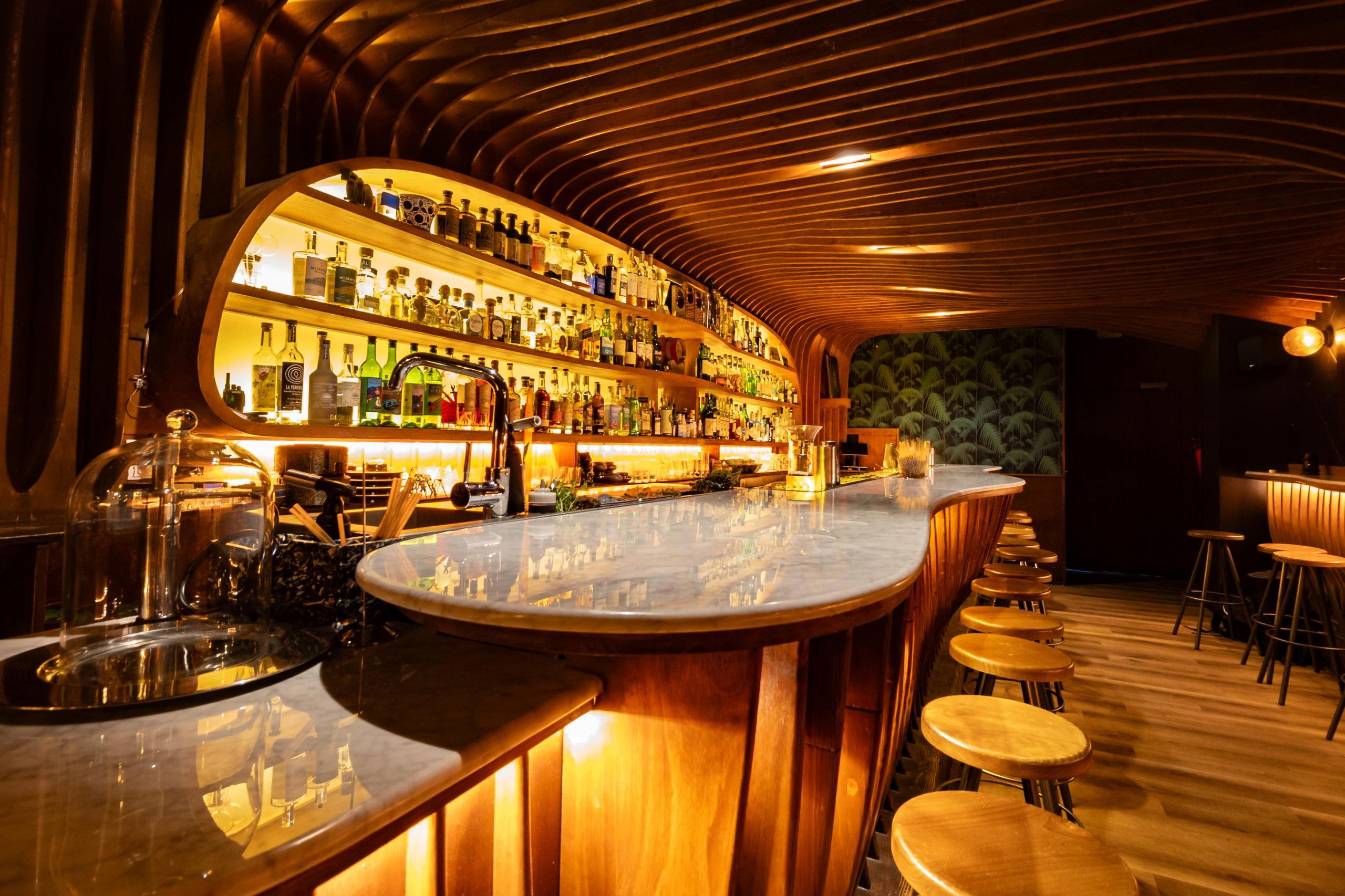
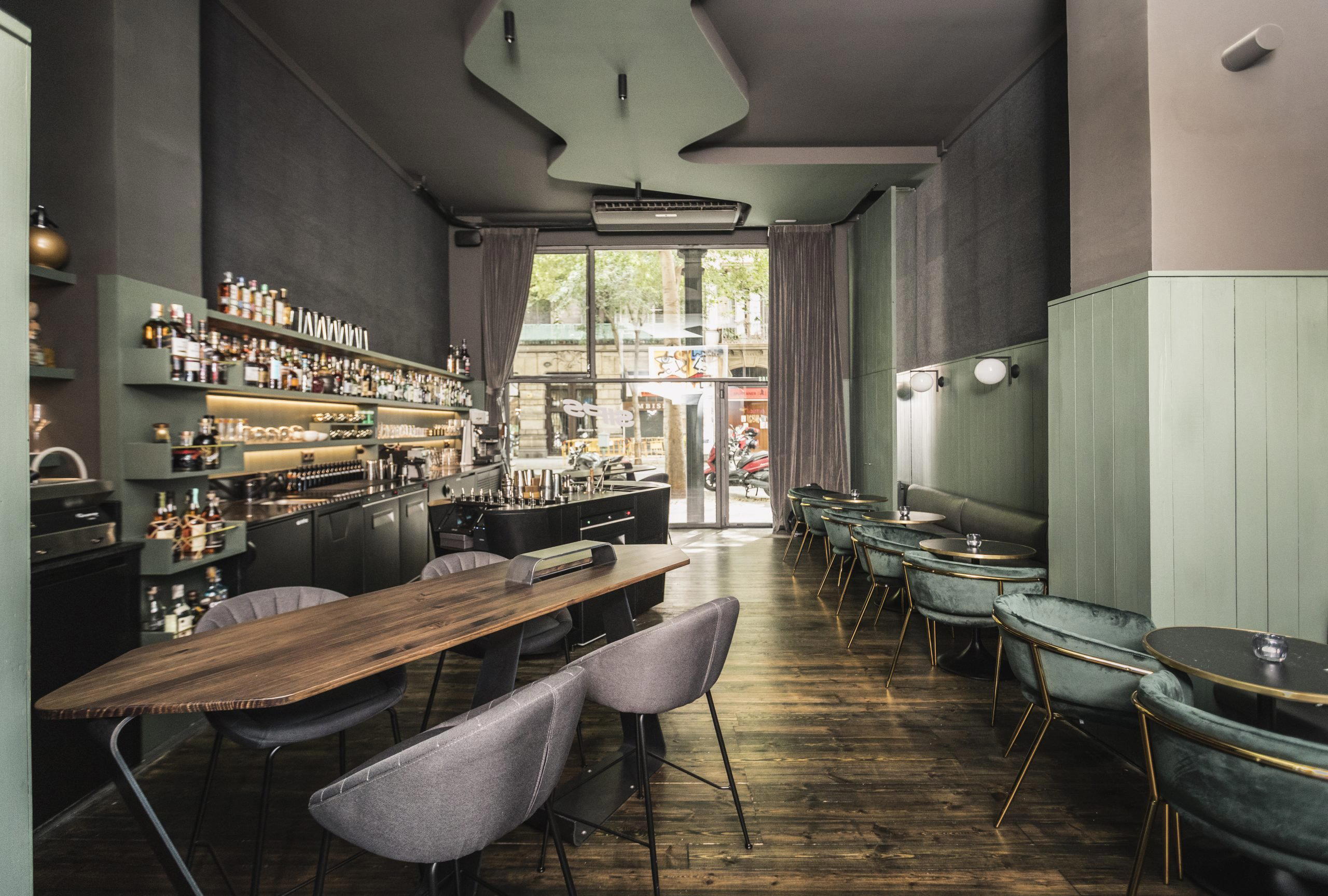
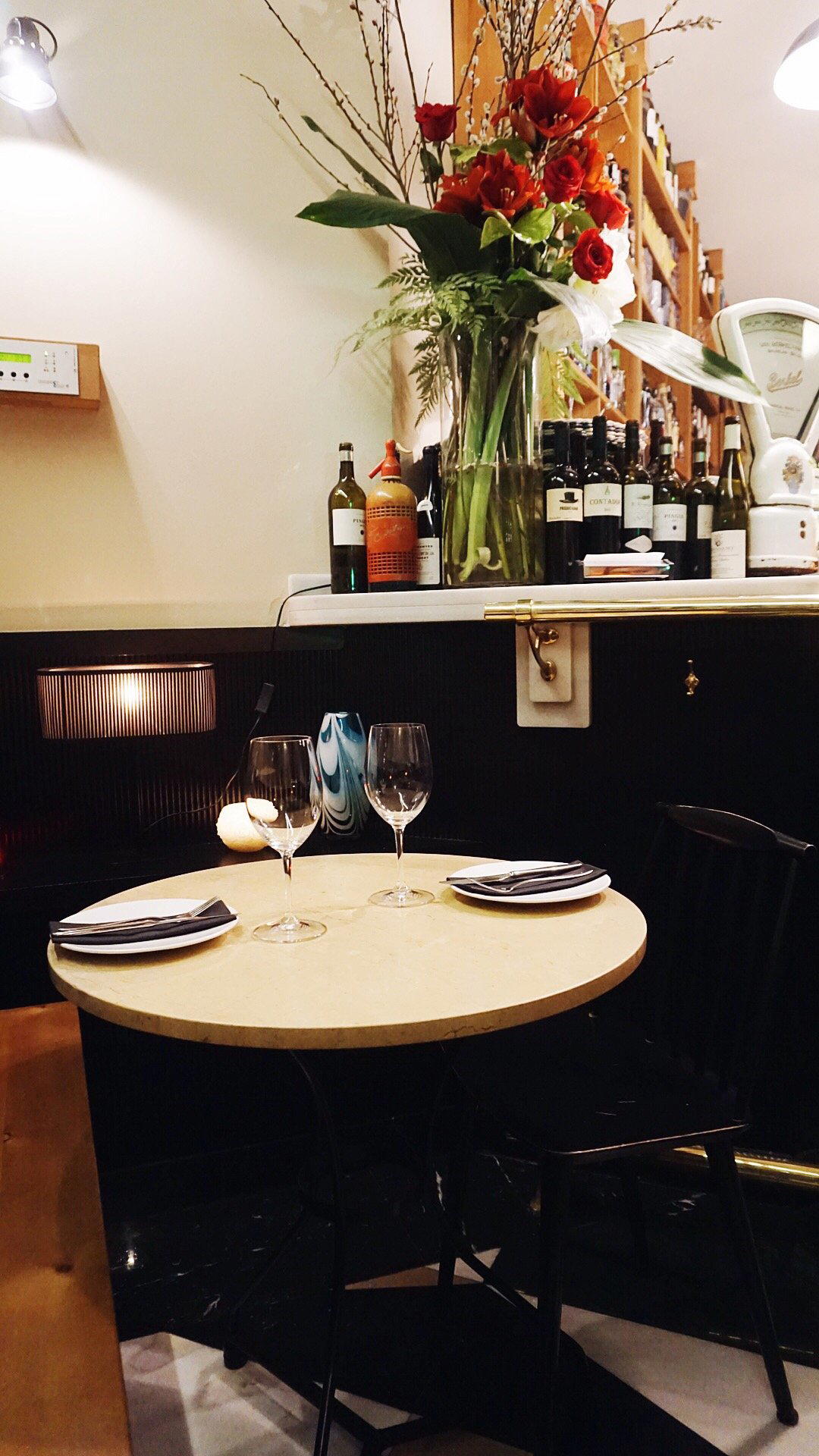
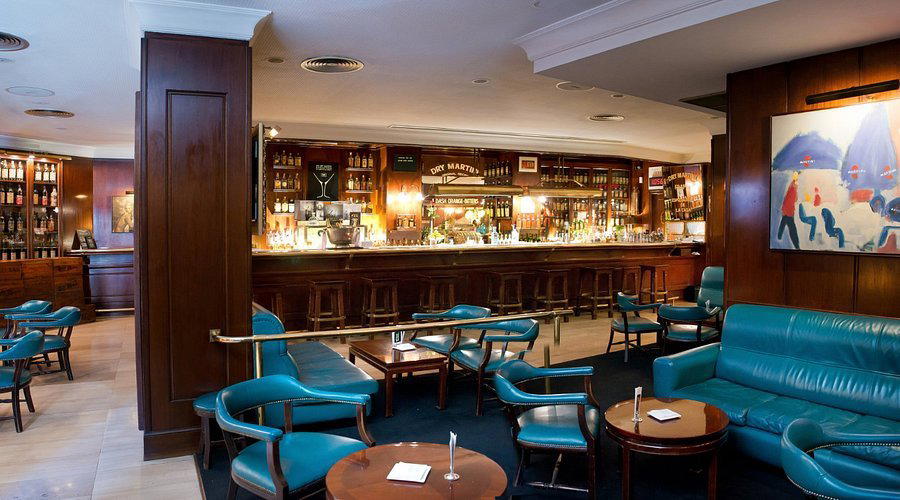
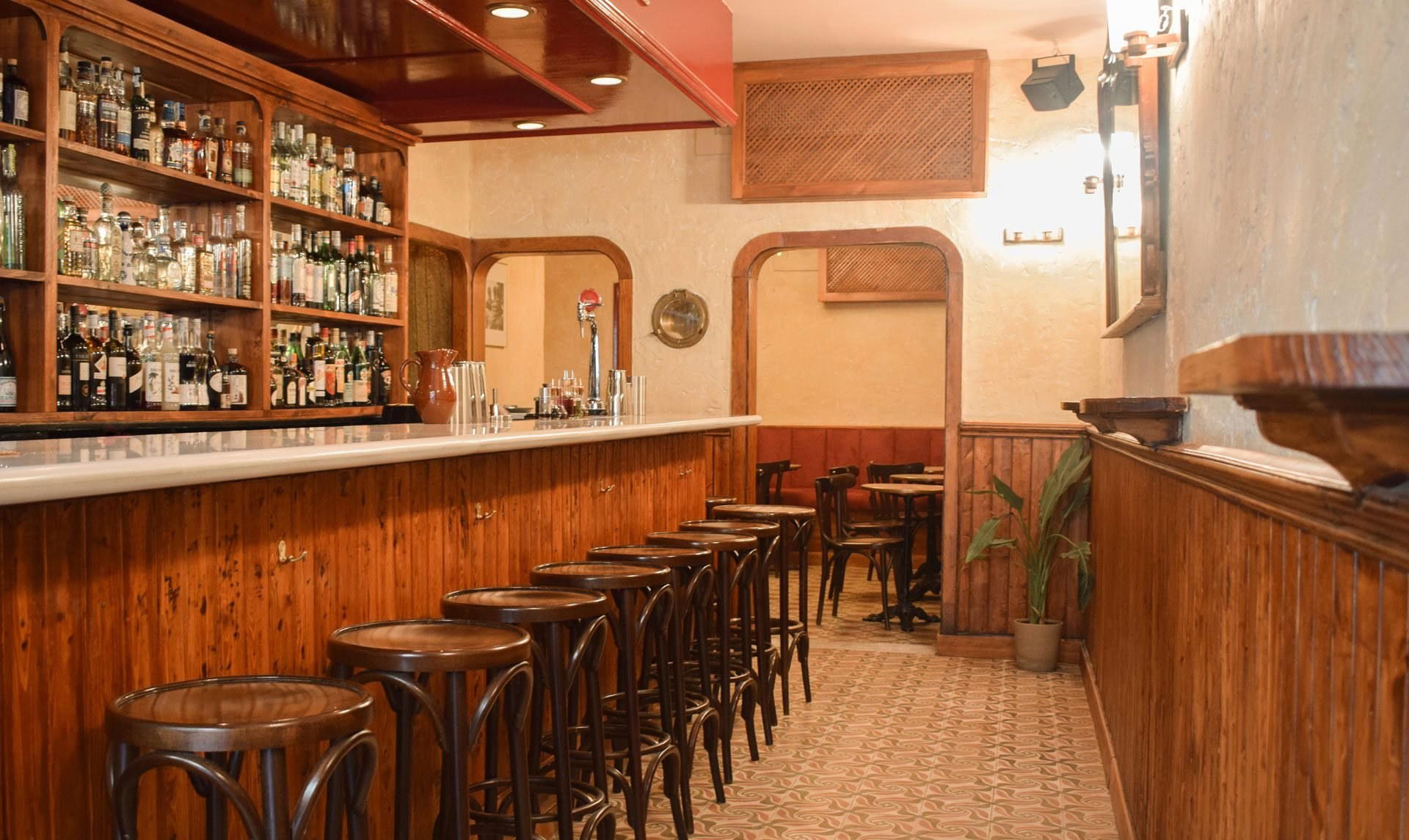
Restaurants in Barcelona
Browse all →
Hotels in Barcelona
Browse all →



At a Glance
- Modern
- Intimate
- Sophisticated
- Trendy
- After Work
- Casual Hangout
- Group Outing
- Live Music
- Design Destination
- Standalone
- Seated Bar
- Counter Only
- Craft Cocktails
- Sake
- Mezcal
- Tequila
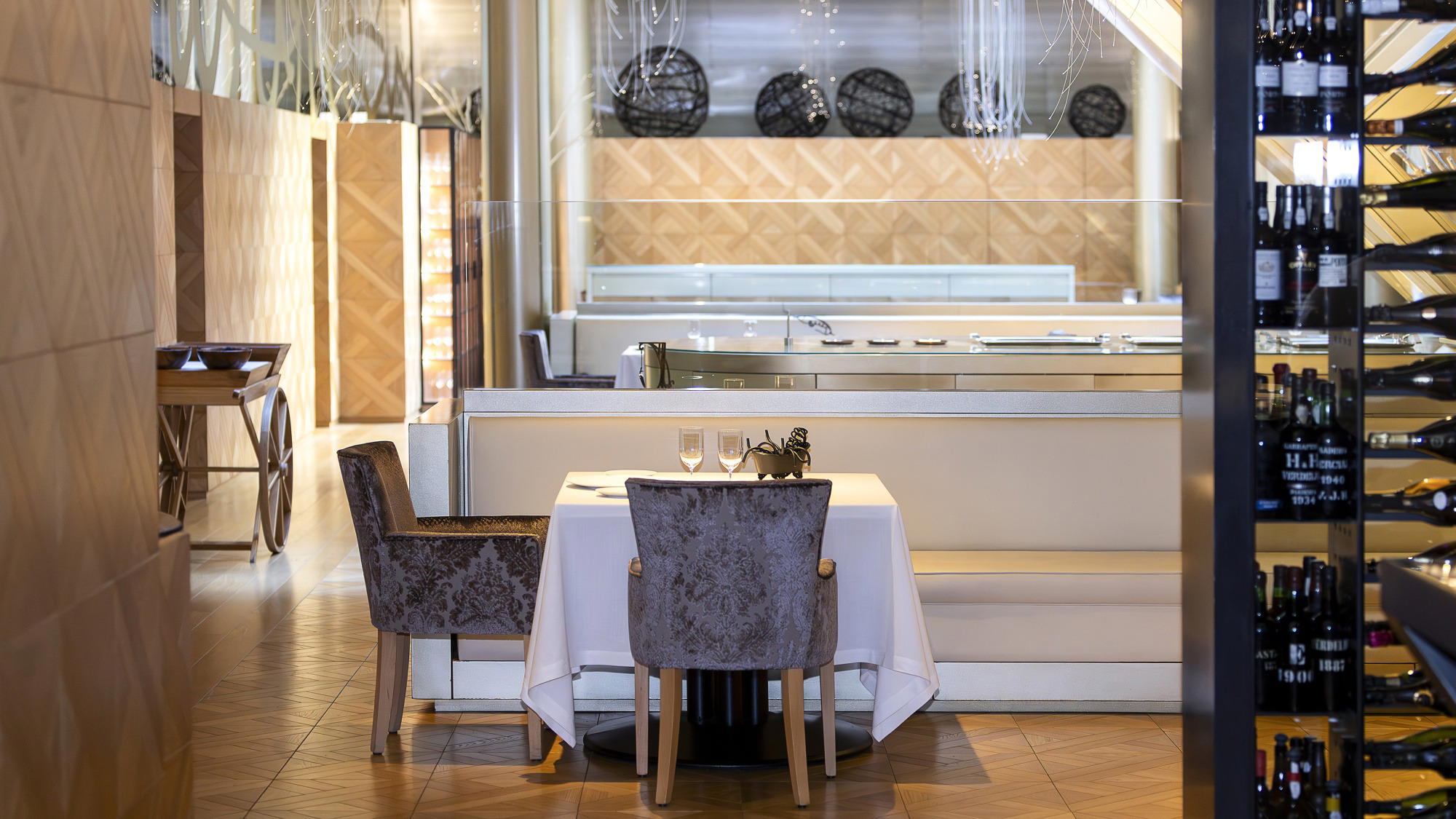
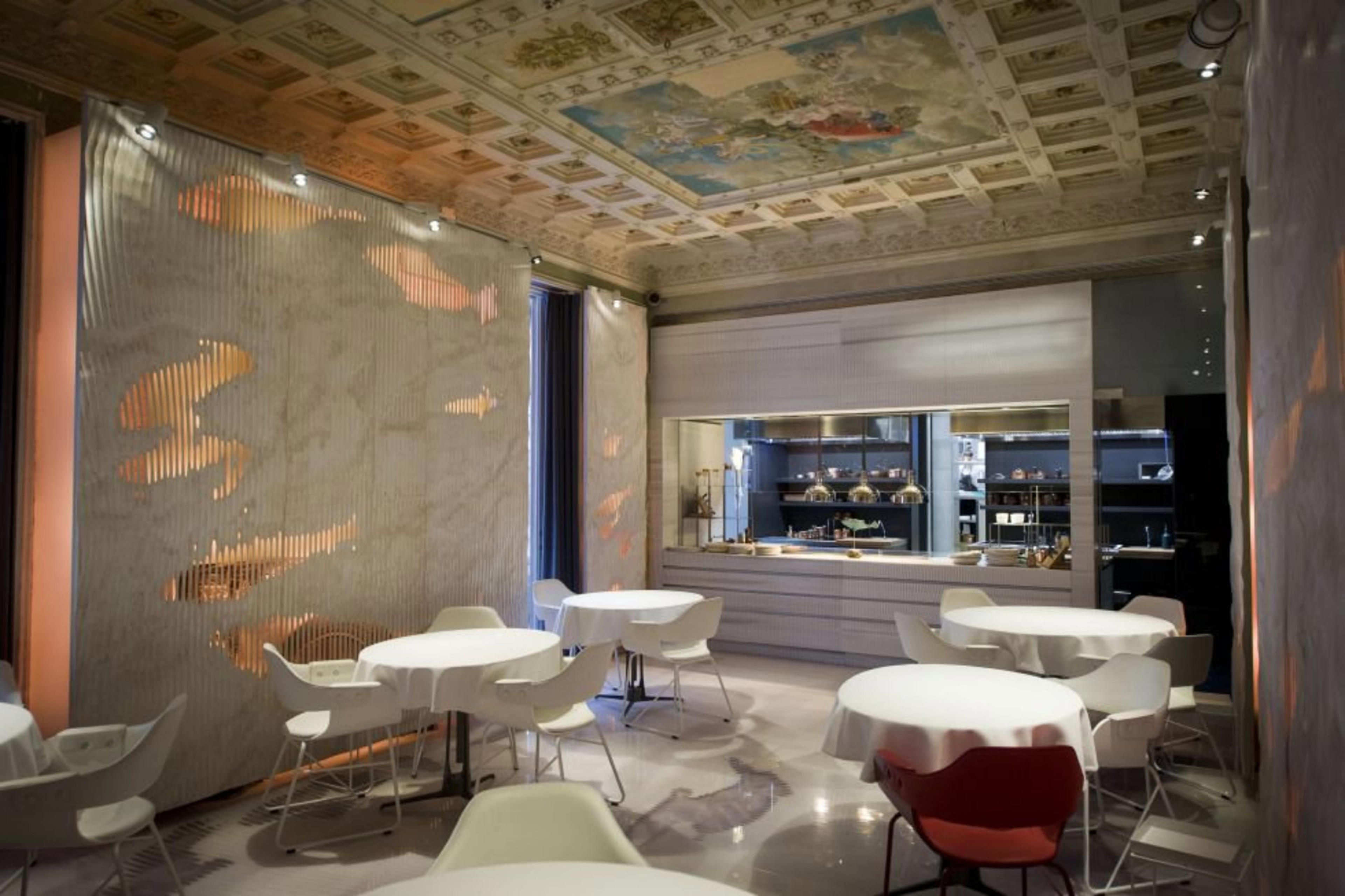
Sleek and sparingly lit atmosphere channeling a classic izakaya while embracing Mediterranean cosmopolitan energy, with curated music programming.