On a narrow lane just inside Genoa's centro storico, Muá sits within the city's quieter, resident-facing dining circuit rather than the tourist-heavy waterfront strip. The address on Via di San Sebastiano places it among the medieval caruggi, where ingredient sourcing and neighbourhood regulars define the room more than foot traffic. For travellers willing to move away from the port, it rewards attention.
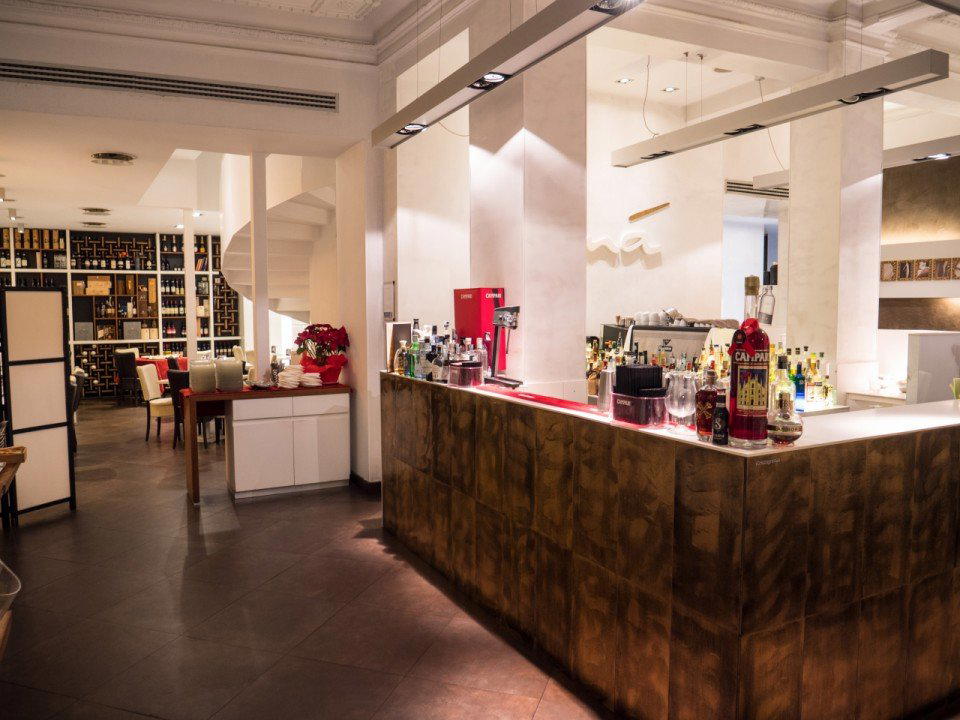
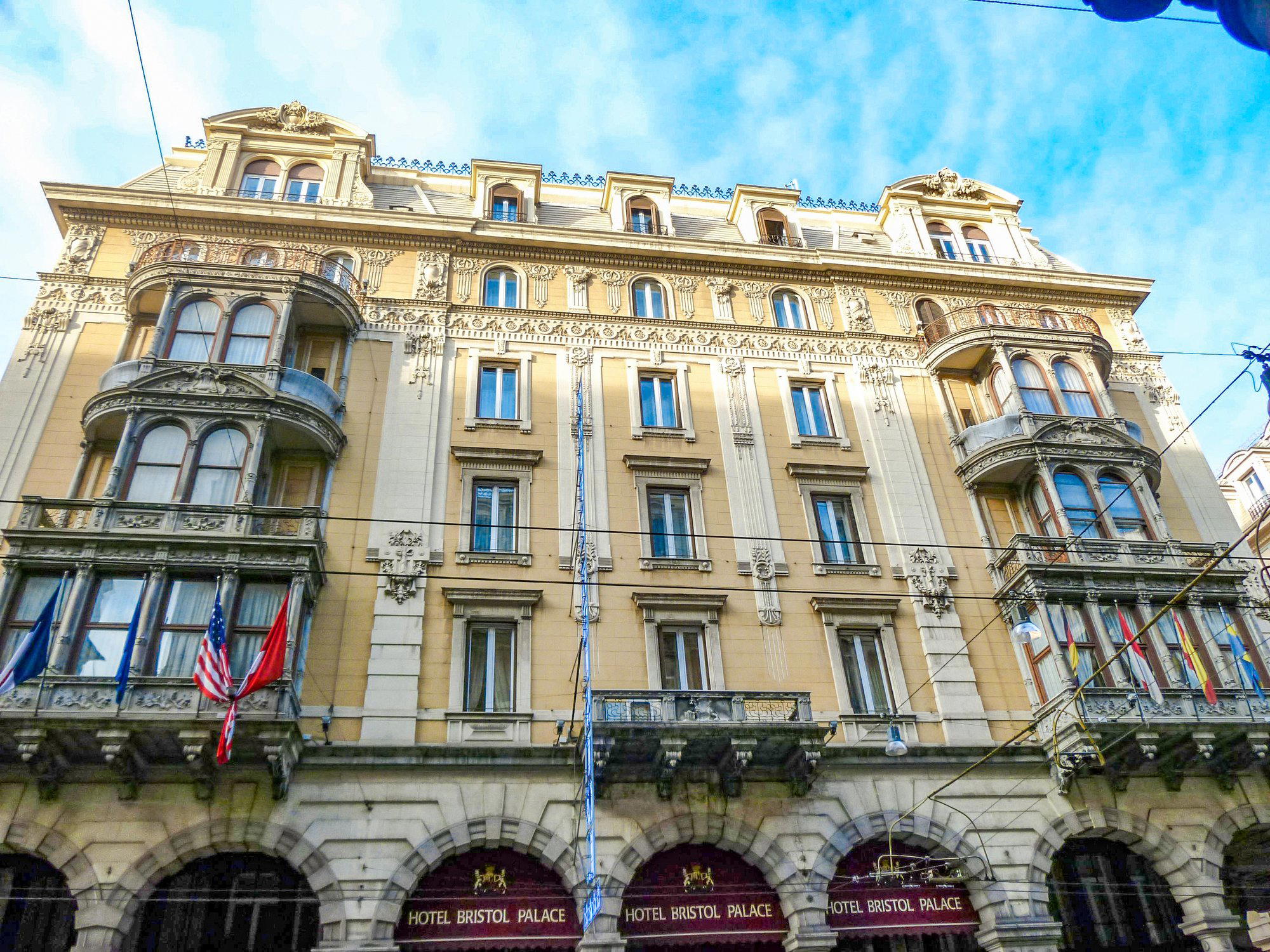
The medieval street grid of Genoa's centro storico is one of the densest in Europe, a compressed network of caruggi where light arrives in thin columns and addresses require a certain commitment to find. Via di San Sebastiano sits within that interior, and arriving at Muá means passing through the kind of Genoa that operates largely for the people who live in it. That physical context is not incidental. The city's most engaged eating and drinking happens in these lanes, away from the cruise-ship proximity of the old port, in rooms where the sourcing of ingredients and the habits of return visitors carry more weight than first impressions.
Genoa's Ingredient Culture and Why It Matters Here
Ligurian cuisine is defined less by technique than by what grows within a narrow coastal strip backed by steep hills. Basil from the Pra' district, farinata from the ovens of the caruggi, trofie shaped by hand, anchovies from Monterosso, and the particular bitterness of local olive oil pressed at altitude: the regional pantry is specific and, when sourced correctly, requires minimal intervention to deliver flavour. This is a food culture that measures quality by provenance first.
The broader Genoese dining scene has spent the last decade sorting itself between venues that perform the region's identity for visitors and those that actually practise it. The latter tend to be smaller, less visible online, and more reliant on neighbourhood reputation than booking platforms. Muá, on the evidence of its address and the company it keeps in the caruggi circuit, belongs to that second category. In a city where the street food at the nearest farineria often outperforms mid-range restaurants chasing tourist spend, operating with credibility in the residential interior is itself a signal. For context on how Genoa's eating scene is organised by neighbourhood, the full Genoa restaurants guide maps the relevant tiers.
The Room and the Atmosphere
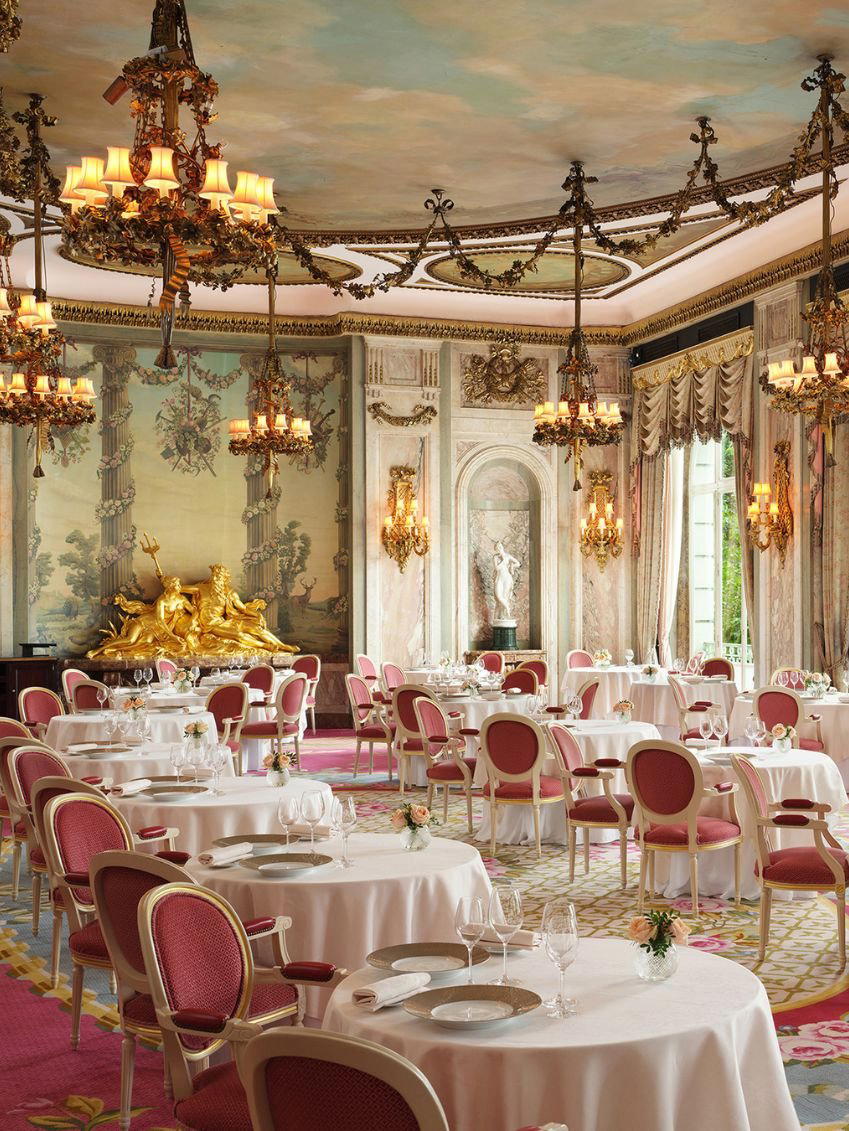
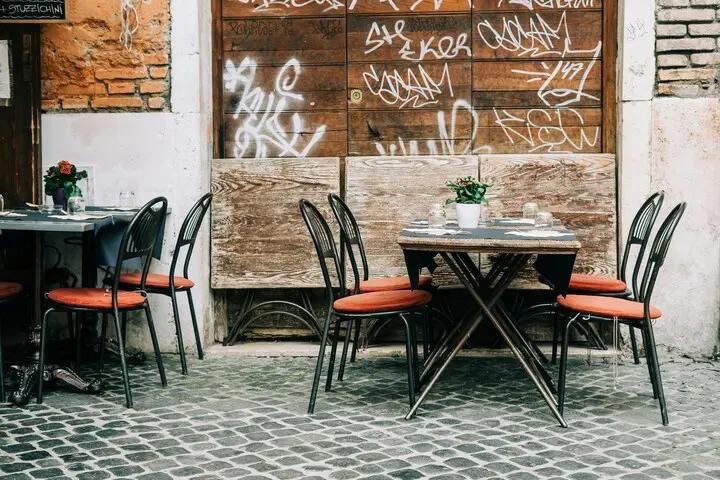
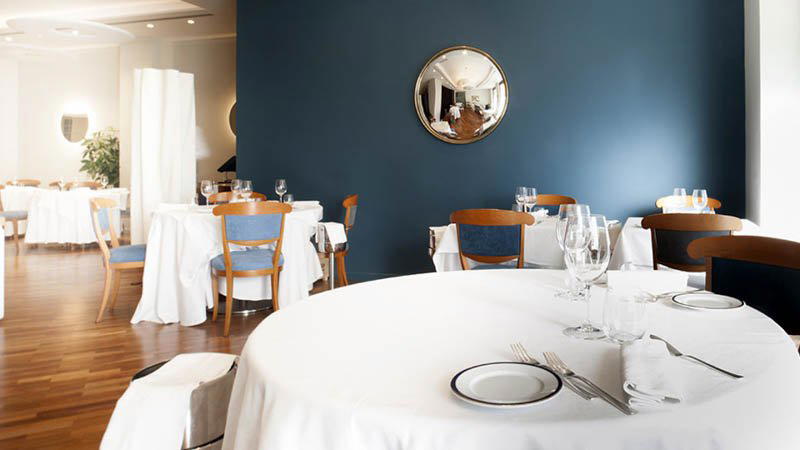
Venues on streets like Via di San Sebastiano typically inherit the proportions of the medieval buildings around them: low ceilings, narrow frontages, and a compression of space that forces intimacy. The atmosphere in this part of the city is earned rather than designed, shaped by stone and history rather than by interior consultants. What that produces, in a room that functions well, is a density of attention rather than distraction: fewer tables, guests in closer proximity, service that has nowhere to hide behind scale.
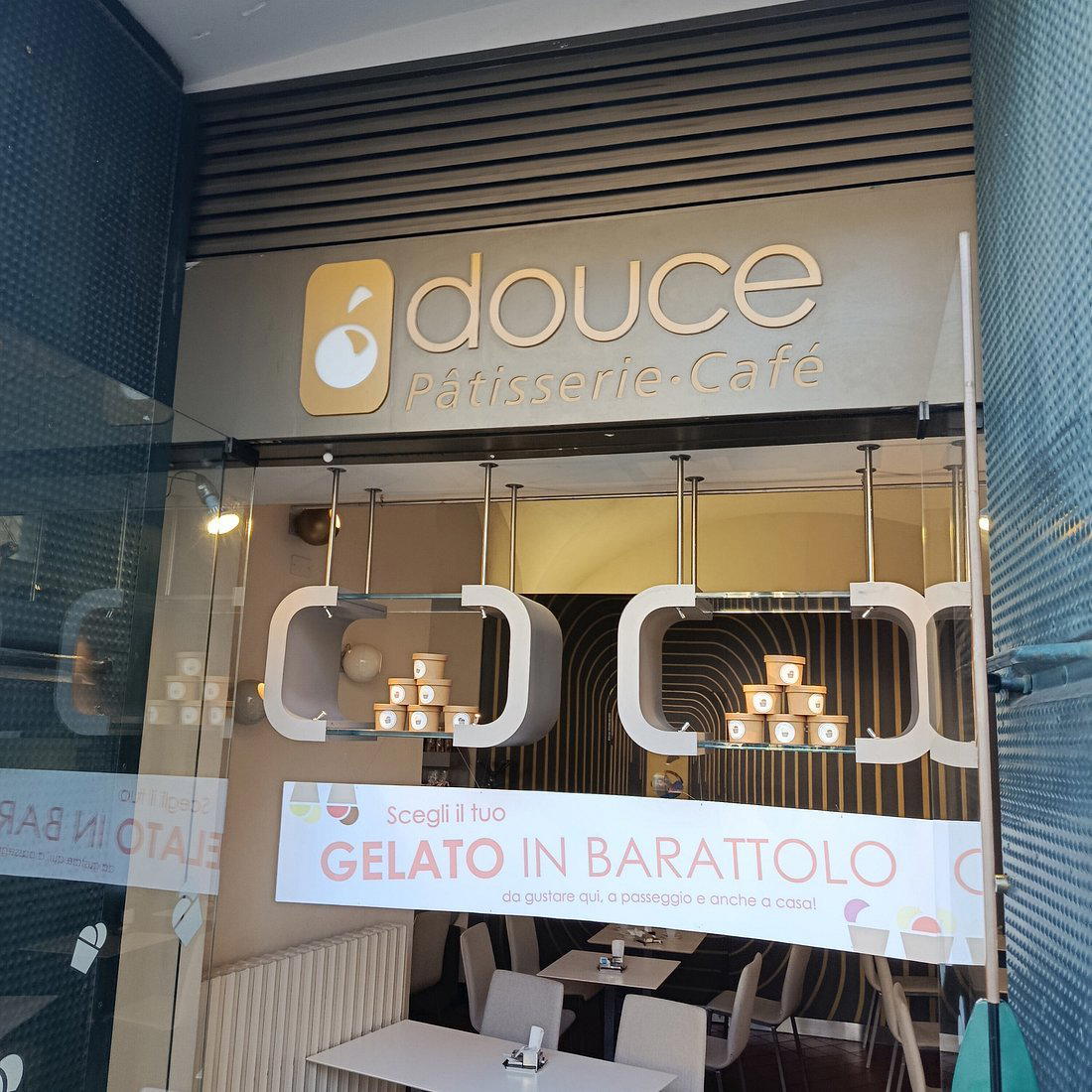
In Genoa's current bar and restaurant circuit, the comparison set for a venue operating in this register would include Glo Glo Bistrot, which operates on a similar neighbourhood-facing model, and Bagni Santa Chiara, which occupies a different physical format but a comparable position in the city's less-performed drinking culture. The Caffè degli Specchi represents the more formally positioned end of the Genoese café tradition, while Douce Pâtisserie Café shows how the city's French-adjacent pastry culture maps onto the centro storico. Muá occupies a different tier from all of these: less about category positioning, more about the specific function it serves for the people who return.
Where Muá Sits in the Wider Italian Picture
Italy's most interesting small venues tend to share a resistance to legibility: they are not easily categorised as bar, restaurant, or café, and that ambiguity is often the point. The pattern is visible across Italian cities in venues that have achieved sustained recognition without a clear format identity. 1930 in Milan operates on a reservation-only, speakeasy-adjacent model that prioritises depth over accessibility. Drink Kong in Rome demonstrates how a programme-led approach can anchor a venue in a city's serious drinking conversation. L'Antiquario in Naples uses heritage and object-density to create an atmosphere that resists replication. What these venues share is a commitment to a particular kind of visitor and a willingness to be overlooked by everyone else.
Muá's address places it in proximity to that logic. The caruggi are not a destination that rewards passive discovery; they require some advance orientation. Venues that thrive there tend to have a defined offer and a regulars-first culture. That is the context in which Muá should be read, not as an isolated find but as part of Genoa's pattern of quality concentrated in spaces that do not ask for attention. For comparison, Gucci Giardino in Florence and Al Covino in Venice show how other Italian cities position their more considered small venues, each with a different relationship to tourism and neighbourhood identity. Further afield, Lost and Found in Nicosia and Bar Leather Apron in Honolulu represent how the neighbourhood-specialist model translates across very different urban contexts.
Planning a Visit
Via di San Sebastiano 13 is reachable on foot from the Genova Brignole or Genova Piazza Principe train stations, both within reasonable walking distance through the centro storico, though the specific route through the caruggi benefits from navigation rather than assumption. The address is inside the old city's pedestrian grid, which means no car access directly to the door. Given the sparse public digital footprint, confirming hours and availability before arrival is the practical approach: venues in this part of Genoa frequently operate on schedules calibrated to their neighbourhood rather than extended tourist hours.
In Context: Similar Options
| Venue | Cuisine | Price |
|---|---|---|
| MuáThis venue (the venue you are viewing) | This venue | Not listed |
| Les Rouges Cucina & Cocktails | Not listed | $30–50 |
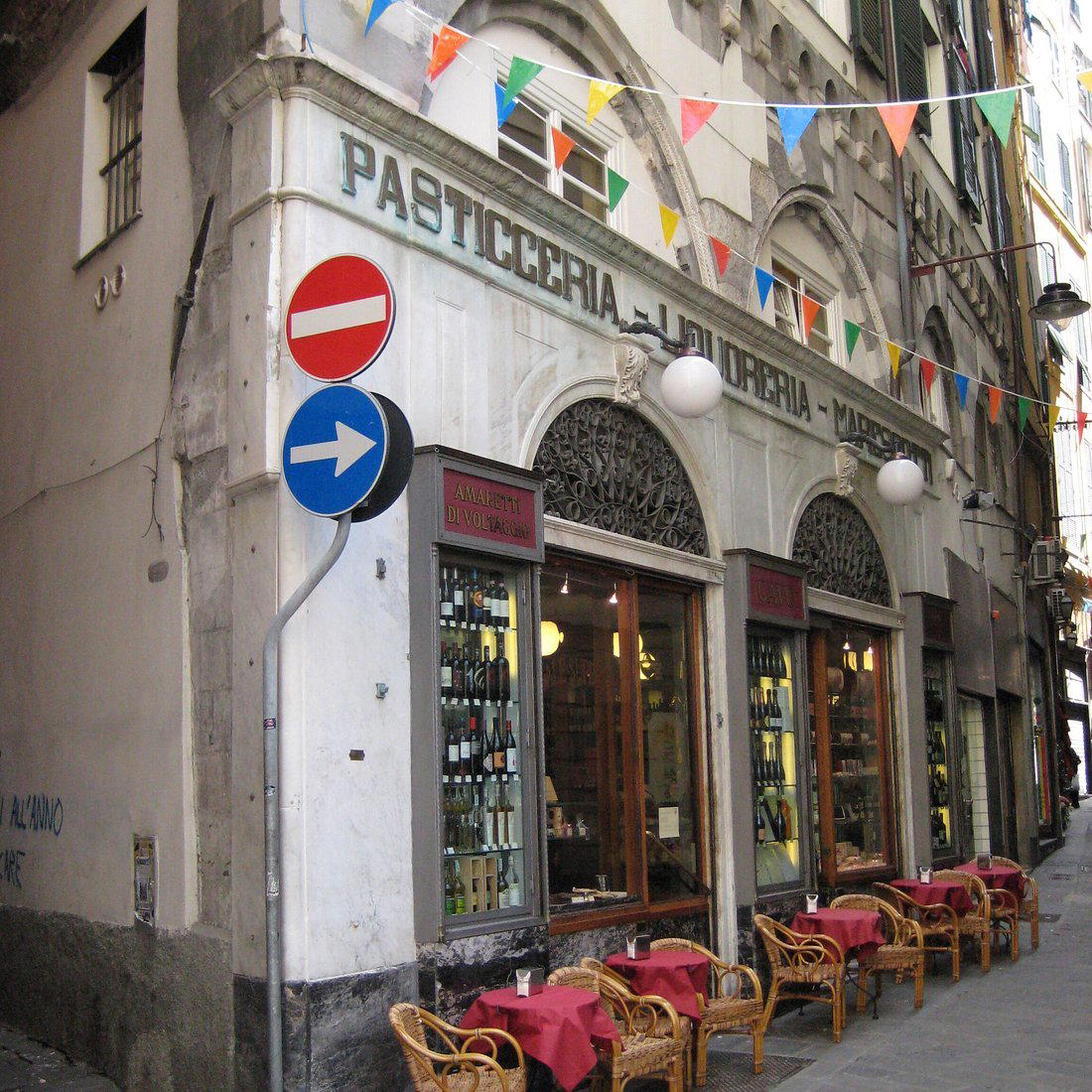
| Pasticceria Liquoreria Marescotti | Not listed | $10–20 |
Continue exploring
More in Genoa
Bars in Genoa
All bars in Genoa →
Restaurants in Genoa
All restaurants in Genoa →
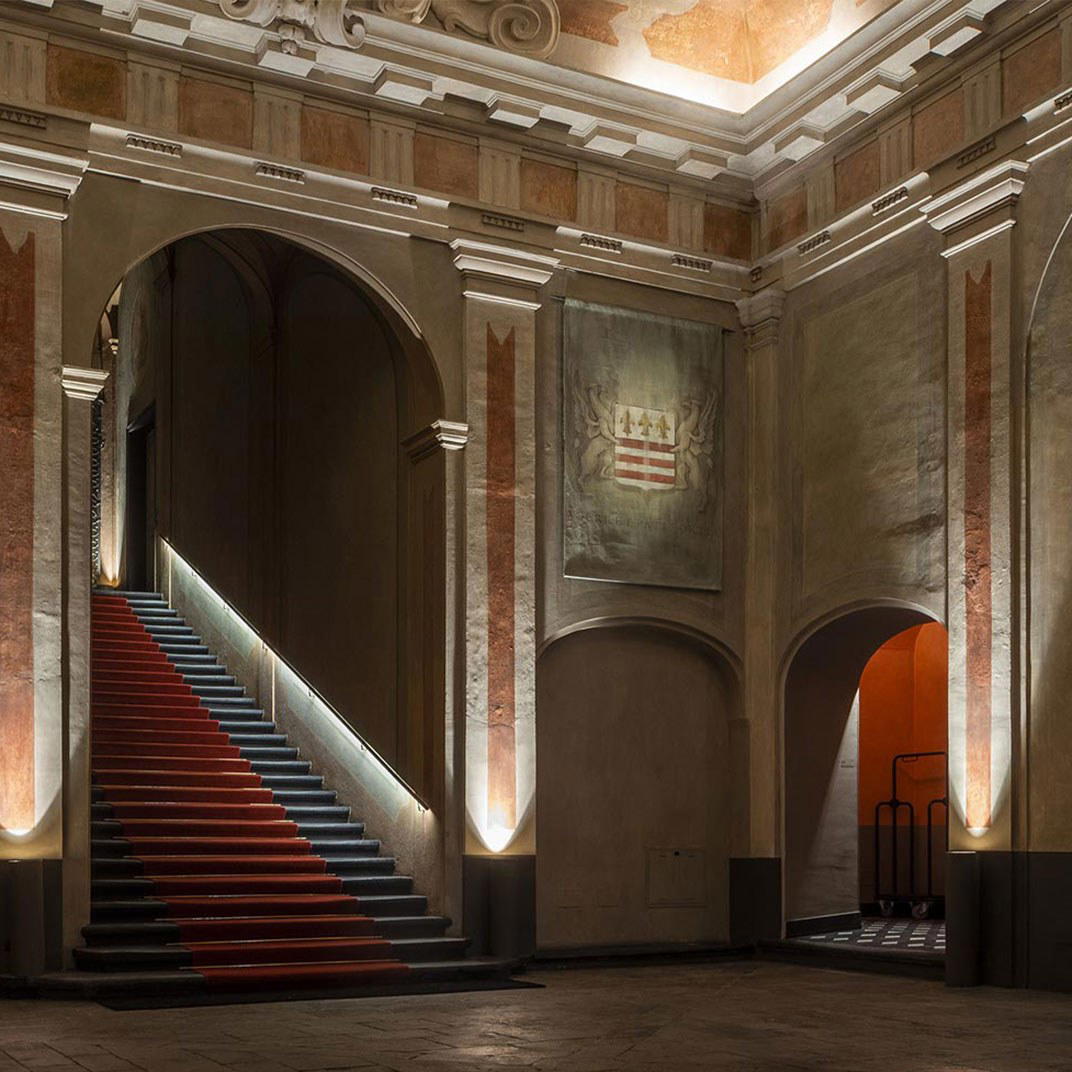
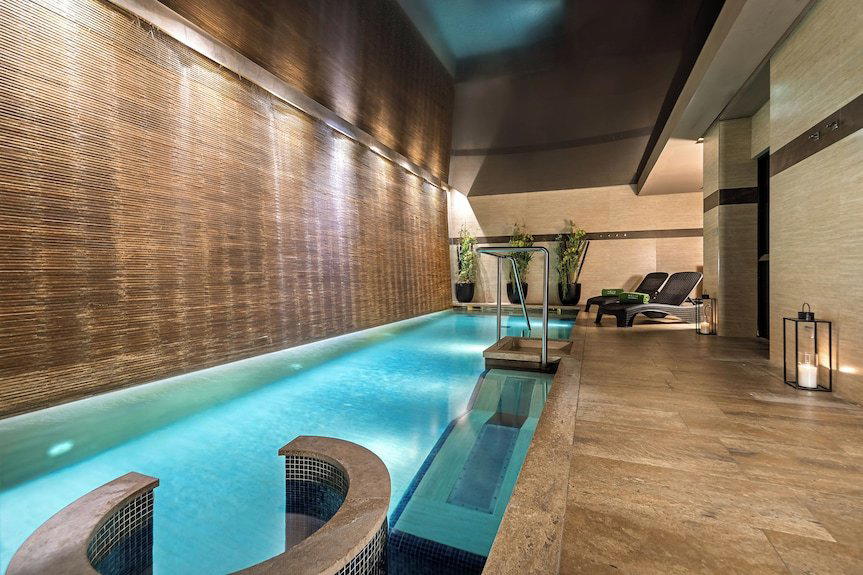
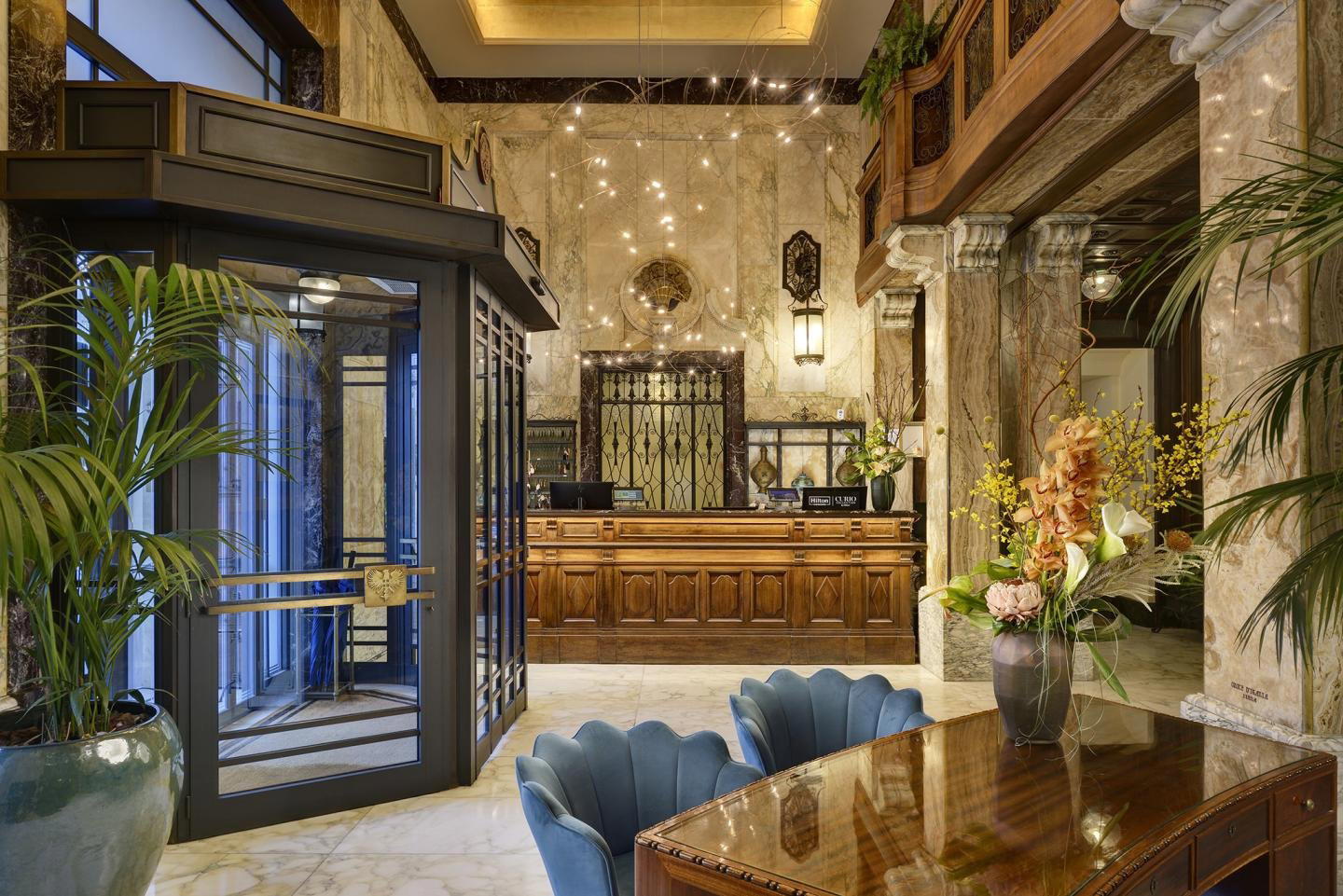
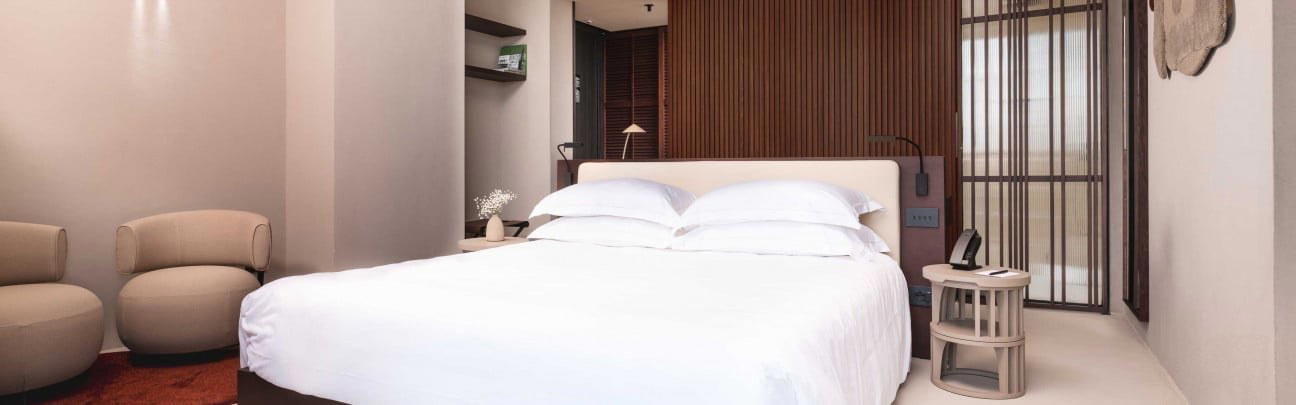

Muá
The drinks
- Craft cocktails
- Classic cocktails
Signature drinks: Christmas in Love.
Details
- Modern
- Trendy
- Date Night
- Casual Hangout
- Standalone
- Seated Bar
- Craft Cocktails
- Classic Cocktails
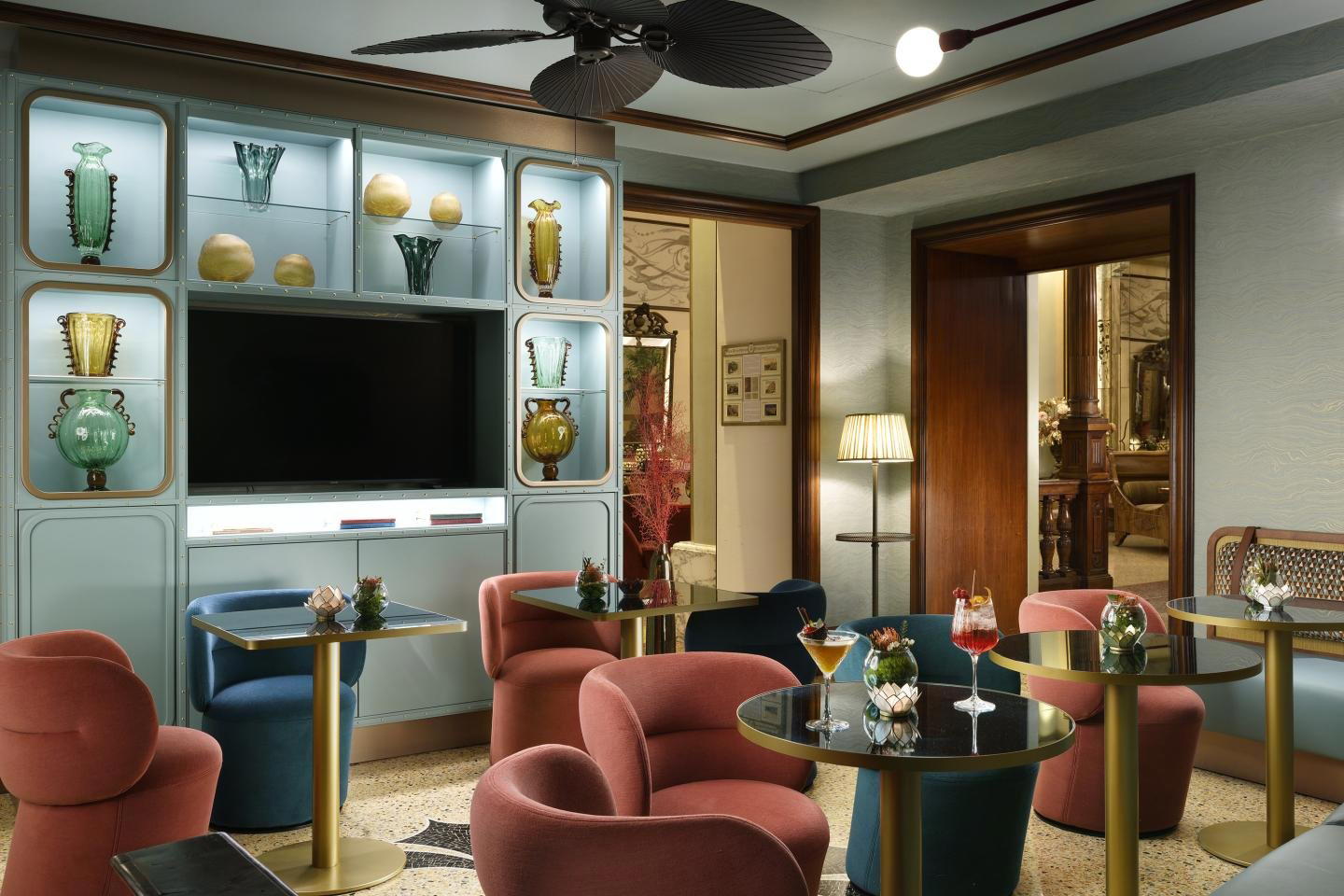
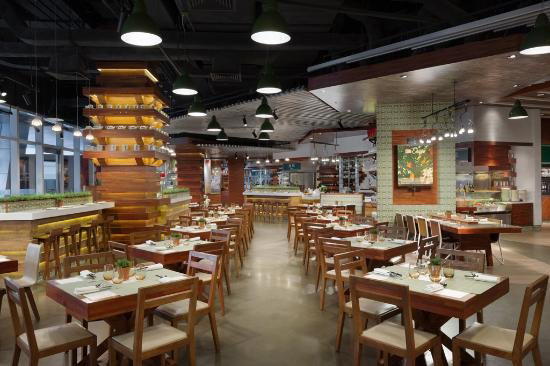
Modern and contemporary atmosphere in a central location.