Monnik Beer Company
A Schnitzel Hill craft brewery and neighborhood taproom on East Burnett Avenue, Monnik Beer Company sits in a corner of Louisville that trades on working-class roots and genuine community character. The brewery puts local grain and regional ingredients against technically considered brewing methods, producing a range that speaks more to place than trend. It belongs to a tier of American craft operations where the beer program and the room are equally considered.

Pearl is the En Primeur Club membership app, where members save venues, book tables and use the concierge.
A Neighborhood That Earns Its Reputation
Louisville's Schnitzel Hill corridor, running along the south side of the city toward the Ohio River flood plain, carries a specific kind of neighborhood credibility that newer development districts in the Highlands or NuLu tend to manufacture rather than inherit. East Burnett Avenue sits within that older fabric, where the buildings have histories that predate craft beer by several decades and where a taproom has to earn its place rather than simply occupy one. Monnik Beer Company, at 1036 E Burnett Ave, reads as a product of that environment: a brewery that operates as a genuine community anchor rather than a destination retrofitted onto a street for external visitors.
That distinction matters in a city where bourbon tourism has reshaped expectations around hospitality formats. Louisville's bar and brewery scene has split, with one tier leaning hard into the bourbon trail economy and the other maintaining a local-first orientation that serves residents before travelers. Monnik sits in the second tier, and the room reflects it. The taproom format prioritizes regulars over first-timers, which has a practical effect on everything from the pricing logic to the way the beer range is structured. For comparison, the rooftop production at 8UP refined Drinkery & Kitchen and the Italian-leaning program at bar Vetti both address a different customer profile, one oriented toward event visits and special occasions. Monnik's operating logic runs in the opposite direction.
Local Grain, Considered Process
The editorial angle that applies most directly to Monnik's brewing program is the intersection of regional ingredients and imported technical method. American craft brewing arrived at this conversation earlier than most food and beverage categories, partly because the hop and malt supply chain forced it. As breweries began working with local maltsters and regional grain farms in the 2010s, the more technically ambitious operations started asking what happened when European or American West Coast brewing techniques were applied to ingredients with genuinely different character profiles.
Kentucky sits at the center of an agricultural belt that produces soft red winter wheat, corn with specific terroir characteristics, and barley grown under conditions meaningfully different from the Pacific Northwest. A brewery that takes sourcing seriously in this region is working with raw material that resists direct comparison to the reference points embedded in most brewing traditions. The resulting beers occupy a category that requires the drinker to recalibrate expectations rather than simply check boxes against style guidelines. This is a harder sell to a casual customer and a more interesting offer to someone paying attention.
That framing connects Monnik to a broader pattern visible across American craft brewing's more considered tier. At Kumiko in Chicago, the drinks program interrogates Japanese technique applied to American spirits and local ingredients; the analytical approach is different but the underlying question is similar: what does place actually contribute when you're rigorous about it? The craft breweries operating at Monnik's register are asking that question with fermented grain rather than distilled spirit.
The Room and What It Asks of You
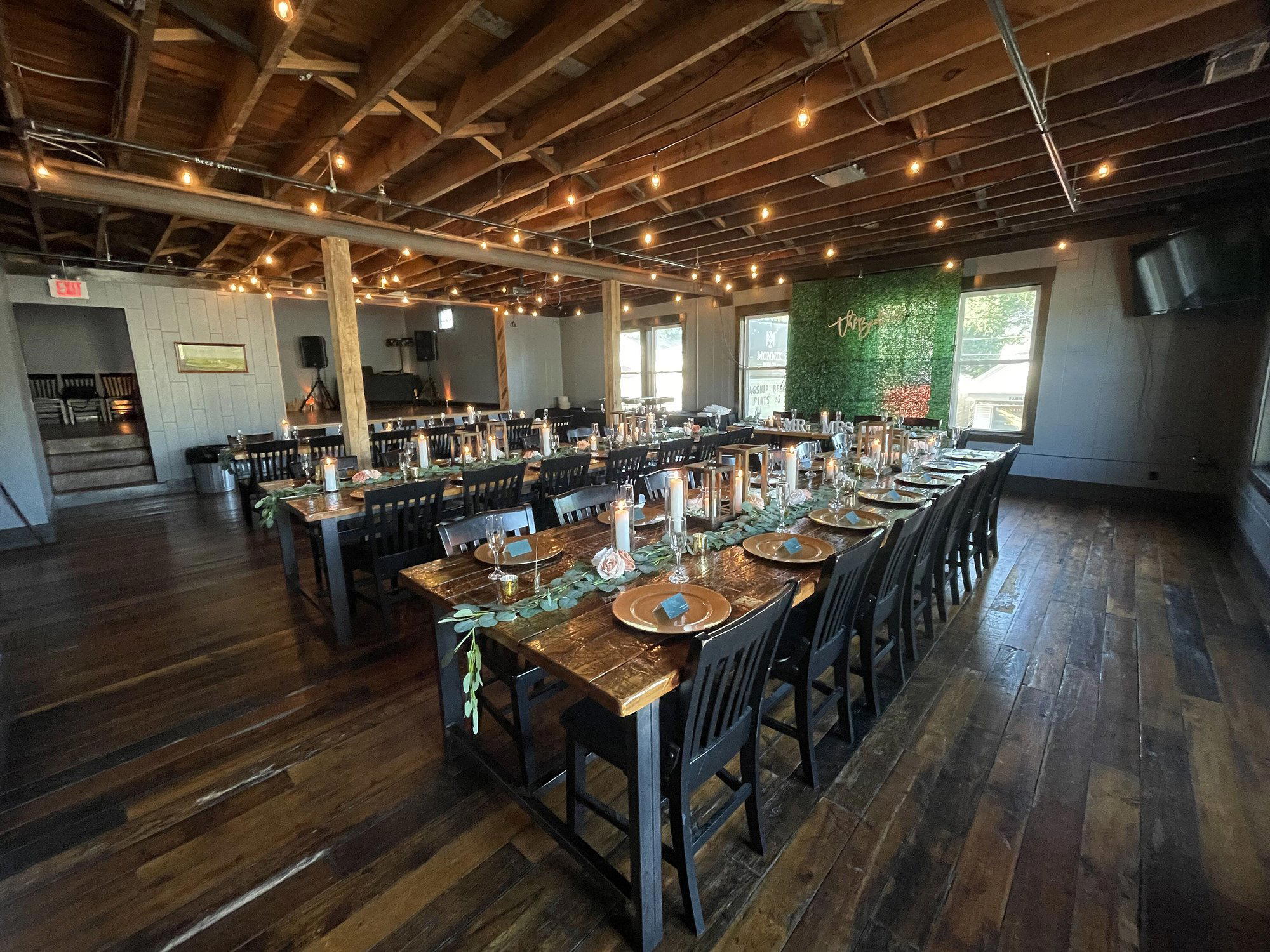
Taproom design in this tier of American craft brewing tends to reject the warehouse maximalism that defined the category's expansion phase. The most considered operations have moved toward formats that feel like extended living rooms rather than event venues, where the beer program is the primary draw and the room is sized to serve it rather than to hold capacity crowds on weekend evenings. Monnik fits that pattern: the East Burnett space reads as genuinely functional, with a layout oriented toward conversation and repeat visits rather than social media documentation.
The practical implication is that the visit works well when you treat it as a local does. Walk in without a reservation architecture, spend time with the range rather than anchoring on a single pour, and use the food program as support rather than as the organizing logic of the evening. This is not a dinner-then-drinks operation; it's a taproom where the beer and the food are calibrated to coexist, which is a different relationship and a more demanding one to execute well. Louisville's Big Bar operates with a similar community-first register, though its drink program leans toward spirits rather than fermented grain.
For visitors building a broader Louisville itinerary, the city's bar culture rewards an understanding of how different neighborhoods define what they want from a hospitality space. Our full Louisville restaurants guide maps those distinctions across price tiers and neighborhood characters. Monnik anchors one end of that spectrum, where local engagement and program depth take priority over event-oriented spectacle.
How Monnik Sits in the Wider Craft Bar Conversation
The craft taproom format has matured across American cities into something more differentiated than the early expansion phase suggested it would. The operations that have held up leading share a few characteristics: a beer program with genuine range and a house perspective rather than trend-chasing, a room that serves its community rather than performing for visitors, and a food offer that adds value without overreaching. The reference points for this tier outside Louisville include ABV in San Francisco, where craft beverage programming operates at a high technical standard within a neighborhood-first format, and Bar Leather Apron in Honolulu, which demonstrates what rigorous sourcing and technique produce when the setting leans away from spectacle.
Internationally, the question of local ingredients meeting imported technique shows up in different beverage categories at places like The Parlour in Frankfurt on the Main and in the cocktail programs at Jewel of the South in New Orleans, Julep in Houston, and Superbueno in New York City. The thread connecting these operations across categories is a commitment to ingredients that have a specific address, processed through technique that has a specific lineage. Monnik operates in that tradition through the medium of craft beer.
For broader context on how Louisville's drinks scene compares across format types, the EP Club bar index provides a framework for positioning taprooms against cocktail bars and spirit-focused venues across the city.
Planning Your Visit
Monnik Beer Company is located at 1036 E Burnett Ave in Louisville's Schnitzel Hill neighborhood, accessible by car from the downtown core in under ten minutes and walkable from nearby residential streets. The taproom model means walk-in access is standard; the format is not structured around advance reservations. The experience rewards visits timed outside peak weekend evening windows, when the room operates closer to its neighborhood-bar character and the bar staff has more capacity to talk through the beer range. Seasonally, Louisville's transitional months, particularly late spring and early fall, produce the most comfortable conditions for the kind of extended taproom session the space is built for. Visiting during summer brings the city's bourbon festival traffic, which shifts the character of most Louisville hospitality operations temporarily toward the tourism end of the spectrum; Monnik's Schnitzel Hill location keeps it somewhat removed from that pressure.
Peers Worth Knowing
A quick snapshot of similar venues for side-by-side context.
| Venue | Price | Awards |
|---|---|---|
| Monnik Beer CompanyThis venue (the venue you are viewing) | $20–30 | Not listed |
| META | $20–30 | World's 50 Best #39 |
| The Old Seelbach Bar | $20–30 | Not listed |
| Pretty Decent | $20–30 | Pinnacle Guide 2 Pins · Top 500 Bars Best Bars #490 |
| Hereafter | $10–20 | Not listed |
Continue exploring
More in Louisville
Bars in Louisville
All bars in Louisville →
Restaurants in Louisville
All restaurants in Louisville →
Details
- Cozy
- Rustic
- Lively
- Group Outing
- Casual Hangout
- Live Music
- Communal Tables
- Seated Bar
- Craft Beer
Current opening hours
- Monday
- 11 AM–10 PM
- Tuesday
- 11 AM–10 PM
- Wednesday
- 11 AM–10 PM
- Thursday
- 11 AM–10 PM
- Friday
- 11 AM–11 PM
- Saturday
- 11 AM–11 PM
- Sunday
- 11 AM–10 PM
Hours can change for holidays and private events. Last verified .
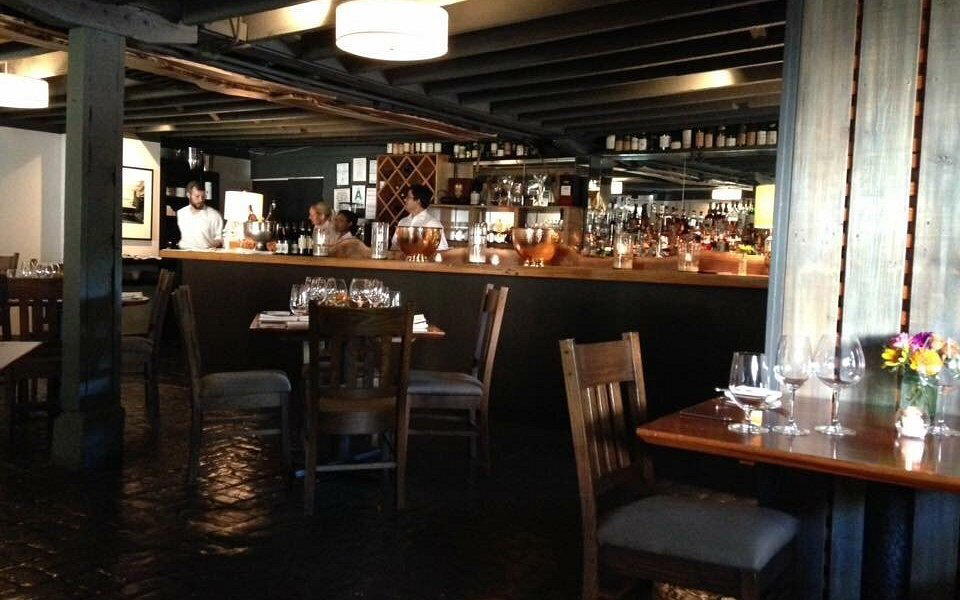
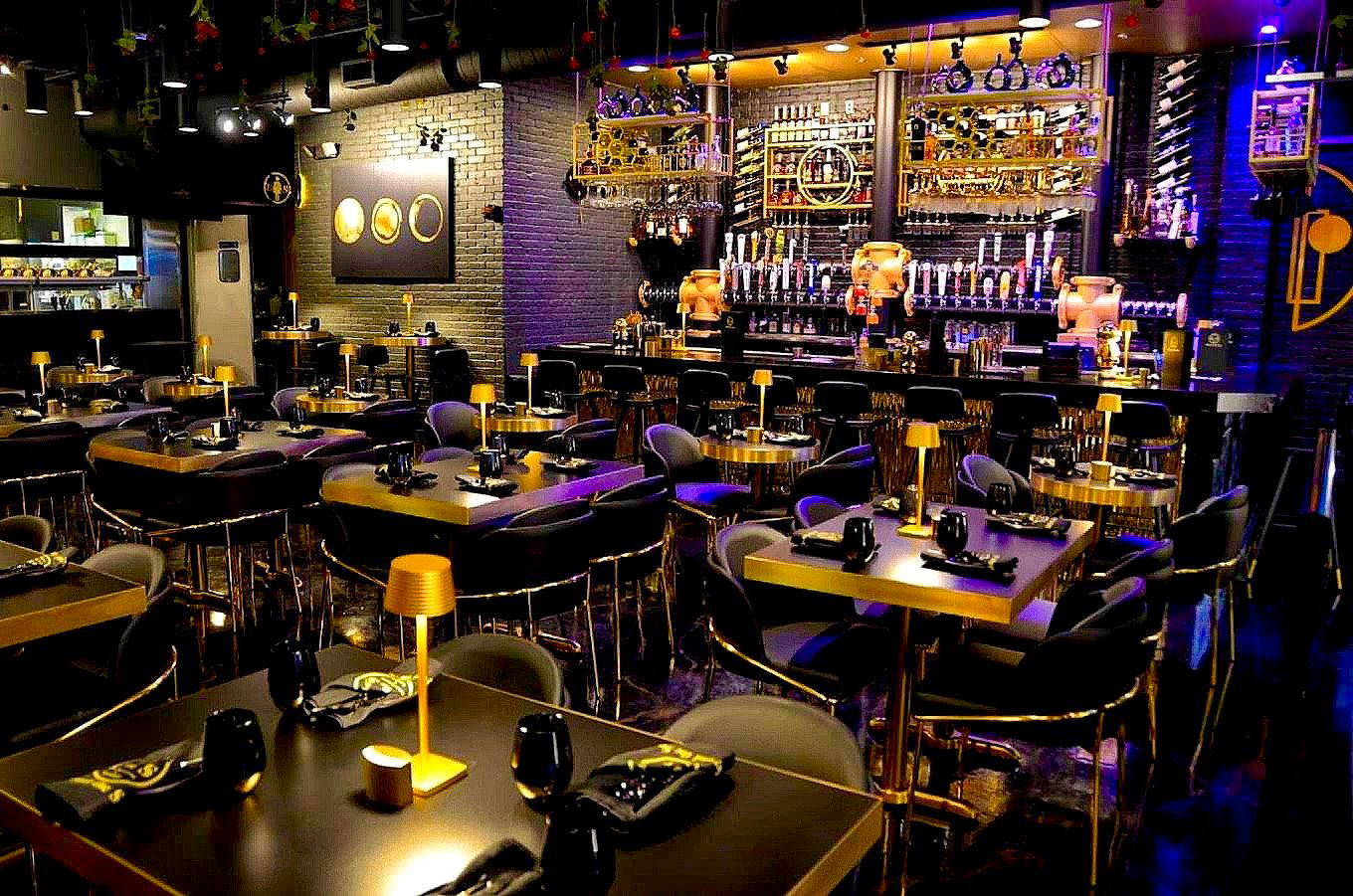
Warm, inviting, and rustic with a sense of home and familiarity, featuring spacious interior, long bar, and communal seating.