Mikan Japanese Restaurant
Mikan Japanese Restaurant sits on Pines Boulevard in Pembroke Pines, placing Japanese dining within a South Florida suburban corridor that increasingly rewards exploration. The address positions it among a growing cluster of international dining options in western Broward County, where the pairing of food and drink defines the sharper venues in the area.
Pearl is the En Primeur Club membership app — saves, bookings, and concierge access live there. Same editors, same standards.
- Address
- 12502 Pines Blvd, Pembroke Pines, FL 33027
- Phone
- +1 954 432 7775
- Website
- mikansushi.com
- Directions
- Get directions
 Saves & bookings on Pearl
A Neighborhood Anchor on Pines Boulevard
Pembroke Pines runs along a corridor of strip malls and chain restaurants that can make independent dining feel incidental. That makes places like Mikan Japanese Restaurant, at 12502 Pines Blvd, more consequential than their square footage suggests. In a suburb where the restaurant options tend toward volume and familiarity, a Japanese kitchen that draws regulars back week after week operates as something closer to a community institution than a casual dinner option. The address is west Broward County, a part of greater Fort Lauderdale where the dining conversation rarely reaches food media, but where residents eat out often and with genuine loyalty to the places that earn it.
South Florida's Japanese dining scene has historically concentrated in Miami Beach and Brickell, with the suburbs serving as secondary markets for budget conveyor-belt sushi or delivery-first roll concepts. That pattern has shifted somewhat over the past decade as Broward County's population has grown and diversified. Pembroke Pines now supports a range of independent Asian kitchens, from BAITONG Thai & Sushi Bar Restaurant to the broader format of Baoshi Food Hall + Bar, and the category is competitive enough that a Japanese restaurant has to give locals a reason to return rather than rotate.
The Role Japanese Restaurants Play in Suburban South Florida
Japanese cuisine in American suburbs tends to follow a predictable arc: it arrives as sushi, expands into teriyaki and tempura, and eventually adds ramen to stay relevant. What separates a neighborhood institution from a format exercise is whether the kitchen develops regulars who understand the menu rather than just customers who order from habit. In communities like Pembroke Pines, where residents are making weeknight decisions between a dozen options within a mile radius, that distinction drives repeat business in ways that location and signage cannot.
The competition Mikan faces on Pines Boulevard is not other Japanese restaurants but rather the full breadth of the suburb's dining options: the Peruvian-inflected cooking at Cebiche-Bar Pembroke Pines, the Italian programming at IL Toscano Ristorante Italiano, and the food hall format that draws groups with competing preferences. In that context, a Japanese restaurant wins by doing one thing clearly and consistently, rather than by attempting to cover every flavor preference.
What the Pembroke Pines Dining Scene Tells You About Mikan
Broward County suburbs reward reliability over ambition. The restaurants that accumulate genuine local followings are those that show up consistently: the kitchen that handles a Friday rush without degrading quality, the one that remembers your usual order after three visits, the one that keeps prices calibrated to the neighborhood rather than to what the same meal might cost in Wynwood or South Beach. Japanese restaurants specifically benefit from this dynamic because the cuisine rewards return visits in a way that broader menus do not. A customer who comes back to understand the difference between preparations, or to work through a sake list, is a different kind of regular than one who simply needs dinner.
For readers planning a broader evening in Pembroke Pines, the full Pembroke Pines restaurants guide maps the neighborhood's options across cuisine type and format.
Placing Mikan in a Wider Context
The conversation around Japanese dining in American cities has shifted substantially since the mid-2010s. Nationally, bars and restaurants with serious Japanese programming have claimed some of the most-discussed positions in their respective markets. In Chicago, Kumiko has built a reputation around Japanese whisky and cocktail craft that places it in a distinct category from its neighbors. In Honolulu, Bar Leather Apron demonstrates how Japanese influences in cocktail culture can anchor a bar program at a high technical level. In New Orleans, Jewel of the South shows how craft and local identity can coexist without either compromising the other.
Those examples operate at a different scale and in different markets than a neighborhood Japanese restaurant in Pembroke Pines, but they point to the same underlying question: what makes a Japanese dining or drinking experience worth the visit when the option exists to simply stay home? The answer is almost always about specificity rather than breadth, about doing something with enough focus that the regulars feel they understand the kitchen better than the menu alone could communicate. Suburban restaurants like Mikan compete not against fine dining but against the pull of the sofa, and the ones that win do so by making the decision to go out feel like an obvious one.
For comparison, cocktail programs with genuine editorial identity, like Julep in Houston, Superbueno in New York City, ABV in San Francisco, and The Parlour in Frankfurt, have each found their footing by earning loyalty within their immediate communities before reaching broader audiences. The pattern is consistent regardless of city or format.
Planning Your Visit
Mikan Japanese Restaurant sits at 12502 Pines Blvd, Pembroke Pines, FL 33027, in a stretch of Broward County that is accessible by car from most of greater Fort Lauderdale and the northern edges of Miami-Dade. For current hours, booking availability, and menu details, checking directly with the restaurant is the reliable path, as strip-mall Japanese kitchens in this market can keep variable hours depending on staffing and season. For those combining Mikan with other stops in the area, the Pines Boulevard corridor connects to a range of independent dining options that reward an evening of exploration rather than a single reservation.
Continue exploring
More in Pembroke Pines
Bars in Pembroke Pines
Browse all →

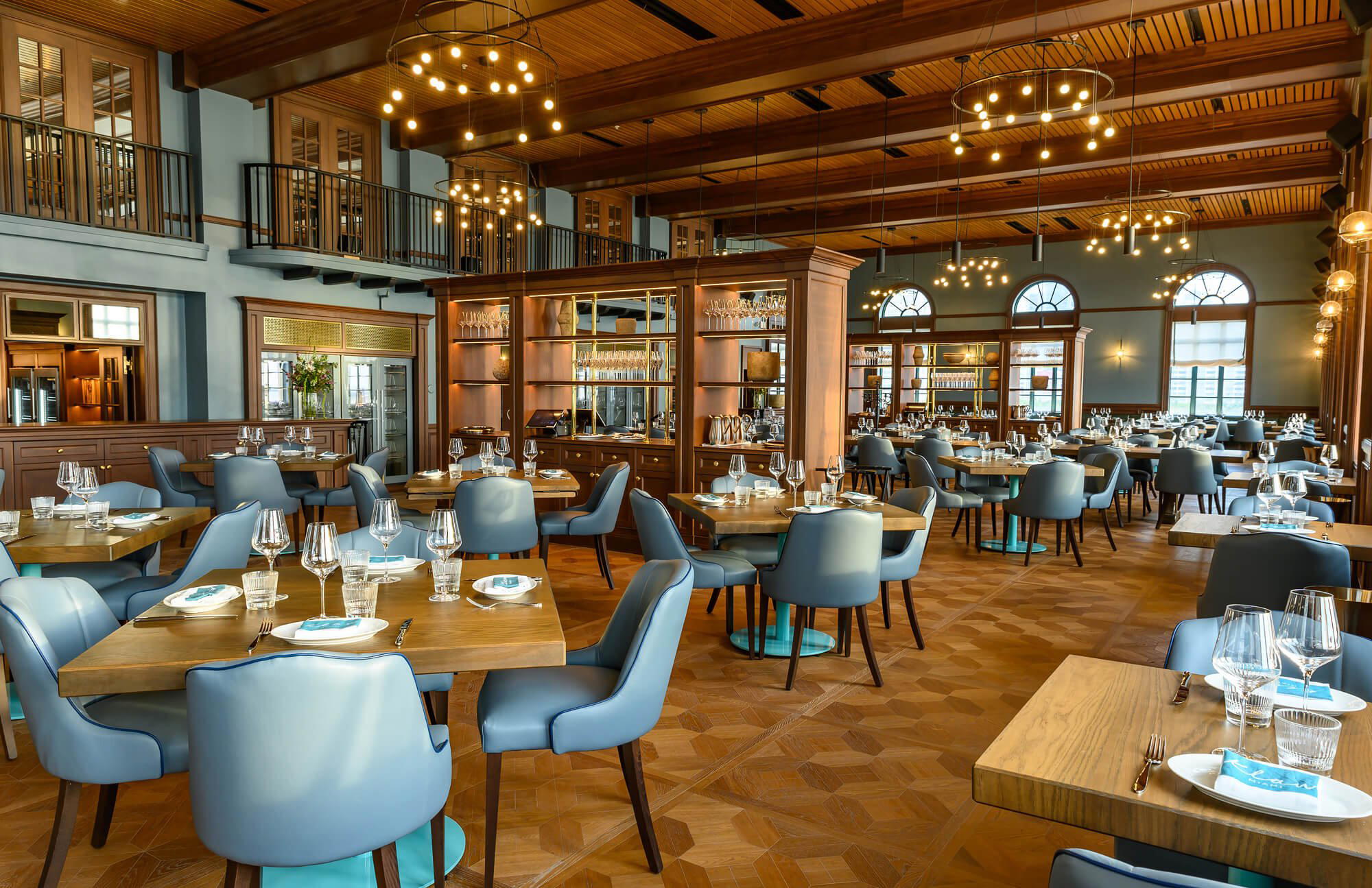
Restaurants in Pembroke Pines
Browse all →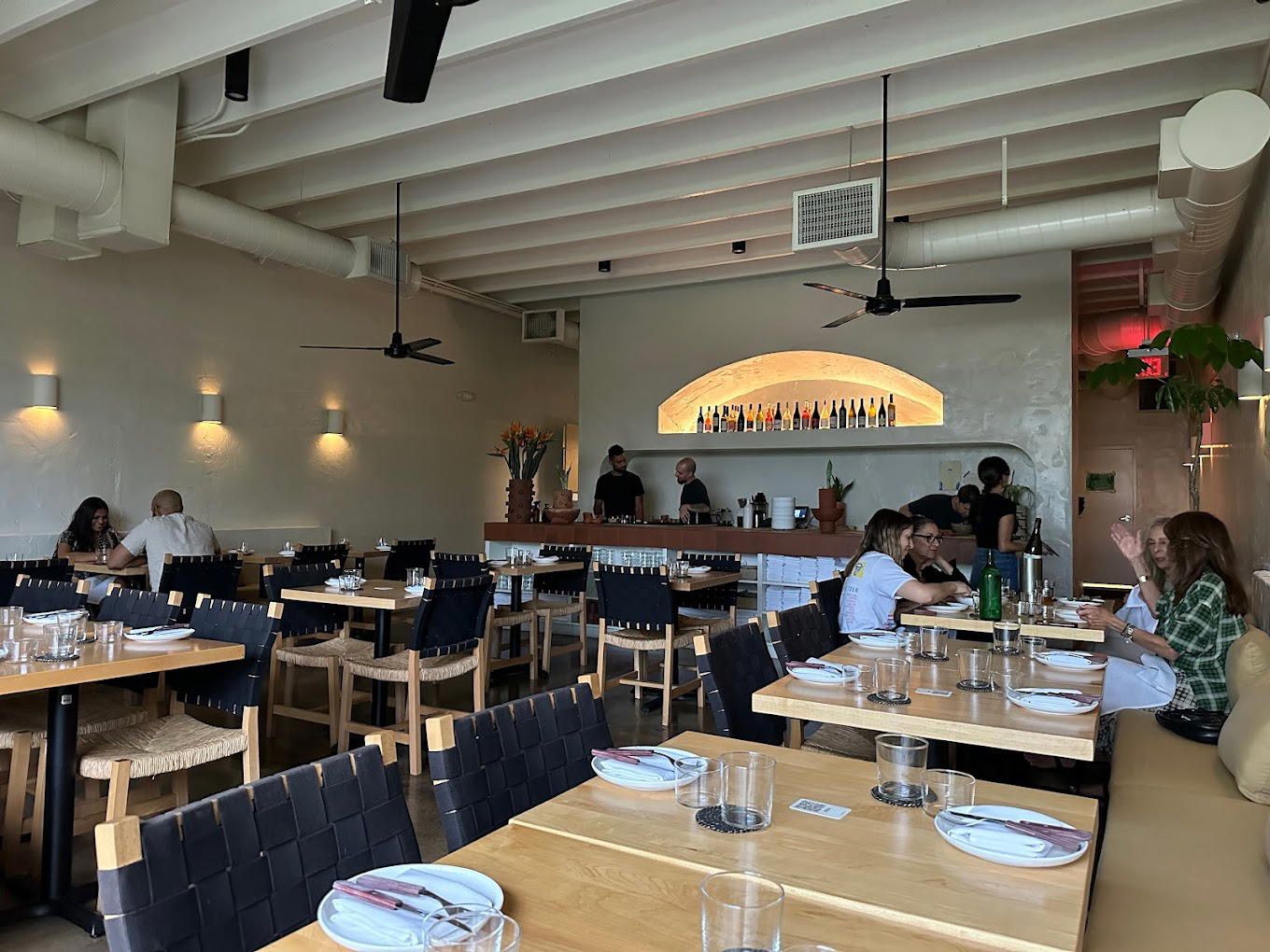
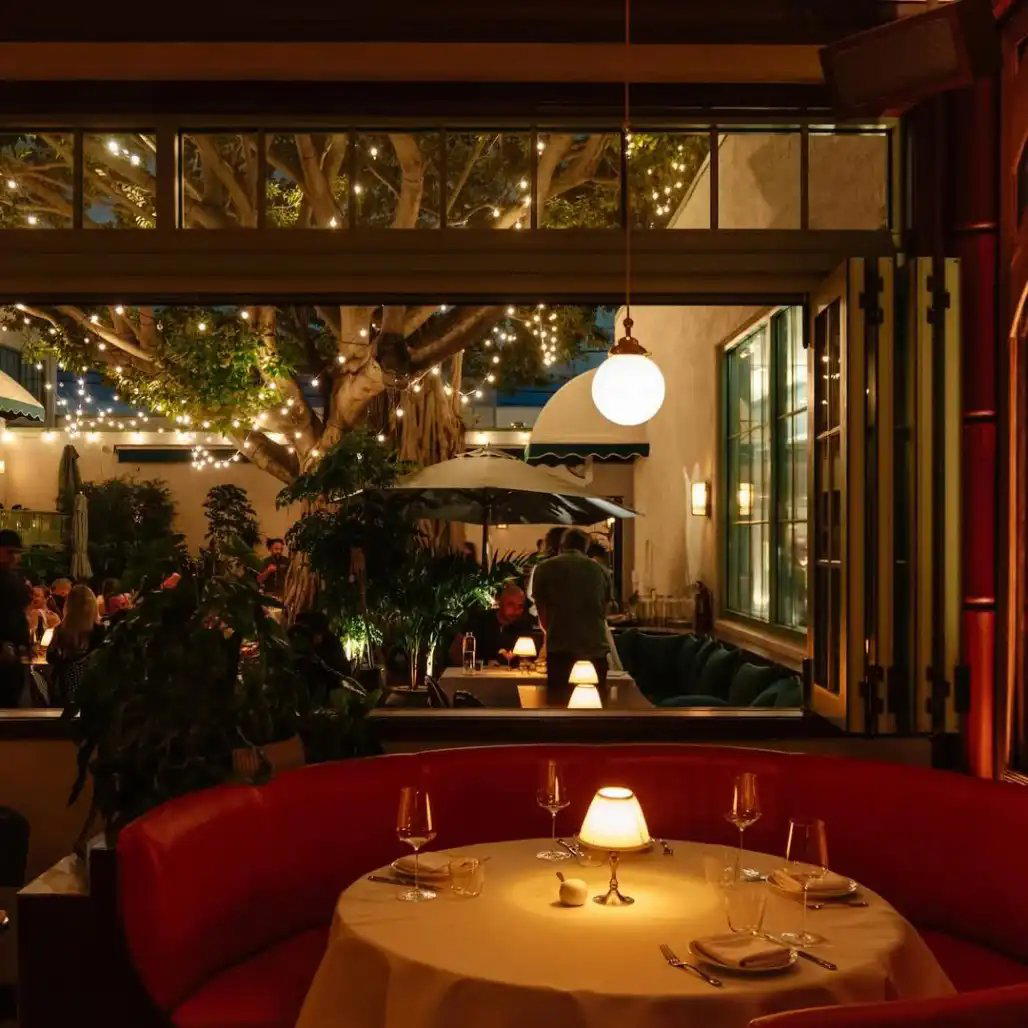
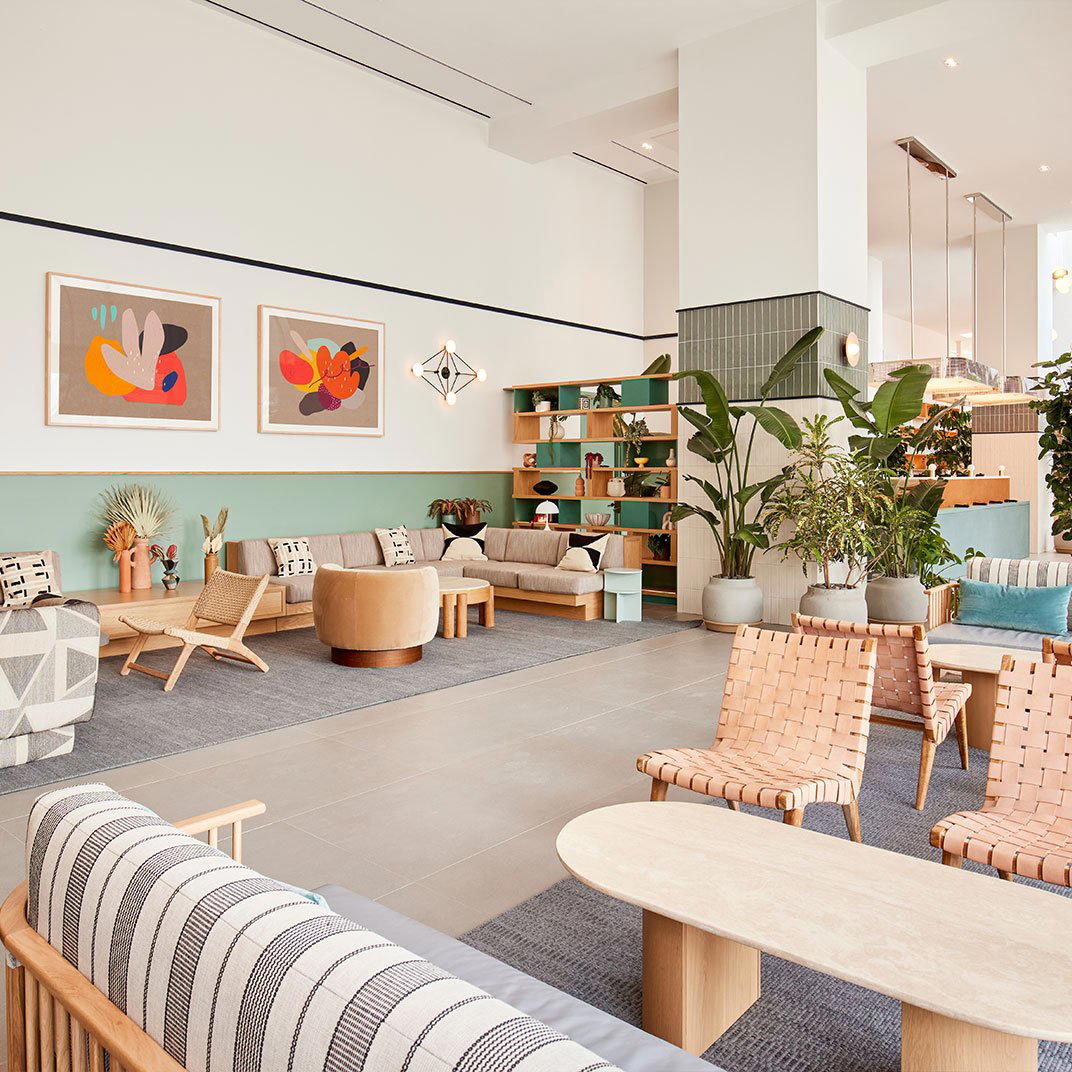
At a Glance
- Cozy
- Modern
- Casual Hangout
- Seated Bar
Current opening hours
- Monday
- Closed
- Tuesday
- Closed
- Wednesday
- 3–9:30 PM
- Thursday
- 3–9:30 PM
- Friday
- 1–10 PM
- Saturday
- 1–10 PM
- Sunday
- 1–9 PM
Hours can change for holidays and private events. Last verified .
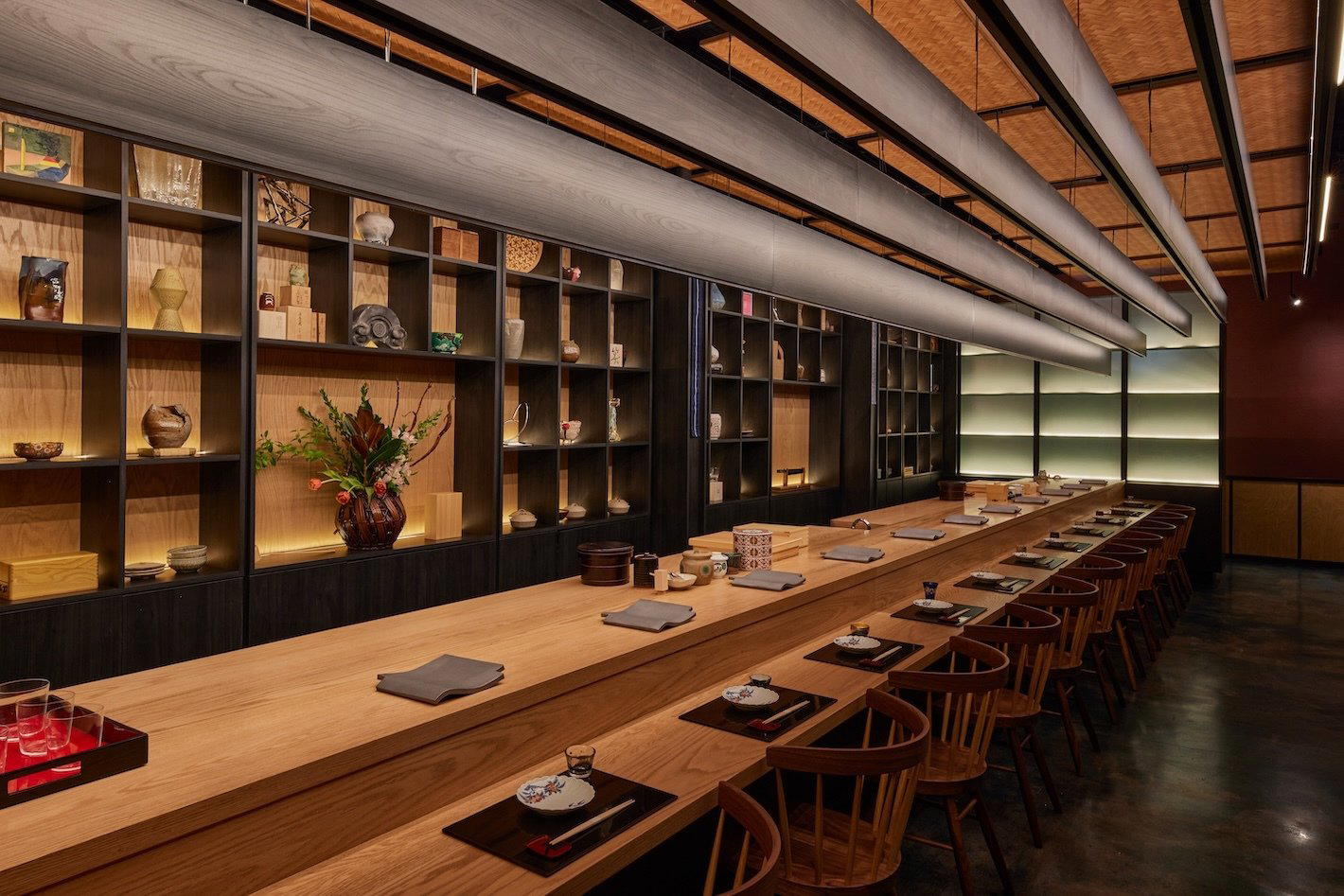
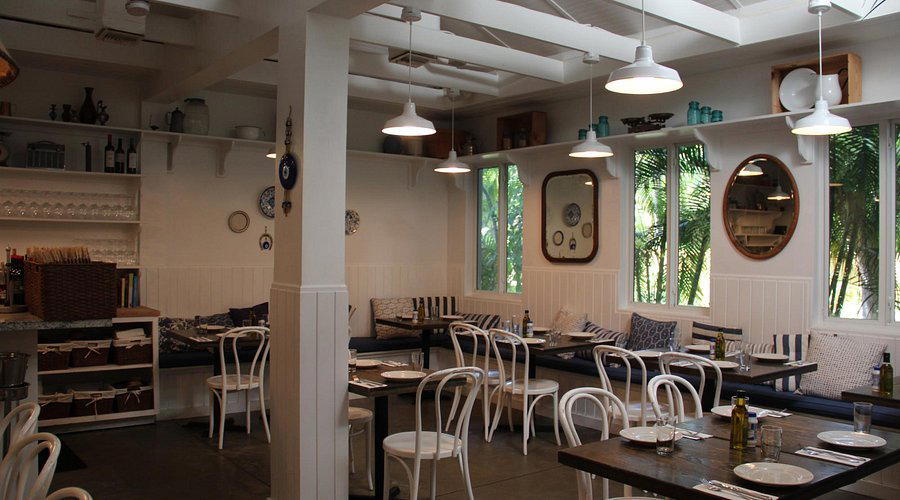
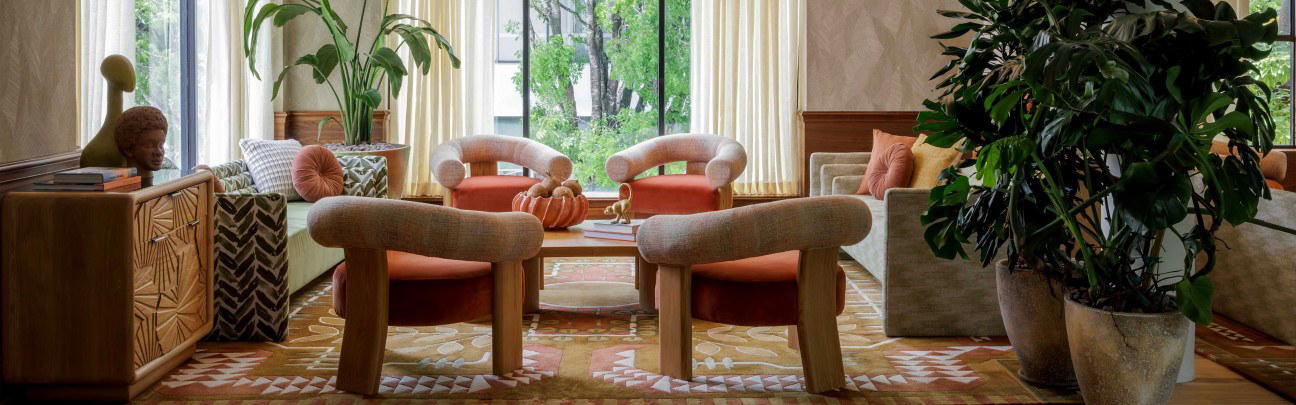
Small space with nice decor and memorable sushi bar lighting.
Know Before You Go
- Getting there
- 12502 Pines Blvd, Pembroke Pines, FL 33027