BAITONG Thai & Sushi Bar Restaurant
BAITONG Thai & Sushi Bar Restaurant on North Flamingo Road brings together Thai cooking and Japanese sushi in a format that reflects Pembroke Pines' appetite for casual, multi-cuisine dining. The dual concept positions it alongside a growing cohort of South Florida restaurants that fold Southeast Asian and Japanese traditions under one roof, offering a wider range of flavor profiles than either kitchen could serve alone.
Pearl is the En Primeur Club membership app — saves, bookings, and concierge access live there. Same editors, same standards.
- Address
- 2026 N Flamingo Rd, Pembroke Pines, FL 33028
- Phone
- +1 954 498 2459
- Website
- eatbaitong.com
- Directions
- Get directions
 Saves & bookings on Pearl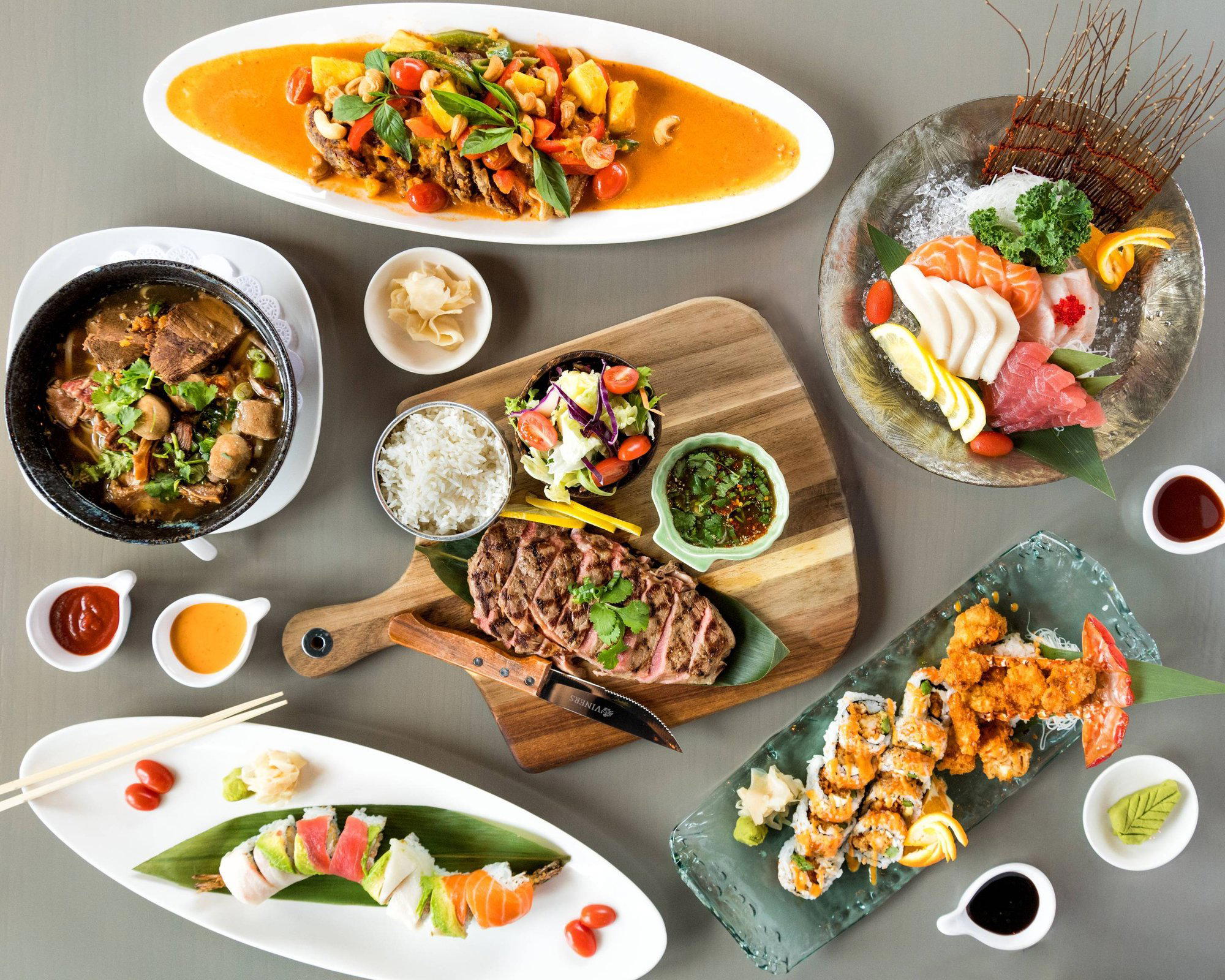
Where Thai and Japanese Traditions Share a Counter
The dual-cuisine format has become one of the more durable dining propositions in South Florida's suburban corridors. Rather than committing to a single national kitchen, a number of restaurants across Broward County have built their menus around the practical observation that Thai aromatics and Japanese precision occupy adjacent flavor logic: both prize balance between salt, acid, heat, and sweetness, and both rely on the freshness of their primary ingredients. BAITONG Thai & Sushi Bar Restaurant on North Flamingo Road sits within that tradition, combining a Thai menu with a sushi bar under one roof at 2026 N Flamingo Rd, Pembroke Pines, FL 33028.
Pembroke Pines has developed a notably varied restaurant corridor along Flamingo Road, where independent operators compete alongside chain concepts for a suburban dining audience that, over the past decade, has become considerably more curious about ingredient-led cooking. The presence of venues like Mikan Japanese Restaurant and Baoshi Food Hall + Bar within the same district suggests the area supports genuine Asian cuisine diversity, not just approximations of it. BAITONG operates in that context, drawing on both culinary traditions without subordinating one to the other.
The Logic of the Back Bar in a Dual-Concept Setting
In restaurants that bridge more than one culinary tradition, the drinks program often reveals which direction the kitchen leans. Across Southeast Asian-Japanese hybrid venues in American cities, the beverage approach tends to cluster around one of two models: a sake and Japanese whisky rail that mirrors the sushi counter's sensibility, or a broader spirits collection that accommodates the bolder, more aromatic profile of Thai food. The most considered programs manage both simultaneously.
Thai cooking presents specific demands for any bar program worth taking seriously. The high heat register of many Thai dishes, the persistent brightness of lime and lemongrass, and the layered complexity of curry pastes all create friction with tannic red wines and many bitter-forward cocktails. The drinks that hold up are those with enough residual sweetness, carbonation, or clean grain spirit character to reset the palate. Cold lager remains the default in Thailand for precisely this reason. But a genuinely curated bar can go further: dry, lower-alcohol sake works with larb and som tum where a full-bodied white wine would not; a mezcal-based cocktail with citrus can complement the char and spice of a Thai grilled protein in ways that a heavier whisky cannot.
For reference, bars that have solved the problem of pairing spirits programs to complex, multi-register cuisines include Kumiko in Chicago, where the Japanese whisky and liqueur collection is organized to mirror the flavor logic of the food, and Bar Leather Apron in Honolulu, which brings a similarly disciplined approach to a Pacific Rim context. On the cocktail side, Superbueno in New York City demonstrates how a spirits program rooted in one regional tradition can still function across a broad flavor spectrum. BAITONG's dual-cuisine model creates the same opportunity at a more accessible price point and in a suburban South Florida setting.
Sushi Bar Dynamics in the Suburban South Florida Market
The sushi bar format has dispersed widely across American suburbs over the past two decades, moving far beyond its original urban concentration. In South Florida specifically, the Broward-Dade corridor now supports sushi at every price tier from fast-casual to omakase. What distinguishes the mid-market sushi bar from its premium counterpart is less about ingredient quality ceiling and more about format: at the counter level, the interaction between diner and chef, the pacing of nigiri, and the temperature management of rice all carry more weight than any single ingredient.
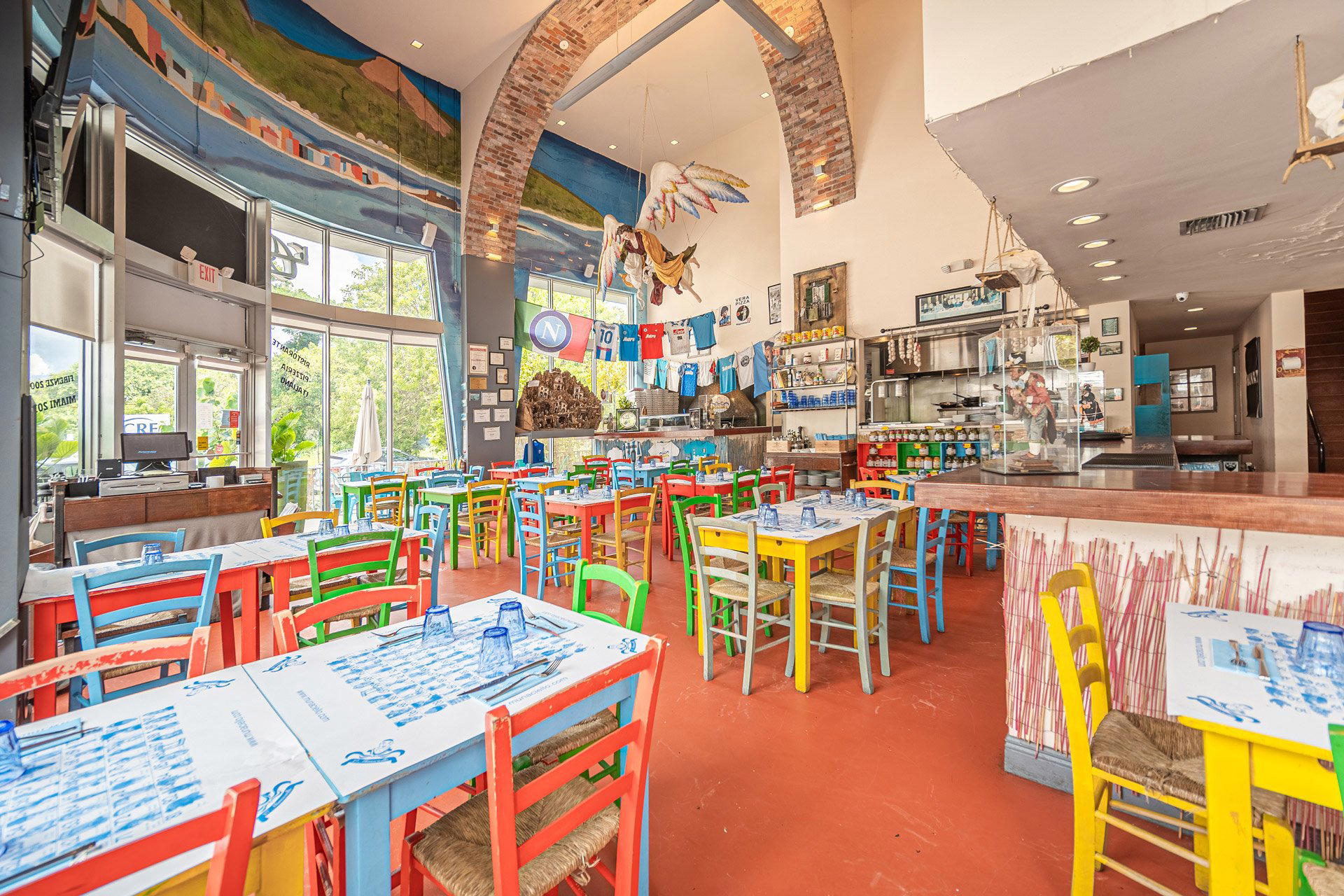
The Thai-and-sushi combination format is, in effect, a response to suburban dining economics. Combining two high-margin, ingredient-led menus into a single kitchen reduces overhead while expanding the addressable customer base. The format works when both sides of the menu are treated with equal seriousness. Venues in Pembroke Pines like IL Toscano Ristorante Italiano and Cebiche-Bar Pembroke Pines reflect the same multi-cuisine appetite in their respective Italian and Latin formats, reinforcing that the Pembroke Pines dining scene operates across a genuinely broad culinary range.
Placing BAITONG in the Wider Conversation on Craft Drinks Programs
Question of how much a suburban Thai-sushi restaurant invests in its spirits program is not a trivial one. In larger metropolitan markets, the connection between serious food programming and serious beverage programming has tightened considerably. Venues like Jewel of the South in New Orleans, Julep in Houston, and ABV in San Francisco have each made the case that a thoughtful back bar, organized around depth of category rather than breadth of label, rewards the kind of repeat visitor who approaches a restaurant with the same attention they bring to the food. Even The Parlour in Frankfurt demonstrates that the principle travels across continents: curation and intentionality in a spirits collection signal something about a kitchen's seriousness that no amount of decor can substitute.
Whether BAITONG's bar program reflects that ambition is a question leading answered in person. The structural conditions are favorable: the dual cuisine format creates natural demand for a range of drinks that can perform across both Thai and Japanese flavor profiles, and the Pembroke Pines market has demonstrated its appetite for venues that take both food and drink seriously.
Planning Your Visit
BAITONG Thai & Sushi Bar Restaurant is located at 2026 N Flamingo Rd, Pembroke Pines, FL 33028, on one of Broward County's primary commercial arterials. The Flamingo Road corridor is car-accessible from both I-75 and the Sawgrass Expressway, making it a practical stop for visitors coming from Fort Lauderdale or northern Miami-Dade. For current hours, booking options, and menu details, reaching out directly to the venue or checking their current listings is advisable, as specific operational information was not available at the time of publication. For a broader picture of where BAITONG sits within the local dining scene, see our full Pembroke Pines restaurants guide.
Price and Positioning
| Venue | Price |
|---|---|
| BAITONG Thai & Sushi Bar RestaurantThis venue — the venue you are viewing | This venue |
Continue exploring
More in Pembroke Pines
Bars in Pembroke Pines
Browse all →

Restaurants in Pembroke Pines
Browse all →

At a Glance
- Casual Hangout
Current opening hours
- Monday
- 12–9 PM
- Tuesday
- 12–9 PM
- Wednesday
- 12–9 PM
- Thursday
- 12–9 PM
- Friday
- 12–10 PM
- Saturday
- 12–10 PM
- Sunday
- 3–9 PM
Hours can change for holidays and private events. Last verified .
Know Before You Go
- Getting there
- 2026 N Flamingo Rd, Pembroke Pines, FL 33028