Midori
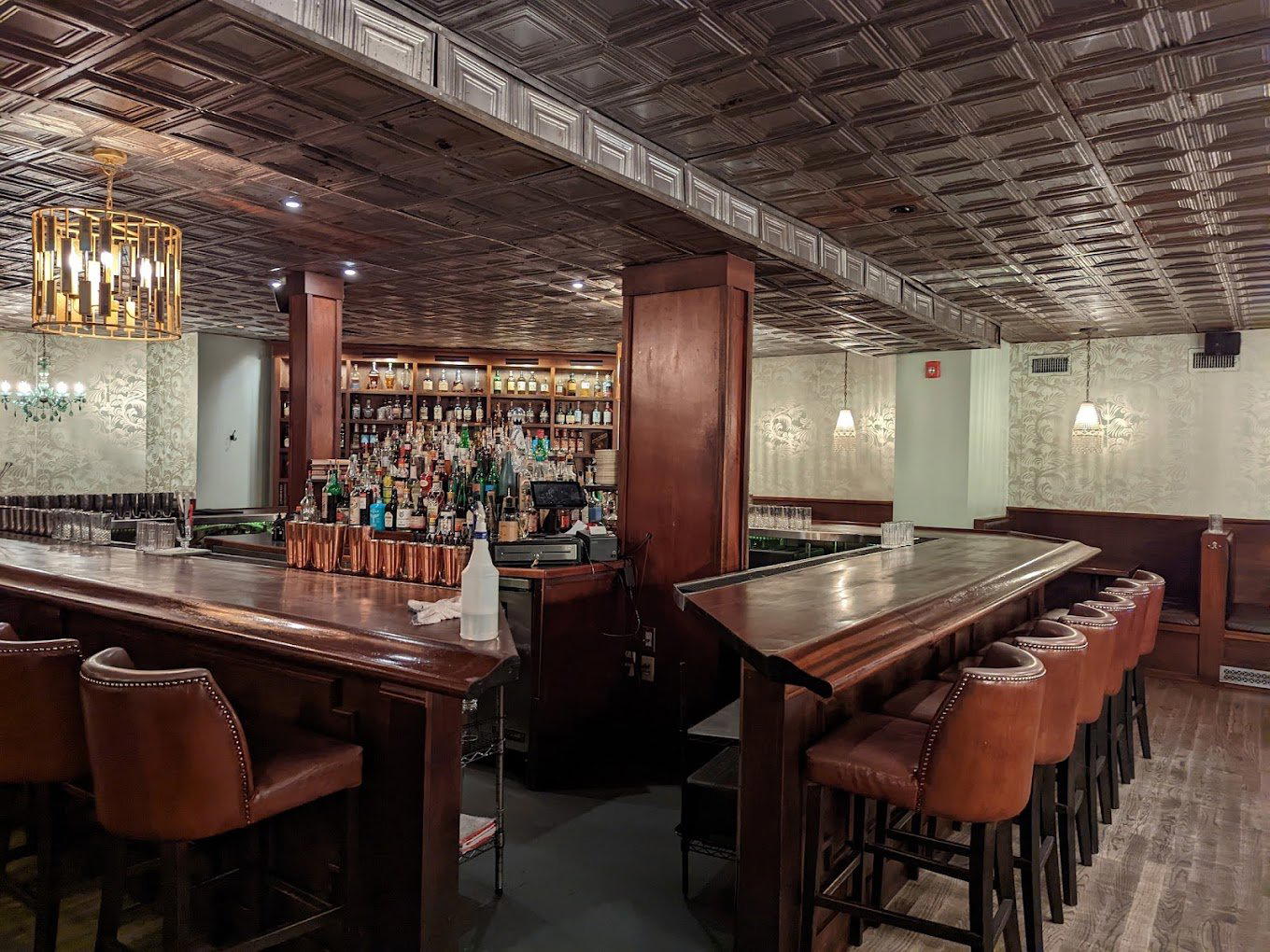
Midori occupies a Nolensville Pike address that places it squarely in Nashville's most culturally layered corridor, where the bar program draws on Japanese spirits traditions and a curation philosophy that sets it apart from the Broadway-adjacent scene. The back bar signals intent: this is a room built around what's in the bottle, not the spectacle around it.
Pearl is the En Primeur Club membership app — saves, bookings, and concierge access live there. Same editors, same standards.
- Address
- 5628 Nolensville Pk, Nashville, TN 37211
- Phone
- +1 615 831 1203
- Directions
- Get directions
 Saves & bookings on Pearl
The Nolensville Pike Context
Nashville's drinking scene has long been defined by two gravitational pulls: the neon-saturated Broadway strip and the craft-cocktail rooms that have quietly colonized neighborhoods like East Nashville and 12 South. But a third axis has been developing further south, along Nolensville Pike, where a concentration of immigrant-owned restaurants and specialty grocers has created a strip with more culinary density per block than most of the city's headline corridors. Midori sits at 5628 Nolensville Pk, embedded in that fabric rather than positioned against it. For a bar with Japanese naming and a spirits-forward identity, the address is fitting: this stretch rewards curiosity over convenience, which is roughly the same bargain the back bar proposes.
The broader Nashville cocktail conversation has matured considerably over the past decade. Venues like 417 Union and 5th & Taylor helped establish that the city could sustain serious cocktail programs with real ingredient discipline, while 12 South Taproom and Grill represents the neighborhood-anchor end of that spectrum. Midori occupies a narrower niche: the kind of room where the spirits collection carries the program's credibility, and where the audience self-selects toward genuine interest rather than occasion drinking.
A Back Bar Built Around Japanese Spirits Logic
Across American cities, a specific tier of bar has emerged around Japanese spirits and the curation philosophy that travels with them. These rooms tend to share certain qualities: a restrained visual register, an emphasis on clarity and balance over sweetness, and a back bar that treats whisky and shochu as serious reference points rather than trend vehicles. Kumiko in Chicago is perhaps the most formally recognized iteration of this model in the Midwest, earning sustained editorial attention for its precision and its treatment of Japanese ingredients as primary rather than decorative. Bar Leather Apron in Honolulu takes a similar approach in a Pacific context where Japanese influence on drinking culture has deeper historical roots.
Midori plants itself in that same tradition on Nolensville Pike. The name itself signals orientation: midori in Japanese means green, but in the context of a serious spirits room, the reference carries more weight toward the Japanese whisky and craft spirits lineage than toward any particular product. Bars that take this framing seriously tend to stock selectively across categories, with particular depth in aged spirits, single-origin shochu, and the kind of low-intervention production runs that don't appear on standard distributors' lists. The curation behind a back bar like this represents years of relationship-building and allocation work, closer in spirit to what a serious wine merchant does than to what most American bars treat as standard purchasing.
What the Spirits Collection Tells You
At the category level, Japanese-inflected spirits bars in the United States face a structural challenge: the allocations for premium Japanese whisky have tightened dramatically over the past decade as global demand has outpaced supply from Suntory, Nikka, and the smaller craft distilleries. Bars that built their collections early, when bottles were accessible, now hold inventory that can't be easily replaced. Bars entering the category later have had to compensate with depth in adjacent areas: aged awamori, single-cask shochu, Korean soju at the premium end, and Taiwanese whisky from producers like Kavalan, which has accumulated serious international competition results.
The leading collections in this tier don't simply accumulate bottles; they argue a position. Jewel of the South in New Orleans makes a case for historic American craft through its spirit selection, while ABV in San Francisco has long treated the back bar as a kind of annotated library of production method. Julep in Houston argues for Southern American whiskey as a serious category in its own right. Midori's argument, read through the Japanese framing, is that precision and restraint in production translate directly to what lands in the glass, and that a bar built around that philosophy will source accordingly.
The Room and the Register
Bars that treat spirits curation as their primary editorial statement tend to design spaces that don't compete with the bottles for attention. The atmosphere in rooms like this tends toward the deliberate: lower light levels that make the back bar glow with more presence, seating that encourages conversation at bar length rather than table distance, and a pace that rewards lingering over a single pour rather than cycling through rounds. Whether Midori's physical environment hits all of those marks is something only a visit confirms, but the Nolensville Pike address suggests a room that wasn't designed for the bachelorette circuit, and that itself is information.
For Nashville visitors accustomed to benchmarking bars against the Broadway standard, the Nolensville Pike location requires a minor recalibration. This is not the neighborhood you end up in by accident, and the bar's position there filters the audience toward people who came specifically. That self-selection tends to produce a quieter, more engaged room, which is precisely the environment a serious spirits collection requires to be read properly. Compare that to The Parlour in Frankfurt or Superbueno in New York City, both of which have built loyal audiences through deliberate positioning rather than high-foot-traffic addresses.
Planning Your Visit
Midori is located at 5628 Nolensville Pk, Nashville, TN 37211, which places it several miles south of downtown along a corridor leading reached by car or rideshare rather than on foot from central neighborhoods. Because rooms like this tend to seat modestly and attract a committed local following, arriving early in an evening service generally offers better access to bar seating and more time with the staff, who in these formats tend to be the leading guide to what's worth ordering from the collection. For a broader view of Nashville's drinking and dining options across all neighborhoods, our full Nashville restaurants guide maps the city's key venues by area and format. For coffee before or between visits, 8th & Roast represents the city's most serious end of the specialty coffee spectrum.
Comparison Snapshot
| Venue | Cuisine |
|---|---|
| MidoriThis venue — the venue you are viewing | This venue |
Continue exploring
More in Nashville
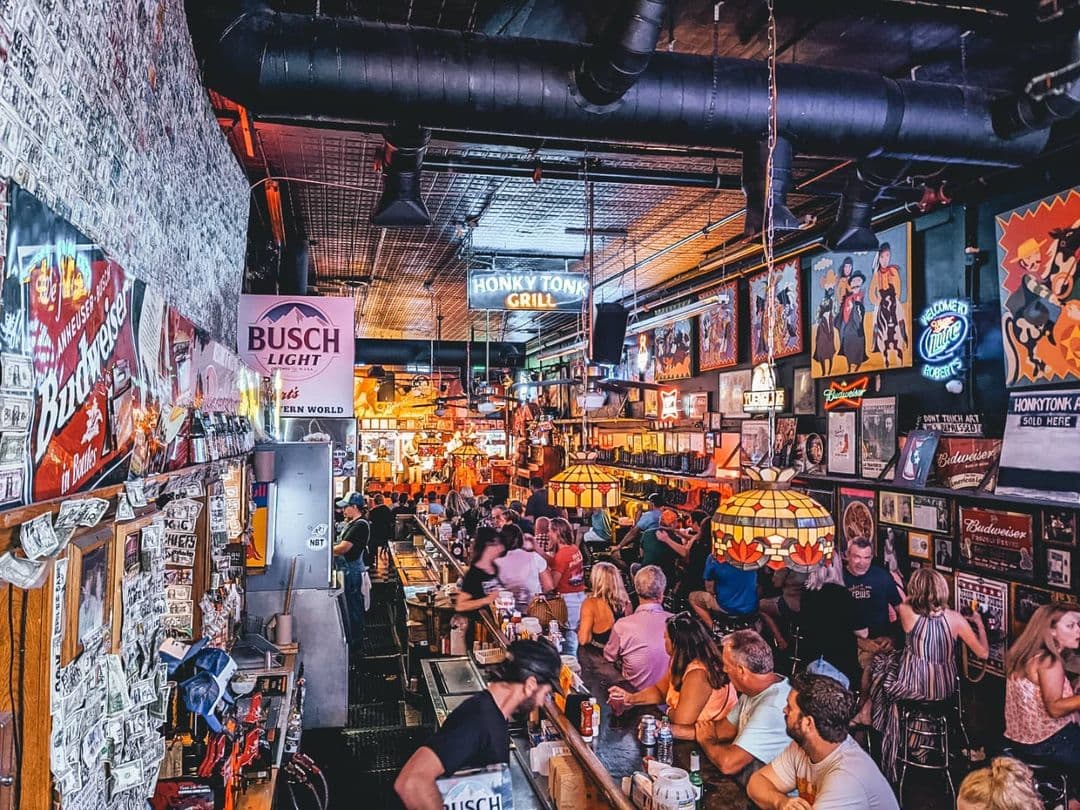
Bars in Nashville
Browse all →
Restaurants in Nashville
Browse all →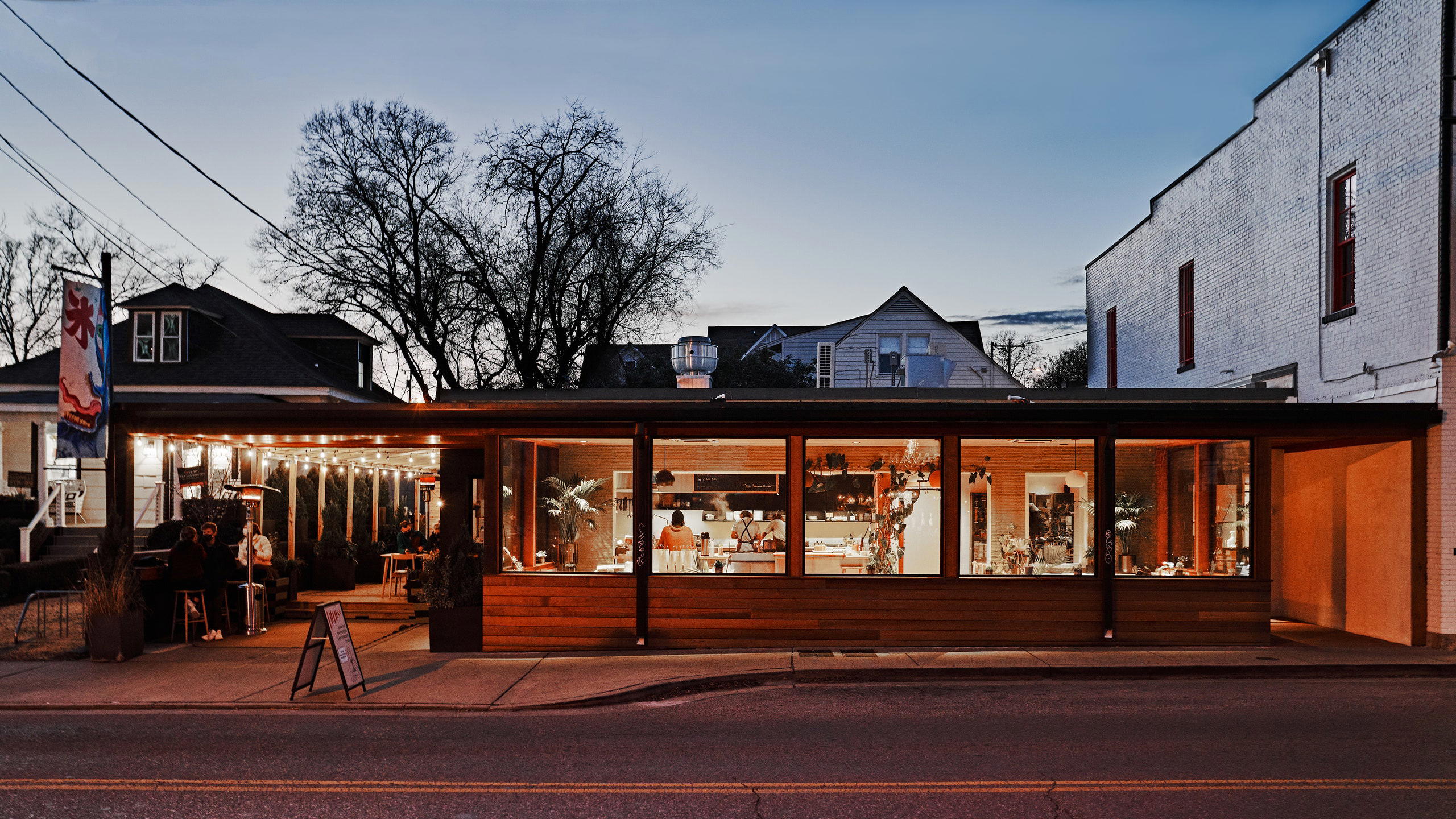
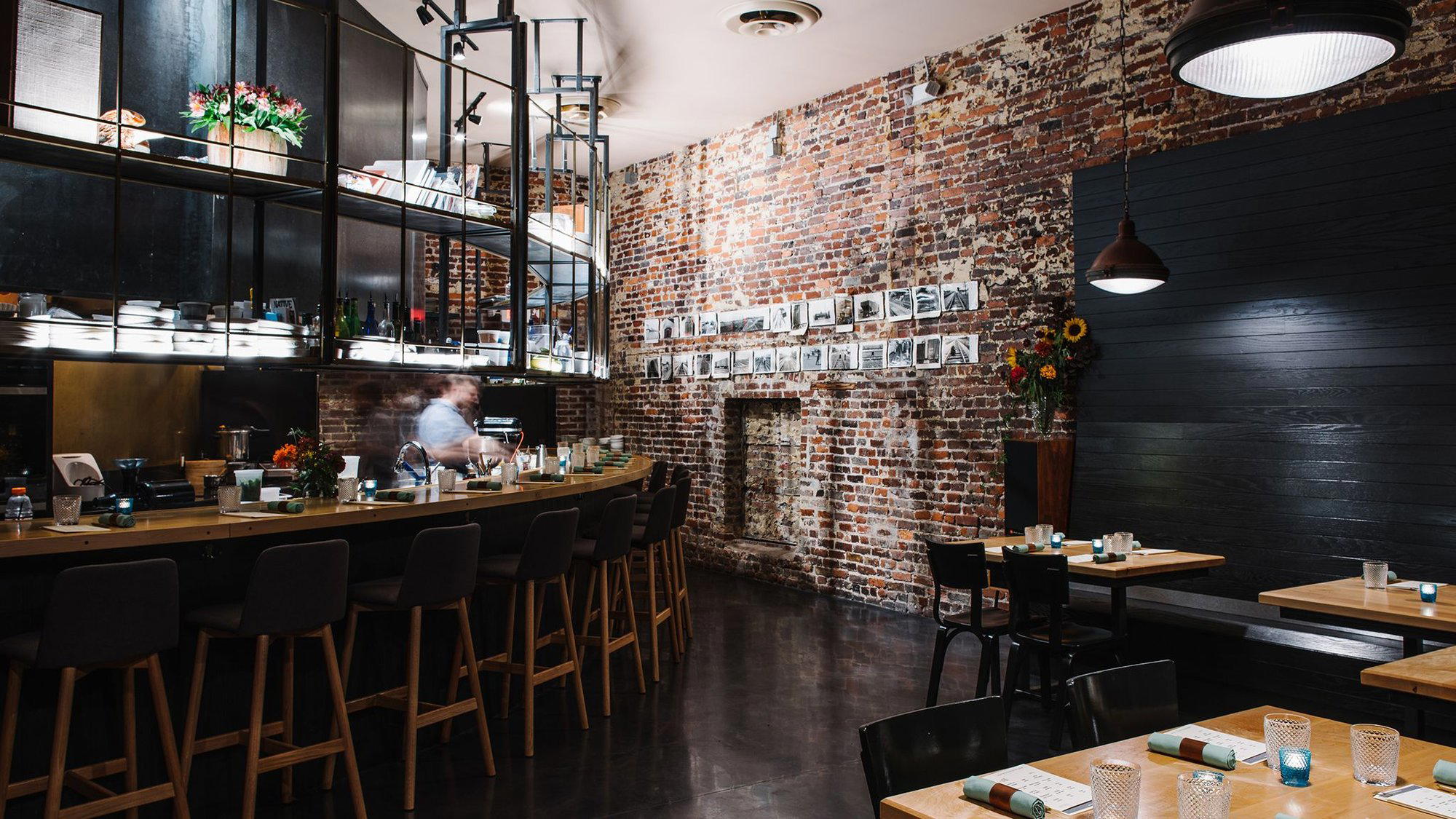
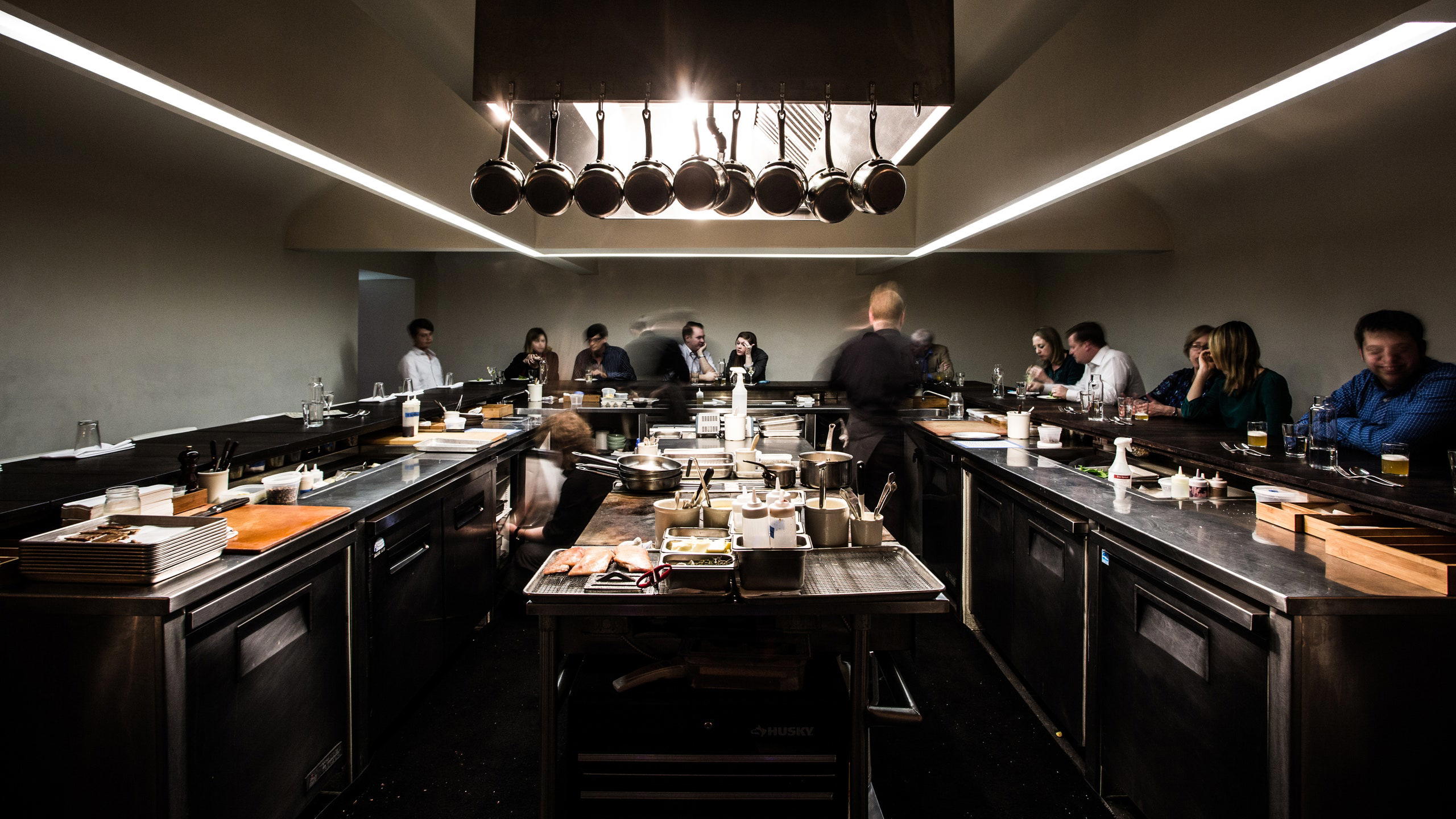
Hotels in Nashville
Browse all →


Wineries in Nashville
Browse all →
At a Glance
- Cozy
- Sake
Current opening hours
- Monday
- 11 AM–2 PM, 5–9 PM
- Tuesday
- Closed
- Wednesday
- 11 AM–2 PM, 5–9 PM
- Thursday
- 11 AM–2 PM, 5–9 PM
- Friday
- 11 AM–2 PM, 5–9 PM
- Saturday
- 11 AM–2 PM, 5–9 PM
- Sunday
- 4:30–8:30 PM
Hours can change for holidays and private events. Last verified .
Family-style with comfortable seating.
Know Before You Go
- Getting there
- 5628 Nolensville Pk, Nashville, TN 37211